2027 Most Affordable Online Communication Degree Programs Ranking in Massachusetts

Co-Founder and Chief Data Scientist
Are you considering pursuing an online communication degree in Massachusetts without breaking the bank? This article introduces the 2027 Most Affordable Online Communication Degree Programs Ranking in Massachusetts, thoughtfully created by the Research.com team of data scientists. It's designed to help you navigate your options with clear, data-driven insights.
Choosing the right program can feel overwhelming, but understanding affordability and quality together makes a big difference. Earning a communication degree opens doors to diverse career paths and personal growth, and this guide helps ensure you find a program that fits your goals and budget.
Key benefits of getting online communication degree in Massachusetts
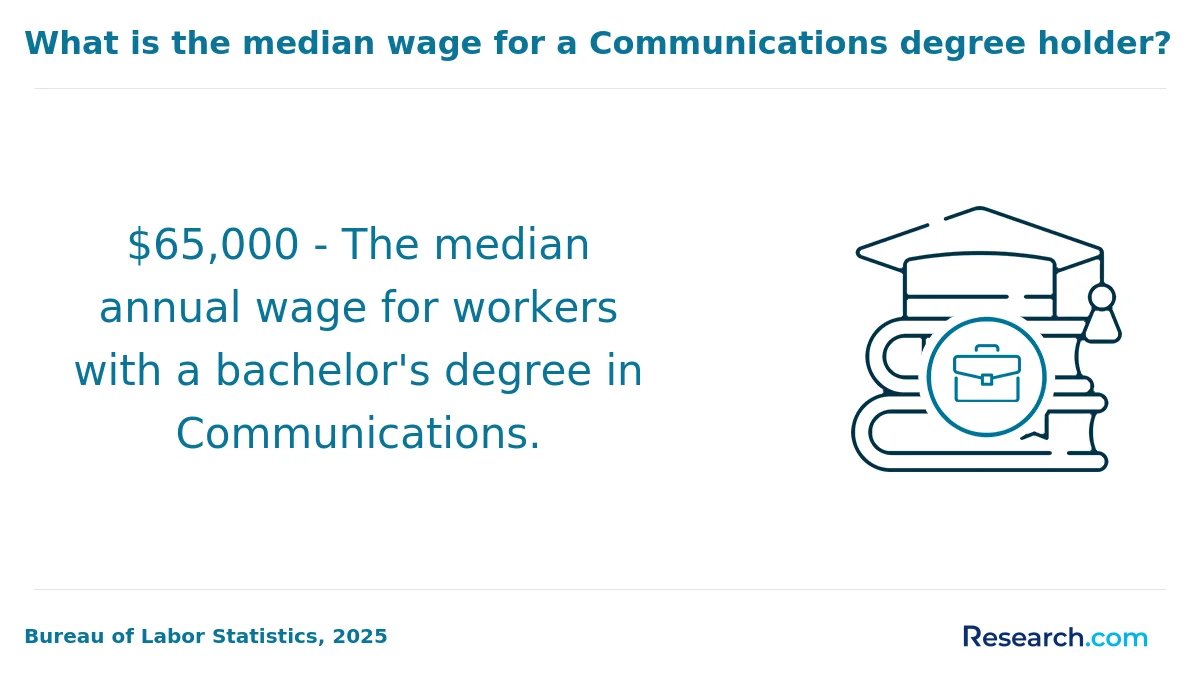
- Communication degree graduates in Massachusetts can expect entry-level positions in public relations or marketing, where the general US median annual wage is around $62,800, offering a solid financial start.
- Graduates from institutions like Boston University often pursue diverse careers including media management, corporate communication, or digital marketing, which provide dynamic opportunities to grow and succeed.
- Completing a communication degree online through schools such as the University of Massachusetts Amherst offers flexibility to balance work and study, enabling students to gain experience while earning their degree at their own pace.
- Key benefits of getting online communication degree in Massachusetts
- What can I expect from online communication degree in Massachusetts?
- Where can I work with online communication degree in Massachusetts?
- How much can I make with online communication degree in Massachusetts?
- 2027 Most Affordable Online Communication Degree Programs Ranking in Massachusetts
- Key Findings
- How long does it take to complete online communication degree in Massachusetts?
- What's the difference between online and on-campus communication degree?
- What is the average cost of online communication degree in Massachusetts?
- What financial aid is available to online communication degree students in Massachusetts?
- What are the prerequisites for enrolling in online communication degree program in Massachusetts?
- What courses are typically in online communication degree programs in Massachusetts?
- What types of specializations are available in online communication degree programs in Massachusetts?
- How do you choose the best online communication degree in Massachusetts?
- What career paths are available for online communication degree students in Massachusetts?
- What is the job market for online communication degree in Massachusetts?
- Related Communication Rankings for Nearby States
- Top Trending Communication Rankings
What can I expect from online communication degree in Massachusetts?
Imagine diving into the dynamic world of communication from your cozy home in Massachusetts, where online degrees open doors without breaking the bank. Graduates from institutions like the University of Massachusetts have shared how their programs balance affordability with quality, often costing between $15,000 and $30,000 for a full bachelor's degree. This range covers tuition and sometimes includes access to career services and virtual internships that connect you directly to hubs like Boston and Cambridge.
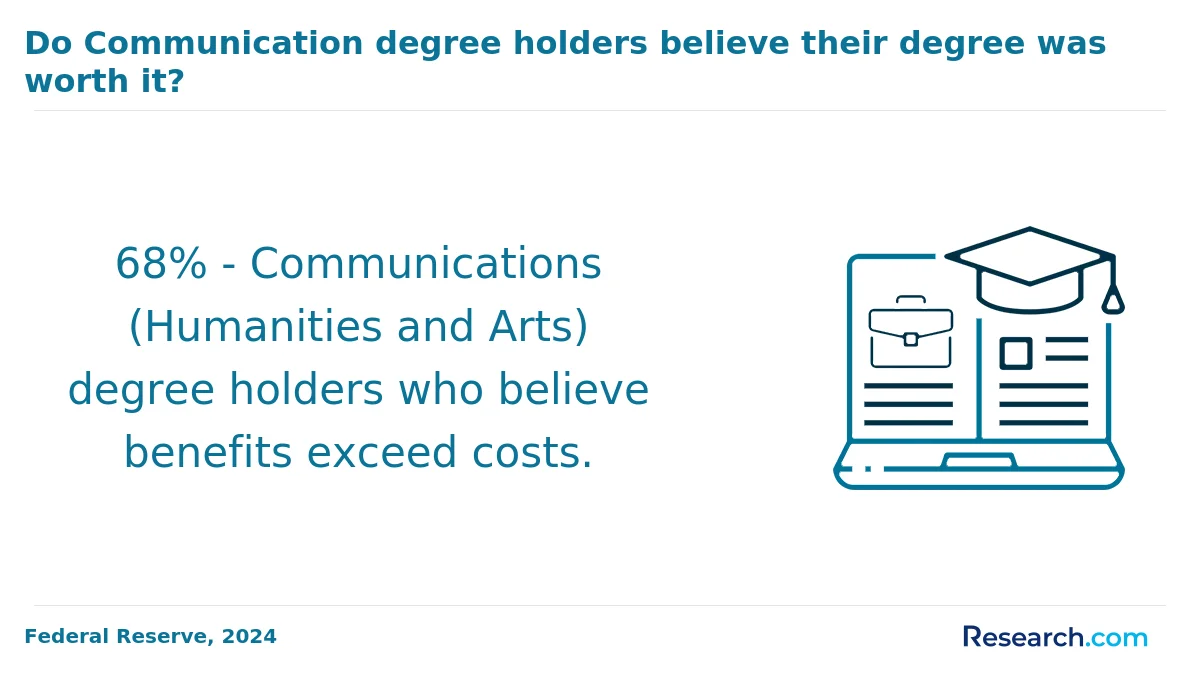
One graduate recalled juggling work and family while crafting multimedia projects and research papers through slick online platforms. The investment felt worthwhile as the hands-on curriculum polished real skills in digital storytelling and media ethics, preparing them for the bustling Massachusetts job market.
While some programs lean toward public university pricing, private colleges may sit higher on the scale, yet still offer flexible payment options. Ultimately, this accessible pricing coupled with Massachusetts' vibrant communication sectors creates a hopeful atmosphere, where students thrive both intellectually and financially.
Where can I work with online communication degree in Massachusetts?
With an online communication degree from institutions like Boston University or the Massachusetts Institute of Technology, graduates seamlessly step into buzzing hubs of influence. Imagine crafting compelling stories for The Boston Globe or orchestrating digital campaigns at Fidelity Investments-real-world arenas where communication students transform theory into impact. Many alumni recall the thrill of shaping social media strategies for tech giants or steering public relations in healthcare giants like Partners HealthCare, where every message counts.
Others dive into Boston's vibrant nonprofit scene, using words to rally communities and spark change, channeling the passion nurtured during their studies. Those who thrive on creativity find themselves producing dynamic content for WBUR Public Radio or local TV stations, blending their skills in writing, speaking, and digital innovation. Graduate voices from Harvard's campus often highlight how their online programs prepared them for these fluid roles, turning communication expertise into a versatile, career-launching superpower in Massachusetts' rich media and corporate landscapes.
How much can I make with online communication degree in Massachusetts?
Fresh out of an online communication program at a school like Emerson College or UMass Amherst, graduates usually step into the professional world with salaries ranging from $45,000 to $55,000. Picture yourself as a communications coordinator in Boston's bustling startup scene, where each day pulses with digital campaigns and fast-paced media updates. It's the perfect launchpad to build skills and confidence while earning a solid entry-level wage.
With a few years under your belt, you might rise to roles like communication manager or content strategist, commanding between $70,000 and $90,000 annually. Imagine crafting messaging for a biotech firm in Cambridge or shaping narratives for a prestigious university; these are not just jobs, but opportunities to influence sectors that define Massachusetts' economy.
Seasoned pros with sharp expertise and deep networks-perhaps graduates from Northeastern University who've honed their skills through co-ops-can surpass $100,000. The thrill of steering corporate communications or leading public relations in major firms or academic institutions in Massachusetts is matched by the rewarding paychecks that reflect your impact.
2027 Most Affordable Online Communication Degree Programs Ranking in Massachusetts
How do we rank schools?
Investing in your education is a significant decision that can shape your future, and the Research.com team understands the importance of making informed choices. To assist prospective students in Massachusetts, we have meticulously crafted the "2027 Most Affordable Online Communication Degree Programs Ranking in Massachusetts." Our commitment to quality, credibility, and accuracy is reflected in the extensive research and analysis conducted to compile this ranking.
We utilized the following reputable data sources to ensure a comprehensive evaluation of online communication degree programs:
By exploring this ranking, readers will gain valuable insights into affordable and quality online communication programs, empowering them to make informed decisions that align with both their educational goals and financial considerations. For more details on our methodology, please visit our Research.com methodology page.


Key Findings
- The average total cost for an online bachelor's degree in communication from a public university in Massachusetts ranges between $25,000 and $40,000.
- Entry-level salaries for communication graduates in Massachusetts typically range from $45,000 to $55,000 annually.
- Experienced professionals can earn median salaries of $70,000 or more in fields like public relations, marketing, and media management.
- Massachusetts industries such as higher education, healthcare, technology, and media offer various communication-related job opportunities.
- Many online communication programs in Massachusetts are accredited by the New England Commission of Higher Education (NECHE), ensuring recognized academic quality.
How long does it take to complete online communication degree in Massachusetts?
Completing an online communication degree in Massachusetts often dances to the rhythm of your own life's tempo. For many at renowned institutions like UMass or Suffolk University, a bachelor's degree unfolds over about four years of full-time study, mirroring those classic academic marathons. Imagine balancing your Zoom discussions with a morning coffee, fully immersed for roughly 120 to 130 credits, building a sturdy bridge to your career.
Some graduates recall starting at community colleges, where their associate degree took a focused two years-about 60 credits-before they transferred seamlessly into a bachelor's program, cutting down their overall journey.
Meanwhile, master's candidates often cherish their intense one-to-two-year immersion, juggling projects alongside daily routines, savoring the flexibility that Massachusetts online programs embrace.
Picture a part-time student shifting between courses like a skilled multitasker, their path stretching delightfully longer but tailored perfectly to life's many demands-accelerated tracks even shrink these timelines to as little as 18 months, turning dreams into diplomas at lightning speed.
What's the difference between online and on-campus communication degree?
Imagine juggling your day job while attending Northeastern University's communication classes from a sunny café in Cambridge-that's the rhythm of an online communication degree in Massachusetts. Graduates often celebrate the freedom of accessing lectures whenever inspiration strikes, making it easier to blend family, work, and study without missing a beat.
Contrast this with sitting in a bustling classroom at Boston University, feeling the hum of discussion and immediate feedback from professors and peers. On-campus students thrive on that electric connection, networking through live projects and internships with local media outlets, which craft their confidence like a hands-on workshop.
The price tag around $14,500 a year at public schools like UMass Amherst feels more flexible online, once you factor in avoided commutes and housing. Yet online learners embrace a new kind of discipline-mastering deadlines in silence, motivated by personal drive rather than classroom routines. It's all about choosing your own adventure in the vibrant world of Massachusetts communication education.
What is the average cost of online communication degree in Massachusetts?
The average cost of an online communication degree in Massachusetts hovers around a median total of $35,268, a figure that finds many graduates feeling satisfied with their investment in a brighter career path. Imagine a student enrolled at a renowned public institution like the University of Massachusetts, where in-state tuition per credit hour can fall between $350 and $450. This student often experiences the joy of balancing quality education and manageable expenses, a rare harmony in today's tuition landscape. Conversely, those opting for a private college in Massachusetts feel the weight of higher prices-ranging from $800 to $1,200 per credit hour-but frequently gain access to elite resources and networking opportunities that energize their personal growth and professional ambitions.
For many aspiring communicators mindful of the average cost of online communication degree Massachusetts options, the financial commitment feels like planting seeds for a future harvest. And unlike a typical full-time on-campus program, studying online allows these students to juggle work or family responsibilities, cushioning the financial strain with flexible schedules. Graduates often reflect on the profound satisfaction of completing their degrees without uprooting their lives entirely.
Beyond tuition, additional expenses such as technology fees and course materials occasionally surprise students, but these are small ripples in an otherwise steady journey. Exploring financial aid options, scholarships, and employer tuition assistance programs plays a significant role in softening the overall price tag. For those looking to explore affordable online communication programs Massachusetts tuition can vary widely-so a glance at offerings like the affordable online communications masters programs can open doors to cost-effective educational paths tailored to personal goals.
What financial aid is available to online communication degree students in Massachusetts?
Imagine a communication student at UMass Amherst uncovering a treasure chest called FAFSA-unlocking Pell Grants of up to $7,395 that feel like a warm breeze on a chilly tuition day. These grants, no strings attached, make studying storytelling, media, or digital communication online feel surprisingly attainable in Massachusetts. At Boston University, a graduate recalls how the MassGrant program trimmed down their bill, offering thousands off tuition just for being a resident eager to transform their communication dreams into reality.
Beyond these, local scholarships from communication associations and Massachusetts foundations whisper opportunity into eager ears, rewarding leadership, creativity, and diverse backgrounds. Picture a Northeastern student discovering these gems hidden inside scholarship databases, their hope renewed by money that doesn't ask for repayment.
Some students tap low-interest federal and state loans cautiously, balancing dreams with responsibility, while others juggle flexible payment plans that smooth out their financial rhythms. Those juggling 9-to-5 jobs find relief through employer tuition assistance, turning work into a direct pathway to degree completion. The Massachusetts online communication journey is sprinkled with financial support that turns daunting costs into manageable steps forward.
What are the prerequisites for enrolling in online communication degree program in Massachusetts?
Picture yourself diving into an online communication degree at a Massachusetts university, where your journey begins with simple yet meaningful milestones. For undergraduates, having a high school diploma or GED opens the gateway, much like it did for recent grads at UMass Amherst who found that their solid English and humanities backgrounds truly prepared them for the challenges ahead.
Graduate hopefuls know the bar rises with a bachelor's degree and often a GPA hovering around 3.0, a reality embraced by those pursuing their master's at Boston University. Many recall submitting heartfelt statements of purpose that painted their communication dreams vividly, alongside letters of recommendation that captured their growth and potential.
Technical readiness also plays a starring role - imagine a student at Northeastern smoothly joining classes with just a reliable internet connection and a trusty webcam, feeling confident and connected despite the virtual format. These prerequisites are more than rules; they form a bridge to your immersive learning experience in Massachusetts' vibrant communication community.
What courses are typically in online communication degree programs in Massachusetts?
Diving into online communication degrees in Massachusetts feels like stepping into a vibrant storytelling lab. Graduates from renowned institutions like Boston University often describe how courses such as Interpersonal and Organizational Communication transformed their understanding of everyday dialogues, whether negotiating team projects or navigating office dynamics-skills instantly useful in both virtual and real-world settings.
Imagine crafting compelling narratives for social platforms or local news outlets through Media Writing and Production, a favorite among students at Emerson College. This course sparks creative energy, empowering learners to produce content that captures attention amidst the digital buzz.
Public Relations Strategies courses become arenas to experiment with crafting empathetic crisis responses, a treasured skill for those dreaming of influencing brands or community initiatives across Massachusetts.
Many find Digital Media and Communication Technologies thrilling, uncovering innovations that redefine how messages travel, while Communication Law and Ethics grounds them with real-world boundaries, balancing freedom with responsibility. These courses resonate deeply with Massachusetts' rich media landscape and dynamic industries, making the curriculum feel alive and tailored for the state's fast-paced communication challenges.
What types of specializations are available in online communication degree programs in Massachusetts?
Imagine diving into a world where words shape reputations, stories spark change, and digital whispers command vast online communities-all from your laptop in Massachusetts. Online communication degree specializations Massachusetts campuses offer tap into this vibrant pulse with tracks like Public Relations and Strategic Communication, where graduates learn to steer narratives through media storms and craft messages that resonate deeply.
Others find their groove in Digital and Social Media Communication, mastering algorithms and engagement strategies critical to Boston's tech-driven landscape. Mass communication grads often recount how Corporate Communication programs at local colleges molded them into confident leaders, tactfully navigating internal dialogues in dynamic businesses.
Health Communication is especially inspiring in Massachusetts, a healthcare innovation hub, where students connect emotionally with public health missions. Those fascinated by storytelling choose Media Studies and Journalism, sharpening their craft to reveal truths that matter.
If you're exploring this path, check out a bachelor of communications degree online to find these diverse options shaped for your future.
How do you choose the best online communication degree in Massachusetts?
Choosing the best online communication degree programs Massachusetts offers feels like navigating a vibrant maze of possibilities. Imagine tuning into a lecture on strategic media relations while sipping coffee in a cozy Boston apartment-graduates from renowned local universities often gush about how tailored courses, especially those focusing on public relations, created pathways straight into thriving city industries. The real magic lies in finding a program that doesn't just teach communication theories but connects you to internships and networks buzzing within Massachusetts' dynamic job market.
Affordability can be a breath of fresh air too. Many students juggling work and study rejoice in uncovering affordable communication degrees in Massachusetts online, appreciating how these programs blend quality with manageable tuition. One graduate recalled how the blend of technical support and academic advising felt like having a personal cheer squad, amplifying motivation through each online module.
If crafting your own pace sounds ideal, look for flexible, asynchronous classes that fit your rhythm. And if you're dreaming of specializing, explore options such as a degree for public relations that align perfectly with Boston's bustling business scene-graduates rave about how these targeted pathways made their education deeply relevant and exciting.
What career paths are available for online communication degree students in Massachusetts?
Imagine navigating the bustling corridors of universities like Boston University or Northeastern, where graduates armed with an online communication degree step boldly into roles that shape narratives across Massachusetts. From crafting compelling stories as social media mavens in tech startups to steering public health messages in prominent Boston hospitals, these graduates find vibrant career paths that ignite their passion and purpose. The ripple effect of their work is felt in newsrooms and marketing firms alike, where communication skills turn abstract ideas into magnetic campaigns that capture the heart of Massachusetts' diverse audiences.
Many who took the online communication degree path in Massachusetts report thriving in corporate communication roles, weaving cohesive internal and external dialogues that energize businesses. Others channel their creativity into nonprofit advocacy or government outreach, fueling community engagement with strategic clarity and empathy. This versatile skill set opens doors to a dynamic professional playground, especially in a state where healthcare giants, prolific media outlets, and innovative companies converge.
For those eager to explore careers with a master's degree in public relations or other specialized routes, the local landscape offers a multitude of exciting opportunities. These real-life journeys highlight just how diverse online communication degree jobs Massachusetts can truly be.
What is the job market for online communication degree in Massachusetts?
The job market for graduates with an online communication degree in Massachusetts buzzes with opportunity, fueled by the state's dynamic blend of tech, healthcare, and media hubs. Graduates from popular institutions like Boston University and Northeastern often find themselves thriving in roles as public relations specialists or social media strategists, fueled by real-world digital projects completed during their studies.
Imagine a recent graduate crafting compelling campaigns for a biotech startup in Cambridge, leveraging skills honed through flexible online programs-this is the reality for many exploring online communication degree jobs Massachusetts. These graduates report feeling empowered by the state's competitive salaries and the chance to join an ecosystem where communication isn't just a job but the heartbeat of innovation and influence.
The employment outlook sparks excitement, with employers seeking savvy communicators adept in digital media and data analytics, especially those from online programs offering practical experience. For students balancing life and learning, Massachusetts' online degrees combine affordability and prestige, making them ideal for career jumpstarts. For those curious, the best public relations graduate program online offers a promising pathway in this vibrant market.
Frequently Asked Questions About communication
Students pursuing online communication degrees in Massachusetts can maximize their learning by actively engaging with course materials and participating in virtual discussions. Research shows that Massachusetts ranks highly in communication-related job growth, making practical skills especially valuable (Bureau of Labor Statistics, 2023).
Building connections through virtual networking events and internships with local media outlets or PR firms enhances real-world experience. Using the state's extensive library and digital resources helps deepen understanding beyond the classroom.
Additionally, time management is critical; establishing a consistent study schedule improves retention and success rates in online programs.
Emerging niches within the communication field reflect the growing role of digital technology and data analysis. In Massachusetts, professionals increasingly focus on areas like social media management, digital content strategy, and health communication. According to the U.S. Bureau of Labor Statistics, employment for communication specialists is expected to grow by 11% nationally from 2021 to 2031, with urban centers like Boston leading demand for digital communication expertise.
Data analytics in communication is another rapidly expanding niche. Graduates skilled in interpreting online engagement metrics have excellent job prospects in marketing and public relations firms throughout Massachusetts.
Furthermore, crisis communication, particularly in healthcare and public policy sectors, has gained prominence in the state since the COVID-19 pandemic.
After earning an online communication degree in Massachusetts, preparing for the job market involves strategic steps. First, gaining practical experience through internships or freelance projects is essential. Massachusetts hosts numerous media outlets and businesses where communication skills are in demand, especially in Boston's growing tech and healthcare sectors.
Networking plays a key role; joining professional organizations like the New England Public Relations Association can open doors. Additionally, tailoring your resume to highlight digital communication skills increases employability, as 75% of marketing roles in Massachusetts require proficiency in social media and content creation (Massachusetts Executive Office of Labor and Workforce Development, 2023).
Consider earning relevant certificates, such as digital marketing or data analytics, to stand out. Staying informed about local industry trends improves your adaptability in a competitive market.
Employers in Massachusetts highly value communication degree graduates who demonstrate strong interpersonal and digital communication skills. According to the Massachusetts Department of Labor, effective verbal and written communication ranks among the top competencies for roles in marketing, public relations, and corporate communications.
Critical thinking and problem-solving abilities are also crucial, as businesses seek graduates who can analyze messages and tailor content to diverse audiences. Familiarity with digital media platforms, including social media analytics and content management systems, has become increasingly important.
Teamwork and leadership skills remain essential, reflecting the collaborative nature of many communication roles across Massachusetts industries.
Finding internships in Massachusetts for communication degree students involves leveraging both local resources and institutional support. Many universities in Massachusetts, such as Boston University and University of Massachusetts Amherst, offer career services that connect students with local media outlets, public relations firms, and marketing agencies.
Additionally, platforms like Handshake and LinkedIn list numerous internship opportunities specific to communication fields in Massachusetts. The Massachusetts Communication Association often posts relevant internships and networking events.
According to the U.S. Bureau of Labor Statistics, Massachusetts hosts a growing media and public relations sector, with about 20% employment growth expected over the next decade. Seeking internships in Boston's media hubs can provide valuable practical experience.
Students should also consider virtual internships, which have expanded access and flexibility, especially among online degree programs.
An online communication degree can significantly enhance career mobility and advancement in Massachusetts by equipping students with versatile skills sought across industries. According to the Massachusetts Executive Office of Labor and Workforce Development, communication-related fields are projected to grow by 7% through 2030, faster than the average for all occupations.
Graduates of communication programs often qualify for roles in marketing, public relations, media, and corporate communication, which are abundant in Massachusetts' urban centers like Boston. Employers increasingly prefer candidates with effective digital communication skills, which online degrees emphasize.
Additionally, earning a degree online allows professionals to balance work and study, fostering continuous career growth without geographic constraints. This flexibility supports upward mobility in competitive markets across the state.
Studying for an online communication degree in Massachusetts equips students with skills applicable across various disciplines such as business, healthcare, technology, and public relations. Massachusetts institutions emphasize critical thinking, digital media literacy, and intercultural communication, fostering adaptability in different professional environments.
Many programs integrate coursework from related fields like marketing, psychology, and information technology, promoting an interdisciplinary approach. According to the Massachusetts Department of Higher Education, graduates with communication degrees find roles in sectors requiring collaboration and diverse expertise.
This blend of theory and practical skills prepares students for careers that demand versatile communication abilities and the capacity to navigate complex organizational structures.
Choosing between a thesis and a non-thesis communication degree program in Massachusetts depends largely on your career goals and learning preferences. Thesis programs typically suit students interested in research or pursuing a PhD, as they require original research and a detailed written thesis.
Non-thesis programs often focus on coursework and practical skills, appealing to professionals aiming to enter the workforce more quickly. According to the Massachusetts Department of Higher Education, about 60% of communication graduates pursue non-thesis options for faster completion and applied skills.
Consider your schedule, future plans, and whether you prefer hands-on projects or research before deciding.
Students based in Massachusetts seeking to study communication abroad while enrolled in online programs have several options through partnerships between Massachusetts institutions and international universities. Many colleges offer study abroad components integrated with their online degrees, allowing students to combine remote learning with short-term international experiences. According to the Institute of International Education, about 5% of Massachusetts students participate in such programs annually, often in English-speaking countries to ease language barriers.
Additionally, programs may include virtual exchange initiatives, providing global collaboration opportunities without leaving home. These options help students gain international perspectives crucial in communication careers.
Students pursuing an online communication degree in Massachusetts can benefit from various part-time jobs that enhance their skills and resumes. Roles such as social media coordinator, public relations assistant, and content writer are common and align well with communication studies. According to the Massachusetts Executive Office of Labor and Workforce Development, the media and communications sector in the state continues steady growth, offering about 12% employment increase projected over the next decade.
Internships or roles with local nonprofits, media outlets, or marketing agencies provide hands-on experience with messaging strategies and digital communication tools. These jobs help students apply classroom knowledge while building professional networks in the Massachusetts market.
Additionally, temporary positions in event planning or customer relations also improve interpersonal and organizational skills crucial for career advancement in communications. Massachusetts's strong mix of startups and established companies means opportunities exist across urban centers like Boston and Cambridge.
Online communication students in Massachusetts benefit from a variety of networking opportunities tailored to the state's vibrant academic and professional environments. Many universities offering online communication degrees encourage participation in virtual career fairs, connecting students with Massachusetts-based employers in media, marketing, and public relations.
Professional organizations such as the Massachusetts Communication Association provide events and workshops that facilitate connections among students, faculty, and industry leaders. Additionally, internship programs coordinated through schools often link students with companies in Boston's strong communications sector.
According to the Massachusetts Department of Higher Education, students who engage with local networking groups and alumni associations report improved job prospects in the communication field across the state.
Alumni networks provide significant advantages for online communication degree students in Massachusetts. These networks connect current students with graduates working in diverse fields such as media, public relations, and digital marketing. Through events and mentorship programs, students gain industry insights and career advice, enhancing their professional development.
Massachusetts hosts strong communication industries in Boston and Cambridge, where connections made via alumni can open doors to internships and job opportunities. According to the Massachusetts Department of Higher Education, alumni engagement improves job placement rates by up to 20% for communication graduates statewide.
Networking within these communities also fosters collaborations on projects, supporting students in gaining practical experience before entering the workforce.
Customizing an online communication degree in Massachusetts allows students to align their studies with specific career goals. Many Massachusetts institutions offer elective courses or concentration options within their communication programs, such as digital media, public relations, or corporate communication.
Students can also choose internships or capstone projects in local industries like Boston's growing tech and media sectors, providing practical experience. According to the Massachusetts Department of Higher Education, tailoring electives enhances job readiness by developing relevant skills.
Moreover, some programs permit flexible schedules and part-time enrollment, supporting working professionals. Researching each school's curriculum and available specializations can help students build a program that fits their ambitions.
Online communication students in Massachusetts often face challenges related to balancing rigorous coursework with personal and professional responsibilities. Many learners juggle work, family, and studies, which can create time-management difficulties. According to the National Center for Education Statistics, adult learners comprise a significant portion of online enrollees nationwide, and Massachusetts reflects this trend.
Technical issues also pose barriers, especially in rural areas where broadband access can be limited. Although Massachusetts ranks high in internet connectivity, disparities exist that affect some students' ability to participate fully. Furthermore, the lack of in-person interaction can hinder networking and collaboration, essential elements for communication students developing practical skills.
Additionally, some students struggle with self-motivation and staying engaged without traditional classroom structures. Academic advising and institutional support services play a crucial role in addressing these obstacles, but their availability may vary across institutions in the state.
With an online communication degree, professionals in Massachusetts can pursue several recognized certifications to enhance their career prospects. Popular options include the Certified Professional in Learning and Performance (CPLP) offered by the Association for Talent Development, which supports expertise in training and development.
Additionally, the Universal Accreditation Board offers the Accreditation in Public Relations (APR) credential, highly respected in communications and public relations fields. The Massachusetts labor market increasingly demands such credentials; a 2023 report by the Massachusetts Department of Career Services highlights a 12% growth in communication-related roles requiring certification over five years.
Certifications like Digital Marketing Certified Associate (DMCA) can also complement your degree, aligning with the region's growing digital economy.
Applying to an online communication program in Massachusetts requires careful preparation to stand out. Start by researching accredited schools recognized by the New England Commission of Higher Education (NECHE) to ensure quality education. Highlight any relevant experience in media, public relations, or digital communication in your personal statement. Massachusetts offers many online options that often emphasize practical skills and local industry connections.
Admissions committees value clear, concise writing and specific goals related to communication careers within Massachusetts's dynamic media landscape. According to the Massachusetts Department of Higher Education, tailored applications that reflect understanding of state market needs increase acceptance chances.
Include up-to-date transcripts and strong recommendation letters from academic or professional contacts who know your communication abilities well.
Careers in communication are increasingly valued worldwide due to the growing need for effective information exchange in diverse cultures and markets. In the United States, including Massachusetts, communication graduates are prepared to enter fields such as public relations, marketing, and digital media that require global awareness. According to the U.S. Bureau of Labor Statistics, employment for communication specialists is expected to grow 9% from 2022 to 2032.
Massachusetts is a hub for global business and technology, offering communication professionals unique opportunities to work with international companies. This global perspective encourages students to develop skills in cross-cultural communication, digital content creation, and strategic messaging. Research from the Massachusetts Department of Higher Education highlights that local employers prioritize graduates who understand global media trends and multicultural audiences.
Many online communication degree programs in Massachusetts integrate global case studies and international research to prepare students for careers beyond borders. This approach aligns with broader U.S. educational goals emphasizing cultural competence and agility in a connected world.
Gaining practical experience while studying for an online communication degree in Massachusetts is crucial for career readiness. Many programs encourage internships with local media, businesses, or nonprofits where students can apply communication theories in real-world settings. According to the Massachusetts Department of Higher Education, internships significantly boost employment prospects post-graduation.
Students can also participate in virtual projects such as digital marketing campaigns, content creation, and social media management offered through their institutions. Networking opportunities, including online workshops and webinars hosted by Massachusetts communication associations, help build professional connections.
Leveraging these experiences enhances skills valued by employers in fields like public relations, journalism, and corporate communication.
Choosing the right concentration within an online communication degree program in Massachusetts begins with understanding your career goals and interests. Communication fields range from public relations to digital media, journalism, and corporate communication. According to the Massachusetts Department of Higher Education, concentrations aligned with growing industries, such as digital marketing and social media strategy, can lead to quicker job placements.
Consider programs that offer practical experience, such as internships or project-based learning, which are critical in the competitive Massachusetts job market. Reviewing course offerings and faculty expertise at Massachusetts institutions can also help ensure a strong fit with your professional aspirations.
Additionally, salary data from the U.S. Bureau of Labor Statistics shows that communication specialists in Massachusetts earn a median annual wage higher than the national average, making investment in specialized skills valuable. Researching local industry demands can guide your choice toward concentrations favored by regional employers.
Related Communication Rankings for Nearby States
- 2027 Most Affordable Online Communication Degree Programs Ranking in New York
- 2027 Most Affordable Online Communication Degree Programs Ranking in Pennsylvania
- 2027 Most Affordable Online Communication Degree Programs Ranking in Maryland
- 2027 Most Affordable Online Communication Degree Programs Ranking in Virginia
- 2027 Most Affordable Online Communication Degree Programs Ranking in Ohio
- 2027 Most Affordable Online Communication Degree Programs Ranking in Kentucky
- 2027 Most Affordable Online Communication Degree Programs Ranking in North Carolina
- 2027 Most Affordable Online Communication Degree Programs Ranking in Tennessee
- 2027 Most Affordable Online Communication Degree Programs Ranking in Indiana
- 2027 Most Affordable Online Communication Degree Programs Ranking in Georgia
Top Trending Communication Rankings
References
- BA in Communications & Media https://www.umassglobal.edu/academic-programs/ba-communications-media
- Finding Networking Opportunities as a Student https://www.nshss.org/resources/blog/blog-posts/how-to-find-networking-opportunities-as-a-student/
- Communications Degree Career Paths https://www.dean.edu/news-events/dean-college-blog/story/beyond-broadcasting-diverse-career-paths-communications-degree/
- 10 Essential Networking Tips for Students to Help Build ... https://www.luxurystudenthomes.co.uk/networking-tips-for-students/
- Master's in Communication Salaries by Career and Position ... https://www.mastersincommunications.com/faqs/masters-in-communication-salary
- Why You Should Start Networking as a Student https://amplifyme.com/blog/why-you-should-start-networking-as-a-student
- Top 10 Effective Networking Tips for Students https://www.unfc.ca/blog/networking-tips-for-students
- Best Online Communications Degrees: Top Programs in 2024 https://www.onlinecolleges.me/communications-degrees/
- Best Master's in Communication in Massachusetts (2026) https://www.mastersincommunications.org/state/massachusetts/
- Importance of Networking https://www.universitylabpartners.org/student-voices/importance-of-networking