2027 Most Valuable Business Degree Programs Ranking in Reading

Co-Founder and Chief Data Scientist
Choosing the right business degree program can feel overwhelming, especially with so many options available in Reading. This article presents the 2027 Most Valuable Business Degree Programs Ranking in Reading, developed by the Research.com team of data scientists. It's designed to help you make a confident and informed decision about your education.
By exploring this ranking, you'll discover which programs offer the best value for your future career. Pursuing a business degree can open doors to exciting opportunities, and this guide makes the path clearer and more encouraging.
Key benefits of getting business degree in Reading
- Business graduates in Reading can expect competitive salaries such as a Business Development Executive earning around $83,190 annually and a Business Analyst making approximately $112,950, reflecting strong earning potential.
- Graduates from local universities often find diverse career paths in management, analysis, and development roles, giving flexibility to pursue what truly excites them.
- Completing a business degree online offers convenience and flexibility, allowing graduates to balance study with work or family life while still networking and gaining practical skills.
- 2027 Most Valuable Business Degree Programs Ranking in Reading
- What can I expect from business degree in Reading?
- Where can I work with business degree in Reading?
What can I expect from business degree in Reading?
The average cost of earning a business degree in Reading varies based on the institution and program type, but tuition typically ranges between $15,000 and $25,000 per year for undergraduate programs at local colleges. Graduates from these schools often cite a strong return on investment due to affordable tuition combined with access to internships through Reading's Chamber of Commerce and nearby business hubs like Philadelphia.
Many students appreciate private colleges for their smaller class sizes and personalized mentorship, which contribute to higher engagement and better career preparation in fields such as marketing, finance, and management. For example, graduates report hands-on experiences like consulting projects with regional manufacturers or healthcare providers, offering real-world insights that reinforce classroom learning.
Financial aid packages and scholarships also play a significant role, often bringing the net cost down substantially for qualifying students. This accessibility supports diverse enrollment, allowing more students to benefit from programs designed to sharpen communication, leadership, and analytical skills essential for thriving in Reading's evolving business landscape.
Where can I work with business degree in Reading?
Graduates from business programs at institutions like Albright College and Penn State Berks in Reading find a robust job market that spans multiple thriving sectors. Many secure positions in the manufacturing industry, where Reading's strong local presence offers roles in operations management and supply chain coordination, helping companies boost efficiency and profits. These real-world roles often mirror the practical projects students complete during their studies.
Healthcare is another expanding field, with business degree holders stepping into administration, finance, and HR positions at facilities like Reading Hospital. This sector values graduates' ability to navigate complex organizational needs with leadership skills honed through coursework and internships.
Retail and service industries offer dynamic career paths in marketing and logistics, benefiting from Reading's strategic transport links. Graduates frequently share how hands-on experience from local retail collaborations at their colleges paved the way to positions with regional chains.
Financial services also attract many graduates, working in banks and credit unions where their education in finance and business analysis translates directly to roles in advising and loan processing.
Additionally, government and nonprofits often employ business graduates for vital roles in budgeting and project management, allowing them to make tangible impacts on community development.
Graduates with business degrees in Reading can expect strong earning potential supported by solid regional economic conditions. For example, a business analyst role, commonly pursued by those graduating from local institutions like Reading College or the University of Reading, commands a mean annual wage of $112,950 according to the latest data. This figure highlights the lucrative opportunities available immediately following graduation.
Business development executives in Reading typically earn an annual mean wage of $83,190, offering a rewarding career path for those focused on strategic growth and client relations. Graduates often find these roles fulfilling as they involve dynamic project involvement and measurable business impact.
Mid-career salaries reported in the region average around $75,000, with experienced professionals frequently surpassing this benchmark. Many graduates share that the practical skills gained through their degree programs translate directly into these competitive salaries, especially in fields like financial analysis and marketing management.
Choosing to study business in Reading not only taps into a stable job market but also aligns with a community where employers value the analytical and leadership skills that business graduates bring, fostering both career growth and financial reward.
- Tuition for business bachelor's programs in Reading ranges from $20,000 to $35,000 per year at private schools and $10,000 to $15,000 at public universities.
- Graduates earn an average salary between $50,000 and $65,000 annually within the first five years after graduation.
- Experienced business professionals in Reading can make between $80,000 and $110,000 per year in management or specialized roles.
- Key industries for business graduates include finance, marketing, healthcare administration, technology, and manufacturing.
- Employment rates for business graduates in Reading align with national averages, with many finding jobs within six months after graduation.
The typical time to complete a business degree in Reading is about four years for full-time students, aligning with national standards. Graduates from local colleges often report this timeframe includes completing 120 to 130 credit hours encompassing core business courses, general education, and electives. A full-time student at institutions like Reading Area Community College or other nearby universities typically finishes the program within this period, gaining valuable knowledge steadily without feeling rushed.
Part-time enrollment is common among working students, which naturally extends the duration beyond four years. Conversely, accelerated programs offer motivated students the chance to graduate in as little as three years by taking extra courses or utilizing summer sessions, a popular option among goal-driven learners seeking faster entry into the workforce.
Transfer credits and AP exam results further customize completion time. Online or hybrid formats popular in Reading add flexibility, allowing students to balance life and studies effectively, a relief frequently mentioned by graduates balancing jobs and family.
Online business degrees in Reading provide significant flexibility, allowing students to access lectures and submit assignments at their convenience. Graduates from these programs appreciate the ability to balance work and family without relocating or commuting, crucial for busy professionals. Local institutions such as the University of Reading offer online tuition comparable to national averages of $12,000 to $20,000 annually, often lower than on-campus costs when accounting for housing and travel.
Conversely, on-campus programs immerse students in a vibrant learning environment with direct access to campus resources and networking events. Graduates frequently highlight the value of engaging face-to-face with faculty and peers, which fosters spontaneous discussions and group projects essential for developing business acumen. At Reading's public universities, in-state tuition averages around $10,940 per year, but total expenses rise when including commuting and housing.
Students aiming for practical, hands-on experience benefit from proximity to Reading's business district and internship opportunities available through on-campus programs. Those who prefer self-paced study and cost savings often lean toward online options, recognizing the self-discipline required. Both routes cultivate core skills in management, finance, and marketing, reflecting diverse learning preferences and life situations.
When selecting a business school in Reading, PA, it's essential to consider various factors, including accreditation, curriculum, faculty expertise, and internship opportunities. Prospective students should research institutions that offer specializations aligning with their career goals, such as valuable business schools in Pennsylvania, to ensure they receive a well-rounded education. By evaluating these aspects, students can make informed decisions about their educational investments and set themselves up for success in the competitive business landscape.
The average cost of a business degree in Reading reflects a combination of tuition, fees, and living expenses tailored to local institutions. Based on current data, the median total cost for earning this degree stands at approximately $57,550. In-state students typically see a more manageable expense, with a median total cost near $45,000. Out-of-state students, however, often face the median out-of-state total cost, which matches the overall median of $57,550 due to higher nonresident tuition rates.
Graduates from popular universities and colleges around Reading often describe balancing their academic journey with financial planning, noting that tuition is just one piece of the overall cost puzzle. Many mention that fees, textbooks, and living expenses collectively add substantial weight to the total. For example, living in Reading offers a moderate cost of living compared to larger cities, which can alleviate some financial pressure, making the investment feel more achievable in day-to-day life.
Potential students evaluating the average cost of business degree programs in Reading should recognize that these figures represent not only tuition but also unavoidable expenses such as campus fees and study materials. Local public colleges often provide more affordable pathways for residents, while private institutions naturally command higher price points but sometimes offer valuable resources and networking opportunities.
When researching options and budgeting, it's useful to explore the valuable business schools in Pennsylvania to find programs that balance cost with educational quality and future earning potential.

Business students in Reading access multiple financial aid options essential for managing the significant tuition costs, which often surpass $10,000 annually at public institutions and climb beyond $35,000 at private ones. Federal aid is pivotal; through FAFSA, students secure grants like the Pell Grant offering up to $7,395 yearly, alongside subsidized loans that lessen immediate financial pressure.
Local colleges popular among business students in Reading frequently award merit scholarships ranging from $1,000 to $5,000 based on academic performance and leadership. Graduates recall how these scholarships eased their financial journey, enabling focus on coursework and internships without excessive stress.
Private scholarships from Berks County business foundations provide additional funding, often requiring application essays or interviews, which students find rewarding as they connect with community leaders. Working professionals appreciate employer tuition assistance programs, commonly available in Reading, enabling part-time study while receiving tuition reimbursements.
Furthermore, tax incentives such as the Lifetime Learning Credit, offering up to $2,000 annually, are widely utilized by students advised by campus financial counselors, amplifying net savings during their business degree pursuit.
To enroll in a business degree program in Reading, applicants typically need a high school diploma or GED, emphasizing strong academic performance in math, English, and social studies. For example, graduates from local community colleges recall how their solid foundation in these subjects prepared them for the analytical demands of their coursework.
Standardized test scores like the SAT remain relevant despite test-optional policies, with many Reading institutions recommending scores between 1100 and 1200 to boost admission chances. Students often share how submitting these scores gave their applications a competitive edge, especially at universities known for business programs.
International students and others must demonstrate English proficiency via TOEFL (80 minimum) or IELTS (6.5 minimum), essential for effective communication in business contexts encountered during collaborative projects and presentations.
Additionally, practical experience-such as internships or leadership in business-related roles-is valued. Graduates frequently highlight how these experiences enhanced their applications and eased the transition into real-world business environments at schools in Reading.
Applicants also prepare recommendation letters and personal statements, tools which local admissions committees use to gauge motivation and fit for demanding business curricula.
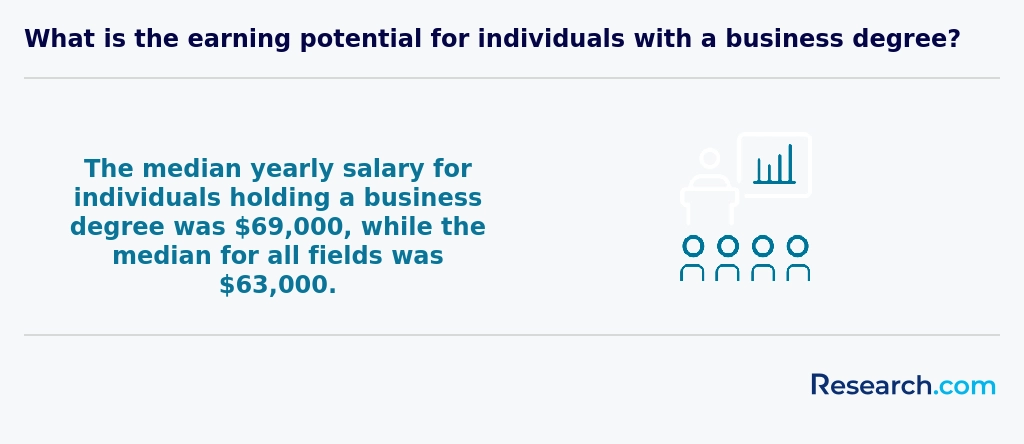
As the landscape of business education evolves in Reading, PA, it's important to explore emerging trends that not only shape academic programs but also prepare graduates for the rapidly changing global market. A growing emphasis on digital transformation is prompting schools to integrate advanced technologies and real-world simulations into their curricula, ensuring students are well-versed in areas such as data analytics, artificial intelligence, and digital marketing strategies. In addition, the rise of remote work and global collaborations is leading institutions to offer more flexible, hybrid learning environments that combine on-campus experiences with robust online components. For instance, many programs now include specialized modules in business marketing degree, enabling students to gain insights into effective digital engagement techniques and strategic planning. Furthermore, universities are increasingly forging partnerships with industry leaders to offer mentorship opportunities, internships, and career development workshops, transforming traditional classroom learning into a dynamic pathway to professional success. These forward-thinking initiatives not only enhance the student experience but also ensure that graduates remain competitive in a digital-first economy, equipped to navigate the challenges of modern business.
Business degree programs in Reading commonly include a core set of courses essential for developing practical skills in management, finance, and marketing. Students at institutions like the University of Reading frequently engage with subjects such as Principles of Management, where they explore leadership strategies through real-world case studies and group projects reflecting local business dynamics.
Financial Accounting courses provide graduates with hands-on experience in preparing and analyzing financial reports, often using data from regional enterprises. Marketing Fundamentals dives into consumer behavior and market research, allowing students to create strategic campaigns tailored to Reading's growing digital economy.
Other core classes include Business Law, Economics, and Business Ethics, helping students understand legal frameworks, economic trends, and corporate responsibility. Graduates often mention how electives like supply chain management and entrepreneurship let them connect classroom theory with Reading's logistics and startup sectors, making their studies both relevant and inspiring.
Typical specializations in business degree programs in Reading include finance, marketing, management, entrepreneurship, supply chain and operations management, and accounting. Finance students gain expertise in investment management and financial analysis, benefiting from Reading's expanding finance sector. Marketing majors focus on digital marketing and brand management, aligning with current trends such as e-commerce and social media advertising, critical for local businesses. Management and entrepreneurship tracks prepare graduates for leadership roles and startup creation, reflecting the dynamic economic environment of the region.
Supply chain and operations management specialization leverages Reading's strategic location in the UK logistics network, training students in production and distribution processes. Accounting remains foundational, emphasizing auditing and taxation necessary for regulatory compliance. Graduates from popular institutions in Reading share how these practical specializations have enhanced their career prospects and engagement with local employers.
For US-based students, these business marketing degree options represent globally relevant skills. The typical availability of business degree specializations in Reading meets expectations for top business majors Reading UK, ensuring strong employability in both UK and international markets.
Choosing the best business degree program in Reading involves assessing program accreditation, specialization options, and affordability. Graduates from popular universities and colleges in Reading often emphasize the value of AACSB-accredited programs, which validate academic quality and enhance employability. For example, students focusing on finance or entrepreneurship report greater confidence entering the workforce after completing coursework aligned with their career goals.
Cost is a decisive factor. Many local institutions offer affordable business schools Reading 2027 options, with tuition varying widely but often comparable to national averages. Graduates have praised community colleges for delivering solid business fundamentals at a lower price point without sacrificing quality. Financial aid and scholarships further ease budget concerns.
Learning format-whether on-campus, online, or hybrid-also shapes student experiences. Working professionals in Reading often appreciate flexible schedules that accommodate job commitments. Career services and internships with local businesses provide practical experience, making degree programs more attractive.
Prospective students interested in accelerated paths might explore universities with accelerated degree programs that allow faster entry into the job market while maintaining academic rigor.
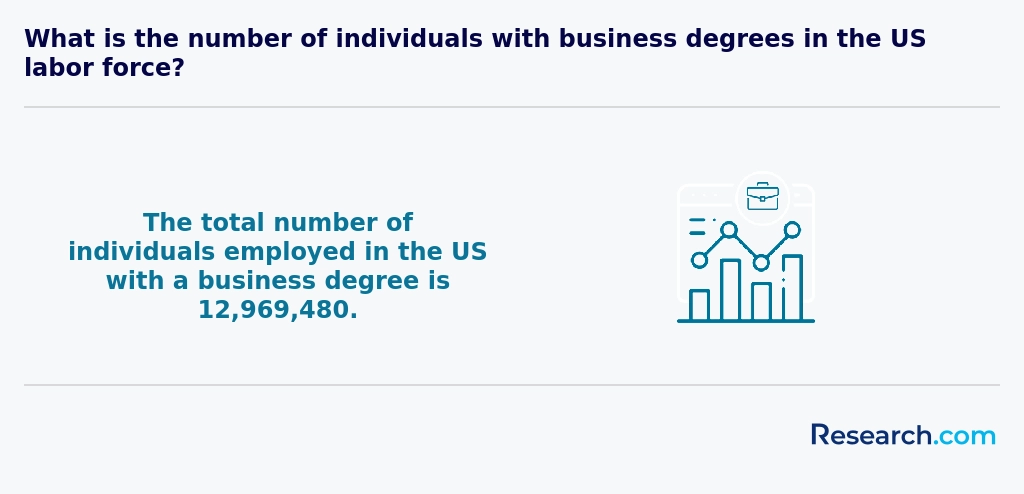
Graduates holding a business degree in Reading have access to diverse career paths aligned with the region's economic strengths. Popular roles include financial analysts who interpret data to guide investment decisions, reporting a median salary near $83,000 nationally, and marketing managers who craft growth strategies in a field expected to expand by 10% through 2030. Human resources specialists also play pivotal roles managing recruitment and employee relations, with median wages around $63,000 annually. Sales managers are critical in leading teams within Reading's robust retail and distribution sectors, while entrepreneurial graduates often leverage the city's burgeoning tech and service industries to launch innovative ventures.
Local graduates from prominent colleges have reported rewarding opportunities tapping into Reading's proximity to Philadelphia and New York, boosting corporate management and finance roles. Many appreciate practical experience gained through internships, affirming the value of business degree career options in Reading. For those exploring further education, it's useful to compare options such as the easiest phd programs to expand career prospects.
The business degree job opportunities in Reading are shaped by a diverse economic base including manufacturing, healthcare, finance, and retail sectors. Graduates from popular universities and colleges in Reading often find entry-level roles starting around $45,000, with median wages reaching about $70,000 annually, according to local employment data. This reflects steady demand for skills in management, finance, and marketing, particularly in regional banks and healthcare organizations. Graduates frequently highlight how internships and cooperative education provided by their institutions enhance real-world experience, making job searches more successful and rewarding.
The employment outlook for business graduates Reading shows promise due to ongoing revitalization efforts and a strategic location near Philadelphia, expanding networking and job possibilities. Many alumni report positive career growth as they move into higher-paying roles like project coordinators and financial analysts. These trends reinforce the value of pursuing a business degree locally and supplementing studies with practical training. For those considering further education, exploring online master cheap options can be a cost-effective way to boost credentials and job competitiveness.
2027 Most Valuable Business Degree Programs Ranking in Reading
Investing in your education is a significant decision that can profoundly impact your career, and the Research.com team recognizes the importance of providing trustworthy guidance. To support prospective students in Reading, we have carefully developed the "2027 Most Valuable Business Degree Programs Ranking in Reading." Our dedication to quality, credibility, and accuracy is reflected in the rigorous research and thorough analysis applied.
We utilized the following reputable data sources to ensure a comprehensive evaluation of business degree programs:
By examining this ranking, readers will gain valuable insights into the most valuable business degree programs in Reading, empowering them to make well-informed decisions about their educational investments. For further details on how this ranking was created, please visit our Research.com methodology page.
# 1 position
Pennsylvania State University-Penn State Berks
Bachelor of Science in Business


Frequently Asked Questions About business
Business degree students in Reading can maximize their learning by engaging deeply with local industry opportunities. Reading's growing business environment, especially in logistics and technology sectors, offers practical internships that complement classroom knowledge. According to the U.S. Bureau of Labor Statistics, students who complete internships increase their employment rates by up to 20%. Networking through campus events and local business organizations like the Greater Reading Chamber also enhances career prospects.
Utilizing academic resources such as career services and mentorship programs helps bridge theory and practice. Additionally, students benefit from attending workshops on leadership and digital skills to stay competitive in today's job market.
Emerging niches within the business field reflect shifting market demands and technological advancements. In the US, including cities like Reading, specialties such as sustainable business practices are gaining momentum. According to the U.S. Bureau of Labor Statistics, green jobs in business sectors are expected to grow by over 10% through 2030.
Another expanding area is data analytics and business intelligence. Companies increasingly rely on data-driven decision-making, creating demand for professionals skilled in interpreting complex datasets. Local Reading firms are investing in these capabilities to maintain competitive advantage.
Additionally, digital marketing stands out as a vital niche. With more consumers online, businesses seek experts who understand social media strategies and e-commerce trends.
Finally, entrepreneurship focused on technology startups shows strong growth, supported by regional innovation hubs in nearby metropolitan areas reported by sources such as the Kauffman Foundation.
Graduates with a business degree in Reading can enhance their employability by actively engaging in internships and networking opportunities during their studies. Local businesses and financial firms often seek interns, providing practical experience that improves job prospects. According to the U.S. Bureau of Labor Statistics, employers value candidates who demonstrate real-world skills alongside academic knowledge.
Additionally, students should develop proficiency in digital tools like Excel and data analytics software, which are frequently requested in Reading's competitive job market. Joining professional organizations such as the Reading Chamber of Commerce can also expand professional connections.
Finally, tailoring resumes and practicing interview techniques specific to business roles in Reading increases the chances of securing desirable positions.
Employers in Reading value business degree graduates who demonstrate strong analytical and communication skills. According to the U.S. Bureau of Labor Statistics, critical thinking and problem-solving abilities are essential due to the competitive business environment in the region. Additionally, demand for proficiency in data analysis software, such as Excel and Tableau, continues to grow as companies prioritize data-driven decisions.
Leadership qualities and teamwork are also key, with local employers emphasizing collaboration to drive business success. A 2023 survey by the Reading Chamber of Commerce highlights that 68% of businesses prefer graduates with practical experience in project management and digital marketing tools. Adaptability and ethical judgment further enhance a graduate's employability in this evolving market.
Finding internships in Reading relevant to a business degree involves multiple strategies tailored to the local market. Reading, Pennsylvania, has a growing commercial sector, including manufacturing, retail, and service industries, which offer practical internship opportunities. According to the U.S. Bureau of Labor Statistics, internships in business fields often require proactive outreach to companies.
Students should utilize career services at nearby colleges such as Albright College or Penn State Berks, which maintain partnerships with local businesses. Networking through local business associations like the Berks County Chamber of Commerce can also uncover hidden positions.
Online platforms such as Handshake and LinkedIn list internships suited to business majors. Additionally, attending career fairs focused on Pennsylvania businesses can increase chances of landing a role.
In Reading, earning a business degree significantly enhances career mobility and advancement opportunities. The city hosts a diverse economic environment with sectors like technology, financial services, and manufacturing, which actively seek graduates with business qualifications.
A business degree equips students with critical skills such as leadership, strategic thinking, and financial literacy, making them competitive candidates for management roles. According to the U.S. Bureau of Labor Statistics, the projected job growth for business and financial occupations in the Pennsylvania region is 8% through 2030, reflecting steady demand. Regional employers value practical experience combined with academic credentials.
Graduates in Reading also benefit from local professional networks and internship opportunities, which can accelerate promotions and salary increases. Studies from the National Association of Colleges and Employers show that business degree holders in metropolitan areas like Reading often experience a 20% higher career advancement rate compared to those without degrees.
Studying for a business degree in Reading equips students with skills essential for interdisciplinary roles by blending core business knowledge with insights from economics, technology, and communication. This integration prepares graduates to navigate diverse industry challenges effectively.
Many programs emphasize teamwork, problem-solving, and analytical thinking, making students adaptable to various professional environments. For example, Reading's proximity to a growing tech hub encourages collaboration between business and IT sectors, enhancing practical experience.
According to the U.S. Bureau of Labor Statistics, Reading's employment in managerial and business roles is expanding by 7% yearly, emphasizing demand for versatile professionals. This trend reflects the value of interdisciplinary education.
When choosing between a thesis and a non-thesis business degree program in Reading, consider your career goals and learning style. A thesis program emphasizes research and analytical skills, ideal for students aiming for academia, consulting, or research roles. It typically requires conducting original research and writing a substantial paper.
A non-thesis option focuses on practical skills and coursework, often preferred by professionals seeking to advance quickly in management or corporate roles. These programs may include internships or capstone projects instead of a research thesis.
In Reading, institutions such as Albright College offer both options, allowing students flexibility based on their professional paths and interests.
Students based in Reading interested in studying business abroad have several credible options within the US higher education system. Many American universities offer exchange programs and dual degrees that allow international students to experience global business environments. Business schools in the US often rank highly for curriculum quality, with some programs focusing on international business and entrepreneurship. For Reading residents, pursuing an MBA or bachelor's in business in the US can provide exposure to diverse markets and professional networking opportunities. According to the National Center for Education Statistics, the US hosts over 650 institutions offering business-related degrees, many accommodating international applicants.
Reading, Pennsylvania, offers several part-time job opportunities that can complement a business degree education. Many local businesses, including financial services and logistics firms, seek part-time assistants with strong organizational and analytical skills. Positions such as administrative assistants, marketing interns, and sales associates provide practical experience directly related to business studies.
The U.S. Bureau of Labor Statistics notes that Reading's retail and finance sectors continue to grow steadily, creating valuable entry-level roles. Additionally, internships with manufacturing companies in the area help students develop supply chain and operations management skills, aligning perfectly with business curricula.
Engaging in these roles allows students to apply classroom theories in real-world settings, enhancing both resumes and professional networks.
Business students in Reading benefit from a variety of networking opportunities that connect them with local industries and professionals. The city hosts regular events through chambers of commerce like the Greater Reading Chamber Alliance, which supports business engagement and mentorship. According to the latest data from the U.S. Bureau of Labor Statistics, Reading's thriving sectors include manufacturing and professional services, offering students access to relevant corporate networks.
Many local universities facilitate internships and career fairs, linking students directly to companies seeking emerging talent. Additionally, Reading's proximity to major urban centers such as Philadelphia expands opportunities for attending broader regional business conferences and workshops.
Alumni networks play a crucial role in supporting business degree students in Reading by providing valuable professional connections. These networks often include graduates working in diverse sectors such as finance, marketing, and entrepreneurship within the US economy. According to a 2023 survey by the National Association of Colleges and Employers (NACE), 85% of employers value referrals from alumni networks, making these connections highly beneficial for securing internships and job placements.
In Reading, where local businesses frequently collaborate with universities, alumni networks offer mentorship programs, helping students navigate their early careers. This guidance can significantly enhance career readiness and practical understanding.
Moreover, alumni often share insights about industry trends and job market shifts, giving students a competitive edge. Connecting through professional events hosted by alumni groups in Reading can expand students' networks beyond campus. These opportunities promote long-term career growth and advancement.
Customizing a business degree program in Reading allows students to align their studies with specific career goals. Many universities in the area offer flexible curricula where students can choose concentrations such as marketing, finance, or entrepreneurship. This approach enables learners to develop skills directly relevant to local industries, including manufacturing and technology sectors prevalent in Berks County, according to the Reading Economic Development statistics.
Additionally, internships and cooperative education opportunities are often incorporated to provide practical experience. Selecting electives focused on leadership or data analysis can further tailor your education. Consulting academic advisors helps ensure chosen courses meet both academic requirements and personal ambitions, enhancing employability in Reading's competitive job market.
Business students in Reading face several common challenges during their studies. One frequently reported difficulty is balancing coursework with part-time employment, as living costs in the area can be relatively high compared to the national average. According to recent data from the U.S. Bureau of Labor Statistics, students often work 15 to 20 hours weekly to support themselves financially.
Another challenge involves gaining practical experience while managing academic demands. Many local employers in Reading require internships, yet competition for these positions is strong, adding pressure to students' schedules.
Additionally, staying updated with rapidly changing business technologies and trends demands continuous learning beyond the classroom. This is especially relevant given Reading's growing technology sector, which emphasizes skills in data analytics and digital marketing.
With a business degree, graduates in Reading can pursue several respected professional certifications to boost their careers. One popular choice is the Certified Public Accountant (CPA) credential, essential for professionals interested in accounting and finance. Another widely recognized certification is the Project Management Professional (PMP), valuable across many business sectors for managing projects effectively.
Certifications like the Certified Management Accountant (CMA) strengthen expertise in financial management and strategy. For those focused on broader business functions, the Certified Business Analysis Professional (CBAP) offers advanced skills in analyzing and improving business processes.
These certifications are supported by national bodies such as the AICPA and PMI and are well-regarded in Reading's growing financial and professional services markets, according to recent reports from the Reading Business Development Council.
Writing a competitive application for a business program in Reading requires careful attention to several key elements. Begin by clearly demonstrating your academic readiness, including a strong GPA and relevant coursework in mathematics or economics. Business schools in the US typically value applicants with practical experience, so highlight internships, part-time jobs, or volunteer work related to business. According to the National Center for Education Statistics, applicants with work experience are 20% more likely to be admitted to competitive programs. Additionally, crafting a well-structured personal statement that reflects your career goals and ties to Reading's business environment can set you apart. Be sure to request strong recommendation letters from mentors who know your skills.
Business careers today are influenced by a globalized economy, making international knowledge essential for success. US degree programs often emphasize global trade, finance, and cross-cultural management to prepare students for diverse markets.
According to data from the U.S. Bureau of Labor Statistics, jobs in international business are expected to grow by 8% through 2030, reflecting increasing global demand. For students in Reading, this means access to opportunities in multinational companies and consulting firms with worldwide reach.
Many US business schools incorporate study-abroad options and international internships to enhance real-world experience. Understanding global market trends and regulations becomes vital for graduates aiming to work in export-import, supply chain, or digital marketing sectors.
Gaining practical experience while studying a business degree in Reading is crucial for career readiness. Many universities in Reading encourage internships with local companies, which represent a growing business community, particularly in finance and technology sectors. According to the Reading UK Business Report 2023, over 1,500 businesses offer internship opportunities yearly, giving students hands-on exposure to real-world challenges.
Students can also engage in cooperative education programs, alternating between classroom study and paid work placements. Additionally, business clubs and case competitions hosted on campuses develop teamwork and problem-solving skills.
Networking events and career fairs are frequently organized, connecting students directly with Reading's diverse employers.
Choosing the right concentration within a business degree program in Reading starts with understanding your career goals and interests. Popular concentrations include finance, marketing, management, and entrepreneurship. Each offers distinct skills that align with different job markets.
Reading's economy, with a strong presence in manufacturing, healthcare, and retail sectors, can influence your choice. For example, a concentration in supply chain management or operations could be valuable given the area's logistics activities. Data from the U.S. Bureau of Labor Statistics shows increasing demand in these fields locally.
Additionally, consider program resources such as internships and partnerships with local firms, which provide practical experience enhancing employment prospects. Reviewing curriculum and speaking with academic advisors or alumni from Reading institutions can also guide your decision.
- 2027 Most Valuable Business Degree Programs Ranking in Baltimore
- 2027 Most Valuable Business Degree Programs Ranking in Newark
- 2027 Most Valuable Business Degree Programs Ranking in New York
- 2027 Most Valuable Business Degree Programs Ranking in Brooklyn
- 2027 Most Valuable Business Degree Programs Ranking in Bronx
- 2027 Most Valuable Business Degree Programs Ranking in Washington
- 2027 Most Valuable Business Degree Programs Ranking in Arlington
- 2027 Most Valuable Business Degree Programs Ranking in Ithaca
- 2027 Most Valuable Business Degree Programs Ranking in New Haven
- 2027 Most Valuable Business Degree Programs Ranking in Syracuse
See What Experts Have To Say About Studying Business
Read our interview with Business experts

David Souder
Business Expert
Senior Associate Dean for Faculty and Research
Michigan State University


Ingrid S. Greene
Business Expert
Clinical Assistant Professor of Management
Loyola Marymount University

- Undergraduate Fees and Funding https://www.reading.ac.uk/ready-to-study/study/fees-and-funding/fees-and-funding-ug
- 10 Best Pieces Of Advice For Business Majors https://poetsandquantsforundergrads.com/students/10-best-pieces-of-advice-for-business-majors/
- The Seven Biggest Challenges Faced by Student Entrepreneurs https://venturewell.org/blog/five-biggest-challenges/
- Business and Enterprise - Reading College https://reading.activatelearning.ac.uk/courses/career-pathways/business-and-enterprise/
- Accounting in Reading 2026: Universities, Fees & Complete Requirements Guide https://courseoptions.com/uk/blog/accounting-reading-universities-fees
- Interdisciplinary Business https://www.okwu.edu/academics/undergraduate/bachelor-interdisciplinary-business/
- Networking Tips for Business Students: Building a Foundation for Success https://londonsba.org.uk/blog/networking-tips-for-business-students-building-a-foundation-for-success/
- Know more about thesis vs non- thesis: what is the difference? https://studyfans.com/en/blogs/816
- The Smart Student’s Guide to Choosing a Business Degree – EU... https://www.euruni.edu/blog/the-smart-students-guide-to-choosing-a-business-degree/
- How to Use Your MBA for Career Growth While You’re Still Studying - International Career Institute USA https://icieducation.com/blog/how-to-use-your-mba-for-career-growth-while-youre-still-studying/