2027 Most Valuable Business Degree Programs Ranking in Nevada

Co-Founder and Chief Data Scientist
Choosing the right business degree program can shape your future career and open doors to exciting opportunities. This article presents the 2027 Most Valuable Business Degree Programs Ranking in Nevada, created by the Research.com team of data scientists to guide you in making an informed decision.
Discover which programs offer the best return on investment and align with your goals. Whether you're starting college or considering a new path, understanding these valued programs can boost your confidence and set you up for success.
Investing in a business degree is a step toward a fulfilling career with lasting benefits. Let this ranking be your helpful resource.
Key benefits of getting business degree in Nevada
- Business degree graduates in Nevada can expect strong earning potential, with roles like Business Development Executive earning a mean annual wage of $83,190 and Business Analyst positions averaging $112,950 per year, reflecting rewarding financial prospects.
- Graduates from Nevada universities often explore diverse careers such as marketing, finance, and management, leveraging their degree to find fulfilling roles that match their interests and skills.
- Obtaining a business degree online from a Nevada institution offers flexibility and the ability to balance work and study, making it a practical choice for busy students eager to advance their careers without pausing life.
- 2027 Most Valuable Business Degree Programs Ranking in Nevada
- What can I expect from business degree in Nevada?
- Where can I work with business degree in Nevada?
What can I expect from business degree in Nevada?
The average cost of a business degree in Nevada largely depends on whether students attend public universities or community colleges. Public institutions like the University of Nevada, Las Vegas (UNLV) offer in-state tuition rates that are generally competitive, averaging around $8,000 to $10,000 per year for a full undergraduate business program. Graduates often share that this affordability is a critical factor enabling them to focus on internships and real-world projects without overwhelming financial stress.
Community colleges such as the College of Southern Nevada provide even more accessible options, with tuition costs closer to $3,000 to $4,000 annually. Many students appreciate the ability to complete foundational courses affordably before transferring to four-year universities. This pathway not only reduces overall expenses but also allows them to remain close to home while pursuing a degree aligned with Nevada's expanding business sectors.
These lower costs combined with hands-on experiences at local companies make business education in Nevada both financially feasible and professionally rewarding, fitting the aspirations of students eager to enter hospitality, finance, or entrepreneurial roles within the state.
Where can I work with business degree in Nevada?
Graduates with a business degree in Nevada find diverse career opportunities across sectors like hospitality, finance, real estate, and technology. For example, many graduates from the University of Nevada, Las Vegas, step into hotel and casino management roles in Las Vegas, leveraging skills in marketing, operations, and leadership to excel in these dynamic environments. The Nevada Department of Employment forecasts an 8% growth in business and financial jobs from 2022 to 2032, outpacing the national average, which reflects strong state demand.
In banking and finance, graduates often secure positions as financial analysts or loan officers in regional hubs such as Las Vegas. Local graduates report positive experiences with competitive salaries and steady job growth as noted by the Bureau of Labor Statistics.
Real estate and tech sectors in Reno and Henderson also provide vibrant opportunities. Business alumni from Nevada State College frequently enter roles in real estate brokerage, property management, or data analysis, enjoying the challenge of new urban developments and expanding tech businesses.
Government and nonprofit positions focusing on budgeting and economic development are additional viable paths, offering meaningful work that directly impacts Nevada communities.
Graduates holding a business degree from institutions like the University of Nevada, Las Vegas, often report promising salary prospects that reflect Nevada's dynamic economy. For example, business analysts in Nevada earn a mean annual wage of approximately $112,950, according to the latest available data. This figure illustrates how advanced analytical skills gained during business studies translate to attractive compensation.
Business development executives similarly benefit, with mean wages near $83,190 annually in Nevada. Graduates entering this career path frequently highlight the value of applying business strategy and negotiation techniques learned during their coursework, enjoying both career growth and financial rewards.
Many Nevada business graduates find these salaries encouraging as they navigate early career stages in metropolitan hubs like Las Vegas and Reno. The local demand for skilled professionals in these areas drives competitive pay, fostering optimism among recent alumni pursuing business-related roles. This economic environment, combined with Nevada's vibrant industries such as tourism and professional services, supports ongoing salary growth for business degree holders.
- Nevada offers business programs at public and private institutions, with average in-state tuition at public universities around $8,500 per year.
- The average starting salary for business graduates in Nevada is approximately $50,000 annually.
- Experienced business professionals in Nevada earn median salaries between $70,000 and $90,000, depending on their industry.
- Major industries like hospitality, tourism, real estate, and gaming provide many jobs for business graduates, especially in management, marketing, and finance.
- Nevada's job market for business-related roles is expected to grow above average over the next decade.
- Financial aid and scholarships are available, and many programs offer internships to improve job prospects after graduation.
Completing a business degree in Nevada varies by program level and study pace. An associate degree typically takes about two years of full-time study at community colleges like the College of Southern Nevada, serving as a foundation for transferring to four-year universities.
Bachelor's degrees at institutions such as the University of Nevada, Las Vegas (UNLV) and the University of Nevada, Reno usually require around four years of full-time enrollment. Graduates from these programs often highlight the comprehensive curriculum that effectively prepares them for diverse career opportunities.
Part-time study options extend completion time but offer flexibility for students balancing work or family. Part-time enrollment may stretch a bachelor's degree to six years or more, with many schools providing evening and online courses to accommodate busy schedules.
Graduate business degrees, like an MBA from UNLV's Lee Business School, can be completed in 1 to 2 years full-time, with accelerated programs allowing finish within 12 months. Part-time MBA students may take up to three years, sharing the positive experience of managing studies alongside professional commitments.
When deciding to invest in a business degree, it's essential to think beyond classroom learning and focus on strategies that maximize your return on investment (ROI). In today’s competitive market, successful graduates leverage a blend of practical experience, networking, and continuous skill development to stand out. One key approach is to actively seek out internship and mentorship opportunities during your studies, ensuring you develop real-world expertise that translates into higher earning potential after graduation. Additionally, sharpening your soft skills-like leadership, communication, and problem-solving-can help you excel in diverse roles. For instance, learning how to operate efficiently in team-based environments not only gives you a competitive edge, but also opens doors to advanced career opportunities. Remember, your degree is not just a certification; it’s a stepping stone to professional growth, and building a robust network can play a pivotal role in this journey. For students eager to understand further how a business management degree can expand their prospects, you might explore insights on what can i do with business management degree as a practical resource for career development. Embracing lifelong learning and building relationships with industry professionals are key elements that empower you to continuously elevate your career path, ensuring that your educational investment pays dividends well into the future.
Online business degrees in Nevada offer flexibility ideal for working professionals or those balancing family, allowing access to courses from institutions like the University of Nevada, Reno at convenient times. Graduates often highlight how this format helped them maintain careers while earning credentials. Conversely, on-campus programs at universities such as the University of Nevada, Las Vegas provide structured schedules and direct interaction with faculty and peers, fostering networking that many students value for future job opportunities.
Tuition costs differ: public universities typically charge $6,000 to $8,000 annually for in-state on-campus business programs, while online tuition may be slightly lower but can include technology fees. Students report that on-campus settings enhance motivation through face-to-face collaboration, whereas online learners appreciate the autonomy but acknowledge it demands greater self-discipline.
Both formats are accredited and recognized by employers, yet those in Nevada's finance and hospitality sectors often prefer the networking benefits associated with on-campus attendance, reinforcing the value of personal engagement in business education.
Understanding the return on investment (ROI) is crucial when comparing tuition costs to anticipated post-graduate earnings. In Nevada, the average total cost for a bachelor’s in business ranges from $52,320 to $66,960, including fees and materials. Graduates, however, report starting salaries between $60,000 and $75,000 for entry-level roles, with mid-career salaries often exceeding $100,000. This results in an estimated payback period of 3–5 years, depending on specialization and regional job market. Key factors influencing ROI:
- Specialization Impact: Fields like Business Analytics and Healthcare Management tend to yield higher starting salaries, reducing payback time.
- Graduation Rate: Programs with higher on-time graduation rates (above 70%) often translate to lower overall costs per credit, improving ROI.
- Internship and Networking: Schools offering strong corporate partnerships can boost early-career earnings by securing paid internships or mentorships.
- Online vs. On-Campus: Online programs may offer lower per-credit costs and flexible payment plans, potentially shortening the time to recoup educational investments. For a comparative perspective on affordable online options, consider exploring Inexpensive Online Business Degree Programs Ranking in Jacksonville, FL. By analyzing both direct costs and projected career earnings, prospective students can make data-driven decisions that align with their financial and professional goals.
The average cost of a business degree in Nevada demonstrates a clear distinction between in-state and out-of-state students, highlighting the value of residency. In-state students typically pay a median total cost of about $6,765 for their entire business degree. This affordability attracts many Nevada residents who choose to attend public universities like the University of Nevada, Las Vegas (UNLV) or the University of Nevada, Reno (UNR). Graduates from these institutions often reflect positively on the balance between quality education and manageable tuition expenses, which allows them to focus more on gaining practical skills rather than financial stress.
Conversely, non-resident students face a median total cost closer to $36,720, which aligns with the higher tuition fees characteristic of out-of-state rates. This figure is comparable to what private institutions in Nevada might charge, where tuition ranges from $25,000 to $40,000 annually. While more costly, private schools often offer substantial scholarships and financial aid that can ease these expenses. Many business students have found that carefully researching these options is a crucial step to managing overall educational costs.
When estimating Nevada business degree tuition and fees, it is important to consider additional expenses. Books and supplies usually add around $1,200 to $1,500 yearly, while housing and living costs average approximately $10,000. Campus-related fees for technology and services contribute another $1,000 or more. For prospective students seeking the most economical path, exploring the cheapest business school in Nevada can reveal opportunities to optimize costs without compromising educational quality.
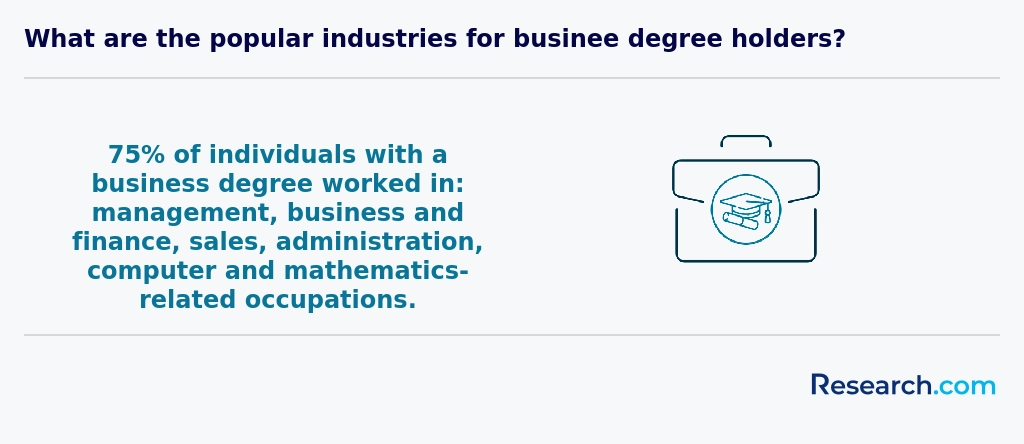
When pursuing a business degree in Nevada, understanding the cost implications and available financial planning strategies is crucial. Prospective students should consider not only the tuition fees but also other expenses such as textbooks, living costs, and potential travel expenses for internships or conferences. For those interested in affordability, researching the cheapest business school in Nevada and exploring financial aid options can significantly reduce the financial burden. Many institutions in Nevada offer scholarships, grants, and work-study programs designed specifically for business students, which can help offset the costs. Furthermore, students can also look into external funding sources, such as private scholarships or educational loans with favorable repayment terms. By carefully planning and managing their finances, business degree students in Nevada can focus on their studies and career development without undue financial stress.
Students pursuing business degrees in Nevada frequently rely on a combination of federal, state, institutional, and employer financial aid to manage costs. At public universities like the University of Nevada, Las Vegas, in-state tuition ranges from approximately $7,000 to $10,000 annually. Federal aid, accessed through FAFSA, remains the cornerstone-offering grants such as Pell Grants that provide up to $7,395 per year without requiring repayment. Graduates often credit these grants with easing their financial burden during studies.
State scholarships like the Governor Guinn Millennium Scholarship specifically benefit Nevada high school graduates by covering substantial tuition at public institutions, bolstering affordability for business students. Additionally, merit- and need-based scholarships offered by Nevada State College and UNLV reward academic excellence and leadership, providing personalized funding opportunities. Graduates recall these awards as motivational supports that reinforced their academic commitment.
Employer tuition reimbursement programs also play a crucial role, especially for working adults balancing business studies and careers. These programs vary widely but can significantly reduce out-of-pocket expenses, enabling students to advance without excessive debt. Through this layered financial aid framework, Nevada business students find tailored support reflecting their unique circumstances and ambitions.
When evaluating a business degree in Nevada, understanding the return on investment (ROI) is crucial. On average, the total tuition for a bachelor’s in business ranges from $52,320 to $66,960, depending on the institution and residency status. Considering that graduates report starting salaries between $69,000 and $80,220, the payback period for tuition costs can be as short as 1–2 years. For example, a graduate earning $75,000 annually could recoup a $60,000 tuition investment in under one year of full-time work after taxes and living expenses. Beyond the initial payback period, lifetime earnings differentiate business degree holders from peers without degrees by an estimated $800,000. This premium reflects both higher entry-level salaries and accelerated promotions into leadership roles. Moreover, programs that emphasize experiential learning-such as internships or capstone projects-often lead to job offers before graduation, shortening the time between degree completion and income generation. For students seeking to minimize time to degree completion and further improve ROI, consider accelerated pathways. By enrolling in the fastest business administration degree online, you can reduce overall tuition expenses and begin earning sooner. Faster program completion not only lowers living and opportunity costs but also positions you for earlier career advancement, maximizing the financial benefits of your education.
Enrolling in a business degree program in Nevada usually starts with having a high school diploma or GED. Graduates from well-known institutions like the University of Nevada, Reno, often recall that maintaining a solid GPA-typically between 2.5 and 3.0-was key to gaining admission. Many students remember submitting official transcripts that highlighted their academic consistency across core subjects. For example, completing four years of English, three to four years of math including algebra and geometry, and two to three years of social studies formed a strong foundation.
Test scores from the SAT or ACT may be optional depending on the school, relieving stress for some applicants who feel standardized tests don't fully capture their abilities. At institutions like Nevada State College, students have appreciated this flexibility as it allows them to emphasize other achievements. For graduate programs such as the MBA, a bachelor's degree plus professional experience-often two years-is essential, along with GRE or GMAT scores. Many prospective students find encouragement in programs offering conditional acceptance, which recognizes potential beyond just credentials.
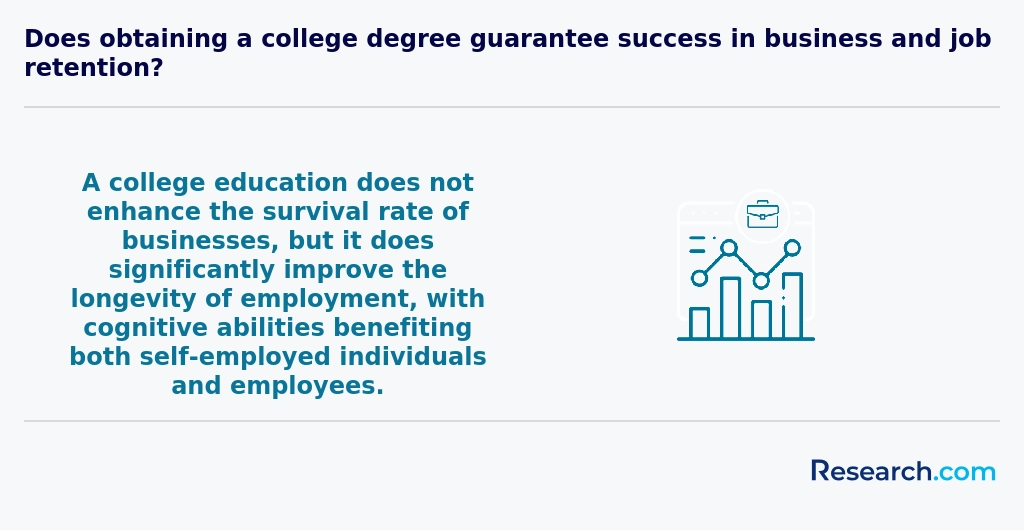
Business degree programs in Nevada typically include core courses such as principles of management, accounting, marketing, finance, and business law. Graduates from universities like the University of Nevada, Reno often reflect on how accounting classes sharpened their skills in managing budgets and financial records, essential in the state's expanding business environment.
Additional courses in economics and statistics develop analytical skills pivotal for careers in tourism and gaming-major sectors in Nevada. Many students recall applying economic theories directly to local market trends encountered during internships in Las Vegas or Reno.
Business ethics and entrepreneurship courses stand out for their practical impact, preparing students to launch startups responsibly in Nevada's vibrant innovation ecosystem. Technology-related classes, including information systems and data analytics, also receive praise for making graduates more competitive in today's tech-driven business world.
Electives like international business and supply chain management allow students to customize their education to Nevada's trade-related opportunities, especially given the state's strategic location near California's ports.
Business degree specializations Nevada students often pursue include Hospitality Management, Entrepreneurship, Finance, Marketing, Supply Chain Management, and International Business. Hospitality Management stands out due to Nevada's strong tourism and gaming sectors, with graduates from universities in Las Vegas frequently securing management roles in hotels and casinos. Entrepreneurship is another thriving area, supported by Nevada's initiatives fostering startups, especially in Reno's growing tech ecosystem. Finance and accounting specializations attract students interested in the state's expanding financial services, benefiting from its business-friendly tax policies.
Marketing students learn to effectively engage Nevada's diverse consumer base, a vital skill in this competitive service-driven economy. Those focusing on Supply Chain Management and International Business leverage Nevada's strategic location near major trade routes. Graduates from these programs often remark on how well their education prepared them for practical challenges in local industries. For students needing a clear career path, exploring what can i do with business management degree helps clarify post-graduation opportunities.
Choosing the best business degree in Nevada requires focusing on key factors such as accreditation and program specialization. Graduates from institutions like the University of Nevada, Las Vegas, often emphasize the value of WASC accreditation, which ensures their degrees are recognized and respected by employers statewide.
Cost considerations are critical, especially for students exploring affordable business schools in Nevada. Public universities typically charge between $8,000 and $10,000 annually for in-state tuition, significantly less than private colleges. These rates align closely with national averages, making local programs competitive and financially accessible.
Many students highlight the advantage of selecting programs that align with Nevada's dominant industries, such as tourism, gaming, and technology. Business degrees with specializations in hospitality management or tech entrepreneurship provide practical pathways to employment in these sectors. For working professionals, program flexibility is essential-several universities offer online or hybrid courses, including some of the fastest business administration degree online options, allowing students to balance study with work commitments. Employment outcomes improve when programs provide strong internship opportunities connected to local businesses, which graduates find encouraging for career growth.
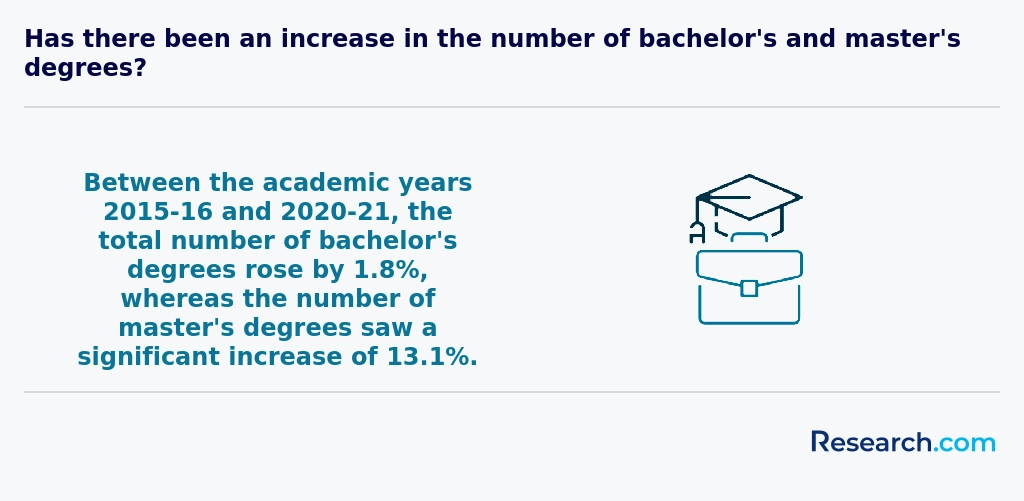
Graduates with a business degree in Nevada often pursue diverse career paths reflecting the state's dynamic economy. Many find opportunities in management roles such as operations or project management within the thriving hospitality and gaming sectors centered around Las Vegas and Reno. These positions are projected to grow by 8% from 2021 to 2031, according to the U.S. Bureau of Labor Statistics. Business graduates from popular schools like the University of Nevada, Las Vegas (UNLV) frequently share how their internships with local casinos prepared them for these demanding roles.
Finance and accounting also offer strong prospects. Graduates serve banks, insurers, and investment firms with salaries averaging $73,000 annually. The rise in digital finance has further boosted the job market. Students often describe how their education at Nevada's universities equipped them with skills to navigate these evolving industries. These prospects reflect key business degree career opportunities in Nevada.
Marketing, sales, and entrepreneurship are other vibrant fields. The state's supportive environment encourages graduates to launch startups or contribute to growth-focused companies. Many Nevada students appreciate how their coursework and local networking events helped transform ideas into real ventures. For those exploring affordable options to start their careers, consider programs listed in the Inexpensive Online Business Degree Programs Ranking in Jacksonville, FL.
- Human resource management focusing on recruitment and employee relations
- Supply chain and logistics, critical for Nevada's expanding e-commerce sector
- Consulting, advising regional businesses on strategy and operations
The business degree job outlook Nevada is promising, with key sectors like tourism, gaming, real estate, and healthcare driving demand for qualified graduates. Business schools in Nevada, particularly those near Las Vegas and Reno, enable students to connect with vibrant economic hubs where corporate and startup opportunities abound. Graduates report gaining valuable, hands-on experience managing projects in dynamic environments tied to the state's signature industries. The gaming sector especially offers roles in hospitality management and corporate strategy that align well with common business curricula.
Nevada business degree employment opportunities benefit from competitive wages, with median earnings around $68,000 for business and financial occupations. Entry-level positions start near $45,000, which is strong relative to education costs in the state. Many graduates leverage skills from popular programs and even explore fast track college programs to accelerate career entry. This combination of solid wages and real-world experience cultivates confidence and optimism among business degree holders navigating Nevada's diverse economy.
2027 Most Valuable Business Degree Programs Ranking in Nevada
Investing in one's education is a significant decision that can profoundly impact one's career and future, and the Research.com team is committed to helping prospective students make informed choices. To provide reliable guidance, we have carefully developed the "2027 Most Valuable Business Degree Programs Ranking in Nevada" with a strong focus on quality, credibility, and accuracy. Our rigorous analysis draws from multiple reputable sources to ensure a well-rounded evaluation.
We utilized the following reputable data sources to create this ranking:
By exploring this ranking, readers will acquire valuable insights into the most worthwhile business degree programs in Nevada, enabling them to make confident and well-informed educational decisions. For further information about how this ranking was created, please visit our Research.com methodology page.


# 5 position
College of Southern Nevada
Bachelor of Business Administration

Frequently Asked Questions About business
Business degree students in Nevada can maximize their learning by engaging with the state's growing economy, which is heavily driven by tourism, gaming, and technology sectors. Taking advantage of internships with local companies, such as those in Las Vegas's hospitality industry or Reno's tech startups, provides practical experience that complements academic learning. Nevada's universities often offer cooperative education programs that combine classroom studies with real-world work, enhancing skills and employability.
Networking opportunities are critical; joining business clubs and attending regional conferences can connect students with professionals and potential employers. Additionally, leveraging online resources and certifications in areas like data analytics and finance can provide a competitive edge.
According to the Nevada Department of Employment, over 20% growth in business-related jobs is expected by 2028, underscoring the importance of practical skills and industry connections for students.
Emerging niches within the business field in Nevada reflect broader national trends focused on technology, sustainability, and data-driven decision-making. Areas like business analytics and data science are growing rapidly, supported by Nevada's increasing investment in tech startups and gaming analytics. According to the Nevada Department of Employment, employment in business and financial operations is projected to grow by 9% between 2022 and 2032, highlighting expanding opportunities.
Additionally, sustainable business practices and green entrepreneurship are becoming key areas, especially given Nevada's emphasis on renewable energy industries. Healthcare management also stands out as a vital niche due to the state's growing population and healthcare infrastructure development.
These fields require skills in technology, strategy, and ethics, offering business graduates new pathways beyond traditional roles.
Preparing for the job market after earning a business degree in Nevada involves several strategic steps. First, students should gain practical experience through internships or cooperative education, which Nevada employers highly value. According to the Nevada Department of Employment, Business and Economic Development, industries such as tourism, gaming, and logistics actively seek candidates with real-world skills.
Networking is crucial; joining professional organizations like the Nevada Business Hall of Fame or local chambers of commerce can open doors. Additionally, developing soft skills such as communication, problem-solving, and digital literacy enhances employability. Certifications in project management or data analysis may provide a competitive edge. Staying informed on Nevada's economic trends will also help graduates target sectors with growth potential.
Employers in Nevada seek specific skills when hiring business degree graduates. According to the Nevada Department of Employment, key skills include strong communication, both written and verbal, as well as analytical thinking. These skills enable graduates to interpret market trends and data effectively.
Additionally, problem-solving and adaptability are highly valued, especially due to Nevada's dynamic economy with sectors like gaming, tourism, and technology. Leadership and teamwork skills are essential, as many business roles require collaboration across diverse teams.
Financial literacy and proficiency with software tools such as Excel and business analytics platforms remain critical. Employers emphasize real-world experience, so internships or co-op programs significantly enhance a graduate's profile.
Finding internships in Nevada relevant to a business degree involves a strategic approach to leverage local resources and industry connections. Nevada's economy, driven by tourism, gaming, and logistics, offers unique internship opportunities in sectors like hospitality management, finance, and supply chain operations.
Students should utilize university career centers, as institutions such as the University of Nevada, Las Vegas (UNLV) have partnerships with local businesses. According to the Nevada Department of Employment, Business and Industry, Southern Nevada's professional, scientific, and technical services sector grew by 3.8% in 2023, increasing internship options.
Additionally, job platforms like Handshake and LinkedIn can help identify business internships near major cities like Las Vegas and Reno.
Networking through local chambers of commerce and business clubs also enhances internship prospects.
In Nevada, earning a business degree significantly enhances career mobility and advancement opportunities. According to the Nevada Department of Employment, Business and Industry, professionals with business degrees often experience faster job placement and higher salary potential compared to those without such credentials. The state's growing sectors, including hospitality, finance, and technology, increasingly seek graduates with strong business skills.
Business degrees equip students with essential competencies like management, finance, and marketing, which are critical for leadership roles. Data from the U.S. Bureau of Labor Statistics show that Nevada's employment in management occupations is projected to grow 8% through 2031, higher than the national average.
This growth means that graduates with business degrees have a competitive edge when pursuing promotions or switching to higher-level positions within companies statewide. Networking opportunities through Nevada's business schools further facilitate career progression.
Studying for a business degree in Nevada offers a strong foundation for interdisciplinary roles by combining core business principles with practical applications relevant to the local economy. Nevada's business programs emphasize skills in management, communication, and technology, which are crucial for navigating complex industries such as tourism, gaming, and renewable energy.
Students engage in coursework that integrates finance, marketing, and operations, often incorporating case studies tied to Nevada's diverse businesses. According to the Nevada System of Higher Education, programs frequently include internships and partnerships with major employers, providing real-world exposure.
This exposure helps graduates develop adaptability and problem-solving skills, preparing them to work across fields and contribute to innovation in multiple sectors. Approximately 12% of Nevada's workforce is employed in professional and business services, indicating strong demand for versatile business professionals.
When deciding between a thesis and a non-thesis business degree program in Nevada, consider your career goals and learning preferences. Thesis programs require conducting original research and writing a detailed paper, ideal for students interested in academia or research-intensive roles.
Non-thesis programs emphasize coursework and practical skills, appealing to those aiming for immediate employment in Nevada's growing industries like hospitality, finance, and technology. According to the Nevada Department of Employment, business sectors in Las Vegas have grown by 3.8% annually, highlighting demand for applied skills.
Also consider program duration; thesis tracks often take longer due to research requirements.
Students in Nevada seeking to study business abroad have several pathways through partnerships between Nevada universities and international institutions. For example, the University of Nevada, Reno offers exchange programs with universities in Europe and Asia, enabling students to earn credits toward their business degrees while experiencing global markets firsthand. These programs often last from one semester to a full academic year.
Moreover, Nevada students may participate in faculty-led short-term study abroad trips focusing on international business practices, finance, and entrepreneurship. These opportunities provide insight into emerging global economies.
According to the Institute of International Education (2023), business is among the top fields for U.S. students studying abroad, reflecting high demand and valuable career skills. Nevada's strategic location near major business hubs also encourages student mobility for global education.
Students pursuing business degrees in Nevada can benefit greatly from part-time jobs that complement their academic learning. Retail positions, especially in the Las Vegas metropolitan area, provide valuable customer service and sales experience, crucial in business. According to the Nevada Department of Employment, Retail Trade remains one of the state's largest employment sectors, making it an accessible option.
Internships in financial services or hospitality management also offer hands-on experience aligned with Nevada's growing casino and tourism industries. These roles help students develop skills in finance, marketing, and operations, enhancing their resumes for post-graduate opportunities.
Additionally, positions in small business administration or startup environments in cities like Reno provide exposure to entrepreneurial practices, an essential area in Nevada's expanding business ecosystem.
Business students in Nevada benefit from numerous networking opportunities that connect them with local industries and professionals. Many universities, such as the University of Nevada, Las Vegas (UNLV), host events and career fairs featuring top employers from gaming, hospitality, and finance sectors, which dominate the state's economy. According to the Nevada Department of Employment, these industries create thousands of jobs annually, expanding chances for internships and mentorships.
Student organizations like the UNLV Business Student Council and the Nevada Small Business Development Center provide platforms to build professional relationships. Additionally, Nevada's proximity to California's Silicon Valley attracts entrepreneurial networking events accessible to students, enhancing their contacts beyond the state.
Alumni networks offer valuable support for business degree students in Nevada by connecting them with experienced professionals across various industries. These networks provide mentorship opportunities, which can help students navigate career paths after graduation.
In Nevada, where key sectors include tourism, gaming, and technology, alumni connections often introduce students to local internships and job openings, enhancing practical learning.
According to the Nevada System of Higher Education, business programs with active alumni networks report higher employment rates within six months of graduation, sometimes up to 20% more than programs without such networks.
Additionally, alumni events foster a sense of community and encourage knowledge sharing, which is essential for students entering Nevada's competitive business landscape.
Customizing a business degree program in Nevada involves choosing courses and concentrations that align with your career goals. Many Nevada institutions offer specializations such as entrepreneurship, finance, marketing, or supply chain management. By selecting a focus area, you can develop skills tailored to industries thriving in Nevada, like tourism, gaming, and logistics.
Internships and cooperative education opportunities allow hands-on experience within local businesses, enhancing practical knowledge. According to the Nevada Department of Employment, sectors like professional and business services are growing, emphasizing the value of relevant work experience.
Additionally, students may take advantage of elective courses, online classes, and dual-degree options to further refine their expertise in areas that match their ambitions.
Business students in Nevada often face challenges related to balancing cost and quality of education. Tuition fees have increased by an average of 3% annually in recent years, making affordability a concern for many, according to the National Center for Education Statistics (NCES).
Additionally, Nevada's job market poses unique obstacles. While Las Vegas and Reno offer opportunities in hospitality and technology sectors, competition remains high. The Nevada Department of Employment, Training and Rehabilitation reports a 6.8% unemployment rate among recent graduates, higher than the national average.
Students also encounter difficulties accessing relevant internships locally, which are essential for practical experience and networking in business fields.
With a business degree in Nevada, graduates can pursue a range of professional certifications that enhance career opportunities. Popular certifications include the Certified Public Accountant (CPA), especially relevant due to Nevada's growing finance sector. The Certified Management Accountant (CMA) is another valuable certification focusing on financial management and strategy.
For those interested in project management, the Project Management Professional (PMP) certification is widely recognized and can boost leadership roles in Nevada's expanding industries. Additionally, the Chartered Financial Analyst (CFA) credential is beneficial for careers in investment and financial analysis.
These certifications often require passing exams and meeting experience requirements, with many programs available locally or online to support Nevada students.
Applying to a business program in Nevada requires careful preparation to stand out in a competitive field. Start by researching schools like the University of Nevada, Las Vegas, or Nevada State College to tailor your application to their specific strengths and values. Highlight your academic achievements and relevant work experience, as Nevada's growing economy increasingly values practical skills in hospitality, finance, and technology sectors.
Include a clear and concise personal statement explaining your career goals and how the program aligns with Nevada's business landscape. Use data from the Nevada Department of Employment, Training and Rehabilitation to show awareness of local industry trends. Strong letters of recommendation and a well-organized resume further strengthen your application.
Business careers today are shaped by global markets, making international experience valuable for graduates. Many Nevada business programs emphasize global perspectives, preparing students for roles in multinational companies or international trade.
The U.S. Bureau of Labor Statistics projects a 7% employment growth for business and financial occupations through 2031, highlighting steady demand. In Nevada, sectors like tourism and gaming have strong global ties, creating unique opportunities for business graduates.
Understanding diverse cultures, economics, and international regulations is essential. Programs in Nevada often incorporate case studies and internships with global firms to build these skills. This approach aligns with trends showing 60% of Nevada companies engage in international business (Nevada Governor's Office of Economic Development).
Gaining practical experience while studying for a business degree in Nevada is essential for career readiness. Many Nevada universities offer internship programs connected with local businesses in Las Vegas, Reno, and other commercial hubs. These internships provide hands-on experience in diverse sectors like hospitality, gaming, and finance, which are significant to Nevada's economy. According to the Nevada Department of Employment, internships improve job prospects by 30% for business graduates.
Students can also join on-campus business clubs and participate in case competitions, enhancing leadership and strategic skills. Some schools partner with Nevada companies for cooperative education, allowing paid work experience during semesters.
Choosing the right concentration within a business degree program in Nevada involves aligning your interests with the state's economic strengths. Nevada's economy heavily relies on industries such as tourism, gaming, logistics, and real estate, suggesting concentrations like hospitality management, supply chain management, or finance could provide practical career opportunities.
Additionally, consider the employment outlook: the Nevada Department of Employment, Training and Rehabilitation reports that business and financial occupations are expected to grow by about 5% through 2030. Research local labor market data to see which specialties employers seek.
Also, evaluate your own skills and long-term goals. Many Nevada colleges offer concentrations in marketing, entrepreneurship, and management, allowing you to tailor your education toward starting businesses or assuming leadership roles within the state's dynamic service sector.
- 2027 Most Valuable Online Business Degree Programs Ranking in New Mexico
- 2027 Most Valuable Online Business Degree Programs Ranking in Texas
- 2027 Most Valuable Online Business Degree Programs Ranking in Nebraska
- 2027 Most Valuable Online Business Degree Programs Ranking in South Dakota
- 2027 Most Valuable Online Business Degree Programs Ranking in North Dakota
- 2027 Most Valuable Online Business Degree Programs Ranking in Kansas
- 2027 Most Valuable Online Business Degree Programs Ranking in Oklahoma
- 2027 Most Valuable Online Business Degree Programs Ranking in Minnesota
- 2027 Most Valuable Online Business Degree Programs Ranking in Missouri
- 2027 Most Valuable Online Business Degree Programs Ranking in Wisconsin
See What Experts Have To Say About Studying Business
Read our interview with Business experts

Ingrid S. Greene
Business Expert
Clinical Assistant Professor of Management
Loyola Marymount University

David Souder
Business Expert
Senior Associate Dean for Faculty and Research
Michigan State University


- 1. Online registration https://moderna.edu.pl/majors/management/bachelor-of-management/business-management/
- Know more about thesis vs non- thesis: what is the difference? https://studyfans.com/en/blogs/816
- Enterprise project challenge https://barclayslifeskills.com/help-others/lessons/enterprise-project-challenge/
- Why Alumni Networks Matter in Business School: 7 Reasons https://europe.ceibs.edu/article/why-alumni-networks-matter-business-school
- How Long Does It Take to Get a Business Administration Degree? - Team Academy https://teamacademy.nl/how-long-does-it-take-to-get-a-business-administration-degree/
- Recent grads report competitive Nevada job market, despite strong indicators https://www.reviewjournal.com/business/recent-grads-report-competitive-nevada-job-market-despite-strong-indicators-3393847/
- Labor Market Information - OWINN https://owinn.nv.gov/workforce-development-matters/
- Business Study Abroad Programs | Go Overseas https://www.gooverseas.com/study-abroad/business
- How to Write a Statement of Purpose for Business School https://www.statementswritingservices.com/blog/how-to-write-a-statement-of-purpose-for-business-school.html
- The Seven Biggest Challenges Faced by Student Entrepreneurs https://venturewell.org/blog/five-biggest-challenges/