2027 Most Valuable Business Degree Programs Ranking in Michigan

Co-Founder and Chief Data Scientist
Choosing the right business degree can shape your future success. This article introduces the 2027 Most Valuable Business Degree Programs Ranking in Michigan, crafted by the Research.com team of data scientists. It helps you navigate the many options and discover programs that offer real value for your time and investment.
Reading this ranking will give you clear insights into which degrees deliver strong career prospects and return on investment. A business degree opens doors to exciting opportunities, and with this guide, you can confidently find the best fit for your goals.
Key benefits of getting business degree in Michigan
- Business degree graduates in Michigan can earn competitive salaries, such as Business Analysts making around $112,950 annually and Business Development Executives earning about $83,190 per year.
- Graduates from popular Michigan colleges often explore diverse career paths including marketing, finance, and consulting, offering exciting opportunities for growth and impact in various industries.
- Obtaining a business degree online provides flexible learning schedules and career advancement possibilities, making it easier for busy Michigan students to balance education with other commitments.
- 2027 Most Valuable Business Degree Programs Ranking in Michigan
- What can I expect from business degree in Michigan?
- Where can I work with business degree in Michigan?
What can I expect from business degree in Michigan?
In Michigan, the average cost of earning a business degree is generally more affordable than the national average, particularly at public universities. Graduates from institutions such as the University of Michigan and Michigan State University often note that in-state tuition offers significant financial relief compared to private colleges. For example, many in-state students pay competitive tuition rates that are substantially lower than those in other states, enabling access to quality education without excessive debt.
Business students frequently share how this financial accessibility allows them to engage fully in enriching experiences like internships and consulting projects without the constant pressure of high tuition fees. These opportunities enhance their learning and professional networking within Michigan's diverse economic sectors, including automotive and technology industries.
Additionally, various state financial aid programs help reduce the overall burden, making the pursuit of a business degree more feasible. Graduates often express satisfaction with balancing both educational quality and manageable costs while preparing for starting salaries around $53,000, reflecting positive returns on their investment in Michigan's business education.
Where can I work with business degree in Michigan?
Graduates with business degrees from institutions like the University of Michigan's Ross School of Business and Michigan State University's Broad College frequently secure positions in Detroit and Grand Rapids, two key economic hubs. In Detroit, graduates often find roles within major automotive firms such as General Motors and Ford, excelling in supply chain management, finance, and marketing. The tangible impact of their work in this industry creates a rewarding sense of contribution to a globally recognized sector.
Many alumni also thrive in Michigan's expanding financial sector, with employers in cities like Troy and Ann Arbor offering opportunities as financial analysts or banking managers. These roles provide graduates with career stability and professional growth, as reported by steady job increases forecasted through 2026.
Business graduates commonly pursue careers in healthcare administration within leading organizations such as Henry Ford Health System, where strategic management skills are vital. Additionally, technology startups around Ann Arbor and Lansing stimulate innovative project management and entrepreneurial roles, allowing graduates to shape Michigan's evolving business landscape.
Graduates with a business degree in Michigan often find rewarding career opportunities with competitive salaries. For example, business analysts earn a mean annual wage of $112,950 according to the U.S. Bureau of Labor Statistics, reflecting strong demand in regions like Detroit and Grand Rapids where companies seek analytical expertise to drive growth.
Those who step into roles as business development executives can expect to earn around $83,190 annually, which aligns with the experiences of many alumni from well-known Michigan institutions such as the University of Michigan's Ross School of Business or Michigan State University's Broad College of Business. These graduates frequently highlight how their programs prepared them to enter the workforce confidently and negotiate dynamic compensation packages.
Business students appreciate Michigan's diverse economy, offering potential income across technology, automotive, and finance sectors. The combination of practical skills gained through internships and networking in these metropolitan areas makes the earning prospects both promising and motivating for new graduates ready to launch their careers.
- The typical duration for a business bachelor's degree in Michigan is four years, with some schools offering accelerated options.
- Annual tuition for in-state students at Michigan public universities ranges from $13,000 to $16,000, while private institutions may charge over $30,000.
- Business graduates in Michigan start with an average salary of about $55,000 and can earn around $85,000 mid-career.
- Key industries hiring business professionals include automotive, manufacturing, financial services, and healthcare.
- The demand for business and financial operations jobs in Michigan is expected to grow by 5% over the next decade.
- Internships and partnerships with local companies, along with certifications like CPA or CMA, can improve job prospects and salary potential.
Completing a business degree in Michigan typically takes four years for a full-time undergraduate student, aligning with the standard duration at institutions like the University of Michigan and Michigan State University. Graduates often recall the structured pace, balancing coursework and internships, which fosters not only academic growth but professional readiness within this timeframe.
Some students at schools such as Wayne State University accelerate their studies by enrolling in summer sessions, enabling completion in as little as three years. This approach appeals to motivated individuals eager to enter the workforce sooner, though it demands commitment and effective time management.
Graduate business degrees like the MBA usually require two years full time. However, many working professionals attending evening or online MBA programs from institutions like Eastern Michigan University extend their studies over three to four years, allowing flexibility without sacrificing career advancement.
Business students frequently value these varied timelines, as they accommodate diverse goals and life circumstances while maintaining rigorous academic standards in Michigan's higher education landscape.
Choosing between an online and on-campus business degree in Michigan hinges on differing educational experiences and lifestyles. On-campus students at institutions like the University of Michigan-Dearborn enjoy direct interaction with professors and peers through in-person lectures, fostering dynamic networking and collaboration. These graduates often appreciate the structure of a campus environment, complete with access to resources like career centers and libraries that support their professional growth.
In contrast, online business students from universities such as Michigan State University benefit from flexibility, accessing coursework remotely to balance studies with work or family life. Graduates of online programs frequently highlight the convenience of self-paced learning and the ability to apply concepts immediately in their careers while maintaining commitments outside school. Both formats meet rigorous accreditation standards, but the choice often depends on whether a student thrives in a traditional, immersive setting or a technologically adept, autonomous learning environment tailored to busy schedules.
Investing in a business degree in Michigan often hinges on understanding the return on investment (ROI)-how long it takes to recoup tuition costs through post‐graduation salaries and career advancement. By comparing average salaries with program expenses, prospective students can make data‐driven decisions that align education costs with long‐term financial goals. Average Annual ROI Metrics:
- Bachelor’s Degree - Average Total Cost (4 years): $45,040 (in‐state public) to $166,160 (private nonprofit) - Average Starting Salary: $65,000 - Estimated Payback Period: 3.5 to 7 years
- MBA Degree - Average Total Cost (2 years): $24,000 (public) to $83,080 (private) - Average Starting Salary: $124,000 - Estimated Payback Period: 1 to 3 years Key Factors Influencing ROI: 1. Tuition Variation: Public in‐state programs typically offer lower upfront costs but may have limited specialization options. 2. Salary Trajectory: Graduates in data analytics and finance roles often see steeper salary growth, shortening payback periods. 3. Accelerated Paths: Pursuing an accelerated online business administration degree can reduce tuition expenses and time to completion, boosting early career earnings. 4. Internship and Networking: Hands‐on experience and alumni connections can lead to higher initial offers and faster promotions, improving overall ROI. Strategies to Maximize ROI:
- Apply for merit‐based scholarships and state grants to lower total debt.
- Seek cooperative education or paid internships to offset living costs and build professional networks.
- Choose specializations with high market demand, such as supply chain management or digital marketing, which command premium salaries. By evaluating these ROI metrics and leveraging cost-saving opportunities, Michigan business students can optimize their educational investment and secure a competitive advantage in the job market.
The average cost of a business degree in Michigan varies notably depending on residency status and institution type. For in-state students attending public universities, the median total cost-including tuition, fees, and living expenses-is approximately $23,000. This more affordable figure allows many graduates from schools like Michigan State University or the University of Michigan-Flint to manage expenses while pursuing their degrees in business, often balancing studies with part-time work or internships that enhance their practical experience.
Out-of-state students face a considerably higher median total cost near $46,354, reflecting the premium placed on non-resident tuition rates across Michigan's public institutions. Despite this, many out-of-state business students report a rewarding experience due to the high quality of education and networking opportunities available in these programs, which justify the investment over time.
Private colleges add another layer of cost, frequently charging upwards of $30,000 to $50,000 annually. Yet, these institutions may offer rich scholarship opportunities and unique connections that appeal to ambitious business students. Those seeking more affordable options can explore the cheapest business schools in Michigan, which provide competitive tuition rates without compromising educational quality.
When budgeting for a business degree, prospective students should carefully consider Michigan business degree tuition and fees alongside financial aid availability. Many students find that federal and state scholarships, like the Michigan Competitive Scholarship, significantly ease their financial burden, allowing them to focus on achieving their career aspirations with confidence and enthusiasm.

Assessing the return on investment (ROI) of a business degree in Michigan is crucial for making an informed decision. On average, in-state public four-year programs cost $11,260 per year (roughly $45,040 over four years), while private nonprofit institutions average $41,540 annually (about $166,160 total). Against this investment, graduates command mean annual salaries of $80,220 for Project Managers and $108,790 for Business Analysts, translating into hourly rates of $38.57 and $52.30, respectively. • Payback Period: – In-state public degree: Assuming an entry-level salary of $65,000, graduates typically recoup their $45,040 investment in just under three years. – Private nonprofit degree: With the same salary assumption, the $166,160 cost breaks even in approximately five years. • ROI Percentage: – Public in-state: (Mean salary – annualized cost) / annualized cost ≈ (80,220 – 11,260) / 11,260 ≈ 612% over a 10-year horizon. – Private nonprofit: (108,790 – 41,540) / 41,540 ≈ 162% over a 10-year horizon, boosted by higher starting salaries. Beyond raw numbers, Michigan programs benefit from strong internship pipelines-many through partnerships with Detroit’s financial district and Grand Rapids’ marketing firms. These experiential opportunities not only accelerate skill development but also increase early-career earnings, effectively shortening the payback window. For cost-conscious learners, it’s wise to benchmark Michigan’s programs against other affordable options. Many prospective students explore our Affordable Online Business Degree Programs Ranking in Norfolk, VA to determine if remote formats can deliver similar ROI with lower overhead. By combining salary projections, tuition data, and experiential benefits, you can pinpoint the Michigan business degree program that maximizes your long-term financial and professional returns.
Business students at institutions like the University of Michigan and Michigan State University often benefit from a range of financial aid options tailored to reduce their education costs. Federal aid is a cornerstone, with Pell Grants awarding up to $7,395 annually, offering critical support to many who qualify based on financial need. Graduates recall how these grants significantly eased their tuition burdens, allowing them to focus more on their studies than finances.
Additionally, the Michigan Competitive Scholarship provides up to $1,000 annually for high-achieving students demonstrating financial need, which many business students have found instrumental in covering textbook and course material costs. Federal student loans with favorable terms offer further assistance, helping to bridge gaps for living expenses.
Work-study opportunities supported by federal and state funding enable business students to gain professional experience through part-time roles right on campus or with approved employers, a valuable resource graduates describe as both financially and professionally rewarding. Local private scholarships and national awards from organizations like the Financial Management Association also enhance affordability and access to education.
Business students consistently highlight the vital role of university financial aid offices in navigating these multifaceted options and maximizing aid packages, creating a supportive environment that fosters academic and financial confidence throughout their degree journey.
For students seeking to pursue a business degree without accumulating significant debt, exploring the most affordable business schools in Michigan is a prudent step. Many institutions in the state offer high-quality education at a lower cost, making them attractive options for those who are budget-conscious. By considering factors such as tuition fees, financial aid, and the cost of living, prospective students can make informed decisions about their educational investments. For instance, students can visit cheapest business schools in Michigan to find programs that fit their financial situation, ensuring they can focus on their studies and career aspirations without the burden of excessive costs. This approach allows students to balance their desire for a valuable education with the practical need to manage expenses, ultimately leading to a more sustainable and successful academic journey.
Enrollment in business degree programs in Michigan commonly requires applicants to hold a high school diploma or an equivalent credential such as a GED. Graduates from institutions like the University of Michigan or Michigan State University recall that maintaining a GPA around 2.5 to 3.0 on a 4.0 scale was crucial to meeting admission thresholds, especially with strong performance in mathematics and English courses. This foundation reflects the essential skills demanded by business curricula, such as quantitative reasoning and effective communication.
Many Michigan colleges have embraced test-optional policies, but students still benefit from submitting SAT or ACT scores if they bolster their applications. Preparatory coursework, including algebra, economics, and English composition, often shapes a confident and well-rounded applicant, as reported by recent enrollees who found these classes invaluable during their first university semesters.
Transfer students bringing about 30 credits from community colleges appreciate the seamless credit recognition policies at popular Michigan universities, which help them feel assured and motivated. The requirement for transcripts, application forms, and sometimes recommendation letters anchors the process in thorough evaluation, with international students additionally expected to demonstrate English proficiency.
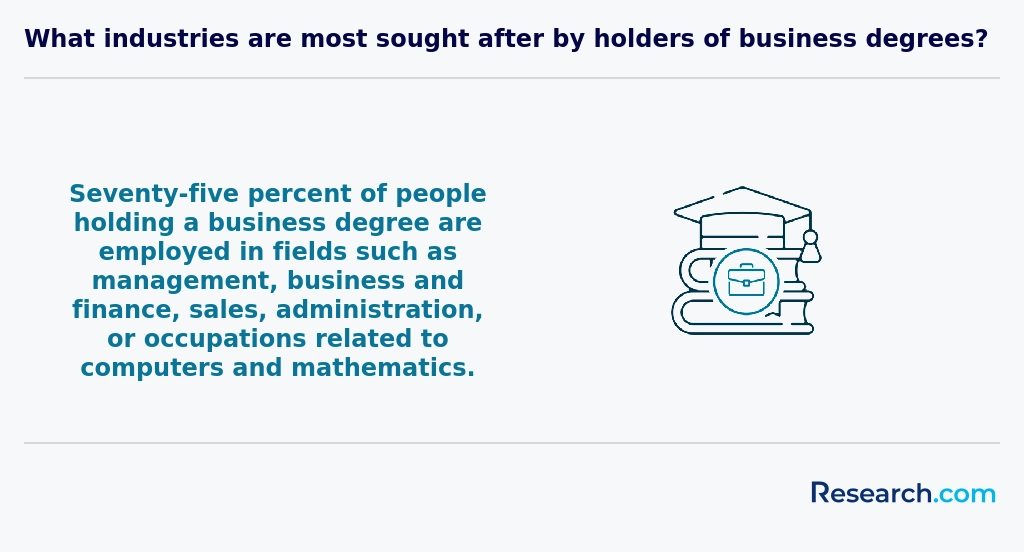
When considering a business degree program, understanding the long-term return on investment (ROI) is critical. This section delves into the financial and professional benefits of earning a business degree in Michigan, providing prospective students with actionable insights to weigh tuition costs against future earnings and career advancement opportunities. Many graduates highlight that while upfront expenses such as tuition and fees can be substantial, the resulting career trajectories often lead to competitive salaries, rapid professional growth, and enhanced networking opportunities that compound over time. Furthermore, an emphasis on practical experiences-internships, mentorship programs, and real-world projects-creates a strong foundation for leadership, a skill that employers value highly in competitive markets. As you review various programs, consider factors like debt-to-income ratios, average starting salaries in your chosen field, and the support services that enhance long-term career outcomes. For instance, if you’re wondering whether a traditional degree or an online option better suits your financial goals, you might find that recent studies and expert discussions reveal that is getting a business management degree worth it can vary significantly between institutions and career paths. By carefully analyzing these metrics, prospective students can make informed decisions that align both with current market trends and their individual career aspirations.
Business degree programs in Michigan commonly feature a rigorous set of core courses that form the backbone of the curriculum, preparing students for dynamic roles in the business world. Graduates from institutions like the University of Michigan and Michigan State University often highlight the value of courses such as Principles of Management, which immerses students in leadership practices and decision-making frameworks applicable in diverse organizational settings.
Accounting courses-both Financial and Managerial-equip students with skills to analyze financial statements and support internal business planning, an essential competence praised by alumni working in Michigan's automotive and manufacturing sectors. Marketing Fundamentals introduce students to market research and consumer behavior, enabling them to craft targeted marketing strategies relevant for Michigan's competitive markets.
Other critical courses include Business Law, where students grasp the legal environment that shapes business operations, and Business Statistics, essential for data-driven decision-making. Economics classes contextualize these skills by explaining the economic factors influencing business climates locally and nationally. These comprehensive courses, combined with practical electives, allow students to emerge confident and career-ready.
Business degree specializations in Michigan typically include fields such as accounting, finance, marketing, management, entrepreneurship, and supply chain management. These concentrations reflect the state's dynamic industries and economic demands, offering students the chance to align their studies with careers in Michigan's automotive, technology, and manufacturing sectors. Graduates from institutions like Michigan State University and the University of Michigan often share positive experiences about how these specialized programs prepared them for competitive roles in finance departments or startup environments.
Many students appreciate the practical focus on topics like financial reporting, investment analysis, marketing strategies, leadership, and innovation. Such targeted education increases employment prospects in Michigan's diverse business community. Those interested in exploring if is getting a business management degree worth it will find numerous Michigan business degree concentration options tailored to suit specific career goals and regional opportunities.
Choosing the best business degree programs Michigan offers requires careful attention to specialization, accreditation, and local industry connections. Graduates from institutions like the University of Michigan often highlight how tailored programs in finance or supply chain management, aligned with the state's automotive and healthcare sectors, enhanced their career readiness. AACSB accreditation at top schools signals rigorous academic standards, which employers value highly when hiring for Michigan's competitive job market.
Cost remains a significant factor; public business programs in Michigan provide more affordable business schools in Michigan options, helping students manage tuition and living expenses without compromising quality. Many students also emphasize the transformative impact of experiential learning, with internships in Detroit's vibrant business community offering firsthand experience that directly improves job placement.
Prospective students seeking flexible options can explore an accelerated online business administration degree, balancing work and study effectively. By prioritizing programs with strong career services and proven employment outcomes, you position yourself for success in Michigan's dynamic economy.
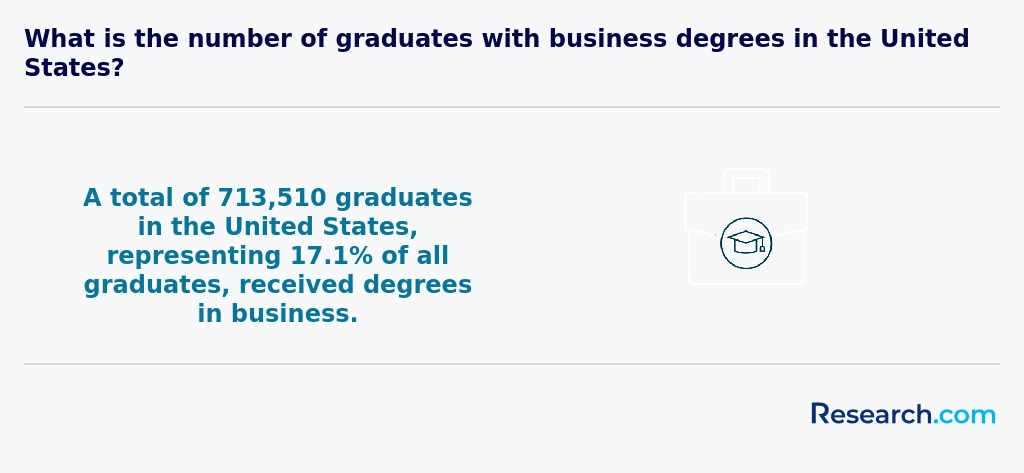
Graduates pursuing a business degree career opportunities in Michigan find diverse paths shaped by the state's leading industries. Business alumni from institutions like the University of Michigan and Michigan State University often secure roles in automotive and manufacturing sectors, managing operations or strategic initiatives at major companies such as General Motors and Ford. These graduates report a strong sense of accomplishment as they contribute directly to Michigan's economic backbone.
Other top Michigan business degree job paths include financial services, where graduates excel as analysts and risk managers in firms based in Detroit and beyond. Healthcare organizations and technology startups also employ business professionals to lead budgeting, marketing, and product management efforts. The ability to adapt learned skills across such varied sectors offers Michigan business graduates rewarding, dynamic careers.
Many students benefit from affordable education options at Michigan public universities, which enhance their job readiness in a competitive market. For those interested in flexible study options, programs highlighted in the Affordable Online Business Degree Programs Ranking in Norfolk, VA provide additional pathways to launch successful careers locally and nationally.
Michigan's business degree job opportunities in Michigan are promising due to the state's diverse economy, which includes strong manufacturing, finance, and healthcare sectors. Graduates from well-regarded institutions like the University of Michigan and Michigan State University consistently find roles in cities such as Detroit and Ann Arbor, where companies seek financial analysts, marketing specialists, and supply chain managers. Many graduates share experiences of leveraging internships and cooperative education programs to secure competitive positions shortly after completing their degrees.
The Michigan market outlook for business graduates highlights an average starting salary between $50,000 and $60,000, with significant growth potential in specialized roles such as financial management, where salaries can exceed $120,000. Tuition costs reflect the variety of institutions, with public universities offering more accessible options compared to private colleges. Students considering accelerated tracks benefit greatly from programs designed to fast-track their education, as showcased by accelerated programs for bachelor's degree. This structure aligns well with the ambitious goals of many Michigan business students eager to enter the workforce efficiently while building professional networks through local business organizations.
2027 Most Valuable Business Degree Programs Ranking in Michigan
Investing in your education is a significant decision that can profoundly impact your career and future. The Research.com team recognizes the importance of providing trustworthy and accurate information to guide prospective students in Michigan. To support this, we have carefully developed the "2027 Most Valuable Business Degree Programs Ranking in Michigan" with an unwavering commitment to quality, credibility, and precision. Our analysis draws from multiple authoritative sources to ensure a well-rounded evaluation.
By consulting this ranking, readers will gain meaningful insights into the top business degree programs in Michigan, enabling informed, confident decisions regarding their educational investments. To learn more about our rigorous approach, please visit our Research.com methodology page.


# 18 position
Walsh College
Master of Business Administration

# 19 position
Walsh College
Bachelor of Business Administration
Frequently Asked Questions About business
Business degree students in Michigan can maximize their learning experience by actively engaging with the state's diverse economic sectors. Michigan's strong automotive and manufacturing industries provide valuable internship opportunities, which many universities encourage to connect coursework with real-world business challenges. According to the Michigan Economic Development Corporation (MEDC), over 800 automotive-related firms operate statewide, making internships highly beneficial for practical learning.
Students should also take advantage of networking events hosted by groups like the Detroit Regional Chamber to build professional connections early. Collaborating with local startups and participating in case competitions can further enhance problem-solving skills and industry knowledge.
Additionally, leveraging online courses and certificate programs offered by Michigan institutions can help students stay current with emerging business trends like digital marketing and supply chain analytics.
Emerging niches within the business field in Michigan reflect broader national trends combined with the state's unique economic strengths. One growing area is data analytics and business intelligence. With Michigan's increasing focus on technology and manufacturing, companies demand professionals skilled in interpreting complex data to guide decision-making.
Another expanding niche is sustainable business practices. Michigan's manufacturing sector, including the automotive industry, is investing heavily in green technologies, creating roles for graduates knowledgeable in environmental compliance and sustainability strategies.
The rise of e-commerce management also presents new opportunities. As online retail grows nationwide, Michigan businesses are boosting digital sales channels. The Michigan Department of Technology, Management & Budget reports rising demand for experts in digital marketing and supply chain optimization.
Lastly, healthcare management is a key niche due to Michigan's large healthcare industry, which consistently seeks skilled administrators to improve services and control costs.
Preparing for the job market after earning a business degree in Michigan involves practical steps aligned with the state's economic landscape. Networking is essential; students should engage with local business organizations such as the Detroit Regional Chamber, which supports over 1,000 companies and offers career events. Pursuing internships in Michigan's key industries-automotive, finance, and technology-provides valuable experience. According to the Michigan Department of Technology, Management & Budget, job growth in these sectors is projected to increase by 4.8% through 2028. Additionally, acquiring relevant certifications, such as in project management or data analysis, boosts employability. Utilizing university career services for resume building and interview preparation further enhances job readiness.
Employers in Michigan highly value business degree graduates who demonstrate strong analytical skills. According to the Michigan Economic Development Corporation, data-driven decision making is critical in industries such as automotive and finance, which dominate the state's economy. Graduates equipped with problem-solving abilities and proficiency in software like Excel or Tableau are preferred.
Communication skills remain essential. Employers seek candidates capable of clear, concise writing and effective teamwork, as highlighted by Michigan Works! reports. Leadership and project management expertise are also in demand, reflecting the state's growth in startups and manufacturing sectors.
Adaptability to changing technologies and regulations is crucial for sustained success in Michigan's diverse business environment.
Finding internships in Michigan relevant to a business degree involves leveraging multiple local resources. Many universities, such as the University of Michigan and Michigan State University, offer dedicated career centers that connect students with internships in Detroit, Grand Rapids, and Ann Arbor, key business hubs.
According to the Michigan Economic Development Corporation, sectors like automotive, finance, and technology are growing, providing numerous internship opportunities. Online platforms like Handshake and LinkedIn also list Michigan-specific internships for business students.
Networking events hosted by organizations such as the Detroit Regional Chamber can be valuable for making connections in the local business community.
A business degree in Michigan significantly enhances career mobility and advancement opportunities. According to the Michigan Department of Labor and Economic Opportunity, graduates with business qualifications often see a 15-20% higher median income compared to those without specialized degrees. This credential opens doors in key regional industries like automotive, finance, and technology, which are central to Michigan's economy.
Employers in Michigan value business degrees for their combination of management, analytical, and communication skills. Many companies offer faster promotion tracks to candidates holding bachelor's or master's degrees in business-related fields. Graduates are better prepared for leadership roles such as project managers, financial analysts, and marketing directors.
Furthermore, nearly 70% of Michigan's job openings in management and business fields require at least a bachelor's degree, emphasizing how essential formal education is for career growth in this state (U.S. Bureau of Labor Statistics, 2023).
Studying for a business degree in Michigan equips students with skills that extend beyond traditional business knowledge, fostering interdisciplinary competence. Programs often integrate coursework in economics, information technology, and communication, reflecting Michigan's diverse economy-from automotive to healthcare sectors. For example, many universities collaborate with local industries, allowing students to apply business principles in technical and scientific environments.
Michigan's business schools emphasize team projects and case studies, which cultivate problem-solving skills across disciplines. According to the Michigan Association of Business Schools, over 70% of graduates engage in roles requiring cross-functional expertise within three years of graduation.
This interdisciplinary approach prepares students for the increasingly interconnected nature of business, technology, and innovation in Michigan's job market.
Choosing between a thesis and a non-thesis business degree program in Michigan depends largely on your career goals. Thesis programs emphasize research, making them ideal for students aiming for academic or analytical roles, such as consulting or further graduate study. Non-thesis tracks focus more on practical skills and coursework, often preferred by those targeting immediate employment in Michigan's diverse business sectors.
Michigan's economy, driven by industries like automotive, finance, and healthcare, values hands-on experience. According to the Michigan Economic Development Corporation, practical skills gained in non-thesis programs are highly sought after by employers.
Consider your learning style and post-graduation plans carefully when deciding.
Students in Michigan seeking to study business abroad have multiple options through partnerships between Michigan universities and international institutions. Many public and private Michigan schools, including the University of Michigan and Michigan State University, offer exchange programs, allowing students to spend a semester or more at top business schools worldwide.
These study abroad opportunities often include countries with strong business education reputations, such as the United Kingdom, France, and China. According to the Institute of International Education, Michigan ranks among the top states for outbound study abroad participation, reflecting a strong interest in global business education.
Additionally, some programs combine international internships with coursework, enhancing practical experience. Financial aid and scholarships for studying business abroad are often available to Michigan residents, making global education more accessible.
For students pursuing a business degree in Michigan, several part-time job opportunities can enhance their education while building valuable experience. Positions such as administrative assistants, sales associates, and marketing interns often provide hands-on exposure to business operations and customer relations. According to the Michigan Department of Labor, the state's retail and professional services sectors have shown steady growth, offering diverse roles for students.
Internships with local small businesses or corporate offices in Detroit and Grand Rapids are also common. These roles allow students to apply classroom knowledge in finance, management, or marketing. Additionally, roles in bookkeeping or social media management provide practical skills directly aligned with business curricula.
Michigan's emphasis on automotive and manufacturing industries also opens paths for business students to explore supply chain and logistics positions during their studies.
Business students in Michigan benefit from numerous networking opportunities that connect them with professionals and industry leaders. Many universities, such as the University of Michigan and Michigan State University, host career fairs and industry expos that attract employers from the state's diverse economy, including automotive, technology, and finance sectors.
Student organizations like the Michigan Business Network and local chapters of national associations provide platforms for peer and professional engagement. Additionally, Michigan's strong presence in industries such as manufacturing and finance has led to partnerships offering internships and mentorships, critical for building professional relationships.
According to the Michigan Economic Development Corporation, business and financial operations jobs are expected to grow steadily, increasing demand for skilled graduates and providing further networking venues.
Alumni networks offer significant advantages to business degree students in Michigan. These networks connect current students with experienced graduates working across key industries such as automotive, finance, and technology, which are central to Michigan's economy. According to the Michigan Economic Development Corporation, strong local connections enhance job placement rates for graduates. Alumni can provide mentorship, internships, and job referrals, giving students a competitive edge in the job market. Additionally, involvement in alumni events and online groups fosters professional relationships that often lead to career advancement opportunities. Such networks increase students' access to valuable industry insights and regional business trends.
In Michigan, students can customize their business degree programs by selecting concentrations that align with their career goals. Many universities offer specializations such as finance, marketing, supply chain management, and entrepreneurship. For instance, according to the Michigan Association of State Universities, around 75% of business programs provide flexible curricula allowing elective courses tailored to industry demands.
Internships and cooperative education opportunities are another way to customize, offering hands-on experience within Michigan's strong automotive and manufacturing sectors. Schools like the University of Michigan and Michigan State University have partnerships with local businesses, enhancing job readiness.
Additionally, students might pursue dual degrees or minors in fields like data analytics or international business. According to the U.S. Bureau of Labor Statistics, Michigan's business sector is expected to grow by 5% over the next decade, emphasizing skills in technology and management. Selecting updated coursework can therefore boost employability within the state's evolving market.
Business students in Michigan face several common challenges throughout their academic journey. One key difficulty is managing the cost of higher education, as tuition at public universities in Michigan averages over $13,000 per year for in-state students, according to the National Center for Education Statistics. Balancing part-time work and studies often creates time management challenges.
Another notable challenge is adapting to the rapidly changing business environment. With Detroit and other cities evolving as hubs for technology and manufacturing, students must stay updated with new industry trends, such as digital marketing and data analytics. Additionally, Michigan's competitive job market requires strong internship and networking experiences, which some students find difficult to secure.
Many students also report stress related to meeting the rigorous academic standards in business programs. Courses in finance, accounting, and economics demand strong quantitative skills, which can be a hurdle for those without a strong math background. Finally, navigating post-graduation employment remains challenging-Michigan's unemployment rate for recent graduates hovers slightly above the national average, increasing the pressure to gain relevant experience.
With a business degree in Michigan, graduates can pursue several respected professional certifications to enhance their careers. Popular options include the Certified Public Accountant (CPA), which is highly valued for those interested in accounting and finance roles. Michigan's licensing board requires passing the Uniform CPA Exam and meeting education and experience criteria.
Another relevant certification is the Project Management Professional (PMP), ideal for graduates targeting management positions. This certification is recognized nationwide and can improve job prospects significantly.
The Certified Management Accountant (CMA) is also a solid choice, focusing on financial analysis and strategic management skills. According to the Michigan Department of Labor, these certifications can lead to salaries above the state average for business professionals.
To write a winning application for a business program in Michigan, start by showcasing your academic achievements clearly. Michigan schools often require a competitive GPA, typically above 3.0, demonstrating your readiness for rigorous coursework. Highlight relevant work experience or internships, especially within Michigan's strong automotive, finance, or tech industries, as these align with regional economic strengths noted by the Michigan Economic Development Corporation.
Personal statements should connect your goals with the unique opportunities Michigan offers, like networking within Detroit's growing business hubs. Provide specific examples of leadership or problem-solving skills. Also, secure strong recommendation letters from professors or employers who can attest to your business acumen and commitment. Finally, check each school's application deadlines and tailored requirements carefully to ensure completeness.
Business careers today are increasingly shaped by global trends such as international trade, cross-cultural management, and digital innovation. Graduates with a business degree from Michigan's universities gain skills that prepare them for global markets, important as Michigan exports over $70 billion annually, according to the Michigan Economic Development Corporation. Understanding global economics and multicultural teamwork is essential as companies seek leaders who can operate internationally.
Moreover, Michigan's strong automotive and manufacturing sectors offer business students exposure to industries with worldwide supply chains. Data from the U.S. Bureau of Labor Statistics highlights that business roles requiring global competence are projected to grow faster than average nationwide.
Gaining practical experience while studying for a business degree in Michigan is essential for career readiness. Many universities offer internship programs connected with local companies in Detroit, Grand Rapids, and Ann Arbor-key business hubs in the state. These internships provide hands-on experience in finance, marketing, and management.
Additionally, cooperative education (co-op) programs allow students to alternate between classroom study and full-time work related to their major. According to the Michigan Economic Development Corporation, internships significantly increase graduate employability.
Students can also engage in business competitions and consulting projects offered by universities to build real-world skills.
Choosing the right concentration within a business degree program in Michigan starts with understanding your career goals and interests. Popular concentrations include finance, marketing, management, and supply chain, reflecting the state's diverse economy. For example, Michigan's strong automotive and manufacturing sectors create demand for supply chain and operations management professionals, according to the Michigan Economic Development Corporation.
Research salary trends and job growth in Michigan using resources like the Bureau of Labor Statistics. Finance roles in Detroit, for instance, have seen steady growth, offering competitive salaries above the national median. Additionally, consider the curriculum and internship opportunities offered by Michigan schools, as hands-on experience enhances employability.
Networking possibilities in Michigan's business hubs such as Detroit and Ann Arbor can also influence your concentration choice, helping you build valuable industry connections well before graduation.
- 2027 Most Valuable Online Business Degree Programs Ranking in Ohio
- 2027 Most Valuable Online Business Degree Programs Ranking in Wisconsin
- 2027 Most Valuable Online Business Degree Programs Ranking in Minnesota
- 2027 Most Valuable Online Business Degree Programs Ranking in Pennsylvania
- 2027 Most Valuable Online Business Degree Programs Ranking in West Virginia
- 2027 Most Valuable Online Business Degree Programs Ranking in Iowa
- 2027 Most Valuable Online Business Degree Programs Ranking in Missouri
- 2027 Most Valuable Online Business Degree Programs Ranking in New York
- 2027 Most Valuable Online Business Degree Programs Ranking in Tennessee
- 2027 Most Valuable Online Business Degree Programs Ranking in Virginia
See What Experts Have To Say About Studying Business
Read our interview with Business experts

Ingrid S. Greene
Business Expert
Clinical Assistant Professor of Management
Loyola Marymount University

David W. Stewart
Business Expert
Emeritus President's Professor of Marketing
Loyola Marymount University

David Souder
Business Expert
Senior Associate Dean for Faculty and Research
Michigan State University

- A 2016 Global Perspective on Business and Career Planning https://careerproinc.com/blogging/a-2016-global-perspective-on-business-and-career
- 5+1: Five challenges facing business schools and one solution https://charteredabs.org/insights/opinion/51-five-challenges-facing-business-schools-and-one-solution
- Global careers, real impact: building your career with an international business degree | University of East London https://www.uel.ac.uk/blog/global-careers-real-impact-building-your-career-international-business-degree
- Business Administration Salary In Michigan (2024) https://www.allbusinessschools.com/business-administration/salary/michigan/
- What is the future of bachelor’s degrees in business? https://www.amba-bga.com/insights/what-is-the-future-of-bachelors-degrees-in-business
- WESTERN MICHIGAN UNIVERSITY https://tes.collegesource.com/publicview/TES_publicview03_group_report.aspx
- Interdisciplinary Business https://www.okwu.edu/academics/undergraduate/bachelor-interdisciplinary-business/
- Enterprise project challenge https://barclayslifeskills.com/help-others/lessons/enterprise-project-challenge/
- The Seven Biggest Challenges Faced by Student Entrepreneurs https://venturewell.org/blog/five-biggest-challenges/
- Top 10 Skills Employers Seek in Business Graduates in 2026 https://www.ibat.ie/blogs/top-10-skills-employers-seek-in-business-graduates-in-2026