
2027 Most Valuable Business Degree Programs Ranking in Fort Worth

Co-Founder and Chief Data Scientist
Choosing the right business degree program is an important step toward a successful career. This article presents the 2027 Most Valuable Business Degree Programs Ranking in Fort Worth, created by the Research.com team of data scientists to guide students in making informed decisions.
By exploring this ranking, you'll discover programs that offer strong returns on investment and valuable opportunities for growth. Whether you're starting your journey or considering a change, understanding your options can bring confidence and clarity.
Investing in a business degree can open doors to exciting futures full of potential.
Key benefits of getting business degree in Fort Worth
- Salary for business degree graduates: Graduates can expect competitive wages such as a Business Development Executive earning a mean annual salary of $83,190 and a Business Analyst earning $112,950, reflecting strong financial rewards.
- Career paths: Business degree holders from local Fort Worth universities often pursue diverse roles like business analysts and executives, opening doors to exciting opportunities in various industries.
- Online degree benefits: Earning a business degree online in Fort Worth offers flexibility and convenience, allowing graduates to balance work and study while gaining skills as effectively as traditional programs.
- 2027 Most Valuable Business Degree Programs Ranking in Fort Worth
- What can I expect from business degree in Fort Worth?
- Where can I work with business degree in Fort Worth?
What can I expect from business degree in Fort Worth?
On average, pursuing a business degree in Fort Worth can be a financially manageable investment, especially when compared to larger metropolitan areas. Graduates from institutions like Texas Christian University and Texas Wesleyan University often share how the lower cost of living in Fort Worth eased their overall expenses, complementing tuition rates that typically range from moderate to reasonable for accredited programs. Many find the balance between quality education and affordability encouraging, making it easier to focus on studies without the overwhelming burden of debt.
Students often mention flexible payment options and part-time or online courses that help manage costs while maintaining career stability. The supportive environment within these universities, paired with Fort Worth's vibrant business community, offers not just educational value but practical exposure without exorbitant costs.
This affordability creates a sense of security and motivation, allowing students to engage deeply with their coursework and internships at local companies like American Airlines or Lockheed Martin, turning education into real-world advantage.
Where can I work with business degree in Fort Worth?
Graduates from business programs at institutions like Texas Christian University or Tarrant County College often find themselves welcomed into Fort Worth's dynamic workforce. Many quickly discover opportunities in the city's robust financial services sector, where roles in banking, insurance, and investment management align perfectly with skills gained during their studies.
Others reflect on landing positions within Fort Worth's thriving logistics industry, where the city's strategic location offers real-world experience managing supply chains and operations for companies such as BNSF Railway. These roles provide a sense of achievement by connecting classroom knowledge to tangible business challenges.
For those interested in innovation and growth, aerospace firms like Lockheed Martin offer exciting careers in product management and business development. Graduates often remark on the satisfaction of contributing to large-scale projects while utilizing their management and marketing expertise.
Local entrepreneurs and consultants also find joy in Fort Worth's vibrant SME community, discovering that flexible paths in retail, hospitality, and professional services can be both rewarding and adaptable to evolving career goals.
Healthcare administration presents another promising avenue, where expanding institutions like Cook Children's Health Care System offer meaningful roles blending business acumen with a passion for service.
Graduates from business programs in Fort Worth often find that their education translates into promising salaries right from the start. For example, business analysts, a common role pursued by those from institutions like Texas Christian University or Texas Wesleyan University, earn a mean annual wage of approximately $112,950 according to federal data. This reflects both the specialized skills acquired and the region's dynamic business environment.
Similarly, business development executives in Fort Worth report mean yearly earnings around $83,190, a figure that supports a comfortable lifestyle while opening pathways for growth. Many graduates describe beginning their careers with a blend of excitement and confidence, recognizing that these salaries validate their hard work and commitment.
Living and working in Fort Worth also carries the advantage of engaging directly with thriving sectors such as finance and transportation, where these salary figures are supported by strong local employers. These opportunities encourage new graduates to envision clear steps forward in their careers, emboldened by tangible financial milestones and steady professional development.
- The average cost for a bachelor's degree in business in Fort Worth ranges from $25,000 to $45,000 for in-state students, which is lower than the national average.
- Starting salaries for business graduates in Fort Worth are around $55,000 per year, with mid-career salaries rising to about $85,000 annually.
- Fort Worth's job market for business graduates is strong, with a lower unemployment rate than the national average in related roles.
- The city offers various bachelor's and master's programs in business, accounting, and administration, many emphasizing internships and experiential learning.
- Fort Worth's cost of living is lower than other large metropolitan areas, supporting a comfortable lifestyle for graduates.
- Networking opportunities are available through local chambers of commerce and business groups, aiding career advancement.
Completing a business degree in Fort Worth generally spans from two to four years, shaped by the student's chosen path and pace. Many graduates from Texas Christian University and Texas Wesleyan University recall investing around four years when pursuing traditional full-time bachelor's programs, balancing coursework with campus life and local internships.
Others have shared how accelerated options allowed them to finish sooner-sometimes in just two to three years-by adapting to heavier course loads and year-round classes. This flexibility proved especially valuable for those juggling part-time work or family commitments.
Graduate students pursuing an MBA often find that one to two years full-time fits their ambition, though some extend it to three years part-time to maintain work-life balance amid Fort Worth's dynamic business scene.
Reflecting on these experiences highlights that duration is less about a fixed timeline and more about aligning studies with personal goals, resources, and Fort Worth's supportive academic environment.
Attending a valuable business school in Fort Worth, TX, can significantly enhance one's career prospects and provide a solid foundation for success in the business world. By enrolling in a reputable business program, students gain access to a wealth of resources, including experienced faculty, state-of-the-art facilities, and networking opportunities that can open doors to lucrative job opportunities. For those seeking to maximize their return on investment, considering a valuable business school in Texas is essential, as it not only provides a high-quality education but also prepares graduates for the challenges of the modern business environment. Furthermore, the connections made during one's academic journey can lead to lifelong professional relationships, mentorships, and collaborations that foster personal and professional growth. The combination of theoretical knowledge, practical skills, and real-world experience offered by these institutions makes them invaluable for anyone aiming to thrive in the competitive business landscape of Fort Worth, TX.
Graduates from business programs at institutions like Texas Christian University in Fort Worth often reflect on how on-campus classes shaped their professional connections. Being physically present allowed them to engage directly with local businesses such as American Airlines for internships, which enriched their learning and job prospects. The energy of face-to-face discussions in lecture halls and casual chats on campus also fostered stronger peer relationships, enhancing motivation and confidence.
On the other hand, those who completed online business degrees appreciated the freedom to balance work and family while studying. For example, a graduate from a well-known university's online program shared how asynchronous courses let them learn after hours, making education accessible without sacrificing their job responsibilities. This flexibility, however, sometimes meant fewer spontaneous networking moments compared to on-campus life.
Both paths in Fort Worth maintain rigorous curricula covering finance, marketing, and management. The key difference lies not in content but in how students experience education-whether through vibrant campus interactions or adaptable online study tailored to individual rhythms.
The average cost of a business degree in Fort Worth generally falls around $50,000 for in-state students, reflecting the median total cost of approximately $50,661. Graduates from local institutions often share that while tuition feels like a significant investment, particularly at private universities like Texas Christian University where fees can approach $50,000 annually, the value gained through experienced faculty and strong industry connections justifies the expense. Many students pursuing business degrees in Fort Worth find public universities, such as Texas A&M University-Fort Worth, offer a more budget-friendly route with yearly tuition near $7,000 to $8,000 for residents, aligning well with the local economic landscape.
Community colleges like Tarrant County College also serve as an accessible foundation. Their lower tuition, typically between $3,500 and $4,500 each year, gives aspiring business professionals the chance to build credits affordably or jumpstart careers with associate degrees. Students often describe a sense of accomplishment balancing these costs while gaining practical skills. When estimating the full financial scope, one should consider not just tuition but also expenses like books, supplies, and fees, which might add $1,000 to $3,000 annually.
Understanding Fort Worth business degree tuition and fees requires looking beyond numbers. Prospective students often find relief in scholarships and financial aid, especially at private schools where sticker prices are high. For those weighing their options, it's worth exploring each institution's offerings. To identify a potentially valuable business school in Texas from among Fort Worth's choices, consider factors such as return on investment, alumni networks, and program reputation alongside the average cost of business degree in Fort Worth.
When pursuing a business degree in Fort Worth, many graduates recall how crucial financial aid was to their success. Federal aid, accessed through the FAFSA, often forms the foundation-grants like the Pell Grant provided essential support, sometimes covering thousands of dollars, easing the pressure during their studies at institutions such as Texas Christian University or the University of North Texas at Dallas.
State programs add another layer of relief. The Texas Tuition Promise Fund helped some graduates' families lock in tuition costs early, offering peace of mind amid fluctuating prices. Others benefited from the TEXAS Grant or the Texas College Work-Study program, which provided not just funding but also valuable work experience integrated with their business curriculum.
Many business students recall local scholarships and employer tuition assistance that made a tangible difference. These opportunities often came from Fort Worth-based businesses invested in cultivating homegrown talent, making education feel less like a financial burden and more like a strategic investment in one's future.
Taking time to explore these resources and applying early proved to be a game-changer for those determined to thrive in Fort Worth's vibrant business community.
Enrolling in a business degree program in Fort Worth usually begins with a clear set of academic foundations that reflect the city's rigorous yet accessible educational standards. Many graduates recall that a solid high school GPA-often around 2.5 to 3.0-is essential, alongside completion of courses in algebra or statistics that build the quantitative skills vital for business coursework. For undergraduates at institutions such as Texas Christian University or Texas Wesleyan University, these prerequisites felt like stepping stones toward a rewarding academic journey.
Graduate hopefuls often emphasize the importance of holding a bachelor's degree from an accredited university, not necessarily in business but ideally with relevant exposure to economics or management. Those aiming for MBA programs found that submitting a well-crafted résumé and recommendation letters strengthened their applications, capturing the real-world experience Fort Worth schools value. Some recalled relief when standardized tests like the GMAT were waived due to professional achievements, a practical nod to diverse pathways into advanced study here.

As the business landscape continues to evolve, staying informed about emerging trends and future opportunities is essential. In Fort Worth, TX, leading academic programs are now integrating digital transformation, big data analytics, and sustainability practices into their curriculums to ensure graduates are well-prepared for a dynamic market. These trends not only shape course content but also drive innovative projects and internships with local companies-providing real-world experience alongside academic learning. For instance, programs that incorporate digital marketing and social media strategies are equipping students with skills necessary for success in today’s tech-driven market. In fact, exploring a Business Marketing Degree can offer deeper insight into customer engagement and online campaign management. By choosing a program with a forward-thinking approach, students can develop future-proof skills and position themselves as competitive candidates for emerging roles in a rapidly changing business environment.
Business degree programs in Fort Worth commonly include a core set of courses such as accounting, finance, marketing, management, and business law. Graduates from local universities often reflect on how accounting classes helped them confidently interpret financial statements, an essential skill when managing budgets in Fort Worth's diverse industries. Finance courses are especially relevant here, with a focus on corporate finance and risk management that align with the city's robust energy and manufacturing sectors.
Marketing classes emphasize real-world tactics like digital marketing and consumer behavior, which graduates found invaluable as many Fort Worth businesses grow their online presence. Business law courses prepare students for the complex regulatory environment, helping them navigate contracts and ethical challenges they later faced in professional roles.
Beyond these, courses in organizational behavior and operations management offer practical insights into leadership and production control, vital in the region's logistics and industrial hubs. Many students also appreciate electives in business analytics and entrepreneurship, which sharpen data skills and innovative thinking crucial for the evolving Fort Worth economy.
Many students choose business degree specializations in Fort Worth that align closely with the city's economic strengths. Graduates often reflect on how their focus areas-such as finance, marketing, and management-prepared them to thrive within local industries. For example, finance students benefit greatly from the region's growing financial services sector, while those specializing in supply chain and logistics appreciate the city's strategic location as a major transportation hub. These specializations are designed not only to build foundational knowledge but also to connect with Fort Worth's unique business ecosystem, ensuring graduates feel confident stepping into roles at local companies and startups.
Others find that entrepreneurship and marketing specializations encourage creativity and adaptability, fostering meaningful engagement with Fort Worth's expanding retail and small business communities. Business schools known for offering a comprehensive range of Fort Worth business management concentration options help students tailor their studies, often through relevant projects and internships that reflect real-world challenges. If you're exploring pathways, consider programs highlighted by graduates and explore opportunities such as the Business Marketing Degree for a well-rounded business education in the region.
Choosing the best business degree in Fort Worth often starts with considering accreditation and program reputation. Graduates from locally respected colleges frequently highlight the confidence gained through AACSB-accredited programs, which open doors in Fort Worth's competitive job market. Many recall how the strong curriculum aligned with real-world business challenges in finance and logistics, key sectors in this area.
Affordability is another crucial consideration, especially when seeking affordable business colleges Fort Worth offers. Many students find that weighing tuition costs alongside scholarship options helps avoid overwhelming debt while staying focused on studies. Practical specialization options like supply chain management or entrepreneurship also resonate deeply with students who aim to contribute to the region's booming industries.
Internship availability and connection to local businesses make a tangible difference. Graduates often reflect on how hands-on experience and networking with Fort Worth companies paved the way for career success. For those eager to accelerate their progress, enrolling in fast track career programs can combine speed and practical learning, further enhancing post-graduation opportunities.
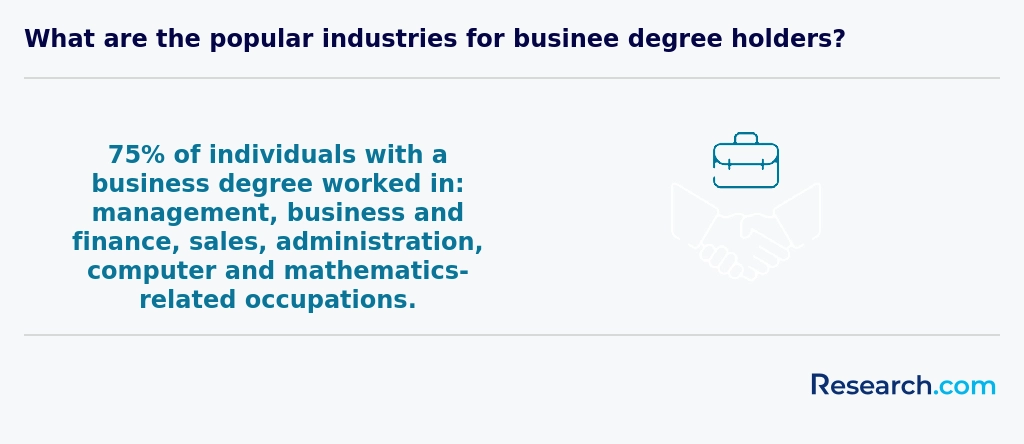
Graduates with a business degree career opportunities Fort Worth often find themselves drawn to the thriving financial services sector. Many representatives from local universities describe their early careers as financial analysts or loan officers at regional banks, leveraging the city's growing economy and the analytical skills honed during their studies. Fort Worth's expanding retail and tech startups create a fertile environment for those interested in marketing and sales, where graduates engage in brand management or digital marketing roles, enjoying the dynamic pace and innovation these sectors offer.
Operations and supply chain management also appeal to many, especially given Fort Worth's strategic position as a transportation hub. Recent alumni from popular business colleges recount working as logistics coordinators or operations managers, finding satisfaction in optimizing processes for companies reliant on the city's infrastructure. For those motivated by independence, entrepreneurship is a rewarding path, supported by local incubators encouraging graduates to start ventures in an affordable living environment. Exploring easy doctoral programs can also be a natural next step for business students eager to deepen their expertise and extend their career prospects.
The job market for business degree graduates in Fort Worth is marked by steady growth and diverse opportunities. Many graduates from well-regarded institutions in the area find rewarding roles in finance, marketing, and management within local corporations like American Airlines and BNSF Railway. Hands-on experiences through internships offered by these companies often lead to strong job prospects, reflecting the tangible benefits of business degree employment opportunities Fort Worth provides.
Starting salaries for new graduates typically fall between $50,000 and $65,000 annually, with the possibility to surpass $100,000 as experience grows. This progression mirrors the robust economy in the Dallas-Fort Worth metroplex, which supports continued demand for business talent. Graduates often appreciate the region's relatively low cost of living, which enhances their financial stability early in their careers.
For those curious about educational costs, exploring how much is an associate's degree can help contextualize the return on investment. Many Fort Worth graduates emphasize the advantage of the city's expanding business community and proximity to Dallas, which boosts accessible roles across varied industries, ensuring a broad spectrum of choices for those with business degrees.
2027 Most Valuable Business Degree Programs Ranking in Fort Worth
Investing in your education is a significant decision that can greatly impact your career and future opportunities. The Research.com team is acutely aware of this responsibility and has taken extensive measures to ensure the quality, credibility, and accuracy of the "2027 Most Valuable Business Degree Programs Ranking in Fort Worth." Through rigorous research and careful analysis, this ranking aims to provide prospective students with reliable information to help them make well-informed educational choices.
We utilized the following reputable data sources to create this ranking:
By exploring this ranking, readers will gain valuable insights into the most valuable business degree programs in Fort Worth, empowering them to make strategic decisions about their education and career paths. For a detailed explanation of our process, please visit our Research.com methodology page.


Frequently Asked Questions About business
Business degree students in Fort Worth can maximize their learning by engaging with local industries that drive the region's economy. Fort Worth's strong sectors include aerospace, manufacturing, and financial services, offering valuable internship and networking opportunities. According to the Fort Worth Chamber of Commerce, students who participate in internships have a 20% higher chance of employment post-graduation.
Joining student organizations and attending workshops hosted by Fort Worth's colleges can also deepen practical skills. Furthermore, leveraging resources like career centers and alumni networks encourages connections with local employers. Combining classroom studies with real-world experiences prepares students effectively for the competitive business market in Fort Worth.
The business field is rapidly evolving, creating new opportunities for students pursuing degrees in Fort Worth. Emerging niches include data analytics, which helps companies make informed decisions by analyzing large datasets. According to the Bureau of Labor Statistics, jobs in business analytics are expected to grow by 25% through 2031.
Sustainability management is also gaining traction as businesses focus on environmental responsibility. Fort Worth's growing energy sector increasingly values professionals skilled in sustainable practices. Additionally, digital marketing remains a key niche, with Fort Worth's expanding tech startups driving demand for experts in online consumer engagement.
These areas represent promising paths for future business graduates in Fort Worth, combining local industry needs with national trends.
Preparing for the job market after earning a business degree in Fort Worth involves strategic planning and skill development. Fort Worth's economy, driven by industries like finance, manufacturing, and healthcare, offers diverse opportunities for business graduates (Fort Worth Chamber of Commerce, 2023).
Students should prioritize internships and cooperative education programs during their studies to gain practical experience. Networking with local professionals through organizations such as the Fort Worth Business Press or the Chamber of Commerce can increase job prospects.
Additionally, sharpening skills in data analytics, digital marketing, and financial management aligns well with employer demands in the region. According to the Texas Workforce Commission, finance and business roles in Fort Worth are expected to grow 9% by 2030.
Utilizing campus career services and attending job fairs focused on Fort Worth businesses further supports successful employment transitions.
Employers in Fort Worth consistently prioritize strong communication and critical thinking skills among business degree graduates. These abilities allow graduates to effectively manage teams and solve complex problems in dynamic work environments. According to the Fort Worth Chamber of Commerce, local employers also value proficiency in data analysis and financial literacy, reflecting the city's growing finance and logistics sectors.
Technological competence, especially familiarity with business software and digital marketing tools, ranks highly as well. The Texas Workforce Commission highlights that adaptability and leadership qualities are crucial for career advancement in Fort Worth's competitive business market.
These skills combined prepare graduates to meet the evolving demands of Fort Worth's diverse economy.
Finding internships in Fort Worth relevant to a business degree involves several strategic steps. Start by exploring local universities offering business programs, such as Texas Christian University and Texas A&M University School of Business, as they typically have dedicated career centers listing internship opportunities.
Fort Worth hosts a diverse economy focused on finance, manufacturing, and transportation, making companies like American Airlines and BNSF Railway key internship providers. According to the Fort Worth Chamber of Commerce, businesses in these sectors often offer internships to help students gain practical experience.
Leverage online platforms like Handshake and LinkedIn, which feature internship postings targeted to Fort Worth students, and attend local career fairs to connect directly with employers.
Networking through professional groups like the Fort Worth Business Press Advisory Board can also open doors to internship opportunities within the city.
Obtaining a business degree in Fort Worth significantly enhances career mobility and advancement opportunities. The city's diverse economy, anchored by industries such as finance, transportation, and energy, demands skilled business professionals. According to the U.S. Bureau of Labor Statistics, Fort Worth's metropolitan area shows steady growth in management and business-related occupations, projecting a 7% increase over the next decade.
Employers in Fort Worth often prefer candidates with formal business education for leadership roles and specialized functions like marketing or supply chain management. Graduates with a business degree typically experience higher starting salaries and faster promotion rates than those without.
Local universities also maintain strong connections with Fort Worth's corporate sector, facilitating internships and networking, which are critical for career progress.
Studying for a business degree in Fort Worth equips students with diverse skills essential for interdisciplinary roles. Many local universities incorporate coursework that blends finance, marketing, management, and technology, reflecting the multifaceted demands of modern businesses. Fort Worth's strong presence in industries like energy, aerospace, and healthcare offers practical experiences through internships and partnerships, enhancing cross-sector knowledge.
According to the Fort Worth Chamber of Commerce, businesses here increasingly seek professionals who can navigate multiple disciplines, especially in project management and strategic planning. This real-world exposure, combined with a curriculum that emphasizes critical thinking and communication, prepares graduates to work effectively across various fields.
Choosing between a thesis and a non-thesis business degree program in Fort Worth depends on your career goals and learning preferences. Thesis programs typically require original research and are suited for students interested in academic or research-oriented roles. Non-thesis options focus more on practical skills and coursework, appealing to those aiming for immediate employment in Fort Worth's diverse business sectors.
Fort Worth's economy, with strong industries like manufacturing and finance, values applied knowledge, which often favors non-thesis graduates. However, a thesis can strengthen your analytical skills and may benefit those seeking doctoral studies or specialized consulting careers.
Consider program duration, workload, and faculty expertise, and consult local university advisors for current Fort Worth-specific business trends.
Students in Fort Worth seeking to study business abroad have several options through local universities offering international exchange programs. Texas Christian University (TCU), a leading institution in Fort Worth, partners with over 50 global universities, enabling study abroad opportunities in business disciplines.
These programs often last a semester or a summer term and provide credits transferable to the students' degree at home. Popular destinations include Europe, Asia, and Latin America, where students gain exposure to international business practices.
According to the Institute of International Education, approximately 10% of business students nationwide participate in study abroad programs, a trend reflected in Fort Worth institutions aiming to enhance global business competencies.
Fort Worth's growing economy provides various part-time job opportunities that effectively complement business degree education. Students often find roles in retail management, customer service, and administrative support, which help develop skills in leadership, communication, and organizational behavior. According to the Fort Worth Chamber of Commerce, sectors like finance, logistics, and healthcare are expanding, creating positions such as bank tellers, marketing assistants, and data entry clerks.
Additionally, internships or part-time roles in local companies, including those in the Tarrant County area, allow students to apply business theories in real-world settings. These jobs also help build professional networks and enhance resumes for future career prospects in Fort Worth's competitive job market.
Fort Worth offers business students numerous networking opportunities through its vibrant local economy and educational institutions. The city hosts events like the Fort Worth Chamber of Commerce mixers, which connect students with local entrepreneurs and business leaders. According to the Fort Worth Economic Development Council, over 7,300 businesses operate in sectors such as finance, manufacturing, and tech, providing a wide network for internships and mentorships.
Universities in Fort Worth often collaborate with these businesses, organizing career fairs and guest lectures. Student organizations like business fraternities and professional clubs also play a vital role in building connections within the city's business community.
Alumni networks provide significant advantages for business degree students in Fort Worth. These networks offer connections to successful graduates who often work in local industries, such as finance, healthcare, and logistics, which are major sectors in Fort Worth's economy, according to the Fort Worth Chamber of Commerce. Students gain access to internships, job leads, and mentorship opportunities that improve their career prospects.
Strong alumni engagement enhances professional development events and networking workshops, helping students build essential skills. Research from the National Association of Colleges and Employers shows that 85% of jobs are filled through networking, underlining the value of these connections. Business schools in Fort Worth leverage their alumni to support student success and local career placement.
Customizing a business degree program in Fort Worth allows students to align their education with specific career ambitions. Local universities often offer specializations such as finance, marketing, entrepreneurship, and supply chain management, reflecting the city's growing sectors, including energy and manufacturing.
Students can select electives or minors that complement their main field, enhancing skills applicable to Fort Worth's diverse economy. Internships and cooperative education programs with local businesses provide practical experience and networking opportunities.
Additionally, some institutions support flexible learning formats, including online and evening classes, to accommodate working professionals. According to the Texas Workforce Commission, Fort Worth's business services sector grew by 3.5% annually, highlighting demand for tailored business expertise.
Business students in Fort Worth often encounter several common challenges. One significant issue is balancing coursework with part-time jobs, as many students work to support themselves during their studies. According to the National Center for Education Statistics, nearly 70% of undergraduates nationwide work while enrolled. Fort Worth's growing economy, anchored by industries like aerospace and finance, demands practical experience, prompting students to seek internships that can be competitive and limited in availability.
Additionally, navigating the rising costs of tuition and living expenses poses financial stress. Texas A&M University-Commerce's Fort Worth campus reports that average annual tuition has increased by over 10% in recent years, impacting affordability. Furthermore, adapting to rapidly changing business technologies and market trends requires continuous learning and flexibility.
With a business degree in Fort Worth, you can pursue several respected professional certifications that enhance your career prospects. Popular options include the Certified Public Accountant (CPA) for accounting careers, especially given Fort Worth's robust financial sector.
Another valuable certification is the Project Management Professional (PMP), highly regarded in Fort Worth's growing logistics and construction industries. The Certified Business Analyst Professional (CBAP) is also relevant, reflecting the region's expanding corporate services.
Additionally, the Chartered Financial Analyst (CFA) designation suits those targeting finance roles in Fort Worth's investment firms. According to the Bureau of Labor Statistics, these certifications often lead to higher salaries and job stability in Texas.
Writing a winning application for a business program in Fort Worth requires a clear focus on your academic achievements and relevant experiences. Fort Worth is home to several respected institutions offering business degrees that look for strong GPA records, usually above 3.0, and well-written personal statements. Highlighting any leadership roles, internships, or community involvement related to business can strengthen your application.
Admissions committees in Fort Worth value applicants who demonstrate knowledge of local economic trends, such as the city's growing sectors in finance, manufacturing, and logistics, as reported by the Fort Worth Chamber of Commerce. Including specific career goals aligned with these industries shows your commitment.
Test scores like the GMAT or GRE are sometimes required; preparing for these with a target score above the program average improves your chances. Finally, request strong recommendation letters from professors or professionals familiar with your capabilities in business contexts.
The global perspectives on a business career emphasize the increasing importance of international markets and cross-cultural competencies. Business professionals today must understand global trade dynamics and the impact of multinational corporations. According to the Fort Worth Chamber of Commerce, local businesses are expanding globally, creating more demand for graduates skilled in global strategy and international finance.
U.S. higher education institutions, including those in Fort Worth, offer programs integrating global case studies and opportunities for study abroad. This prepares students to navigate complex, worldwide business environments.
The U.S. Bureau of Labor Statistics projects a 7% growth in business-related jobs nationally through 2031, highlighting sustained demand for adaptable professionals.
To gain practical experience while studying for a business degree in Fort Worth, students have several valuable options. Many local universities offer internship programs that connect students with prominent companies such as American Airlines and BNSF Railway, both headquartered in the city. These internships provide hands-on experience in various business fields like finance, marketing, and supply chain management.
Fort Worth's growing economy, with over 45,000 businesses reported by the Fort Worth Chamber of Commerce, offers plentiful part-time job opportunities on campus and off.
Additionally, business students can participate in campus clubs and organizations that simulate real-world business challenges, including case competitions and entrepreneurial incubators.
Choosing the right concentration within a business degree program in Fort Worth begins with understanding local industry demands. Fort Worth's economy notably includes sectors like energy, manufacturing, and financial services, which can guide specialization choices. According to the Fort Worth Chamber of Commerce, finance and management positions are expected to grow by nearly 8% by 2028, highlighting areas of opportunity for students.
Students should also consider their personal interests, career goals, and the specific curriculum offered by institutions. Popular concentrations include accounting, marketing, and supply chain management, all relevant to Fort Worth's business environment. Researching internships and job placements linked to each concentration can provide practical insights into future employability.
- 2027 Most Valuable Business Degree Programs Ranking in Dallas
- 2027 Most Valuable Business Degree Programs Ranking in Denton
- 2027 Most Valuable Business Degree Programs Ranking in Abilene
- 2027 Most Valuable Business Degree Programs Ranking in Austin
- 2027 Most Valuable Business Degree Programs Ranking in Houston
- 2027 Most Valuable Business Degree Programs Ranking in San Antonio
- 2027 Most Valuable Business Degree Programs Ranking in Lubbock
- 2027 Most Valuable Business Degree Programs Ranking in Wichita
- 2027 Most Valuable Business Degree Programs Ranking in Springfield
- 2027 Most Valuable Business Degree Programs Ranking in Baton Rouge
See What Experts Have To Say About Studying Business
Read our interview with Business experts

Ingrid S. Greene
Business Expert
Clinical Assistant Professor of Management
Loyola Marymount University


David W. Stewart
Business Expert
Emeritus President's Professor of Marketing
Loyola Marymount University

- Home https://www.husson.edu/online/blog/2024/12/is-a-business-degree-worth-it
- How to Write the Perfect Cover Letter – EU Business School https://www.euruni.edu/blog/write-perfect-cover-letter/
- Tuition and Fees https://www.unthealth.edu/tuition-and-fees/index.html
- Why Alumni Networks Matter in Business School: 7 Reasons https://europe.ceibs.edu/article/why-alumni-networks-matter-business-school
- 5+1: Five challenges facing business schools and one solution https://charteredabs.org/insights/opinion/51-five-challenges-facing-business-schools-and-one-solution
- Global careers, real impact: building your career with an international business degree | University of East London https://www.uel.ac.uk/blog/global-careers-real-impact-building-your-career-international-business-degree
- Online Degree vs. Traditional: Choosing the Right Path https://beal.edu/online-degree-vs-traditional/
- The Seven Biggest Challenges Faced by Student Entrepreneurs https://venturewell.org/blog/five-biggest-challenges/
- 8 Best Places to Study Abroad for Business [+ How to Choose] https://www.semesteratsea.org/study-abroad-for-business/
- Niche Business Ideas: A Guide to Profitable Niche Business Selection - Inar Learn https://inarlearn.com/niche-business-ideas-a-guide-to-profitable-niche-business-selection/


