
2027 Most Valuable Business Degree Programs Ranking in Houston

Co-Founder and Chief Data Scientist
If you're considering a business degree in Houston, choosing the right program can feel overwhelming. To help you navigate this important decision, this article introduces the 2027 Most Valuable Business Degree Programs Ranking in Houston. Created by the Research.com team of data scientists, this ranking offers clear insights into which programs deliver the best value.
Reading this guide will empower you to make an informed choice, increasing your chances for a rewarding career. A business degree opens doors to many opportunities, and finding the right fit can be an exciting first step toward your future success.
Key benefits of getting business degree in Houston
- Business degree graduates in Houston can expect competitive salaries, like Business Development Executives earning a mean annual wage of $83,190 and Business Analysts making around $112,950, offering strong financial rewards.
- Graduates often pursue diverse career paths including roles in sales, analytics, and management, benefiting from the broad skill set gained at local institutions such as the University of Houston.
- Online business degrees provide flexible learning schedules that fit busy lifestyles while still delivering quality education, as seen in successful graduates from Houston's popular online programs who balance work and study effectively.
- 2027 Most Valuable Business Degree Programs Ranking in Houston
- What can I expect from business degree in Houston?
- Where can I work with business degree in Houston?
What can I expect from business degree in Houston?
The average cost of pursuing a business degree in Houston varies significantly by institution and residency status. For example, public universities like the University of Houston offer affordable tuition rates, with undergraduate in-state tuition averaging around $10,000 annually as of 2023. Graduates from this institution often highlight how this cost, combined with extensive financial aid and scholarships, made their education more accessible while allowing them to engage fully in campus activities and internships.
Private schools such as Houston Baptist University tend to have higher tuition fees, but students report that these expenses are offset by personalized learning experiences and strong connections with local businesses. Many business students benefit from Houston's robust economic landscape, securing internships with major companies which often contribute to reducing their overall education costs through stipends or part-time opportunities.
Overall, the financial investment in a Houston business degree aligns with competitive job prospects and median starting salaries near $75,000, making the cost a worthwhile consideration for students looking to enter Houston's dynamic business environment.
Where can I work with business degree in Houston?
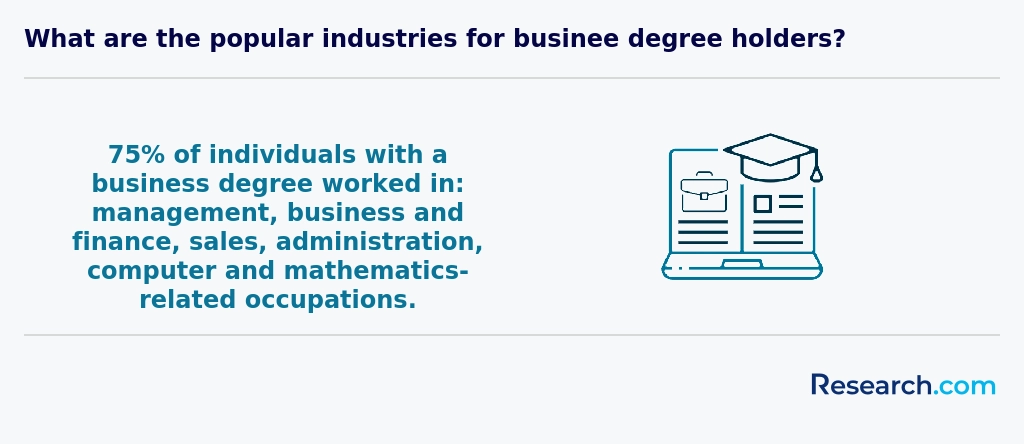
Graduates with a business degree from Houston institutions like the University of Houston or Rice University find a wealth of employment opportunities across several thriving industries. Houston's status as the "Energy Capital of the World" means many secure roles in business development, project management, and finance within oil, gas, and renewable energy companies, benefiting from the city's network of over 5,000 energy firms.
Healthcare administration is another major avenue, with the Texas Medical Center offering numerous positions in hospital management, operations, and financial roles. Graduates often describe the dynamic environment as rewarding, given the sector's rapid growth and impact on community well-being.
In finance and banking, students from local colleges often land jobs in risk management, accounting, and consulting at regional offices of major firms. The expanding financial sector provides a stable career path supported by solid industry data.
Entrepreneurship thrives in Houston's diverse economy, encouraging business graduates to launch startups or join fast-growing companies, particularly in marketing and sales roles. Real estate, retail, and logistics positions also attract graduates, with the Port of Houston driving high demand for supply chain and logistics managers.
Graduates with business degrees from institutions like the University of Houston or Rice University often start their careers with competitive salaries, reflecting Houston's dynamic economic landscape. Entry-level roles such as Business Development Executives earn a mean annual wage of about $83,190 in the Houston area, signaling solid earning potential early on.
Those who advance into analytical roles can expect even higher compensation; Business Analysts earn a mean salary near $112,950, showcasing the value Houston employers place on skills in data-driven decision-making. These figures resonate with graduates who appreciate that Houston's robust energy, healthcare, and finance sectors offer diverse opportunities to apply their education.
For example, a recent graduate working as a Business Development Executive in Houston's bustling energy sector described the salary as a rewarding start, providing confidence to invest in further certifications. Meanwhile, students who focus on business analytics at local colleges often find themselves targeted for roles with six-figure salaries soon after graduation, fueling ambition and satisfaction.
- Business degree tuition in Houston ranges from $10,000 to $15,000 per year at public universities for in-state students and $25,000 to $40,000 at private colleges.
- Starting salaries for business graduates in Houston average between $55,000 and $65,000 annually, with finance and management specializations often earning more.
- Mid-career business professionals can expect salaries between $80,000 and $120,000 depending on experience and industry.
- Key industries hiring business graduates include energy, healthcare, finance, and technology, supported by a diverse and stable economy.
- Houston has a low unemployment rate for business degree holders, supported by strong networking and professional organizations.
Completing a business degree in Houston typically takes about four years for a traditional Bachelor of Business Administration (BBA) program, as offered by institutions like the University of Houston and Texas Southern University. Graduates from these programs often remark on the rewarding experience of balancing rigorous coursework with Houston's dynamic business environment.
For those pursuing an MBA, full-time study usually requires one to two years, while part-time options extend from two to three years. Many working professionals in Houston appreciate the flexibility this schedule offers, allowing them to gain valuable skills without leaving their jobs.
Accelerated programs and combined bachelor's and master's degrees reduce total study time to about five years, which appeals to students eager to enter Houston's competitive market sooner.
Online and hybrid formats also provide adaptable pacing, letting students tailor their studies around demanding work schedules or family life, making degree completion more achievable and less stressful.
Overall, Houston's business degree durations align closely with national averages but are bolstered by program variety and local career opportunities that motivate students toward success.
Understanding the ROI of a business degree in Houston, TX, is crucial for making informed decisions about your education. By comparing program costs with post-graduation earnings, prospective students can estimate how long it will take to recoup their investment and start building net wealth. Key ROI metrics for Houston business programs:
- Average Tuition vs. Average Starting Salary: With in-state tuition averaging $38,500 and entry-level salaries around $60,000–$70,000, graduates can expect to recover tuition costs within 2–3 years.
- Median Student Debt: Houston graduates carry an average debt of $25,000, significantly lower than the national average, reducing long-term financial strain.
- Payback Period: Based on average salaries for Business Analysts ($108,790) and Project Managers ($80,220), most alumni pay off their debt in under five years.
- ROI Ratio: For every dollar spent on tuition, graduates earn approximately $1.80 in first-year salary, demonstrating strong value relative to many other metropolitan areas. To explore even more cost-effective options, compare Houston’s ROI with programs in other states by visiting our Cheapest Online Business Degree Programs Ranking in Maine.
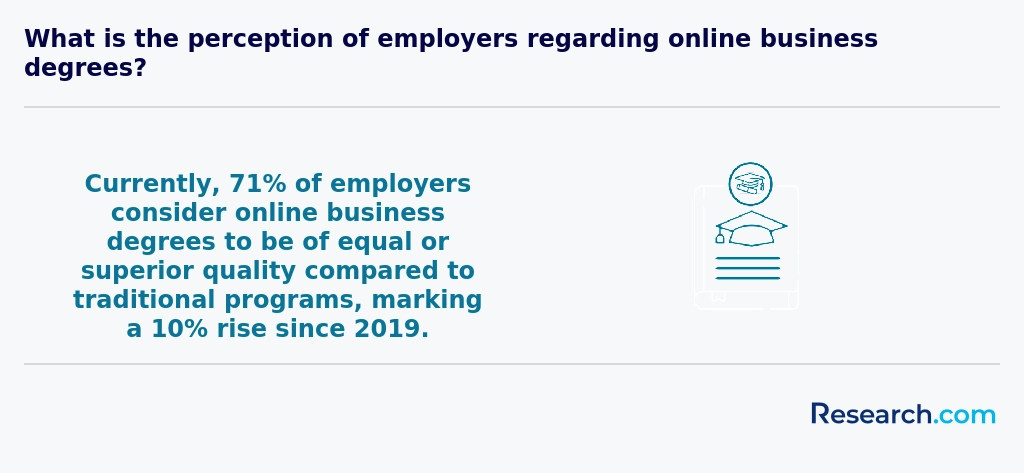
Online and on-campus business degrees in Houston differ mainly in learning style, flexibility, and networking opportunities. Online programs, such as those offered by the University of Houston, allow students to balance studies with work or family through asynchronous classes, relying on digital lectures and discussion boards. Graduates often value this flexibility but note that strong self-discipline is essential to stay on track.
Conversely, on-campus programs at schools like Rice University emphasize face-to-face interaction, enabling students to engage directly with professors and collaborate on group projects. Many graduates highlight how access to Houston's vibrant business community, including internships and career fairs, enhanced their real-world experience and job prospects.
Costs are comparable for in-state students, averaging about $11,000 annually at public universities, but on-campus students may incur additional expenses like commuting and housing. Alumni from both formats express satisfaction but often cite networking differences, with on-campus students benefiting from more immediate, personal connections within Houston's local economy.
The average cost of a business degree in Houston varies significantly based on the type of institution and residency status. For in-state students attending public universities such as the University of Houston, the median total cost tends to be around $9,717, making it an accessible choice for many local residents pursuing business studies. Graduates often recall feeling a strong sense of value for their education, especially when balancing quality learning experiences with reasonable tuition expenses.
Out-of-state students typically face higher costs, with median total expenses around $36,844. This increase reflects the broader trend in the United States, where non-resident tuition substantially exceeds in-state rates. Despite the financial difference, many students find that attending Houston's private institutions offers benefits such as smaller class sizes and specialized resources that justify the higher investment, which can range roughly from $25,000 to $40,000 annually.
Students looking for affordable pathways into the business field often consider community colleges like Houston Community College, where tuition is well under $5,000 per year for in-district students. This option can be an excellent stepping stone toward transferring to a four-year university, combining cost efficiency with practical business education.
Those navigating the Houston business degree tuition and fees landscape benefit from scholarships and financial aid, which numerous grads note as critical to easing their financial burden. Prospective students should research programs carefully and can consider options like the valuable business school in Texas rankings to find the best fit for both cost and career goals.
As the business landscape rapidly evolves, Houston’s academic institutions are increasingly adapting to meet the demands of an ever-changing global market. Future-focused programs are integrating cutting-edge technologies like big data analytics, artificial intelligence, and digital marketing strategies into their curricula, ensuring that graduates are well-equipped for modern challenges. Hybrid learning models and virtual networking events are becoming prevalent, offering students greater flexibility and exposure to international markets. Additionally, experiential learning through simulations, case studies, and collaborative projects is now emphasized, enabling students to translate theoretical knowledge into practical skills. Students are encouraged to explore innovative programs that not only focus on traditional business disciplines but also reflect the growing importance of technology in driving business success. For example, many institutions now offer specialized electives in digital transformation, sustainability management, and entrepreneurship, preparing graduates to thrive in diverse sectors. Aspiring students seeking a flexible yet impactful learning journey can explore options like easiest business degrees, which combine robust curriculums with adaptable course structures that suit both full-time learners and working professionals. Embracing these emerging trends allows Houston’s business programs to cultivate visionary leaders who can navigate the complexities of tomorrow’s economy, ensuring that their education remains both relevant and transformative.
Students pursuing business degrees in Houston typically rely on multiple financial aid sources to manage tuition costs that range from $10,000 to $15,000 annually at public universities and exceed $30,000 at private institutions. Completing the Free Application for Federal Student Aid (FAFSA) is essential to access federal grants, loans, and work-study programs. Pell Grants offer up to $7,395 per year and provide crucial non-repayable support for undergraduates demonstrating financial need.
Texas residents enrolling in public business programs benefit from state-funded grants like the Texas Equalization Grant and the TEXAS Grant, often aimed at low- to middle-income students. Graduates from the University of Houston's C.T. Bauer College of Business frequently mention merit scholarships that reward leadership and academic excellence, effectively reducing tuition expenses by thousands annually.
In addition, private scholarships sponsored by Houston's energy, healthcare, and finance sectors support business students. Many find part-time roles and internships in these industries, gaining valuable experience while defraying education costs. Early engagement with university financial aid offices proves vital to maximize these opportunities and ensure timely applications.
Evaluating the return on investment (ROI) for a business degree in Houston means comparing total program costs against median post‐graduate earnings. With in‐state tuition averaging $38,500 for a bachelor’s and roughly $45,000 for an MBA, Houston graduates can expect to recoup these costs in approximately 3–4 years, given median salaries of $79,050 for business roles and $108,790 for business analysts. When factoring in living expenses and potential student loan interest, projected lifetime earnings often exceed $1.5 million, highlighting the long-term financial benefits of these programs. Graduates seeking a faster path to higher earnings often consider quick mba degrees, which can reduce time to completion to as little as 12 months. Accelerated MBA tracks not only lower tuition and opportunity costs but also open doors to leadership roles sooner, shortening the payback period and increasing overall ROI. By carefully aligning program length, specialization, and career goals, prospective students can make data-driven decisions that optimize both educational outcomes and financial returns.
Enrolling in business degree programs in Houston typically requires a strong academic foundation and relevant experience. For undergraduate degrees like a Bachelor of Business Administration at popular institutions such as the University of Houston, applicants must have completed high school with solid GPA scores and coursework in mathematics, English, and social sciences. Graduates often highlight how proficiency in algebra and economics smoothed their transition into college business classes, which demand quantitative and critical thinking skills.
Graduate programs, including MBAs at Houston's renowned universities, generally require a completed undergraduate degree and competitive GMAT or GRE scores. However, many students share positive experiences of waivers granted due to professional achievements, reflecting Houston schools' flexibility. Letters of recommendation and personal statements are standard; graduates recall these elements as opportunities to express their career goals clearly.
Understanding these prerequisites within Houston's unique economic environment-rich with industries like energy and healthcare-helps students connect academic preparation with local internship opportunities, enhancing both their education and professional outlook.
Investing in a business education at a valuable business school in Texas can be a life-changing decision, offering a wealth of opportunities for personal and professional growth. When considering the best institutions for your business degree, it's essential to look at rankings such as the one provided by valuable business school in Texas, which can guide you in making an informed decision about your educational journey. By choosing a reputable and highly-valued business school, you not only gain access to a comprehensive curriculum and experienced faculty but also become part of a network of successful alumni and professionals who can provide invaluable mentorship and career opportunities. The vibrant business community in Houston, with its diverse industries and entrepreneurial spirit, provides the perfect backdrop for your studies, offering internships, job placements, and networking opportunities that can launch your career to new heights. Whether you're interested in finance, marketing, entrepreneurship, or any other field of business, selecting a valuable business school in Texas can be the first step towards achieving your dreams and making a meaningful impact in the business world.
Business degree programs in Houston commonly feature core courses such as accounting, finance, marketing, management, and business law, equipping students with essential skills for diverse industries. For instance, graduates from universities like the University of Houston report that studying financial accounting helped them confidently analyze company reports during internships at local energy firms.
Marketing classes often emphasize consumer behavior and digital advertising, crucial for Houston's competitive market environment. Many students from Houston Baptist University have praised hands-on projects modeling real digital campaigns targeting Houston's diverse population, enhancing their readiness for regional job markets.
Courses in statistics, microeconomics, and macroeconomics provide analytical frameworks. Given Houston's role as a trade hub, students appreciate electives in global economics and supply chain management, often offered at Rice University, which align with the city's international business focus.
Additional courses typically include Principles of Management, Organizational Behavior, Business Ethics, Financial Management, Marketing Strategies, Operations Management, Business Communication, and Data Analytics for Business-skills highlighted by graduates as key to navigating Houston's dynamic economy.
Business degree programs in Houston offer a wide array of specializations that reflect the city's strong economic sectors. Common tracks include Finance, with an emphasis on corporate finance and investment analysis linked to Houston's energy and financial industries. Marketing focuses on digital strategies and consumer behavior, preparing graduates to succeed in local and global markets. Management specializations address leadership and strategic planning applicable in Houston's healthcare and manufacturing sectors. Supply Chain Management leverages Houston's role as a major logistics hub, particularly related to the Port of Houston. Entrepreneurship programs emphasize innovation and new venture creation, resonating with Houston's vibrant startup community. International Business attracts students interested in global trade influenced by Houston's oil market connections.
Graduates from popular Houston institutions often express confidence in how their chosen specialization directly connects to robust job prospects, especially with a projected 7% growth in management and business occupations in the area. Emerging concentrations like Business Analytics and Information Systems also gain traction, meeting the rising demand for data-driven decision-making. For those unsure about their specific path, exploring the easiest business degrees can be a helpful starting point to identify suitable focuses within your degree.
In summary, the best business degree specializations in Houston equip students with practical skills tied to real-world economic dynamics. Popular Houston business degree concentrations align closely with the city's diverse industries, giving students a distinct advantage as they enter the workforce.
Choosing the best business degree programs Houston offers involves assessing accreditation, curriculum relevance, and regional industry ties. Many graduates from prominent Houston universities highlight AACSB accreditation as a key quality marker, ensuring their degree holds national and international respect. Programs focusing on the city's economic strengths like energy and supply chain logistics tend to produce alumni who quickly secure roles at local companies, reflecting the value of Houston's business ecosystem.
Cost considerations are crucial. Graduates often mention how selecting affordable business schools in Houston helped them manage tuition expenses, with public universities averaging around $10,000 annually for in-state students. Private institutions, while costlier, sometimes provide robust scholarship packages. Students should also evaluate programs for networking potential, as Houston's large corporate presence, including companies like Phillips 66, offers invaluable internship experiences and accelerated career entry.
Beyond traditional paths, exploring quick mba degrees can appeal to those needing flexibility without compromising quality. Graduates appreciate programs with small class sizes and experienced faculty who provide mentorship, aiding students in navigating Houston's competitive business landscape efficiently.
Business degree career opportunities in Houston are diverse and align closely with the city's dominant industries. Graduates from popular local universities frequently secure management roles in the energy sector, leveraging Houston's status as the "Energy Capital of the World." Companies such as Shell and Chevron offer pathways in corporate finance, strategic planning, and project management, illustrating the depth of opportunities available.
Healthcare administration is another prominent career path, especially around the Texas Medical Center, where graduates contribute to hospital management and consulting. This sector's rapid growth offers strong job security and satisfying career development for business graduates.
Marketing, finance, consulting, and entrepreneurship are also thriving fields in Houston's ecosystem. Graduates often appreciate how the city's affordable cost of living supports startup ventures, with initiatives like Houston Exponential fostering innovation. For those curious about cost-effective education options, the Cheapest Online Business Degree Programs Ranking in Maine provides useful financial comparisons.
Graduates from Houston business schools also find rewarding roles in supply chain management, logistics, and real estate development, benefiting from the city's status as a global trade hub. Overall, the top Houston business degree jobs offer solid salaries and growth potential across multiple sectors.
The business degree job opportunities in Houston are bolstered by a diverse economy with thriving sectors in energy, healthcare, finance, and international trade. Graduates from institutions like the University of Houston's Bauer College of Business often find roles in management, marketing, and finance, reflecting the city's demand for versatile business professionals. The steady employment growth rate of about 5% from 2022 to 2032, according to the U.S. Bureau of Labor Statistics, underscores a healthy market where business graduates consistently secure positions in expanding companies.
Salary prospects align positively with the employment outlook, where the average wage for business roles in Houston is roughly $80,000 annually, exceeding the national average of $75,000. Many graduates notice starting salaries near $50,000 that quickly increase with specialization or leadership roles. Affordable tuition at public universities supports accessibility, and several students pursue the fastest online bachelor's degree for working adults to balance education with job experience.
Houston business degree employment outlook also benefits from robust entrepreneurial activities and a large number of start-ups, providing graduates opportunities not only in traditional corporate roles but also in consulting and business development ventures.
2027 Most Valuable Business Degree Programs Ranking in Houston
Investing in your education is a significant decision that can shape your professional future, and the Research.com team is deeply aware of the importance of making well-informed choices. To assist prospective students in Houston, we have carefully developed the "2027 Most Valuable Business Degree Programs Ranking in Houston." Our dedication to quality, credibility, and accuracy is demonstrated through thorough research and analysis behind this ranking.
We utilized the following reputable data sources to ensure a comprehensive evaluation of business degree programs:
By reviewing this ranking, readers will gain valuable insights into the most valuable business degree programs in Houston, empowering them to make confident and strategic decisions about their education. For further details on how this ranking was created, please visit our Research.com methodology page.


Frequently Asked Questions About business
Business degree students in Houston can maximize their learning experience by engaging deeply with local industry opportunities. Houston has a diverse economy, ranking as the fourth-largest city for business startups in the U.S., which provides students access to internships and networking with prominent companies in energy, healthcare, and technology.
Students should also leverage resources within Houston's universities, such as career centers and business incubators that offer mentorship and real-world projects. Participating in case competitions and business clubs helps develop practical skills and leadership.
Additionally, connecting with Houston's business community through events organized by the Houston Business Journal or the Greater Houston Partnership can enhance understanding of regional market dynamics.
Staying informed about Houston's economic trends, including its $500 billion GDP, prepares students to align their learning with local and global business demands.
The business field is evolving rapidly, with several emerging niches gaining prominence, especially in Houston's dynamic economy. One key area is energy management and sustainability, driven by Houston's role as an energy hub and growing focus on green technologies. Universities in Houston increasingly offer specializations in sustainable business practices and renewable energy management.
Another growing niche is data analytics and business intelligence. Houston companies rely heavily on data to improve operations, making expertise in data-driven decision-making highly valuable. According to the Greater Houston Partnership, demand for analytics professionals is expected to rise significantly through 2027.
Finally, healthcare administration is a niche expanding in Houston due to the city's large medical sector. Business degrees with healthcare focus prepare graduates for managing large hospitals and healthcare systems, aligning with regional employment trends.
Graduates with a business degree in Houston should begin by building a strong professional network. Houston's economy, heavily influenced by energy, healthcare, and technology sectors, offers numerous internship and job opportunities. Joining local business organizations such as the Greater Houston Partnership can provide valuable connections.
Strong communication and technical skills are essential. Proficiency in data analysis tools and understanding of financial software enhance employability.
According to the U.S. Bureau of Labor Statistics, Houston's business sector is projected to grow by 8% through 2030, suggesting favorable job prospects. Students should also leverage university career centers for resume reviews and interview preparation to stand out in this competitive market.
Employers in Houston prioritize a combination of technical and interpersonal skills when hiring business degree graduates. According to a 2023 report by the Greater Houston Partnership, communication skills, both written and verbal, are essential for career success in the region's diverse industries. Analytical thinking and proficiency in data interpretation are increasingly in demand, reflecting Houston's growing focus on technology-driven business solutions.
Leadership capabilities and teamwork are consistently valued, as employers seek graduates who can manage projects and collaborate effectively. Familiarity with financial management and marketing principles also ranks highly, especially in Houston's thriving energy and healthcare sectors.
Finally, adaptability and problem-solving remain key, enabling graduates to navigate the fast-changing local economy.
Finding internships in Houston relevant to a business degree involves several practical steps. Houston, as a major economic hub, hosts thousands of businesses across industries like energy, healthcare, and finance, offering rich internship opportunities. According to the Greater Houston Partnership, the metropolitan area supports over 800,000 business jobs, reflecting a diverse market.
Start by exploring university career centers, many of which maintain partnerships with local companies. Networking events and business clubs on campus are also crucial for meeting industry professionals. Websites like Handshake provide access to internship listings specifically for college students, including those in Houston.
Consider leveraging Houston's Chambers of Commerce and local business associations. Many firms in sectors such as energy and logistics, including prominent companies like Shell and Phillips 66, offer structured internship programs. Applying early and tailoring your resume to reflect business-related skills improves chances.
Obtaining a business degree in Houston significantly enhances career mobility and advancement opportunities. The city's diverse economy, spanning energy, healthcare, and finance, demands skilled professionals with business expertise. According to the Greater Houston Partnership, positions in management and operations are projected to grow by 12% through 2030, outpacing national averages.
Business graduates benefit from access to Houston's extensive professional networks and internship opportunities, often linked to prominent companies headquartered locally. Employers frequently prioritize candidates with formal business education for leadership roles, recognizing their advanced knowledge in strategy, finance, and marketing.
This credential often leads to higher salaries and faster promotions compared to those without a degree, as reported by the U.S. Bureau of Labor Statistics for the Texas region.
Studying for a business degree in Houston equips students with skills applicable across various disciplines, thanks to the city's diverse economy. Houston's business programs often integrate coursework in technology, healthcare, energy, and logistics, reflecting regional industry demands. This interdisciplinary focus helps students develop adaptable problem-solving abilities and collaborative skills. According to the Greater Houston Partnership, over 25% of the local economy involves sectors like energy and healthcare, driving the need for business professionals familiar with multiple fields. Many universities in Houston emphasize real-world projects and internships, encouraging students to engage with cross-functional teams and enhance practical interdisciplinary experience.
Choosing between a thesis and a non-thesis business degree program in Houston depends on your career goals and learning preferences. Thesis programs emphasize research, requiring an original project typically suited for those considering doctoral studies or research roles.
Non-thesis programs focus more on coursework and practical skills, appealing to students aiming for immediate employment in Houston's dynamic business sectors like energy, healthcare, and technology. According to the Greater Houston Partnership, business services and trade sectors employ thousands, valuing applied knowledge over academic research.
Consider your interest in conducting research versus gaining hands-on experience. Also, evaluate program length and flexibility, as non-thesis tracks often offer quicker completion times.
Students in Houston interested in studying business abroad have several options through U.S. universities offering robust international programs. Many Houston-based institutions, such as the University of Houston, participate in exchange programs with partner schools worldwide. These opportunities allow students to complete part of their degree overseas while earning credit toward their business degree.
According to the Institute of International Education (IIE), over 60% of U.S. business students participate in study abroad programs, focusing on finance, marketing, and management. Houston business schools often emphasize global business practices, aligned with the city's status as a major international trade hub.
Additionally, internships abroad are increasingly popular, helping students gain practical experience relevant to Houston's energy, healthcare, and technology sectors.
Houston's diverse economy offers numerous part-time job opportunities that align well with business degree studies. Positions in retail management, customer service, and administrative support allow students to develop skills in communication, leadership, and problem-solving. According to the Greater Houston Partnership, the city's largest sectors include energy, healthcare, and manufacturing, where students often find internships or part-time roles in marketing, sales, and supply chain management.
Additionally, Houston's growing tech startups frequently seek part-time interns to assist in data analysis or digital marketing, providing practical experience with business analytics and e-commerce. Such roles enhance classroom theories with real-world applications.
Local chambers of commerce and university career centers regularly list opportunities tailored for business students, making Houston an advantageous city for combining education with relevant work experience.
Business students in Houston benefit from numerous networking opportunities that connect them with one of the nation's largest economic hubs. The city hosts more than 20 Fortune 500 companies, such as JPMorgan Chase and Sysco, offering access to top professionals and potential employers. Universities like the University of Houston and Rice University provide career fairs and alumni events attracting local industry leaders.
Professional organizations such as the Houston Young Professionals and Houston Business Networking host regular meetups and events tailored for emerging business talent. According to the Greater Houston Partnership, the region's business network fosters collaboration and innovation, boosting career prospects for students.
Alumni networks provide significant benefits to business degree students in Houston by offering valuable connections within the city's dynamic economic landscape. Houston is a major business hub with industries such as energy, healthcare, and finance, employing thousands of business graduates annually, according to the Greater Houston Partnership.
These networks enable students to access mentorship opportunities, internships, and job openings through established contacts. Many Houston-based universities maintain active alumni groups that organize events and workshops tailored to the local market.
Research shows that students who engage with alumni networks often experience higher employment rates and stronger career growth. Networking within Houston's business community can be especially crucial given the competitive job market and concentration of Fortune 500 companies.
Customizing a business degree program in Houston allows students to align their education with specific career goals. Many universities in Houston offer specialized tracks or concentrations such as marketing, finance, entrepreneurship, and supply chain management. These options help tailor coursework to industry demands.
Students can also choose between part-time, full-time, or online formats to fit their schedules, a flexibility important for working professionals. Houston's strong energy and healthcare sectors create opportunities for internships and networking, enhancing practical learning.
According to the Greater Houston Partnership, the city added over 50,000 new business jobs recently, highlighting diverse opportunities for specialized business graduates.
Business students in Houston frequently face challenges balancing rigorous academic demands with practical experience requirements. Many programs emphasize internships, but competition in Houston's large market can be intense, causing stress for students seeking relevant industry placements. According to the Greater Houston Partnership, the energy sector remains a dominant employer, influencing curriculum shifts toward sustainability and innovation, which some students find demanding.
Financial concerns are also significant; in 2023, the average annual tuition for Houston-area business programs reached about $17,000, excluding living expenses. Additionally, navigating networking opportunities can be difficult given Houston's diverse and competitive business environment. These factors combine to create a multifaceted challenge for business students aiming to excel locally and nationally.
With a business degree in Houston, you can pursue several professional certifications that enhance your career prospects. Popular certifications include the Certified Public Accountant (CPA), ideal for those focusing on accounting and finance. The CPA is highly respected in Houston's growing financial sector.
Another valuable option is the Certified Management Accountant (CMA), which emphasizes management accounting and financial strategy. The Houston economy supports many companies valuing this expertise.
For those interested in project management, the Project Management Professional (PMP) certification is widely recognized. Many Houston firms prioritize PMP-certified professionals to lead complex projects.
Obtaining certifications like Chartered Financial Analyst (CFA) can also open doors in Houston's investment and energy finance industries, backed by organizations such as the CFA Institute.
Writing a winning application for a business program in Houston begins with thorough research of local universities and their specific admission requirements. Highlighting your academic achievements and relevant work experience is essential, especially since Houston's business sector is large, with over 150,000 firms driving demand for skilled graduates (U.S. Census Bureau, 2023).
Clearly articulate your career goals and how the program aligns with Houston's economic strengths, such as energy, healthcare, and international trade. Emphasize leadership skills and community involvement, as many Houston schools value well-rounded candidates.
Finally, tailor your personal statement to reflect an understanding of Houston's business environment and leverage professional recommendations that underscore your potential in this competitive market.
Global perspectives on a business career emphasize adaptability and cultural awareness. In Houston, a city known for its diverse economy and status as an international energy hub, business degrees often include global business components to prepare students for worldwide markets. According to the Greater Houston Partnership, nearly 70% of Houston's top companies engage in international trade, highlighting the importance of global business skills.
US business education increasingly focuses on international strategy, cross-cultural communication, and global supply chains. Business students in Houston benefit from internships and partnerships with multinational firms based in the city, enhancing real-world experience. This global outlook is crucial as the U.S. economy remains deeply connected with global markets, making worldwide business knowledge a valuable asset for graduates.
Gaining practical experience while studying for a business degree in Houston is essential for building a competitive edge. Many local universities, such as the University of Houston and Rice University, offer internship programs connected to Houston's robust business sectors, including energy, healthcare, and finance.
Students can secure internships with companies like ExxonMobil or JPMorgan Chase, benefiting from Houston's status as a leading energy hub. According to the Greater Houston Partnership, internships in Houston's business fields grew by 8% in 2023, highlighting expanding opportunities.
Additionally, participating in on-campus business competitions and consulting projects can sharpen real-world skills. Some programs collaborate with Houston startups to provide hands-on consulting experience, enhancing both resumes and professional networks.
Hands-on learning through internships or cooperative education programs is key to applying classroom knowledge effectively in Houston's dynamic business environment.
Choosing the right concentration within a business degree program in Houston involves aligning your interests with the city's key industries. Houston's economy is deeply connected to energy, healthcare, and international trade. Selecting concentrations such as Energy Management or Supply Chain Management can open significant local career opportunities. According to the Greater Houston Partnership, energy accounts for roughly a quarter of the regional economy, while the Port of Houston is a vital trade hub supporting logistics careers.
Students should also assess program curriculum and internship opportunities. Houston universities often collaborate with local businesses, providing practical experience that is essential for career readiness.
Finally, consider your long-term career goals and job market data from sources like the U.S. Bureau of Labor Statistics to choose a concentration with strong employment prospects in Houston.
- 2027 Most Valuable Business Degree Programs Ranking in Austin
- 2027 Most Valuable Business Degree Programs Ranking in San Antonio
- 2027 Most Valuable Business Degree Programs Ranking in Dallas
- 2027 Most Valuable Business Degree Programs Ranking in Baton Rouge
- 2027 Most Valuable Business Degree Programs Ranking in Denton
- 2027 Most Valuable Business Degree Programs Ranking in New Orleans
- 2027 Most Valuable Business Degree Programs Ranking in Abilene
- 2027 Most Valuable Business Degree Programs Ranking in Jackson
- 2027 Most Valuable Business Degree Programs Ranking in Mobile
- 2027 Most Valuable Business Degree Programs Ranking in Lubbock
See What Experts Have To Say About Studying Business
Read our interview with Business experts

David Souder
Business Expert
Senior Associate Dean for Faculty and Research
Michigan State University

David W. Stewart
Business Expert
Emeritus President's Professor of Marketing
Loyola Marymount University

Ingrid S. Greene
Business Expert
Clinical Assistant Professor of Management
Loyola Marymount University

- 10 Best Pieces Of Advice For Business Majors https://poetsandquantsforundergrads.com/students/10-best-pieces-of-advice-for-business-majors/
- Business degree: What to study and how to find a job https://brive.com/blog/studies/business-degree-guide-to-study-and-find-a-job/
- Finding Networking Opportunities as a Student | National Society of High School Scholars https://www.nshss.org/resources/blog/blog-posts/how-to-find-networking-opportunities-as-a-student/
- Top 10 Emerging Business Niches of 2026 & How to Plan for Them https://prometai.app/blog/emerging-niches-business-planning
- Online Degree vs. Traditional: Choosing the Right Path https://beal.edu/online-degree-vs-traditional/
- Why Alumni Networks Matter in Business School: 7 Reasons https://europe.ceibs.edu/article/why-alumni-networks-matter-business-school
- Top 10 Skills Employers Seek in Business Graduates in 2026 https://www.ibat.ie/blogs/top-10-skills-employers-seek-in-business-graduates-in-2026
- Bachelor of Business Administration, Major in Business Administration https://catalog.shsu.edu/undergraduate/colleges-academic-departments/business-administration/business-administration-and-entrepreneurship/bba-general-business-administration/
- The Seven Biggest Challenges Faced by Student Entrepreneurs https://venturewell.org/blog/five-biggest-challenges/
- 1. Online registration https://moderna.edu.pl/majors/management/bachelor-of-management/business-management/





