2027 Most Popular Business Degree Programs Ranking in Oklahoma

Co-Founder and Chief Data Scientist
Considering a business degree in Oklahoma? This article introduces the 2027 Most Popular Business Degree Programs Ranking in Oklahoma, crafted by Research.com's skilled data scientists. It is designed to guide students like you towards making well-informed decisions about which programs truly stand out.
Exploring this ranking helps you discover programs that align with your goals, increasing your chances of success and satisfaction. Pursuing a business degree can open doors to exciting career opportunities and personal growth.
Read on to find valuable insights that empower your educational journey with confidence.
Key benefits of getting business degree in Oklahoma
- Salary for business degree graduates: Graduates in Oklahoma pursuing roles like Business Development Executive earn a mean annual wage of $83,190, while Business Analysts earn significantly more, around $112,950 per year, reflecting strong financial opportunities.
- Career paths: A business graduate from the University of Oklahoma can explore diverse careers such as marketing, finance, or consulting, gaining skills that employers in various industries highly value for growth and leadership.
- Benefits of online degrees: Earning a business degree online from institutions like Oklahoma State University offers greater flexibility and the ability to balance work and study, making higher education more accessible and convenient.
- 2027 Most Popular Business Degree Programs Ranking in Oklahoma
- What can I expect from business degree in Oklahoma?
- Where can I work with business degree in Oklahoma?
What can I expect from business degree in Oklahoma?
Students pursuing business degrees in Oklahoma generally find tuition costs at public institutions quite competitive compared to national averages, often making education more accessible. For example, graduates from the University of Oklahoma report manageable expenses that allowed them to focus more on internships and networking opportunities rather than financial strain. Community colleges offering associate degrees present even lower costs, appealing to those seeking affordability without sacrificing foundational business knowledge.
However, the cost can vary, especially at private institutions, where tuition tends to be higher, though students often note that scholarships and financial aid packages helped ease the burden significantly. Graduates from Oklahoma State University mention that these financial supports, combined with practical business incubators and local partnerships, contributed to both their educational success and positive feelings about their investment.
It is important to consider that while tuition is a major factor, prospective students should also assess the value of hands-on experience opportunities and networking within Oklahoma's diverse economy, which may enhance career prospects and justify the costs involved.
Where can I work with business degree in Oklahoma?
Graduates with a business degree in Oklahoma often find themselves employed across a variety of strong local industries, yet it's important to approach this with a nuanced view. Many graduates from well-regarded programs at the University of Oklahoma or Oklahoma State University report entering the energy sector, working for companies like Devon Energy or Chesapeake Energy. These roles often center around management and finance but require adaptability due to market fluctuations.
Others pursue careers in aerospace and aviation, where firms such as Boeing and American Airlines offer supply chain and project management positions. These paths can be rewarding but demand a blend of business acumen and technical understanding.
Graduates also highlight opportunities in Oklahoma City's financial sector, with banks like BOK Financial providing roles in loan management and compliance. Startups and mid-sized enterprises scattered throughout the state attract business majors looking to innovate or work in marketing and HR, reflecting Oklahoma's encouraging environment for entrepreneurship.
Finally, public administration and nonprofit sectors provide meaningful careers, although these roles might offer different challenges compared to corporate jobs. Overall, business graduates in Oklahoma encounter diverse paths but must stay proactive and regionally aware to navigate evolving opportunities.
Graduates with a business degree in Oklahoma can anticipate varied salary outcomes influenced by their chosen roles and industries. For instance, business development executives earn a mean annual wage of about $83,190, which reflects promising earning potential in thriving local sectors. Similarly, business analysts-who often leverage skills gained at institutions like the University of Oklahoma or Oklahoma State University-can expect significantly higher salaries, averaging $112,950 annually.
Personal experiences from graduates reveal that those focusing on analysis and strategy roles often find strong demand in metropolitan hubs like Tulsa and Oklahoma City, aligning with higher wage offers reported by the Oklahoma Employment Security Commission. This real-world data suggests that while entry-level wages may start modestly, building expertise can lead to comfortably above-average incomes well suited to Oklahoma's economic environment.
However, prospective students should consider that these figures reflect averages; outcomes vary with factors like industry focus, company size, and additional certifications. Still, for many Oklahoma business graduates, the financial rewards mirror their commitment and the state's growing business climate.
- Tuition for business programs at public universities in Oklahoma ranges from $7,000 to $10,000 annually for in-state students.
- Private institutions in Oklahoma typically charge between $15,000 and $25,000 per year for business degrees.
- Entry-level salaries for business graduates in Oklahoma are usually between $45,000 and $55,000 annually.
- Experienced business degree holders can expect to earn between $75,000 and $95,000 per year depending on their role and industry.
- Oklahoma's economy supports steady demand for business professionals in sectors like energy, agriculture, manufacturing, and healthcare.
- Local universities such as Oklahoma State University and the University of Oklahoma offer accredited business programs with practical experience and employer connections.
Completing a business degree in Oklahoma typically takes about four years for full-time students, especially at well-known public universities like the University of Oklahoma or Oklahoma State University. Graduates often recall the manageable pace that allowed them to balance demanding coursework with campus activities, making the experience both challenging and rewarding. However, this timeline can vary significantly. Some students, juggling part-time study with jobs or family responsibilities, extend their programs to five or six years without losing momentum.
Others embrace accelerated paths, enrolling in summer classes or heavier course loads to finish in as little as three years. These options appeal to goal-oriented students eager to enter the workforce quickly. Personal stories from Oklahoma business graduates highlight how transfer credits and dual-degree programs also shape timeframes, offering flexibility but requiring careful planning.
In all cases, students appreciate that practical internships, common in Oklahoma's business programs, may lengthen study time but enrich their resumes and employability-turning additional months into valuable investment rather than delay.
In today’s fast-paced business landscape, obtaining a business degree is just the beginning of a lifelong learning journey. Many professionals find that supplementing their degree with targeted online courses and certification programs can significantly boost their career potential and adaptability. For example, acquiring additional credentials such as online business certificates not only reinforces core business competencies but also demonstrates a commitment to staying ahead of industry trends. Prospective students and graduates are encouraged to explore options like best online business certificates, which can provide specialized training in emerging fields such as digital marketing, data analytics, and project management. This continuous educational investment often leads to enhanced job performance, increased earning potential, and opens doors to niche areas within the business world that are critical for future growth. Embracing ongoing learning is essential in today’s competitive market, ensuring that business professionals can adapt to changes, innovate in their roles, and ultimately achieve long-term career success.
Choosing between an online or on-campus business degree in Oklahoma often comes down to balancing flexibility with direct interaction. Graduates from the University of Oklahoma recall the energy of in-person classes, where scheduled lectures and lively campus events created a sense of community and pushed them to stay engaged. These face-to-face moments often led to valuable networking opportunities and easier access to resources like career centers.
On the other hand, graduates from Oklahoma State University who opted for online programs appreciate the ability to study around work and family responsibilities. They emphasize how asynchronous classes allowed them to learn at their own pace, though this demanded strong self-discipline. Some found live virtual sessions helpful in mimicking traditional classroom interaction.
Financially, online and on-campus tuition tend to align, averaging $9,000 to $11,000 annually for in-state students, but online learners often save on commuting and housing. Both paths maintain accreditation and quality curricula, so the choice hinges on preferred learning style and life circumstances rather than academic value alone.
A clear understanding of return on investment (ROI) can help aspiring professionals weigh the long-term benefits of a business degree against upfront costs. In Oklahoma, the average in-state tuition for a four-year bachelor’s business program is roughly $38,496, while private institutions can charge upward of $120,000 total. By contrast, graduates report early-career salaries ranging from $60,000 to $70,000, with median earnings climbing to over $100,000 within five years. When calculating ROI, consider: • Total Cost of Attendance: Tuition, fees, textbooks, and living expenses often exceed $50,000 annually at private schools. • Average Graduate Earnings: Projected earnings in finance, management, and marketing roles can offset debt within 5–7 years. • Loan Repayment Scenarios: A $30,000 student loan at 4.5% interest carries a monthly payment of about $311 over 10 years. For those seeking accelerated pathways, Oklahoma’s institutions and national providers offer options to shorten time to degree and reduce total costs. Prospective MBA candidates may explore fast track online mba programs that can deliver an advanced credential in under 18 months, often with cohort-based tuition savings and flexible scheduling. Longer-term ROI is also driven by career advancement: mid-level managers with an MBA in Oklahoma report a 20–30% salary premium over bachelor’s-only peers. Factoring in networking, specialized coursework, and mentorship opportunities, the cumulative financial and professional benefits typically outweigh initial investments, making a business degree in Oklahoma a strategically sound choice for many students.
The average cost of obtaining a business degree in Oklahoma typically centers around a median total expense of about $34,304, considering tuition, fees, and additional costs. For in-state students, this total drops significantly to approximately $10,015, reflecting the affordability advantage of attending public universities. Graduates from institutions like the University of Oklahoma and Oklahoma State University often recall balancing the satisfaction of quality education with careful budgeting, especially when factoring in housing, textbooks, and incidental fees.
These total expenses highlight the importance of understanding how costs accumulate beyond tuition alone. Business students frequently share stories of managing living expenses and learning materials, which can substantially increase the financial commitment. This perspective is essential when evaluating the true financial investment of a business degree, as the total expenses for business degree Oklahoma 2027 may feel daunting without considering available resources or support.
Many in-state students benefit from state scholarship programs and grants, which help ease the burden. However, those coming from out-of-state or considering private colleges often face a higher financial threshold, sometimes exceeding $30,000 annually in tuition alone. Prospective students should explore the cheapest business schools in Oklahoma to find viable options that align with their financial circumstances and educational goals.
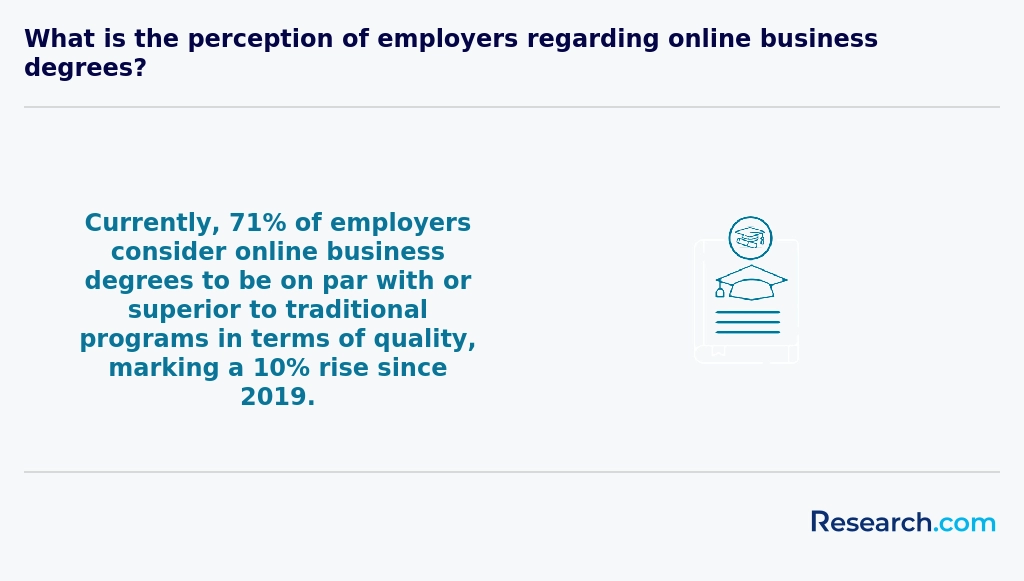
Oklahoma’s top business programs go beyond coursework by offering robust support services designed to help students succeed academically and professionally. Academic advising teams provide personalized guidance on course selection, degree planning, and time management strategies. Many universities host regular workshops on topics like résumé writing, interview preparation, and LinkedIn profile optimization, ensuring graduates are job-market ready. Career services centers partner with local businesses to facilitate internships, co-ops, and networking events. These connections often lead to full-time placements; students have reported securing summer internships through on-campus career fairs and alumni panels. For online learners seeking cost-effective alternatives, consider exploring the Cheapest Online Business Degree Programs Ranking in Jackson, MS, which highlights affordable yet comprehensive virtual programs. Tutoring centers and writing labs are available to reinforce skills in quantitative analysis, business writing, and case study presentations. Peer mentoring programs match incoming students with upper-class business majors who share insights on balancing coursework and extracurricular activities. Additionally, many institutions house entrepreneurship incubators and innovation labs where students can test business ideas, collaborate on start-up pitches, and receive seed funding advice. Student organizations-such as the American Marketing Association, Beta Gamma Sigma honor society, and Society for Human Resource Management-offer leadership roles, community service projects, and national competition opportunities. These extracurriculars foster teamwork and real-world experience. Finally, libraries and online resource portals grant round-the-clock access to industry databases, scholarly journals, and software tools, ensuring every business student in Oklahoma has the support needed to thrive.
Financial aid for business degree students in Oklahoma is multifaceted, blending federal, state, institutional, and private funding sources. Graduates from the University of Oklahoma or Oklahoma State University often highlight how Pell Grants and federal loans became crucial in bridging tuition gaps, which average about $9,500 annually for in-state undergraduates. Completing the FAFSA is a first essential step to accessing this federal support.
State-specific aid such as the Oklahoma Tuition Aid Grant (OTAG) also plays a practical role, though its limited availability means not every student can rely on it. Those who qualify appreciate how even a modest award can reduce loan dependency. Merit scholarships at these universities reward high-achieving business students, motivating them to maintain strong academic records.
Private scholarships from local business organizations offer additional, targeted support. Graduates describe these awards as both validating and energizing, especially when tied to their career aspirations in business sectors within Oklahoma. Work-study programs appear similarly popular, allowing students to gain hands-on experience while easing financial pressure.
However, prospective students should consider that competition for these funds can be intense, and some programs might not cover the full cost of attendance. Being proactive and exploring all aid avenues helps create a personalized, sustainable funding strategy for earning a business degree in Oklahoma.
When considering a business degree in Oklahoma, one of the most crucial factors is the affordability and potential return on investment. Prospective students should weigh the costs of tuition, fees, and living expenses against the potential salaries and career advancement opportunities. For those looking to minimize expenses, exploring the cheapest business schools in Oklahoma can be a beneficial step. By understanding the financial implications and potential outcomes, students can make informed decisions about their educational paths and set themselves up for long-term success in the business world.
Enrolling in a business degree program in Oklahoma commonly requires a high school diploma or equivalent, such as a GED, with a GPA benchmark often set between 2.5 and 3.0. Graduates from universities like Oklahoma State University or the University of Oklahoma frequently mention that meeting or exceeding this standard helped establish their confidence entering the competitive business field.
Standardized tests like the SAT or ACT may still influence admissions or scholarships, though many schools have moved toward test-optional policies, reflecting a shift toward flexibility. Students recall how verifying individual university policies early on clarified expectations and reduced stress during application.
Foundational coursework in areas like economics, algebra, and English composition is typically expected before upper-division business classes. Many graduates share that tackling these prerequisites solidified their understanding and enthusiasm for business concepts.
Some programs require a separate application to the business college after completing initial credits, often demanding a specific GPA in business-related courses. This step, while challenging, has been described as motivating by students who felt it validated their commitment.
Financial considerations, including tuition around $9,000 annually for in-state students, play a practical role. Graduates often highlight careful budgeting for fees and materials as essential to managing their educational journey successfully.
Business degree programs in Oklahoma commonly include courses that offer a comprehensive grasp of management, finance, marketing, and economics, reflecting the state's unique economic environment. Graduates from institutions like the University of Oklahoma and Oklahoma State University often recall how principles of management classes helped them understand leadership and strategic planning through real-world case studies tied to local industries such as energy or agriculture.
Accounting courses go beyond theory, equipping students with practical skills in financial reporting and analysis, which graduates found crucial when interning at regional firms. Finance classes frequently stress investment strategies and corporate finance, enabling students to make informed decisions applicable to Oklahoma's growing business sectors.
Marketing courses incorporate market research and consumer behavior studies that graduates say helped them approach real Oklahoma business challenges creatively, while economics classes connect theory to the impacts of state-specific policies on business operations.
Additionally, electives like entrepreneurship and supply chain management respond directly to Oklahoma's economic dynamics, preparing students for opportunities in aerospace and agriculture industries. Many express how internship experiences integrated with these courses have been instrumental in shaping their practical skills and confidence.
Business degree specializations in Oklahoma typically include Accounting, Finance, Marketing, Management, Entrepreneurship, and Supply Chain Management. These options align with the state's dominant industries such as energy, manufacturing, and retail. Graduates from popular universities across Oklahoma often share how the Accounting specialization helped them navigate corporate finances in local energy firms, while others found the Management track essential for leading the many small and medium enterprises that drive the regional economy.
Oklahoma business degree concentration options also extend to emerging fields like Business Analytics and International Business, reflecting trends in data-driven decision-making and global commerce. Some students report that these newer specializations made their education feel more relevant to current market demands.
Personal experiences suggest that affordability in Oklahoma's public institutions encourages students to explore multiple concentrations and even supplement their studies with best online business certificates to enhance their expertise, broadening career prospects in a competitive environment.
Choosing the best business degree in Oklahoma means weighing multiple factors that fit your unique goals. For instance, graduates from top programs like the University of Oklahoma and Oklahoma State University often emphasize the value of AACSB accreditation, which not only ensures academic rigor but also improves employability across the country. However, accreditation alone isn't enough; the curriculum should align with your interests and career plans, whether that's finance, marketing, or emerging fields such as data analytics.
Many students find affordable business degrees Oklahoma 2027 appealing because they can balance quality education with lower tuition costs compared to national averages. Beyond cost, realistic career support and internship opportunities in strong local industries like energy or agriculture often determine how well-prepared you feel entering the job market.
Moreover, if balancing work and studies is a priority, considering online or hybrid formats available at Oklahoma institutions can make a big difference. Some graduates have chosen fast track online mba programs to accelerate their careers while maintaining flexibility in their schedules.
Graduates with a business degree in Oklahoma find diverse career paths shaped by the state's dynamic economy. Popular universities like the University of Oklahoma and Oklahoma State University prepare students for roles in financial services, where business graduates become financial analysts or advisors, thriving within the state's banking sector. Those interested in management or sales often step into leadership positions in industries like oil and gas or telecommunications, which are significant contributors to Oklahoma's economy.
Many graduates share positive experiences transitioning from academic environments to roles in entrepreneurship, fueled by Oklahoma's supportive small business climate. These real-life examples highlight how practical skills gained through internships at local companies complement theoretical knowledge. A notable benefit of studying in Oklahoma is the relatively low tuition cost, which eases financial burden while maintaining quality education.
Considering business degree career opportunities in Oklahoma also means recognizing growing fields such as human resources, where demand for talent management specialists continues to rise. For those weighing affordability against opportunities, resources like the Cheapest Online Business Degree Programs Ranking in Jackson, MS can offer helpful guidance.
The job market for business degree holders in Oklahoma presents a balanced picture for graduates from local institutions like the University of Oklahoma and Oklahoma State University. Many graduates find meaningful employment in industries such as energy, aerospace, healthcare, and finance, sectors that actively seek skilled business professionals. While entry-level salaries average around $47,000-modestly lower than national figures-this is offset by Oklahoma's lower living costs, making the overall financial outlook reasonable for new graduates eager to start their careers.
Business degree job opportunities in Oklahoma are bolstered by steady growth projections, especially in roles like financial analysis and management. Graduates often appreciate the affordability of studying business locally, with tuition costs near $9,500 per year at public universities offering a good return on investment. Some graduates combine part-time work and studies through options like a fast associates degree to enhance their employment prospects while maintaining financial flexibility.
2027 Most Popular Business Degree Programs Ranking in Oklahoma
Investing in your education is a significant decision that can shape your future, and the Research.com team understands the importance of making informed choices. To assist prospective students in Oklahoma, we have meticulously crafted the "2027 Most Popular Business Degree Programs Ranking in Oklahoma." Our commitment to quality, credibility, and accuracy is reflected in the extensive research and analysis conducted to compile this ranking.
We utilized the following reputable data sources to ensure a comprehensive evaluation of business degree programs:
By exploring this ranking, readers will gain valuable insights into the best business degree programs available in Oklahoma, helping them make well-informed decisions about their educational and career paths. For more details on our methodology, please visit our Research.com methodology page.


Frequently Asked Questions About business
Business degree students in Oklahoma can maximize their learning experience by taking advantage of the state's strong ties to local industries such as energy, agriculture, and aerospace. Engaging in internships with major Oklahoma employers like Devon Energy or American Airlines provides practical skills and networking opportunities. According to the Oklahoma Department of Commerce, internships increase job placement rates by up to 30%.
Students should also participate in campus business organizations and attend events hosted by the Oklahoma Global Trade Conference to build connections. Choosing programs accredited by AACSB ensures a high-quality curriculum that meets national standards. Furthermore, utilizing resources like Oklahoma's online business library databases strengthens research skills essential for success in today's competitive business environment.
Emerging niches within the business field in Oklahoma reflect shifts in both local and global economies. One key area growing rapidly is data analytics and business intelligence, driven by Oklahoma's expanding technology sectors. According to the Oklahoma Department of Commerce, companies increasingly seek professionals who can interpret large datasets to improve decision-making.
Another expanding niche is sustainable business practices. With Oklahoma's investment in renewable energy, business graduates skilled in sustainability management are becoming essential. Additionally, supply chain management has seen heightened demand, especially as Oklahoma's logistics industry grows in response to increased e-commerce activities.
Entrepreneurship and innovation also remain crucial, supported by local incubators and accelerators linked to universities. These niches offer promising opportunities for students pursuing business degrees in Oklahoma.
Graduates with a business degree in Oklahoma should take active steps to enhance their employability in the local job market. According to the Oklahoma State Department of Commerce, industries such as energy, aerospace, and healthcare offer significant opportunities for business professionals. Networking is crucial; attending industry events and joining local business organizations can help build valuable connections.
Internships during study provide practical experience and often lead to job offers. Additionally, developing skills in data analysis, digital marketing, and financial management aligns well with employer demands identified in Oklahoma employment reports.
Certifications like CPA or PMP can further strengthen a resume, making candidates more competitive amidst the state's dynamic business environment.
Employers in Oklahoma seek specific skills from business degree graduates to meet the state's diverse economic needs. Strong communication skills top the list, as over 70% of Oklahoma businesses emphasize effective verbal and written communication for collaboration and leadership roles, according to the Oklahoma Department of Commerce.
Analytical thinking and problem-solving abilities are also crucial. Oklahoma's growing sectors, like energy and agriculture, rely on data-driven decisions, making these skills valuable for graduates entering the workforce.
Additionally, proficiency in technology and business software, such as Excel and enterprise resource planning (ERP) systems, is highly regarded. The Oklahoma State University Spears School of Business highlights adaptability and teamwork as essential traits for career success in this region.
Finding internships in Oklahoma relevant to a business degree involves several key strategies. Start by consulting your university's career services office, as many Oklahoma colleges, such as the University of Oklahoma and Oklahoma State University, maintain strong local employer connections offering internships.
Additionally, explore Oklahoma-based companies in prominent sectors like energy, finance, and healthcare, which regularly seek business interns. According to the Oklahoma Department of Commerce, companies in Tulsa and Oklahoma City are particularly active in internship recruitment.
Online platforms such as Handshake and Indeed also list numerous business internship opportunities specific to Oklahoma. Networking events hosted by local chambers of commerce or professional business organizations can enhance your chances of finding internships as well.
A business degree significantly enhances career mobility and advancement opportunities in Oklahoma. According to the U.S. Bureau of Labor Statistics, Oklahoma's economy features a strong presence of industries like energy, manufacturing, and finance, which typically value business education for leadership roles. Graduates with a business degree are more likely to access managerial positions, increasing their earning potential and job stability.
Oklahoma employers often prioritize degrees in business for roles in marketing, accounting, and operations management. The Oklahoma State Department of Commerce reports that individuals with business-related qualifications have a 15% higher employment rate in professional occupations compared to those without degrees.
Business education also equips students with critical skills such as strategic thinking, communication, and financial analysis, which facilitate promotions and career shifts within the state's diverse job market.
Studying for a business degree in Oklahoma equips students with skills that extend beyond traditional business areas, enabling success in interdisciplinary roles. Oklahoma's universities often incorporate coursework combining finance, marketing, information technology, and communication. This approach reflects the state's diverse economy, which includes energy, aerospace, and agriculture sectors.
Programs emphasize problem-solving, critical thinking, and collaboration, essential for working across fields. For example, the Oklahoma State University Spears School of Business integrates data analytics and supply chain management to prepare graduates for complex challenges.
According to the Oklahoma State Regents for Higher Education, 60% of business graduates find employment in multi-industry roles, showing the demand for versatile skills. This interdisciplinary training is vital for leadership in today's interconnected markets and evolving business environments.
When choosing between a thesis and a non-thesis business degree program in Oklahoma, consider your career goals and learning preferences. Thesis programs emphasize research and writing, ideal for students planning to pursue doctoral studies or careers in academia. Non-thesis tracks focus more on practical skills and coursework, often preferred by those aiming for immediate entry into the Oklahoma business workforce.
Institutions like the University of Oklahoma offer both options, reflecting a broader US trend where roughly 60% of business master's students choose non-thesis paths for faster completion and professional readiness, according to the National Center for Education Statistics.
Oklahoma's growing sectors, such as energy and finance, value practical expertise, which non-thesis programs may better develop. However, a thesis can provide a competitive edge for research-intensive roles. Assess program structure, faculty expertise, and internship opportunities before deciding.
Students based in Oklahoma who wish to study business abroad have several options through their home institutions. Many Oklahoma universities, such as the University of Oklahoma and Oklahoma State University, offer established study abroad programs that include business courses in countries like the UK, Spain, and China. These programs often allow students to earn credit toward their degree while gaining international experience.
Additionally, partnerships with global universities enable students to participate in exchange programs. According to the U.S. Institute of International Education, nearly 10% of all Oklahoma college students engage in study abroad, with business being a popular major for these programs.
Scholarships and financial aid dedicated to international study can also help make these opportunities more affordable for Oklahoma students.
Students pursuing business degrees in Oklahoma have several valuable part-time job opportunities that can enhance their education and career readiness. Retail management positions, for instance, allow students to develop skills in customer service, inventory control, and team leadership, all critical in business administration. Additionally, internships or assistant roles in local small businesses or startups provide hands-on experience in marketing, accounting, and operations. Oklahoma's strong sectors, including energy and agriculture, offer internships that expose students to industry-specific business practices.
According to the Oklahoma Employment Security Commission, part-time jobs in business-related fields grew by 3.5% in 2023, reflecting expanding opportunities. Many students also find value working in the financial services sector, such as bank teller positions or customer support roles at credit unions. These jobs help students understand financial products and client relationship management, complementing their coursework effectively. Balancing a part-time role within Oklahoma's diverse economy can significantly support practical learning alongside academic studies.
Business students in Oklahoma benefit from strong networking opportunities through universities, local organizations, and industry events. Many colleges, such as the University of Oklahoma and Oklahoma State University, host business clubs and professional groups that connect students with alumni and local business leaders. According to the Oklahoma Department of Commerce, the state's diverse economy, including sectors like energy, agriculture, and aerospace, offers numerous internship and mentorship programs.
Statewide business conferences and chambers of commerce events are commonly accessible to students, enhancing their professional networks. Additionally, Oklahoma's growing startup ecosystem provides opportunities to engage with entrepreneurs and investors, helping students gain real-world connections early in their careers.
Alumni networks provide significant benefits to business degree students in Oklahoma by offering valuable connections essential for career development. According to the Oklahoma State Regents for Higher Education, strong alumni networks enhance job placement rates by facilitating introductions to local employers and industry leaders. These networks often organize events, workshops, and mentoring programs tailored to Oklahoma's diverse economy, which includes sectors like energy, agriculture, and finance.
Students gain access to internships and job opportunities through alumni who understand regional market trends. Additionally, alumni connections can offer guidance on navigating the competitive Oklahoma business landscape, increasing students' chances of long-term success.
Customizing a business degree program in Oklahoma allows students to align their education with specific career goals. Many universities offer flexible curricula with options for majors, minors, and certificates in fields like accounting, finance, marketing, and entrepreneurship.
Students can select elective courses targeting skills relevant to Oklahoma's key industries such as energy, agriculture, and aerospace. According to the Oklahoma State Regents for Higher Education, institutions like the University of Oklahoma and Oklahoma State University provide personalized academic advising to help tailor programs.
Internships and cooperative education opportunities within Oklahoma's growing business sectors enable practical experience. Additionally, some schools offer online and part-time options to accommodate working professionals, enhancing career-focused learning.
Business students in Oklahoma commonly face challenges related to balancing work, family, and academic commitments. Many students are non-traditional, with jobs and dependents, which can limit their time for studies. According to the Oklahoma State Regents for Higher Education, about 40% of undergraduate students juggle full-time work alongside school.
Another challenge involves access to internships and practical experiences. While Oklahoma has a growing economy, securing relevant internships in business fields can be competitive, especially outside major cities like Oklahoma City and Tulsa. This may impact students' ability to gain hands-on skills before graduation.
Additionally, students often encounter financial pressures. Although tuition remains lower than the national average, rising costs for books and living expenses create barriers that lead to higher dropout rates among some business students in the state, as reported by the National Center for Education Statistics (NCES).
With a business degree in Oklahoma, graduates can pursue several valued professional certifications that enhance career opportunities. Common options include the Certified Public Accountant (CPA) for those interested in accounting, which requires passing a national exam and meeting state-specific education and experience criteria. Another popular choice is the Project Management Professional (PMP), recognized widely across industries for managing projects efficiently.
Additionally, the Certified Management Accountant (CMA) is suitable for those focusing on financial management and strategy. Oklahoma's growing economy, particularly in energy and aerospace sectors, increases demand for such credentials, according to the Oklahoma Department of Commerce.
These certifications can significantly boost earning potential and professional credibility statewide.
Writing a winning application for a business program in Oklahoma requires careful preparation and attention to detail. Start by researching the specific program's requirements at institutions like the University of Oklahoma or Oklahoma State University, which frequently update application criteria. Highlight your academic achievements and relevant experience, such as internships or leadership roles, to show your commitment to business studies.
Oklahoma's growing economy, especially in energy, agriculture, and finance sectors, values applicants with clear career goals aligned to local industries. Include a strong personal statement explaining why pursuing business education in Oklahoma will help you contribute to the state's economic landscape.
Submit all documents-transcripts, test scores, and recommendations-promptly and accurately. According to the Oklahoma State Regents for Higher Education, clear, complete applications improve acceptance chances significantly.
Business careers today are shaped by a global economy that demands diverse skills, adaptability, and cultural awareness. Earning a business degree in Oklahoma provides students with foundational knowledge applicable to international markets, reflecting growing trends in global trade and cross-border collaboration. According to the U.S. Bureau of Labor Statistics, many business roles now require understanding global supply chains and emerging markets.
Oklahoma's business programs often emphasize practical learning, preparing graduates for challenges both locally and abroad. The state's expanding industries, including energy and aerospace, connect to international networks, highlighting the importance of a global perspective. Understanding global business practices increases competitiveness and opens diverse career paths worldwide.
Gaining practical experience while studying for a business degree in Oklahoma is possible through several approaches. Many universities offer internships with local companies, allowing students to apply classroom knowledge in real-world settings. Oklahoma's diverse economy-ranging from energy to agriculture and technology-provides numerous opportunities for hands-on learning. According to the Oklahoma State Department of Commerce, internships with companies in Tulsa and Oklahoma City are especially common. Additionally, cooperative education programs, part-time jobs, and participation in student-run business organizations further enhance practical skills. These experiences not only boost resumes but also increase employability after graduation in the competitive business job market.
Choosing the right concentration within a business degree program in Oklahoma depends on your career goals and local industry trends. Oklahoma's economy is strong in energy, agriculture, and aerospace, making concentrations like finance, supply chain management, and entrepreneurship particularly relevant. According to the Oklahoma Employment Security Commission, sectors such as energy and manufacturing offer steady job growth, which may influence your choice.
Consider your personal interests and strengths alongside market demand. Many Oklahoma universities offer specializations in marketing, management, and accounting-fields with diverse local opportunities. Research program offerings and internship availability to align education with practical experience.
Labor market data from the U.S. Bureau of Labor Statistics can help identify growing roles in Oklahoma, ensuring your concentration supports long-term employment prospects. Visiting campuses and speaking with academic advisors also provides valuable insight tailored to your goals.
- 2027 Most Popular Business Degree Programs Ranking in Kansas
- 2027 Most Popular Business Degree Programs Ranking in Arkansas
- 2027 Most Popular Business Degree Programs Ranking in Missouri
- 2027 Most Popular Business Degree Programs Ranking in Colorado
- 2027 Most Popular Business Degree Programs Ranking in Nebraska
- 2027 Most Popular Business Degree Programs Ranking in Louisiana
- 2027 Most Popular Business Degree Programs Ranking in Iowa
- 2027 Most Popular Business Degree Programs Ranking in Alabama
- 2027 Most Popular Business Degree Programs Ranking in Minnesota
- 2027 Most Popular Business Degree Programs Ranking in Illinois
See What Experts Have To Say About Studying Business
Read our interview with Business experts


Ingrid S. Greene
Business Expert
Clinical Assistant Professor of Management
Loyola Marymount University

David W. Stewart
Business Expert
Emeritus President's Professor of Marketing
Loyola Marymount University

- Networking Tips for Business Students: Building a Foundation for Success https://londonsba.org.uk/blog/networking-tips-for-business-students-building-a-foundation-for-success/
- 55 Trending Business Ideas for 2025 and Beyond https://www.uschamber.com/co/start/business-ideas/top-trending-business-ideas
- Flexible B.S. in Business Administration (BSBA) | OKWU https://www.okwu.edu/academics/gps/bachelor-business-administration/
- A guide to finding an internship https://www.ipag.edu/en/blog/guide-finding-internship
- Guide to Business Internships | Higherin https://higherin.com/career-guides/business/business-internships
- 5+1: Five challenges facing business schools and one solution https://charteredabs.org/insights/opinion/51-five-challenges-facing-business-schools-and-one-solution
- Top 10 Skills Employers Seek in Business Graduates in 2026 https://www.ibat.ie/blogs/top-10-skills-employers-seek-in-business-graduates-in-2026
- Online Degree vs. Traditional: Choosing the Right Path https://beal.edu/online-degree-vs-traditional/
- Business Administration - Western Oklahoma State College | Altus, OK https://www.wosc.edu/index.php
- The Seven Biggest Challenges Faced by Student Entrepreneurs https://venturewell.org/blog/five-biggest-challenges/