2027 Most Popular Business Degree Programs Ranking in Charleston

Co-Founder and Chief Data Scientist
Choosing the right business degree program in Charleston can feel overwhelming. To help you navigate your options, this article features the 2027 Most Popular Business Degree Programs Ranking in Charleston, created by the Research.com team of data scientists.
By exploring this ranking, you'll gain valuable insights into programs that stand out for their quality and popularity. A business degree opens doors to exciting career opportunities and personal growth.
Whether you're starting your journey or considering a change, this guide aims to support your decision with clear, trustworthy information.
Key benefits of getting business degree in Charleston
- Business degree graduates in Charleston can expect competitive salaries, such as a Business Development Executive earning a mean annual wage of $83,190 and a Business Analyst with an average of $112,950, reflecting strong financial rewards.
- Graduates from Charleston's popular universities often find diverse career paths in management, consulting, and marketing, offering exciting opportunities to grow and make an impact in various industries.
- Completing a business degree online from Charleston-based programs provides flexibility, allowing students to balance work and study while still gaining valuable skills and networking connections essential for success.
- 2027 Most Popular Business Degree Programs Ranking in Charleston
- What can I expect from business degree in Charleston?
- Where can I work with business degree in Charleston?
What can I expect from business degree in Charleston?
When diving into a business degree in Charleston, students quickly discover that tuition typically ranges between $5,000 and $8,000 per year at public universities for in-state undergraduates. This affordability contrasts with private colleges, where prices may be higher but often come with the perk of smaller class sizes and more personalized support. Graduates from these Charleston institutions frequently mention feeling excited about how financial aid and scholarships softened the cost, allowing them to focus more on seizing local internship opportunities than stressing over bills.
Imagine attending a bustling college downtown, where your classroom lessons align perfectly with visits to nearby aerospace firms or manufacturing plants. Many students rave about how the modest tuition fees open doors to rich, hands-on experiences without breaking the bank. These real-world connections in Charleston's thriving economy make every dollar spent feel like an investment in launching a vibrant career, combining manageable costs with expansive professional networks.
Where can I work with business degree in Charleston?
Graduates from Charleston's top business programs often find themselves stepping into dynamic roles right in the heart of the city's bustling economy. Imagine landing a position at a local bank or investment firm, where financial savvy shapes decisions that impact the region-it's a common journey for business students from popular schools like The College of Charleston. These young professionals thrive in vibrant offices, tackling real-world challenges with confidence.
Others dive into Charleston's renowned port industry, managing supply chains or international trade logistics. It's easy to see yourself coordinating global shipments or optimizing warehouse operations, fueled by hands-on learning experiences offered by colleges in the area. The excitement of working in such a pivotal hub brings a sense of accomplishment and adventure.
For those drawn to creativity and strategy, the city's booming tourism and tech sectors offer thrilling career paths. Recent business grads often join startups or hospitality management teams, blending entrepreneurship with marketing know-how to enhance Charleston's lively scene. Feeling the pulse of a growing tech corridor or orchestrating successful events delivers an inspiring sense of purpose.
Meanwhile, some business graduates find fulfillment in community-driven roles within local government or nonprofits, where budgeting and program management directly contribute to Charleston's sustainable growth. The variety of options here reflects the city's welcoming and opportunity-rich environment for new business talent.
Graduates from Charleston's well-regarded business programs often step into the local workforce with salaries that spark excitement and opportunity. For example, fresh business grads landing roles as Business Development Executives can anticipate an average annual wage near $83,190, allowing them to explore life in a vibrant coastal city with confidence.
Imagine a recent graduate from the College of Charleston, starting in a dynamic business analyst position, earning an impressive mean annual wage of $112,950. This role not only offers financial stability but also a chance to engage with Charleston's burgeoning tech and maritime industries, making every day an adventurous step in their career.
The salaries reflect Charleston's diverse economy and the practical, hands-on learning experiences students gain during internships and networking with local businesses. These realistic earnings figures fuel optimistic visions of a future where business graduates thrive, grow, and embrace new challenges right in their hometown.
- Tuition for business degrees in Charleston ranges from $11,000 to $15,000 per year at public universities and $25,000 to $40,000 per year at private colleges.
- Entry-level salaries for recent business graduates average around $50,000 annually, varying by field and employer.
- Experienced business professionals earn median salaries between $70,000 and $100,000 in roles like financial analyst and marketing manager.
- Key employment sectors include healthcare, manufacturing, tourism, and port-related logistics, supported by both major corporations and small businesses.
- Most bachelor's business programs take about four years to complete and often offer specializations such as international business or supply chain management.
- Internships and cooperative education programs are commonly provided to help students gain practical experience before graduating.
In Charleston, diving into a business degree adventure usually takes about four years if you're enrolling full-time at places like the College of Charleston or The Citadel. Imagine juggling around 15 credits each semester, allowing ambitious graduates to walk across that stage after eight semesters of immersive learning and networking. But let's say you're balancing work or life's surprises-that timeline can stretch to five or six years, much like some part-time students in the city who cherish their steady, manageable pace.
For the bold and speedy, accelerated programs offer the thrilling challenge of finishing in just three years by packing in extra courses or summer classes, a route some Charleston students eagerly choose to fast-track their careers. Even online or hybrid formats offer flexibility, fitting adventurous lifestyles without necessarily cutting down the overall time dramatically.
Graduate business seekers in Charleston move at their own rhythm too. Full-time MBAs typically span two years, but many embrace part-time or executive options, extending beyond three years and mixing study with rich professional experiences. Each path feels like a personal journey toward success, tuned to individual needs and ambitions.
Charleston’s top business degree programs excel at connecting students with local and national employers through structured internship pipelines and dedicated career centers. Students at institutions like the College of Charleston and The Citadel benefit from partnerships with firms in finance, hospitality, technology, and healthcare, securing paid and credit-bearing internships that translate into real-world skills. On average, 85% of business undergraduates complete at least one internship before graduation, with common placements in roles such as marketing analyst, project coordinator, and financial planning assistant. Career services offices host quarterly career fairs, resume workshops, and mock interview sessions, ensuring that candidates are polished and industry-ready. Personalized career coaching and alumni mentorship initiatives further bolster job-seeking strategies, helping graduates navigate networking events and negotiate competitive offers. For students balancing work commitments, flexible pathways-such as hybrid and online master’s programs-can seamlessly complement in-person internships; for a comprehensive comparison of affordable online graduate options, see the Most Affordable Online Master's in Business Degree Programs Ranking in New Jersey. By integrating experiential learning with robust professional support, Charleston’s business schools empower students to graduate with both the credentials and the connections needed to launch successful careers in today’s dynamic marketplace.
Choosing between online and on-campus business degrees in Charleston means diving into two distinct worlds. On-campus students at schools like College of Charleston enjoy vibrant face-to-face interactions with professors and classmates, sparking immediate feedback and rich networking through events and clubs. Imagine collaborating on group projects in lively classrooms or landing internships that open doors to Charleston's bustling business scene.
Meanwhile, online learners savor unbeatable flexibility, perfect for juggling work or family. They can tune into lectures anytime, anywhere, avoiding Charleston's busy traffic and long commutes. Graduates often share how this freedom allowed them to tailor their studies around their lives without missing out on quality education.
Cost-wise, both formats can be similar, but online students save on commuting and housing. While on-campus programs offer real-time career fairs, online options create virtual networking hubs, building connections on your schedule and in your space.
Investing in a business degree in Charleston, SC offers measurable returns that extend far beyond the classroom. Recent alumni surveys indicate that Charleston graduates carry an average student debt of $24,500, yet achieve an 89% employment rate within six months of graduation, with a median starting salary of $58,200. This debt-to-earnings ratio of 0.42 underscores the strong return on investment (ROI) for students who leverage both theoretical knowledge and practical experiences afforded by local programs. Beyond salary figures, Charleston institutions report that 76% of business graduates secure full-time positions directly related to their field of study, compared to a national average of 68%. Graduates who pursue accelerated credentials often see even faster ROI: for example, completing a one year mba program can significantly reduce tuition costs and minimize time out of the workforce, allowing professionals to recoup educational investments in as little as two years post-completion. Moreover, alumni reflections highlight the value of structured mentorship and career services in Charleston’s business schools. Nearly 65% of surveyed graduates credited capstone projects and internship placements-facilitated through industry partnerships-with boosting their initial salary offers by an average of 12%. With local employers actively recruiting on campus, students benefit from seamless transitions into roles at Fortune 500 companies, innovative startups, and top consulting firms, further amplifying the ROI of their Charleston business degree.
The average cost of a business degree in Charleston hovers around $53,917, but the numbers shift quite a bit depending on where you study and whether you're an in-state or out-of-state student. For many Charleston-based graduates, especially those attending the College of Charleston, tuition and fees tend to stay near $12,978 for in-state students, making it an affordable option for local dreamers eager to dive into the business world. Out-of-state students, however, see their costs rise significantly, often more than doubling that amount, which can feel like a steep but exciting investment in their future.
Business degree tuition and fees Charleston students face vary widely when private schools enter the picture. Graduates from institutions like Charleston Southern University often recall balancing tuition in the $20,000 to $30,000 range alongside living costs, textbooks, and fees. Many find the challenge rewarding as it comes alongside rich networking opportunities and specialized business programs tailored for today's fast-moving markets. Living in Charleston adds a layer of vibrancy to student life, with reasonable housing costs compared to larger cities, fueling both academic ambition and personal growth.
For those feeling adventurous about cutting their time to degree or managing expenses differently, exploring options such as accelerated programs or part-time schedules has proven valuable. Students often marvel at how financial aid and scholarships can transform the tangible cost of their education. If you're curious about the pathway others tread toward a business career, take a moment to explore the best popular business degree programs in the region to see what blends of affordability and prestige they offer.

One crucial aspect that enhances the overall decision-making process is understanding the long-term return on investment (ROI) of a business degree in Charleston, SC. In today’s competitive landscape, prospective students benefit from insights into not only the immediate salary advantages but also the career trajectory, professional development opportunities, and networking outcomes that accrue over time. Evaluating factors such as tuition versus earning potential, alumni career advancement rates, and ongoing support services is critical in determining the true value of the educational investment. For instance, many local graduates note that the skills gained, coupled with robust internship programs and mentorship networks, contribute significantly to their long-term career success, validating the strategic decision to pursue business studies. Furthermore, when considering whether is getting a business degree worth it, it is important to review comprehensive data on alumni employment rates, salary growth over the years, and the evolving demands of the local and global job markets. Industry experts emphasize that sustainable ROI emerges from a balance of quality education, practical experience, and strategic networking-elements that are actively integrated into Charleston’s top business programs. Prospective students are encouraged to examine institutional career services, alumni testimonials, and long-term earning trends to make an informed choice that aligns with their future professional aspirations.
Imagine diving into your business studies at the College of Charleston, knowing that scholarships might lighten your financial load. Many graduates recall how merit-based scholarships, ranging from $2,000 to $10,000, made pursuing their dreams much more achievable. The Citadel offers similar support, rewarding leadership and academic excellence, transforming hopes into tangible aid.
Charleston students also eagerly complete the FAFSA to unlock federal financial aid like Pell Grants, which provide need-based awards averaging around $4,000 annually-funds that don't need repayment. This federal boost feels like a safety net, empowering students to focus on learning instead of finances.
Residents of South Carolina discover state gems such as the LIFE Scholarship and Palmetto Fellows Scholarship; these awards practically whisper "you belong here" by covering significant tuition at local public institutions.
For those juggling work and study, employer tuition reimbursements often turn from distant dreams into real freedom, thanks to local Charleston businesses supporting employee education.
Private scholarships and nonprofit opportunities add extra layers of support, creating a vibrant ecosystem where each student's journey is uniquely funded and full of promise.
Ready to start your business journey in Charleston? First, imagine walking through the campus of a well-known local college, where new undergraduates bring with them a high school diploma or GED, the essential ticket to entry. Many students recall that having solid SAT or ACT scores boosted their confidence and application strength, especially knowing that the College of Charleston averages around an 1180 SAT score, setting a clear benchmark of academic readiness.
Picture yourself mastering algebra and communication before you even hit the campus, as these foundational skills are prized by admissions committees. Graduate hopefuls often reflect on the mix of their undergraduate degree and GRE or GMAT scores, which unlock doors to advanced programs. Some MBA candidates share how showcasing several years of professional experience turned their applications into stories worth telling in Charleston's competitive classrooms.
Financially savvy students know that planning for tuition of $10,000 to $15,000 per year in South Carolina, plus scholarships, can make the adventure smoother. These prerequisites are not hurdles but stepping stones inviting you to explore business studies confidently in Charleston.
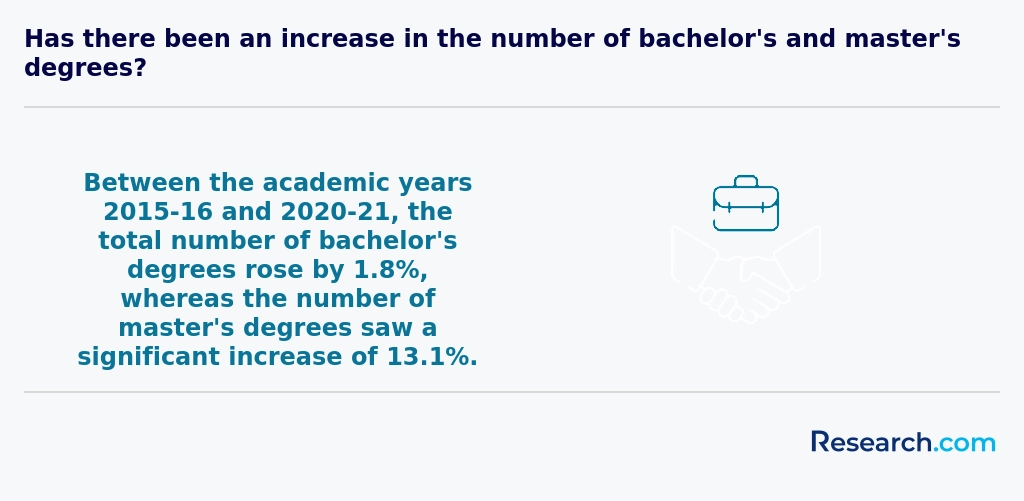
When considering a business degree, it's essential to weigh the benefits and potential outcomes. Pursuing a business degree in Charleston, SC, can be a strategic move, given the city's thriving economy and the demand for skilled professionals. Students can expect to gain a comprehensive education that encompasses core business principles, as well as specialized knowledge in areas such as finance, marketing, and entrepreneurship. For those interested in exploring the best popular business degree options, understanding the local job market and the skills required by top employers can provide valuable insights. By choosing to study in Charleston, students position themselves for success in a dynamic and supportive business community, with opportunities for networking, internships, and job placements that can launch a fulfilling career.
Imagine diving into financial accounting at a Charleston college, where you decode real company reports and feel the rush of understanding how businesses track their money. Managerial accounting then shifts your focus inward, helping you navigate decisions that can make or break a local startup's success. Finance classes might have you analyzing investments or crafting risk strategies inspired by Charleston's dynamic market trends, making theory come alive.
Marketers in the making explore consumer behaviors unique to the Charleston area, blending digital tactics with traditional branding-just like graduates who recall crafting campaigns tailored to local tourism or retail. Management courses bring leadership skills front and center, teaching you to run teams efficiently, perhaps preparing you to lead projects connected to Charleston's bustling port or real estate scene.
Economics is more than theory here; micro and macroeconomic lessons reveal how policies ripple through businesses around the Lowcountry. Plus, practical courses like business law, ethics, and entrepreneurship immerse you in Charleston's vibrant startup vibe, sparking inspiration for hands-on ventures fueled by ethical leadership.
Charleston's business degree programs open up a world of opportunity through diverse specializations rooted in the city's vibrant economy. Imagine diving into Finance, where graduates from popular Charleston colleges immerse themselves in investment management and corporate finance, ready to thrive in the bustling banking sector. Or picture students exploring Marketing, crafting digital campaigns inspired by Charleston's thriving tourism and retail scenes-making every project feel like a new adventure.
Many enjoy the hands-on appeal of Supply Chain Management and Logistics, directly connected to Charleston's role as a major port city, which gives students real-world insights into efficient operations. Other exciting concentrations include Management and Entrepreneurship, perfect for those eager to lead startups or launch new ventures amid Charleston's dynamic business landscape. These business degree specializations in Charleston reflect local industries, often enhanced by internships offering eye-opening experiences.
For anyone curious about how these paths shape careers, understanding whether is getting a business degree worth it becomes clearer through exploring this spectrum of possibilities.
Choosing the best business degree in Charleston often feels like setting off on a real adventure, where each decision shapes your future career path. Graduates from popular universities here rave about how accreditation, especially from bodies like AACSB, gave their degrees weight and opened doors to exciting internship opportunities with local ports and tech startups. Imagine walking into a classroom with just a handful of peers and passionate professors who not only teach but connect you to Charleston's vibrant business network-this personalized experience is a game-changer.
Many who explored affordable business colleges Charleston SC found a sweet spot between cost and quality, often choosing public institutions where tuition hovers between $8,000 and $15,000 annually. Beyond price, they valued hands-on learning-internships and co-op programs turned textbooks into real-world skills, boosting confidence and making job hunting less daunting.
For those ready to accelerate their careers, looking into a one year mba program brings the thrill of fast-tracked knowledge without sacrificing Charleston's local connections. Aligning your specialization with Charleston's economy-think finance, marketing, or entrepreneurship-makes your degree not just educational but an exciting exploration of your future in a city full of opportunity.

Graduates with a business degree in Charleston find themselves diving into a vibrant job market where management roles are ripe for the taking. From leading teams in dynamic startups to steering projects in established companies, many find excitement applying leadership and strategic skills honed at local institutions like the College of Charleston. This variety of business degree job opportunities Charleston offers often includes operations and human resources roles, perfectly suited for those who thrive organizing and inspiring others.
Exploring finance, recent graduates often tap into Charleston's growing banking and investment scenes. Imagine starting out as a financial analyst and quickly advancing, buoyed by the city's expanding financial sector. Many students appreciate the solid earning potential tied to these positions, making this one of the best business degree careers in Charleston to consider.
Marketing careers also burst with possibility, especially as Charleston blends tourism with technology. Graduates skilled in digital marketing and customer engagement find themselves at the heart of a thriving market, with opportunities to work on innovative campaigns. Some leverage the city's entrepreneurial spirit, launching new ventures encouraged by initiatives like the Charleston Digital Corridor. For those seeking flexible and affordable education paths, it's worth checking out the Most Affordable Online Master's in Business Degree Programs Ranking in New Jersey to complement local studies and expand horizons.
Business degree job opportunities in Charleston spark excitement among graduates ready to dive into a vibrant economic landscape. Local universities and colleges pride themselves on connecting students with internships that turn into roles like marketing coordinators or sales managers, immersing them immediately in sectors like tourism and technology. Imagine a recent graduate navigating Charleston's bustling ports or innovative startups, applying classroom strategies to real-world challenges with enthusiasm and confidence.
Charleston's business degree employment outlook is bright, with wages reflecting a strong local economy where the average starting salary ranges between $50,000 and $65,000 annually. Business students often share stories of how the region's diverse industries-from manufacturing hubs to hospitality-open doors to rewarding careers and growth opportunities that feel tailor-made for the adventurous spirit. For those needing a quicker pathway, exploring programs like the fast track bachelor degree offers a chance to jumpstart this journey sooner.
2027 Most Popular Business Degree Programs Ranking in Charleston
Investing in your education is a significant decision that can profoundly impact your career, and the Research.com team recognizes the importance of making well-informed choices. To aid prospective students in Charleston, we have carefully developed the "2027 Most Popular Business Degree Programs Ranking in Charleston." Our dedication to quality, credibility, and accuracy is demonstrated through thorough research and detailed analysis carried out to produce this ranking.
We utilized the following reputable data sources to ensure a comprehensive evaluation of business degree programs:
By reviewing this ranking, readers will gain valuable insights into the most sought-after business degree programs in Charleston, empowering them to make confident and informed educational decisions. For further information on how this ranking was created, please visit our Research.com methodology page.


# 5 position
Citadel Military College of South Carolina
Bachelor of Science in Business Administration

Frequently Asked Questions About business
Business degree students in Charleston can maximize their learning experience by engaging actively with local industries. Charleston's growing economy, particularly in tourism, manufacturing, and technology, offers practical internships that enrich academic knowledge. According to the Charleston Metro Chamber of Commerce, companies seek graduates with hands-on experience, making internships crucial.
Networking is also vital. Students should attend local business events and join professional groups such as the Charleston Trident Association of Realtors or the Small Business Council, which provide valuable contacts and insights into the regional market.
Additionally, leveraging resources like mentoring programs at institutions like the College of Charleston helps deepen understanding of business concepts within a Charleston-specific context, preparing students for real-world challenges.
The business field is rapidly evolving, with new niches emerging that reflect changes in technology and consumer demands. In Charleston, areas like sustainable business practices are gaining attention due to the city's commitment to environmental stewardship and growth in green industries. According to the Charleston Metro Chamber of Commerce, demand for professionals skilled in sustainable supply chains and corporate social responsibility is increasing.
Another growing niche is data analytics, which helps businesses make informed decisions by interpreting large data sets. Charleston's expanding tech sector supports this trend, with local employers seeking workers proficient in data-driven marketing and financial analysis.
Additionally, entrepreneurship focused on digital commerce is rising. The Charleston business community benefits from startups leveraging e-commerce platforms, which reflects a national trend towards online retail growth projected by the U.S. Small Business Administration.
After earning a business degree in Charleston, preparing for the job market involves strategic steps to increase employability. Start by leveraging internships and cooperative education opportunities offered by local universities, which provide hands-on experience and networking with Charleston's diverse business community. According to the Charleston Metro Chamber of Commerce, industries like finance, tech, and logistics are growing, creating demand for skilled business graduates.
Developing strong communication and analytical skills remains crucial. Graduates should also engage in career services and attend job fairs hosted by Charleston's colleges to connect directly with regional employers. Additionally, joining professional organizations such as the Charleston Regional Business Partnership can enhance job prospects through mentorship and local industry insights.
Employers in Charleston value a mix of technical and interpersonal skills when hiring business degree graduates. According to the Charleston Metro Chamber of Commerce, strong analytical abilities and proficiency in data interpretation rank high among sought-after competencies, reflecting the region's growing focus on tech-driven companies.
Communication skills also stand out as critical. Graduates must effectively present ideas and collaborate across diverse teams, essential for Charleston's expanding service and tourism industries.
Leadership and project management expertise are frequently requested, aligning with the city's dynamic startup ecosystem and established corporate sectors. Additionally, familiarity with financial principles remains a core requirement for most business roles locally.
Finding internships relevant to a business degree in Charleston involves leveraging several local resources. Charleston's growing economy, particularly in logistics, finance, and tourism sectors, offers diverse internship opportunities for business students. According to the Charleston Metro Chamber of Commerce, companies like Blackbaud, Benefitfocus, and the Charleston Harbor Group frequently offer internships to students.
Students should begin by utilizing their university's career services, which often have partnerships with local businesses. Additionally, websites such as Handshake and LinkedIn can be valuable for discovering openings. Networking events organized by the Charleston Chamber and local business groups provide important chances to connect with industry professionals.
Volunteering in community business events and local startups can also enhance practical experience. According to the National Association of Colleges and Employers, internships are crucial, with 65% of employers preferring candidates who have completed them.
A business degree significantly enhances career mobility and advancement opportunities in Charleston. According to the Charleston Metro Chamber of Commerce, the region's economy is growing in sectors such as finance, logistics, and hospitality, where business skills are highly valued. Graduates with a business degree often qualify for management roles, which typically offer higher salaries and more responsibility.
The U.S. Bureau of Labor Statistics notes that business and financial occupations in South Carolina are projected to grow 5% from 2022 to 2032, supporting steady job availability. Having a degree also improves access to professional networks through local universities and organizations, further aiding career progression.
In Charleston's competitive job market, a business degree can be a key differentiator, providing foundational knowledge and practical skills employers seek.
Studying for a business degree in Charleston offers students a unique advantage in preparing for interdisciplinary roles. Charleston's growing economy, recognized for sectors like logistics, tourism, and technology, demands professionals who can navigate various industries. Business programs integrate courses in finance, marketing, management, and information technology, fostering versatile skill sets.
Local universities incorporate experiential learning and partnerships with Charleston-based companies, giving students hands-on experience across disciplines. According to the Charleston Metro Chamber of Commerce, businesses increasingly seek graduates capable of cross-functional collaboration and innovation.
This interdisciplinary focus equips students to adapt to diverse business environments and solve complex problems with multifaceted approaches.
Choosing between a thesis and a non-thesis business degree program in Charleston depends on your career goals and learning style. Thesis programs typically focus on research, requiring a formal written project, which is ideal if you plan to pursue a PhD or a research-oriented role. Non-thesis options often emphasize practical skills and coursework, better suited for immediate employment in Charleston's growing sectors, such as finance, real estate, and healthcare administration.
The College of Charleston and The Citadel offer both types of programs, aligning with the city's demand for business professionals. According to the Charleston Regional Development Alliance, over 10,000 business jobs are projected by 2027, highlighting the importance of practical knowledge in the local economy.
Students in Charleston interested in studying business abroad have several opportunities through local universities that offer international programs. The College of Charleston, a leading institution in the city, partners with numerous universities worldwide, allowing students to participate in semester-long exchanges or short-term study trips focused on global business practices. These programs often include destinations in Europe, Asia, and Latin America.
Additionally, the University of South Carolina offers study abroad options through its Darla Moore School of Business, known for its strong focus on international business education. Over 70% of Moore students pursue international experiences before graduation, according to the school's 2023 data.
Financial aid and scholarships specifically for study abroad in business fields are available, making these programs more accessible to Charleston-based students.
Charleston offers various part-time job opportunities that can enhance a business degree education by providing practical experience. Common roles include administrative assistant positions, sales associates, and marketing interns. These jobs help students develop skills in communication, customer relations, and project management.
The city's growing economy, especially in sectors like hospitality, retail, and logistics, creates demand for entry-level business roles. According to the Charleston Metro Chamber of Commerce, industries such as tourism and port operations contribute significantly to local employment. Part-time work in these areas allows students to apply classroom knowledge to real-world business challenges.
Internships with local businesses and startups also present valuable opportunities, offering exposure to entrepreneurship and financial analysis. Engaging in such roles supports career readiness and networking within Charleston's vibrant business community.
Business students in Charleston benefit from numerous networking opportunities that connect them with local professionals and industries. The Charleston Metro Chamber of Commerce hosts regular events that encourage collaboration between students and business leaders. According to the Chamber, over 3,000 businesses operate in the Charleston area, creating a vibrant environment for networking.
Additionally, institutions like the College of Charleston offer student-run organizations such as the Business Club and Beta Alpha Psi, which promote networking through guest speakers and industry panels. These groups frequently organize events with Charleston-based employers, enhancing students' access to internships and job placements.
Annual conferences like the Charleston Business Expo also provide valuable chances to meet entrepreneurs and executives from sectors including technology, hospitality, and manufacturing. These structured settings help students build practical connections before graduation.
Alumni networks play a crucial role for business degree students in Charleston by providing access to valuable professional connections. These networks often include graduates working in key local industries such as finance, tourism, and port logistics, which are central to Charleston's economy. According to the Charleston Metro Chamber of Commerce, networking through alumni can significantly increase internship opportunities and job placements in the region.
Students benefit from mentorship programs, workshops, and events organized by alumni associations, helping them develop practical skills beyond the classroom. Moreover, alumni connections can open doors to exclusive job openings and local business insights.
Research from the National Association of Colleges and Employers (NACE) highlights that 80% of jobs are filled through networking, underscoring the importance of active alumni engagement for Charleston business students.
Customizing a business degree program in Charleston allows students to align their education with specific career goals. Many institutions offer concentrations such as finance, marketing, or entrepreneurship, enabling tailored skill development. Elective courses can also be chosen to focus on emerging local industries like tourism and port management.
Internships and co-op opportunities within Charleston's growing business sectors provide practical experience and networking. According to the Charleston Regional Development Alliance, sectors like technology and logistics are expanding, making specialization in these areas advantageous. Students should also consider certifications or dual degrees that some colleges provide to enhance employability.
Advisors play a key role in guiding course selection to match market demands and personal interests.
Business students in Charleston often face challenges related to balancing academic coursework with professional and personal responsibilities. Many are working part-time or full-time jobs while studying, which can limit the time available for internships or networking. According to the U.S. Census Bureau, Charleston's growing business sector, especially in finance and tech, increases competition for relevant internships and entry-level jobs among students.
The high cost of living in Charleston, reported by the Council for Community and Economic Research, also affects students' financial stability. Affording tuition, housing, and transportation can cause stress and impact academic focus.
Additionally, some students report difficulty accessing up-to-date resources tailored to Charleston's unique business environment, such as local entrepreneurial opportunities and minority-owned business networks.
With a business degree, students in Charleston can pursue several professional certifications that enhance their career prospects. Popular choices include the Certified Public Accountant (CPA) for those interested in accounting, which requires passing the Uniform CPA Exam and meeting state-specific experience criteria.
Another key certification is the Project Management Professional (PMP), highly regarded across various industries for skills in managing complex projects.
Additionally, the Certified Management Accountant (CMA) credential offers expertise in financial management and strategy, recognized nationwide.
Data from the Charleston Metro Chamber of Commerce shows that holders of these certifications often see salary increases up to 15% compared to non-certified peers.
Other options include the Chartered Financial Analyst (CFA) for finance professionals, and the Six Sigma certifications focused on process improvement.
When applying to a business program in Charleston, it is essential to tailor your application to highlight relevant skills and local connections. Admissions committees value applicants who demonstrate knowledge of Charleston's growing business sectors, such as hospitality, finance, and technology, which contribute significantly to the city's economy.
Include clear academic goals and practical experiences, emphasizing any internships or work done within Charleston's vibrant business community. According to the Charleston Metro Chamber of Commerce, the local economy has expanded by over 3% annually recently, indicating strong opportunities for business graduates.
Strong letters of recommendation and a polished personal statement showcasing leadership and problem-solving skills also increase your chances. Finally, meet all deadlines and proofread carefully to present a professional and compelling application.
Business careers today are viewed through a global lens, reflecting the interconnected nature of markets. For students in Charleston pursuing business degrees, understanding international trade, cross-cultural communication, and global economic trends is essential. According to the U.S. Bureau of Labor Statistics, demand for business professionals with global skills is growing, particularly in urban centers linked to international commerce like Charleston.
Charleston's port plays a critical role in global shipping and trade, offering unique opportunities for business graduates interested in logistics and supply chain management. Local universities increasingly emphasize global business courses to prepare students for careers that span multiple countries.
Moreover, companies seek business graduates who can navigate diverse regulatory environments and leverage multinational networks, highlighting the importance of international perspectives in the U.S. job market.
Gaining practical experience while studying for a business degree in Charleston is essential for career readiness. Many local universities and colleges encourage internships, co-op programs, and service-learning projects as part of their curriculum. Charleston's growing economy, especially in sectors like tourism, finance, and logistics, provides ample internship opportunities. According to the Charleston Regional Development Alliance, over 10,000 businesses operate in the area, increasing chances for student engagement.
Students can also participate in business clubs, case competitions, and networking events hosted by campuses and professional organizations. These activities help develop real-world skills, such as teamwork, problem-solving, and professional communication, which employers value highly.
Choosing the right concentration within a business degree program in Charleston involves evaluating your career goals and local industry demands. Charleston's economy is strong in sectors like logistics, hospitality, and finance, which influences the popularity of concentrations such as supply chain management, marketing, and financial analysis. According to the Charleston Metro Chamber of Commerce, logistics and transportation employ over 40,000 people regionally, making supply chain management a practical choice.
Consider the curriculum and internship opportunities offered by programs at institutions like the College of Charleston or The Citadel. Programs connected to Charleston's key industries often provide networking advantages that support job placement after graduation.
Also, reflect on your strengths and interests, and seek academic advising to ensure your concentration aligns with your professional ambitions.
- 2027 Most Popular Business Degree Programs Ranking in Savannah
- 2027 Most Popular Business Degree Programs Ranking in Jacksonville
- 2027 Most Popular Business Degree Programs Ranking in Macon
- 2027 Most Popular Business Degree Programs Ranking in Daytona Beach
- 2027 Most Popular Business Degree Programs Ranking in Gainesville
- 2027 Most Popular Business Degree Programs Ranking in Atlanta
- 2027 Most Popular Business Degree Programs Ranking in Winter Park
- 2027 Most Popular Business Degree Programs Ranking in Orlando
- 2027 Most Popular Business Degree Programs Ranking in Lynchburg
- 2027 Most Popular Business Degree Programs Ranking in Lakeland
See What Experts Have To Say About Studying Business
Read our interview with Business experts

Ingrid S. Greene
Business Expert
Clinical Assistant Professor of Management
Loyola Marymount University

David W. Stewart
Business Expert
Emeritus President's Professor of Marketing
Loyola Marymount University


- Networking Tips for Business Students and MBA Candidates - Cyprus West University https://www.cwu.edu.tr/networking-tips-for-business-students-and-mba-candidates/
- Why Alumni Networks Matter in Business School: 7 Reasons https://europe.ceibs.edu/article/why-alumni-networks-matter-business-school
- Business Administration, B.S. Degree Completion Program https://www.citadel.edu/business/degree-completion/bs-business-transfer/
- World's Largest platform as University Common Application https://www.planstudyabroad.uniagents.com/course-details.php
- Professional Business Certifications to Boost Your Career in 2025 https://www.business.com/articles/best-business-certifications/
- Business Administration Degree Salary | UE Amsterdam https://www.ue-amsterdam.com/blog/business-administration-degree-salary-how-much-can-you-earn
- Career Goals: 17 Inspirational Examples for you in 2026 https://www.imd.org/blog/learning-and-development/career-goals/
- Online Degree vs. Traditional: Choosing the Right Path https://beal.edu/online-degree-vs-traditional/
- School of Business https://charleston.edu/school-business/
- 5+1: Five challenges facing business schools and one solution https://charteredabs.org/insights/opinion/51-five-challenges-facing-business-schools-and-one-solution