2027 Most Affordable Business Degree Programs Ranking in Seattle

Co-Founder and Chief Data Scientist
Choosing the right business degree program can feel overwhelming, especially with so many options available in Seattle. This article introduces the 2027 Most Affordable Business Degree Programs Ranking in Seattle, carefully created by the Research.com team of data scientists to guide you in making an informed decision.
Reading this ranking helps you discover affordable programs that match your goals without compromising quality. Pursuing a business degree opens doors to exciting career opportunities and personal growth. Let this guide support your journey toward a successful future in business.
Key benefits of getting business degree in Seattle
- Salary for business degree graduates: Business graduates in Seattle can expect strong earning potential, with roles like Business Development Executive earning a mean annual wage of $83,190 and Business Analysts around $112,950, reflecting rewarding career prospects.
- Potential career paths: Graduates from Seattle's popular universities often move into diverse roles such as business analysis, project management, and account management, offering dynamic opportunities to grow and succeed in vibrant industries.
- Benefits of online degrees: Earning a business degree online from a reputable Seattle university provides flexibility and the ability to balance work and study, making education more accessible without sacrificing quality or career advancement.
- 2027 Most Affordable Business Degree Programs Ranking in Seattle
- What can I expect from business degree in Seattle?
- Where can I work with business degree in Seattle?
What can I expect from business degree in Seattle?
Many students wonder about the average cost of pursuing a business degree in Seattle, and the answer is nuanced by choice and circumstance. Graduates from the University of Washington Foster School of Business often recall the relief of benefiting from significantly lower tuition as in-state students, making the high-quality education more accessible. Conversely, those attending Seattle University's Albers School of Business highlight the value of private institution resources, even as tuition costs tend to be higher. This trade-off between affordability and specialized support shapes the financial landscape for local business students.
Costs typically range widely; public university tuition can be nearly half that of private colleges, which may exceed expectations but come with unique networking advantages and dedicated career services. Students balancing part-time or online formats find flexible options that sometimes ease financial pressure. This balance between cost and opportunity challenges the notion that expensive programs always guarantee better outcomes, emphasizing instead how personal goals and local economic ties in Seattle profoundly impact return on investment.
Where can I work with business degree in Seattle?
Graduates from Seattle's renowned business programs often find themselves stepping directly into dynamic roles at household names like Amazon or Microsoft, where the pace is fast and the challenges push boundaries daily. Many recall working on real-world projects during their studies at the University of Washington Foster School of Business, which built their confidence to thrive in marketing, supply chain, or finance positions immediately after graduation.
Others from Seattle University's business college share experiences of landing roles in healthcare administration at Swedish Medical Center or taking on strategic positions with nonprofits focused on community impact. These paths illustrate how a business degree here is more than theory; it's a launchpad into sectors that shape the city's future.
Imagine collaborating on innovative entrepreneurial ventures within Seattle's startup ecosystem, where graduates move beyond conventional titles to become business developers or project managers. The city's blend of tech giants and growing startups creates a vibrant playground for applying business skills with purpose and passion.
Graduates from Seattle's top business programs such as those at the University of Washington and Seattle University often discover that their degree translates into substantial earning power locally. For example, a business development executive earning a mean annual wage of $83,190 enjoys a salary that often reflects Seattle's dynamic economy and competitive business landscape.
More ambitious graduates targeting analytical roles find promising figures in business analyst positions, where the mean annual wage reaches $112,950. This is a testament to Seattle's thriving industries-especially technology and healthcare-that value deep analytical skills combined with practical business knowledge.
Imagine a recent MBA graduate from a Seattle business school who leverages this data-driven insight and lands a role as a business development executive; their $80K+ salary anchors a rewarding career start. This combination of education and the city's strong corporate presence-think Amazon or Microsoft-often propels graduates well beyond national averages, fueling excitement about future potential.
- Tuition for business degrees in Seattle ranges from $8,000 to $12,000 per year at public universities and $30,000 to $45,000 at private institutions.
- Seattle hosts major corporations like Amazon and Microsoft, creating strong demand for business professionals in technology, finance, marketing, and supply chain fields.
- Entry-level business graduates in Seattle can expect starting salaries between $55,000 and $65,000, higher than the national average.
- Mid-career business professionals in Seattle typically earn between $90,000 and $120,000 annually.
- Local universities offer many internships and cooperative education programs, helping students gain experience and improve job prospects after graduation.
Completing a business degree in Seattle often takes around four years for a bachelor's, but many graduates from institutions like the University of Washington and Seattle University recall the journey feeling deeply personal and flexible. For some, the traditional 120-130 credit hours felt manageable within that timeframe, balancing core courses with electives that sparked real curiosity.
Others accelerated their studies, finishing in three years by taking summer classes or transferring credits, a route especially popular among motivated students eager to enter Seattle's vibrant business community sooner. Meanwhile, part-time or evening MBA learners from these schools often share stories of juggling work and family commitments, valuing the ability to extend their studies beyond two years without sacrificing ambition.
In Seattle, the variable pace-whether full-time, online, or hybrid-turns a rigid timeline into a personalized path. Reflect on how your own lifestyle and goals could transform standard durations into something uniquely yours, just as many local business students have experienced.
When considering a business degree in Seattle, WA, one crucial aspect to explore is the potential return on investment (ROI) of such a degree, which involves weighing the costs against the potential benefits, including career advancement opportunities and salary increases. For those interested in affordable options, researching the cheapest business programs in Washington can provide valuable insights into managing educational expenses. By understanding the ROI, prospective students can make informed decisions about their educational investment, balancing factors such as tuition costs, potential salaries, and the overall value of the degree in the job market. This analysis is particularly important in a competitive job market like Seattle's, where employers seek graduates with a strong blend of technical and soft skills, and where the ability to navigate the financial aspects of an organization can significantly enhance one's career prospects.
Choosing between online and on-campus business degrees in Seattle often means weighing lifestyle against experience. Graduates from University of Washington Bothell recall the energizing buzz of walking campus halls, in-person group projects, and spontaneous coffee chats that sparked real-time business insights. This environment fuels collaboration and immediate feedback, which some say sharpens understanding and builds lasting local networks.
On the other hand, Seattle's growing tech professionals pursuing online business degrees appreciate the freedom to balance work, family, and study without daily commutes. They describe the relief of accessing coursework anytime-even after late shifts-without sacrificing their career momentum. This flexibility deeply resonates in Seattle's fast-paced economy where upgrading skills while staying employed is a prized advantage.
Cost and networking also split between modes. On-campus students face higher living expenses but gain direct paths to internships and Seattle's vibrant business events. Online learners adapt by seeking hybrid meetups or virtual forums, cultivating a different kind of professional resilience. Ultimately, both routes reflect distinct Seattle lifestyles, challenging students to prioritize what fits their personal and professional rhythms best.
Seattle’s business environment is rapidly evolving as innovative technologies, remote work models, and digital transformation reshape traditional career pathways. In this dynamic climate, prospective students and graduates must consider how emerging trends-such as artificial intelligence integration, blockchain in finance, and advanced digital marketing strategies-are influencing the demand for specialized skills. This forward-looking perspective not only enhances employability but also prepares graduates for leadership roles in tomorrow’s business world. Students are increasingly encouraged to engage with professional development initiatives, internships, and continuous learning opportunities that align with these trends. For example, exploring avenues related to highest paying business majors can provide insights into sectors projected for growth and innovation. By staying abreast of new industry developments, business programs in Seattle are adapting their curricula to include contemporary case studies, real-time data analysis, and a focus on sustainability and technology-driven growth. In addition, many educators now emphasize the importance of networking with industry professionals and alumni who have successfully navigated these changes. This helps create robust mentorship opportunities, ensuring that both current students and recent graduates can leverage emerging market trends to launch or advance their careers. The convergence of education, technology, and career readiness in Seattle promises an enriching trajectory for business professionals well into the future.
Business students in Seattle face a median total cost of approximately $62,514 for their degrees, with in-state residents typically paying closer to $12,973. This stark difference challenges the assumption that attending a local public university means low expenses across the board. Graduates from the University of Washington often recall balancing these financial pressures with career-building internships and networking opportunities within the Seattle business ecosystem, which can make the initial cost feel like an investment rather than a burden.
For many, especially those considering private institutions like Seattle University, the allure of smaller class sizes and personalized support comes with higher tuition fees that align with the median cost. These graduates frequently emphasize how their educational experience, combined with scholarship aid or employer tuition reimbursement, ultimately justifies the expense, highlighting the true value beyond numbers. Understanding the average cost of business degree in Seattle means acknowledging these trade-offs and decisions integral to shaping one's career path.
Living expenses further complicate the budgeting equation. Seattle's higher cost of living can add substantially to the total outlay, often challenging students to find a delicate balance between school, work, and life. Students from the city's universities often share stories of creative housing solutions and community support that helped ease these pressures.
Thankfully, emerging options like flexible online business degree programs provide students with alternatives that can reduce costs and time commitments. Those seeking more affordable business degree programs Seattle wide critically examine these alternatives. For a comprehensive overview of options suited to various budgets, students can explore the cheapest business programs in Washington.
Below is a breakdown of the top five most affordable business degree programs in Seattle, WA, based on average in-state tuition, program length, and student outcomes: • University of Washington (Foster School of Business) – Type: Public, On-Campus – Average In-State Tuition: $12,600 per year – Credits Required: 180 quarter credits (approx. 120 semester credits) – Accreditation: AACSB • North Seattle College (Business Administration) – Type: Public Community College, On-Campus – Average In-District Tuition: $4,000 per year – Credits Required: 90 quarter credits – Articulation: Seamless transfer pathways to UW and other four-year institutions • City University of Seattle (Online and On-Campus) – Type: Private, Hybrid – Average Tuition: $13,100 per year – Credits Required: 180 quarter credits – Focus: Flexible schedules for working professionals • Seattle Pacific University (Business Management) – Type: Private, On-Campus – Average Tuition: $35,000 per year – Credits Required: 120 semester credits – Highlights: Small class sizes, strong alumni network • Seattle University (Albers School of Business and Economics) – Type: Private, Online and On-Campus – Average Online Tuition: $38,000 per year – Credits Required: 120 semester credits – Strengths: Ethics-driven curriculum, robust internship placement For those considering comparable programs outside the Pacific Northwest, you may also explore Affordable Online Master's in Business Degree Programs Ranking in West Virginia to evaluate online master’s options and broaden your decision-making toolkit.
Financial aid for business students in Seattle is not merely a safety net-it's a strategic boost that can transform the entire college experience. Graduates from the University of Washington's Foster School of Business often recall how Pell Grants, providing up to $7,395 annually, substantially eased their financial stress, allowing them to focus on leadership projects and internships rather than just tuition bills. Navigating the Free Application for Federal Student Aid (FAFSA) is crucial, unlocking federal grants, loans, and work-study opportunities that fuel both academic and professional growth.
Beyond federal support, Washington state's unique programs like the Washington College Grant make a tangible difference, especially for in-state students at public institutions. Those attending private schools in Seattle, where tuition can soar past $40,000, often rely heavily on merit-based scholarships that reward business acumen and civic engagement.
Local scholarships and employer tuition assistance programs offer additional avenues, reflecting Seattle's strong business community's investment in cultivating future leaders. These financial aid options become more than funding-they're invitations to fully engage in Seattle's vibrant business ecosystem and pursue ambitions without compromise.
When evaluating business degree programs, it’s essential to consider the return on investment (ROI), balancing tuition and related expenses against post‐graduation earnings and career growth. For example, while in‐state tuition at public universities in Seattle averages around $38,496, graduates report starting salaries in the $65,000–$70,000 range. This suggests a typical payback period of 4–6 years, depending on living costs and financial aid received. Programs with robust internship pipelines and strong industry partnerships often accelerate ROI by helping students secure higher‐paying roles soon after graduation. Online programs can offer an even more favorable ROI by reducing overall costs and allowing continued employment while studying. Prospective students may explore options like the affordable mba online no gmat to minimize expenses and avoid GRE/GMAT fees. When comparing on‐campus and online formats, factor in additional costs such as campus fees, commuting, and housing for in‐person programs versus technology and home‐office setup for online learners. To maximize ROI, consider schools with high post‐graduation employment rates, strong alumni networks, and career services. Investigate published outcomes data-such as median salaries and job placement percentages-and calculate your break‐even point by dividing total program cost by expected annual salary increase. This data‐driven approach ensures you choose a business degree path in Seattle that delivers both financial value and meaningful career advancement.
To enroll in a business degree program in Seattle, prospective students must meet more than just standard academic benchmarks. Graduates from local institutions often recall how a strong background in mathematics and English formed the foundation of their success, especially at schools known for rigorous business curricula like those at the University of Washington or Seattle University. Many students found that crafting a personal statement revealing genuine passion for business challenges and career aspirations made their applications stand out amid competition.
At the graduate level, the expectations rise. MBA candidates frequently share how their two to five years of professional experience gave them a vital edge-turning abstract concepts into practical insights during classroom discussions. Seattle's dynamic economy rewards applicants who demonstrate this blend of academic preparation and real-world savvy.
While test scores like the GMAT or GRE remain important for many programs, students appreciate that Seattle's institutions sometimes offer flexibility, reflecting evolving admissions philosophies. This balanced approach encourages applicants to present a holistic picture of their readiness, aligning perfectly with the city's culture of innovation and opportunity.
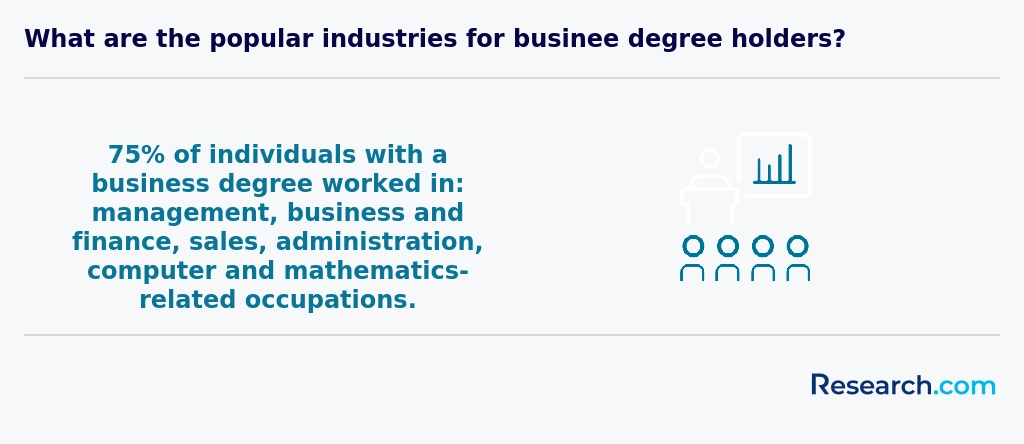
Business degrees in Seattle go beyond generic textbooks by immersing students in courses that truly resonate with the city's unique economic landscape. Graduates from local universities often recount how foundational classes in finance, marketing, and management felt immediately applicable, laying a groundwork they could see reflected in bustling Seattle startups and multinational tech giants.
What sets these programs apart is the emphasis on entrepreneurship and innovation, fueling excitement for students eager to launch new ventures in a city known for its vibrant startup culture. Supply chain management and logistics lessons become more tangible when taught against Seattle's status as a major port, creating a sense of connection between classroom theory and real-world commerce.
Students at Seattle institutions frequently praise how courses in information systems and business analytics open doors to opportunities with companies like Amazon or Microsoft. International business classes help them envision their careers bridging global markets, particularly Asia-Pacific trade routes that define Seattle's business pulse.
Internships embedded in the curriculum bring the coursework to life, transforming abstract concepts into the invaluable experience that Seattle employers seek. This blend of practical and theoretical learning inspires confidence and ambition, making the challenges of the city's competitive job market feel achievable rather than daunting.
Business degree specializations in Seattle defy the notion that one size fits all. Graduates from popular universities often describe diving deep into Finance, where courses cover investment analysis and corporate finance, perfectly aligned with Seattle's booming financial landscape influenced by giants like Amazon and Microsoft. Others find themselves captivated by Marketing, crafting digital strategies that connect directly to the city's innovative tech-driven economy.
Management and Entrepreneurship attract students eager to lead or launch startups, supported by Seattle's vibrant culture of innovation. Graduates often recall working on real-life projects involving venture capital or strategic leadership in local companies. Meanwhile, those fascinated by global trade gravitate toward Supply Chain and Operations Management, acknowledging the importance of Seattle's port city role.
Information Systems and Technology Management blends cutting-edge IT with business savvy. For those weighing Seattle affordable business degree options, this specialization promises access to dynamic career paths bridging tech and management. Exploring these choices offers insights into highest paying business majors, showing the tangible benefits of tailored education here.
Choosing the best affordable business degrees in Seattle means looking beyond rankings and flashy brochures. Graduates from universities like the University of Washington often highlight how accreditation-especially AACSB-is their beacon of quality, opening doors in Seattle's tech-driven economy. Imagine the confidence of joining a program recognized worldwide for excellence, rather than settling for a lesser-known school simply because tuition is lower.
Cost is compelling but incomplete. Many who started their business journeys at Seattle colleges found that flexible formats-such as online or weekend classes-fit their busy lives and allowed them to gain real-world experience simultaneously. This holistic approach often leads to richer networking opportunities within Seattle's vibrant business scene. For those seeking to balance affordability and quality, exploring an affordable mba online no gmat option can be a game changer.
Align your specialization with local industry demands-graduates focusing on marketing and entrepreneurship often thrive here due to Seattle's startup culture. Think about your career years down the line and embrace programs that emphasize strong employer connections and internships; these pave the way for swift job placements after graduation, truly defining top business degree programs Seattle 2027.

Graduates holding a business degree in Seattle find themselves at a crossroads of opportunity, thanks to the city's vibrant economy and industry giants like Amazon and Microsoft. These graduates often venture into diverse career paths, from financial services where they analyze investments, to marketing roles shaping brand narratives amid a fast-paced startup culture. Many who studied at popular Seattle universities share how their degrees opened doors to roles in human resources, managing talent in the city's competitive job markets.
These real experiences reflect the range of business degree career opportunities in Seattle, offering more than traditional office roles. Operations and supply chain management in this port city, for instance, present dynamic careers coordinating logistics on a global scale. Others embrace entrepreneurship, inspired by local innovation hubs to launch ventures in tech or e-commerce. Such paths underscore the practical value of a Seattle business degree, where education blends with an energetic market.
For those concerned about costs, considering rankings like the Affordable Online Master's in Business Degree Programs Ranking in West Virginia can spotlight more economical options. Ultimately, the Seattle business degree job outlook is promising, rewarding graduates with not just jobs but meaningful career journeys.
Seattle's job market for business degree graduates defies simple expectations, energized by a diverse economy anchored in technology giants like Amazon and Microsoft as well as a vibrant startup culture. Graduates from universities known for their business programs often find themselves navigating opportunities from corporate finance to strategic planning, with many sharing stories of rapid career development fueled by Seattle's unique ecosystem. Local business degree employment opportunities Seattle reflect steady growth, with sectors like supply chain and digital marketing growing alongside core finance roles.
Salary insights tell another story: while Seattle's mean wage for management occupations is higher than the national average, the true value for grads lies in the city's dynamic environment that rewards innovation and applied skills. Combining this with practical certifications or exploring top paying 6 month certifications dramatically boosts chances in competitive niches.
Students often celebrate how Seattle's network-driven culture and accessible local business organizations help translate knowledge from classroom to career, reinforcing a positive outlook for anyone plotting their future here.
2027 Most Affordable Business Degree Programs Ranking in Seattle
Investing in your education is a significant decision that can shape your future, and the Research.com team understands the importance of making informed choices. To help prospective students navigate options in Seattle, we have carefully developed the "2027 Most Affordable Business Degree Programs Ranking in Seattle." Our dedication to quality, credibility, and accuracy is demonstrated through comprehensive research and data analysis used to create this trusted resource.
We utilized the following reputable data sources to ensure a thorough evaluation of business degree programs:
By exploring this ranking, readers will gain valuable insights into affordable business degree options in Seattle, empowering them to make well-informed educational choices. For more information on our methodology, please visit our Research.com methodology page.
# 1 position
North Seattle College
Bachelor of Applied Science in International Business

# 2 position
South Seattle College
Bachelor of Business Administration


# 9 position
City University of Seattle
Bachelor of Science in Business Administration

# 10 position
City University of Seattle
Master of Business Administration
Frequently Asked Questions About business
Business degree students in Seattle can maximize their learning by engaging in internships with the city's diverse corporate sector. Seattle hosts headquarters for major companies like Amazon and Microsoft, offering numerous opportunities for practical experience. According to the Seattle Office of Economic Development, internships improve job prospects by up to 20% for business graduates.
Utilizing local networking events and business incubators strengthens industry connections. Joining student clubs focused on entrepreneurship and finance can also enhance understanding through peer collaboration.
Finally, students should take advantage of Seattle's continuing education workshops offered by universities to stay updated on emerging business trends and technology. These activities complement academic studies and prepare graduates for the dynamic Seattle job market.
The business field in Seattle is rapidly evolving, with several emerging niches gaining traction among students and professionals. Sustainability management is becoming a major focus, driven by Seattle's leadership in environmental policies and green business practices. According to the Seattle Office of Sustainability, local companies increasingly seek experts who can integrate eco-friendly strategies into business operations.
Another growing area is technology commercialization, reflecting Seattle's strong tech industry presence. Business graduates with skills in innovation management and intellectual property are in demand to help startups and corporations bring new technologies to market.
Additionally, data analytics and business intelligence niches are expanding. The Seattle metropolitan area employs over 20,000 data specialists, reflecting a clear need for professionals capable of interpreting big data to guide strategic decisions, per recent reports from the Greater Seattle Chamber of Commerce.
Preparing for the job market after earning a business degree in Seattle involves strategic planning and leveraging local opportunities. Seattle's diverse economy, including tech giants like Amazon and Microsoft, offers numerous positions for business graduates. Graduates should build strong networks through Seattle-based internships and professional groups such as the Seattle Metropolitan Chamber of Commerce.
Career services at local universities provide resume reviews and mock interviews tailored to Seattle's competitive job market. Additionally, staying informed about regional business trends-like Seattle's growing startup ecosystem-can give applicants an edge. According to the U.S. Bureau of Labor Statistics, Seattle's business and financial occupations are projected to grow by 10% through 2030, highlighting strong job prospects.
Employers in Seattle highly value business degree graduates who demonstrate strong analytical skills. The city's thriving tech and finance sectors demand professionals who can interpret data and make informed decisions.
Communication skills are also crucial, with 87% of Seattle employers emphasizing teamwork and clear business communication, according to a 2023 report by the Economic Development Council of Seattle & King County.
Adaptability and problem-solving abilities rank highly as Seattle companies face rapid industry changes. Employers seek graduates capable of innovation and critical thinking to stay competitive.
Finally, proficiency in digital tools like Excel, Salesforce, and data visualization software is often required, reflecting Seattle's integration of technology in business operations.
Finding internships in Seattle relevant to a business degree involves utilizing multiple local resources and networks. Seattle has a thriving economy with major companies like Amazon, Microsoft, and Starbucks headquartered there, offering numerous internship opportunities in marketing, finance, and management.
Students should begin by exploring internship listings on university career centers and the Seattle Chamber of Commerce website. The Washington State Department of Commerce also provides valuable resources tailored to students seeking work experience.
Networking is crucial; attending business-related events, such as those hosted by the Seattle Business Magazine or local chapters of professional organizations like the American Marketing Association, can provide leads.
Finally, many Seattle-based startups and nonprofits post internships on platforms like Handshake and LinkedIn, which students should monitor regularly.
In Seattle, earning a business degree significantly enhances career mobility and advancement opportunities. The city's thriving economy, led by major corporations such as Amazon, Microsoft, and Starbucks, demands skilled professionals with strong business acumen. According to the U.S. Bureau of Labor Statistics, business and financial occupations in Seattle are projected to grow by 8% between 2022 and 2032, faster than the national average.
A business degree equips students with skills in management, marketing, and finance, which are highly valued in Seattle's competitive job market. Graduates often qualify for higher entry-level salaries and faster promotion tracks.
Local employers frequently favor candidates with formal education credentials combined with practical experience. Additionally, many Seattle universities offer networking and internship opportunities that further support career growth in the region's dynamic business sectors.
Studying for a business degree in Seattle offers unique interdisciplinary preparation by integrating courses from technology, environmental science, and public policy. Seattle's position as a hub for major corporations like Amazon and Microsoft encourages collaboration between business students and other fields, fostering diverse skill sets. According to the Seattle Metropolitan Chamber of Commerce, 70% of local business roles require cross-disciplinary expertise, emphasizing adaptability.
Programs in Seattle often include practical projects involving data analytics, sustainability, and innovation management, reflecting real-world challenges. This approach equips students with skills applicable to emerging sectors such as tech-driven marketing and sustainable business development.
Choosing between a thesis and a non-thesis business degree in Seattle depends on your career goals and learning preferences. A thesis program often suits students interested in research, academic careers, or advanced studies. It involves conducting original research and writing a comprehensive paper under faculty supervision. In contrast, non-thesis programs focus more on coursework and practical application, ideal for professionals aiming to enter or advance in Seattle's competitive business market.
Seattle's economy, with strengths in technology and international trade, values practical skills. According to the Bureau of Labor Statistics, the Puget Sound area expects a 7% growth in business and financial occupations by 2030. This trend supports non-thesis program relevance.
On the other hand, thesis programs help develop critical thinking and research skills, which benefit those targeting academic roles or specialized industry positions. Local universities such as the University of Washington offer both options, reflecting Seattle's diverse business environment.
Students based in Seattle pursuing business degrees have numerous options for studying abroad through their U.S. universities' exchange programs. Leading institutions like the University of Washington offer partnerships with international business schools in Europe, Asia, and Latin America, allowing students to earn credits transferable to their degrees.
According to the Institute of International Education's 2023 data, nearly 8% of U.S. business majors participate in study abroad programs, with many choosing regions that enhance global business competencies.
Additionally, students can explore short-term faculty-led study abroad trips, internships with multinational firms, or online global business courses offered by U.S. schools that simulate international experience.
These options provide practical exposure to global markets, making Seattle-based students more competitive in the business world.
Seattle offers various part-time job opportunities that complement business degree education by providing practical experience alongside academic learning. Roles in retail management, customer service, and administrative support are common, allowing students to develop critical skills such as communication, leadership, and time management.
Additionally, internships or part-time positions in Seattle's thriving tech and startup sectors provide exposure to marketing, finance, and operations, aligning well with business curricula. According to the Seattle Office of Economic Development, the city's business services sector is projected to grow by over 5% annually, increasing opportunities for students.
Freelance consulting or virtual assistant roles can also build experience in project management and strategic planning within a flexible schedule.
Business students in Seattle benefit from numerous networking opportunities due to the city's vibrant economy and strong business community. Seattle is home to major companies like Amazon, Microsoft, and Starbucks, which frequently host events, workshops, and career fairs connecting students with industry professionals. According to the Greater Seattle Chamber of Commerce, local business events and meetups provide excellent forums for students to meet entrepreneurs and executives.
Universities often partner with these companies to offer internships and mentorship programs. Additionally, organizations like the Seattle Business Network facilitate monthly gatherings that encourage relationship-building among business students and professionals. These connections can boost career prospects within the competitive Seattle job market.
Alumni networks provide significant benefits to business degree students in Seattle by facilitating mentorship, internships, and job placement opportunities. According to the Graduate Management Admission Council, nearly 85% of business graduates find jobs through networking connections. Seattle's strong corporate ecosystem, including major companies like Amazon and Microsoft, allows alumni to offer valuable industry insights and career guidance.
These networks often organize events and workshops, enhancing students' professional skills and expanding their contacts. Access to such support is especially important in Seattle, where 2023 data from the Puget Sound Business Journal shows a 6% yearly growth in business-related jobs. Effective alumni connections can accelerate career advancement in this competitive market.
Customizing a business degree program in Seattle allows students to align their education with specific career goals. Many Seattle institutions offer concentrations such as finance, marketing, entrepreneurship, or supply chain management. Students can also choose electives that reflect local industry strengths, including technology and international trade, important sectors in Seattle's economy according to the Greater Seattle Partners.
Internships and cooperative education opportunities are widely available through partnerships with companies like Amazon and Starbucks. These practical experiences help students apply classroom learning to real-world challenges. Additionally, some programs support part-time study or evening classes, accommodating working professionals aiming to advance their careers.
Seattle's vibrant startup scene provides mentoring and networking events to enhance business skills beyond formal education, fostering tailored professional development.
Business students in Seattle commonly face challenges related to the high cost of living and tuition fees. According to the College Board, average annual tuition and fees for public universities in Washington state have increased by nearly 15% over the past five years, which can strain student budgets. Additionally, Seattle's competitive job market means students must balance rigorous coursework with internships or part-time jobs to gain experience. Networking is crucial but can be difficult for newcomers unfamiliar with the city's business community. Lastly, the rapid growth of the tech industry demands that students continuously update their skills to remain relevant in an evolving job landscape.
With a business degree in Seattle, you can pursue several professional certifications to enhance your career prospects. Popular options include the Certified Public Accountant (CPA) for those interested in accounting and finance roles. Another widely recognized certification is the Project Management Professional (PMP), valuable in Seattle's growing tech and business sectors.
Additionally, the Certified Management Accountant (CMA) focuses on financial management skills and is respected across various industries. For marketing professionals, the Professional Certified Marketer (PCM) is an option. According to the Seattle Metro Chamber, these certifications can increase earning potential and job stability within the regional business market.
To write a winning application for a business program in Seattle, start by researching each school's specific requirements and values. Many top Seattle institutions, such as the University of Washington Foster School of Business, look for clear career goals and leadership potential. Highlight your experience with local industries like technology and international trade, which are strong in Seattle's economy according to the Seattle Metro Chamber.
Focus on a compelling personal statement that explains why you want to study business in Seattle, linking your goals to regional opportunities.
Strong letters of recommendation and a solid GPA also enhance your profile. Lastly, prepare for the GMAT or GRE if required, aiming for scores competitive within the U.S. top 50 business programs.
Global perspectives on a business career emphasize adaptability, cultural awareness, and leadership skills. For students in Seattle, understanding global markets is increasingly relevant due to the city's strong connections with international trade and tech industries. According to the Seattle Metropolitan Chamber of Commerce, over 380 foreign-owned businesses operate in the region, highlighting the importance of global business knowledge.
Business degrees in the US often include curricula that cover international economics, cross-cultural communication, and global supply chains. This prepares graduates to work effectively in diverse environments. The World Economic Forum notes that global business skills are among the top five competencies sought by employers worldwide.
In Seattle, a business career also benefits from the city's prominence in industries like technology and manufacturing, which operate on a global scale. Developing a global mindset can improve job prospects and career growth in such competitive sectors.
Gaining practical experience while pursuing a business degree in Seattle is vital for career readiness. Many universities encourage internships, allowing students to work with local companies like Amazon, Microsoft, and Boeing. These internships provide hands-on learning in diverse business areas, including marketing, finance, and supply chain management.
Seattle's active startup ecosystem offers additional opportunities through entrepreneurial programs and business incubators. Students can participate in case competitions or consulting projects tied to real businesses, building valuable skills.
According to the Seattle Metropolitan Chamber of Commerce, 65% of local businesses offer internships yearly, making Seattle a practical hub for business students seeking work experience.
Choosing the right concentration within a business degree program in Seattle depends on your career goals and the city's economic landscape. Seattle's economy is strong in technology, aerospace, and international trade, which influences demand for specialties like management information systems, supply chain management, and international business.
Research labor market trends and employment projections from sources like the Washington State Employment Security Department, which highlights growing sectors relevant to business graduates.
Consider programs that offer internships or partnerships with Seattle-based companies, such as Amazon or Boeing, to gain practical experience and networking opportunities. This real-world exposure can be pivotal in selecting a concentration aligned with local industry needs.
Ultimately, evaluating your personal interests alongside Seattle's business environment will help identify the concentration that offers both fulfillment and job prospects.
- 2027 Most Affordable Business Degree Programs Ranking in Kirkland
- 2027 Most Affordable Business Degree Programs Ranking in Tacoma
- 2027 Most Affordable Business Degree Programs Ranking in Bellingham
- 2027 Most Affordable Business Degree Programs Ranking in Portland
- 2027 Most Affordable Business Degree Programs Ranking in Newberg
- 2027 Most Affordable Business Degree Programs Ranking in Salem
- 2027 Most Affordable Business Degree Programs Ranking in Spokane
- 2027 Most Affordable Business Degree Programs Ranking in Eugene
- 2027 Most Affordable Business Degree Programs Ranking in Pullman
- 2027 Most Affordable Business Degree Programs Ranking in Reno
See What Experts Have To Say About Studying Business
Read our interview with Business experts

Ingrid S. Greene
Business Expert
Clinical Assistant Professor of Management
Loyola Marymount University


David W. Stewart
Business Expert
Emeritus President's Professor of Marketing
Loyola Marymount University

- A 2016 Global Perspective on Business and Career Planning https://careerproinc.com/blogging/a-2016-global-perspective-on-business-and-career
- Business degree: What to study and how to find a job https://brive.com/blog/studies/business-degree-guide-to-study-and-find-a-job/
- 55 Trending Business Ideas for 2025 and Beyond https://www.uschamber.com/co/start/business-ideas/top-trending-business-ideas
- Best Business Certification Programs for Career Growth https://skillsmatrixacademy.com/best-business-certification-programs/
- How Prior Learning Can Help Students Accelerate Into the Future of Work https://www.cael.org/resouces/pathways-blog/how-prior-learning-can-help-students-accelerate-into-the-future-of-work
- What is the future of bachelor’s degrees in business? https://www.amba-bga.com/insights/what-is-the-future-of-bachelors-degrees-in-business
- 2024 Best Business Schools | How Alumni Rate Their Undergraduate Business Degrees https://poetsandquantsforundergrads.com/news/best-business-schools-alumni-rate-undergraduate-business-degrees/5/
- Skills Employers Look for in Business Graduates – EU Business School https://www.euruni.edu/blog/skills-employers-look-for-in-business-graduates/
- 8 Best Places to Study Abroad for Business [+ How to Choose] https://www.semesteratsea.org/study-abroad-for-business/
- International Business https://northseattle.edu/go/ib-bas