2027 Most Affordable Business Degree Programs Ranking in Portland

Co-Founder and Chief Data Scientist
Choosing the right business degree program can feel overwhelming, especially with so many options available in Portland. That's why we're excited to share the 2027 Most Affordable Business Degree Programs Ranking in Portland, created by the Research.com team of data scientists. This ranking is designed to help you make a confident, informed decision about which programs offer the best value.
Exploring this guide can open doors to new opportunities and career growth. A business degree equips you with skills to succeed and thrive in today's dynamic job market.
Take the first step toward your future with insights you can trust.
Key benefits of getting business degree in Portland
- Business degree graduates in Portland can earn competitive salaries, with roles like Business Development Executive averaging $83,190 annually and Business Analysts earning around $112,950 per year, making it a smart investment for your future.
- Graduates from Portland State University often find diverse career paths in finance, marketing, or management, giving you exciting options to grow and find your passion in the business world.
- Completing a business degree online through schools like University of Portland allows flexibility to balance work and study, offering convenience without sacrificing quality education and career prospects.
- 2027 Most Affordable Business Degree Programs Ranking in Portland
- What can I expect from business degree in Portland?
- Where can I work with business degree in Portland?
What can I expect from business degree in Portland?
For students pursuing a business degree in Portland, the average cost is quite manageable, especially at public institutions like Portland State University. Recent figures show undergraduate tuition at PSU runs about $10,000 per year for in-state residents, making it an affordable choice compared to other regional options. This cost allows students to focus more on gaining valuable experience rather than worrying about excessive debt.
Many graduates recall how this affordability, combined with the city's thriving economy, created a perfect environment to balance studies and internships. For example, a typical PSU business student might spend weekdays in classes covering finance and marketing, then apply those concepts during a weekend internship with a local tech startup. This blend of theory and hands-on work is a big reason why graduates feel confident entering the job market.
Choosing a program with AACSB accreditation, like those at Portland State University or the University of Portland, ensures students receive quality education while benefiting from local industry connections without breaking the bank.
Where can I work with business degree in Portland?
Graduates with a business degree from Portland State University or other local colleges often find rewarding careers in Portland's thriving technology sector. Firms like Intel and numerous startups frequently recruit business graduates for roles such as project management and product marketing, where hands-on work managing real projects brings deep satisfaction and growth.
Healthcare is another growing field. Business graduates often land jobs with Providence Health & Services or Oregon Health & Science University, handling healthcare administration or finance. These roles offer meaningful work supporting the community's well-being while using strong organizational skills.
Many graduates also build careers in finance with institutions like U.S. Bank or Columbia Bank, working in credit management or financial analysis. This brings stability and the chance to develop expertise in a dynamic industry.
Retail giants like Nike in nearby Beaverton employ business graduates in supply chain and marketing, providing fast-paced roles that blend creativity and analytics.
For those passionate about entrepreneurship, Portland's supportive ecosystem helps graduates launch startups or consult for SMEs, turning ideas into successful local businesses.
Business degree graduates in Portland can anticipate competitive salaries that reflect the city's vibrant economy. For example, recent graduates working as business analysts, often employed by local tech companies or finance firms, earn a mean annual salary of about $112,950 according to the U.S. Bureau of Labor Statistics. This figure highlights the strong demand for analytical skills in Portland's growing sectors.
Graduates starting in roles such as business development executives-positions commonly found in startups or established corporations throughout the metro-can expect to earn around $83,190 annually. Many students from popular business programs at Portland State University or the University of Portland report positive career outcomes with these starting salaries, which often increase as they gain relevant experience and industry connections.
In real-life terms, a recent graduate working as a business analyst in Portland's dynamic market might enjoy not only a solid income but also opportunities to grow into leadership roles with salaries surpassing six figures within a few years. Investing in internships and leveraging local networking events can enhance employability and accelerate this growth trajectory.
- Four-year business degrees in Portland cost between $40,000 and $70,000, with public universities offering lower tuition for in-state students.
- Entry-level salaries for business graduates usually range from $50,000 to $60,000 annually, depending on major and experience.
- Mid-career professionals in Portland can earn between $75,000 and $100,000 per year in business-related fields.
- Portland has a strong job market with industries like technology, green energy, retail, and finance supporting business graduates.
- Universities in Portland offer internships and co-op programs with local businesses to improve job prospects.
- Scholarships and financial aid are available to help offset business degree costs in Portland.
Completing a business degree in Portland typically takes about four years for full-time students pursuing a bachelor's degree, such as those attending Portland State University. Many graduates share that following the traditional timeline feels manageable and rewarding, as it balances coursework with hands-on experiences offered locally.
For those balancing work or financial commitments, part-time options and evening classes are popular choices. These flexible schedules, offered by several Portland colleges, can extend completion to five or six years but allow students to maintain income and reduce debt, making the journey feel more achievable.
Some graduates have accelerated their studies by transferring credits from community colleges in the area. This strategy can shorten the timeline significantly, turning two years into closer to three for bachelor's degrees. It's a practical solution for motivated students seeking faster entry into the workforce.
Graduate business degrees like MBAs vary. At Portland institutions, full-time MBA programs last around two years, while part-time programs for working professionals may extend to three or more. Graduates appreciate that longer programs provide flexibility without sacrificing career growth.
A thriving campus environment can be just as pivotal to your educational success as the curriculum itself. Beyond rigorous academics, many business programs in Portland, OR, offer vibrant student communities that provide mentorship, networking events, and experiential learning opportunities. These experiences help build professional relationships, encourage collaboration through clubs and organizations, and create a supportive atmosphere that fosters both personal and career growth. For example, several institutions organize regular career fairs, guest lectures from industry experts, and hands-on workshops - all of which enhance the conventional classroom experience. Students often report that such immersive activities not only make their academic journey more enjoyable but also better prepare them for the competitive job market. Moreover, if you’re considering a business management degree, exploring programs that blend strong academic foundations with rich campus life can provide a well-rounded educational experience that equips you with both technical and soft skills vital for future success.
Online business degrees in Portland offer unmatched flexibility for working professionals balancing jobs or family. Graduates often praise the convenience of asynchronous lectures, allowing them to study after work or on weekends without disrupting their routines. For example, a student enrolled at Portland State University's online program found this schedule ideal for managing a full-time job in tech while advancing their business knowledge.
On-campus programs provide a different energy with real-time discussions, group projects, and face-to-face networking opportunities. Many graduates appreciate the spontaneous connections made at campus events and internships with local Portland businesses. These experiences often lead to stronger professional relationships and a deeper engagement with coursework.
Cost-wise, online students save on commuting and housing, though some programs charge technology fees. On-campus students, meanwhile, can access scholarships and campus resources like career services, which some find invaluable for job placement after graduation.
Choosing between the two depends on how you want to learn, your schedule, and your budget-all factors Portland business students weigh carefully when planning their futures.
Assessing the return on investment (ROI) of a business degree in Portland, OR, is crucial for making an informed decision. On average, the total cost of a four-year business program in Portland ranges from $50,000 to $55,000, including tuition, fees, and living expenses. Considering that the median starting salary for business graduates in the region is approximately $65,000, many students recoup their educational investment within three to five years of full-time employment. Several factors influence ROI: program cost, time to completion, and post-graduation salary growth. For instance, a student who graduates debt-free thanks to scholarships and financial aid can achieve a positive ROI faster than someone financing their education entirely through loans. By comparing the average salary uplift-often a 20% to 30% premium over non-degree holders-with program expenses, prospective students can estimate a payback period and net gain. Advanced degrees can further enhance ROI. Professionals targeting leadership roles should explore high-earning executive options; for detailed insights on compensation potential, see the list of master’s in business degrees with highest salaries. Understanding which concentrations yield the best salary outcomes helps optimize both career trajectory and financial payoff. Finally, consider long-term career growth. A rigorous ROI analysis accounts not only for entry-level wages but also for mid-career earnings. Alumni reports indicate that business graduates in Portland often see salary increases of 50% or more within a decade, making the investment in an affordable business degree a strategic choice for lasting financial and professional success.
The average cost of a business degree in Portland typically falls around $45,534 for out-of-state students, while in-state students can expect to pay approximately $14,640 in total. Many graduates from Portland State University appreciate the balance of quality education and affordability, especially since in-state tuition remains much lower than private institutions. Those pursuing degrees at private schools like the University of Portland often encounter higher overall costs but report valuing the smaller class sizes and enhanced networking opportunities that come with the investment.
Several local students have found practical ways to manage these expenses by focusing on affordable business degree tuition Portland options, such as enrolling in part-time or online programs available at both public and private colleges. These flexible formats help students balance work and study, easing financial pressures and reducing the need for loans.
Beyond tuition, graduates emphasize budgeting for additional costs, including textbooks and living expenses, which in Portland average around $12,000 yearly. Many also highlight the importance of accessing financial aid, scholarships, and employer tuition reimbursement to lower their net costs.
For those weighing their choices, exploring the cheapest business school in Oregon can be a vital step in reducing financial barriers while pursuing a fulfilling business education in Portland.
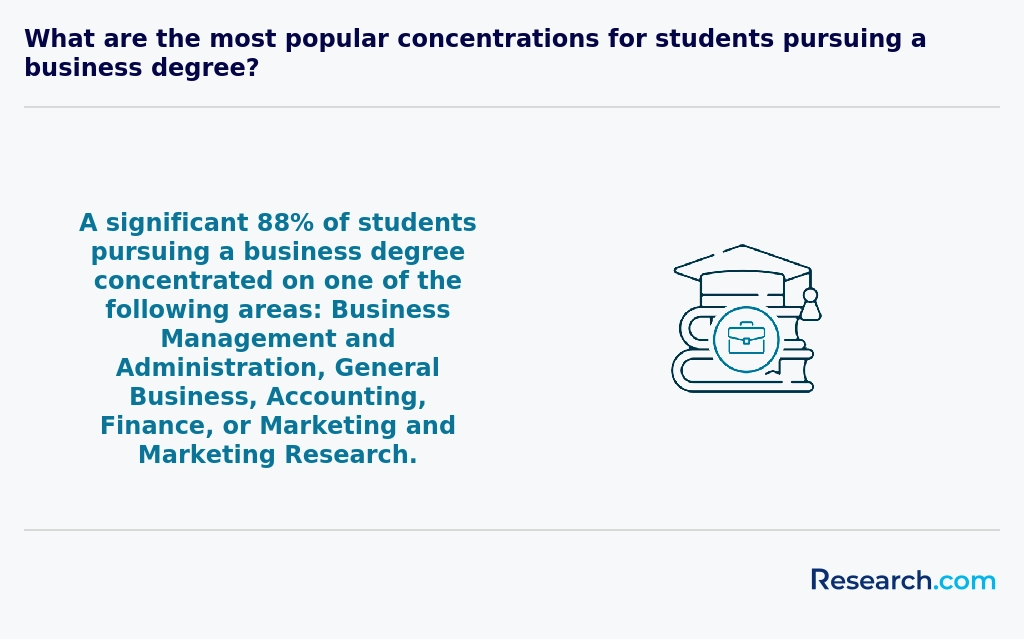
Students pursuing business degrees in Portland can access various financial aid options to make their education more affordable. Graduates from Portland State University often mention how Pell Grants helped them cover essential tuition costs by providing up to $7,395 annually, which required completing the FAFSA early to secure funds. For those attending local public colleges, the Oregon Opportunity Grant has been a game-changer, offering substantial tuition support to low-income undergraduates, with many business students benefiting from this aid.
Local scholarships, like those from the Portland Business Alliance, frequently reward leadership and community involvement, making them a great opportunity for students actively engaged outside the classroom. Many graduates recall balancing work-study jobs connected to their universities, earning money while gaining hands-on experience through internships with Portland-based companies. Additionally, employer tuition reimbursement programs serve adult learners returning to school, easing financial pressure while advancing their careers.
By combining federal grants, state aid, local scholarships, and work opportunities, Portland business students can significantly reduce their expenses and focus confidently on their studies.
. When considering a business degree, one of the most crucial factors is affordability. For prospective students looking to minimize their educational expenses without compromising on the quality of their degree, finding the cheapest business school in Portland, OR, is a top priority. To aid in this search, understanding what makes a business program not only affordable but also valuable is essential. This involves looking beyond tuition costs to consider factors such as accreditation, program reputation, and post-graduation job prospects. By exploring options like online degrees, which can offer significant savings compared to traditional on-campus programs, students can make informed decisions about their educational investment. For instance, comparing the costs and benefits of different institutions can lead to discovering hidden gems that offer high-quality education at a lower cost. For more information on affordable business schools, considering the cheapest business school in Oregon can provide valuable insights into the varieties of affordable educational pathways available.
To enroll in a business degree program in Portland, you'll first need a standard U.S. high school diploma or equivalent, like a GED. Many successful graduates from Portland State University and Portland Community College share that having strong grades in math-especially algebra and higher-level courses-and English composition made their applications stand out.
Standardized tests like the SAT or ACT are still commonly required, although some schools offer test-optional policies. Submitting solid test scores can boost your chances, as admissions officers appreciate seeing evidence of your academic readiness.
Preparing a personal statement that clearly explains your passion for business and career goals is crucial. Current students often mention that this essay allowed them to show their unique motivations beyond grades.
If you're a transfer student, ensure you've completed foundational college courses in economics and accounting. Portland Community College offers excellent pathways that align with these requirements, making the transition smoother.

Accreditation is a critical marker of program quality, ensuring that your business degree meets rigorous academic and industry standards. In Portland, OR, the most reputable programs carry accreditation from bodies such as the Association to Advance Collegiate Schools of Business (AACSB), the Accreditation Council for Business Schools and Programs (ACBSP), or the International Accreditation Council for Business Education (IACBE). AACSB accreditation, in particular, is recognized globally and signals a commitment to continuous improvement, faculty scholarship, and student success. Prospective students should verify each institution’s accreditation status on official websites and confirm that core courses, faculty qualifications, and learning outcomes align with best practices in business education. Beyond accreditation, program quality can be assessed through metrics like student-to-faculty ratio, graduation and retention rates, and post‐graduation employment statistics. Many Portland institutions publish these data, giving you transparency into class sizes, faculty accessibility, and career support effectiveness. For example, a low student-to-faculty ratio often translates to personalized mentorship and stronger professional networks. Likewise, high graduation rates coupled with robust career placement services indicate that a school effectively prepares graduates for the workforce. When researching programs, look for published outcomes, third-party evaluations, and student testimonials that reflect consistent academic excellence. For students interested in exploring additional affordable, high-quality online options in the western U.S., the Affordable Online Business Degree Programs Ranking in the West offers a comprehensive overview. This resource highlights programs that balance cost-effectiveness with strong accreditation credentials, helping you identify alternatives that maintain the same standards of excellence you expect from Portland’s top business schools.
Business degree programs in Portland typically include core courses such as Principles of Accounting, Financial Management, Marketing Fundamentals, Organizational Behavior, and Micro and Macroeconomics. These subjects provide a solid foundation by teaching students practical skills like budgeting, investment analysis, market research, and leadership techniques. Graduates from Portland universities often share how courses like Financial Management helped them confidently manage real budgets during internships with local startups.
Many Portland colleges also emphasize business law, entrepreneurship, and ethics, reflecting the city's vibrant startup culture and ethical business trends. For example, students commonly apply ethical decision-making in case studies related to Portland's growing technology sector.
Quantitative skills are sharpened through statistics and data analysis courses, helping students interpret market data effectively. Specializations such as supply chain management or digital marketing let students tailor their studies to local industries.
Students appreciate how hands-on experiences like internships or capstone projects at Portland institutions prepare them to hit the ground running in dynamic business roles.
Business degree specializations in Portland offer focused paths that align well with the city's economic strengths. Graduates from Portland State University, for example, often highlight the value of specializations like Finance, which opens doors in the city's growing financial services sector. Others choose Marketing, benefiting from hands-on projects related to Portland's retail and tech markets. Those pursuing a business management degree can consider business management degree programs that incorporate Human Resource Management, ideal for Portland's nonprofit and healthcare industries.
Students seeking practical tech skills gravitate toward Management Information Systems (MIS), a specialization growing in relevance within Portland's tech ecosystem. Entrepreneurship appeals to those eager to launch startups, tapping into Portland's vibrant innovation community. Choosing a specialization that reflects both personal interests and Portland's job market enhances internship opportunities and career success, making a business degree a smart investment in this city.
Portland affordable business degree options, such as programs at local public universities, provide valuable education without excessive tuition costs, supporting students' financial goals while preparing them for thriving careers.
Start by checking the accreditation and reputation of business schools in Portland Oregon to ensure your degree is recognized and respected. Graduates from local institutions often share how accreditation by bodies like AACSB boosted their confidence with employers, making job hunting smoother. For those seeking affordable business degree programs Portland offers public colleges where in-state tuition averages around $11,500 annually, helping reduce financial stress while gaining quality education.
Focus on choosing a program with specializations aligned to Portland's thriving sectors-technology, green energy, or international trade. Students who selected courses tied to local industries found internships and partnerships with businesses valuable for real-world experience. Many appreciated programs offering flexible formats, such as part-time or evening classes, which allowed them to balance work and study effectively.
Exploring financial aid early also made a big difference for graduates managing living expenses. Additionally, strong career services and alumni networks in these business schools provided vital job connections. For those curious about advancement, consider researching master's in business degrees with highest salaries to guide your long-term planning.
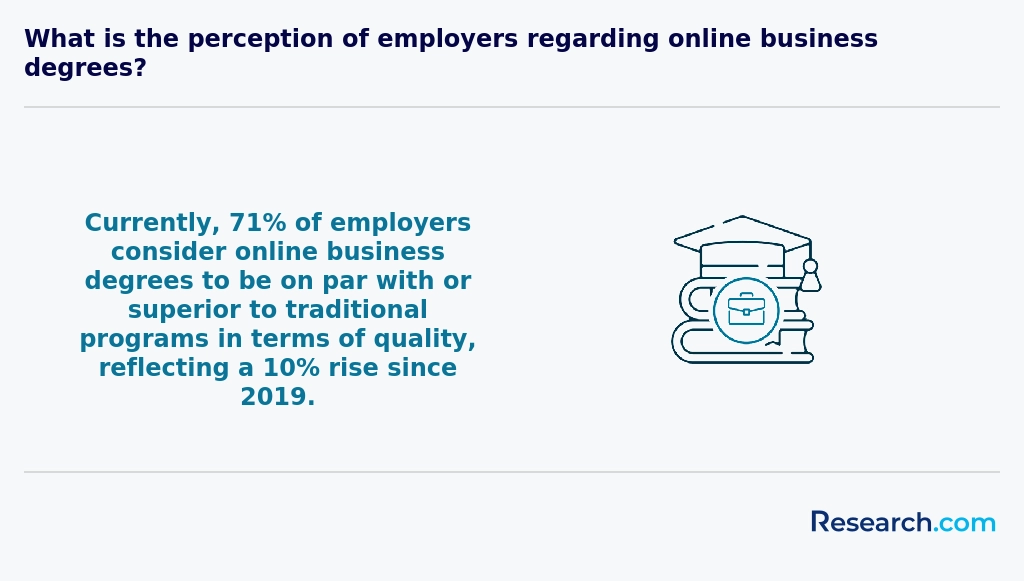
Graduates with a business degree in Portland can pursue diverse career opportunities tailored to the city's vibrant economy. Popular paths include management and administration roles at major local companies like Nike or Columbia Sportswear, where business graduates often join management trainee programs to build leadership skills. Another common route is financial services, with roles such as financial analysts and accountants in Portland's steadily growing finance sector. Those interested in marketing will find ample openings as marketing coordinators or brand managers in startups focused on sustainable products and digital campaigns.
Entrepreneurship is particularly appealing for Portland graduates, leveraging the city's supportive startup ecosystem and business incubators. Many students from Portland State University and other local institutions have successfully launched small businesses using these resources. Additionally, supply chain management is a practical option thanks to Portland's strategic port, where logistics professionals are in demand.
For students looking to explore top jobs with business degree Portland also benefits from proximity to Washington State, providing cross-border opportunities in international trade. To plan your education costs wisely, consider checking the Affordable Online Business Degree Programs Ranking in the West for options suited to your budget and goals.
The business degree job outlook Portland graduates face is promising, with diverse opportunities across thriving local industries. Many graduates from Portland's well-regarded universities find roles in corporate offices of global companies, fast-paced tech startups, and healthcare administration, where their business acumen is essential for driving growth and innovation. For example, graduates often describe landing positions as financial managers or marketing specialists within Portland's growing economy, benefiting from the city's mix of technology, manufacturing, and green industries. This variety ensures skills learned in class translate well to real job markets, creating optimism among students.
Portland business degree employment opportunities also include roles in consulting firms and banking, where strong analytical and strategic thinking skills are highly valued. Graduates frequently highlight how internships and networking at local universities helped secure these positions. The average salary levels in Portland are competitive, with financial managers earning around $140,000 annually, reinforcing the appeal of earning a business degree here. Students should consider exploring most in demand college majors to align their career goals effectively.
2027 Most Affordable Business Degree Programs Ranking in Portland
Investing in your education is a significant decision that can greatly influence your professional future, and the Research.com team is keenly aware of the importance of making well-informed choices. To support students seeking affordable business degree programs in Portland, we have carefully developed the "2027 Most Affordable Business Degree Programs Ranking in Portland." Our dedication to quality, credibility, and accuracy guided thorough research and detailed analysis throughout this process.
We utilized the following reputable data sources to ensure a comprehensive and reliable ranking:
By engaging with this ranking, readers can access trustworthy information to identify affordable and high-quality business degree options in Portland, empowering them to make confident educational decisions. For additional details on our approach, please visit our Research.com methodology page.
# 1 position
Warner Pacific University Professional and Graduate Studies
Bachelor of Science in Business Administration

# 2 position
Warner Pacific University Professional and Graduate Studies
Master of Business Administration


Frequently Asked Questions About business
Business degree students in Portland can maximize their learning experience by engaging with the city's vibrant economy, which includes strong sectors such as technology, manufacturing, and green energy. According to the Portland Business Alliance, local internships and cooperative education opportunities present valuable practical experience. Students should seek out internships with companies like Nike or Intel, which have headquarters or major facilities in the area.
Additionally, Portland hosts several business networking events and conferences, enabling students to connect with industry professionals. Utilizing resources at institutions like Portland State University, which partners with local businesses, can enhance classroom learning with real-world applications.
Finally, participating in student organizations focused on entrepreneurship or finance helps develop leadership and communication skills vital for business success.
The business field is evolving rapidly, with several emerging niches gaining attention in Portland and across the U.S. One notable niche is sustainable business practices, reflecting Portland's strong environmental focus. Many local companies prioritize green initiatives, creating demand for experts in sustainability management.
Another growing area is data analytics and business intelligence. According to the Bureau of Labor Statistics, demand for data analysts in Oregon is expected to grow by 31% from 2020 to 2030, reflecting a nationwide trend toward data-driven decisions.
Additionally, the rise of e-commerce and digital marketing has created new opportunities for specialists who understand online consumer behavior. Portland's vibrant tech ecosystem supports this niche with numerous startups seeking skilled professionals.
After completing a business degree in Portland, preparing for the job market involves several strategic steps. Start by leveraging Portland's strong local economy, which includes major sectors like technology, manufacturing, and green energy, offering diverse job opportunities. According to the Portland Business Alliance, networking within local industry groups can significantly boost job prospects. Engaging in internships or cooperative education programs during your studies provides practical experience and important employer connections. Additionally, polishing skills in data analysis and digital marketing aligns with current employer demands. Utilizing Portland's university career centers and local job fairs can help graduates navigate the competitive job market efficiently.
Employers in Portland highly value business degree graduates who demonstrate strong analytical and communication skills. According to a 2023 report by the Portland Business Alliance, 78% of local companies prioritize critical thinking and data analysis abilities when hiring. This aligns with the growing demand for professionals who can interpret complex financial information and market trends.
Additionally, proficiency in digital tools such as Excel, CRM software, and data visualization platforms is often essential. Leadership and teamwork skills are also crucial; about 65% of employers in the Portland metro area seek candidates who can manage projects and collaborate effectively across departments.
Understanding sustainability practices is increasingly important due to Portland's emphasis on green business initiatives. Familiarity with ethical decision-making and corporate social responsibility can set candidates apart in this competitive job market.
Finding internships in Portland relevant to a business degree involves leveraging local resources and industry connections. Portland hosts a variety of companies in sectors such as technology, finance, and green energy, creating diverse internship opportunities.
Students should explore internship listings on university career centers like Portland State University's, which partners with local employers. The Oregon Employment Department's website offers updated listings that include business-specific roles.
Networking events and local chambers of commerce, such as the Portland Business Alliance, are valuable for discovering openings and building professional relationships. According to the U.S. Bureau of Labor Statistics, internships increase employment chances post-graduation by up to 20%.
Applying early and tailoring applications to Portland's evolving job market is crucial in securing relevant internships.
In Portland, earning a business degree significantly enhances career mobility and advancement opportunities. The city's diverse economy-with strengths in technology, manufacturing, and finance-demands skilled professionals who understand business fundamentals. According to the Portland Business Alliance, business graduates experience a 15% higher rate of promotion within five years compared to those without degrees.
Portland's robust startup scene and established companies actively seek employees with business education for leadership roles. Skills in management, marketing, and finance gained through these programs translate into higher salaries and greater job stability, as reported by the U.S. Bureau of Labor Statistics for the Portland metropolitan area.
This educational foundation enables graduates to pivot across industries and climb the career ladder more efficiently in the competitive Portland market.
Studying for a business degree in Portland equips students with skills that extend beyond traditional business knowledge, fostering interdisciplinary abilities. Many Portland institutions emphasize collaboration across areas like technology, environmental science, and urban planning, reflecting the city's dynamic economy.
Portland's business programs often integrate courses in data analytics, sustainability, and communication, preparing graduates for diverse roles in industries such as tech startups and green enterprises. According to the Portland Business Alliance, these sectors have grown by 12% over recent years, increasing demand for versatile professionals.
This approach helps students develop problem-solving skills and adaptability, crucial for navigating today's complex business environments and interdisciplinary teams.
Choosing between a thesis and a non-thesis business degree program in Portland depends largely on your career goals and learning preferences. A thesis program typically requires original research, making it ideal for students aiming for academic roles or advanced research positions. Non-thesis programs focus more on practical skills through coursework, suitable for those pursuing direct entry into Portland's diverse business sectors like technology startups or finance.
In Portland, about 45% of business graduates enter industries requiring practical experience rather than research. Data from the Oregon Employment Department highlights stronger demand for business analysts and marketing specialists, favoring non-thesis programs that emphasize applied skills.
Additionally, thesis programs often extend study duration by up to a year compared to non-thesis routes, potentially impacting costs. Understanding these factors can help students select a program aligned with their professional aspirations in Portland's competitive market.
Students in Portland seeking to study business abroad have several options through U.S. universities that offer international exchange programs. Institutions like Portland State University partner with business schools worldwide, enabling students to earn credits overseas while paying in-state tuition.
These study abroad programs often include destinations in Europe, Asia, and Latin America, providing exposure to global business practices. According to Open Doors data from 2022, about 2% of business students nationwide participate in such programs, a percentage that is growing as globalization impacts education.
Students can also explore summer internships and semester-long programs aligned with business curricula, enhancing their practical experience abroad. Financial aid and scholarships may be available to Portland students through university international offices.
Portland offers a variety of part-time job opportunities that complement business degree education. Positions in retail management, customer service, and administrative assistance allow students to develop essential skills such as communication, sales, and organizational management. According to the Portland Business Alliance, the city's strong retail and tech sectors provide numerous openings for students seeking practical experience.
Internships with local startups and small businesses are especially valuable, exposing students to real-world challenges in marketing, finance, and operations. Additionally, roles in nonprofit organizations help build project management and fundraising abilities.
Many students also find opportunities in hospitality management, benefiting from Portland's growing tourism industry, with the Oregon Employment Department noting a steady increase in hospitality jobs. These jobs enhance skills in customer relations and team leadership.
Business students in Portland have access to a variety of networking opportunities that can enhance their professional growth. Local universities like Portland State University and the University of Portland offer regular career fairs, alumni events, and business club activities. These platforms connect students with both peers and established professionals.
Portland's active business community, including organizations like the Portland Business Alliance, provides students with access to workshops, mentorship programs, and industry meetups. According to the Portland Business Journal, over 200 startups and numerous Fortune 500 companies in the area create rich environments for internships and collaborations.
Alumni networks play a crucial role for business degree students in Portland by providing valuable connections within the local economy. Portland's diverse business environment, which includes a strong presence of tech startups and established companies, benefits from these networks through mentorship and job placement opportunities.
According to the Portland Business Journal, nearly 70% of jobs in the city are filled through networking, highlighting the importance of alumni relations. Students gain access to internships and career advice from graduates who understand the unique challenges of the Portland market.
Additionally, active alumni groups often host events and workshops that help students develop professional skills and expand their local contacts.
Customizing a business degree program in Portland allows students to align their education with specific career goals. Many local universities offer concentrations such as finance, marketing, entrepreneurship, and supply chain management. Choosing electives and internships related to Portland's growing tech and green industries can enhance practical skills.
Portland's business environment, ranked highly for startups and sustainable enterprises by the Portland Business Journal, provides ample networking opportunities. Students can engage with local businesses through capstone projects and work-study programs, gaining relevant experience.
Flexible course schedules and part-time options also enable working professionals to tailor programs to their needs, maximizing career advancement potential.
Business students in Portland often face challenges related to balancing rigorous coursework with work and personal commitments. Many students work part-time or full-time jobs while attending school, which can create time management difficulties. According to the National Center for Education Statistics, over 40% of undergraduate students nationally are employed while studying-a trend reflected in Portland's student population.
Additionally, the competitive job market in Portland's growing economy means students must gain practical experience through internships or networking. However, unpaid internships can be a financial burden. Students also navigate rising tuition costs, which in Oregon have increased by nearly 20% over the past five years, according to the Oregon Office of University Coordination.
Access to local business mentors and industry connections varies, creating disparities in opportunities for skill development. Finally, adapting to hybrid or online learning models post-pandemic remains a challenge for some students seeking hands-on business experience in Portland's dynamic environment.
With a business degree, graduates in Portland can pursue various professional certifications that enhance career prospects. Popular options include the Certified Public Accountant (CPA) for those interested in accounting, which requires passing a rigorous exam and meeting experience requirements. Another valuable certification is the Project Management Professional (PMP), suitable for those aiming to manage business projects effectively.
The Certified Financial Planner (CFP) credential is also widely respected, especially as Portland's financial services sector continues growing. Additionally, the Six Sigma Green Belt certification can benefit those focused on process improvement and operational efficiency.
According to industry reports, obtaining these certifications can increase earning potential by up to 20% in the Portland job market. These credentials provide practical skills and recognition that employers highly value across sectors.
Writing a winning application for a business program in Portland begins with thorough research of local colleges and universities. Institutions like Portland State University, well-known for its business education, often seek candidates with strong academic records and leadership potential. Highlight your professional experience and specific goals related to Portland's vibrant economy, including sectors like technology and sustainability, which are prominent in the city (Bureau of Labor Statistics, 2023).
Ensure your personal statement clearly explains why a business degree in Portland aligns with your career aspirations. Including concrete examples of your skills and achievements can strengthen your case. Additionally, obtaining strong letters of recommendation from employers or professors familiar with your business acumen and work ethic is essential.
Finally, pay close attention to deadlines and required documents, such as transcripts and resume, to avoid common pitfalls. Demonstrating knowledge of Portland's business environment and how you intend to contribute can significantly boost your application.
A business career today requires a global perspective, especially for students in Portland aiming to compete internationally. According to the U.S. Bureau of Labor Statistics, globalization continues to expand opportunities for business graduates across sectors like finance, marketing, and management. Employers often seek candidates versed in international markets and cross-cultural communication. Portland's growing trade connections with Asia and Europe highlight the importance of understanding global supply chains and international business laws. Local universities increasingly include global business modules and exchange programs to prepare students for this reality. Mastery of digital tools and multilingual skills are also valued in this interconnected economy.
Students pursuing a business degree in Portland can gain practical experience through internships at the city's vibrant marketplace, which includes tech startups, nonprofits, and established firms. Organizations like the Portland Business Alliance often connect students with local companies for real-world projects. Many universities in Portland also offer cooperative education programs, allowing students to alternate semesters of academic study with full-time employment in business roles.
Additionally, business students benefit from networking events and workshops hosted by institutions such as Portland State University's College of Business, ranked among the top in the Northwest. These opportunities help students develop essential skills and professional connections before graduation.
Choosing the right concentration within a business degree program in Portland requires understanding local industry demands and your career goals. Portland's economy strongly supports sectors such as technology, green industries, logistics, and healthcare, making concentrations like supply chain management, sustainability, and information systems particularly relevant. According to the Portland Business Alliance, job growth in these areas is expected to increase by over 10% through 2030.
Consider your personal strengths and interests alongside market trends. Research concentrations offered by Portland institutions and evaluate internship opportunities with local companies. Consulting resources like the U.S. Bureau of Labor Statistics and Portland's economic reports can also inform your decision.
- 2027 Most Affordable Business Degree Programs Ranking in Newberg
- 2027 Most Affordable Business Degree Programs Ranking in Salem
- 2027 Most Affordable Business Degree Programs Ranking in Eugene
- 2027 Most Affordable Business Degree Programs Ranking in Tacoma
- 2027 Most Affordable Business Degree Programs Ranking in Seattle
- 2027 Most Affordable Business Degree Programs Ranking in Kirkland
- 2027 Most Affordable Business Degree Programs Ranking in Bellingham
- 2027 Most Affordable Business Degree Programs Ranking in Pullman
- 2027 Most Affordable Business Degree Programs Ranking in Spokane
- 2027 Most Affordable Business Degree Programs Ranking in Reno
See What Experts Have To Say About Studying Business
Read our interview with Business experts


David Souder
Business Expert
Senior Associate Dean for Faculty and Research
Michigan State University

David W. Stewart
Business Expert
Emeritus President's Professor of Marketing
Loyola Marymount University

- 1. Online registration https://moderna.edu.pl/majors/management/bachelor-of-management/business-management/
- Global careers, real impact: building your career with an international business degree | University of East London https://www.uel.ac.uk/blog/global-careers-real-impact-building-your-career-international-business-degree
- Interdisciplinary Business https://www.okwu.edu/academics/undergraduate/bachelor-interdisciplinary-business/
- 8 Best Places to Study Abroad for Business [+ How to Choose] https://www.semesteratsea.org/study-abroad-for-business/
- Skills Employers Look for in Business Graduates – EU Business School https://www.euruni.edu/blog/skills-employers-look-for-in-business-graduates/
- What you need to know to finance your graduate business degree https://pdxbschool.com/2016/03/31/financing-your-mba/
- Enterprise project challenge https://barclayslifeskills.com/help-others/lessons/enterprise-project-challenge/
- Niche Business Ideas: A Guide to Profitable Niche Business Selection - Inar Learn https://inarlearn.com/niche-business-ideas-a-guide-to-profitable-niche-business-selection/
- Global Perspectives: International Opportunities for Business School Students - SBS Swiss Business School https://sbs-uae.org/global-perspectives-international-opportunities-for-business-school-students-3/
- The 6 Best Places to Study Abroad for Business Students https://www.ciee.org/go-abroad/college-study-abroad/blog/6-best-places-study-abroad-business-students