2027 Most Affordable Business Degree Programs Ranking in Oregon

Co-Founder and Chief Data Scientist
Choosing the right business degree program in Oregon can feel overwhelming. That's why the 2027 Most Affordable Business Degree Programs Ranking in Oregon was created by the Research.com team of data scientists-to guide you toward the best options without breaking the bank.
In this article, you'll find clear insights into affordable, quality programs that match your goals. Earning a business degree opens doors to exciting career opportunities and personal growth.
Explore the ranking to make a confident, informed choice for your future.
Key benefits of getting business degree in Oregon
- Business degree graduates in Oregon can enjoy strong earning potential, with roles like Business Development Executives earning a mean annual wage of $83,190 and Business Analysts making around $112,950.
- Graduates from Oregon universities often pursue diverse career paths, including marketing, finance, and management, giving them flexibility and exciting opportunities to grow professionally.
- Completing a business degree online offers great convenience and flexibility, allowing students to balance work and study while gaining valuable skills recognized by employers in Oregon's competitive market.
- 2027 Most Affordable Business Degree Programs Ranking in Oregon
- What can I expect from business degree in Oregon?
- Where can I work with business degree in Oregon?
What can I expect from business degree in Oregon?
The average cost of earning a business degree in Oregon, particularly at public universities like Portland State University or Oregon State University, tends to be more affordable than many other states. Graduates often recall that the in-state tuition hovers around $11,900 annually as of 2023, making it manageable when compared to private institutions elsewhere. This aligns well with the financial aid and scholarships tailored specifically for business students in Oregon.
Many students appreciate that being able to attend schools within Oregon reduces relocation expenses, allowing them to stay close to their support networks while pursuing their degrees. For example, those enrolled in flexible online or evening programs from community colleges find the lower cost combined with practical learning vital to balancing work and study without overwhelming debt.
Graduates frequently express relief and pride in entering the workforce with solid skills gained at an affordable price point, especially in Portland where business opportunities abound. The financial accessibility of Oregon's business education lays the groundwork for future growth and confidence in their career paths.
Where can I work with business degree in Oregon?
Graduates from business programs at universities like the University of Oregon and Portland State University often find themselves drawn to dynamic workplaces such as Nike's corporate offices or innovative tech startups in the Portland area. These roles commonly involve marketing strategies, supply chain optimization, and project management, offering a chance to contribute directly to industry growth while honing practical skills.
Business students frequently share that internships with companies like Intel or OHSU provide a real taste of managing complex operations, especially when working in healthcare administration or technology-driven business development. The thriving ecosystem of small businesses and startups in cities like Eugene sparks excitement among graduates eager to launch entrepreneurial ventures or lead retail management teams.
Public sector roles also appeal to many, with graduates valuing the opportunity to impact community programs and state services through budget analysis and strategic planning. The evolving Oregon economy encourages students to envision careers where adapting to emerging trends, such as tech innovation and sustainable business practices, becomes an everyday reality, fueling both professional and personal growth.
Graduates with a business degree from institutions like Portland State University or the University of Oregon often step into the Oregon job market with promising salary prospects. Business analysts, for example, typically earn a mean annual wage of about $112,950, reflecting strong demand in sectors like technology and finance across the state.
A business development executive starting out can anticipate a mean annual salary near $83,190, which offers a solid foundation for growth in Oregon's diverse economy. These figures excite recent graduates who imagine themselves contributing to dynamic companies in Portland's thriving business ecosystem or advancing operations in Oregon's growing manufacturing hubs.
Many graduates describe the confidence gained from their education as they negotiate salaries or pursue leadership roles. The clear upward trajectory in earnings sparks motivation, encouraging students to leverage internships and networking opportunities during their studies to boost their future income potential.
With Oregon's expanding industries and competitive wages, a business degree can open doors to rewarding careers where salaries continue to rise as expertise and leadership skills develop in real-time, practical settings.
- In-state tuition for business degrees at public universities in Oregon ranges from $10,000 to $13,000 per year.
- Private colleges in Oregon can charge over $35,000 annually for business programs.
- The average starting salary for business graduates in Oregon is about $52,000 per year.
- Experienced business professionals in the state earn a median salary near $85,000 annually.
- Oregon's business job market is growing, especially for roles in management, financial analysis, and sales.
- Several Oregon programs hold AACSB accreditation, indicating high-quality business education.
Typical completion times for business degrees in Oregon reflect a dynamic landscape shaped by students' choices and evolving educational formats. Graduates from institutions like Portland State University often share how a traditional Bachelor of Business Administration took about four years of full-time study, blending in-class learning with internships that enriched their experience.
Others who began at local community colleges, such as Chemeketa Community College, describe how starting with a two-year Associate degree helped them save time and money before transferring seamlessly to universities, accelerating their bachelor's completion.
At the graduate level, many MBA candidates at schools like the University of Oregon celebrate finishing in as little as 12 to 18 months through accelerated programs, allowing them to quickly return to advancing their careers. For working professionals, part-time and online options offer personalized pacing, blending flexibility with progress.
Looking ahead, the integration of hybrid models and credit transfers may further shorten study durations, creating even more optimistic pathways for Oregon business students eager to launch their futures.
Investing in a business degree involves more than just tuition costs; it’s about how quickly and effectively that investment translates into career advancement and earnings. In Oregon, graduates often recoup their educational expenses within 5 to 7 years, depending on factors like program cost, specialization, and post-graduation salary. For example, a student who pays $50,000 in total tuition and secures a Business Analyst role at the state’s mean wage of $108,790 can expect to break even in under 6 years when accounting for taxes and living expenses. To maximize ROI, prospective students should compare in-state and out-of-state tuition, available scholarships, and the salary prospects of their chosen specialization. Programs accredited by AACSB or ACBSP frequently lead to higher starting salaries-data shows graduates from AACSB-accredited schools earn up to 15% more in their first five years. Online formats can further boost ROI by allowing students to remain employed while studying; for a broader view of cost-effective online options, explore our Cheapest Online Business Degree Programs Ranking in the South. Additionally, consider the total cost of attendance, including fees and living expenses. Living in Portland or Eugene may add 10–20% to your budget compared to smaller towns, but these metro areas also offer higher average entry-level salaries-often 5–10% above the state mean. When evaluating programs, calculate your payback period by dividing total educational investment by your expected annual net income increase post-graduation. A shorter payback period not only reduces financial stress but also accelerates your path to long-term wealth building. Finally, review alumni outcomes: institutions that report strong five-year employment rates (80% or higher) and robust employer partnerships tend to deliver superior ROI. Engaging with career services, leveraging internship pipelines, and participating in mentorship programs can all shorten the time it takes to start reaping the financial and professional rewards of your degree.
Graduates from Portland State University often recall the energizing atmosphere of on-campus business programs, where face-to-face interactions, lively class discussions, and networking events sparked real connections within the Portland business community. These students benefit from structured schedules and hands-on experiences like internships, which build teamwork and communication skills essential in today's fast-paced market.
By contrast, online business graduates from the University of Oregon describe the freedom to learn at their own pace amidst busy lives, balancing family or work commitments without relocating. The flexibility of asynchronous courses and virtual collaboration tools makes education accessible across Oregon's diverse geography, transforming a degree into a manageable, personalized journey.
Looking ahead, hybrid models blending online convenience with occasional on-campus immersion in cities like Eugene and Portland could redefine business education. This approach may offer the best of both worlds-practical exposure alongside the adaptable format that today's diverse learners crave-making Oregon's business degrees increasingly inclusive and impactful.
Oregon’s business programs not only focus on academic excellence but also provide a vibrant campus experience that enriches students’ personal and professional growth. Many institutions offer a wide range of student organizations, networking events, and leadership opportunities that help you build lasting relationships and soft skills essential for success. Campus clubs, career fairs, and industry panels allow students to gain insider insights and make valuable connections-insights that often translate into practical experience in career paths with business degree opportunities. Moreover, the blend of cultural diversity, state-of-the-art facilities, and supportive student services creates an engaging environment where feedback is encouraged and everyone’s voice is heard. Whether it’s joining a business club, participating in community projects, or attending workshops on entrepreneurship, the holistic student life in Oregon’s business schools paves the way for both academic achievement and lifelong professional networks.
The average cost of a business degree in Oregon typically revolves around a median total of about $54,189, with in-state students seeing substantially lower expenses near $19,178. Graduates from public universities like Oregon State University often recall balancing tuition fees of roughly $13,851 annually with living expenses, emphasizing the importance of budgeting carefully. Those attending institutions such as Portland State University may find more affordable tuition closer to $8,500, which appeals to students seeking a more urban campus experience while managing costs effectively.
For many, the affordable business degree programs Oregon offers, including options at community colleges charging around $4,000 annually, provide accessible pathways that do not compromise educational quality. Students appreciate these options as they craft their futures without overwhelming financial stress, often leveraging financial aid and scholarships that can significantly reduce net costs. Many graduates reflect positively on their choices, noting how manageable expenses coupled with strong local business connections helped them launch successful careers.
Exploring the landscape further, prospective students often seek the top business school in Oregon to maximize both value and reputation. The combination of reasonable tuition, quality faculty, and strategic industry ties encourages a bright outlook for those investing in a business degree here. By anticipating these costs and planning accordingly, students can embrace their educational journey with confidence and optimism.

Business students in Oregon often tap into a mix of financial aid that shapes both their education and future ambitions. For example, graduates from the University of Oregon recall how Pell Grants, paired with federal student loans, lightened their financial load, allowing them to focus on leadership courses and real-world business projects without overwhelming debt.
State-specific support, like the Oregon Opportunity Grant, has been transformative for many attending Portland State University, ensuring that tuition barriers don't stifle their entrepreneurial goals. Imagine balancing classes with part-time work through work-study programs, gaining skills in marketing or finance while earning-this experience often boosts confidence and resumes simultaneously.
Merit-based scholarships from institutions such as Oregon State University further inspire students by rewarding academic excellence and leadership. Local business groups occasionally step in with grants, fostering a sense of community investment in emerging Oregon business leaders. This evolving financial landscape continues to empower students, fueling optimism about career prospects and financial independence.
Assessing the return on investment (ROI) of a business degree in Oregon involves comparing total program costs against post-graduation earnings and career growth. Here’s how to evaluate your potential ROI: • Total Cost vs. Earnings – Calculate your program’s total expenses, including tuition, fees, and living costs. For in-state bachelor’s students, annual tuition typically ranges from $10,000 to $15,000, plus $15,000–$25,000 in living expenses. – Compare these costs to median starting salaries: Business Analysts earn around $108,790 and Project Managers about $80,220 annually in Oregon. • Payback Period – Divide your total investment by expected first-year salary to estimate how many years it takes to recoup costs. Example: A $60,000 bachelor’s degree investment divided by an $80,000 salary yields a 0.75-year payback. – Factor in salary growth: With leadership roles and specialized certifications, annual earnings can increase 5–10% yearly, accelerating your ROI. • Accelerated Programs – Shorter-degree formats can boost ROI by reducing tuition and living costs. For those seeking a fast track to higher management roles, exploring one year mba programs online may lead to quicker salary gains and leadership opportunities. • Financial Aid Impact – Scholarships and grants lower your initial investment. Oregon students often secure merit-based awards covering 20–50% of tuition. – Federal work-study or assistantships further offset costs while providing real-world experience. • Long-Term Earnings – Over a 10-year career span, cumulative earnings for business graduates in Oregon can exceed $800,000, making the upfront investment highly worthwhile. By quantifying costs, projected salaries, and time to recoup expenses, you can confidently choose a business program that maximizes your ROI and aligns with your professional goals.
To enroll in a business degree program in Oregon, students typically need a high school diploma or GED, with strong academic performance in math, English, and social studies. Graduates from Oregon State University recall how solid math skills helped them tackle courses like economics and statistics, which form the backbone of their business education. Many colleges, including Portland State University, ask for SAT or ACT scores, though some have recently made these tests optional, easing the application process and reducing stress for aspiring business students.
Applicants usually submit official transcripts with competitive GPAs, often between 2.5 and 3.0, demonstrating readiness for rigorous study. Transfer students might need introductory college coursework before stepping into advanced classes. Personal statements are another key component, allowing candidates to express their passion for business clearly-graduates describe this as a chance to tell their story beyond grades, connecting with admissions on a personal level.
In Oregon's evolving educational landscape, some programs may request letters of recommendation, while MBA hopefuls emphasize the value of professional experience. These requirements reflect a growing trend toward blending academic excellence with real-world insights, preparing students to thrive in dynamic business environments.
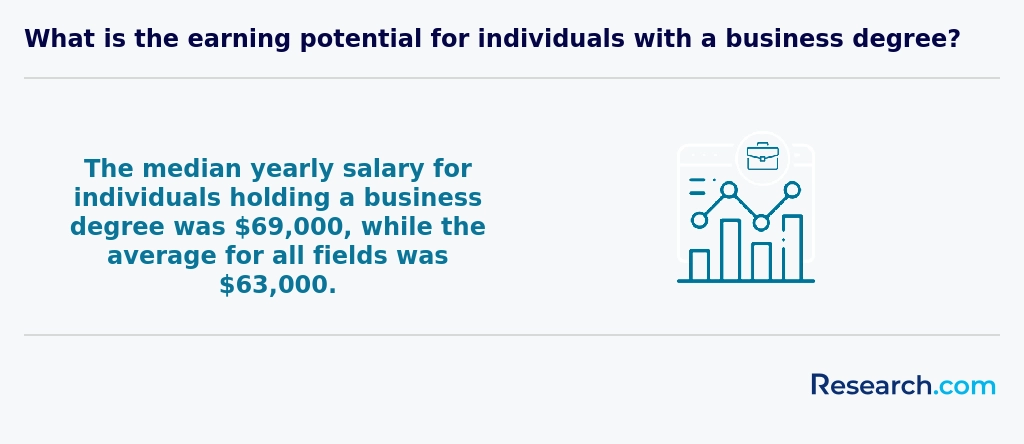
When deciding on a business school in Oregon, it's essential to consider several factors, including accreditation, program offerings, and faculty expertise. Students should look for schools that provide a well-rounded education, preparing them for the demands of the business world. For instance, a top business school in Oregon will often have a strong reputation, experienced faculty, and a curriculum that includes practical experience. By researching and comparing different schools, students can make an informed decision about which program best fits their needs and career goals, ultimately setting themselves up for success in their future careers.
Business degrees in Oregon commonly include courses such as Principles of Management, Financial Accounting, Marketing Fundamentals, Business Law, Operations Management, Corporate Finance, and Statistics for Business. Graduates from institutions like Oregon State University often share how these classes provided a solid foundation for understanding real-world challenges in leadership and financial analysis.
Imagine working through a marketing project that requires applying consumer behavior theories learned in class to create an actual advertising campaign for a local startup. This hands-on experience, frequently offered at the University of Oregon, fosters confidence and practical skills. Students often express excitement about incorporating data analytics from their Statistics for Business courses to make strategic decisions.
As Oregon's business landscape evolves, expect growing emphasis on integrating technology and sustainability into course content. With access to internships in industries like tech and healthcare, students feel prepared to navigate complex markets while applying legal and operational insights gained during their studies.
Business degree specializations in Oregon are evolving to meet the dynamic demands of the local and global markets. Students at prominent institutions like the University of Oregon and Portland State University often immerse themselves in specializations such as finance, marketing, and entrepreneurship, which equip them to thrive in Oregon's vibrant economic environment. Graduates frequently share how hands-on internships with Portland-based startups or regional firms deepen their understanding, fostering enthusiasm and confidence in applying theory to practice.
Emerging areas like supply chain management and international business are gaining traction as Oregon strengthens its role in global trade, especially through its strategic ports. Many students pursuing an Oregon affordable business degree programs highlight that learning these disciplines provides them with an edge in navigating complex international markets, preparing them for future leadership roles.
For those exploring diverse career paths, programs often encourage collaboration and innovation, making the learning experience engaging and relevant. Prospective students can discover more about potential career paths with business degree choices tailored to their interests and Oregon's unique opportunities.
When choosing the best business degree in Oregon, consider how well the program aligns with your career goals and personal interests. Graduates from Portland State University often share how AACSB accreditation boosted their confidence with employers, enhancing their job prospects. Others at Oregon State University highlight how access to local internships in Oregon's thriving tech and agriculture sectors made their studies feel relevant and practical. Exploring programs with strong community ties offers invaluable networking that can shape your future opportunities.
Cost remains a key consideration; many students find that pathways through community colleges provide an affordable route that balances quality and budget. With the state's economy evolving, picking one of the top business degree programs Oregon 2027 can be an exciting prospect, as programs increasingly incorporate technology and innovation into their curricula. Some students also explore flexible options like one year mba programs online to accelerate their career growth without sacrificing quality.
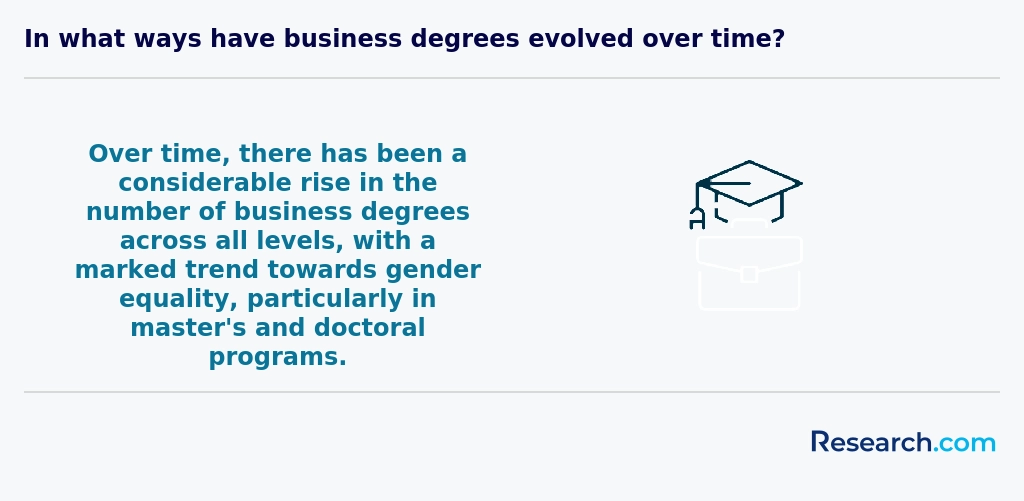
Graduates holding a business degree in Oregon find themselves stepping into a dynamic job market filled with evolving opportunities. From important financial analyst roles in Portland's expanding finance sector to marketing manager positions promoting innovative tech startups, business degree career options in Oregon are shaping the future of several industries. For instance, graduates from well-regarded schools like the University of Oregon often share how their hands-on projects prepared them to navigate challenges in manufacturing or logistics companies, stepping confidently into operations manager roles across the state.
Entrepreneurship thrives among alumni from Oregon State University, where students leverage classroom learning to launch their own ventures in the state's supportive startup ecosystem. Many enjoy rewarding careers as human resources specialists or sales managers in specialty retail and wholesale trade, fields expected to grow steadily. Exploring affordable pathways like community colleges can enhance these prospects, as students plan ahead to transfer into four-year business programs.
Those curious about cost-effective degree options in this region might consider checking out the Cheapest Online Business Degree Programs Ranking in the South, helping future graduates find the best fit financially as they prepare for Oregon business degree job opportunities.
The business degree job outlook in Oregon is promising due to the state's diverse economy and growing industries. Graduates from universities like the University of Oregon and Portland State University often find opportunities in thriving sectors such as technology, healthcare, and sustainable energy. Many business students report feeling optimistic about their prospects, especially as companies in Portland and Eugene actively seek skilled managers, financial analysts, and marketing professionals.
Oregon's commitment to emerging markets, including green project management and tech startups, presents fresh roles that attract entrepreneurial graduates. Entry-level salaries typically range from $45,000 to $60,000, encouraging new graduates to pursue careers in business operations or venture into consulting. Students from local colleges appreciate the balanced cost of in-state tuition combined with rewarding job availability, making the state a practical choice for investment in education.
For those eager to accelerate their career, exploring a degree fast track can offer faster entry into Oregon's evolving job market. This approach suits students wanting to capitalize on the expanding Oregon business degree employment opportunities and the state's favorable economic conditions.
2027 Most Affordable Business Degree Programs Ranking in Oregon
Investing in your education is a significant decision that can profoundly impact your career and future, and the Research.com team recognizes the importance of making informed choices. To support prospective students in Oregon, we have carefully developed the "2027 Most Affordable Business Degree Programs Ranking in Oregon." Our dedication to quality, credibility, and accuracy is demonstrated through comprehensive research and rigorous analysis.
We utilized the following reputable data sources to ensure a thorough evaluation of business degree programs:
By exploring this ranking, readers will obtain valuable insights into the most affordable and high-quality business degree programs in Oregon, enabling them to make confident and well-informed educational decisions. For more information on how this ranking was created, please visit our Research.com methodology page.
# 1 position
Warner Pacific University Professional and Graduate Studies
Bachelor of Science in Business Administration

# 2 position
Warner Pacific University Professional and Graduate Studies
Master of Business Administration


Frequently Asked Questions About business
Business degree students in Oregon can maximize their learning experience by combining academic coursework with practical opportunities. Engaging in internships within Oregon's diverse economy, which includes major sectors like technology, manufacturing, and agriculture, provides valuable real-world experience. According to the Oregon Employment Department, the business and financial operations field is projected to grow by 12% through 2030, highlighting strong job prospects.
Students should also leverage resources such as career centers and business clubs at Oregon colleges, which facilitate networking and mentorship. Participating in case competitions and local conferences helps develop critical thinking and leadership skills. Additionally, Oregon's universities often collaborate with regional businesses, giving students insight into local market dynamics.
Emerging niches within the business field in Oregon reflect broader trends in technology, sustainability, and data analysis. One growing area is sustainability management, driven by Oregon's focus on green business practices and environmental responsibility. Programs now integrate carbon accounting and sustainable supply chains, supporting roles in companies committed to eco-friendly operations.
Another expanding niche is data analytics and business intelligence. Employers seek graduates who can interpret large datasets to guide decision-making. According to Oregon's Employment Department, jobs related to business analytics are projected to grow over 20% by 2028.
Additionally, entrepreneurship with a focus on technology startups is thriving, especially in Portland's innovation districts. This trend aligns with Oregon's increasing support for small businesses through initiatives like the Oregon Small Business Development Center Network.
After earning a business degree in Oregon, preparing for the job market requires strategic planning. Start by leveraging college career services, which often provide resume reviews, interview preparation, and networking events. Oregon's business sector is diverse, with strong opportunities in technology, manufacturing, and healthcare, so tailor your job search to industries aligned with your skills.
Internships and cooperative education experiences can significantly enhance employability. According to the Oregon Employment Department, occupations in management and business operations are projected to grow by 7% through 2030, signaling steady demand.
Building a professional network is essential. Joining local organizations such as the Oregon Business Association or attending industry meetups can create valuable connections. Additionally, obtaining relevant certifications like Project Management Professional (PMP) can improve job prospects in Oregon's competitive market.
Employers in Oregon increasingly seek business degree graduates with strong analytical skills and proficiency in data interpretation. According to the Oregon Employment Department, candidates who can leverage data for decision-making hold a distinct advantage in the competitive job market.
Critical thinking and problem-solving abilities are also highly valued. Businesses in Oregon's diverse economy, including technology and manufacturing sectors, prioritize graduates who can adapt and devise strategic solutions efficiently.
Effective communication skills remain essential. Graduates must articulate ideas clearly to collaborate across teams and with clients. Additionally, knowledge of digital tools and business software is often expected.
Leadership qualities and teamwork experience round out the top skills employers desire in Oregon's business graduates, reflecting regional workforce trends.
Finding internships in Oregon related to a business degree requires a strategic approach. Begin by exploring university career centers, as many Oregon institutions partner with local businesses to offer internships. For example, Portland State University reports that nearly 60% of its business students secure internships through campus programs.
Networking plays a key role. Join professional organizations such as the Oregon Business Association or local chapters of national groups like the American Marketing Association. These connections often lead to internship opportunities not advertised publicly.
Utilize state resources like WorkSource Oregon, which provides listings of internships and job openings tailored to students and recent graduates. Additionally, consider Oregon's growing sectors such as technology and sustainable business, which frequently seek interns in Portland and Eugene.
A business degree in Oregon significantly enhances career mobility and advancement opportunities for graduates. According to the Oregon Employment Department, sectors such as finance, management, and marketing show steady job growth, partly fueled by business graduates entering the workforce. Holding a business degree equips individuals with versatile skills like leadership, critical thinking, and financial literacy, which are highly valued by Oregon employers across industries.
Graduates often see an increase in earning potential; for example, Oregon professionals with bachelor's degrees in business report median annual wages around 15% higher than those without such credentials, per U.S. Bureau of Labor Statistics data. Additionally, many employers prioritize candidates with formal business education for management and executive roles.
Networking opportunities through Oregon's universities and local Chambers of Commerce also support career advancement, enabling students to connect with industry professionals. Overall, a business degree provides both foundational knowledge and competitive advantage for career growth in Oregon's evolving economy.
Studying for a business degree in Oregon equips students with skills that cross various disciplines, essential for today's complex job market. Many Oregon institutions emphasize interdisciplinary coursework, combining business fundamentals with technology, environmental science, or healthcare management. This approach reflects regional economic trends, as Oregon's diverse industries-from tech hubs in Portland to sustainable agriculture-require versatile problem-solvers.
According to the Oregon Employment Department, sectors like technology and healthcare, which often intersect with business roles, are among the fastest growing in the state. Business programs integrate data analysis, communication, and strategic planning, preparing graduates to collaborate across departments effectively. Practical experiences, such as internships and project-based courses, further develop the ability to apply business knowledge in diverse professional contexts.
Choosing between a thesis and a non-thesis business degree program in Oregon depends on your career goals and learning style. Thesis programs require extensive research and writing, ideal for students aiming for academic careers or advanced research roles. Non-thesis programs focus more on practical skills and coursework, suitable for those targeting immediate employment in Oregon's business sector.
Oregon's universities offer diverse options, with some programs requiring a thesis for Master of Business Administration (MBA) or Master of Science degrees, while others offer project-based alternatives. According to the Oregon Office of Economic Analysis, sectors like technology and green energy are expanding, valuing applied knowledge.
Consider the time commitment: thesis tracks typically take longer to complete. Also, thesis programs can prepare students for doctoral studies if further education is desired. Non-thesis paths often align with professional certifications and internships frequently available within Oregon's local industries.
Students based in Oregon who want to study business abroad have several options through U.S. higher education programs. Many Oregon universities, such as Portland State University and the University of Oregon, offer study abroad programs allowing business majors to take courses in partner schools across Europe, Asia, and Latin America. These programs often last one semester or a summer, enabling students to earn credits toward their degree.
Additionally, Oregon students can participate in exchange programs facilitated by the Council on International Educational Exchange (CIEE) or Education Abroad offices, which provide access to renowned institutions worldwide. Financial aid and scholarships are often available to support these experiences, ensuring they remain affordable for Oregon business students.
In Oregon, part-time job opportunities that complement a business degree are abundant, especially in urban hubs like Portland. Roles in retail management, sales, and customer service offer practical experience in operations and marketing. Additionally, internships or part-time positions at local banks or financial firms provide insights into finance and accounting.
According to the Oregon Employment Department, sectors such as trade, transportation, and utilities employ many business students part-time, helping develop skills in logistics and supply chain management. Furthermore, nonprofit organizations in Oregon often seek part-time administrative assistants, offering exposure to organizational management.
These roles help students apply classroom theories in real-world settings and build professional networks within Oregon's diverse economy.
Business students in Oregon have access to a variety of strong networking opportunities that enhance their educational experience. Many universities, including the University of Oregon and Portland State University, offer active business clubs and organizations where students connect with peers and industry professionals. These clubs often host events such as guest speaker series, workshops, and career fairs geared toward Oregon's growing sectors like technology and manufacturing.
Additionally, Oregon's Chamber of Commerce and local business incubators provide platforms for students to engage with entrepreneurs and employers. According to the Oregon Employment Department, the state supports over 200,000 jobs in business-related fields, reflecting numerous opportunities for internships and mentorships.
Alumni networks provide important benefits for business degree students in Oregon by offering valuable connections and career support. Graduates often gain access to mentorships, internships, and job opportunities through established relationships. According to the Oregon Business Council, over 70% of jobs in the state are secured through networking, highlighting the significance of these links.
Many Oregon universities maintain active alumni groups that organize events and share industry insights tailored to the local economy. These activities help students understand Oregon's key business sectors, such as technology, manufacturing, and agriculture.
Furthermore, alumni networks promote lifelong learning by providing access to exclusive workshops and lectures, enhancing students' professional skills beyond graduation.
Customizing a business degree program in Oregon allows students to align their education with specific career goals. Many Oregon universities offer concentrations such as finance, marketing, entrepreneurship, and supply chain management. These tracks help students develop expertise in areas most relevant to their professional ambitions.
Students can also choose electives or certificate programs that complement their major, tailoring skills to industries prominent in Oregon, such as technology, forestry, or international trade. Internships and cooperative education opportunities available through Oregon schools provide practical experience linked to local business sectors.
Advisors at institutions like Portland State University or University of Oregon guide students to create personalized course plans. According to the Oregon Higher Education Coordinating Commission, about 60% of students in Oregon's business programs engage in internships, crucial for career-ready skills.
Business students in Oregon often face financial challenges, as the average annual tuition for public universities in the state ranges from $10,000 to $15,000 for in-state students (National Center for Education Statistics, 2023). Balancing work and study is common, with many students taking part-time jobs to manage expenses. Another frequent difficulty is adapting to rapidly changing business technologies, requiring ongoing learning beyond traditional coursework. Additionally, competition for internships and job placements is strong, particularly in urban centers like Portland, where many business students seek experience. Time management and maintaining academic performance while gaining practical skills are also significant challenges.
With a business degree in Oregon, students can pursue a variety of professional certifications to enhance their careers. Common certifications include the Certified Public Accountant (CPA) for those interested in accounting, especially given Oregon's growing finance sector. Another popular option is the Project Management Professional (PMP) certification, valuable for roles managing projects across industries.
The Certified Management Accountant (CMA) is also respected and focuses on financial management and strategy, aligning well with Oregon's expanding business environment. Additionally, the Chartered Financial Analyst (CFA) designation supports careers in investment and financial analysis. These certifications can increase job opportunities and earning potential statewide.
To write a winning application for a business program in Oregon, start by clearly demonstrating your passion for business and your career goals. Oregon's universities, such as Oregon State University and Portland State University, value applicants who align their ambitions with the strengths of their business schools. Include specific examples of leadership or teamwork experiences, as Oregon employers emphasize these skills.
Highlight your academic achievements, especially in math and economics, since these areas are crucial for business studies. According to the Oregon Employment Department, business careers in the state are projected to grow 6.5% through 2030, making clarity in your goals important.
Strong letters of recommendation and a well-crafted personal statement that connects your background to Oregon's business environment can further strengthen your application.
Business careers today are shaped by global trends, demanding skills that include cultural awareness, digital literacy, and adaptability. Graduates from Oregon's business degree programs enter a market where companies often operate internationally, requiring knowledge of global markets and cross-border regulations. According to the Oregon Employment Department (2023), positions in business management and finance are expected to grow by 8% statewide, reflecting increasing opportunities influenced by global commerce.
Additionally, Oregon's strong ties with Asia-Pacific trade highlight the importance of understanding international supply chains and marketing strategies. Knowledge of global economic shifts helps business professionals make informed decisions and stay competitive. Resources like the U.S. Bureau of Labor Statistics emphasize that business roles increasingly demand skills in data analysis and global communication, underscoring the value of a business degree in Oregon.
Gaining practical experience while studying for a business degree in Oregon is a strategic step toward building a successful career. Many Oregon universities and colleges offer internship programs, allowing students to work with local businesses, nonprofits, and startups. According to the Oregon Employment Department, internships in sectors like finance, marketing, and management provide hands-on skills and networking opportunities.
Additionally, some institutions encourage participation in business competitions and consulting projects that simulate real-world challenges. Cooperative education (co-op) programs combine classroom learning with paid work experience, fostering both academic and professional growth. These experiences help students apply theories while building valuable connections in Oregon's diverse business community.
Choosing the right concentration within a business degree program in Oregon begins with understanding your career goals and local market demand. Oregon's economy features strong sectors like technology, manufacturing, and sustainable industries, influencing which business skills are most valuable. For example, management and finance are popular concentrations due to Oregon's growing startup ecosystem and corporate offices.
Reviewing labor market data from the Oregon Employment Department can help you see which fields offer the best job prospects and salaries. Additionally, consider programs at accredited schools with faculty expertise in your area of interest. Specialized concentrations such as supply chain management or marketing may align well with Oregon's export-driven economy.
Speak with academic advisors and industry professionals to gain insights on practical applications and internship opportunities within the state. A focused concentration tailored to Oregon's business landscape can improve your chances for employment and career advancement.
- 2027 Most Affordable Online Business Degree Programs Ranking in New Mexico
- 2027 Most Affordable Online Business Degree Programs Ranking in South Dakota
- 2027 Most Affordable Online Business Degree Programs Ranking in North Dakota
- 2027 Most Affordable Online Business Degree Programs Ranking in Nebraska
- 2027 Most Affordable Online Business Degree Programs Ranking in Kansas
- 2027 Most Affordable Online Business Degree Programs Ranking in Oklahoma
- 2027 Most Affordable Online Business Degree Programs Ranking in Texas
- 2027 Most Affordable Online Business Degree Programs Ranking in Minnesota
- 2027 Most Affordable Online Business Degree Programs Ranking in Missouri
- 2027 Most Affordable Online Business Degree Programs Ranking in Wisconsin
See What Experts Have To Say About Studying Business
Read our interview with Business experts

David W. Stewart
Business Expert
Emeritus President's Professor of Marketing
Loyola Marymount University

David Souder
Business Expert
Senior Associate Dean for Faculty and Research
Michigan State University


- A guide to finding an internship https://www.ipag.edu/en/blog/guide-finding-internship
- The Seven Biggest Challenges Faced by Student Entrepreneurs https://venturewell.org/blog/five-biggest-challenges/
- Top 10 Skills Employers Seek in Business Graduates in 2026 https://www.ibat.ie/blogs/top-10-skills-employers-seek-in-business-graduates-in-2026
- Jobs after studying business administration: opportunities at a glance | JobTeaser https://www.jobteaser.com/en/advices/jobs-after-studying-business-administration-opportunities-at-a-glance
- A 2016 Global Perspective on Business and Career Planning https://careerproinc.com/blogging/a-2016-global-perspective-on-business-and-career
- How to Identify Profitable Business Niches: A Guide for ... https://www.invoiceonline.com/the-entrepreneur-s-handbook/entrepreneurship/business-strategy/how-to-identify-profitable-business-niches-97365
- Exploring Different Types of Business Majors https://www.ivywise.com/ivywise-knowledgebase/exploring-different-types-of-business-majors/
- BUSINESS MANAGEMENT ENGLISH (THESIS / NON-THESIS) - Lisansüstü Eğitim Enstitüsü https://lee.nisantasi.edu.tr/en/business-management-english-thesis-non-thesis/
- Business Administration Degree Salary | UE Amsterdam https://www.ue-amsterdam.com/blog/business-administration-degree-salary-how-much-can-you-earn
- Online Business Degree Programs | University of Phoenix https://www.phoenix.edu/online-business-degrees.html