
2027 Most Affordable Business Degree Programs Ranking in Columbia

Co-Founder and Chief Data Scientist
Choosing the right business degree program in Columbia can feel overwhelming, especially with so many options available. This article offers a 2027 Most Affordable Business Degree Programs Ranking in Columbia created by the Research.com team of data scientists to guide you through this process.
By exploring this ranking, you'll discover programs that balance quality and cost, making your education investment smarter. A business degree opens doors to exciting career opportunities and personal growth, and this guide helps you find the best fit for your goals and budget.
Key benefits of getting business degree in Columbia
- Business degree graduates in Columbia can expect strong earning potential, with roles like Business Development Executive earning a mean annual wage of $83,190 and Business Analyst positions averaging $112,950, reflecting rewarding career opportunities.
- Graduates from popular universities in Columbia often find diverse career paths, including roles in management, analysis, and development, offering flexibility and growth in various industries.
- Online business degrees provide excellent convenience and accessibility, allowing students to balance work and study while gaining skills that are equally valued by employers compared to traditional degrees.
- 2027 Most Affordable Business Degree Programs Ranking in Columbia
- What can I expect from business degree in Columbia?
- Where can I work with business degree in Columbia?
What can I expect from business degree in Columbia?
The average cost of a business degree in Columbia typically falls between $7,000 and $18,000 per year for in-state students, depending on the institution and program level. Public universities tend to offer more affordable tuition, making them a practical choice for budgeting students. Graduates from these schools often share how managing costs allowed them to focus more on internships and networking within the city's growing business sector.
Private colleges in Columbia may charge higher tuition, but they frequently provide scholarships or assistantships that can significantly reduce expenses. Many students have reported securing financial aid that lightened their debt burden, enabling them to participate in experiential learning projects without financial stress.
Considering the strong ties local schools maintain with Columbia businesses, investing in tuition pays off through valuable internship placements and real-world business challenges. This practical exposure enhances your skills while making the tuition fees feel like a worthwhile investment in your career potential.
Where can I work with business degree in Columbia?
Graduates from business programs at Columbia's universities often land roles in management, such as business analysts or operations managers, especially within manufacturing and logistics companies in the area. One graduate shared how their project coordination role at a local manufacturing firm helped streamline supply chains, enhancing operational efficiency.
Another common pathway is finance. Business students from Columbia colleges frequently secure positions as financial analysts or loan officers in banks and investment firms downtown, benefiting from a local market growing steadily by 3% annually. This growth creates plenty of opportunities for practical application of accounting and financial skills.
Retail management and marketing also attract business graduates who feel energized by the fast pace of Columbia's shopping centers and startup scene. For instance, local marketing coordinators use digital marketing strategies learned in college to boost sales for retail firms, making their work immediately rewarding.
Healthcare administration is another strong option, with graduates applying budgeting and compliance knowledge in regional hospitals. Some pursue entrepreneurial ventures supported by Columbia's economic development initiatives, turning business ideas into thriving startups.
Graduates with a business degree in Columbia can expect varied earnings depending on their chosen career path. For example, a business analyst, a popular role among graduates from local universities like the University of South Carolina, can earn an impressive average annual salary of $112,950. This figure reflects the demand for analytical skills in Columbia's growing business environment.
Many graduates also pursue roles such as business development executives, who earn around $83,190 yearly. These positions often involve driving company growth, a responsibility that recent business grads from Columbia College find rewarding and motivating.
While some entry-level roles in Columbia start in the $45,000-$55,000 range, acquiring specialized skills or certifications typically boosts salary potential. The city's lower cost of living compared to the national average means these earnings translate into meaningful purchasing power for young professionals starting their careers.
Focusing on jobs backed by reliable salary data ensures realistic expectations when planning your business career in Columbia's economic landscape.
- Public colleges in Columbia charge about $10,000 to $15,000 per year for in-state business students, while private schools often exceed $25,000 annually.
- Additional costs like books, supplies, and living expenses can add several thousand dollars more each year.
- Starting salaries for business graduates typically range from $50,000 to $60,000 annually depending on specialization and employer.
- Mid-career salaries often increase to between $75,000 and $95,000, reflecting roles in management, consulting, or finance.
- The local job market is growing about 7% over the next decade, with strong industries including healthcare, finance, and manufacturing.
- Networking, internships, and support from business incubators and professional organizations are readily available in Columbia.
Completing a business degree in Columbia typically takes about four years for full-time undergraduates at popular institutions like the University of Missouri or Columbia College. Graduates often recall balancing core business courses with general education, which makes the timeline feel both manageable and rewarding. For example, one alumnus mentions how steadily progressing through semesters without overload helped maintain focus and avoid burnout.
Part-time study is a practical option for those juggling work or family, extending completion to around six years at schools such as Stephens College. Several graduates appreciate this flexibility, sharing how spreading courses out enabled steady income alongside academic progress. Accelerated tracks exist too-students at Columbia-area universities sometimes finish undergraduate business degrees in three years by taking summer classes or heavier course loads, a route praised for its efficiency but demanding careful planning.
Graduate MBA programs commonly last one to two years full-time, with accelerated options completing in 12 to 18 months. Many working professionals at institutions nearby choose part-time or online MBA routes, extending study up to three years but allowing earnings while learning-a choice often described as empowering and practical for career advancement.
Navigating your academic journey and laying the groundwork for a rewarding career extends beyond earning a diploma. Practical steps like engaging in industry networking, leveraging internships, and actively participating in mentorship programs can accelerate your professional growth. While classroom learning builds the foundation, real-world experience and continuous personal development are key to maximizing your degree’s value. To further enhance your career path, consider researching additional resources and opportunities available through Business Degree Programs that offer comprehensive support both during and after your studies. Adopting a proactive approach-such as attending career fairs, joining professional associations, and staying updated on evolving industry trends-not only enriches your learning experience but also positions you strongly in a competitive job market. Embrace lifelong learning by continuously seeking new challenges, building a versatile skill set, and developing a strategic career plan that aligns with your evolving interests. This dedicated focus on success during your program and beyond ensures that your education remains a robust stepping stone toward achieving sustained career excellence.
Choosing between online and on-campus business degrees in Columbia often comes down to your lifestyle and learning preferences. On-campus programs at institutions like the University of Missouri offer direct classroom interaction, which many graduates say helped them build strong networks and gain real-time feedback from professors. Imagine collaborating in group projects or attending career fairs on campus-these experiences boost leadership skills and open doors to internships.
In contrast, online degrees through schools such as Stephens College provide flexibility ideal for working students or parents. Graduates appreciate being able to watch lectures after work and engage in discussions on their own schedule. They often highlight how asynchronous classes let them balance study with life commitments without sacrificing academic quality.
Cost-wise, online students in Columbia typically save on commuting and campus fees, making tuition more affordable. Whether you value a structured environment or adaptable learning, these clear differences help you pick the path that fits your goals and daily routine best.
When considering where to pursue a business degree, Columbia, MO, stands out as a hub for educational excellence and career opportunities. The city is home to esteemed institutions such as the University of Missouri and Columbia College, which offer a range of business programs tailored to meet the needs of aspiring professionals. For those seeking affordable options, Columbia, MO, is also a great place to find most affordable business schools in Missouri, providing high-quality education without the hefty price tag. This balance of quality and affordability, combined with the city's vibrant business community, makes Columbia an attractive destination for students looking to launch or advance their careers in business.
The average cost of obtaining a business degree in Columbia varies significantly depending on residency and the type of institution attended. For many in-state students attending public universities such as the University of Missouri-Columbia, the median total cost of completing a business degree hovers around $20,331. This figure includes tuition, fees, and associated expenses over the typical four-year duration. Graduates often recall how budgeting for these expenses early, including understanding scholarship availability, made their journey smoother and more rewarding.
Out-of-state students face a higher median total cost near $47,248, reflecting increased tuition fees common at public institutions for non-residents and pricier private university options. Business programs at private colleges in Columbia can push costs closer to this upper range, yet many students view this as an investment in competitive resources and networking opportunities. Those seeking affordable business degree programs Columbia-wide often weigh these costs carefully against anticipated post-graduation salaries and financial aid options.
Personal experiences shared by business graduates emphasize the importance of exploring financial aid and scholarships early on. Several institutions in Columbia offer tailored assistance to reduce expenses, which can be vital for managing living costs and study materials. To explore options, prospective students may consider reviewing the most affordable business schools in Missouri as a strategic step toward smart financial planning for their business degree.
Ensuring your business degree carries weight in the marketplace starts with program accreditation. In Columbia, MO, top institutions like the University of Missouri and Columbia College hold regional accreditation from the Higher Learning Commission (HLC), while specialized accreditations-such as AACSB (Association to Advance Collegiate Schools of Business) and ACBSP (Accreditation Council for Business Schools and Programs)-signal rigorous standards in curriculum, faculty qualifications, and student outcomes. Accredited programs not only facilitate credit transfer and eligibility for federal financial aid but also enhance employer confidence in your credentials. When comparing programs, look for:
- Institutional Accreditation: Regional accreditation by bodies such as HLC or SACSCOC ensures overall academic quality and access to federal aid.
- Business School Accreditation: AACSB accreditation, held by only 5% of business schools worldwide, emphasizes research, faculty credentials, and continuous improvement. ACBSP focuses on teaching excellence and student learning outcomes, making it valuable for career-focused students.
- Program-Specific Certifications: Specialized tracks in accounting or finance may carry certifications like CPA alignment or CFA preparatory status, adding immediate value to your resume. Accreditation also affects graduate studies and professional licensure. If you plan to pursue an accelerated credential after your bachelor’s degree, consider exploring our one year executive mba distance learning guide, which highlights accredited pathways designed for working professionals. By prioritizing accredited programs, you invest in a degree recognized by employers, graduate schools, and industry bodies-laying a solid foundation for long-term career success.
Business students in Columbia often tap into multiple financial aid sources to manage tuition costs effectively. For example, many rely on Pell Grants, which provide need-based aid up to $7,395 and directly reduce out-of-pocket expenses. Graduates from well-known business programs at local universities recall how this grant made their first year much more affordable.
Federal student loans, like Stafford and Parent PLUS Loans, offer fixed interest rates and flexible repayment plans, giving students financial breathing room. Those attending Columbia's prominent colleges found these loans essential for handling tuition while focusing on studies without overwhelming debt stress.
State grants and scholarships target residents pursuing business degrees and are often tied to regional economic priorities. Students at top business schools in Columbia have benefited from merit-based scholarships rewarding excellent GMAT scores or leadership achievements, sometimes covering full tuition.
Work-study programs offer paid part-time roles, enabling hands-on experience and supplementary income, a lifeline reported by many graduates balancing coursework and living expenses.
To enroll in a business degree program in Columbia, start by securing a high school diploma or equivalent, ensuring strong grades in math, English, and social studies. Graduates from Columbia colleges often recall how mastering these subjects early on simplified their understanding of core business concepts later.
Next, prepare for standardized tests like the SAT or ACT. Even if your chosen Columbia college has waived these, good scores can boost your application. For example, many business programs here look for scores above the national average of 1050-1100 to showcase readiness.
Writing a compelling personal statement is critical. Columbia business students frequently mention how crafting essays about their goals and problem-solving skills helped admissions see their true potential. Request letters of recommendation from teachers or mentors who know your character well; these can highlight strengths like leadership or teamwork.
If pursuing an MBA locally, be ready with an undergraduate degree and relevant work experience. Columbia's business graduates find their professional background invaluable during class discussions and networking.

A business degree in Columbia, MO delivers a clear return on investment (ROI) by balancing tuition costs against earning potential. With average undergraduate tuition around $38,496 and starting salaries near $60,000 for roles such as Business Analyst or Project Manager, Columbia graduates can expect to recoup their education expenses within 3–5 years. Key ROI metrics:
- Tuition vs. Salary Growth: Investing $38,496 in an online or on-campus program can yield median starting salaries of $60,000–$70,000, representing a 55%–80% salary boost compared to non-degree roles.
- Break-Even Timeline: Assuming a 5% annual salary increase, the break-even point typically occurs between year 3 and year 4 post-graduation, making the degree financially sustainable in the medium term.
- Lifetime Earnings Differential: Over a 40-year career span, business degree holders in Columbia can earn approximately $2.4 million, compared to roughly $1.7 million for those without a degree-an additional $700,000 in lifetime earnings.
- Opportunity Cost Mitigation: Choosing part-time or online delivery formats helps minimize lost wages during study, and leveraging grants and scholarships can reduce upfront costs.
- Comparative Benchmarks: For a broader perspective on affordable online business programs and their ROI in another region, explore the Low Cost Online Business Degree Programs Ranking in Tennessee. Understanding these ROI factors empowers you to make informed, data-driven decisions about pursuing a business degree in Columbia, ensuring your educational investment catalyzes both career advancement and long-term financial gains.
Business degree programs in Columbia typically require you to tackle core courses like Principles of Management, Financial Accounting, Marketing Fundamentals, and Business Law and Ethics. Graduates often mention how these classes provide a solid base to understand everyday business operations, from managing teams to navigating legal challenges.
Expect to dive into Economics-both Micro and Macro-and Organizational Behavior, which helps you grasp how people act within companies. Business Statistics and Data Analysis are essential too, giving you skills to make data-driven decisions, a favorite among students aiming for tech or healthcare sectors around Columbia.
Many students from the University of Missouri highlight the benefit of adding specialized electives such as entrepreneurship or agribusiness, reflecting the local economy's strengths. This tailored approach allows you to connect coursework with internships and projects that feel relevant and exciting, helping you build confidence and practical experience while you study.
Business degree specializations in Columbia typically include practical fields designed to match local industry demands and student career goals. Graduates from popular colleges in Columbia often choose concentrations like Accounting, focusing on real-world financial reporting and tax preparation. Others opt for Marketing, learning digital marketing tactics used by regional businesses to boost sales. Finance remains a solid choice, especially with Columbia's expanding banking and insurance sectors, where students gain hands-on experience in investment management.
Management and International Business specializations are popular at several Columbia universities, where students practice leadership through projects with multinational firms in the area. Entrepreneurship attracts those eager to launch startups, using resources available at local campuses that emphasize innovation. These options reflect the diverse landscape of Columbia affordable business degree options, helping students align their studies with tangible job market trends.
For those exploring these pathways, checking out Business Degree Programs at Columbia institutions offers direct insight into how specializations integrate internships and practical learning, preparing students effectively for regional business careers.
Start by focusing on accreditation and reputation. Graduates from well-known institutions like Columbia University Business School emphasize how AACSB accreditation opened doors to extensive alumni networks and higher job prospects in Columbia's competitive market. Practical experience shared by students highlights how choosing a school with strong industry connections maximizes internship opportunities, especially in finance and trade sectors.
Next, weigh the cost. For most, identifying the most affordable business degree programs in Columbia means balancing tuition against quality. Public universities and community colleges often offer excellent value, as graduates frequently praise affordable programs that still provide access to local employers and practical learning environments.
Consider flexibility - many students benefit from schedules suited to working professionals. Local institutions offering evening or weekend classes help students manage work and study seamlessly. For those seeking speed and convenience, exploring one year executive mba distance learning combines quality with time efficiency.
Finally, match your interests with concentrations offered. Graduates report greater satisfaction when programs align with their career goals, such as marketing or entrepreneurship, especially when the campus culture supports hands-on learning and career services focused on Columbia's business landscape.
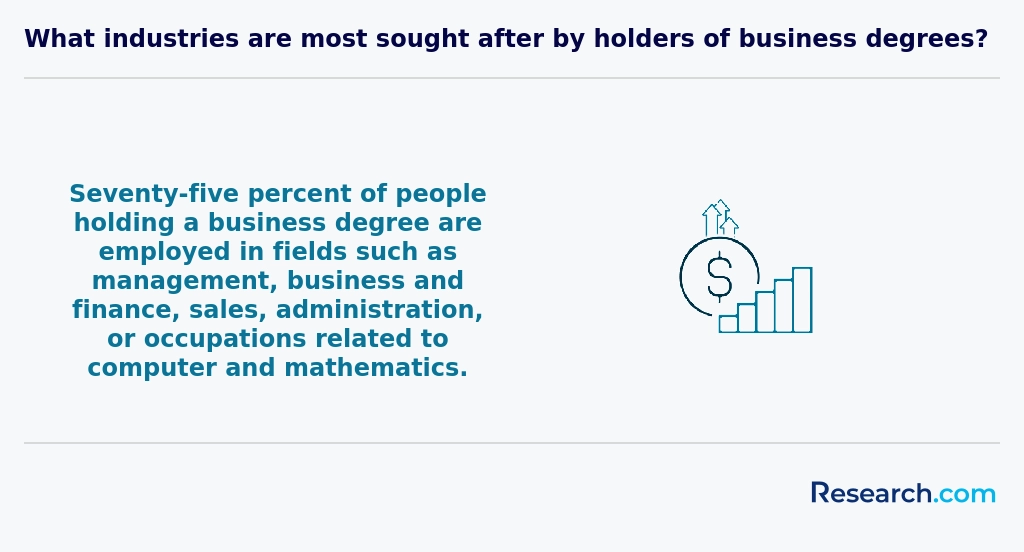
Graduates with a business degree in Columbia often find rewarding opportunities in finance, marketing, and management, reflecting the city's robust economic sectors. Alumni from local universities frequently secure roles as financial analysts or accountants within regional banks, enjoying steady career growth. Others pursue marketing or sales management, especially as businesses here emphasize digital strategies that engage consumers effectively. For pragmatic students eyeing career paths in Columbia, internships and networking-common practices among business school graduates-are essential steps to break into these competitive fields.
Many business degree career opportunities in Columbia also include leadership roles across healthcare, retail, and manufacturing industries. Graduates share how developing management skills during their studies helped them lead teams and craft operational strategies early in their careers. Entrepreneurship grows in the city too, with startups thriving thanks to local economic incentives, making it a practical option for those eager to launch their own ventures.
Business graduates often complement their education with internships and certifications offered by popular colleges in Columbia to land positions in human resources, consultancy, or supply chain management. Affordable options to earn your degree are listed in the Low Cost Online Business Degree Programs Ranking in Tennessee, helping students minimize debt while preparing for high paying jobs with business degree in Columbia.
Business degree job opportunities in Columbia are notably strong due to the city's diverse economy and proximity to multiple corporate offices as well as small to mid-size enterprises. Graduates from popular local universities, such as the University of Missouri, find roles in finance, marketing, and management more accessible compared to other regions. Entry-level salaries typically range from $50,000 to $60,000 annually, which is competitive and grows with experience. Many recent graduates remark that internships and local career center resources helped them secure positions quickly after graduation.
Employment outlook for business graduates Columbia is reinforced by growing entrepreneurial activities and workforce development programs. Hands-on experience in data analytics and digital marketing adds a critical edge. Students looking to fast-track their careers often supplement traditional degrees with specialized training, such as a 6 month course with high salary. This practical approach aligns well with employer demands in the region, making Columbia a favorable place for launching a business career.
2027 Most Affordable Business Degree Programs Ranking in Columbia
Investing in your education is a significant decision that can impact your professional future, and the Research.com team recognizes the importance of providing reliable information to support this choice. To help prospective students explore affordable options, we have carefully developed the "2027 Most Affordable Business Degree Programs Ranking in Columbia." Our dedication to quality, credibility, and accuracy is demonstrated through thorough research and data analysis.
We utilized the following reputable data sources to create this comprehensive ranking:
By consulting this ranking, readers will gain essential insights into affordable business degree programs in Columbia, enabling them to make well-informed educational decisions. For additional information on our evaluation process, please visit our Research.com methodology page.

Frequently Asked Questions About business
Business degree students in Columbia can maximize their learning experience by actively engaging with practical opportunities offered by their institutions. Internship programs with local companies provide invaluable real-world experience, enhancing classroom learning. Columbia, SC, has a growing economy with a strong presence of industries like finance, healthcare, and manufacturing, which creates diverse internship options.
Networking is crucial; students should attend career fairs and join business-related clubs or professional organizations such as the Columbia Chamber of Commerce. This helps build connections and gain insights into regional market trends.
Additionally, using resources like the University of South Carolina's Darla Moore School of Business career services improves job readiness. According to the South Carolina Chamber of Commerce, 78% of graduates find relevant jobs within six months, showing how aligning education with local opportunities benefits students.
Emerging niches within the business field reflect shifts in technology, sustainability, and consumer behavior. In 2024, areas like data analytics and digital marketing are rapidly growing, particularly in Columbia, where local companies seek professionals skilled in interpreting big data to improve business strategies. According to the U.S. Bureau of Labor Statistics, jobs in market research analysis are expected to grow 23% by 2030, indicating strong demand.
Another rising niche is sustainable business management, which focuses on integrating environmental practices into company operations. This aligns with increasing consumer interest in green products and corporate responsibility.
Additionally, entrepreneurship with a focus on tech startups is gaining traction, supported by Columbia's expanding innovation hubs and accelerators.
Graduates with a business degree from Columbia should focus on building practical skills to succeed in the competitive job market. According to the U.S. Bureau of Labor Statistics, business-related fields continue to grow at an average rate of about 8% through 2030. Taking advantage of internships and cooperative education programs offered by Columbia institutions can provide essential real-world experience and networking opportunities.
Additionally, proficiency in data analysis tools such as Excel and Tableau is increasingly demanded by employers in the Columbia job market. Pursuing professional certifications like the Certified Business Analyst (CBA) can also enhance employability.
Active participation in local business organizations and attending job fairs in Columbia help graduates stay connected with industry trends and recruiters.
Employers in Columbia increasingly value business degree graduates who demonstrate strong analytical and critical thinking skills. According to the National Association of Colleges and Employers (NACE), 85% of employers emphasize problem-solving abilities when hiring business graduates.
Communication skills, both written and verbal, are also highly sought after. Columbia's growing market demands professionals who can clearly articulate ideas and collaborate effectively across teams.
Technical proficiency, including familiarity with data analysis tools like Excel and CRM software, ranks prominently. The Columbia Business Journal reports that 72% of local companies prefer candidates with digital literacy relevant to business operations.
Finally, leadership and adaptability remain essential as employers face ever-changing economic conditions in the region.
Finding internships in Columbia related to a business degree involves a strategic approach combining online resources, university career centers, and networking. Many universities in Columbia offer dedicated career services that connect students to internships with local companies in sectors like finance, marketing, and management. According to the U.S. Bureau of Labor Statistics, internships improve job prospects by 20% for business graduates.
Students should explore job portals like Handshake or Indeed, which list internships tailored to business majors in the Columbia area. Networking events, local business associations, and LinkedIn groups also provide valuable contacts. Applying early and preparing a strong resume are essential steps in a competitive market.
Obtaining a business degree in Columbia significantly improves career mobility by equipping graduates with essential skills in management, finance, and marketing. According to the U.S. Bureau of Labor Statistics, individuals holding business-related degrees often experience a 10-15% higher chance of promotion within five years compared to those without.
Employers in Columbia value practical knowledge gained through internships and networking opportunities offered by local colleges. Business graduates have access to a wide range of industries, increasing their chances of job changes and upward advancement.
Furthermore, Columbia's growing business sectors, including technology and finance, demand workers with formal education, making business degrees a strategic investment for career growth.
Studying for a business degree in Columbia equips students with skills that cross traditional disciplinary boundaries. Programs often integrate coursework in economics, information technology, communication, and management, enabling graduates to approach complex problems from multiple perspectives. According to the U.S. Bureau of Labor Statistics, the demand for professionals with interdisciplinary expertise is growing by 8% annually in Columbia's metropolitan areas.
Business schools in Columbia emphasize real-world applications, such as data analytics and strategic decision-making, fostering adaptability. Collaborative projects simulate cross-departmental teamwork, preparing students to work effectively in diverse organizational roles. This broad preparation aligns with industry needs, as reported by the Columbia Chamber of Commerce, where interdisciplinary knowledge is frequently cited as a critical job requirement.
When choosing between a thesis and a non-thesis business degree program in Columbia, students should consider their career goals and learning preferences. Thesis programs emphasize research, ideal for those interested in academia or analytical roles. Non-thesis options focus on practical skills and coursework, suited for immediate entry into business or management positions.
In the US, including Columbia, thesis programs often require a formal research project, which can take several months to complete. Non-thesis tracks typically offer internships or additional classes instead.
According to the National Center for Education Statistics, 65% of business master's graduates in Columbia pursue non-thesis tracks, reflecting demand for practical experience.
The choice depends on whether you prefer deeper research or direct professional training.
Students based in Columbia have access to a variety of options for studying business abroad within the US higher education system. Many universities offer exchange programs and dual-degree opportunities that allow credit transfer between Columbia-based institutions and schools in the United States. This flexibility helps students gain international business perspectives while completing their degrees locally.
Furthermore, Columbia students can apply to renowned business schools in the US, which often feature specialized programs such as international business, finance, or entrepreneurship. The US remains a global leader in business education, hosting over 600 accredited business schools, including Ivy League and state universities.
According to the National Center for Education Statistics, more than 22% of US college students pursue business degrees, highlighting the high demand and diversity of programs available. Students should consider factors like program curriculum, internship opportunities, and alumni networks when exploring options abroad.
Part-time job opportunities in Columbia can effectively complement business degree education by providing practical experience and developing essential skills. Popular roles include administrative assistants, retail associates, and customer service representatives, which help students enhance communication and organizational abilities. Additionally, internships or part-time jobs in local businesses or startups offer exposure to real-world business operations and networking.
The U.S. Bureau of Labor Statistics highlights that gaining related work experience during studies can improve employment prospects post-graduation. Columbia's growing business sector, especially in retail and small enterprises, offers numerous such opportunities.
Business students in Columbia benefit from numerous networking opportunities designed to connect them with local industry and alumni. Universities often host career fairs and employer panels, attracting companies from the region's growing finance, technology, and manufacturing sectors. For example, the Columbia Metropolitan Chamber of Commerce frequently partners with schools to facilitate internships and mentorship programs.
Student organizations focused on business and entrepreneurship provide additional avenues for networking. These groups organize workshops, speaker events, and networking mixers with professionals experienced in the South Carolina market. According to recent data from the National Association of Colleges and Employers, 64% of business graduates in Columbia find jobs through networking connections.
Furthermore, several universities offer access to alumni networks that actively support current students through career guidance and job referrals, reinforcing Columbia's strong community ties in business education.
Alumni networks play a crucial role for business degree students in Columbia, providing access to professional connections that can help with internships and job placements. Studies show that nearly 70% of business professionals in the U.S. find their first job through networking, highlighting the advantage of strong alumni ties. Columbia's universities often maintain active alumni groups who offer mentorship programs, career workshops, and exclusive networking events. These resources allow students to gain industry insights and build relationships with experienced business leaders, fostering career growth within the competitive U.S. market. Access to alumni networks can also boost student confidence and expand their professional horizons early in their careers.
Customizing a business degree program in Columbia allows students to align their studies with specific career ambitions. Many universities offer a variety of concentrations such as finance, marketing, entrepreneurship, and management, enabling learners to specialize in areas that match their goals.
Students can also select electives that address emerging industry trends or acquire practical skills through internships and cooperative education opportunities. For example, Columbia's business schools often partner with local industries, providing hands-on experience that enhances employability.
Additionally, some programs provide flexible scheduling and online course options, which help working professionals balance education with career demands. According to the National Center for Education Statistics, personalized learning paths significantly improve graduation rates and job placement success for business majors.
Business students in Columbia often face challenges balancing rigorous coursework with financial pressures. According to the National Center for Education Statistics, the average annual tuition and fees for public four-year institutions in South Carolina in 2023 were approximately $11,000, which can be a significant burden for many students.
Many students also report difficulties adapting to the fast pace and diverse subjects of business programs. Courses like finance, accounting, and business law require strong analytical skills and consistent study habits.
Additionally, time management is a common struggle, as students frequently juggle part-time jobs or internships alongside classes. Career uncertainty further adds to stress, with students seeking guidance to navigate evolving job markets in Columbia's growing business sectors.
With a business degree in Columbia, you can pursue various professional certifications that enhance your career prospects. Popular options include the Certified Public Accountant (CPA) credential, essential for accounting professionals, and the Project Management Professional (PMP) certification, valued across industries. Many graduates also pursue the Certified Management Accountant (CMA) designation, which focuses on financial management and strategy.
These certifications often require passing exams and meeting work experience criteria. According to the Columbia Economic Development Office, holders of such certifications typically see higher salaries and better job security. Additionally, the Chartered Financial Analyst (CFA) credential is a strong option for those interested in finance and investment fields. Pursuing these certifications can significantly boost your career in the competitive Columbia job market.
Writing a winning application for a business program in Columbia requires a clear focus on academic achievement and relevant experience. Admission committees typically look for strong GPA scores, especially in quantitative courses like math and economics. It helps to highlight any internships, part-time jobs, or volunteer work related to business.
Personal statements are crucial; they should explain your motivation for studying business and your career goals. Use specific examples to demonstrate leadership, teamwork, and problem-solving skills. For instance, citing involvement in business clubs or projects can strengthen your case.
Standardized test scores like the SAT or ACT still matter for many colleges in Columbia. According to the National Center for Education Statistics, average SAT scores for admitted students at Columbia-area institutions often range between 1100 and 1300.
Finally, solid letters of recommendation from teachers or employers who know your strengths can be influential. Following these guidelines can improve your chances of acceptance into competitive business programs in Columbia.
The global perspective on a business career increasingly emphasizes adaptability, digital skills, and cultural awareness. Business professionals today must navigate diverse markets and global supply chains, skills highly valued in Columbia's growing economy. According to the U.S. Bureau of Labor Statistics, jobs in business and finance are expected to grow 8% through 2031, highlighting steady opportunities for graduates.
Columbia's proximity to major commercial hubs enhances its attractiveness for students aiming at international business roles. Many U.S. universities integrate global case studies and cross-cultural communication training to prepare students for this reality. Additionally, business graduates with knowledge of data analytics and sustainable practices are seeing stronger demand worldwide.
Statistics from the National Center for Education Statistics show that business remains the most popular undergraduate major in the U.S., reflecting strong market need. For students in Columbia, a business degree offers a versatile foundation, equipping them for careers both domestically and abroad.
Gaining practical experience while pursuing a business degree in Columbia is essential for career readiness. Many local institutions encourage internships, cooperative education programs, and practicums with Columbia-based companies. For example, the Columbia Chamber of Commerce actively partners with universities to offer student internships in sectors like finance, marketing, and entrepreneurship.
Students often engage in real-world projects through business incubators and consulting groups affiliated with their schools. These opportunities enhance skills such as problem-solving and teamwork. According to the National Association of Colleges and Employers, over 60% of business students who complete internships secure jobs within six months of graduation.
Additionally, networking events and mentorship programs in Columbia provide valuable industry connections while studying. These practical experiences are crucial for understanding local market dynamics and improving employability.
Choosing the right concentration within a business degree program in Columbia starts with understanding your career goals and interests. Business schools typically offer concentrations such as finance, marketing, management, or entrepreneurship. Research local industry demands; for example, Columbia's growing finance and tech sectors often seek graduates with skills in financial analysis or data-driven marketing.
Consider program flexibility and course offerings at each institution. Look for concentrations that include internships or networking opportunities in Columbia's business community, which can be crucial for job placement after graduation. According to the U.S. Bureau of Labor Statistics, business and financial occupations are projected to grow 8% through 2030, highlighting areas with strong hiring potential.
Additionally, evaluate the faculty's expertise and any partnerships the university holds with Columbia businesses. This can enrich your learning and practical experience. Lastly, ensure that the concentration aligns with your long-term professional objectives and interest in business trends specific to the Columbia region.
- 2027 Most Affordable Business Degree Programs Ranking in Kansas City
- 2027 Most Affordable Business Degree Programs Ranking in Conway
- 2027 Most Affordable Business Degree Programs Ranking in Dubuque
- 2027 Most Affordable Business Degree Programs Ranking in Wichita
- 2027 Most Affordable Business Degree Programs Ranking in Little Rock
- 2027 Most Affordable Business Degree Programs Ranking in West Lafayette
- 2027 Most Affordable Business Degree Programs Ranking in River Forest
- 2027 Most Affordable Business Degree Programs Ranking in Chicago
- 2027 Most Affordable Business Degree Programs Ranking in Madison
- 2027 Most Affordable Business Degree Programs Ranking in Indianapolis
See What Experts Have To Say About Studying Business
Read our interview with Business experts

Ingrid S. Greene
Business Expert
Clinical Assistant Professor of Management
Loyola Marymount University


David W. Stewart
Business Expert
Emeritus President's Professor of Marketing
Loyola Marymount University

- Is a thesis always mandatory in a master's degree program? - EFMU: The Euler-Franeker Memorial University and Institute https://euler.euclid.int/is-a-thesis-always-mandatory-in-masters-degree-program/
- How to Find a Job with an International Business Degree - Hunter Recruiting https://www.hirecruiting.com/newsroom/how-to-find-a-job-with-an-international-business-degree/
- Top 10 Skills Employers Seek in Business Graduates in 2026 https://www.ibat.ie/blogs/top-10-skills-employers-seek-in-business-graduates-in-2026
- Business Administration Degree | Columbia College https://www.columbiasc.edu/academics/undergraduate/business-administration-global-strategic-leadership
- How much does it cost to pursue an MBA at Columbia University? https://mentr-me.com/question/how-much-does-it-cost-to-pursue-an-mba-at-columbia-univer
- How to Use Your MBA for Career Growth While You’re Still Studying - International Career Institute USA https://icieducation.com/blog/how-to-use-your-mba-for-career-growth-while-youre-still-studying/
- Interdisciplinary Business https://www.okwu.edu/academics/undergraduate/bachelor-interdisciplinary-business/
- Online Degree vs. Traditional: Choosing the Right Path https://beal.edu/online-degree-vs-traditional/
- Finding Networking Opportunities as a Student | National Society of High School Scholars https://www.nshss.org/resources/blog/blog-posts/how-to-find-networking-opportunities-as-a-student/
- How to Identify Profitable Business Niches: A Guide for ... https://www.invoiceonline.com/the-entrepreneur-s-handbook/entrepreneurship/business-strategy/how-to-identify-profitable-business-niches-97365


