
2027 Best Online Business Degree Programs Ranking in Pennsylvania

Co-Founder and Chief Data Scientist
Exploring the best online business degree programs in Pennsylvania can feel overwhelming, but you're not alone. This article introduces the 2027 Best Online Business Degree Programs Ranking in Pennsylvania, carefully created by the Research.com team of data scientists. It's designed to guide you toward programs that truly stand out.
Choosing the right business degree is an exciting step toward building the future you want. By reviewing this ranking, you'll discover valuable insights that make your decision easier and more confident.
Investing in your education opens doors to new opportunities and growth. Let this guide be your starting point.
Key benefits of getting online business degree in Pennsylvania
- Business degree graduates in Pennsylvania can expect competitive salaries, with roles like Business Analysts earning a mean annual wage of $112,950 and Business Development Executives earning around $83,190 per year.
- Graduates from universities such as Pennsylvania State University often pursue diverse careers including business analysis, sales, and management, offering broad opportunities to grow and find fulfilling work.
- Online business degrees from institutions like Temple University provide flexible learning schedules that fit busy lives, allowing students to balance work and study while gaining valuable skills comparable to traditional programs.
- 2027 Best Online Business Degree Programs Ranking in Pennsylvania
- What can I expect from online business degree in Pennsylvania?
- Where can I work with online business degree in Pennsylvania?
What can I expect from online business degree in Pennsylvania?
The average cost of an online business degree in Pennsylvania typically ranges between $15,000 and $30,000 for public universities, especially when taking advantage of in-state tuition rates. Graduates from well-known state schools share how affordability allowed them to balance work and study without excess financial stress, opening doors to career advancement sooner than expected. Private institutions tend to charge higher, sometimes upwards of $40,000, but offer accelerated tracks that can help students enter the workforce more quickly.
Many students find the investment worthwhile as schools like Penn State World Campus and Temple University deliver curriculum tailored to emerging business trends like digital entrepreneurship and data analytics-skills highly sought after in Pennsylvania's evolving economy. The integration of real-world projects and industry connections in cities like Philadelphia or Pittsburgh sharpens their professional edge and builds confidence, making the tuition feel like a strategic stepping stone rather than a barrier.
Flexible payment plans and scholarships also contribute to a positive, manageable financial experience, allowing students to focus on gaining knowledge and networking essential for future success.
Where can I work with online business degree in Pennsylvania?
Graduates from online business programs at Pennsylvania institutions like Penn State World Campus and Temple University frequently find themselves thriving in Philadelphia's bustling corporate environment. Many embrace roles in financial analysis or marketing for major firms such as Comcast or Vanguard, enjoying the dynamic pace and collaborative culture. The excitement of contributing to large-scale projects in an urban setting motivates these professionals daily.
In Pittsburgh, business graduates engage with cutting-edge tech startups and advanced manufacturing companies. They often describe the city as a hub of innovation where entrepreneurial spirit blends with strong community support. This atmosphere inspires them to develop creative strategies that drive local business growth and healthcare advancements.
Outside big cities, graduates report fulfilling experiences working with Pennsylvania's vibrant small businesses, offering consulting and financial guidance. Many appreciate the direct impact they have on local economies, feeling personally invested in helping entrepreneurs succeed. Online business degrees here open doors not only to private sector roles but also to public agencies focused on economic development, providing diverse and rewarding career pathways.
Graduates with an online business degree in Pennsylvania often find themselves positioned for promising salary prospects, particularly in roles backed by recent wage data. For instance, business analysts in the state earn a mean annual wage of approximately $112,950, reflecting strong demand for analytical skills across industries. This figure resonates with graduates from well-known institutions like Pennsylvania State University or Temple University, who report feeling confident about their earning potential in competitive metro areas like Philadelphia and Pittsburgh.
Meanwhile, business development executives can expect a mean wage near $83,190 annually, providing a solid middle ground for recent graduates eager to enter client-facing or strategic roles. Many alumni share how online programs offer flexible learning while still unlocking these rewarding salary opportunities in Pennsylvania's robust economy.
Looking ahead, as companies increasingly value digital fluency and data-driven insights, those equipped with an online business degree could see these numbers rise. Real-life examples from Pittsburgh graduates indicate entrepreneurial ventures and regional business hubs are fostering higher compensation, especially when combined with professional credentials earned alongside their degree.
- Pennsylvania offers accredited online business programs with flexible schedules suitable for balancing work and study.
- The average tuition for a bachelor's online business degree ranges from $12,000 to $30,000, with public schools generally charging less than private institutions.
- Business graduates start with salaries around $55,000 per year, increasing to between $80,000 and $95,000 mid-career.
- Key industries for graduates include finance, healthcare administration, marketing, and management in various sectors like technology and manufacturing.
- The state projects a 5% employment growth in business and financial operations jobs over the next ten years.
- Pennsylvania's unemployment rate for business-related jobs is lower than the national average, showing strong job demand.
Online business degrees in Pennsylvania typically take about four years for full-time students to complete a bachelor's program, similar to what graduates from institutions like Penn State or Temple University experience. These students often share how flexible pacing allowed them to balance work and family while making steady progress toward their goals. For example, part-time learners at these universities might take six years or more, feeling empowered by the ability to tailor their studies around busy schedules without sacrificing quality.
Associate degrees generally require around two years full-time, offering a solid foundation many graduates appreciated before advancing to bachelor's studies. Master's programs, such as online MBAs offered by Drexel University or Villanova, often finish in 1 to 2 years full-time, though some alumni highlight part-time paths extending to three years, enabling them to gain real-world experience concurrently.
Emerging trends suggest competency-based credits and recognition of professional experience could further shorten completion times, creating even more personalized and motivating educational journeys for Pennsylvania business students in the near future.
Measuring the return on investment (ROI) of an online business degree involves comparing total program costs against projected career earnings and advancement potential. In Pennsylvania, the median in-state tuition for a bachelor’s in business is approximately $23,184, while out-of-state students pay around $23,616. When you factor in the mean annual salaries-$80,220 for Project Managers and $108,790 for Business Analysts-most graduates recoup their investment within three to five years of full-time employment. To calculate your personal break-even point, divide your net program cost (tuition minus grants and scholarships) by your annual salary increase. For example, a graduate who leverages a $13,500 average aid package and moves from a $50,000 to a $80,220 salary will see a payback period of less than two years. Including living expenses and opportunity costs still yields a favorable ROI compared to many other graduate pathways. Beyond salary gains, consider career acceleration: online MBA tracks often offer leadership projects and networking events that can fast-track promotions. If you’re evaluating accelerated pathways, explore our guide on which is the easiest mba course and how shorter programs can reduce time to degree and enhance ROI. Finally, remember that ROI isn’t purely financial. Graduates report improved job satisfaction, stronger professional networks, and access to higher-level roles in sectors like consulting, finance, and technology. By assessing both quantitative and qualitative benefits, prospective students can choose an online business program in Pennsylvania that maximizes their long-term success.
Graduates from Pennsylvania State University recall the flexibility of online business degrees allowing them to juggle full-time jobs while advancing their education without relocating. This contrasts with on-campus peers at the University of Pennsylvania who cherish spontaneous hallway conversations and face-to-face teamwork, fostering strong networks crucial in business careers. Online students at Temple University highlight how virtual platforms enable collaboration across time zones, simulating in-person group projects with innovative tools.
Cost considerations also shape experiences-students attending on-campus programs at Penn State often appreciate access to campus libraries and career centers, while online learners in Pennsylvania value saving on commuting expenses and campus fees, though they invest in reliable technology and internet.
Looking ahead, Pennsylvania's public universities might blend these formats further, enhancing online interactions to mimic vibrant campus life and expanding internship access through virtual partnerships. This evolution promises more personalized, accessible business education while retaining the dynamic support found on campus.
Accreditation ensures your online business degree meets rigorous academic and industry standards. Before enrolling:
- Regional accreditation (e.g., Middle States Commission on Higher Education) validates institutional quality and credit transferability.
- AACSB accreditation signals top-tier business school standards in faculty research and curriculum.
- ACBSP and IACBE accredit programs focused on teaching excellence and student outcomes.
- Verify status through the U.S. Department of Education’s database and each school’s accreditation page.
Proper accreditation not only protects your investment but also enhances employer recognition and graduate school eligibility. For example, our accelerated construction management degree programs similarly emphasize accredited curricula.
The average cost of an online business degree in Pennsylvania typically centers around a median total of approximately $38,190, reflecting the combined expenses across varied types of institutions. Many students pursuing online business degrees at popular colleges across the state report that in-state tuition can be much more manageable, often near $18,576, while out-of-state attendees might encounter costs closer to $21,348. This cost spectrum aligns with the total tuition and fees for online business degree PA students should anticipate when planning their education finances.
Graduates from well-known Pennsylvania universities often share how financial strategies, such as scholarships, payment plans, and part-time enrollment, helped ease tuition burdens. For example, a student balancing family commitments appreciated the flexibility of an online program that allowed accelerated completion, lowering overall costs by finishing sooner. Others highlight how additional expenses like software licenses and internship fees also factor into their budgeting, emphasizing the importance of considering total expenses beyond just tuition.
Community colleges in Pennsylvania tend to offer more affordable per-credit costs, around $200 to $300, which appeals to those seeking associate degrees or starting before transferring to four-year schools. As more students explore cost-effective paths, options to attend affordable business schools in Pennsylvania grow increasingly attractive. These choices reflect a broader trend toward accessible education that meets the diverse needs of online learners aiming for career advancement in a dynamic economic landscape.
Accreditation is a critical factor when evaluating online business degrees in Pennsylvania, ensuring programs meet rigorous academic standards and are recognized by employers and other institutions. The three primary accrediting bodies for business schools are AACSB (Association to Advance Collegiate Schools of Business), ACBSP (Accreditation Council for Business Schools and Programs), and IACBE (International Accreditation Council for Business Education). AACSB accreditation is often viewed as the gold standard, reflecting a commitment to continuous improvement, faculty research, and global engagement. Before enrolling, verify that a program holds regional accreditation (e.g., Middle States Commission on Higher Education) in addition to one of the business-specific recognitions above. This dual accreditation guarantees that credits transfer smoothly and that your degree is valued across industries. Prospective students should review each institution’s accreditation status on its website or through the U.S. Department of Education’s Database of Accredited Postsecondary Institutions and Programs. Accreditors also assess student outcomes-such as graduation rates, job placement, and alumni satisfaction-providing transparency into program performance. Students seeking affordable yet accredited options might explore the Affordable Online Business Degree Programs Ranking in Philadelphia, PA to compare cost-effective, high-quality programs. Ultimately, choosing an accredited online business program in Pennsylvania safeguards your educational investment and enhances your credibility in today’s competitive job market.
Many online business degree students in Pennsylvania discover that federal financial aid, including Pell Grants and Direct Loans, often becomes a vital lifeline in managing tuition costs ranging from $10,000 to $16,000 annually at public institutions. Graduates from Drexel or Penn State frequently share how completing the FAFSA unlocked access to these funds, reducing their financial burden and fueling confidence in their academic journey.
State aid through the Pennsylvania Higher Education Assistance Agency (PHEAA), especially the Pennsylvania State Grant Program, also proves invaluable. Students enrolled in programs at Temple University or Lehigh University recall how these need-based grants eased tuition expenses, allowing them to focus on studies instead of stressing about bills.
Scholarships-both merit and need-based-offered by these universities often become game changers, sparking pride and motivation by rewarding leadership or academic excellence. Some graduates happily highlight employer-sponsored assistance from organizations like the Pennsylvania Chamber of Business and Industry, emphasizing the supportive role employers play in elevating career prospects.
Looking ahead, emerging partnerships between universities and businesses may expand these opportunities, while enhanced awareness of federal tax credits such as the American Opportunity Tax Credit could further empower Pennsylvania students to finance their online business education with greater ease and optimism.
When considering online business degree programs in Pennsylvania, one crucial factor to evaluate is the affordability of the education. Prospective students often find themselves weighing the costs of tuition against the potential benefits of their degree, seeking a program that offers the best value for their investment. For those looking to minimize their expenses without compromising on quality, exploring affordable business schools in Pennsylvania can be a strategic move. These institutions not only provide financially viable options but also ensure that students receive a comprehensive education that prepares them for the challenges of the business world. By opting for an affordable program, students can reduce their financial burden, allowing them to focus more on their studies and less on the cost of their education. This, in turn, can lead to a more rewarding educational experience and better career prospects upon graduation.
Enrolling in an online business degree in Pennsylvania typically begins with meeting foundational prerequisites like holding a high school diploma or GED. Graduates from institutions such as Penn State or Temple University often recall submitting transcripts that confirmed their secondary education, setting a solid base for their journey. Many programs now waive standardized tests like the SAT or ACT, reflecting a growing trend toward flexible admissions, though some universities may still request them to better understand an applicant's background.
Technology readiness is increasingly emphasized; students must ensure reliable internet and familiarity with digital platforms. Graduates frequently mention how mastering these tools early on enhanced their confidence and engagement in virtual classrooms.
For MBA hopefuls at schools like the University of Pennsylvania, a bachelor's degree with a competitive GPA and relevant professional experience often forms the core prerequisites. Letters of recommendation and personal statements are equally crucial, offering admissions committees a glimpse into applicants' motivation and leadership potential.
Overall, Pennsylvania's business programs are evolving to balance traditional academic standards with modern, practical requirements that anticipate future learning environments.

Embarking on an online business degree can be both an exciting and demanding journey. To maximize your success, it’s important to adopt strategies that not only enhance your academic performance but also prepare you for the dynamic business world. First, establish a dedicated study schedule that accommodates both coursework and personal commitments. Consistent time management and setting specific goals for each study session can help maintain motivation and reduce procrastination. Another key strategy is to actively participate in online discussion forums and group projects. Engaging with peers and instructors fosters a sense of community and provides diverse perspectives that can enrich your understanding of complex business concepts. Utilizing digital tools and resources, such as interactive webinars and virtual office hours, can also bridge the gap between classroom theory and practical application. It is equally critical to seek out additional career resources and guidance. For example, reviewing the list of the most popular online bachelors degrees in business administration can offer insights into programs known for their robust industry connections and successful alumni networks. By familiarizing yourself with these programs, you can better align your educational choices with your future career goals. Finally, leverage support services offered by your institution-such as academic advising, career counseling, and technical support-to navigate any challenges that may arise during your studies. These resources are invaluable in ensuring that you remain on track and are well-equipped to transition from online learning to a thriving career in business.
Online business degree programs in Pennsylvania typically cover essential courses like Introduction to Management, Principles of Marketing, and both Financial and Managerial Accounting. Graduates from universities such as Penn State and Temple often mention how learning Business Law helps them confidently navigate contracts and ethical decisions in real Pennsylvania companies.
Students appreciate quantitative courses like Business Statistics, which proved invaluable when analyzing market trends for a local healthcare startup. The inclusion of Microeconomics and Macroeconomics provides a solid grasp of economic forces influencing Pennsylvania's diverse industries-from manufacturing hubs to financial centers in Philadelphia.
Electives in Supply Chain Management and Entrepreneurship empower learners to launch or improve businesses, a point often highlighted by graduates engaged in Pennsylvania's burgeoning startup scene. Many also find Information Systems courses transformative, equipping them with up-to-date technology skills critical for modern business roles in this tech-focused economy.
These courses blend theory with practical application, preparing students to thrive in Pennsylvania's evolving business landscape while fostering a sense of accomplishment and readiness for future challenges.
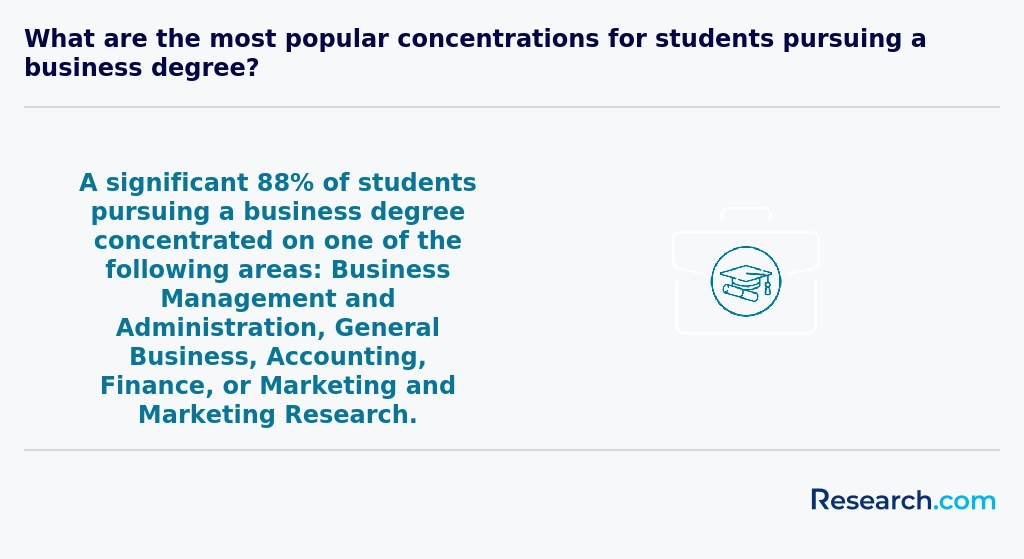
Students pursuing an online business degree in Pennsylvania find a range of specializations designed to suit modern career ambitions. Popular options include accounting, finance, marketing, management, and supply chain management-each offering practical skills relevant to Pennsylvania's dynamic economic landscape. Graduates from well-known Pennsylvania colleges often share how a finance specialization enabled them to confidently navigate investment careers in Philadelphia's growing financial sector, while others highlight how marketing programs helped them quickly adapt to digital strategies fueling businesses across the state.
Emerging trends in online business degree specializations Pennsylvania signal exciting opportunities in entrepreneurship, business analytics, and healthcare management. These fields resonate strongly with students eager to harness data-driven decision-making or launch startups, reflecting evolving market demands. Many graduates appreciate the flexible, tailored approach found at regional institutions, where programs emphasize real-world applications aligned with Pennsylvania's unique industry needs.
For those exploring their options, it's helpful to review a comprehensive list of the most popular online bachelors degrees in business administration, which highlights how these specializations can unlock diverse career paths and meet individual aspirations.
Choosing the best online business degree in Pennsylvania means looking beyond just tuition costs to factors like accreditation, curriculum relevance, and flexibility. Graduates from popular Pennsylvania schools often describe their programs as transformative because they combined AACSB-accredited coursework with real-world projects tailored to local industries like healthcare and manufacturing. This blend of theory and practice helps students feel confident stepping into competitive job markets.
Affordability plays a vital role, especially when considering affordable online business programs PA. Many students appreciate programs that offer transparent pricing including fees and books, similar to what public universities provide with tuition ranging from $7,500 to $15,000 per year. Flexibility is another key element; asynchronous classes enable working adults to balance studies with life, enhancing motivation and engagement.
Finally, researching post-graduation support and employment outcomes can reveal the best fit. Students who utilized career counseling and alumni networks at Pennsylvania's well-regarded business schools often reported stronger job placements. For those exploring options, investigating which is the easiest mba course can also clarify pathways that match individual goals.

Graduates with an online business degree in Pennsylvania are stepping into a dynamic landscape full of diverse career paths. Popular universities and colleges in the state often highlight success stories of graduates moving into roles like financial advisors or marketing managers, where they harness skills learned online to solve real-world problems in fast-growing sectors such as healthcare and technology. This evolving environment reflects strong job prospects in Pennsylvania, especially with rising demand projected for business and financial roles.
Many students find themselves drawn to management positions or entrepreneurship, inspired by the vibrant business communities in cities like Philadelphia and Pittsburgh. These graduates often share how flexible online programs allowed them to gain experience while studying, preparing them for seamless transitions into operations or human resources roles tailored to Pennsylvania's diverse industries. For those researching pathways further, viewing the Affordable Online Business Degree Programs Ranking in Philadelphia, PA offers useful insights.
Business degree job prospects in Pennsylvania continue to expand, supported by the state's strong financial services and manufacturing hubs. Online learners anticipate that combining practical experience with emerging trends in data analytics and supply chain management will open doors to innovative roles not only statewide but nationally.
The job market for online business degree jobs Pennsylvania graduates is promising, fueled by a diverse economy that spans finance, healthcare, and technology hubs. Graduates from well-known institutions across Pennsylvania often share stories of landing roles managing digital marketing campaigns or analyzing supply chains for growing companies in Philadelphia or Pittsburgh. Employers increasingly seek professionals comfortable with remote collaboration and digital tools, skills sharpened through online coursework.
Many Pennsylvania business students find that their degree costs, typically between $7,000 and $12,000 annually, allow for a strong return on investment when paired with growing opportunities. Mid-level roles frequently offer salaries well above the state median household income, encouraging graduates to pursue specialties in data analysis or management consulting. Regional initiatives encourage innovation and create additional openings.
Some students explore continued studies via one year masters programs to boost competitiveness, reflecting a trend toward fast-tracked career advancement. This adaptive approach aligns well with anticipated demand increases across business occupations statewide.
2027 Best Online Business Degree Programs Ranking in Pennsylvania
Investing in your education is a significant decision that can shape your future, and the Research.com team understands the importance of making informed choices. To assist prospective students in Pennsylvania, we have meticulously developed the "2027 Best Online Business Degree Programs Ranking in Pennsylvania." Our commitment to quality, credibility, and accuracy is demonstrated through rigorous research and analysis conducted to compile this ranking.
We utilized the following reputable data sources to ensure a comprehensive evaluation of online business degree programs:
By exploring this ranking, readers will gain valuable insights into the top online business degree options available in Pennsylvania, enabling them to make informed and confident decisions about their educational paths. For more information on our methodology, please visit our Research.com methodology page.


# 11 position
Penn State University Park
Master of Business Administration


# 14 position
Penn State University Park
Bachelor of Business



Frequently Asked Questions About business
Students pursuing online business degrees in Pennsylvania can enhance their learning by actively engaging with course materials and participating in virtual discussions. Many Pennsylvania institutions, including those accredited by the Middle States Commission on Higher Education, offer resources like tutoring and career services tailored to online learners.
Networking with local business professionals through internships and virtual events can provide practical insights and connections in Pennsylvania's diverse economy, which spans industries such as finance and manufacturing, employing over 2.8 million people (Pennsylvania Department of Labor, 2023).
Leveraging state-specific case studies and regional market data within coursework helps contextualize theoretical knowledge, further preparing students for the state's competitive job market.
The business field in Pennsylvania is evolving, with several emerging niches gaining attention among students and employers. One significant area is data analytics, driven by the demand for professionals who can interpret complex data to guide business decisions. According to the Pennsylvania Department of Labor, jobs in data analysis are projected to grow faster than average through 2030.
Supply chain management is another growing niche, especially with Pennsylvania's strong manufacturing and distribution sectors. Businesses need experts to optimize logistics and reduce costs amid global market changes.
Additionally, digital marketing continues to expand as companies increasingly rely on online strategies. Skills in social media management, SEO, and content marketing are highly valued.
Finally, entrepreneurship remains vital, with Pennsylvania ranking among the top states for startup activity according to the Kauffman Foundation. This creates opportunities for business graduates interested in innovation and small business development.
After earning an online business degree in Pennsylvania, preparing for the job market involves strategic steps to maximize employment opportunities. Start by leveraging university career services, many of which offer virtual job fairs and résumé workshops tailored to business graduates. Networking is vital; connect with Pennsylvania's business communities through platforms like LinkedIn and local chambers of commerce, such as the Pennsylvania Chamber of Business and Industry.
According to the Pennsylvania Department of Labor & Industry, the state's business sector is growing, with management and financial occupations projected to increase by 7.5% through 2030. Gaining relevant internships or entry-level experience-even remotely-can significantly boost your resume.
Consider certifications like the Project Management Professional (PMP) or Certified Business Analysis Professional (CBAP) to enhance your credentials. Also, stay informed about regional industry trends to align your skills with employers' needs.
Employers in Pennsylvania highly value business degree graduates who demonstrate strong analytical skills and financial literacy. According to the Pennsylvania Department of Labor & Industry, graduates equipped with data analysis and budgeting expertise tend to perform better in local industries such as finance and manufacturing.
Communication skills also rank near the top. Effective written and verbal communication is essential when collaborating in Pennsylvania's diverse business environment.
Leadership and problem-solving abilities are important as well. Many Pennsylvania companies prefer candidates who can manage teams and adapt to changing market conditions efficiently.
Lastly, familiarity with digital tools and technologies, including proficiency in Microsoft Excel and business intelligence software, is increasingly sought after by employers statewide.
Finding internships in Pennsylvania relevant to a business degree involves multiple strategies. Start by exploring resources offered by your online program's career services, which often connect students with local employers. Pennsylvania's strong business sectors, including finance, healthcare, and manufacturing, offer diverse opportunities in cities like Philadelphia and Pittsburgh. According to the Pennsylvania Department of Labor & Industry, internships in these sectors grew by 5% from 2021 to 2023.
Utilize statewide platforms such as the Pennsylvania Internship Network and local chambers of commerce websites. Networking on professional sites like LinkedIn, targeting Pennsylvania-based companies, also helps. Applying early and tailoring your resume to each business internship can increase your chances of success.
Obtaining an online business degree in Pennsylvania can significantly improve career mobility and advancement opportunities for professionals in the state. According to the U.S. Bureau of Labor Statistics, business-related fields in Pennsylvania are projected to grow by 5% through 2031, reflecting steady demand for skilled workers.
Employers in Pennsylvania increasingly recognize the flexibility and contemporary skills gained through accredited online business programs. Graduates often qualify for higher-level positions in management, marketing, and finance. Additionally, Pennsylvania's diverse economy-with strong industries such as healthcare, manufacturing, and technology-offers a broad range of roles where business expertise is essential.
Completing an online degree also allows working adults to balance education with employment, enhancing credentials without career interruption. This adaptability supports faster career progression, especially in competitive Pennsylvania job markets like Philadelphia and Pittsburgh.
Studying for a business degree in Pennsylvania equips students with skills applicable to various interdisciplinary roles by combining core business concepts with exposure to fields such as technology, healthcare, and marketing. Pennsylvania's universities often integrate courses in data analytics, communication, and ethics, essential for adapting to diverse industries. According to the Pennsylvania Department of Labor & Industry, sectors like finance, healthcare, and manufacturing drive the state's economy, requiring professionals who understand multiple perspectives.
Business programs emphasize problem-solving, leadership, and strategic thinking, preparing graduates to collaborate across departments. Online business degrees in Pennsylvania frequently include experiential learning, improving adaptability in hybrid work environments.
When choosing between a thesis and a non-thesis online business degree in Pennsylvania, consider your career goals and learning preferences. A thesis option involves conducting original research, ideal for students planning further academic study or research-based roles. The non-thesis path typically focuses on practical coursework and may include internships or projects, suiting professionals aiming for advancement in business management or industry positions.
Pennsylvania hosts many business hubs, including Philadelphia and Pittsburgh, where applied skills are highly valued. According to the Pennsylvania Department of Labor, demand for business-related roles grows annually by 2%. Students should also consider time commitment and flexibility, as thesis programs often require more extensive work over a longer period.
Review each university's specific online program structure and seek advice from advisors to align your choice with your professional aspirations.
Students based in Pennsylvania who pursue online business degrees often have opportunities to study abroad through their home institutions' partnerships with global universities. Many Pennsylvania colleges, including prominent ones like Pennsylvania State University, offer exchange programs or international study tours that complement online coursework.
These programs allow students to experience business environments in Europe, Asia, or Latin America, enhancing their global perspective. According to the Institute of International Education, Pennsylvania ranks among the top states sending students abroad, with business and management being popular fields of study.
While wholly foreign online business degrees are less common, several Pennsylvania schools incorporate international business modules and virtual collaboration with overseas peers, broadening global business competencies without leaving the state.
In Pennsylvania, part-time job opportunities that complement a business degree include roles in retail management, administrative support, and marketing assistance. These jobs provide valuable hands-on experience with customer relations, organizational skills, and basic business operations. According to the Pennsylvania Department of Labor & Industry, industries like professional and business services employ over 1.2 million workers statewide, offering diverse opportunities.
Internships in local companies, especially in Philadelphia and Pittsburgh, allow students to apply coursework in real-world settings. Positions in financial services, such as bank teller or loan assistant roles, help develop financial literacy and client communication skills.
Overall, these part-time jobs enhance business acumen while accommodating an online degree schedule.
Online business students in Pennsylvania benefit from numerous networking opportunities despite physical distance. Many universities offer virtual career fairs and online networking events to connect students with local and national employers. For example, Penn State World Campus regularly hosts webinars and virtual mixers focused on business professionals.
Furthermore, Pennsylvania's strong business hubs like Philadelphia and Pittsburgh provide active business communities. Online students can join local chapters of organizations such as the Pennsylvania Chamber of Commerce or SCORE, which host events accessible online.
Alumni networks from Pennsylvania institutions also play a vital role, offering virtual meetups and mentoring programs that help students expand their professional connections across the state.
Alumni networks play a crucial role for online business degree students in Pennsylvania by providing valuable connections in the local and regional job market. Graduates benefit from access to established professionals working in Pennsylvania's strong business sectors like finance, healthcare, and manufacturing. According to the Pennsylvania Department of Labor, industries such as professional services employ over 500,000 individuals, offering broad networking potential.
Through alumni events, online forums, and mentorship programs, students can gain insights into industry trends and receive career guidance. These networks often share exclusive job postings and internships, enhancing employment prospects after graduation. Engagement with alumni also supports long-term professional development beyond the classroom.
Students pursuing online business degrees in Pennsylvania can tailor their programs through elective courses and specializations that align with their career ambitions. Many universities offer concentrations such as finance, marketing, supply chain management, or entrepreneurship, allowing learners to develop skills relevant to Pennsylvania's growing sectors. For instance, Philadelphia and Pittsburgh host major corporate hubs influencing available specializations.
Additionally, some programs feature internship opportunities or partnerships with local businesses, enhancing practical experience. According to the Pennsylvania Department of Labor & Industry, industries like finance and healthcare continue to expand, guiding students to focus on these areas for improved job prospects.
Advisors often assist in planning a curriculum suited to both student goals and market demands.
Online business students in Pennsylvania often face challenges related to time management, balancing coursework with work and personal responsibilities. According to the Pennsylvania Department of Education, nearly 40% of adult learners juggle jobs while studying, which can increase stress and delay graduation.
Another significant challenge is limited access to hands-on experience. Many programs rely on virtual simulations but may lack direct interaction with local businesses, which is crucial in Pennsylvania's competitive markets like Philadelphia and Pittsburgh.
Technical issues also pose difficulties, especially for students in rural areas where reliable internet access remains inconsistent, as reported by the FCC.
Lastly, some students struggle with staying motivated without in-person support, highlighting the importance of strong online academic advising and peer networks.
With an online business degree, Pennsylvania students can pursue numerous professional certifications that enhance career prospects. Popular certifications include the Certified Management Accountant (CMA), which is valued in finance and accounting fields and offered by the Institute of Management Accountants. The Project Management Professional (PMP) credential is recognized across industries for leadership in project execution.
Additionally, the Certified Business Analysis Professional (CBAP) certification appeals to those focused on business strategy and analysis. Pennsylvania's growing economy benefits from these roles, especially in sectors like finance, manufacturing, and healthcare, according to data from the Pennsylvania Department of Labor & Industry.
These certifications typically require relevant work experience, continuing education, and passing rigorous exams, underscoring their professional value for graduates.
To write a winning application for an online business program in Pennsylvania, focus on clarity and relevance. Begin by tailoring your personal statement to highlight why you want to study business online and how it fits with your career goals. Emphasize skills like leadership and problem-solving, which are highly valued in Pennsylvania's growing business sectors, including finance and healthcare (Pennsylvania Department of Labor & Industry, 2023).
Include your academic achievements and professional experience, especially any related to Pennsylvania's economic landscape. Strong letters of recommendation can enhance your application by validating your work ethic and potential. Lastly, proofread carefully to avoid errors that might detract from your professionalism.
The global perspective on a business career increasingly emphasizes cross-cultural skills and international experience. Employers value graduates who can navigate diverse markets and understand global economics. For students in Pennsylvania, earning an online business degree offers access to curricula that often include international business concepts and case studies.
Pennsylvania's economy is linked to global trade, with cities like Philadelphia and Pittsburgh hosting multinational companies. According to the Pennsylvania Department of Labor & Industry, over 25% of Pennsylvania's job growth in business-related fields involves roles requiring global competencies. This trend reflects growing demand for professionals who can manage supply chains, marketing, and finance across borders.
Business schools in Pennsylvania also encourage learning foreign languages and participating in virtual global projects. This prepares graduates for a world where business decisions increasingly depend on understanding cultural differences and international regulations.
Gaining practical experience during an online business degree in Pennsylvania is essential for career readiness. Many Pennsylvania universities offer virtual internships that connect students with local companies, allowing you to apply business theories in real-world settings. The state's diverse economy, including strong sectors like finance, manufacturing, and healthcare, provides ample opportunities for project-based learning.
Additionally, students can participate in business simulation platforms and case competitions, which develop critical decision-making skills. Pennsylvania's Small Business Development Centers (SBDCs) also support online students by offering consulting projects and networking events. According to the Pennsylvania Department of Labor, internships significantly boost post-graduation employment rates.
Choosing the right concentration in an online business degree program in Pennsylvania involves assessing your career goals and interests. Pennsylvania's diverse economy offers opportunities in finance, healthcare management, and technology, making concentrations like finance, marketing, or supply chain management popular choices. According to the Pennsylvania Department of Labor, finance and accounting roles are projected to grow by 5% through 2030, suggesting demand in these fields.
Evaluate program curriculum and how it aligns with local industry needs. Look for concentrations offering practical skills, internships, or networking with Pennsylvania businesses. Also consider salary potential; for example, financial managers in Pennsylvania earn an average annual wage of over $150,000, per U.S. Bureau of Labor Statistics data.
Finally, reflect on your personal strengths and seek advice from academic advisors or professionals within your desired field to make an informed decision tailored to Pennsylvania's market.
- 2027 Best Online Business Degree Programs Ranking in New Jersey
- 2027 Best Online Business Degree Programs Ranking in Maryland
- 2027 Best Online Business Degree Programs Ranking in New York
- 2027 Best Online Business Degree Programs Ranking in West Virginia
- 2027 Best Online Business Degree Programs Ranking in Ohio
- 2027 Best Online Business Degree Programs Ranking in Virginia
- 2027 Best Online Business Degree Programs Ranking in Massachusetts
- 2027 Best Online Business Degree Programs Ranking in North Carolina
- 2027 Best Online Business Degree Programs Ranking in Tennessee
- 2027 Best Online Business Degree Programs Ranking in Vermont
See What Experts Have To Say About Studying Business
Read our interview with Business experts

David W. Stewart
Business Expert
Emeritus President's Professor of Marketing
Loyola Marymount University

David Souder
Business Expert
Senior Associate Dean for Faculty and Research
Michigan State University

Ingrid S. Greene
Business Expert
Clinical Assistant Professor of Management
Loyola Marymount University

- Global Perspectives: International Opportunities for Business School Students - SBS Swiss Business School https://sbs-uae.org/global-perspectives-international-opportunities-for-business-school-students-3/
- Online Business Degrees in Pennsylvania https://www.discoverbusiness.us/education/online-business-degrees/us/pennsylvania/
- Business Administration | York College of Pennsylvania https://www.ycp.edu/academics/programs/business-administration-bs
- Top Profitable Business Ideas for 2025 | Trends & Opportunities https://meridian-trust.com/insights/profitable-business-ideas-2025-guide
- BUSINESS MANAGEMENT ENGLISH (THESIS / NON-THESIS) - Lisansüstü Eğitim Enstitüsü https://lee.nisantasi.edu.tr/en/business-management-english-thesis-non-thesis/
- Global careers, real impact: building your career with an international business degree | University of East London https://www.uel.ac.uk/blog/global-careers-real-impact-building-your-career-international-business-degree
- The Seven Biggest Challenges Faced by Student Entrepreneurs https://venturewell.org/blog/five-biggest-challenges/
- Top 10 Skills Employers Seek in Business Graduates in 2026 https://www.ibat.ie/blogs/top-10-skills-employers-seek-in-business-graduates-in-2026
- 5+1: Five challenges facing business schools and one solution https://charteredabs.org/insights/opinion/51-five-challenges-facing-business-schools-and-one-solution
- What Employers Really Think About Online Business Degrees | ACE Blog https://ace.edu/blog/what-employers-think-about-online-business-degrees/


