
2027 Best Online Bachelor's in Business Degree Programs Ranking in St. Paul, MN

Co-Founder and Chief Data Scientist
Are you considering pursuing a business degree while living in St. Paul, MN? Choosing the right online program can feel overwhelming, but our article is here to help.
We feature the 2027 Best Online Bachelor's in Business Degree Programs Ranking in St. Paul, MN, carefully created by the Research.com team of data scientists. This ranking aims to guide you toward programs that truly stand out.
Reading this article will give you clear insights to make a confident, informed decision and set you on a rewarding career path in business.
Key benefits of getting online business degree in St. Paul
- Business degree graduates in St. Paul can expect competitive salaries, with roles like Business Development Executive earning a mean annual wage of $83,190 and Business Analysts making about $112,950 yearly.
- Graduates from local colleges in St. Paul often pursue diverse career paths such as business development, analysis, and account management, offering strong opportunities to grow and specialize in rewarding fields.
- Online business degrees provide flexibility and convenience, allowing students from St. Paul to balance work and studies effectively while gaining the same valuable skills as traditional programs, as seen with successful alumni from nearby universities.
- 2027 Best Online Bachelor's in Business Degree Programs Ranking in St. Paul, MN
- What can I expect from online business degree in St. Paul?
- Where can I work with online business degree in St. Paul?
What can I expect from online business degree in St. Paul?
If you're looking into an online business degree in St. Paul, expect to budget around $15,000 to $35,000 total, depending on the school and program length. Graduates from well-known local universities share that the investment feels totally worth it, especially since many programs offer financial aid or payment plans that ease the cost pressure.
For example, students often mention how affordable tuition combined with flexible online schedules lets them work part-time or keep up with family while studying. One grad from a popular St. Paul college said the tailored courses helped them quickly apply concepts like marketing and finance to their side hustle, making every dollar spent feel valuable.
Plus, with St. Paul's tight connections to local industries and business networks through schools, the degree often leads to internships or job leads that help justify the cost. It's less about just the price tag and more about immediate real-world skills blended with local economic know-how that make the expense feel like an investment in the future.
Where can I work with online business degree in St. Paul?
With an online business degree in St. Paul, you're stepping into a city buzzing with opportunity. Many graduates from local schools like the University of St. Thomas and Hamline University find themselves landing roles in big companies like 3M or Securian Financial, handling everything from finance and marketing to operations management. Imagine working as a business analyst, helping these giants make smart decisions that impact thousands-it's a real career boost.
Others enjoy joining St. Paul's nonprofit world, putting their business skills to use in fundraising or event planning for causes they care about. The flexibility of an online degree means grads can even dive into the city's vibrant startup scene, juggling client relations and project management with ease.
Plus, many companies embrace hybrid or remote roles, so you can enjoy local connections through groups like the Saint Paul Area Chamber of Commerce while working comfortably from home. Graduates regularly mention feeling excited and confident knowing the city's economy supports steady growth and competitive pay.
If you're thinking about earning an online business degree while living in St. Paul, you're in a great spot! Graduates from local schools like the University of St. Thomas or Hamline University often kickstart their careers with solid salaries. For instance, a business development executive in the area pulls in around $83,190 a year, which is a nice boost early on.
Some grads dive into roles as business analysts and end up making even more-about $112,950 annually, according to recent stats. Imagine using those numbers to plan your life in the Twin Cities, where costs are reasonable and opportunities plenty.
It's pretty encouraging to see these figures because they reflect how well the St. Paul economy supports business pros, especially when you combine your degree with local networking and internships. Many grads mention feeling confident stepping into the market knowing these numbers back up their hard work.
- Tuition for online bachelor's degrees in business in St. Paul ranges from $15,000 to $35,000 depending on the institution's type and residency status.
- Entry-level business graduates earn between $50,000 and $60,000 annually, with mid-career salaries rising to $75,000-$90,000 or more.
- St. Paul's job market for business roles is strong, especially in healthcare, finance, manufacturing, and technology sectors.
- Many programs include practical experience like internships or capstone projects to improve job readiness.
- Regional accreditation is important to ensure the program's quality and employer recognition.
If you're thinking about getting an online business degree in St. Paul, the usual timeline is around four years if you're studying full-time. Lots of grads from local schools like the University of St. Thomas or Hamline University say this feels just right-long enough to really absorb what you need without feeling rushed. But here's the cool part: if you're juggling work or family, part-time options give you the freedom to stretch it out, sometimes up to five years or more, so it's easier to balance everything.
Some students love how flexible these programs can be. A few took advantage of transfer credits from previous classes or job training, which helped them finish faster. Others went for accelerated paths, pushing through in just two or three years by taking heavier course loads or summer classes. It's a smart way to speed up and start working with your new skills sooner.
Plus, some schools offer competency-based learning, where you move ahead by proving what you know instead of sitting through set semesters. That's perfect if you're confident and want to breeze through the parts you already get. Studying business online in St. Paul really lets you pick the pace that works best for your busy lifestyle.
If you're thinking about a business degree in St. Paul, you'll notice online and on-campus programs each have their own vibe. Online classes, like those from the University of St. Thomas, are perfect if you need flexibility-imagine finishing assignments after work or on weekends without the hassle of commuting. Graduates often mention how this setup lets them juggle family and jobs while still earning their degree.
On the flip side, going on-campus means more face time with professors and classmates. Many grads talk about how those in-person chats and networking events at schools around St. Paul opened doors to internships and job leads, which felt super motivating and real. It's like being part of a business community buzzing with energy.
Cost-wise, online programs usually save you some bucks by cutting out housing and transport expenses. Plus, the pacing online can fit your life rhythm-some students breeze through faster, while on-campus follows a fixed semester schedule. Both routes lead to the same solid business degree, so it really depends on how you want to balance life and learning.
If you're checking out the average cost of online business degree St Paul MN, expect to pay around $35,000 for the whole program. Graduates from popular schools like those in the University of Minnesota system often mention how the investment felt worth it, especially considering the flexible online format that fits around busy lives.
Tuition can definitely vary if you choose public schools versus private ones, with private colleges typically charging more. But what many students appreciate is that public universities in St. Paul offer competitive rates that help keep costs manageable. This is a big plus if you're juggling work and study. Plus, extra expenses like textbooks and tech fees usually add up but don't break the bank.
One great tip from alumni was taking advantage of financial aid options, scholarships, and local grants. They say these can make a big difference in reducing the sticker price, which helps a lot when budgeting for your online business degree in St Paul. Students often get creative finding resources, so don't hesitate to apply for aid early.
Another thing you might find interesting is how some graduates boosted their credits by enrolling in fast-track options available through various Minnesota programs. If speed is your priority, researching a fast degree can save both time and money.
With tuition around the median cost and accessible financial help, an online business degree in St Paul can be a smart, affordable step toward your career goals.

If you're eyeing an online business degree in St. Paul, you're in luck because there's a solid lineup of financial aid options to help lighten the load. Most folks start with federal aid-just filling out the FAFSA can open doors to Pell Grants, federal loans, and work-study gigs. Some graduates from well-known spots like the University of St. Thomas recall how Pell Grants alone shaved thousands off their tuition bills, making their dreams feel more doable.
On top of that, Minnesota pitches in with the State Grant program, which really helps keep things affordable for local students. It's pretty common for students at places like Hamline University to tap into this grant to manage those pesky tuition bills.
Don't forget merit scholarships! Plenty of schools across St. Paul reward hustle and smarts, whether it's leadership experience or solid grades. Plus, if you're juggling work and school, many local employers chip in with tuition assistance-some grads have been thrilled when their companies fully covered their courses.
And private scholarships? Organizations like the Saint Paul Foundation often come through with funds that take the edge off, especially if you're tied to the community. Combining these options is what many students do to make their business degrees feel way more affordable and stress-free.
If you're thinking about diving into an online business degree in St. Paul, the basics are pretty straightforward. Most programs want to see you've got a high school diploma or something similar, like a GED. It's kind of like the golden ticket to show you're ready for college-level stuff. A lot of folks who've enrolled at popular spots like the University of St. Thomas or Hamline University mention how having their high school transcripts ready made the process smooth.
Some schools might ask for SAT or ACT scores, but many have switched to test-optional, especially after COVID shook things up, so you might dodge that requirement. If English isn't your first language, expect to prove you can handle the coursework with exams like TOEFL-that's pretty common for international grads joining St. Paul's business community.
And since business involves numbers, a good grasp of basic math like algebra helps-graduates often say that brushing up on math before starting was a smart move. Also, you'll need decent internet and some tech skills to keep up with online classes, something every student at these St. Paul schools gets used to quickly.
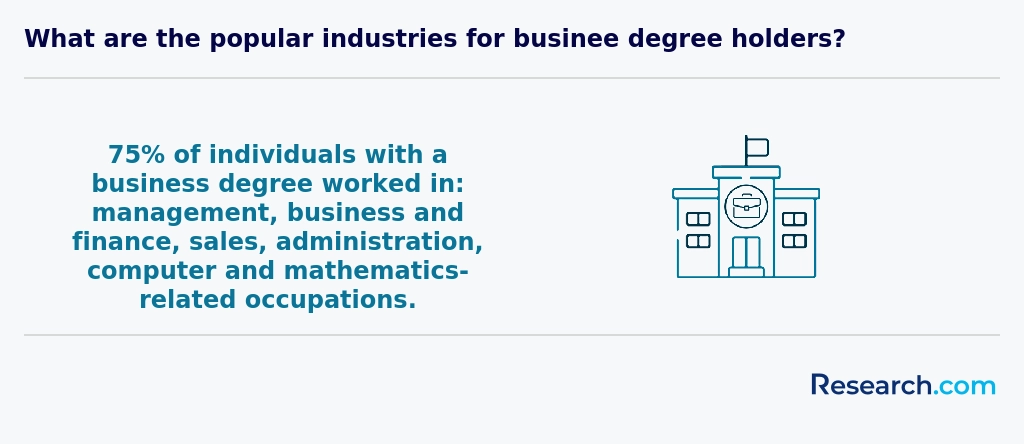
If you're diving into an online business degree in St. Paul, you'll find courses that really cover the essentials and then some. Think management classes that go beyond theory-like learning how to lead a team during a real project or tackle strategic planning challenges inspired by local St. Paul businesses. Graduates from well-known schools here often share how accounting courses helped them easily manage budgets or financial reports when they started their own gigs or joined firms around the Twin Cities.
Finance classes typically dive into investments and markets, giving you a solid grip on smart money moves. Marketing isn't just about ads either-it's about understanding people's choices, with digital marketing examples that reflect St. Paul's growing online economy. Plus, business law courses break down contract basics and ethics so you're ready for real-world situations.
Many students love picking electives like entrepreneurship or supply chain management, which tie directly into the startup energy buzzing in the area. And with data analytics becoming huge everywhere, you'll often tackle local case studies that make learning super relevant and exciting.
When it comes to online business degree specializations in St. Paul MN, you've got plenty of choices that match local job market vibes. Graduates from popular colleges around here often share how focusing on finance or management helped them land roles in thriving Minneapolis-Saint Paul companies. Imagine diving into marketing to learn all about digital campaigns or heading into accounting to master tax prep-both are big deals in the Twin Cities.
Besides the classics like entrepreneurship and supply chain management, these schools let students tailor their courses to future goals, blending subjects like analytics with traditional business knowledge. Working professionals especially love this flexibility, making it easier to juggle jobs while earning a degree.
Curious about what's easiest to study next? Check out what are the easiest masters degrees for a smooth transition into grad school.
Local online business degrees often highlight practical skills that align with St. Paul MN business bachelor's degree concentrations-exactly what employers here need, giving grads that "ready-for-work" confidence.
Looking for the best online business degree St Paul MN? Start by checking if the school is regionally accredited and if their business program has that coveted AACSB stamp-graduates from local colleges often rave about how that helped them land great internships and jobs in St. Paul's bustling finance and healthcare scenes. Cost matters, too: plenty of students find affordable online business programs St Paul that won't break the bank, especially at public universities known for reasonable tuition. One tip from recent grads is to explore programs offering specializations like marketing or entrepreneurship so you're not stuck with just general classes.
Flexibility is a game-changer-many who juggle work and family love programs that offer asynchronous courses. Plus, those who chose programs with solid support services say it really made the difference in staying motivated. If you want, check out cheapest online masters degrees for budget-friendly options that still offer quality education in the area.
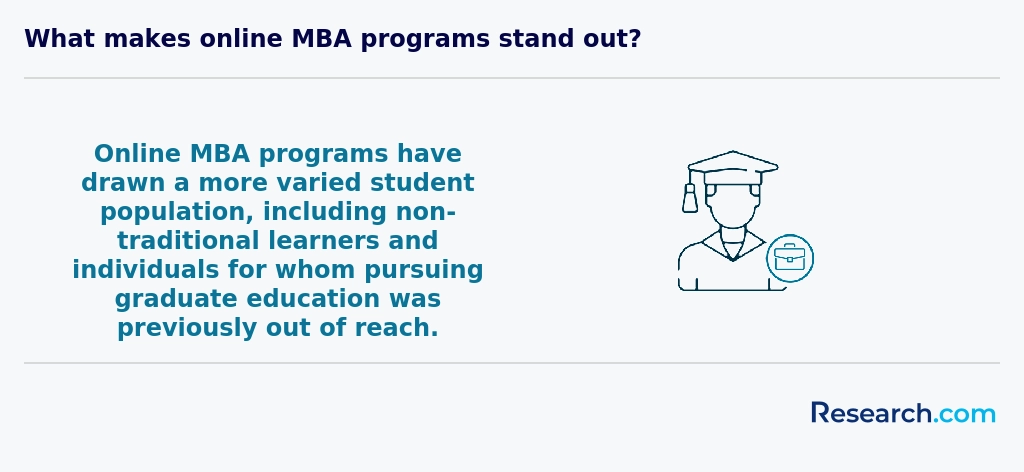
If you're diving into an online business degree in St. Paul, you'll find plenty of exciting career paths right in your backyard. Graduates from popular local schools often land roles as financial analysts or marketing coordinators, using what they learned about management and finance in real-world settings like banking firms or startup hubs around the Twin Cities. One grad shared how their course projects on digital marketing prepared them perfectly for a role in local small business consulting, which is booming here thanks to the city's vibrant startup culture.
Many students appreciate how their programs in St. Paul connect them to sectors like healthcare administration and nonprofit management, which are huge players in this region. Whether it's working with a hospital's finance team or managing operations for a charity, these roles tap into the diverse range of skills built through an online business degree. Plus, studying at accredited non profit colleges here means your education is respected by employers in the area.
The variety in St. Paul MN business degree job opportunities keeps things fresh-retail management, supply chain logistics, and human resources are all thriving fields you can slide into with the right background. It's no wonder so many students love how flexible and practical their business degree feels once they start exploring actual career options.
The job market for online business degree jobs in St. Paul MN is looking pretty solid these days. Graduates from local schools like the University of St. Thomas or Hamline University often share how landing roles in finance, healthcare, or retail management feels achievable, thanks to the region's strong economy. Many find themselves stepping into positions like marketing coordinators or operations managers without much hassle, especially since employers here really appreciate the mix of digital skills and classic business knowledge gained through online programs. For some grads, remote and hybrid work options actually open doors that might not have been available otherwise, making this a flexible career path.
Those studying business report that St. Paul's diverse industries create a nice variety of opportunities. Some even mention the startup scene and nonprofits as cool places to apply their skills while making a social impact. If you're wondering whether an online degree fits your vibe, check out some tips on finding a good job for introvert roles that might match your style.
In terms of St. Paul business degree employment outlook, starting salaries hover around $54,000, which feels fair when you consider the cost of online education. Plus, with experience, that number grows, making this a path worth thinking about for anyone ready to invest in their future without leaving Minnesota behind.
2027 Best Online Bachelor's in Business Degree Programs Ranking in St. Paul, MN
Investing in your education is a significant decision that can shape your future, and the Research.com team understands the importance of making informed choices. To assist prospective students in St. Paul, MN, we have meticulously crafted the "2027 Best Online Bachelor's in Business Degree Programs Ranking." Our commitment to quality, credibility, and accuracy is reflected in the extensive research and careful analysis that went into creating this ranking.
We utilized the following reputable data sources to ensure a comprehensive evaluation of online business degree programs:
By exploring this ranking, readers will gain valuable insights into the best online business degree programs available in St. Paul, helping them make well-informed decisions about their educational and career paths. For more information on how this ranking was created, please visit our Research.com methodology page.
# 1 position
Bethel University, Minnesota
Bachelor of Business Management


Frequently Asked Questions About business
Online business degree students in St. Paul can maximize their learning by actively engaging with course materials and participating in virtual discussions. Utilizing resources provided by their university, such as career services and tutoring, is essential for academic success.
Building connections through local business organizations, like the St. Paul Area Chamber of Commerce, offers networking opportunities that complement online studies. St. Paul's strong economy, with a 2.3% GDP growth in 2023 (Bureau of Economic Analysis), provides real-world business contexts students can explore.
Time management and setting a dedicated study space further enhance focus and learning effectiveness.
The business landscape is rapidly evolving, creating new niches that online business degree programs increasingly address. One prominent area is digital marketing, driven by the surge in e-commerce and social media use. According to the U.S. Bureau of Labor Statistics, jobs in marketing analysis are expected to grow 10% through 2032.
Another emerging niche is supply chain management, especially critical in Minneapolis-St. Paul's robust logistics industry. Firms seek experts to optimize global supply chains.
Additionally, business analytics is gaining importance, focusing on data-driven decision-making with local companies investing more in big data technologies.
These fields provide promising career opportunities for St. Paul students pursuing online business degrees.
After completing an online business degree in St. Paul, preparation for the job market involves strategic steps to enhance employability. Networking is crucial in this region, as the Twin Cities metro area hosts over 10,000 businesses. Joining local chambers of commerce or professional groups like the St. Paul Area Chamber can provide valuable connections.
Internships or part-time roles, even remotely, help gain practical experience and improve resumes. Utilizing career services offered by your online program can connect you with job fairs and employer contacts specific to Minnesota's business landscape.
Also, consider obtaining certifications in areas like project management or data analysis, which are highly valued in St. Paul's competitive market. According to the Minnesota Department of Employment and Economic Development, demand for business analysts and financial specialists is expected to grow by over 8% through 2028.
Employers in St. Paul seeking business degree graduates prioritize a blend of technical and soft skills. According to the St. Paul Chamber of Commerce, strong analytical abilities top the list, enabling graduates to interpret data and make informed decisions. Communication skills are equally valued, especially the capacity to clearly convey ideas in team settings.
Leadership and project management skills are in demand, reflecting the city's diverse business landscape that includes finance, healthcare, and manufacturing sectors. Proficiency in digital tools like Excel, CRM software, and basic coding can boost employability.
The Minnesota Department of Employment and Economic Development notes adaptability and problem-solving as critical as workplaces evolve. These competencies prepare graduates for dynamic roles in St. Paul's competitive market.
Finding internships in St. Paul relevant to a business degree involves leveraging both local resources and university connections. The city hosts a diverse economy with strong sectors like finance, healthcare, and retail, providing various internship opportunities.
Start by exploring internship listings on websites such as Minnesota's state job board and local chambers of commerce, including the St. Paul Area Chamber of Commerce. Many employers post openings suitable for business students there.
Additionally, online business degree programs often offer career services that connect students with regional employers. Engaging with LinkedIn groups focused on the Minneapolis-St. Paul business community can also help identify leads.
According to the Bureau of Labor Statistics, St. Paul's business and financial sector is growing steadily, which increases internship availability for students in these fields.
In St. Paul, an online business degree significantly enhances career mobility by offering flexible learning suited to working professionals. According to the U.S. Bureau of Labor Statistics, the Twin Cities metro, which includes St. Paul, expects a 7% growth in business and financial occupations from 2022 to 2032. Completing an accredited online business program equips graduates with essential skills in management, marketing, and finance, meeting local employers' needs.
Employers in St. Paul increasingly value degrees that demonstrate both knowledge and adaptability. Studies from the Minnesota Department of Employment and Economic Development show that workers with bachelor's degrees earn 65% more on average than those with only high school diplomas in the region.
An online business degree also facilitates advancement by allowing students to gain credentials while maintaining employment, speeding promotions. Additionally, networking opportunities through online programs can connect students to St. Paul's robust corporate and nonprofit sectors.
Studying for a business degree in St. Paul offers strong preparation for interdisciplinary roles by integrating core business principles with real-world applications across sectors. Courses typically combine finance, marketing, management, and technology, reflecting the dynamic needs of the local economy. St. Paul's diverse industries-from finance to healthcare and manufacturing-require professionals who understand multiple fields.
Universities in the area often emphasize collaboration and problem-solving skills, fostering adaptability. According to the Minnesota Department of Employment and Economic Development, interdisciplinary skills boost employment growth in the Twin Cities by approximately 8% annually. This approach equips graduates to navigate complex organizational environments effectively.
When deciding between a thesis and a non-thesis business degree program in St. Paul, students should consider their career goals. A thesis option often suits those aiming for research, advanced studies, or roles requiring analytical skills. It involves a substantial research project, helping develop critical thinking and academic writing.
Non-thesis programs typically focus on practical skills and coursework, appealing to professionals targeting immediate workforce entry or managerial positions. Given St. Paul's growing business sectors like finance and healthcare, non-thesis options may align well with local employers' demands, according to the Minnesota Department of Employment and Economic Development.
Cost and time commitment are also key factors; thesis tracks may require more time due to research, while non-thesis programs often offer faster completion.
Students based in St. Paul seeking to study business abroad have several pathways through online programs affiliated with U.S. institutions that offer international study components. Many accredited universities provide global business courses and virtual exchange opportunities, allowing students to engage with diverse markets without leaving home. While fully remote study is common, some programs include optional short-term residencies in international business hubs.
St. Paul's strong business environment, with significant sectors in finance and manufacturing, encourages partnerships with global business schools. According to the U.S. Department of Education's data, roughly 12% of Minnesota undergraduates enroll in programs with international study options, enhancing global career readiness.
St. Paul offers various part-time job opportunities that align well with an online business degree. Roles in retail management, customer service, and administrative support provide practical experience in areas such as operations and communication. The city's growing finance and insurance sectors offer internships and entry-level positions, useful for students interested in accounting and financial analysis. According to the Minnesota Department of Employment and Economic Development, St. Paul's professional and business services have been steadily expanding, increasing local opportunities. Additionally, many nonprofits and small businesses in St. Paul seek marketing or social media assistants, which can help build relevant skills alongside studies.
Online business students in St. Paul have various networking opportunities despite studying remotely. Many local universities offering online programs, such as the University of St. Thomas and Hamline University, encourage participation in virtual career fairs and alumni events, helping students connect with local professionals.
The St. Paul Chamber of Commerce hosts regular business mixers and networking events that online students can attend to build relationships with the city's thriving business community, which includes finance, technology, and healthcare sectors.
Additionally, platforms like LinkedIn and Meetup enable access to St. Paul-based professional groups focused on business development and entrepreneurship, supporting online students in expanding their networks effectively.
Alumni networks provide significant advantages to online business degree students in St. Paul by fostering connections that can lead to internships, job opportunities, and mentorship. Graduates often share local industry insights, especially valuable in St. Paul's growing economy, which includes finance, healthcare, and technology sectors. According to the Minnesota Department of Employment and Economic Development, the Twin Cities region's business services sector added over 4,000 new jobs recently, emphasizing the importance of strong professional networks.
These networks also offer access to exclusive events and workshops, helping students develop skills relevant to St. Paul's business environment. Engaging with alumni can boost students' confidence and provide ongoing career support after graduation.
Customizing an online business degree in St. Paul allows students to align their education with specific career ambitions. Many local institutions offer flexible curricula where students can choose from concentrations like finance, marketing, or management. By selecting relevant electives, learners can deepen expertise in areas directly linked to high-demand sectors in St. Paul, such as health care administration and technology. Additionally, some programs provide capstone projects or internships tailored to the Twin Cities business environment, enhancing practical skills. According to the Minnesota Department of Employment and Economic Development, these targeted experiences improve employability within St. Paul's growing business landscape.
Online business students in St. Paul often face challenges related to balancing their studies with work and family responsibilities. Many adult learners enroll while maintaining full-time jobs, making time management a critical skill. Access to reliable technology and high-speed internet can also be a barrier for some, as consistent connectivity is essential for participating in virtual classes and accessing course materials.
Networking opportunities are more limited online, which may impact students' ability to build professional connections locally. According to the Minnesota Office of Higher Education, retention rates for online students can be lower due to feelings of isolation. Additionally, some students struggle with the self-discipline required for asynchronous learning formats common in St. Paul programs.
With an online business degree, graduates in St. Paul can pursue several professional certifications to enhance their careers. Popular options include the Certified Management Accountant (CMA) and Project Management Professional (PMP), both highly regarded in the U.S. business community. The CMA, offered by the Institute of Management Accountants, focuses on financial management and strategy, making it valuable for accounting roles.
The PMP certification, managed by the Project Management Institute, is ideal for those aiming at leadership positions in project coordination or management. Additionally, the Certified Business Analyst Professional (CBAP) can benefit graduates interested in business analytics roles.
Locally, St. Paul's diverse economy, including finance and manufacturing sectors, often values these credentials for career advancement.
To write a winning application for an online business program in St. Paul, start by clearly articulating your goals and how the degree aligns with your career ambitions. Admissions committees value applicants who demonstrate a strong understanding of business fundamentals and local market dynamics. St. Paul's economy, anchored by sectors like finance and manufacturing, benefits from graduates skilled in these areas, according to the St. Paul Economic Development Agency.
Highlight your relevant work experience or academic background, especially in leadership or teamwork roles. Use concrete examples that show your problem-solving skills and adaptability, important traits for online learning success.
Finally, tailor your personal statement to reflect why studying remotely in St. Paul's business environment is unique and beneficial for you. Proofread carefully and meet all application deadlines to make a strong impression.
A business career today is increasingly shaped by global perspectives, reflecting the interconnected nature of markets and economies. For students in St. Paul pursuing an online business degree, understanding international business practices is essential. According to the U.S. Bureau of Labor Statistics, jobs in business management and analysis are projected to grow 8% through 2031, driven by globalization.
St. Paul, with its diverse economy including manufacturing, finance, and healthcare, offers a local lens on global trends. Many employers value skills in cross-cultural communication and international trade, which are common components of accredited online programs.
Business graduates with global awareness are prepared to navigate challenges like supply chain complexities and global competition, increasingly relevant to Minnesota's trade-focused economy.
Students pursuing an online business degree in St. Paul can gain practical experience through internships offered by local companies and organizations. Many universities partner with the city's diverse business community, including major employers in finance, healthcare, and retail sectors. According to the St. Paul Chamber of Commerce, the city hosts over 1,000 companies, providing ample internship opportunities.
Additionally, online programs often include project-based coursework that simulates real-world business challenges. Some institutions encourage participation in virtual networking events and business competitions, enhancing practical skills. Volunteering with local non-profits or joining professional St. Paul business associations can also strengthen resumes and professional contacts during studies.
Choosing the right concentration within an online business degree program in St. Paul depends largely on your career goals and local market demands. Popular concentrations include finance, marketing, management, and entrepreneurship, reflecting the city's diverse economy. According to the Minnesota Department of Employment and Economic Development, sectors such as finance and professional services show steady growth in St. Paul, suggesting strong job prospects in those areas.
Assess your personal interests alongside regional industry trends to ensure alignment with opportunities. Additionally, review each program's curriculum and internship or networking options to maximize practical experience within St. Paul's business community.
- 2027 Best Online Business Degree Programs Ranking in Minneapolis, MN
- 2027 Best Online Business Degree Programs Ranking in Cedar Falls, IA
- 2027 Best Online Business Degree Programs Ranking in Madison, SD
- 2027 Best Online Business Degree Programs Ranking in Vermillion, SD
- 2027 Best Online Business Degree Programs Ranking in Watertown, WI
- 2027 Best Online Business Degree Programs Ranking in Davenport, IA
- 2027 Best Online Business Degree Programs Ranking in Mequon, WI
- 2027 Best Online Business Degree Programs Ranking in Romeoville, IL
- 2027 Best Online Business Degree Programs Ranking in Chicago, IL
- 2027 Best Online Business Degree Programs Ranking in Grand Rapids, MI
See What Experts Have To Say About Studying Business
Read our interview with Business experts


Ingrid S. Greene
Business Expert
Clinical Assistant Professor of Management
Loyola Marymount University

David W. Stewart
Business Expert
Emeritus President's Professor of Marketing
Loyola Marymount University

- How Long Does It Take to Get Your Business Degree? https://www.umassglobal.edu/blog-news/long-does-take-get-your-business-degree
- Different Types of Business Degrees | University of Phoenix https://www.phoenix.edu/articles/business/types-of-business-degrees-and-salaries.html
- 8 Best Places to Study Abroad for Business [+ How to Choose] https://www.semesteratsea.org/study-abroad-for-business/
- A guide to finding an internship https://www.ipag.edu/en/blog/guide-finding-internship
- Why Alumni Networks Matter in Business School: 7 Reasons https://europe.ceibs.edu/article/why-alumni-networks-matter-business-school
- Business School Saint Paul | Online MBA Program | Metropolitan School of Business & Management UK https://msbm.org.uk/saint-paul_5
- Networking Tips for Business Students and MBA Candidates - Cyprus West University https://www.cwu.edu.tr/networking-tips-for-business-students-and-mba-candidates/
- 24681 Bachelor Finance - Concordia University - St. Paul USA https://www.findcourse.com/en/highereducation/details/24681
- Interdisciplinary Business https://www.okwu.edu/academics/undergraduate/bachelor-interdisciplinary-business/
- Online Degree vs. Traditional: Choosing the Right Path https://beal.edu/online-degree-vs-traditional/


