2027 Best Business Degree Programs Ranking in Anderson

Co-Founder and Chief Data Scientist
Choosing the right business degree program is a big step toward a successful career. This article introduces the 2027 Best Business Degree Programs Ranking in Anderson, carefully developed by the Research.com team of data scientists.
By exploring this ranking, you'll gain clear insights into which programs stand out, making it easier to find the one that fits your goals. Earning a business degree can unlock new opportunities and build confidence in your skills.
Discover valuable information that supports your journey and helps you make an informed choice with ease.
Key benefits of getting business degree in Anderson
- Salary for business degree graduates: Graduates in Anderson pursuing roles like Business Development Executive can expect an average salary of $83,190 per year, while Business Analysts earn around $112,950, reflecting strong earning potential.
- Career paths: A business degree opens doors to diverse roles such as marketing, finance, and consulting, offering graduates from Anderson's popular universities exciting and varied opportunities to grow professionally.
- Benefits of online degrees: Earning a business degree online from a reputable Anderson-based institution provides flexibility and convenience, allowing students to balance work and study while gaining skills that meet modern business demands.
- 2027 Best Business Degree Programs Ranking in Anderson
- What can I expect from business degree in Anderson?
- Where can I work with business degree in Anderson?
What can I expect from business degree in Anderson?
The average cost of a business degree in Anderson is notably affordable compared to national standards, which is a relief for many students navigating college expenses. Graduates from well-known Anderson colleges often reflect on how manageable tuition fees allowed them to focus more on their studies and internships rather than financial stress. For example, attending a local accredited institution meant their cumulative tuition was often significantly lower than at larger universities elsewhere.
Many students share stories of balancing part-time jobs and scholarship awards that helped offset living costs and materials. This pragmatic approach often made Anderson's business programs feel accessible, even for those not relying entirely on family support. The availability of financial aid and scholarships tailored to business students further eases this burden, making the investment worthwhile when considering long-term career benefits.
Overall, the lower tuition combined with strong internship networks in Anderson's manufacturing and service industries creates a positive and financially viable pathway for aspiring business professionals.
Where can I work with business degree in Anderson?
Graduates from business programs at institutions like Anderson University often find themselves stepping confidently into diverse career paths right in their hometown. Many recall landing roles in Anderson's robust manufacturing sector, working with companies such as Bosch or Michelin, where skills in supply chain management and financial analysis prove invaluable.
Others are drawn to the healthcare industry, joining local providers like AnMed Health. Here, roles in administration and finance offer a rewarding blend of challenge and growth, reflecting the region's expanding healthcare market. It's common for these graduates to feel proud contributing to an essential, thriving sector close to home.
Small businesses and retail in Anderson present vibrant opportunities as well. Business graduates often share how marketing or sales positions in local companies allow them to apply their skills creatively while fostering genuine connections within the community. Some even pursue entrepreneurship, encouraged by the area's strong entrepreneurial spirit.
Finally, many find meaningful careers in the service industries-finance, insurance, and real estate-fields steadily growing and offering roles like financial advising and property management. These paths resonate with graduates who value stability combined with personal interaction, creating fulfilling professional experiences.
Graduates from business programs in Anderson often find rewarding financial prospects, especially when considering roles backed by solid salary data. For example, business development executives in the area earn a mean annual wage of approximately $83,190. This reflects careers that combine networking, strategic thinking, and leadership-skills honed at respected institutions like Anderson University or Tri-County Technical College.
Business analysts, another common path for graduates, report even higher earnings. With a mean annual wage around $112,950, these professionals leverage analytical skills cultivated through coursework and internships focused on data-driven decision-making in local firms. Graduates from Anderson's business colleges frequently share how such roles provide both intellectual challenge and financial stability.
Although not every role offers publicly available data, these figures paint a promising picture. Business students here feel optimistic knowing their education aligns with competitive salaries in their region, supported by a cost of living that enhances overall quality of life. Many reflect on their career growth with genuine enthusiasm as they navigate Anderson's dynamic business landscape.
- Annual tuition for business degrees in Anderson ranges from $10,000 to $25,000 depending on the type of institution.
- Additional costs include fees, books, and supplies, which can increase the overall expense of the program.
- Entry-level salaries for business graduates are typically between $50,000 and $60,000 per year.
- Experienced business degree holders can earn $80,000 or more annually in mid- to long-term careers.
- Job opportunities include roles such as business analysts, financial advisors, sales managers, and marketing coordinators across diverse sectors.
- Internships and networking in the local business community are important for career growth and gaining practical experience.
Completing a business degree in Anderson typically takes about four years for full-time undergraduates, a timeline many graduates from local colleges like Anderson University find both challenging and rewarding. These students often share how balancing coursework with extracurriculars offers a fulfilling campus life, making the four-year journey meaningful beyond just academics.
Part-time students or those juggling jobs might extend their studies to five or six years, especially if attending evening or weekend classes offered by institutions such as Tri-County Technical College. Many appreciate this flexibility since it allows them to maintain income while progressing steadily, lessening stress and burnout.
For graduate students pursuing an MBA or other specialized master's degrees like Finance or Marketing, the completion time usually falls between one and two years. Anderson grads have found accelerated formats particularly energizing, as they quickly move into leadership roles or new careers with this focused approach.
Factors such as transfer credits, internships, and hybrid courses also shape individual timelines, making each student's experience unique but attainable with thoughtful planning and persistence.
Navigating the application process for a business degree in Anderson, IN, can be simplified with a clear roadmap and practical tips. Start by researching institutions thoroughly and reviewing each school’s specific admission requirements-these generally include a high school diploma, minimum GPA standards, and occasionally test scores or essays. Consider attending virtual or on-campus information sessions to gain firsthand insight into the program culture and student resources. To enhance your application, focus on crafting a compelling personal statement that highlights your career goals, academic strengths, and extracurricular activities. Gathering strong letters of recommendation and transparently discussing your aspirations can provide an edge over other candidates. Additionally, explore business administration specialties to discover areas that match your interests and align with future career trends. Be proactive in meeting deadlines for both admissions and financial aid applications to avoid last-minute pressures. Practical steps like setting up reminders for document submissions and preparing for potential interviews can further boost your readiness. By following these guidelines, prospective students can not only streamline the application process but also build a robust foundation for a successful academic journey in business.
The essential difference between online and on-campus business degrees in Anderson lies in the mode of engagement and daily experience. Graduates from Anderson University often reflect fondly on the spontaneous face-to-face discussions and networking events that shaped their leadership abilities and local business connections. These moments-sharing ideas after class or collaborating in study groups-create a tangible sense of community not easily replicated online.
Conversely, many working professionals pursuing business degrees online appreciate the freedom to study on their own schedules. They balance work and family commitments by accessing lectures and assignments anytime, a flexibility praised by graduates from accredited online programs serving Anderson students. This format demands self-discipline and reliable internet but offers a tailored rhythm that supports diverse lifestyles.
Cost is another practical consideration. Online tuition at many institutions ranges from about $8,000 to $15,000 annually, generally lower than Anderson's on-campus fees, which average $11,000 to $14,000 in-state. Each path offers distinct advantages rooted in individual needs and goals.
The average cost of a business degree in Anderson typically centers around $37,240 for in-state students and rises to about $47,940 for out-of-state students. These figures reflect the comprehensive expenses incurred over the course of the degree, encompassing tuition and fees across popular local institutions. Graduates often recall weighing these costs carefully against their career goals, recognizing the investment as a gateway to valuable business knowledge and professional networks.
Many students attending universities such as the University of South Carolina Upstate appreciate the balance between affordable in-state tuition and the quality of education available close to home. Conversely, those considering private colleges near Anderson, known for their specialized programs and smaller class sizes, often see tuition rates approaching or exceeding the median out-of-state cost. These personal decisions about where to study are frequently informed by discussions around affordability and value.
When estimating the average business degree cost Anderson students face, it's important to remember that expenses extend well beyond tuition. Graduates often reflect on additional costs for housing, materials, and transportation, which can add several thousand dollars annually. Many find that exploring part-time or evening coursework options, as well as employer assistance, helps manage these costs effectively while maintaining steady progress towards their degree.
Prospective students interested in how different educational paths might affect their finances should also consider factors like financial aid and scholarships, which can substantially reduce the net amount payable. For those coming from non-business backgrounds, exploring an MBA for non-business graduates might be a wise next step after completing foundational business studies in Anderson.
Investing in a business degree is a significant financial commitment, and understanding the return on investment (ROI) can help students make informed decisions. In Anderson, IN, graduates report that their initial tuition outlay is often recouped within 3–5 years, thanks to competitive entry-level salaries and rapid career advancement. Key factors influencing ROI include program cost, time to completion, and post-graduation salary growth. On average, a bachelor’s degree holder in Anderson sees starting salaries around $55,000, rising to over $80,000 within five years. When compared to the average tuition of $40,926 per year at public institutions, this trajectory translates to a payback period of roughly four years. For those considering further education, pursuing an MBA can accelerate earnings potential; in fact, students may explore easy mba degree programs online with flexible options that balance affordability with accreditation, further enhancing long-term ROI. Non-monetary benefits also play a role: access to alumni networks, leadership training, and specialized certifications can lead to higher promotion rates. Graduates who specialize in high-demand fields such as finance or project management often experience an ROI boost of up to 25% compared to generalists. Additionally, online and hybrid formats reduce opportunity costs by allowing students to work while studying, shortening the overall payback horizon. Before enrolling, prospective students should calculate total program costs (including fees and living expenses), project salary trajectories based on local market data, and factor in available financial aid. By doing so, Anderson’s business degree candidates can confidently select the program that offers the strongest ROI and aligns with their career ambitions.
Students pursuing a business degree in Anderson often find federal financial aid programs-especially those accessed through FAFSA-to be foundational in funding their education. Graduates from Anderson University recall how Pell Grants, which in 2023 can cover up to $7,395 annually, significantly eased their tuition burden without adding debt. This direct aid feels like a breath of fresh air for many facing steep costs.
State-level support through the South Carolina Tuition Grants program also plays a crucial role, particularly for those attending local private colleges. Business students frequently mention how institutional scholarships, awarded based on leadership or academic merit, provide tangible recognition and financial relief-sometimes covering their entire tuition.
Loans remain an option but are often approached cautiously. Many alumni emphasize the importance of leveraging work-study programs to earn while learning, reducing loan dependence. These combined resources help students at Anderson's business schools navigate financial challenges with resilience and optimism.
To enroll in a business degree program in Anderson, students typically need a high school diploma or an equivalent credential like a GED. Graduates often reflect on how this foundational step gave them the confidence to tackle college-level challenges. Many business programs here also appreciate standardized test scores such as the SAT or ACT, even though some schools have adopted test-optional policies recently. These scores, especially in math and critical reading, were key for alumni to demonstrate their preparedness for rigorous coursework.
Applicants at institutions like Anderson University found that submitting strong personal statements and letters of recommendation helped showcase their leadership and communication skills, which made their applications stand out. It's common for programs to look for completion of high school courses in algebra, geometry, and sometimes economics-skills that graduates recall being vital when starting finance and accounting classes.
Working professionals pursuing flexible business degrees in Anderson shared that proving work experience or prior college credits opened doors to accelerated programs, reflecting the city's respect for real-world achievements alongside academics.

. To find the most affordable business schools in Anderson, IN, prospective students can research institutions that offer competitive tuition rates without compromising on the quality of education. Many business schools in the area provide financial aid to help students fund their studies, making higher education more accessible. For a comprehensive list of affordable options, students can visit most affordable business schools in Indiana to explore the various programs available, each with its unique benefits and advantages. This resource allows students to compare costs, curriculum, and alumni success rates, empowering them to make informed decisions about their educational investments.
Business degree programs in Anderson consistently offer courses that lay a solid groundwork while also allowing students to explore their passions. Graduates from popular Anderson colleges often recall how foundational classes like Financial and Managerial Accounting helped them confidently analyze real company finances during internships with local businesses. Similarly, Principles of Marketing brings classroom theories to life by examining consumer behavior and crafting strategic promotions, which many found immediately relevant working on campus marketing projects.
Courses such as Business Law and Organizational Behavior deeply resonated with students navigating group dynamics or preparing to lead teams, giving them practical insights aligned with Anderson's professional environment. Economics and Business Analytics challenge students to apply critical thinking to real market data, a skill praised by those who transitioned smoothly into area firms.
One common sentiment among Anderson business graduates is that these courses not only build knowledge but foster confidence to tackle challenges in diverse roles. Electives in fields like entrepreneurship allow for creativity and hands-on experience, reflecting the supportive education culture found in Anderson's institutions.

Students pursuing a business degree in Anderson find a rich array of specializations designed to meet diverse career ambitions. For example, graduates from local colleges emphasize the appeal of business management concentration options that address leadership and strategic planning, directly reflecting the demands of nearby industries. Many recall how courses in finance, with a focus on investment analysis and financial planning, prepared them for roles in the steadily growing financial analyst sector, which continues to expand regionally and nationally.
Marketing remains a vital specialization, where students engage with practical skills in digital marketing and brand management, ideal for Anderson's vibrant small business community. Those drawn to entrepreneurship benefit from learning to build business plans and navigate funding options-valuable in Anderson's supportive startup environment. Additionally, core areas such as accounting, supply chain management, and information systems round out the choices for students seeking tailored career paths. Exploring the pros and cons of business administration major choices through local experiences can be enlightening and help you decide what best fits your aspirations and Anderson's market.
When choosing the best business degree programs in Anderson, start by focusing on accreditation and reputation, as graduates often reflect on how AACSB accreditation at Anderson University boosted their confidence and job prospects. Many appreciate programs that offer specializations aligned with Anderson's economic landscape-finance, marketing, and supply chain management often stand out given local industry needs. One graduate shared how tailoring their studies toward healthcare management opened unexpected doors in the Greenville-Anderson area.
Cost plays a huge role in decisions. Affordable business degrees Anderson 2027 options like those at Tri-County Technical College have allowed students to pursue quality education without overwhelming debt. Another common insight from alumni is to look beyond tuition and evaluate internship opportunities. Hands-on experience with local businesses has been invaluable in securing positions after graduation.
Flexibility in course delivery also matters. Many students balance jobs or family while studying, so hybrid or online classes have been praised. For those interested in advancing further, exploring benefits such as MBA employee perks can provide additional support and motivation.
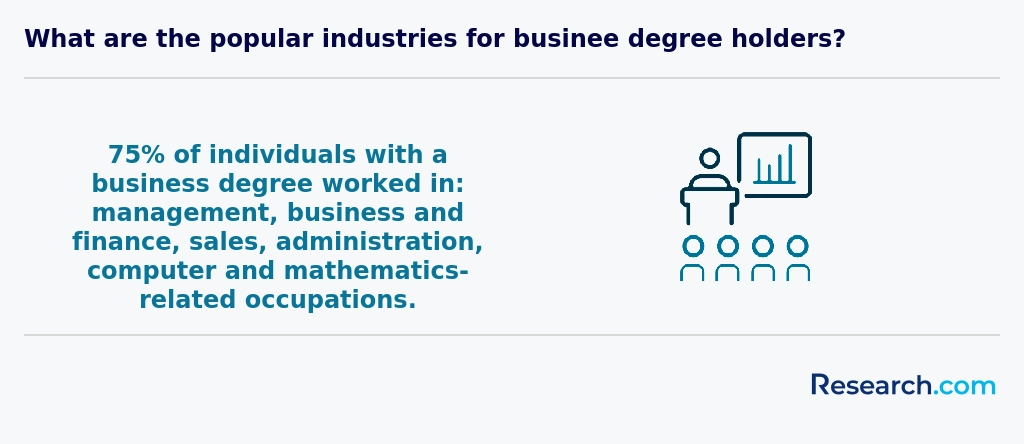
Graduates holding a business degree in Anderson find themselves well-prepared for a variety of fulfilling career paths that reflect the city's unique economic landscape. Many embark on journeys as financial analysts or marketing managers, thriving in the expanding corporate environments linked to Anderson's developing manufacturing and service industries. For instance, graduates from popular local colleges often share how their internships with regional companies enhanced their analytical and communication skills, essential for these roles. Exploring business degree career opportunities in Anderson reveals that sales and operations management positions are also common, offering a chance to directly impact local companies' growth and efficiency.
Entrepreneurship is another vibrant path many graduates pursue, supported by community programs and a growing local economy. Business degree holders who specialized in management and digital marketing have successfully launched startups, benefiting from the region's network and resources. Reflecting on Anderson business degree job prospects, it's clear that emerging sectors like healthcare administration and logistics are increasingly accessible, providing dynamic roles that combine management with industry-specific knowledge. Graduates appreciate how their education from respected institutions opens doors, whether locally or in nearby metropolitan centers, making these career paths both attainable and rewarding. For students considering costs and potential earnings, exploring the best paying universities can help inform their decision.
The job market for business degree holders in Anderson reflects steady and encouraging growth, especially for graduates of local universities and colleges known for strong business programs. Many business students recount their early work experiences in roles such as marketing coordinators or financial advisors, finding that employers value practical skills and operational knowledge. For those focused on Anderson business degree employment outlook, sectors like manufacturing, healthcare, and retail offer diverse opportunities aligning with the city's expanding economic base.
Graduates often find that starting salaries in Anderson, typically ranging from $45,000 to $50,000 annually, provide a comfortable standard of living due to the area's lower cost of living. More experienced professionals in managerial roles report earning $80,000 or more, a promising prospect for those committed to advancing their careers locally. Those weighing educational costs appreciate that many turn to public universities recognized among the most affordable business schools in Indiana, balancing tuition affordability with solid career outcomes.
Success stories from Anderson's business graduates highlight how practical experience and digital literacy open doors to thriving roles-business analysts, sales managers, digital marketers-all crucial in today's evolving marketplace. For anyone assessing business degree job opportunities in Anderson, these examples affirm the city's potential as a gateway to rewarding and stable careers.
2027 Best Business Degree Programs Ranking in Anderson
Investing in your education is a significant decision that can profoundly impact your career and future. The Research.com team is committed to supporting prospective students in Anderson by delivering a thoroughly researched and reliable "2027 Best Business Degree Programs Ranking in Anderson." We have taken great care to ensure the quality, credibility, and accuracy of this ranking through rigorous data analysis and an evidence-based approach.
We utilized the following reputable data sources to create a comprehensive evaluation of business degree programs:
By exploring this ranking, readers will gain invaluable insights to help them make well-informed decisions about which business degree programs best suit their ambitions and goals. For more information on the methodology behind our rankings, please visit our Research.com methodology page.

Frequently Asked Questions About business
Business degree students in Anderson can maximize their learning by engaging with local internships and cooperative education programs. Anderson's proximity to industries such as manufacturing and finance offers hands-on experience, which research shows improves job readiness by 30% according to the National Association of Colleges and Employers. Students should also take advantage of networking events hosted by the Anderson Chamber of Commerce to build professional connections early. Courses incorporating case studies based on local businesses provide relevant problem-solving skills. Additionally, many Anderson institutions emphasize collaborative projects, which develop teamwork and leadership-key competencies employers seek in the business sector.
The business field is evolving rapidly, and several emerging niches are gaining traction, especially for students in Anderson. One growing area is sustainable business practices, driven by increasing corporate focus on environmental responsibility. According to the U.S. Bureau of Labor Statistics, jobs related to sustainability are expected to grow by 10% over the next decade.
Another niche is data analytics. As companies gather vast amounts of data, professionals skilled in interpreting this information can drive smarter decisions. Anderson's proximity to Greenville's expanding tech sector supports this trend with growing internship and job opportunities.
Health care management is also expanding as aging populations increase demand. Business students specializing here can find roles in hospital administration and healthcare consulting.
Preparing for the job market after completing a business degree in Anderson requires strategic planning and practical experience. Graduates should start by leveraging local resources, such as the Anderson Area Chamber of Commerce, which connects job seekers with over 200 regional businesses. Networking events and job fairs held regularly can significantly increase employment opportunities.
Internships remain critical, offering hands-on experience in industries like manufacturing, finance, and retail, which dominate Anderson's economy. According to the U.S. Bureau of Labor Statistics, business-related roles in this region grew by 5% from 2019 to 2023, reflecting expanding opportunities.
Students are also encouraged to acquire certifications in project management or digital marketing to enhance their resumes. Utilizing career services from institutions in Anderson ensures tailored job search support, including resume workshops and interview preparation tailored to the local market.
Employers in Anderson seeking business degree graduates prioritize a combination of technical and interpersonal skills. Key abilities include strong communication, analytical thinking, and proficiency with data analysis tools like Excel and Tableau, which are essential due to the rise of data-driven decision-making.
Leadership and teamwork skills are highly valued as many roles require collaboration across departments. According to the U.S. Bureau of Labor Statistics, business and financial occupations in regions like Anderson are projected to grow by 7% through 2030, increasing demand for adaptable graduates.
Local employers also emphasize problem-solving skills and knowledge of digital marketing, reflecting Anderson's growing entrepreneurial sector. Understanding ethical business practices and financial literacy rounds out the core competencies most in demand.
Finding internships relevant to a business degree in Anderson involves utilizing local resources and networking strategically. Many companies in Anderson, such as those in manufacturing, finance, and retail, offer internship programs tailored to business students. The Anderson Area Chamber of Commerce is a valuable resource for connecting students with local employers.
Additionally, students should leverage career services offices at Anderson-area colleges, which often maintain internship databases and relationships with nearby businesses. Online platforms like Handshake and LinkedIn, focused on internships and entry-level roles, are widely used by both students and employers.
According to the U.S. Bureau of Labor Statistics, internships increase the likelihood of full-time employment post-graduation by 55%, emphasizing their importance.
Obtaining a business degree in Anderson significantly enhances career mobility and advancement opportunities. Local industry data from the Anderson Chamber of Commerce highlights that individuals with business degrees experience a 20% higher rate of promotion within five years compared to those without a degree. Employers in Anderson value skills such as management, finance, and marketing, which are core components of most business programs.
Additionally, universities in Anderson maintain robust connections with regional businesses, offering internships that often lead to full-time positions. A degree also provides a platform for networking, critical for solidifying career progress.
According to the U.S. Bureau of Labor Statistics, sectors prominent in Anderson, like manufacturing and retail, show increased demand for employees with formal business education, forecasting steady job growth through 2030.
Studying for a business degree in Anderson equips students with skills that extend beyond traditional business knowledge, preparing them for interdisciplinary roles. Local institutions often integrate coursework in technology, communication, and data analysis, reflecting the diverse needs of Anderson's growing industries. For example, the Anderson Economic Development Office reports a 12% increase in demand for professionals who can bridge business and tech sectors.
Students also engage in practical projects involving sectors like healthcare, manufacturing, and finance, fostering adaptability. This multidisciplinary approach, combined with access to Anderson's vibrant business community, enhances problem-solving skills across various fields.
Choosing between a thesis and a non-thesis business degree program in Anderson depends on your career goals and learning preferences. Thesis programs emphasize research skills and may suit those planning to pursue doctoral studies or careers in academia. Non-thesis options typically focus on practical skills and coursework, ideal for professionals aiming to enter or advance in the business industry.
In Anderson, business programs often align with regional market demands, including finance, entrepreneurship, and supply chain management. According to the Anderson Chamber of Commerce, over 65% of local businesses prefer candidates with applied knowledge rather than extensive research experience.
Cost and time also matter; thesis tracks may require more time to complete due to the research component. Ultimately, understanding your career path and consulting academic advisors can help determine the best fit.
Students based in Anderson looking to study business abroad have several pathways through established US university programs. Many Anderson students enroll in business degrees at institutions such as Anderson University (Indiana) and can participate in study abroad options offered by these schools through partner universities worldwide. Popular destinations include Europe and Asia, where students gain global business perspectives and language skills.
According to data from the Institute of International Education, over 60% of business majors in the US engage in some form of international study, highlighting strong interest. Anderson University's College of Business supports such programs emphasizing global competence, essential for modern business careers.
Additionally, business students often pursue semester-long exchanges or summer programs, which integrate with their degree requirements, offering valuable cultural immersion without delaying graduation.
Anderson offers several part-time job opportunities that can effectively complement a business degree education. Many students find roles in local banks and credit unions, gaining hands-on experience in finance and customer relations. According to the Anderson Chamber of Commerce, the financial services sector employs over 3,000 people regionally, indicating ample entry-level positions.
Retail management internships are also common, allowing students to develop skills in sales, marketing, and operations. Small businesses in Anderson frequently seek part-time support in bookkeeping and social media management, which aligns with practical business coursework. These roles provide valuable insights into daily business functions and local market trends.
Business students in Anderson have access to a variety of valuable networking opportunities that can enhance their academic and professional growth. Local colleges and universities frequently host career fairs and business networking events, attracting both regional employers and industry leaders. For example, the Anderson Area Chamber of Commerce offers events and workshops that allow students to connect with local business professionals.
Additionally, many institutions promote student involvement in professional organizations such as the American Marketing Association and the Society for Human Resource Management. These groups provide access to exclusive events, mentorship programs, and internships. According to recent data from the Anderson Economic Development office, several top employers in finance, manufacturing, and retail actively recruit from local business programs, further strengthening students' chances to build meaningful contacts.
Alumni networks play a crucial role for business degree students in Anderson by offering valuable professional connections. Graduates often stay connected with their alma mater, providing mentorship and career advice to current students. According to the Anderson Chamber of Commerce, over 65% of local businesses report hiring through alumni referrals. This network can significantly boost job placement rates in competitive markets.
These connections also provide access to industry events, internships, and exclusive workshops tailored to Anderson's business landscape. For students, engaging with alumni means gaining insider knowledge and firsthand experiences from professionals familiar with the regional economy.
Additionally, strong alumni ties enhance fundraising and sponsorship opportunities, which can lead to improved resources and programs for students pursuing business degrees in Anderson.
Customizing a business degree program in Anderson allows students to align their education with specific career goals. Many Anderson colleges offer flexible curricula where students can choose concentrations such as marketing, finance, or entrepreneurship. For example, Clemson University's business programs provide elective options and experiential learning opportunities suited to local industry needs.
Anderson's strong manufacturing and tech sectors influence available internships and co-op placements, which help tailor practical experience. Additionally, students can often select capstone projects or independent studies focusing on regional business challenges, enhancing job readiness.
Advising services at local institutions assist in mapping coursework to certifications, further personalizing the degree toward targeted professions.
Business students in Anderson commonly face several challenges related to academic rigor and local market demands. Many report difficulties balancing coursework with internships, as practical experience is highly emphasized in this competitive region, which hosts several large corporations and startups.
Additionally, students often encounter challenges in accessing up-to-date resources tailored to Anderson's specific economic landscape, particularly in industries such as manufacturing and logistics, which dominate the local economy. According to recent reports from the Anderson Economic Development Association, approximately 35% of business graduates seek employment in these sectors, requiring specialized knowledge.
Moreover, keeping pace with rapid technological changes, including data analytics and digital marketing tools, presents ongoing struggles for many.
A business degree from Anderson opens doors to various professional certifications that can enhance your career prospects. Popular certifications include the Certified Public Accountant (CPA) for those focusing on accounting and finance. The Project Management Professional (PMP) is highly valued in operations and management roles.
For marketing and sales professionals, the Certified Marketing Professional (CMP) offers credentials recognized nationally. The Certified Financial Planner (CFP) certification is sought after by finance majors seeking advanced roles in financial advising.
According to the Anderson Economic Development Association, business graduates holding these certifications often see a salary increase of 15-20% within three years post-certification. Local employers actively seek candidates with these credentials to meet increasing industry standards and competitive business environments in Anderson.
To write a winning application for a business program in Anderson, start by thoroughly researching the specific program's requirements and values. Tailor your personal statement to highlight relevant experiences and clearly explain your motivation for pursuing business studies in this region. Anderson's business schools often seek applicants demonstrating leadership potential and community involvement, so emphasize those skills.
Include strong letters of recommendation from academic or professional contacts who can attest to your abilities. Pay close attention to your resume, ensuring it reflects practical achievements and relevant internships.
Standardized test scores (such as the GMAT or GRE) remain important for many Anderson programs; aim for scores above the average to boost competitiveness.
A business career today requires understanding global markets and diverse cultures. Graduates with business degrees from Anderson benefit from an international outlook, as many local companies engage in trade with Asia and Europe, reflecting global economic trends. According to the U.S. Bureau of Labor Statistics, management occupations are expected to grow by 8% through 2031, partly driven by globalization and expanding global supply chains.
Students learn skills like cross-cultural communication, international finance, and global marketing. These skills are valued worldwide, increasing job opportunities for Anderson graduates in multinational firms. The Association to Advance Collegiate Schools of Business (AACSB) notes that global competence is a key outcome of quality business education.
Anderson's proximity to major logistics hubs further connects students with real-world international business challenges, preparing them for a competitive job market.
Gaining practical experience while studying for a business degree in Anderson is achievable through several effective methods. Many local universities encourage internships with companies in the Anderson metropolitan area, which boasts a growing business sector including finance, manufacturing, and retail. According to the Anderson Chamber of Commerce, internships in these industries have increased by 12% in the past two years.
Additionally, students can participate in cooperative education programs that integrate classroom learning with work experience. Local business competitions and case study challenges sponsored by Anderson's business organizations also offer hands-on experience. Volunteering for nonprofit business projects in the community is another practical option to build real-world skills.
Choosing the right concentration within a business degree program in Anderson requires understanding your career goals and local job market demands. Popular options include finance, marketing, management, and entrepreneurship. According to the Anderson Economic Development Association, finance and sales-related roles have grown by 8% over the past five years in the area, indicating strong opportunities for these concentrations.
Students should also consider programs that offer practical experiences such as internships with Anderson-based companies, which enhance employment prospects. Reviewing regional salary data and industry growth projections from the U.S. Bureau of Labor Statistics can further aid decision-making.
Ultimately, aligning your interests with market trends will help select a concentration that supports long-term success in Anderson's competitive business environment.
- 2027 Best Business Degree Programs Ranking in Indianapolis
- 2027 Best Business Degree Programs Ranking in West Lafayette
- 2027 Best Business Degree Programs Ranking in Fort Wayne
- 2027 Best Business Degree Programs Ranking in Louisville
- 2027 Best Business Degree Programs Ranking in Chicago
- 2027 Best Business Degree Programs Ranking in River Forest
- 2027 Best Business Degree Programs Ranking in Kenosha
- 2027 Best Business Degree Programs Ranking in Milwaukee
- 2027 Best Business Degree Programs Ranking in Madison
- 2027 Best Business Degree Programs Ranking in Dubuque
See What Experts Have To Say About Studying Business
Read our interview with Business experts


David Souder
Business Expert
Senior Associate Dean for Faculty and Research
Michigan State University

David W. Stewart
Business Expert
Emeritus President's Professor of Marketing
Loyola Marymount University

- BUSINESS MANAGEMENT ENGLISH (THESIS / NON-THESIS) - Lisansüstü Eğitim Enstitüsü https://lee.nisantasi.edu.tr/en/business-management-english-thesis-non-thesis/
- Online and Traditional Business Degrees Comparison | Free Essay Example https://studycorgi.com/online-and-traditional-business-degrees-comparison/
- Why Alumni Networks Matter in Business School: 7 Reasons https://europe.ceibs.edu/article/why-alumni-networks-matter-business-school
- How to Identify Profitable Business Niches: A Guide for ... https://www.invoiceonline.com/the-entrepreneur-s-handbook/entrepreneurship/business-strategy/how-to-identify-profitable-business-niches-97365
- Global Perspectives: International Opportunities for Business School Students - SBS Swiss Business School https://sbs-uae.org/global-perspectives-international-opportunities-for-business-school-students-3/
- Networking Tips for Business Students: Building a Foundation for Success https://londonsba.org.uk/blog/networking-tips-for-business-students-building-a-foundation-for-success/
- Online Degree vs. Traditional: Choosing the Right Path https://beal.edu/online-degree-vs-traditional/
- Part-Time Students: 9 Things You Need to Know – EU Business School https://www.euruni.edu/blog/part-time-students-9-things-you-need-to-know/
- Enterprise project challenge https://barclayslifeskills.com/help-others/lessons/enterprise-project-challenge/
- Top 10 Emerging Business Niches of 2026 & How to Plan for Them https://prometai.app/blog/emerging-niches-business-planning