
2027 Best Business Degree Programs Ranking in the USA

Co-Founder and Chief Data Scientist
Choosing the right business degree program can shape your future and open doors to exciting career opportunities. To help you make an informed decision, this article presents the 2027 Best Business Degree Programs Ranking in the USA, developed by the Research.com team of data scientists.
By exploring this ranking, you'll discover which programs stand out for quality, reputation, and career prospects. Whether you're starting your journey or considering a change, understanding these options brings confidence and clarity.
Investing in a business degree is a powerful step toward personal and professional growth, and this guide aims to support you every step of the way.
Key benefits of getting business degree in America
- Business degree graduates can earn competitive salaries; for example, a Business Analyst makes a mean annual wage of $112,950, while a Business Development Executive earns about $83,190 per year.
- Graduates from popular universities often explore diverse roles such as marketing, finance, or management, opening many exciting career paths that match their skills and interests.
- Completing a business degree online, like many graduates from well-known universities, offers flexibility and convenience, allowing students to balance education with work or family while gaining valuable skills.
- 2027 Best Business Degree Programs Ranking in the USA
- What can I expect from business degree in America?
- Where can I work with business degree in America?
What can I expect from business degree in America?
The average cost of earning a business degree in America varies widely depending on the type of institution. Graduates from large public universities often report tuition and fees totaling between $10,000 and $25,000 per year when considering in-state rates. For example, attending a state flagship university known for its business program might cost significantly less than a private college. Conversely, students at private business schools or elite universities frequently encounter annual costs upwards of $50,000, reflecting tuition, fees, and other expenses.
Many students recall balancing the expense with part-time internships or work-study roles, especially at institutions with strong industry connections like those in California or the Northeast. These opportunities, combined with a curriculum emphasizing practical skills alongside theory, help many feel the investment is worthwhile despite the financial burden.
It's important to note that while the price tag feels steep, accredited programs-such as those recognized by AACSB-often provide alumni networks and career resources that can improve job prospects and long-term earnings.
Still, prospective students should carefully evaluate return on investment, considering scholarships, financial aid, and alternative pathways such as community colleges with transfer agreements to reduce costs while pursuing the same credentials.
Where can I work with business degree in America?
Graduates from business programs at institutions like the University of Michigan or the University of Pennsylvania often discover diverse career opportunities, though the path is rarely straightforward. Many find themselves drawn to finance roles-such as financial analysts or accountants-where a 7% job growth is projected by the U.S. Bureau of Labor Statistics through 2031. For instance, a recent graduate from a top business school might start as a budget analyst at a major corporation, navigating complex financial landscapes.
Others thrive in marketing, capitalizing on the sector's 10% expected growth fueled by e-commerce and social media. Graduates from schools like the University of Texas at Austin often report excitement working as sales managers or digital advertising specialists, experiencing firsthand the dynamic nature of this field.
Management roles remain popular, with many alumni transitioning into project or human resources management, attracted by higher salaries and leadership challenges. Additionally, entrepreneurship programs at schools such as Babson College inspire graduates to launch startups, contributing meaningfully to America's economy.
Some choose paths in government or nonprofit sectors, appreciating the stability and community impact, although these roles may offer different rewards than the private sector. Ultimately, business graduates in America navigate a landscape rich with varied and evolving opportunities.
Graduates from well-known business programs in America, like those at the University of Michigan or NYU Stern, often report a mix of excitement and caution when discussing expected salaries. Data-backed roles such as Business Development Executive offer a mean annual wage around $83,190, providing a solid entry point into the business world. Meanwhile, Business Analyst positions stand out with higher earnings, commanding about $112,950 annually, reflecting the value of analytical skills and strategic thinking business degrees develop.
These figures align with many graduates' experiences, where initial paychecks bring enthusiasm but also the realization that salaries vary significantly by role and location. Graduates working in cities like New York or Chicago often see higher wages, helping offset living costs, whereas those in smaller markets might encounter lower salaries but less expensive living.
Ultimately, while an $83,000 to $113,000 salary range is attainable in accessible roles, graduates recognize that continual skill-building and strategic career choices are necessary for maximizing their income in America's competitive business landscape.
- About 20% of all bachelor's degrees in the U.S. are in business, with specializations like finance, marketing, and entrepreneurship.
- In-state tuition and fees at public universities for a four-year business degree typically range from $40,000 to $70,000, while private and out-of-state costs can exceed $100,000.
- Business graduates usually earn a median salary of around $55,000 right after graduation, with potential to increase to $90,000-$120,000 with experience.
- The job market for business-related roles is expected to grow by 7% through 2030, faster than the average for all jobs.
- Accreditation from organizations like AACSB is important as employers prefer graduates from accredited business programs.
Completing a business degree in America typically ranges from two to four years at the undergraduate level, depending on the program and institution. For example, many students at large public universities such as the University of Michigan find that their Bachelor of Business Administration takes about four years when studying full-time. This aligns well with the broader national average for bachelor's degrees.
Associate degrees, commonly offered by community colleges like Santa Monica College, allow students to finish in about two years, providing a quicker, more affordable option that still opens doors or transfers to a bachelor's program. Graduates often express satisfaction with this flexibility, appreciating how it balances cost and mobility.
Graduate degrees such as the MBA usually require around two years full-time, although some accelerated programs at schools like Northwestern's Kellogg School can be completed in just one year. Many working professionals value these options for the way they fit busy schedules without sacrificing depth, enhancing both career prospects and personal growth.
Factors such as transfer credits, part-time enrollment, and online coursework can significantly alter completion time. This adaptability is especially appreciated by students balancing family or jobs, who often share stories of managing their pace to maintain enthusiasm and success.
Online and on-campus business degrees in America differ notably in structure and experience. Graduates from universities like the University of Michigan often appreciate on-campus programs for their face-to-face interactions and rich networking opportunities through clubs and internships in cities such as Ann Arbor. This traditional format fosters a strong sense of community and immediate access to resources like career counseling and libraries.
Conversely, online business degrees at institutions such as Arizona State University provide flexibility crucial for working professionals balancing family or jobs. Graduates frequently highlight the ability to complete coursework asynchronously, which fits varied schedules and reduces expenses linked to housing and commuting. However, some note that virtual group projects can feel less personal compared to in-class collaboration.
Cost is another relevant factor. Public universities typically charge $10,000 to $25,000 annually for on-campus business programs for in-state students, while online tuition can amount to approximately 20-30% less overall, considering fewer ancillary fees. Still, the per-credit cost may be similar. This balance of flexibility, cost, and engagement shapes each student's unique educational journey in the US business landscape.
Accreditation serves as a critical benchmark for evaluating the rigor and credibility of business degree programs in America. Regional and specialized accreditations-such as AACSB (Association to Advance Collegiate Schools of Business), ACBSP (Accreditation Council for Business Schools and Programs), and IACBE (International Accreditation Council for Business Education)-ensure that curricula meet industry standards and that faculty possess the expertise to deliver high-quality instruction. Prospective students should verify a program’s accreditation status to maximize credit transfer opportunities, qualify for federal financial aid, and enhance employer recognition of their credentials. Business schools with AACSB accreditation often demonstrate superior research output, robust alumni networks, and stringent faculty qualification requirements, translating into stronger career outcomes and higher return on investment. Conversely, programs accredited by ACBSP or IACBE emphasize teaching excellence and continuous improvement through regular peer review, making them attractive options for students seeking practical, application-focused learning experiences. When assessing online business degrees, accreditation also assures that virtual delivery methods maintain the same academic and support standards as on-campus offerings. In addition to accreditation, quality assurance measures such as program advisory boards, industry partnerships, and outcome assessments provide transparency around learning objectives and graduate success rates. Prospective students should review metrics like graduation rates, job placement statistics, and average starting salaries-all of which are often published on institutional websites or third-party ranking platforms. For those prioritizing affordability without compromising quality, our Affordable Online Master's in Business Degree Programs Ranking in Wisconsin offers an in-depth comparison of accredited institutions that balance cost-effectiveness with academic excellence. By prioritizing accreditation and quality assurance factors during the selection process, students can confidently invest in a business degree that is recognized by employers, aligned with industry needs, and validated by rigorous academic standards.
The average cost of obtaining a business degree in America can vary widely depending on the type of institution and residency status. Data indicates that the median total cost for a business degree is around $41,922, which reflects expenses including tuition and fees for out-of-state students. In contrast, in-state students benefit from a significantly lower median total cost, roughly $17,575. For graduates who attended popular universities with strong business programs, this investment often feels worthwhile despite the initial financial pressure, as many recall the supportive networks and career opportunities that helped shape their success.
Many students at public universities experience more manageable costs, but the reality is that even these figures don't capture additional expenses like housing, books, and supplies, which add up quickly. For example, a graduate who studied business at a well-known state university might have enjoyed affordable tuition but balanced it against living expenses, making the overall financial commitment higher than tuition alone suggests. When considering business degree expenses in United States 2027, it's practical to factor in such ancillary costs.
Financial aid and scholarships remain critical to reducing these burdens. Some prospective students explore options at affordable business schools, which can ease this investment while still delivering quality education. It's important to approach the overall pricing as a fusion of tuition, living costs, and support resources, rather than viewing expenses through a narrow lens.
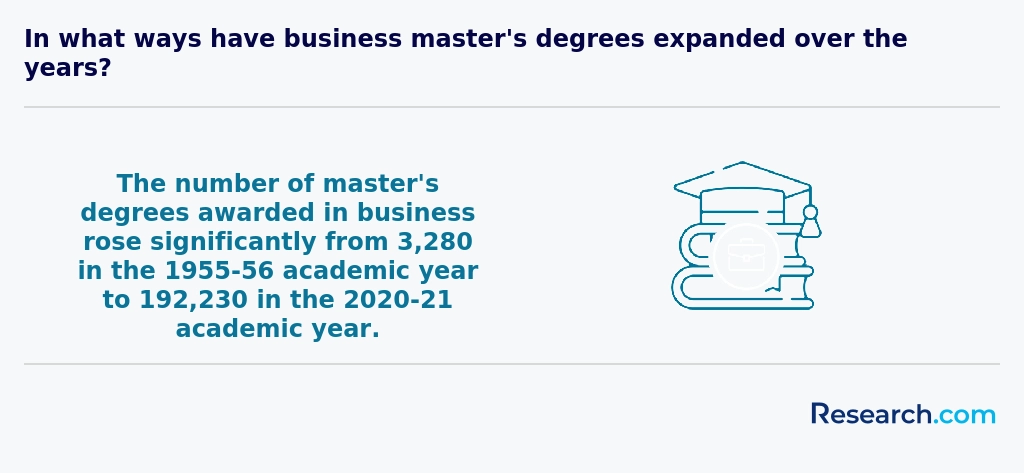
In today’s rapidly evolving landscape, business education is undergoing transformative changes driven by digital innovation, global market dynamics, and evolving industry demands. Modern programs increasingly integrate cutting-edge technology such as artificial intelligence, data analytics, and digital marketing strategies into their curricula, providing students with not only traditional business acumen but also the tools to thrive in a technology-driven environment. This convergence of business and technology allows graduates to approach complex challenges with innovative solutions, making them highly competitive in the job market. Furthermore, collaborative projects, virtual internships, and real-time simulations are now common components of premier business programs. These hands-on experiences prepare students for real-world scenarios, enhancing both their technical and soft skills. For instance, many institutions are now offering hybrid courses that blend online and on-campus learning, thereby catering to diverse learning styles and promoting flexibility. As emerging trends continue to reshape the field, prospective students often wonder whether is getting business management degree hard in this dynamic digital era and how these evolving modes of instruction can serve as catalysts for career advancement. Recognizing these trends can empower students to select programs that not only offer traditional business education but also equip them with a future-ready skillset. Staying abreast of the latest innovations in business education is essential for anyone aiming to make a significant impact in today’s multifaceted business world.
Many business students in America rely heavily on federal financial aid, especially when faced with tuition costs that vary widely-from around $10,000 annually at public universities like the University of Michigan to over $40,000 at private schools such as the University of Pennsylvania's Wharton School. Graduates often recall how completing the FAFSA early unlocked access to Pell Grants, which provide up to $7,395 per year without repayment requirements, significantly easing financial pressure.
Federal student loans also play a large role, offering relatively low interest rates that help students manage debt post-graduation. For instance, former business students at UC Berkeley have appreciated the Direct Subsidized Loans, which accrue interest only after leaving school.
Work-study programs, common in large institutions like Indiana University's Kelley School of Business, offer students valuable on-campus jobs, blending income generation with campus involvement. However, it's important to recognize that not all students qualify equally for these programs, and some encounter challenges balancing work and study.
State grants or scholarships can additionally support local residents pursuing business majors-something Texas students frequently highlight as a key aid source. Meanwhile, merit-based scholarships from business schools or private organizations provide competitive but vital financial support for ambitious students focused on entrepreneurship or finance.
As the business landscape evolves rapidly, top programs are integrating cutting-edge topics to prepare graduates for tomorrow’s challenges. Artificial intelligence and data analytics now underpin core curricula, teaching students how to leverage predictive models and customer insights. Sustainability and ESG (Environmental, Social, Governance) principles have also become essential, with case studies on green supply chains and ethical finance shaping future leaders’ mindsets. Digital entrepreneurship courses guide students through e-commerce platforms, social media monetization, and agile product development, ensuring they can launch startups or innovate within established firms. At the same time, globalization modules emphasize cross-cultural communication, international trade regulations, and virtual team management-skills critical for navigating global markets. Micro-credentials and stackable certificates offer flexible learning paths, allowing working professionals to upskill in specialized areas such as blockchain finance or digital marketing without committing to a full degree. For those looking to fast-track their career, enrolling in an accelerated business management degree program provides both speed and rigor, combining concentrated coursework with real-world projects. Finally, experiential learning has expanded beyond traditional internships to include virtual simulations, consulting partnerships with startups, and global immersion trips. These immersive experiences not only deepen practical knowledge but also enhance networking opportunities across industries. By staying attuned to these emerging trends, prospective students can select programs that deliver both relevance and resilience in an ever-changing business environment.
Enrolling in a business degree program in America typically requires clear academic preparation and personal dedication. For example, graduates from popular schools like the University of Michigan's Ross School of Business often recall how their strong high school records in math, economics, and English were essential to gaining admission. These subjects build a foundational understanding that business programs expect.
Many universities still request standardized test scores such as the SAT or ACT, but this requirement is gradually evolving. Around 60% of business schools in the US have adopted test-optional policies, allowing applicants to emphasize leadership roles or extracurricular activities instead. Graduates often highlight how their personal statements and recommendation letters showcased their passion for business, something admissions committees clearly value.
At the graduate level, schools like Harvard Business School expect candidates not only to hold a bachelor's degree but also to bring relevant work experience-typically two to three years-that enriches classroom discussions. Some former MBA students recall that this professional background was a critical factor in their acceptance, occasionally even offsetting standardized test scores.
Financial preparedness is a practical consideration not to be overlooked. Prospective students must plan for costs that vary widely, from about $10,000 annually for in-state tuition at public universities to over $38,000 at private institutions. Many graduates view this investment as a stepping stone toward meaningful career growth and personal achievement.
When deciding on a business school, it's essential to consider several factors that align with your personal aspirations and career goals. One crucial aspect is the affordability of the program, as it directly impacts your return on investment. For instance, exploring options like affordable business schools can provide valuable insights into programs that offer quality education at a lower cost. Additionally, factors such as accreditation, curriculum, faculty expertise, and networking opportunities should be carefully evaluated to ensure they meet your needs and expectations. By meticulously considering these factors, you can make an informed decision that sets you up for success in your academic and professional pursuits.
Business degree programs in America typically include a range of core courses that build essential skills students will apply across many industries. Graduates from universities like the University of Michigan or the University of Pennsylvania often reflect on courses such as accounting, where they gained hands-on experience preparing financial statements, which proved valuable in internships and entry-level jobs.
Finance courses introduce students to asset management and investment principles, often using real-world case studies to develop practical understanding. Marketing classes, another staple, emphasize consumer behavior and promotional strategies, which graduates recall helped them think creatively and analytically about brand messaging.
Courses in management cover leadership and organizational behavior, vital for students who later found themselves leading teams or projects. Many programs also include studies in business law and ethics, anchoring students in important legal and moral frameworks relevant to everyday business decisions.
Students at colleges like the University of Texas at Austin appreciate the diversity of electives that allow for specialization in fields such as international business or supply chain management, reinforcing how these courses translate to tangible career skills.
Business degree specializations in the USA provide targeted skills tailored to various industries, but choosing the right focus can be challenging. Popular options include Finance, which equips graduates with knowledge in managing investments and banking. Many students from universities known for strong business programs report that finance courses helped them confidently analyze real-world market trends, preparing for roles in financial analysis or corporate finance. Meanwhile, Marketing is favored for its dynamic approach to understanding consumer behavior and digital strategies, essential in today's e-commerce-driven economy.
Another frequently selected path is Management, emphasizing leadership and organizational strategy. Graduates of well-regarded colleges describe developing practical skills through case studies and internships that simulate managing teams and projects. Other areas like accounting, entrepreneurship, and international business offer valuable alternatives focused on specific interests and career ambitions. Students considering how broad or specialized their education should be might explore whether is getting business management degree hard fits their goals, as it covers essential foundational skills interdisciplinary in scope.
These top business majors available in America reflect the diverse opportunities but also invite reflection on aligning specialization with personal passion and market demand to maximize both learning satisfaction and job prospects.
Choosing the best business degree in America involves weighing factors beyond popular reputation or cost alone. Graduates from well-known colleges often highlight how selecting programs with strong accreditation, such as AACSB, directly impacted their networking opportunities and hiring prospects. However, not all students prioritize the same things: some valued affordability and opted for public universities offering affordable business degrees in America, balancing tuition with scholarship options. Others sought flexibility, enrolling in online programs to maintain work while studying.
Consider real scenarios like a recent graduate from a major U.S. university who found career services and internship placements crucial in securing a job quickly after graduation. Their experience suggests looking at employment outcomes can be as telling as rankings. Program delivery - on-campus or hybrid - can also shape your experience and should match your lifestyle. For students eager to finish faster, exploring an accelerated business management degree may offer a competitive edge. These choices underscore that selecting from the best business degree programs USA means aligning with your goals, not just following trends.

Graduates with a business degree in America encounter diverse career paths reflecting the dynamic economy. Many pursue roles in finance, becoming financial analysts or investment bankers, with some graduates from renowned business schools reporting rewarding experiences applying analytical skills in real-world markets. Others find opportunities in marketing and sales, capitalizing on evolving digital landscapes. For example, several graduates from major public universities express enthusiasm about entering marketing roles that leverage creativity and data analysis. This spectrum of options reflects the broad applicability of a business degree, anchored in the top career paths for business graduates in America.
Management positions also attract business degree holders, offering leadership roles such as operations or human resources managers. Graduates often appreciate how programs at well-regarded colleges prepare them for these challenges, combining theory with practical case studies. Entrepreneurship, supported by extensive coursework and mentorship at many American universities, remains appealing for those eager to start businesses. Yet, potential students must weigh these opportunities against the cost of education, considering resources like the Affordable Online Master's in Business Degree Programs Ranking in Wisconsin.
The business degree job outlook in the USA remains encouraging but requires careful consideration. Graduates from well-known universities often find diverse career opportunities in cities with strong economic hubs, such as New York, Chicago, or Boston. For example, graduates from popular business colleges frequently secure entry-level roles in marketing, finance, or supply chain management, enjoying steady growth potential. However, competition is fierce, and geographic location plays a crucial role in job availability and salary levels.
In addition to traditional roles, graduates emphasize the importance of augmenting their resumes with skills in data analysis or digital marketing to stand out in a crowded market. Many have discovered that pursuing high paying certification programs adds a valuable edge. Career opportunities for business graduates in America also tend to improve dramatically with experience and advanced degrees like MBAs, especially from institutions known for strong alumni networks and connections to high-paying employers.
2027 Best Business Degree Programs Ranking in the USA
Investing in your education is a significant decision that can impact your career and future, and the Research.com team recognizes the importance of making well-informed choices. To aid prospective students in selecting the best business degree programs, we have carefully developed the "2027 Best Business Degree Programs Ranking in the USA." Our dedication to quality, credibility, and accuracy is demonstrated through detailed research and rigorous analysis conducted by our experts.
We utilized the following reputable data sources to ensure a comprehensive evaluation of business degree programs:
By exploring this ranking, readers will gain valuable insights into top business degree programs across the USA, empowering them to make confident decisions about their educational journey. For more information on how the ranking was created, please visit our Research.com methodology page.


Frequently Asked Questions About business
Business degree students in America can maximize their learning experience by actively engaging in internships and cooperative education programs. According to the National Association of Colleges and Employers (NACE), students who gain practical experience through internships have a 20% higher chance of receiving job offers before graduation.
Participation in student organizations related to business also enhances skills like leadership and networking. Many universities, such as the University of Pennsylvania's Wharton School, emphasize case competitions and group projects that develop critical thinking and teamwork.
Finally, students should take advantage of faculty office hours and mentorship programs to deepen their understanding of complex topics and explore career pathways.
Emerging niches within the business field in the United States reflect growing market demands and technological advances. One significant area is data analytics, where businesses rely heavily on big data to make strategic decisions. According to the Bureau of Labor Statistics, jobs for operations research analysts are projected to grow 24% from 2021 to 2031, much faster than average.
Sustainability and green business are also gaining traction as companies shift toward eco-friendly practices. Reports from the U.S. Green Building Council highlight increasing demands for sustainable business experts.
Another emerging niche is digital marketing and e-commerce, driven by online consumer behavior shifts, with the U.S. e-commerce market expected to top $1 trillion in sales by 2025, according to Statista.
These areas are reshaping traditional business education and offering new career opportunities throughout the country.
After earning a business degree in America, preparing for the job market involves several strategic steps. First, gaining relevant work experience through internships or cooperative education programs during studies significantly improves employment prospects. According to the National Association of Colleges and Employers (NACE), 61% of employers prefer candidates with internship experience.
Building a strong professional network is also crucial. Joining business clubs, attending career fairs, and connecting with alumni can open doors to opportunities. Additionally, job seekers should develop soft skills such as communication, teamwork, and problem-solving, which remain highly valued by American employers.
Finally, utilizing university career services can aid in resume building, interview preparation, and job placement, providing tailored support to graduates entering a competitive market.
Employers in the United States consistently prioritize a blend of technical and soft skills when hiring business degree graduates. According to the National Association of Colleges and Employers (NACE), critical thinking and problem-solving are top competencies, with over 80% of employers rating them as essential. Communication skills, both written and verbal, are also highly sought after, enabling graduates to effectively convey ideas and collaborate.
Additionally, proficiency in data analysis and financial literacy is increasingly important due to the rise of data-driven decision-making in American companies. Leadership and teamwork skills remain fundamental, reflecting the collaborative nature of business environments across industries.
Finding internships relevant to a business degree in America begins with leveraging university career centers, which often maintain partnerships with local and national companies. According to the National Association of Colleges and Employers (NACE), over 60% of business students secure internships through such resources. Networking plays a critical role; students should attend industry events, join business clubs, and utilize platforms like LinkedIn to connect with potential employers.
Online job boards specifically catering to business internships, such as Internships.com and Handshake, provide targeted listings. Additionally, many Fortune 500 companies offer structured summer internship programs for business majors. Early application and tailoring resumes to highlight relevant skills increase chances of success.
Obtaining a business degree in America significantly enhances career mobility and advancement opportunities. According to the U.S. Bureau of Labor Statistics (2023), individuals with a bachelor's degree in business typically earn 20% more than those without a degree. This credential opens doors to various industries including finance, marketing, and management, offering diverse paths for growth.
Business graduates often find greater access to leadership roles due to skills gained in strategic thinking, communication, and problem-solving. A 2022 survey by the Graduate Management Admission Council (GMAC) showed that 75% of employers prefer candidates with formal business education for managerial positions.
Moreover, networking opportunities during business studies foster professional connections essential for career advancement. The versatility of a business degree supports transitions between sectors, increasing long-term career flexibility in the evolving U.S. job market.
Studying for a business degree in America equips students with skills essential for interdisciplinary roles by combining core business knowledge with exposure to related fields such as economics, technology, and communication. Many programs encourage collaboration across departments, reflecting real-world workplace environments where business decisions intersect with data analysis, marketing, and information systems.
According to the National Center for Education Statistics, over 350,000 students graduate with a business degree in the U.S. annually, highlighting its popularity and broad applicability. Business curricula often include practical components like case studies and internships, fostering problem-solving and teamwork across disciplines.
Additionally, American business programs emphasize soft skills such as leadership and ethical decision-making, preparing graduates to manage diverse teams and complex projects.
When deciding between a thesis and a non-thesis business degree program in America, students should consider their career goals and preferred learning style. Thesis programs demand original research, suited for those aiming for academic careers or advanced studies like a PhD. Non-thesis options focus more on practical skills and coursework, ideal for immediate entry into business roles.
According to the National Center for Education Statistics, about 60% of business master's graduates opt for non-thesis tracks, reflecting industry demand for applied knowledge. Also, thesis programs can take longer to complete and require strong research skills.
Students should evaluate program specifics and consult advisors to align their choice with job market trends and personal strengths.
American students interested in studying business abroad have several options through exchange programs and dual-degree partnerships offered by U.S. universities. Many institutions collaborate with international schools, allowing students to spend a semester or year abroad while earning credits toward their U.S. degree. According to the Institute of International Education, over 60% of all U.S. study abroad participants in 2022 chose business-related fields. Popular destinations include Europe, Asia, and Latin America, offering exposure to diverse markets and cultures.
Additionally, some programs offer dual degrees, combining curricula at U.S. and foreign universities, enhancing global business skills and employability.
Part-time jobs that complement business degree education in America often focus on roles providing practical experience in finance, marketing, and management. Common opportunities include positions such as sales associates, financial clerks, or administrative assistants. These roles help students develop skills in customer relations, budgeting, and organizational management.
According to the U.S. Bureau of Labor Statistics, business-related occupations are projected to grow by 8% from 2022 to 2032, increasing the demand for qualified candidates with relevant experience. Internships or part-time work in startups and local businesses also offer valuable exposure to entrepreneurial environments.
Networking is a vital part of business education in America, offering students numerous ways to connect with industry professionals. Many universities host career fairs, where hundreds of companies from sectors like finance, marketing, and consulting actively recruit business students. According to the National Association of Colleges and Employers, over 80% of business graduates secure jobs through networking events and personal connections.
Student organizations, such as business clubs and honor societies, provide platforms for peer interaction and leadership development. Additionally, alumni networks often facilitate mentorship programs and exclusive job opportunities, enhancing students' career prospects.
Internships arranged through university partnerships also serve as key networking channels, helping students gain real-world experience and establish professional contacts early in their careers.
Alumni networks play a significant role for business degree students in America by offering valuable professional connections. Approximately 85% of jobs are filled through networking, according to the U.S. Bureau of Labor Statistics, highlighting the importance of these networks. Business schools often have large and active alumni communities, providing mentorship, internships, and job opportunities.
Engaging with alumni helps students gain insights into industry trends and company cultures. Many alumni hold leadership positions in top American firms, further enhancing these networks' value. Schools like the University of Pennsylvania's Wharton and the University of Michigan's Ross School emphasize alumni involvement in career placement.
In the United States, customizing a business degree program allows students to align their education with specific career goals. Many universities offer concentrations or specializations within their business degrees, such as finance, marketing, entrepreneurship, or data analytics. According to the National Center for Education Statistics, about 70% of business bachelor's degree students choose a focus area to enhance their job prospects.
Additionally, students can often select electives that build skills relevant to their desired roles, like international business or supply chain management. Practical experiences, including internships and cooperative education programs, are commonly integrated into curricula to provide real-world skills.
Taking advantage of dual degrees or minors, such as combining a business degree with computer science or communications, can further tailor a program. Schools accredited by AACSB typically provide flexible options to meet diverse career objectives.
Business students in America face several common challenges during their studies. One major issue is managing the high cost of education. According to the National Center for Education Statistics, the average annual tuition for public four-year institutions reached over $10,000 in 2023, placing financial strain on many students. Additionally, balancing rigorous coursework with internships and part-time jobs can be demanding. Many face pressure to build practical experience while maintaining strong academic performance.
Another challenge involves staying current with rapidly evolving business technologies and market trends, which requires continuous learning beyond the classroom. Soft skills like communication and networking are also crucial but often underemphasized in curricula, adding to student stress.
With a business degree in America, graduates can pursue a variety of professional certifications that enhance career prospects and credibility. One of the most recognized certifications is the Certified Public Accountant (CPA), which is essential for careers in accounting and finance. The CPA designation requires passing a rigorous exam and meeting state-specific experience requirements.
Another popular certification is the Project Management Professional (PMP), valued across industries for managing complex projects efficiently.
The Certified Management Accountant (CMA) focuses on financial management and strategy and is offered by the Institute of Management Accountants, with over 140,000 members worldwide.
Business graduates can also consider certifications like the Chartered Financial Analyst (CFA) for investment management roles, or the Certified Business Analyst Professional (CBAP) to specialize in business analysis, both recognized in the US job market.
When applying for a business program in America, start by researching the specific requirements of each school. Most programs require a strong academic record, typically a minimum GPA of 3.0, and competitive standardized test scores such as the GMAT or GRE. According to the Graduate Management Admission Council, the average GMAT score for top business schools is about 710.
Craft a compelling personal statement that highlights your professional goals, leadership experiences, and why you are interested in business. Admissions committees often look for applicants who demonstrate clarity of purpose and unique motivation.
Secure letters of recommendation from supervisors or professors who can attest to your skills and potential. Additionally, emphasize any internships or real-world business experience, as practical knowledge is highly valued in U.S. business education.
Business careers in America increasingly require global awareness due to the interconnected nature of today's economy. According to the U.S. Bureau of Labor Statistics, over 50% of the top business sectors engage heavily in international trade and partnerships. This creates demand for graduates who understand diverse cultural, economic, and regulatory environments.
American business degree programs often integrate global perspectives through international case studies, study abroad options, and language courses. For example, the Association to Advance Collegiate Schools of Business (AACSB) highlights that accredited schools emphasize global competence as a critical graduate skill.
In 2023, data from the National Center for Education Statistics showed a 12% increase in international business-related courses, reflecting student interest in global career paths. Employers, especially multinational corporations in finance, marketing, and supply chain sectors, prioritize candidates with cross-border expertise.
Gaining practical experience while studying for a business degree in America is essential for career success. Many universities offer internships through partnerships with local and national companies, allowing students to apply classroom knowledge in real-world settings. According to the National Association of Colleges and Employers (NACE), over 60% of business students secure internships before graduation.
Additionally, cooperative education programs (co-ops) provide paid work terms integrated into the curriculum. Participating in student-run businesses and consulting projects also helps develop leadership and problem-solving skills.
Networking events, career fairs, and mentorship programs further connect students with industry professionals, enhancing job prospects after graduation.
Choosing the right concentration within a business degree program in America requires understanding your career goals and interests. Popular concentrations include finance, marketing, management, and entrepreneurship, each aligning with different industries and job roles. According to the National Center for Education Statistics, finance and marketing remain among the most enrolled concentrations in U.S. business schools.
Researching job market trends is essential. The U.S. Bureau of Labor Statistics projects 8% job growth for business and financial occupations through 2031, faster than average. Specializing in in-demand areas like data analytics or supply chain management may improve employment prospects.
Additionally, consider the expertise of faculty, internship opportunities, and alumni outcomes at potential schools. These factors can deepen your practical knowledge and professional network, which are critical in the competitive American business environment.
See What Experts Have To Say About Studying Business
Read our interview with Business experts

David W. Stewart
Business Expert
Emeritus President's Professor of Marketing
Loyola Marymount University

Ingrid S. Greene
Business Expert
Clinical Assistant Professor of Management
Loyola Marymount University

David Souder
Business Expert
Senior Associate Dean for Faculty and Research
Michigan State University

- 8 Best Places to Study Abroad for Business [+ How to Choose] https://www.semesteratsea.org/study-abroad-for-business/
- Interdisciplinary Business https://www.okwu.edu/academics/undergraduate/bachelor-interdisciplinary-business/
- Enterprise project challenge https://barclayslifeskills.com/help-others/lessons/enterprise-project-challenge/
- Networking Tips for Business Students and MBA Candidates - Cyprus West University https://www.cwu.edu.tr/networking-tips-for-business-students-and-mba-candidates/
- 9 Different Types of Business Degrees and Career Paths https://www.umassglobal.edu/blog-news/9-different-types-business-degrees-and-career-paths
- Niche Business Ideas: A Guide to Profitable Niche Business Selection - Inar Learn https://inarlearn.com/niche-business-ideas-a-guide-to-profitable-niche-business-selection/
- FAFSA Guide for Business Schools | Accounting.com https://www.accounting.com/resources/fafsa-guide/
- Global Perspectives: International Opportunities for Business School Students - SBS Swiss Business School https://sbs-uae.org/global-perspectives-international-opportunities-for-business-school-students-3/
- BUSINESS MANAGEMENT ENGLISH (THESIS / NON-THESIS) - Lisansüstü Eğitim Enstitüsü https://lee.nisantasi.edu.tr/en/business-management-english-thesis-non-thesis/
- How Long Does It Take to Get a Business Administration Degree? - Team Academy https://teamacademy.nl/how-long-does-it-take-to-get-a-business-administration-degree/


