2027 Best Business Degree Programs Ranking in Dallas

Co-Founder and Chief Data Scientist
Choosing the right business degree program can shape your future, especially in a vibrant city like Dallas. This article presents the 2027 Best Business Degree Programs Ranking in Dallas, developed by the Research.com team of data scientists to guide you toward informed decisions.
By exploring this ranking, you'll discover programs that match your career goals and ambitions. A business degree offers valuable skills and exciting opportunities, setting you up for success in today's competitive market. Dive in and find the path that's right for you.
Key benefits of getting business degree in Dallas
- Strong earning potential: Business degree graduates in Dallas can expect competitive salaries, such as a Business Development Executive earning about $83,190 annually and a Business Analyst making around $112,950 per year.
- Diverse career paths: Graduates from local schools like Southern Methodist University often find opportunities in roles ranging from business analysis to account management and operations supervision.
- Flexibility of online degrees: Earning a business degree online through institutions like the University of Texas at Dallas offers convenience and balance, enabling students to work while studying and quickly apply skills in real-time.
- 2027 Best Business Degree Programs Ranking in Dallas
- What can I expect from business degree in Dallas?
- Where can I work with business degree in Dallas?
What can I expect from business degree in Dallas?
When considering the cost of pursuing a business degree in Dallas, many graduates from institutions like the University of Dallas and Southern Methodist University recall balancing ambition with practical budgeting. Tuition varies widely, often depending on whether you attend a public or private school. For Texas residents, public universities usually offer in-state tuition discounts, making programs significantly more affordable-sometimes reducing annual costs by several thousand dollars compared to out-of-state tuition.
Graduates often share how scholarships, employer tuition assistance, and part-time internships helped ease financial pressures. The presence of major corporate headquarters nearby provides ample opportunities for paid internships, which not only bolster resumes but also contribute to funding education.
While private institutions may have higher sticker prices, students value the specialized tracks and close industry connections they gain. Ultimately, the average total cost can range from moderate to high, but the strong local economy and networking resources in Dallas make the investment feel rewarding and manageable for many pursuing a business career here.
Where can I work with business degree in Dallas?
Graduates from business programs at institutions like Southern Methodist University and the University of Texas at Dallas often find themselves immersed in a thriving job market. With Dallas hosting over 20 Fortune 500 companies, including giants like AT&T and Southwest Airlines, many alumni confidently step into roles where their business skills directly impact major corporations.
For those passionate about finance, opportunities abound in Dallas's robust banking sector. From financial analyst positions to loan officer roles at firms such as JPMorgan Chase, graduates often recall how internships and local networks helped them transition smoothly into these careers.
Technology firms also offer vibrant paths. Business graduates skilled in project management or data analytics frequently join companies like Texas Instruments, appreciating how their education prepared them for dynamic, fast-paced environments.
Healthcare administration is another meaningful avenue, with Dallas's large medical centers like Baylor University Medical Center creating demand for professionals who blend business acumen with healthcare insight. Many feel fulfilled knowing their work supports vital community services.
Finally, those drawn to real estate and retail find energy in Dallas's growing urban landscape, frequently taking on roles in property management or commercial real estate analysis. Business graduates often describe a rewarding sense of contribution as they help shape the city's future.
Graduates holding a business degree in Dallas often find themselves stepping into roles where the compensation reflects both their academic efforts and the city's vibrant economic environment. For instance, many business analysts in Dallas earn a mean annual wage of about $112,950 according to recent Bureau of Labor Statistics data, which substantially exceeds the entry-level averages nationwide. This strong earning potential is something alumni from prominent institutions like the University of Texas at Dallas or SMU frequently highlight when reflecting on their career progress.
Such salaries underscore the advantage of studying business in Dallas, a city buzzing with opportunities in finance, technology, and healthcare sectors. The practical experience gained through internships and networking in these fields often translates into fast track salary growth. Business graduates often share that landing a role as a business analyst brings rewarding challenges coupled with attractive financial returns, fueling a sense of accomplishment and motivation for further advancement.
Beyond starting salaries, the local market's demand for skilled professionals supports sustained earning growth, encouraging graduates to hone specialized skills while enjoying the city's relatively lower living costs. These factors combine to create an inspiring scenario for driven business students aiming to convert their education into tangible success.
- The total cost for a four-year business degree from a public university in Dallas ranges from $40,000 to $60,000, while private schools may exceed $100,000.
- Business graduates in Dallas earn an average salary of $55,000 to $65,000 in the first year after graduation, with mid-career salaries rising to $85,000 to $100,000 or more.
- Dallas has a higher concentration of finance and business services jobs than the national average, with an estimated job growth of about 8% in business and financial occupations through 2030.
- The city offers multiple accredited business schools with specialized programs like supply chain management, real estate, and entrepreneurship.
- Internship and networking opportunities are plentiful, helping graduates secure jobs more quickly after completing their degrees.
- Many students reduce their costs through financial aid, scholarships, and employer tuition assistance programs.
Completing a business degree in Dallas generally takes about four years for full-time undergraduate students, which aligns with national expectations. Graduates from institutions like the University of Texas at Dallas often share how this timeline balances academic rigor with opportunities to engage in internships and campus activities that enrich their learning experience.
Some students choose accelerated programs that help them finish in as little as three years by taking heavier course loads or attending summer sessions. This path, while demanding, brings a rewarding sense of accomplishment and allows students to enter the workforce sooner, a popular option among highly motivated individuals.
For those juggling work and studies, part-time routes stretch completion to five or six years. Many appreciate the flexibility these programs offer, allowing them to gain valuable work experience alongside their education. Dallas universities support these students with evening or online classes, reflecting the city's commitment to accommodating diverse needs.
Master's degrees, like the MBA, typically require one to two years full-time, though part-time options extend this duration, giving students freedom to learn at their own pace without sacrificing income or family time.
Dallas’s dynamic business environment is rapidly evolving, and staying ahead means understanding emerging trends that are reshaping both educational programs and career opportunities. As digital transformation and globalization become cornerstones of modern business, institutions are increasingly integrating technology-driven tools and innovative teaching methods into their curricula. Graduates are finding that fluency in data analytics, artificial intelligence, and digital marketing is no longer optional but rather essential for thriving in the competitive market. Local businesses are actively seeking professionals who can navigate these shifts and offer fresh insights into driving efficiency and growth. Moreover, current industry insights reveal that sectors such as fintech, sustainable business practices, and healthcare management are projected to see significant expansion in the coming years. This future-oriented perspective not only enhances the relevance of Dallas’ business degree programs but also highlights the importance of continuous learning and professional development. For example, aspiring professionals curious about lucrative fields can explore the latest trends among top paying business majors and align their education with market demands. By integrating these emerging business trends into their strategic planning, both prospective students and institutions are positioned to nurture a workforce that is agile, tech-savvy, and ready to drive innovation in a rapidly changing global economy.
Choosing between an online and on-campus business degree in Dallas often comes down to how you envision your daily learning experience. Graduates from institutions like Southern Methodist University recall the energizing buzz of campus life-face-to-face discussions, spontaneous networking over coffee, and direct access to career resources that sparked professional connections. This in-person engagement can feel deeply motivating and creates a tangible sense of community, especially within Dallas's thriving business scene.
Conversely, those who pursued online programs appreciate the unmatched flexibility, juggling work or family while studying. At the University of Texas at Dallas, online students describe the convenience of logging in from anywhere, managing assignments around their schedules without the stress of commuting. Although virtual group projects lack some immediacy, these students still find value in digital collaboration and tailored pacing, which often leads to a focused and personalized learning journey.
Both paths hold value, yet the choice often reflects your daily rhythms and how you connect best with knowledge and people in a city like Dallas, where business thrives on both relationships and adaptability.
Choosing an accredited business program ensures rigorous academic standards and industry recognition, setting you apart in a competitive job market. In Dallas, leading institutions such as the University of Texas at Dallas and Southern Methodist University proudly hold AACSB accreditation-the gold standard in business education-while other respected schools maintain ACBSP or IACBE accreditation. These endorsements confirm that a program adheres to strict criteria for faculty expertise, curriculum relevance, student support, and continuous improvement. Key Accreditation Bodies:
- AACSB International (Association to Advance Collegiate Schools of Business): Recognized globally for excellence in teaching, research, and student learning, awarded to fewer than 5% of all business schools.
- ACBSP (Accreditation Council for Business Schools and Programs): Emphasizes teaching quality and measurable student outcomes, ideal for programs focused on practical skills.
- IACBE (International Accreditation Council for Business Education): Centers on outcomes-based assessment and continuous improvement processes. When evaluating Dallas business degree programs-whether online or on-campus-verify that accreditation status is consistent across delivery formats to ensure uniform quality. Accreditation not only enhances your resume but also provides access to specialized certifications, guaranteed internships, and networking events with industry leaders. For students prioritizing affordability without sacrificing accreditation, explore the Affordable Online Business Degree Programs Ranking in New Jersey to compare cost-effective, reputable programs outside Texas. Investing in an accredited business degree today paves the way for a credible credential and a rewarding career tomorrow.
The average cost of a business degree in Dallas is shaped by various factors, including whether you attend a public or private institution. Drawing from median total cost data, students can expect to spend around $19,811 if they qualify as in-state residents, while out-of-state students might see that figure rise significantly to about $32,439. These numbers give a practical frame of reference for those mapping out their educational journey in the city.
Graduates from well-known Dallas universities often recount that the financial investment was balanced by the rich learning environment and valuable networking opportunities, particularly when attending universities popular for their business programs like those housed within the University of Texas at Dallas or Southern Methodist University. Such experiences highlight the importance of considering total expenses for business degree programs Dallas, including tuition, housing, and necessary supplies.
Additionally, it's worth noting that many students choose to start their education at community colleges to manage costs more effectively. Those interested in exploring options and reducing overall spending might find it helpful to review the most affordable business programs in Texas, offering a range of alternatives tailored to budget-conscious students with academic ambitions.

Evaluating the return on investment (ROI) for a business degree in Dallas, TX, involves comparing program costs with long-term salary gains and career advancement potential. By analyzing tuition fees, living expenses, and anticipated earnings, prospective students can make data-driven decisions that align with their financial goals. On average, Dallas business graduates see salary increases of 80–130% within 12 years of degree completion. For instance, a $40,000 annual tuition investment that leads to a $70,000 starting salary can translate into a payback period of under three years. Further, opting for aacsb online mba degree programs cheapest can significantly reduce overall costs, shortening the break-even timeline and maximizing net lifetime earnings. To boost ROI, students should:
- Secure scholarships and grants to offset tuition.
- Leverage internships and co-op placements for early industry experience.
- Choose accredited programs with strong employer networks, ensuring seamless job placement.
- Consider online or hybrid formats to reduce commuting and housing expenses. By proactively managing educational expenses and targeting high-growth sectors-such as healthcare management or fintech-Dallas business degree holders can confidently invest in their future, realizing substantial financial and professional returns over the course of their careers.
Many business students in Dallas find that federal aid is their first lifeline. Completing the FAFSA early can unlock Pell Grants or Direct Subsidized Loans, which several graduates from the University of Texas at Dallas have credited with making tuition manageable. The sense of relief when receiving this aid often transforms the college experience from a financial burden into an exciting opportunity.
State programs like the Texas Educational Opportunity Grant and the Texas Public Education Grant provide further tangible support, especially for those attending public institutions. Students stepping into Southern Methodist University's business programs have shared how these grants eased their worries during tight financial seasons.
Beyond government aid, merit-based and demographic-specific scholarships are plentiful in Dallas, often awarded by individual schools. Many students recall the joy of receiving awards targeting women or veterans, knowing their unique contributions to the business world were valued.
Finally, employer tuition assistance often becomes a crucial factor for working professionals balancing career and study, turning hope into real progress toward their business degree goals.
Enrolling in a business degree program in Dallas means preparing to meet several clear prerequisites that set the stage for success. Graduates from popular Dallas schools often share how having a strong high school record-especially in math and English-opened doors to undergraduate business programs. Some recall balancing SAT or ACT prep with their other commitments, though test-optional policies have eased this burden in recent years.
For those pursuing MBAs, the path usually starts with a completed bachelor's degree, sometimes with coursework in finance or economics. Many found submitting GMAT or GRE scores challenging yet rewarding, while others appreciated programs that valued professional experience instead, allowing them to highlight real-world skills gained in Dallas's dynamic job market.
Non-native English speakers emphasize the importance of proficiency tests like TOEFL, which helped them confidently join classes and discussions at Dallas's vibrant business schools. Many students also credit relevant work experience for making their application stand out, reflecting how the city's bustling industries shape admission priorities uniquely.
When considering a business degree in Dallas, TX, one of the critical factors to weigh is the cost. Prospective students often find themselves navigating a complex landscape of tuition fees, living expenses, and potential financial aid. For those seeking affordability without compromising on quality, exploring the most affordable business programs in Texas can be a strategic move. Many institutions in Dallas offer competitive pricing for their business programs, balancing academic excellence with financial accessibility. By researching these options, students can make informed decisions that align with their budget and career aspirations, ultimately paving the way for a successful and fulfilling professional journey.
Graduates from well-known Dallas universities often reflect on how foundational courses like Principles of Management and Financial Accounting shaped their early understanding of business dynamics. These classes are not mere theory; they vividly came to life during group projects simulating real corporate decision-making, which proved invaluable when entering Dallas's bustling job market.
Marketing Basics and Business Law courses offered essential practical skills, allowing students to navigate promotional strategies and legal considerations in the context of Dallas's diverse industries. Many recall how case studies on local startups made the learning feel immediate and relevant, fueling their excitement about contributing to the city's entrepreneurial spirit.
Courses in Economics, Statistics, and Operations Management strengthened analytical thinking, helping students interpret market trends and streamline processes-skills highly prized by companies headquartered in Dallas. Electives in energy economics and supply chain management were particularly enlightening, reflecting the city's growing energy sector and global trade connections.
The integration of business communication and ethics gave graduates confidence in professional interactions, fostering a deeper appreciation for responsible leadership in Dallas's competitive environment.
Business degree specializations in Dallas reflect the city's dynamic economy and offer a wealth of opportunities for students. Graduates from well-known local institutions often choose Finance, drawn by Dallas's status as a major financial hub. These students share how the hands-on experience and industry connections they gained helped them confidently step into roles in banking or corporate finance.
Dallas business degree concentration options also include Marketing, where students immerse themselves in real-world projects with advertising agencies or corporate headquarters. Those focusing on business analytics benefit from Dallas's fast-growing tech sector, learning to navigate data-driven decision-making with companies like AT&T nearby as inspiration.
Entrepreneurship remains particularly inspiring in Dallas, as many graduates recount the thrill of launching startups supported by resources such as the Dallas Entrepreneur Center. Other specializations like Human Resource Management and Supply Chain and Logistics compliment Dallas's workforce development and transportation strengths. For students eager to explore the top paying business majors, these diverse options provide a solid foundation tailored to the local economy.
Choosing the best business degree in Dallas means looking closely at factors like program quality and local relevance. Graduates from top Dallas institutions often stress the importance of accreditation, especially AACSB, which signals rigorous academic standards and connects you with a network of influential business leaders right in the Dallas-Fort Worth area. Many students find that selecting programs with specializations aligned to Dallas's major industries-energy, telecommunications, finance-opens doors to meaningful internships and job opportunities.
Affordable business schools Dallas TX frequently offer a balance between cost and quality, with public universities providing competitive tuition for in-state students. Alumni recall how career services played a significant role, connecting them to Dallas's booming corporate environment with its thousands of headquarters. Smaller class sizes also stood out for personalized learning and faculty support, boosting confidence and skill development. For those weighing options, exploring aacsb online mba degree programs cheapest can be a smart step toward finding value without sacrificing reputation.
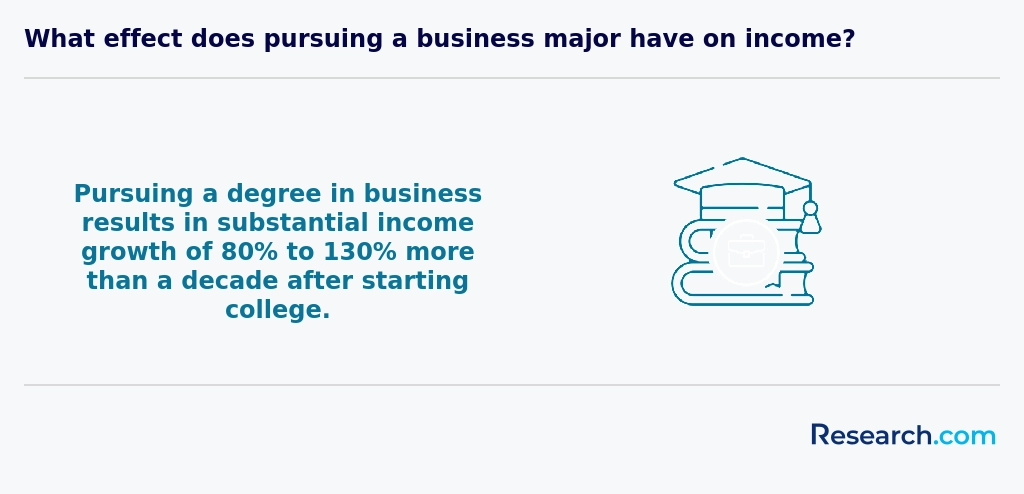
Graduates from business programs in Dallas find themselves entering a vibrant job market with a wealth of opportunities that reflect the city's economic diversity. Those who pursued degrees at popular institutions like the University of Texas at Dallas or Southern Methodist University often share stories of breaking into roles in marketing, financial analysis, and operations management. Their paths illustrate the rich possibilities that come with a business degree career opportunities in Dallas, where the proximity to headquarters of major banks and healthcare systems opens doors to positions in financial services and healthcare management.
Many graduates describe how skills gained during their studies, such as data analysis and strategic planning, have been key to securing roles in business analytics or project management within Dallas's growing tech scene. The city's welcoming environment for entrepreneurial ventures also encourages graduates to explore consulting or startup leadership, combining traditional corporate insight with innovative approaches. If you're considering affordability, you can explore Affordable Online Business Degree Programs Ranking in New Jersey for comparative options while focusing locally on Dallas business degree job prospects.
The business degree job outlook Dallas graduates encounter is marked by robust opportunity driven by the city's diverse economy. Graduates from well-known institutions such as Southern Methodist University or the University of Dallas often find themselves drawn into local industries ranging from financial services to healthcare administration. Many share how internships with companies like AT&T or Southwest Airlines opened doors to meaningful careers, highlighting the value of practical experience alongside academic credentials.
Business degree graduates report that the competitive salaries and strong demand for skills in management, marketing, and finance make Dallas a promising place to start and grow a career. The local job market supports entry-level roles in sales, marketing, and business analysis with employers valuing a bachelor's degree as a baseline. Additionally, some students explore the advantage of fast track degrees to accelerate their career progress within the region's dynamic business environment. This overall landscape establishes Dallas as a rewarding setting for those pursuing Dallas business degree employment opportunities.
2027 Best Business Degree Programs Ranking in Dallas
Investing in your education is a significant decision that can shape your future, and the Research.com team understands the importance of making informed choices. To assist prospective students in Dallas, we have meticulously developed the "2027 Best Business Degree Programs Ranking in Dallas." Our dedication to quality, credibility, and accuracy is evident in the thorough research and analysis that underpin this ranking.
We utilized the following reputable data sources to ensure a comprehensive evaluation of business degree programs:
By consulting this ranking, readers will gain valuable insights into the top business degree programs in Dallas, empowering them to make well-informed decisions about their educational and professional futures. For more details on our methodology, please visit our Research.com methodology page.


# 10 position
Remington College-Online Dallas
Bachelor of Business Administration
Frequently Asked Questions About business
Business degree students in Dallas can maximize their learning by engaging actively with the city's dynamic economy, which is a hub for industries like technology, finance, and energy. Connecting with local businesses through internships or cooperative education programs offers practical experience that complements classroom knowledge.
Dallas also hosts numerous networking events and conferences, such as those organized by the Dallas Regional Chamber, providing students opportunities to meet industry leaders. Utilizing resources at colleges and universities, including career services and alumni mentorship programs, enhances professional growth.
Additionally, staying informed about Dallas's economic trends through sources like the Dallas Fed can give students a competitive edge in understanding market conditions relevant to their studies.
The field of business is rapidly evolving, with several emerging niches gaining attention in Dallas and across the US. One notable area is data analytics and business intelligence, driven by the increasing need for companies to interpret large data sets for better decision-making. According to the Dallas Economic Development report, data-driven roles have grown by over 12% annually in the region.
Another growing niche is sustainable business practices, as Dallas companies expand efforts in environmental responsibility and corporate social responsibility. This is reflected in new academic programs focusing on eco-friendly operations and green supply chains.
Additionally, fintech is a rising sector in Dallas, fueled by the city's expanding financial services industry. Local startups and banks increasingly seek experts who combine finance knowledge with technological skills.
These niches highlight opportunities for students interested in business degrees to focus on innovative and high-demand areas in the Dallas market.
After completing a business degree in Dallas, effective preparation for the job market involves several strategic steps. Dallas is a major business hub with more than 20 Fortune 500 companies, including AT&T and Southwest Airlines, offering abundant employment opportunities (U.S. Chamber of Commerce, 2023).
Graduates should leverage local internship programs to gain practical experience. Networking is crucial-joining Dallas-based professional organizations like the Dallas Regional Chamber can connect you with industry leaders.
Additionally, polishing soft skills and acquiring certifications in areas such as project management or data analysis can improve job prospects. Utilizing university career services and attending job fairs in Dallas further increase employment chances in the competitive market.
Employers in Dallas highly value business degree graduates who demonstrate strong analytical and problem-solving skills. According to the Dallas Regional Chamber, local companies prioritize candidates who can interpret data effectively to support decision-making.
Communication abilities, both written and verbal, are essential in the Dallas business market, as collaboration with diverse teams is frequent. Leadership qualities and project management experience are also in demand, given the city's expanding corporate sector.
Additionally, proficiency in technology, especially familiarity with business analytics software and digital marketing tools, sets applicants apart. Recent surveys from the Greater Dallas Business Council highlight that adaptability and critical thinking are top traits sought by employers across industries in Dallas.
Finding internships in Dallas relevant to a business degree involves leveraging multiple local resources and networks. Dallas hosts a strong business environment, with companies in finance, technology, and logistics sectors offering numerous internship opportunities. According to the Dallas Regional Chamber, over 60 Fortune 500 companies operate in the area, providing a broad range of potential internships for business students.
Start by using university career centers; many Dallas institutions have partnerships with local businesses specifically for business internships. Websites like Handshake and LinkedIn can also list Dallas-based internship openings targeted at business majors.
Additionally, networking events and professional groups such as the Dallas Business Journal's networking sessions can connect students to local employers actively seeking interns.
Obtaining a business degree in Dallas significantly enhances career mobility and advancement opportunities. The city's diverse economy, which includes sectors like finance, technology, and healthcare, provides numerous job prospects for business graduates. According to the Dallas Regional Chamber, over 1.3 million people work in the region, with a consistent demand for business professionals.
A business degree equips graduates with critical skills in management, analytics, and communication, which employers highly value. Data from the U.S. Bureau of Labor Statistics highlights that Dallas' metropolitan area saw a 7% increase in managerial and analyst roles between 2019 and 2022, surpassing the national average.
Additionally, many Dallas companies prefer hiring candidates with formal business education for leadership roles, aiding faster career growth. Credentials from local institutions recognized in the area can further strengthen networking and job placement chances.
Studying for a business degree in Dallas equips students with skills that transcend traditional business functions, fostering interdisciplinary expertise. Dallas, a major economic hub with strong industries in technology, healthcare, and finance, offers students unique opportunities to engage in cross-sector learning. Business programs often include courses in data analytics, communication, and project management, which prepare graduates to collaborate effectively with various professional fields.
Local universities emphasize practical experience through internships and partnerships with Dallas-based companies like AT&T and Southwest Airlines, enhancing real-world application. According to the Dallas Regional Chamber, business graduates with interdisciplinary skills face higher employment rates and salary prospects within the region's diversified economy.
Choosing between a thesis and a non-thesis business degree program in Dallas depends on your career goals and learning preferences. Thesis programs focus on original research, suitable for students aiming for academic or research careers. These programs often take longer but develop strong analytical and writing skills.
Non-thesis programs emphasize practical skills and coursework, ideal for those seeking immediate employment or professional advancement. Dallas's diverse business landscape, including finance and tech sectors, values hands-on experience, making non-thesis options appealing.
According to the Dallas Regional Chamber, nearly 40% of local employers prefer candidates with applied business skills, favoring non-thesis graduates.
Students based in Dallas seeking to study business abroad have several viable options through their home institutions and partner universities worldwide. Many Dallas universities, including Southern Methodist University and University of Texas at Dallas, offer study abroad programs specifically for business students. These programs often include exchanges, summer courses, or semester-long opportunities in countries with strong business hubs such as the United Kingdom, Germany, and China.
According to the Dallas Regional Chamber, Dallas is a growing international business center, which encourages local students to gain global perspectives. Participation in these programs enhances language skills and cross-cultural competence-key assets in today's globalized economy.
Students can also take advantage of specialized business summer schools abroad or complete internships through university partnerships to gain practical experience. Scholarships or financial aid are sometimes available to reduce costs, making study abroad more accessible.
Dallas offers a variety of part-time job opportunities that effectively complement business degree education. Common roles include internships and assistant positions in finance, marketing, and sales sectors, which provide practical experience alongside theoretical learning. According to the Dallas Regional Chamber, the city's strong presence in banking, technology, and retail sectors creates numerous openings for students.
Additionally, roles such as data entry, administrative assistants, and customer service representatives help develop essential skills like communication and organization. Many Dallas businesses, including Fortune 500 companies, value candidates with real-world experience. Part-time jobs also allow students to build local networks, an important asset in the competitive Dallas job market.
Business students in Dallas benefit from numerous networking opportunities that connect them with the city's vibrant economic landscape. Dallas is home to the headquarters of more than 20 Fortune 500 companies, including AT&T and Southwest Airlines, offering students access to industry leaders and potential employers.
Universities such as Southern Methodist University and the University of Texas at Dallas host regular career fairs and networking events tailored specifically to business students. These events often feature alumni panels, guest speakers, and workshops focused on professional skills.
Additionally, Dallas boasts active chapters of national organizations like the American Marketing Association and the Financial Management Association. These groups provide students with chances to engage in industry discussions, internships, and mentoring programs.
According to the Dallas Regional Chamber, business networking events in the city attract thousands annually, fostering connections crucial for career advancement.
Alumni networks offer significant advantages for business degree students in Dallas. These networks connect current students with graduates who have valuable industry experience and local insights. According to the Dallas Regional Chamber, Dallas programs with active alumni communities report higher job placement rates within six months of graduation.
Networking events, mentorship programs, and job referrals are common benefits provided by alumni networks. They often open doors to internships and employment at Dallas-based companies, especially in finance, technology, and healthcare sectors, which dominate the local economy.
Strong alumni connections also enhance learning by sharing real-world business challenges and solutions specific to Dallas markets, helping students to build practical skills.
Customizing a business degree program in Dallas begins by selecting a school that offers flexible course options and concentrations aligned with your career goals. Many Dallas institutions provide specializations such as finance, marketing, entrepreneurship, and supply chain management. This allows students to tailor their education to industries prominent in Dallas, like technology, healthcare, and energy.
Additionally, pursuing internships and cooperative education opportunities available locally can provide practical experience and networking advantages. According to the Dallas Regional Chamber, nearly 75% of business graduates find employment within six months, often leveraging connections made during internships. Exploring dual-degree options or certificates in data analytics or project management can further enhance your skillset.
Business students in Dallas face several common challenges that impact their academic success. One major issue is balancing work and study, as many students hold part-time or full-time jobs in the city's competitive business environment. According to the Dallas Federal Reserve, the local job market demands strong time management skills from students.
Another challenge involves the rising cost of tuition and living expenses in Dallas, which is about 12% higher than the U.S. average, making financial strain a significant concern. Students also report difficulty accessing quality internships that align with their career goals due to high competition.
Additionally, staying updated with rapidly evolving business technologies and practices, especially in sectors like finance and tech that dominate Dallas, requires continuous effort outside the classroom.
With a business degree in Dallas, students can enhance their career prospects by pursuing a range of professional certifications. Popular options include the Certified Public Accountant (CPA) for those interested in accounting, and the Project Management Professional (PMP), which is widely respected in various industries.
Dallas, being a major commercial hub with a strong presence of finance and technology firms, offers excellent opportunities for certifications such as Certified Financial Planner (CFP) and Certified Management Accountant (CMA). According to the Dallas Regional Chamber, nearly 50% of companies in the region value these credentials for managerial roles.
Other relevant certifications include the Six Sigma Green Belt and Chartered Financial Analyst (CFA), which focus on quality management and investment expertise, respectively. These certifications often lead to higher salaries and leadership roles within Dallas's competitive business sectors.
Writing a winning application for a business degree program in Dallas requires a clear demonstration of your academic strengths and professional goals. Highlight your GPA, relevant coursework, and any leadership roles, especially in business clubs or organizations. Dallas is a growing business hub with key industries like finance, technology, and healthcare, so tailoring your application to show understanding of these sectors can strengthen your candidacy.
According to the Dallas Regional Chamber, the city's economy supports over 150,000 business professionals, making networking experience valuable. Include specific career goals aligned with Dallas's market opportunities. Strong recommendation letters and a well-crafted personal statement explaining your motivation for studying business in Dallas are critical to stand out among applicants.
Global perspectives on a business career emphasize the importance of adaptability and cultural awareness. For students in Dallas, understanding international markets is crucial as the city serves as a major hub for trade and commerce. According to the Dallas Regional Chamber, over 1,500 companies headquartered in Dallas are involved in global business, highlighting the city's connection to worldwide economies.
Business degrees now incorporate global strategies, preparing graduates for roles in multinational corporations or entrepreneurial ventures with international reach. The U.S. Bureau of Labor Statistics reports steady growth in global business-related jobs, especially in marketing, finance, and management.
Studying business in Dallas allows access to diverse industries and networking opportunities, essential for building a global career foundation.
Gaining practical experience while studying for a business degree in Dallas is vital for career readiness. Many universities in Dallas, such as the University of Texas at Dallas and Southern Methodist University, offer internship programs that connect students with local businesses.
Dallas hosts a diverse economy, including sectors like finance, technology, and logistics, providing numerous internship opportunities. According to the Dallas Regional Chamber, internships in Dallas grew by 12% in the past three years, reflecting increasing demand for hands-on learning.
Additionally, students can participate in cooperative education programs, case competitions, and business incubators affiliated with campus centers. Networking events and mentorship programs also enhance real-world understanding of business practices in the Dallas market.
Choosing the right concentration within a business degree program in Dallas involves evaluating local economic trends and your personal career goals. Dallas boasts a strong presence in industries such as finance, technology, healthcare, and logistics, which can guide your decision. For instance, concentrations in supply chain management or information systems may offer strong job prospects given the city's status as a major logistics hub with the third-largest airport cargo volume in the U.S., according to the Dallas Regional Chamber.
Consider your skills and interests alongside Dallas' job market demands. Networking opportunities and internships with local companies like Southwest Airlines or AT&T can also influence your choice. Reviewing program curricula and talking to advisors helps ensure your chosen concentration aligns with both academic strengths and regional employment opportunities.
- 2027 Best Business Degree Programs Ranking in Denton
- 2027 Best Business Degree Programs Ranking in Abilene
- 2027 Best Business Degree Programs Ranking in Austin
- 2027 Best Business Degree Programs Ranking in Houston
- 2027 Best Business Degree Programs Ranking in San Antonio
- 2027 Best Business Degree Programs Ranking in Conway
- 2027 Best Business Degree Programs Ranking in Little Rock
- 2027 Best Business Degree Programs Ranking in Lubbock
- 2027 Best Business Degree Programs Ranking in Wichita
- 2027 Best Business Degree Programs Ranking in Baton Rouge
See What Experts Have To Say About Studying Business
Read our interview with Business experts

Ingrid S. Greene
Business Expert
Clinical Assistant Professor of Management
Loyola Marymount University

David W. Stewart
Business Expert
Emeritus President's Professor of Marketing
Loyola Marymount University


- Know more about thesis vs non- thesis: what is the difference? https://studyfans.com/en/blogs/816
- Networking Tips for Business Students and MBA Candidates - Cyprus West University https://www.cwu.edu.tr/networking-tips-for-business-students-and-mba-candidates/
- Niche Business Ideas: A Guide to Profitable Niche Business Selection - Inar Learn https://inarlearn.com/niche-business-ideas-a-guide-to-profitable-niche-business-selection/
- Career Goals: 17 Inspirational Examples for you in 2026 https://www.imd.org/blog/learning-and-development/career-goals/
- Global careers, real impact: building your career with an international business degree | University of East London https://www.uel.ac.uk/blog/global-careers-real-impact-building-your-career-international-business-degree
- Business degree: What to study and how to find a job https://brive.com/blog/studies/business-degree-guide-to-study-and-find-a-job/
- Top 10 Skills Employers Seek in Business Graduates in 2026 https://www.ibat.ie/blogs/top-10-skills-employers-seek-in-business-graduates-in-2026
- A guide to finding an internship https://www.ipag.edu/en/blog/guide-finding-internship
- Online Degree vs. Traditional: Choosing the Right Path https://beal.edu/online-degree-vs-traditional/
- Exploring Different Types of Business Majors https://www.ivywise.com/ivywise-knowledgebase/exploring-different-types-of-business-majors/