
2027 Most Valuable Business Degree Programs Ranking in Honolulu

Co-Founder and Chief Data Scientist
Choosing the right business degree program is an important step toward building a successful future. For students in Honolulu, knowing which programs offer the best value can make this decision easier and more rewarding.
The article introduces the 2027 Most Valuable Business Degree Programs Ranking in Honolulu, created by the Research.com team of data scientists. This ranking helps you compare programs based on clear, reliable data to find options that align with your goals.
By exploring this guide, you'll gain insights to confidently invest in your education and career growth.
Key benefits of getting business degree in Honolulu
- Business degree graduates in Honolulu can expect rewarding salaries, with Business Analysts earning a mean annual wage of $112,950 and Business Development Executives making about $83,190 per year, offering strong financial motivation.
- Graduates from the University of Hawai'i at Manoa have diverse career options, including roles in business analysis, development, and management, allowing for fulfilling and dynamic career paths.
- Online business degrees from local universities offer flexibility and convenience, enabling students to balance work and study while gaining valuable skills without relocating or interrupting their current routines.
- 2027 Most Valuable Business Degree Programs Ranking in Honolulu
- What can I expect from business degree in Honolulu?
- Where can I work with business degree in Honolulu?
What can I expect from business degree in Honolulu?
When considering the cost of a business degree in Honolulu, many students find the investment both substantial and worthwhile. The University of Hawaii at Manoa's Shidler College of Business, a leading institution in the region, typically presents tuition fees ranging from approximately $11,000 to $28,000 annually for in-state and out-of-state students respectively. Graduates often recall balancing these costs with financial aid, scholarships, or part-time work linked to internships with local companies, which softens the financial impact and deepens their professional experience simultaneously.
This blend of academic expense and real-world opportunity creates a value proposition unique to Honolulu's evolving economic scene. Imagine a student gaining practical marketing skills while engaged with a tourism business in Waikiki, applying classroom theories directly to island industry challenges. Such hands-on exposure enhances not only their resume but their confidence, making the tuition feel like an investment in both education and future career growth tailored to this Pacific hub.
Where can I work with business degree in Honolulu?
Graduates from business programs at Honolulu's universities often find themselves in vibrant roles within the city's thriving tourism sector. Imagine managing a luxury resort's marketing campaigns or orchestrating large-scale events that draw visitors from around the world. These opportunities tap into skills honed in classrooms and internships, transforming theory into exciting, real-world challenges that fuel passion and career growth.
Others take a path toward Honolulu's robust financial institutions, stepping into roles like financial analyst or loan officer. Working at major local banks, they apply analytical skills to impact community growth directly, making numbers come alive in ways that benefit families and businesses alike.
Business graduates also thrive in healthcare administration, navigating budgeting and strategic planning at renowned medical centers. Their input drives better health services through efficient operations, providing meaningful work that touches lives daily.
Public sector roles in city planning or procurement offer graduates the chance to shape Honolulu's future, blending business acumen with policy insights. Meanwhile, staying close to innovation, some graduates embrace the challenges of startups focused on sustainability, pushing boundaries in business development and sales.
Graduates from business programs at well-known Honolulu institutions often find themselves navigating a promising salary landscape. For instance, those stepping into roles as Business Analysts can anticipate a mean annual wage around $112,950, reflecting both their expertise and Honolulu's vibrant economic climate. This figure offers a compelling alternative to the usual expectation of modest starting pay, signaling that significant earnings are achievable locally.
Meanwhile, Business Development Executives in Honolulu average approximately $83,190 annually, bridging the gap between entry-level roles and senior management. Graduates recall feeling energized by these prospects after completing their studies, knowing their skills translate into tangible financial rewards in real businesses operating amid Honolulu's diverse commercial sectors.
It's worth noting how the city's unique mix of tourism, finance, and emerging tech industries shapes these salary standards. Graduates from local colleges often share how internships and networking in Honolulu enhanced their readiness to command such wages, challenging the notion that bigger mainland markets always offer better pay. The strong local economy combined with specialized knowledge makes business degrees a smart investment right here in Honolulu.
- In-state tuition at the University of Hawai'i at Mānoa is about $12,000 per year, while out-of-state students pay nearly $35,000 annually.
- Private colleges in Honolulu charge between $20,000 and $40,000 yearly for a business degree.
- Entry-level business graduates earn around $55,000 per year, with mid-career salaries averaging $80,000 and senior roles exceeding $100,000.
- Key industries hiring business graduates include tourism, finance, government, and logistics.
- High local living costs affect net income, making internships and networking essential for job opportunities.
Completing a business degree in Honolulu typically takes about four years for full-time students, mirroring the standard U.S. timeline. Imagine a student at the University of Hawaii balancing core classes in finance and marketing with real-life internship experiences offered locally, making each semester a blend of theory and practical growth. This hands-on approach, while slightly extending the program for some, often leads to a more confident start in their careers.
Graduates from community colleges in Honolulu frequently share how their two-year associate degrees, such as those from Honolulu Community College, gave them a solid foundation, allowing them to transfer credits and reduce the overall time pursuing a bachelor's degree.
Many working professionals find part-time or executive MBA programs appealing, stretching their studies beyond two years but fitting their busy lives. Their stories often emphasize the rewarding balance of steady progress and career advancement, showing that flexible pacing can transform challenges into empowering milestones.
A thorough Return on Investment (ROI) assessment is essential when evaluating the true value of a business degree in Honolulu, HI. By comparing total program costs-tuition, fees, and living expenses-against projected post-graduation earnings, students can estimate the time required to recoup their educational investment. On average, bachelor’s degree graduates in Honolulu earn a mean annual salary of approximately $69,000, while master’s degree holders, including MBA graduates, can command upwards of $90,000 depending on specialization and institution prestige. When calculating ROI, consider the payback period: the number of years it takes for cumulative earnings to offset upfront costs. For example, a bachelor’s program costing $60,000 in total tuition and fees would require roughly 1.0 to 1.2 years of post-graduation earnings above living expenses to break even. In contrast, a two-year MBA program with $80,000 in expenses may have a payback period of 1.5 to 2.0 years, given the typical salary increase of 20–30% reported by graduates. Students aiming to accelerate ROI should explore flexible, lower-cost pathways, such as online programs. For instance, prospective MBA candidates may find the most affordable online mba no gmat option particularly attractive, combining reduced tuition with the ability to work full-time while studying. This approach minimizes opportunity costs and shortens the overall payback timeline. Ultimately, a business degree’s value hinges on both quantitative ROI metrics and qualitative factors-networking opportunities, career services, and alumni support. By integrating cost analyses with career outcome projections, prospective students can make data-driven decisions that align educational investments with long-term professional goals.
Choosing between online and on-campus business degrees in Honolulu reveals more than just a change in location-it's a shift in experience and mindset. Graduates from University of Hawaii business programs recall how face-to-face interactions on campus fueled motivation, with lively discussions in classrooms and networking events opening doors to internships at local firms. The structured schedules and access to campus resources created a supportive environment that many found inspiring.
In contrast, graduates of online programs highlight the freedom to balance studies with family and work obligations across Honolulu's diverse neighborhoods. The asynchronous format lets them dive into lectures late at night or during breaks, fostering a strong sense of self-discipline. They appreciate the affordability by avoiding commuting and housing costs-a critical factor when tuition around $15,000 annually weighs on decision-making.
Despite common assumptions, neither path promises an easier journey. On-campus students treasure hands-on group projects and direct faculty mentorship, while online learners embrace flexibility and autonomy, challenging them to master time management and self-motivation in unique ways.
Honolulu’s top business programs maintain strategic partnerships with leading local employers-ranging from hospitality giants like Hawaiian Airlines and Marriott to emerging tech startups-ensuring students gain hands-on experience through structured internships and co-op placements. These collaborations not only bridge classroom theory with real-world practice but also often lead directly to full-time offers: • Structured Internship Programs: Universities in Honolulu coordinate semester-long internships, matching students with roles in finance, marketing, or operations at local firms. Many students have secured project-based internships, allowing them to apply analytical and management frameworks in live business environments. • Mentorship and Networking Events: Through employer-hosted workshops and on-campus career fairs, students connect with industry mentors who provide guidance on résumé building, interview preparation, and professional etiquette. Alumni panels and executive guest lectures further enrich these networks. • Co-op and Experiential Learning: Select programs offer paid co-op rotations, where students alternate academic terms with full-time industry engagements, accelerating skill development and boosting post-graduation employment prospects. To complement these local opportunities, students exploring cost-effective graduate pathways can consult the Cheapest Online Master's in Business Degree Programs Ranking in Virginia, which highlights programs that balance affordability with robust internship and career-service support.
Understanding the average cost of a business degree in Honolulu requires looking beyond just tuition fees to the full financial picture students face. Graduates from public universities like the University of Hawai'i at Mānoa often reflect on tuition rates around $12,000 to $16,000 annually for residents, but the reality of the total cost-accounting for books, living expenses, and fees-can push the annual amount closer to $30,000. This aligns with recent data showing median in-state total costs near $30,874, which challenges the common assumption that tuition alone defines affordability.
For out-of-state students or those attending private institutions such as Hawaii Pacific University, tuition and fees can soar, reaching or exceeding $30,000 yearly. In these scenarios, the median total cost hovers around $53,169, a figure that sparks deeper reflection on value, especially for students balancing ambitions with financial realities while living in a unique urban environment like Honolulu.
Many business students in Honolulu recount the mix of excitement and cautious optimism they felt when navigating these costs. They highlight the importance of exploring scholarships and financial aid, which can alleviate some pressure. Additionally, prospective candidates should consider how the specific benefits of attending renowned programs-for example, those recognized among the valuable business programs in Hawaii-might justify the investment despite high upfront expenses.
Ultimately, the average cost of obtaining a business degree in Honolulu invites a nuanced understanding, combining the pursuit of quality education with smart financial planning.
As the business landscape rapidly evolves, staying ahead means understanding how emerging trends are reshaping business education in Honolulu and beyond. Today’s programs are increasingly incorporating digital transformation tools, data analytics, and artificial intelligence into their curricula to prepare graduates for a future where technology and innovation drive success. Institutions are expanding course offerings to include emerging topics such as digital marketing, cybersecurity in business, and sustainable business practices-areas that are highly sought after by employers. Moreover, experiential learning is gaining even more prominence. Many programs now integrate virtual simulations, remote internships, and collaborative projects with local enterprises. These opportunities not only enhance practical skills but also foster essential adaptability in a technology-driven economy. For those interested in optimizing both flexibility and affordability in their education, many students are discovering that pursuing an easy business degree online can be a smart alternative that balances cost with convenience without compromising quality. This integration of technology, innovative teaching methods, and real-world application is setting a new standard for business programs. By aligning educational strategies with current and future industry demands, students can gain a competitive edge, positioning themselves as forward-thinking leaders in an ever-changing market.
Many business students in Honolulu discover that navigating financial aid is less daunting than expected, thanks to a mix of federal, state, and local opportunities. For instance, a graduate from the University of Hawai'i at Mānoa recalled how the Pell Grant eased the burden of tuition that often exceeds $10,000 annually, providing up to $7,395 per year. This federal aid, accessible through FAFSA, remains a cornerstone of funding even if it's not exclusive to business majors.
State scholarships also play a vital role, especially given Hawaii's living costs, which stretch budgets beyond tuition fees. Students pursuing business degrees often apply for these targeted grants, available through the Hawai'i State Department of Education, finding that these resources turn a challenging financial puzzle into something manageable.
Merit-based scholarships within local universities, particularly for majors like entrepreneurship, often surprise students with awards ranging from $1,000 to even full tuition. Private scholarships from community groups, such as the Hawai'i Chamber of Commerce, tie financial support to real-world business connections, fostering optimism and a sense of belonging among scholars.
Meanwhile, federal student loans, with lower interest rates and flexible repayment plans, offer another navigable option. Graduates frequently emphasize the importance of balancing aid with responsible borrowing, demonstrating that thoughtful financial planning is a key chapter in their business education journey.
To enroll in a business degree program in Honolulu, you'll first need a high school diploma or equivalent-nothing surprising, yet this baseline opens doors to countless opportunities in vibrant institutions like the University of Hawai'i at Mānoa. Graduates often recall juggling rigorous math and English classes in high school, realizing these courses laid the foundation for success in their business studies.
While many local universities have adopted test-optional policies, submitting SAT or ACT scores can still give applicants a competitive edge, signaling readiness for the academic challenges ahead. A GPA around 2.5 to 3.0 is common, reflecting the blend of diligence and drive seen in successful students here.
Personal statements and letters of recommendation are more than formalities; they capture your unique motivation and fit for Honolulu's dynamic business environment. Graduate programs add layers-requiring a bachelor's degree and often GRE or GMAT scores-but some graduates share that professional experience here sometimes waives these exams, highlighting real-world skills over test results.
Finally, facing the financial realities-with tuition ranging widely, from $12,000 at public universities to over $30,000 at private schools-graduates emphasize planning carefully to transform investment into lasting opportunity in Honolulu's business community.
To make an informed decision about pursuing a business degree in Honolulu, it's essential to understand the value proposition of business programs in the state. When considering options, students can explore valuable business programs in Hawaii, which can provide a comprehensive education and prepare graduates for diverse career paths. The unique blend of tourism, hospitality, and emerging tech industries in Hawaii's economy creates a fertile ground for business professionals to thrive. By choosing a reputable business program, students can leverage the expertise of faculty, networking opportunities, and hands-on learning experiences to enhance their employability and achieve substantial financial rewards.
Business degree programs in Honolulu move beyond traditional textbook learning by immersing students in courses directly tied to the unique economic landscape of the islands. Graduates often reflect on how core subjects like Principles of Management and Financial Accounting offered them not just theory, but practical tools to navigate local businesses heavily influenced by tourism and international trade.
Courses such as Marketing Fundamentals come alive when students engage with real Honolulu markets, understanding consumer behavior shaped by diverse cultures. Business Law classes prepare students to handle contracts within Hawaii's distinctive commercial environment, while Microeconomics and Macroeconomics frame the local and national economic forces at play.
Many graduates recall how Data Analysis or Business Analytics transformed their approach to problem-solving-turning raw tourism data into strategic insights that helped local startups thrive. The inclusion of specialized courses like International Business and Hospitality Management challenges students to adapt business principles to Hawaii's vibrant, service-driven economy, preparing them for careers that blend passion and purpose.
Business degree specializations in Honolulu go beyond traditional classroom theory, immersing students in an economy shaped by tourism, international trade, and sustainability. Graduates from the University of Hawaii at Manoa often share how their studies in finance gave them a real edge navigating local banking sectors, while others found marketing courses uniquely tailored to Hawaii's vibrant service industry, making strategies feel tangible and relevant.
Options in Honolulu's business degree programs options reflect the region's economic heartbeat: accounting students grapple with tax laws essential for local companies, while management majors learn leadership skills crucial for Hawaii's small business-driven landscape. Sustainable Business specialization appeals to those motivated by the islands' ecological challenges and opportunities, turning environmental responsibility into a career advantage.
Some students even find their niche through courses on international business, leveraging Honolulu's Pacific location to understand cross-cultural trade dynamics. For those uncertain about the best path, exploring an easy business degree can offer a starting point that blends personal interest with market demand.
Choosing the best business degree in Honolulu means thinking beyond just the degree title. Graduates from well-known local colleges often share how accreditation and faculty relevance to Honolulu's unique market shaped their success. It's not enough to pick any program; look for schools that really engage with Honolulu's vibrant economy-tourism, international trade, finance-and prioritize hands-on internships or networking events in these fields.
Cost versus value also demands deeper reflection. Some students found the balance by selecting affordable business schools in Honolulu that didn't skimp on quality or local connections. They also highlight the advantage of programs offering flexibility-like evening or hybrid formats-making it possible to work while studying, a necessity given Honolulu's high living expenses.
Employment opportunities often come from those who tapped into robust career services or alumni networks in Honolulu's business community. For those who want practical pathways, programs emphasizing career support in the Pacific region can transform ambition into actual jobs. Exploring options like a most affordable online mba no gmat may unlock unexpected routes.
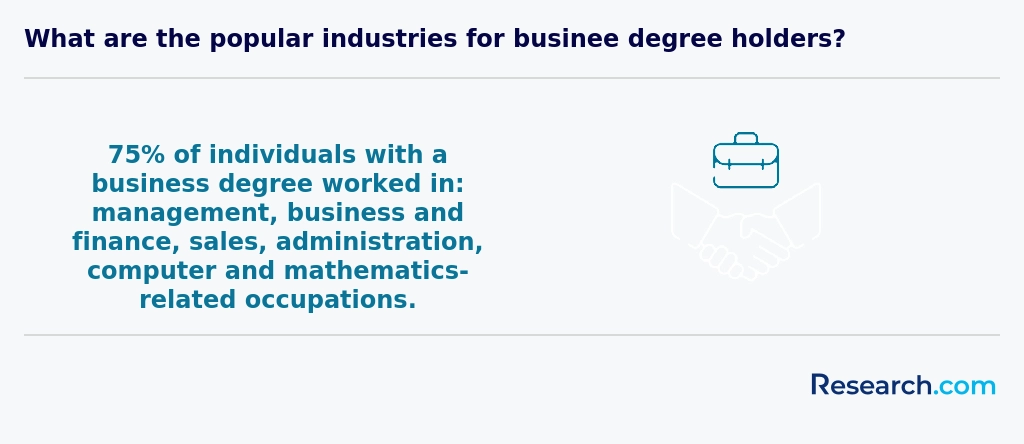
Business degree career opportunities in Honolulu extend well beyond conventional roles, blending traditional skills with the vibrant, unique economy of the islands. Graduates from popular colleges here often find themselves navigating dynamic sectors like finance and marketing, where local expertise in tourism and international trade creates distinct advantages. Imagine managing a hotel or steering a startup in renewable energy-real possibilities fueled by Honolulu's strategic economic landscape.
Jobs for business graduates in Honolulu also include positions in healthcare management and retail leadership, where graduates describe feeling energized by impacting sectors crucial to the community's well-being. These roles require adaptability and an intimate understanding of local business rhythms, skills honed through study at Honolulu's universities. Some graduates even launch ventures supported by hubs like the Hawaii Small Business Development Center, making entrepreneurship a tangible, thrilling path rather than a distant dream.
Investing in a business degree here, with costs ranging from approximately $12,000 to over $30,000 annually, opens doors to networks and careers deeply integrated into Hawaii's economy. For those seeking broader options, resources like the Cheapest Online Master's in Business Degree Programs Ranking in Virginia provide alternatives to further enhance their credentials and career flexibility.
Graduates with a business degree in Honolulu find themselves at the intersection of opportunity and challenge within a unique economic landscape. The business degree job outlook Honolulu reveals growth driven by tourism, international trade, and military-related sectors, providing vibrant career opportunities that many local students experience firsthand. For example, graduates from popular Honolulu colleges often land internships with hospitality groups or logistics companies, where the hands-on experience not only sharpens skills but also opens doors to full-time roles.
The allure of a median salary near $78,000 reflects the strong demand for business talent, yet graduates quickly learn to balance this against Honolulu's higher living costs. This has inspired many to seek programs that mesh academic learning with practical internships, magnifying their career opportunities for business graduates Honolulu. Reflecting on these realities helps students choose wisely; some even consider the fastest way to get bachelor's degree online to manage costs and expedite entry into the job market.
2027 Most Valuable Business Degree Programs Ranking in Honolulu
Investing in your education is a significant decision that can shape your future, and the Research.com team understands the importance of making informed choices. To assist prospective students in Honolulu, we have meticulously crafted the "2027 Most Valuable Business Degree Programs Ranking in Honolulu." Our commitment to quality, credibility, and accuracy is reflected in the extensive research and analysis conducted to compile this ranking.
We utilized the following reputable data sources to ensure a comprehensive evaluation of business degree programs:
By exploring this ranking, readers will gain valuable insights into the most valuable business degree programs available in Honolulu, empowering them to make confident and well-informed decisions about their educational investments. For more details on how this ranking was developed, please visit our Research.com methodology page.


Frequently Asked Questions About business
Business degree students in Honolulu can maximize their learning by engaging in internships with the city's vibrant tourism and retail sectors. According to the Honolulu Chamber of Commerce, nearly 1 in 5 jobs in Honolulu relates to these industries, offering real-world experience. Students should also take advantage of networking events hosted by local business organizations to build professional connections.
Active participation in group projects helps develop teamwork and leadership skills crucial for career success. Additionally, leveraging university resources like career services can improve job placement rates-recent data shows graduates from Honolulu's business schools have a 75% employment rate within six months.
Emerging niches within the business field reflect evolving economic and technological trends, especially relevant for students in Honolulu. One key area is sustainable business practices, driven by Hawaii's focus on environmental conservation and green energy. Companies actively seek professionals skilled in managing sustainability initiatives.
Another growing niche is data analytics. With businesses increasingly relying on big data, graduates with expertise in analyzing consumer behavior and market trends are in high demand. According to the U.S. Bureau of Labor Statistics, jobs in data analysis are expected to grow by 25% nationwide through 2031.
Additionally, the rise of e-commerce and digital marketing offers new opportunities, especially as Honolulu-based companies expand their online presence. Understanding social media strategy and digital sales platforms is becoming essential. These fields align well with the city's vibrant tourism and retail sectors.
Graduates with business degrees in Honolulu face a competitive job market shaped by the city's diverse economy, including tourism, finance, and technology sectors. To prepare effectively, students should leverage internships offered by local firms, which provide practical experience and networking opportunities. According to the Hawaii Department of Labor, internships significantly improve the likelihood of securing full-time roles after graduation.
Additionally, honing skills such as data analysis, digital marketing, and financial management is crucial, as these are in demand among Honolulu employers. Joining business organizations like the Chamber of Commerce Hawaii can also help students connect with industry leaders and stay informed about job openings and trends.
Staying current with certifications in tools like Excel or Salesforce can further boost employability. Taking advantage of career services at local universities, including resume workshops and job fairs, is another practical step for graduates aiming to enter Honolulu's job market successfully.
Employers in Honolulu highly value business degree graduates with strong communication and analytical skills. According to the U.S. Bureau of Labor Statistics and local job market reports, effective teamwork and problem-solving abilities are essential for success in Honolulu's competitive business environment.
Additionally, proficiency in data analysis and technology tools, such as Microsoft Excel and customer relationship management software, is increasingly important. Honolulu's economy, driven by tourism and international trade, requires adaptability and cultural awareness to meet diverse client needs.
A survey by the Hawaii Chamber of Commerce highlights that employers also prioritize leadership and ethical decision-making skills in new graduates.
Finding internships in Honolulu relevant to a business degree involves a combination of research, networking, and utilizing university resources. Honolulu's economy is diverse, with strong sectors in tourism, finance, and international trade, offering opportunities for business students.
Start by visiting career centers at local institutions like the University of Hawaii at Manoa, which often have listings and partnerships with Honolulu businesses. Websites such as Handshake and local job boards frequently post internships specifically targeted to business majors.
Networking through events hosted by the Chamber of Commerce Hawaii or industry meetups can connect students with companies seeking interns. According to the National Association of Colleges and Employers, internships increase employment prospects by nearly 60%, underscoring their importance.
Moreover, reaching out directly to companies in sectors like hospitality, banking, and logistics can uncover hidden internships not widely advertised. Persistence and proactive engagement are key.
Obtaining a business degree in Honolulu can significantly enhance career mobility and advancement opportunities within the local job market. The city's diverse economy, driven by tourism, international trade, and finance, values graduates with formal business education. According to the U.S. Bureau of Labor Statistics, professionals with business-related degrees in Hawaii earn median salaries approximately 15% higher than those without degrees.
Business degree programs often provide critical skills in management, finance, and marketing, which are in demand among Honolulu employers. Networking opportunities through internships and university partnerships with local companies also support career progression.
Moreover, many Honolulu businesses prefer hiring candidates with accredited degrees for leadership roles, helping graduates move into higher-paying positions more quickly.
Studying for a business degree in Honolulu offers unique interdisciplinary opportunities due to the city's diverse economy, which includes tourism, international trade, and military sectors. Programs often integrate courses in economics, information technology, and cultural studies, reflecting the island's global connections. According to the University of Hawai'i system, many business degrees promote skills in communication, analytical thinking, and leadership that apply across various industries.
Local internships and partnerships with businesses in Honolulu's commercial hubs provide real-world experience. This practical exposure helps students adapt knowledge from marketing to finance or logistics, crucial for interdisciplinary roles. The area's multicultural environment further enhances cross-sector collaboration skills.
Choosing between a thesis and a non-thesis business degree program in Honolulu largely depends on your career goals and learning preferences. Thesis programs typically require conducting original research, which can be beneficial if you plan to pursue a PhD or careers involving analytical skills, such as consulting or academic roles. Non-thesis programs, on the other hand, often emphasize practical skills and include internships or projects, appealing to students targeting immediate employment or advancement in Honolulu's thriving tourism, finance, and tech sectors.
Data from the University of Hawaii indicates that thesis options can extend study duration by 6 to 12 months due to research requirements. Meanwhile, non-thesis paths usually offer a quicker route to graduation. Both program types maintain accreditation and quality, so assess whether you prefer in-depth research or applied learning aligned with Honolulu's business environment.
Students based in Honolulu who wish to study business abroad have several pathways to consider within the U.S. higher education framework. Many universities offer study abroad programs in partnership with international institutions, allowing Honolulu students to spend a semester or year overseas while earning credits. According to the Institute of International Education, nearly 1.6 million U.S. students participated in study abroad programs in recent years, with many focusing on business disciplines.
Local institutions such as the University of Hawaiʻi at Mānoa provide access to global business networks and exchange programs in countries like Japan and Australia, popular destinations for Honolulu students. These programs expose students to diverse markets and international business practices, critical for careers in Hawaiʻi's growing hospitality and trade sectors.
Additionally, Honolulu's unique geographic and economic position encourages students to explore Asia-Pacific focused business studies, supporting skills relevant to the transpacific economy. Scholarships and advising services are often available to aid in planning and funding these international experiences.
Honolulu offers various part-time job opportunities that can complement business degree studies effectively. Many students find roles in retail management, customer service, and administrative support within the city's vibrant tourism and retail sectors. These positions develop essential skills such as communication, problem-solving, and leadership.
Internships with local companies, especially in finance, marketing, and hospitality, provide practical experience directly related to business coursework. According to the U.S. Bureau of Labor Statistics, Honolulu's professional and business services sector has grown steadily, creating more opportunities for student employment.
Part-time roles in startups and small businesses around Honolulu can also offer exposure to entrepreneurship and operations management.
Business students in Honolulu benefit from a variety of networking opportunities that connect them with local industry leaders and entrepreneurs. Universities like the University of Hawaii at Mānoa offer access to active student organizations such as the Pacific-Asian Center for Entrepreneurship, which hosts networking events and mentorship programs.
The Honolulu Chamber of Commerce regularly sponsors business mixers and workshops, providing students with chances to meet professionals from diverse sectors. Additionally, Honolulu's strong tourism and international trade industries create unique internship opportunities, allowing students to build valuable connections.
According to the Hawaii Business Magazine, over 70% of local business students engage in networking events during their studies, enhancing career prospects within the island's economy.
Alumni networks play a significant role in supporting business degree students in Honolulu. These networks connect current students with graduates who have local industry experience, which is valuable in a city with a growing economy like Honolulu. According to the Honolulu Chamber of Commerce, networking is one of the top factors influencing job placement rates for graduates in the area.
Through alumni, students gain access to mentorship programs and exclusive internships in sectors such as tourism, finance, and tech. Data from the University of Hawai'i shows that students involved in alumni networks have a 20% higher chance of securing employment within six months after graduation.
Moreover, alumni events foster relationships that can lead to job referrals and collaboration on business ventures, essential in Honolulu's close-knit business community. Thus, engaging with alumni offers practical advantages beyond traditional classroom learning.
Customizing a business degree program in Honolulu involves selecting concentrations, electives, and experiential learning opportunities aligned with local industry needs. Many institutions offer specializations such as tourism management, international business, or entrepreneurship, reflecting Honolulu's economy, which heavily depends on tourism and trade.
Students can also tailor their education by choosing internships and capstone projects with Honolulu-based companies, gaining practical experience in sectors like hospitality, real estate, or import-export. According to the U.S. Bureau of Labor Statistics, business employment in Honolulu is projected to grow steadily through 2027, particularly in management roles.
Advisors at Honolulu colleges help students align coursework with career goals, ensuring the skills developed meet local market demand. Online and hybrid course options further support flexibility for working professionals.
Business students in Honolulu often face unique challenges related to the local market and education environment. The city's high cost of living, averaging over 80% above the national average according to the U.S. Bureau of Economic Analysis, can strain student budgets for housing and daily expenses.
Additionally, Honolulu's geographic isolation limits networking opportunities compared to mainland business hubs, which may affect internships and job placements. Students must often rely on virtual connections or local companies, which tend to be smaller and less diverse in industry.
Moreover, many business programs in Honolulu emphasize tourism and hospitality management, potentially narrowing the practical scope for students interested in broader business fields.
A business degree from Honolulu unlocks several professional certification opportunities that can enhance your career prospects. Common certifications include the Certified Public Accountant (CPA) for accounting professionals and the Project Management Professional (PMP) for those interested in managing projects effectively.
The Chartered Financial Analyst (CFA) certification is also popular among finance graduates. Honolulu's growing financial and tourism sectors value such credentials highly, often leading to better job placements and salary increases.
Additional certifications like the Certified Management Accountant (CMA) and Six Sigma improve skills in management and operational efficiency, which are in demand across Hawaii-based businesses.
According to the U.S. Bureau of Labor Statistics, professionals holding these certifications typically see salary boosts of 10-20%, making them worthwhile for Honolulu's competitive job market.
Applying for a business program in Honolulu requires clear focus and preparation. Start by researching schools such as the University of Hawaii at Manoa, which is well-known for its Shidler College of Business. Highlight your connection to Honolulu or Hawaii, as local ties can strengthen your application. Demonstrate your understanding of Hawaii's unique business environment, including the tourism sector's impact, which contributes about 21% to the state's economy according to the Hawaii Tourism Authority.
Emphasize relevant work experience, internships, or leadership roles, especially in industries important locally, such as hospitality or international trade. Strong letters of recommendation and a well-written personal statement that ties your goals to Honolulu's business community are essential to stand out.
A business career today is increasingly shaped by global trends and international markets, making global perspectives essential for students in Honolulu. According to the U.S. Bureau of Labor Statistics, employment in business-related fields is expected to grow by 8% through 2031, driven partly by international trade and technological innovation.
Honolulu's unique location as a Pacific gateway fosters strong business connections with Asia and Oceania. This geographic advantage influences degree programs, encouraging curriculum that includes global supply chains, cross-cultural communication, and international finance.
Understanding these global dynamics helps graduates compete in diverse job markets and supports Hawaii's economy, which relies heavily on tourism, international trade, and multinational firms.
Gaining practical experience while studying for a business degree in Honolulu is essential for career readiness. Many universities in Honolulu offer internship programs that connect students with local businesses, allowing them to apply classroom knowledge in real-world settings. For example, the University of Hawai'i at Mānoa has established partnerships with various companies in sectors such as tourism, finance, and international trade.
Students often participate in cooperative education (co-op) programs or service-learning projects that count toward degree credits. According to the Hawai'i Chamber of Commerce, over 60% of business students find internships through campus-supported initiatives.
Additionally, Honolulu's vibrant business community hosts networking events and workshops designed for students to build professional connections early.
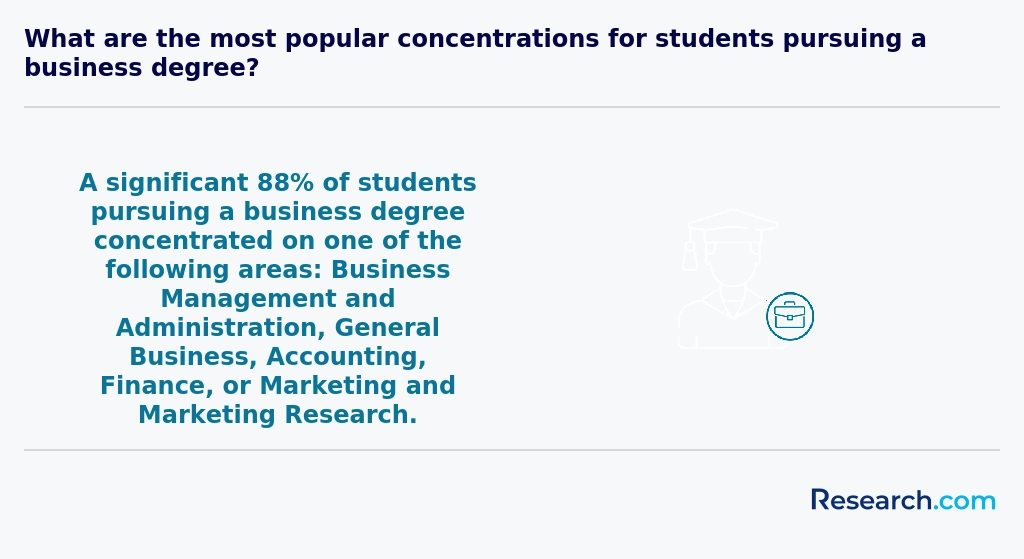
Choosing the right concentration within a business degree program in Honolulu requires careful consideration of your career goals and the local job market. Honolulu's economy strongly supports sectors like tourism, hospitality, international trade, and real estate. Concentrations in marketing, supply chain management, or finance might provide an advantage, given the city's role as a Pacific hub.
Review statistics from the Hawaii Department of Labor, which highlights increasing demand for business analysts and financial managers in the region. Additionally, explore programs' course offerings and connections with local companies, as internships often lead to job prospects. Consider your skills and interests alongside these factors to make an informed decision.
- 2027 Most Valuable Business Degree Programs Ranking in Tacoma
- 2027 Most Valuable Business Degree Programs Ranking in Seattle
- 2027 Most Valuable Business Degree Programs Ranking in Kirkland
- 2027 Most Valuable Business Degree Programs Ranking in Las Vegas
- 2027 Most Valuable Business Degree Programs Ranking in Spokane
- 2027 Most Valuable Business Degree Programs Ranking in Phoenix
- 2027 Most Valuable Business Degree Programs Ranking in Salt Lake City
- 2027 Most Valuable Business Degree Programs Ranking in El Paso
- 2027 Most Valuable Business Degree Programs Ranking in Denver
- 2027 Most Valuable Business Degree Programs Ranking in Lubbock
See What Experts Have To Say About Studying Business
Read our interview with Business experts


David Souder
Business Expert
Senior Associate Dean for Faculty and Research
Michigan State University

David W. Stewart
Business Expert
Emeritus President's Professor of Marketing
Loyola Marymount University

- Jobs after studying business administration: opportunities at a glance | JobTeaser https://www.jobteaser.com/en/advices/jobs-after-studying-business-administration-opportunities-at-a-glance
- 5+1: Five challenges facing business schools and one solution https://charteredabs.org/insights/opinion/51-five-challenges-facing-business-schools-and-one-solution
- How to Identify Profitable Business Niches: A Guide for ... https://www.invoiceonline.com/the-entrepreneur-s-handbook/entrepreneurship/business-strategy/how-to-identify-profitable-business-niches-97365
- 9 Different Types of Business Degrees and Career Paths https://www.umassglobal.edu/blog-news/9-different-types-business-degrees-and-career-paths
- 55 Trending Business Ideas for 2025 and Beyond https://www.uschamber.com/co/start/business-ideas/top-trending-business-ideas
- Business Study Abroad Programs | Go Overseas https://www.gooverseas.com/study-abroad/business
- The Honolulu Job Market - Team Lally: Hawaii Real Estate https://www.teamlally.com/the-job-market/
- Is a thesis always mandatory in a master's degree program? - EFMU: The Euler-Franeker Memorial University and Institute https://euler.euclid.int/is-a-thesis-always-mandatory-in-masters-degree-program/
- What is the future of bachelor’s degrees in business? https://www.amba-bga.com/insights/what-is-the-future-of-bachelors-degrees-in-business
- Enterprise project challenge https://barclayslifeskills.com/help-others/lessons/enterprise-project-challenge/





