2027 Best Business Degree Programs Ranking in Birmingham

Co-Founder and Chief Data Scientist
Choosing the right business degree program can shape your future career and open doors to exciting opportunities in Birmingham's vibrant job market. This article introduces the 2027 Best Business Degree Programs Ranking in Birmingham, thoughtfully developed by the Research.com team of data scientists to guide you in making an informed decision.
By exploring this ranking, you'll discover programs that truly stand out, helping you invest your time and resources wisely. Pursuing a business degree is a rewarding step toward growth, skills development, and lasting success.
Key benefits of getting business degree in Birmingham
- Business degree graduates in Birmingham can expect competitive salaries, with roles like Business Development Executive earning a mean annual wage of $83,190 and Business Analysts earning around $112,950, offering strong financial motivation.
- Graduates from local universities often find diverse career paths available, from marketing and sales to financial analysis and consultancy, making the business degree highly versatile and practical.
- Online business degrees offer flexibility for busy students, allowing them to gain valuable skills and credentials while balancing work or family, which many graduates find empowering and convenient compared to traditional programs.
- 2027 Best Business Degree Programs Ranking in Birmingham
- What can I expect from business degree in Birmingham?
- Where can I work with business degree in Birmingham?
What can I expect from business degree in Birmingham?
The average cost of earning a business degree in Birmingham typically aligns with national averages, offering affordability without compromising quality. Graduates from institutions like the University of Alabama at Birmingham often note that tuition fees remain competitive, enabling many students to pursue their education without excessive financial strain. The availability of scholarships and financial aid further eases the burden, allowing students to focus more on academic and professional development rather than financial concerns.
Business students here benefit from practical learning experiences that complement the investment, such as internships at local companies and mentorships through Birmingham's active business community. These opportunities help justify costs by enhancing employability and fostering valuable connections. Many graduates speak positively about balancing manageable tuition fees with rich, hands-on education in areas like finance, marketing, and entrepreneurship, reflecting a strong return on investment.
Moreover, the relatively affordable cost of living in Birmingham contributes to an overall economic advantage for students, allowing them to stretch their budgets further while engaging deeply with their studies and local business networks.
Where can I work with business degree in Birmingham?
Graduates with a business degree from well-regarded institutions like the University of Birmingham and Birmingham City University find themselves in strong demand across multiple sectors in the city. Many secure positions in the banking and financial services industry, joining regional offices where they contribute as financial analysts, accountants, or investment advisors. These roles often offer dynamic challenges that enhance critical thinking and analytical skills.
In manufacturing, graduates have successfully transitioned into supply chain management and procurement, applying strategic planning skills to optimize production processes. This hands-on experience in Birmingham's thriving automotive and steel industries builds practical expertise valued by employers.
Healthcare administration is another prominent path. Business graduates often manage finances and operations at leading institutions like UAB Health System, where they feel a deep sense of contribution toward improving community health.
The burgeoning tech sector creates exciting opportunities in project management and business development, especially within innovative startups. Here, graduates frequently recount the energizing environment and rapid career growth they experience, reflecting Birmingham's expanding tech ecosystem.
Public sector roles in local government and nonprofits also attract business professionals eager to apply their skills in budgeting and leadership to impactful projects, reinforcing a rewarding connection to their community.
Graduates with a business degree from Birmingham's well-regarded institutions often enter the job market with promising salary prospects. For example, a typical Business Development Executive earns a mean annual wage of $83,190 in the Birmingham metropolitan area. This reflects a strong return on investment for recent graduates eager to apply their skills in a dynamic economic environment.
More experienced professionals who specialize further can expect even greater earnings. Business Analysts, many of whom graduated from prominent Birmingham business schools, report mean annual salaries around $112,950. These figures align with the city's thriving sectors like finance and management consulting, offering alumni exciting career trajectories.
Graduates commonly recount how internships and networking facilitated by Birmingham's business colleges accelerated their salary growth. Engaging with local business alliances and industry mentoring has proven invaluable in translating academic knowledge into higher paychecks and fulfilling roles within Birmingham's vibrant corporate hubs.
- Business degrees in Birmingham are available at associate, bachelor's, and graduate levels across various accredited institutions.
- In-state tuition at public universities typically ranges from $9,000 to $11,000 per year, while private and out-of-state tuition can exceed $25,000 annually.
- Starting salaries for business graduates in Birmingham range from $45,000 to $55,000 per year, varying by specialization and experience.
- After five to ten years, median salaries for business professionals in the area reach approximately $75,000 to $85,000.
- Key industries driving job demand include banking, healthcare management, manufacturing, and technology.
- The local job market values skills in analytics, communication, and digital literacy, with a lower cost of living enhancing financial accessibility.
Completing a business degree in Birmingham typically requires about four years of full-time study, aligning with the standard duration at institutions such as the University of Alabama at Birmingham. Graduates often recall balancing rigorous coursework and extracurricular activities within this timeframe, finding it demanding yet rewarding. For those attending part-time due to work or financial commitments, the pathway can extend to five or six years, as course loads are adjusted to fit personal schedules.
Associate degrees in business are also available locally, commonly taking around two years at community colleges. These shorter programs provide a practical foundation and a quicker entry into the workforce or a stepping-stone for a bachelor's degree later on. Students pursuing graduate studies, like an MBA, generally complete their programs within one to two years. Full-time MBA candidates often finish between 12 and 18 months, while part-time options cater to professionals aiming to advance careers without pausing employment.
Birmingham students benefit from varied program lengths, allowing flexibility and a positive sense of progress tailored to individual circumstances.
Online and on-campus business degrees in Birmingham differ mainly in delivery and experience. On-campus programs at institutions like the University of Birmingham offer immersive engagement, where students benefit from face-to-face lectures, lively campus discussions, and networking events. Graduates often recall group projects and seminars that foster strong connections and practical collaboration skills, enhancing their confidence and professional readiness.
In contrast, online degrees provide flexibility suited for working professionals or parents balancing commitments. Colleges such as Birmingham City University structure online courses asynchronously, allowing students to access materials anytime, which helps manage work-life-study balance. Graduates appreciate how this format reduces commuting time and expenses, vital in Birmingham's diverse transit landscape, though some miss the immediacy of real-time interactions.
Both formats maintain high accreditation standards, but online learners must exercise self-discipline and ensure reliable internet access. Financially, online business degrees in Birmingham can cost 10-20% less than on-campus options, yet some aid packages are exclusive to campus attendees. Ultimately, the choice depends on personal lifestyle, learning preference, and career aspirations.
Calculating the return on investment (ROI) of a business degree is critical for prospective students mindful of cost versus career earnings. In Birmingham, AL, the following metrics help you assess value and payback period:
- Average Undergraduate Cost: $12,600–$13,100 total tuition for a bachelor’s program (120 credits).
- Median Starting Salary: $69,000 annually for business degree holders, 10% above national average across all fields.
- Average Debt upon Graduation: Approximately $28,000, based on regional averages for four-year institutions.
- Payback Period: With median salaries, most graduates can recoup tuition investment in 3–4 years, assuming 6% annual loan interest and standard repayment plans.
- Graduate Degree ROI: MBA graduates in Birmingham report median salaries of $95,000, reducing payback to 2–3 years-especially when pursuing an aacsb online mba degree affordable. Key considerations:
- Scholarships and Financial Aid: Reducing principal lowers monthly payments and shortens payback.
- Part-Time Work and Internships: Income during study further mitigates debt burden.
- Specialization Premiums: Concentrations in Finance, Data Analytics, or Healthcare Management often command 10–15% higher starting salaries. By weighing these factors, Birmingham students can choose programs that align cost with long-term earnings, ensuring a strong ROI and sustainable career growth.
The average cost of a business degree in Birmingham varies significantly depending on residency status and institution type. For in-state students attending public universities such as the University of Alabama at Birmingham, the median total cost generally amounts to approximately $13,920. This reflects not only tuition but also associated fees, supplies, and living expenses, crafting a clear budget picture for local candidates.
Out-of-state students targeting Birmingham's business programs should prepare for notably higher expenses. The median total cost for these students rises substantially to around $38,602, which aligns with the broader national pattern of elevated tuition for non-residents. These figures are consistent with experiences shared by graduates who emphasize careful financial planning to manage the increased tuition burden without compromising their academic ambitions.
Private colleges in Birmingham, such as Birmingham-Southern College, also contribute to the pricing landscape with overall costs comparable to the median out-of-state rate, often exceeding $30,000 annually. Alumni from these institutions recall benefiting from personalized instruction and smaller class sizes, which many feel justifies the investment and positively impacts their business education experience.
Prospective students are advised to consider the total expenses for business degree programs Birmingham offers and to explore financial aid options thoroughly. Many scholarships and merit-based grants are available, helping to reduce final costs significantly. For those seeking guidance on budgeting and comparative costs, consulting resources like the most affordable business schools in Alabama can be highly advantageous.
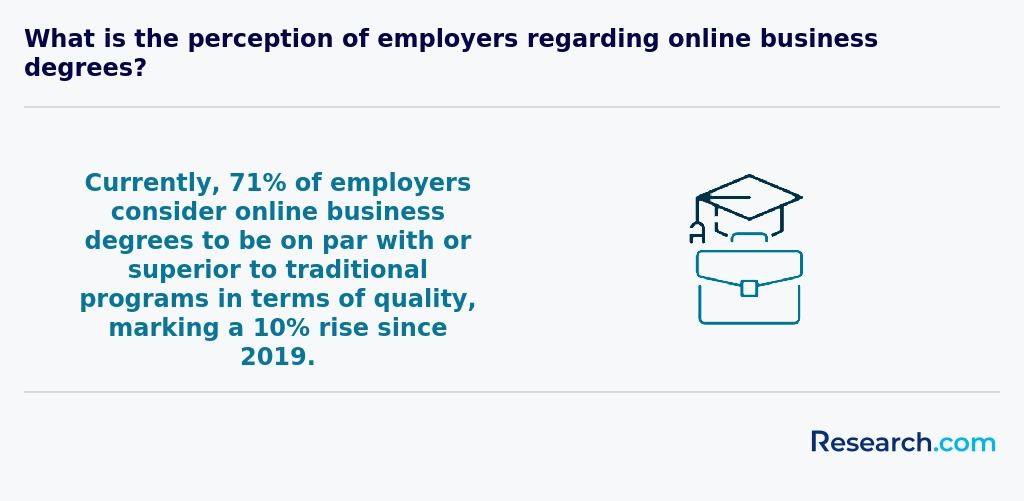
As you prepare to launch your career in business, it’s essential to focus on strategies that help maximize the return on your educational investment. By actively pursuing internships, professional networking, and ongoing skills development, you can set yourself apart in Birmingham’s competitive job market. For example, aligning your academic focus with high-demand fields can significantly boost your earning potential; if you're curious about which academic paths typically lead to lucrative careers, check out what business majors make the most money. Additionally, consider seeking mentorship opportunities, participating in industry conferences, and utilizing university career services-all of which play a vital role in transforming academic accomplishments into real-world success. By approaching your studies with a proactive mindset and leveraging available resources, you can ensure that your business degree serves as a powerful stepping stone to a rewarding and sustainable career.
Students pursuing business degrees in Birmingham can access diverse financial aid opportunities tailored to ease the burden of tuition fees. Federal aid, notably through FAFSA, enables many to qualify for Pell Grants, which cover substantial portions of college costs without repayment obligations. For example, graduates from the University of Alabama at Birmingham recall how these grants brought needed relief during their studies.
In addition to federal support, merit-based scholarships at institutions like Samford University reward academic excellence and leadership, providing motivational boosts alongside financial help. Local scholarships from entities such as the Birmingham Business Alliance deliver targeted aid, reflecting community investment in future business leaders.
Working professionals often benefit from employer tuition reimbursement programs, which some Birmingham-based companies generously offer, sometimes covering full tuition for MBA candidates. Students also frequently engage in work-study roles on campus, gaining real-world experience while managing living expenses. Graduates attest that combining these resources made their business education affordable and fulfilling.
Understanding the true value of a Business degree in Birmingham, AL means looking beyond tuition and fees to measure long-term earnings, debt payoff, and career advancement. Graduates from the University of Alabama at Birmingham report average starting salaries of $58,000, with a 10-year earnings premium exceeding $350,000 compared to non-degree holders. By calculating the payback period-total program cost divided by annual salary gain-most students break even within 4–6 years, making a bachelor’s in Business a strong financial investment. Key factors in ROI calculations:
- Total Cost of Attendance: Including tuition, fees, books, and living expenses, Birmingham programs average $52,000 for four-year degrees.
- Average Graduate Salary: Project Managers earn $80,220 and Business Analysts $108,790, per the latest BLS data.
- Debt-to-Income Ratio: Graduates carrying $30,000 in debt typically see a manageable 0.3 ratio, below the 0.4 threshold recommended by financial advisors.
- Career Growth Trajectory: With business and finance roles projected to grow 8% by 2032, salary increases of 3–5% annually can significantly enhance ROI over a 20-year career span. For students considering flexible, cost-effective pathways, it’s also worth exploring our Inexpensive Online Business Degree Programs Ranking in San Antonio, TX, which highlights programs designed to minimize debt while maximizing earning potential. By factoring in earnings growth, job security, and program costs, you can make a data-driven decision that aligns with both your financial and professional goals.
To enroll in a business degree program in Birmingham, students must meet specific prerequisites that reflect both academic readiness and practical experience. For undergraduate admission, Birmingham's well-regarded institutions typically require a high school diploma or GED with solid grades, especially in mathematics and English. Graduates from local high schools often recall how a GPA near 3.0 proved essential to secure a spot in competitive programs. Additionally, standardized tests like the SAT or ACT remain common, though many schools have embraced test-optional policies, easing pressure on applicants.
At the graduate level, prospective MBA students usually need a bachelor's degree from an accredited university. Many Birmingham graduates highlight the value of relevant work experience, generally two to five years, which strengthens applications. Submission of GRE or GMAT scores is standard, but some programs waive these requirements based on career achievements and prior academic success. Thoughtful letters of recommendation and personal statements illustrating professional goals are also crucial components, reflecting the holistic evaluation process used by Birmingham's top business schools.
These prerequisites ensure students are well-prepared to thrive academically and professionally in Birmingham's dynamic business education environment.
. When considering a business degree, one of the critical factors to evaluate is the affordability and potential return on investment (ROI) of the program. Prospective students in Birmingham, AL, can benefit from understanding that the cost of a business degree can vary significantly depending on the institution and program type. For instance, students looking for most affordable business schools in alabama can find options that balance quality education with manageable tuition fees. By assessing factors such as program accreditation, curriculum, faculty expertise, and graduate outcomes, students can make informed decisions about their educational investments. Additionally, considering the potential career paths and salary ranges for business graduates in Birmingham can provide insights into the ROI of their degree, helping them navigate the local job market with confidence and prepares them for a successful career in the business world.
Business degree programs in Birmingham typically include a comprehensive range of core courses designed to build both foundational knowledge and practical skills. Students at leading universities engage with subjects such as Principles of Management, which introduces essential leadership and organizational concepts, equipping graduates to confidently lead teams and manage projects. Courses in Marketing Fundamentals immerse students in market research and digital strategies, preparing them to navigate the dynamic commercial landscape of Birmingham's growing industries.
Financial Accounting is another cornerstone course, enabling students to master the recording and analysis of financial transactions, a skill highly valued by Birmingham's finance sector. Managerial Economics links economic theory to decision-making processes, while Business Law provides understanding of legal frameworks vital to business operations in the local marketplace. Operations Management and Corporate Social Responsibility courses further develop skills in production logistics and ethical business practices, reflecting Birmingham's emphasis on sustainable growth.
Many graduates have found that elective courses in entrepreneurship or international business offer tailored expertise, helping them launch ventures or work in Birmingham's diverse economic environment with confidence and enthusiasm.
Business degrees in Birmingham typically offer a range of specializations tailored to meet the evolving demands of the local economy. Popular concentrations include Management, emphasizing leadership and strategic planning vital for Birmingham's diverse industries, and Finance, focusing on financial analysis and investment management, reflecting the growth of the city's financial services sector. Graduates often share how their studies at well-regarded universities in Birmingham have equipped them with practical skills that translate directly to local business environments.
Marketing is another key specialization, concentrating on digital marketing and consumer behavior, which aligns well with Birmingham's increasing adoption of digital business strategies. Students pursuing this path often find it rewarding to apply their knowledge in real-world projects, enhancing their understanding of market trends. For those entrepreneurial-minded, programs encourage innovation and business startup skills, supported by Birmingham's robust small business community and resources like the Innovation Depot.
Additional niche options in the top Birmingham business degree concentrations include Supply Chain Management, Human Resources, and International Business, all vital to the city's manufacturing base and global connections. Many graduates reflect positively on how these options have prepared them for diverse career paths.
Prospective students interested in what business majors make the most money will find Birmingham's offerings both comprehensive and competitive, positioning them well for success.
Choosing the best business degree in Birmingham involves assessing the variety of programs offered by local institutions such as the University of Alabama at Birmingham and Samford University. Graduates from these schools often recall how selecting a program aligned with their career goals-whether in accounting, marketing, or a general business administration degree-enhanced their job readiness. Affordability remains a vital factor; Birmingham's public universities provide competitive tuition rates compared to the national average, making them appealing for students prioritizing cost efficiency. Many appreciate the balance between quality and price when considering aacsb online mba degree affordable options.
Accreditation by the AACSB is highly regarded among students aiming for reputable business degrees in Birmingham. Programs with this accreditation attract positive feedback from alumni, who benefit from strong career services and connections within industries prevalent in the city, such as finance and healthcare. Networking through alumni also enriches professional opportunities and practical learning experiences that graduates value greatly.
Moreover, prospective students should consider the learning environment-small class sizes and faculty expertise significantly influence satisfaction. Many successful graduates highlight the advantage of accessible professors and robust alumni networks when building their careers locally. Visiting campuses and engaging with current students provide vital insights to confidently choose among the best business degree programs Birmingham offers.
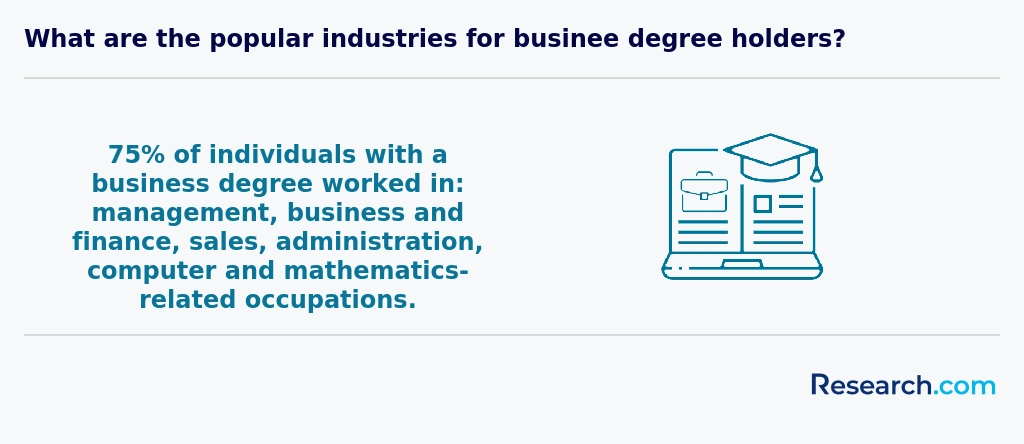
Business degree career opportunities Birmingham graduates frequently pursue are diverse, reflecting the city's dynamic economy. Many find rewarding roles in finance and banking, capitalizing on the presence of top regional banks which offer competitive salaries and robust career growth. Graduates from prominent institutions like the University of Alabama at Birmingham often highlight their smooth transition into positions such as financial analysts and loan officers, appreciating the practical skills gained through their programs.
Job prospects for business graduates in Birmingham also include management and consulting roles within major corporations headquartered locally. These positions empower professionals to influence operations and strategic development, often resulting in fulfilling career trajectories. Additionally, Birmingham's energetic startup ecosystem encourages graduates to engage in entrepreneurship and small business management, supported by initiatives from the Birmingham Business Alliance, fostering a stimulating environment for innovation and leadership.
Healthcare administration is another thriving path, with UAB Health System offering expansive opportunities in business operations tailored to the medical sector. Prospective students considering cost-effective education options can explore various accredited programs, including Inexpensive Online Business Degree Programs Ranking in San Antonio, TX, to align studies with financial goals without compromising quality.
The job market for business degree graduates in Birmingham offers substantial opportunities across diverse sectors, reflecting the city's economic growth and demand for skilled professionals. Graduates from popular institutions such as the University of Alabama at Birmingham often find roles in healthcare management, banking, and manufacturing firms, where practical skills are highly valued. These graduates regularly share positive experiences about securing positions in administration, finance, or operations within Birmingham's major healthcare systems and regional banks.
Those exploring business degree job opportunities in Birmingham benefit from the city's affordable cost of living and strong employer demand. Entry-level salaries range from $45,000 to $55,000, with potential mid-career increases surpassing $80,000, especially in management roles. The employment outlook is bolstered by consistent growth in financial and administrative sectors, making Birmingham a promising place to launch a business career.
Students considering further specialization can enhance their prospects by pursuing advanced degrees or high paying certifications, which many Birmingham-area business graduates find valuable when aiming for executive leadership or consulting careers.
2027 Best Business Degree Programs Ranking in Birmingham
Investing in your education is a significant decision that can shape your professional future, and the Research.com team is fully aware of the importance of making well-informed choices. To support prospective students in Birmingham, we have carefully developed the "2027 Best Business Degree Programs Ranking in Birmingham." Our dedication to quality, credibility, and accuracy is demonstrated through rigorous research and thorough analysis undertaken for this ranking.
We utilized the following reputable data sources to ensure a comprehensive evaluation of business degree programs:
By exploring this ranking, readers will gain valuable insights into the top business degree programs in Birmingham, empowering them to choose the best options tailored to their goals. For further information about how this ranking was created, please visit our Research.com methodology page.


# 5 position
Strayer University-Alabama
Bachelor of Business Administration in Management

Frequently Asked Questions About business
Business degree students in Birmingham can enhance their learning by engaging with the city's vibrant economic environment, which hosts over 17,000 businesses, including major firms such as Regions Bank and Protective Life Corporation. Participating in internships at these companies provides practical experience and networking opportunities, essential for career development.
Utilizing university resources such as career centers, workshops, and business clubs also helps sharpen leadership and teamwork skills. According to the National Association of Colleges and Employers, students who engage in internships are 20% more likely to receive job offers after graduation.
Additionally, students should take advantage of guest lectures and local industry events to stay current on market trends and innovation in the Birmingham business community.
Emerging niches within the business field reflect evolving market demands and technological advances. In Birmingham and the broader US, areas like sustainable business practices and green entrepreneurship are gaining momentum, driven by increasing environmental awareness. According to the U.S. Bureau of Labor Statistics, jobs related to sustainability are expected to grow by over 10% from 2022 to 2032.
Another prominent niche is data analytics and business intelligence, where companies rely heavily on data-driven decision-making. Skills in this area are increasingly integrated into business curricula in Birmingham's colleges.
Additionally, supply chain management has become crucial due to recent global disruptions. This niche offers promising career paths supported by local industry demand.
Graduates with a business degree in Birmingham should begin preparing for the job market early by engaging in internships and cooperative education opportunities. According to the U.S. Bureau of Labor Statistics, business-related internships can increase job placement chances by 20% within six months of graduation. Building a professional network through local chambers of commerce and business associations in Birmingham is also crucial, as 70% of jobs are found through networking, reports LinkedIn. Additionally, developing skills in data analysis, digital marketing, and financial technology can boost employability, reflecting current trends in Birmingham's growing business sectors. Career services at universities often offer valuable resume workshops and interview preparation.
Employers in Birmingham seek business degree graduates with a strong mix of analytical and interpersonal skills. According to the Birmingham Chamber of Commerce 2023 report, critical thinking and problem-solving are highly valued, as companies increasingly face complex market challenges.
Communication skills rank equally important; graduates must effectively present ideas to diverse teams and clients. Data literacy is also crucial, with 68% of local employers in finance and marketing emphasizing proficiency in data analysis tools like Excel and Tableau, as stated by the Birmingham Business Alliance.
Additionally, adaptability and teamwork are essential, reflecting Birmingham's diverse and evolving business landscape. These skills prepare graduates to contribute meaningfully from day one in competitive environments.
Finding internships in Birmingham relevant to a business degree involves strategic use of local resources and national platforms. Birmingham hosts a strong business community, with industries ranging from finance to manufacturing offering varied opportunities. According to the Birmingham Chamber of Commerce, over 60% of local businesses provide internship programs annually.
Start by exploring university career centers such as those at the University of Alabama at Birmingham, which maintain partnerships with local companies. National platforms like Handshake and Internships.com are valuable for exploring paid and unpaid positions tailored to business students.
Networking events, often hosted by the Birmingham Business Alliance, can connect students directly with potential employers. Additionally, leveraging LinkedIn to join Birmingham-based business groups can increase visibility to internship offers in the area.
In Birmingham, a business degree significantly enhances career mobility and advancement by equipping graduates with versatile skills highly valued across industries. According to the U.S. Bureau of Labor Statistics, professionals with business degrees experience a 12% faster job growth compared to the national average. The city's strong sectors, such as finance, healthcare management, and manufacturing, often seek graduates with knowledge in management, marketing, and finance.
Furthermore, Birmingham offers access to numerous internships and networking opportunities through its business hubs, which facilitate entry into leadership roles. Local employers report that candidates with business degrees demonstrate superior problem-solving and communication skills, crucial for promotion.
Studying for a business degree in Birmingham equips students with a broad skill set essential for interdisciplinary roles. Many programs integrate courses in economics, marketing, finance, and information technology, reflecting the sector's diverse demands. According to the Birmingham Business Alliance, local employers value graduates who can navigate multiple business functions, which enhances their employability.
Students often engage in projects that involve teamwork across disciplines, helping them develop problem-solving skills applicable in varied settings. Additionally, partnerships between Birmingham universities and industries provide practical experience bridging theory and real-world application.
This approach prepares graduates to work collaboratively in fields like consulting, management, and data analytics, critical in today's interconnected job market.
Choosing between a thesis and a non-thesis business degree in Birmingham depends largely on your career goals and learning preferences. A thesis program emphasizes research skills and critical thinking, preparing students for roles in academia or research-heavy industries. Meanwhile, non-thesis programs focus more on practical knowledge and coursework, which suits students targeting business management or applied roles.
Local institutions like the University of Alabama at Birmingham (UAB) offer both options, reflecting broader trends in US business education. According to the National Center for Education Statistics, about 40% of graduate business students nationwide opt for thesis tracks when aiming for doctoral studies or consulting careers.
Consider your interest in research and whether you plan to pursue further study; thesis programs often take longer and require strong writing skills. Non-thesis offers faster completion and more internships or real-world projects, which Birmingham's growing business sector values highly.
Students based in Birmingham looking to study business abroad have several pathways to consider within the US higher education system. Many American universities offer exchange programs and joint degrees with UK institutions, allowing Birmingham students to gain international experience while earning credits transferable to their home university.
Popular destinations for business studies include top US business schools in cities like New York, Chicago, and Boston, which are known for strong industry connections and diverse coursework. According to the Institute of International Education, over 300,000 students annually participate in US study-abroad programs, highlighting the broad demand for cross-border education.
Additionally, Birmingham students often leverage programs like the Fulbright Scholarship or university-funded grants to support their study overseas. These opportunities enhance academic credentials and provide valuable exposure to global markets and business practices.
Part-time job opportunities in Birmingham that complement business degree education offer practical experience alongside academic learning. Many students find positions in retail management or customer service within Birmingham's diverse commercial sectors, which help develop leadership and communication skills. According to the Birmingham Business Alliance, the local economy is growing in finance and marketing fields, creating roles such as marketing assistant or financial intern that directly align with business studies.
Internships at local firms, including small enterprises and startups, provide hands-on experience in business operations and strategy. Additionally, roles in event planning or administrative support at Birmingham's growing technology and healthcare companies allow students to refine organizational and project management skills.
Business students in Birmingham benefit from a variety of networking opportunities that connect them with local industries and professionals. The city hosts regular events such as career fairs, business conferences, and workshops specifically aimed at students. Organizations like the Birmingham Business Alliance and local chambers of commerce provide access to successful entrepreneurs and business leaders. Additionally, universities often collaborate with nearby companies to offer internships and mentorship programs, enhancing real-world connections. According to the Birmingham Economic Development Partnership, over 10,000 businesses operate in the city, creating ample chances for students to engage with diverse sectors during their studies.
Alumni networks offer significant advantages to business degree students in Birmingham by creating valuable connections within the local and national business communities. These networks often provide mentoring, internships, and job opportunities, helping students transition from academic settings to professional roles. According to data from the Birmingham Business Alliance, graduates linked to strong alumni groups experience a 20% higher employment rate within six months of graduation.
Networking events organized by alumni associations also expose students to industry insights and emerging trends, enhancing their practical knowledge beyond classroom learning. Moreover, alumni can assist with career advice, resume building, and interview preparation, making them an indispensable resource. For students aiming to establish themselves in Birmingham's competitive business environment, engagement with alumni networks can be a decisive factor in early career success.
Customizing a business degree program in Birmingham allows students to align education with specific career goals. Many universities offer electives, concentrations, or minors in areas such as finance, marketing, entrepreneurship, and supply chain management. For example, UAB's business school provides flexible course options that enable students to focus on industries growing in Birmingham, like banking and healthcare.
Internships with local companies, including Regions Bank and Protective Life, offer practical experience. Additionally, schools often support study abroad and certificate programs to enhance specialized skills. According to the Birmingham Business Alliance, 30% of graduates choose tailored courses to meet evolving market demands in the region.
Business students in Birmingham often face several challenges that impact their academic and professional journeys. One common issue is balancing rigorous coursework with part-time work; 62% of business undergraduates report working while studying, according to the National Center for Education Statistics (NCES). This juggling act can affect performance and stress levels.
Another frequent challenge is connecting theory with practice. Birmingham offers limited internship opportunities relative to student demand, which can hinder hands-on experience. Additionally, navigating financial aid complexities is a concern, with approximately 45% of students citing difficulties in managing tuition and living expenses (U.S. Department of Education).
Furthermore, the competitive nature of the business programs requires strong time management and networking skills, often difficult for newcomers to develop quickly. Understanding the diverse business landscape of Birmingham, including its focus on automotive and financial services, is also crucial for students aiming to specialize effectively.
With a business degree, professionals in Birmingham can pursue a variety of respected certifications to enhance their careers. Common options include the Certified Public Accountant (CPA), ideal for those interested in accounting and finance. Another popular choice is the Project Management Professional (PMP), which focuses on managing business projects efficiently.
The Chartered Financial Analyst (CFA) credential is valuable for careers in investment and financial analysis. For marketing professionals, the Certified Marketing Professional (CMP) boosts expertise and credibility.
According to the Birmingham Business Alliance, earning professional certifications can increase earning potential by up to 20% locally. These certifications often require passing exams and relevant work experience, making them solid investments for graduates.
Writing a winning application for a business program in Birmingham requires clarity, focus, and evidence of your passion for business. Start with a strong personal statement that highlights your career goals and why Birmingham's programs suit your aspirations. Birmingham is home to growing industries like finance and technology, so connecting your interests to local economic trends can strengthen your case.
Include relevant academic achievements, such as a solid GPA in subjects like economics or mathematics. According to the Birmingham Business Alliance, candidates with practical experience, including internships or part-time roles in the city's business sector, have a competitive edge.
Ensure your recommendation letters emphasize teamwork and leadership, qualities highly valued in business education. Finally, proofread your entire application carefully to avoid errors and present yourself professionally.
Business careers today are shaped by global trends and increasing international connections. Graduates with business degrees from Birmingham have opportunities to work in multinational companies that value cross-cultural skills. According to the U.S. Bureau of Labor Statistics, global business roles, including international marketing and finance, are expected to grow by 7% through 2030.
Global perspectives emphasize adaptability and understanding diverse markets. Many U.S. firms with offices in Birmingham seek professionals familiar with global supply chains and digital commerce. The ability to navigate different regulatory environments and cultural norms is crucial for long-term success.
Business education increasingly incorporates international case studies to prepare students for these challenges. As a result, Birmingham business grads can compete worldwide.
Gaining practical experience while studying for a business degree in Birmingham is essential for career readiness. Many universities offer cooperative education (co-op) programs, allowing students to alternate between classroom learning and paid work placements within local companies. According to the National Association of Colleges and Employers (NACE), nearly 60% of business students who participate in internships receive job offers from their placement employers.
Birmingham's thriving business community, including sectors like finance, manufacturing, and healthcare, provides ample internship opportunities. Students can also engage in consulting projects, case competitions, and entrepreneurship clubs to develop real-world skills. Additionally, some schools partner with Birmingham-based firms to offer mentorship programs and networking events for hands-on learning.
Choosing the right concentration within a business degree program in Birmingham requires understanding both your career goals and the local job market. Popular concentrations include finance, marketing, management, and entrepreneurship. According to the Birmingham Business Alliance, sectors like advanced manufacturing and healthcare services are growing rapidly, influencing demand for graduates with skills in supply chain management and healthcare administration.
Research the curriculum for concentrations that align with these industries. Consider internship opportunities offered by Birmingham's diverse employers, as practical experience can be crucial.
Also, evaluate programs accredited by bodies such as AACSB, which indicate quality education.
- 2027 Best Business Degree Programs Ranking in Montgomery
- 2027 Best Business Degree Programs Ranking in Macon
- 2027 Best Business Degree Programs Ranking in Mobile
- 2027 Best Business Degree Programs Ranking in New Orleans
- 2027 Best Business Degree Programs Ranking in Little Rock
- 2027 Best Business Degree Programs Ranking in Louisville
- 2027 Best Business Degree Programs Ranking in Baton Rouge
- 2027 Best Business Degree Programs Ranking in Savannah
- 2027 Best Business Degree Programs Ranking in Conway
- 2027 Best Business Degree Programs Ranking in Gainesville
See What Experts Have To Say About Studying Business
Read our interview with Business experts


David W. Stewart
Business Expert
Emeritus President's Professor of Marketing
Loyola Marymount University

Ingrid S. Greene
Business Expert
Clinical Assistant Professor of Management
Loyola Marymount University

- Why you should study a Business degree – the path to Big Tech https://blog.bham.ac.uk/business-school/2019/06/20/why-you-should-study-a-business-degree/
- Professional Business Certifications to Boost Your Career in 2025 https://www.business.com/articles/best-business-certifications/
- Networking Tips for Business Students and MBA Candidates - Cyprus West University https://www.cwu.edu.tr/networking-tips-for-business-students-and-mba-candidates/
- Interdisciplinary Business https://www.okwu.edu/academics/undergraduate/bachelor-interdisciplinary-business/
- Business degree: What to study and how to find a job https://brive.com/blog/studies/business-degree-guide-to-study-and-find-a-job/
- Why the Birmingham Job Market is Thriving | AD Finance https://www.alexanderdaniels.co.uk/9-reasons-birmingham-job-market-thriving/
- How to Identify Profitable Business Niches: A Guide for ... https://www.invoiceonline.com/the-entrepreneur-s-handbook/entrepreneurship/business-strategy/how-to-identify-profitable-business-niches-97365
- Top 10 Skills Employers Seek in Business Graduates in 2026 https://www.ibat.ie/blogs/top-10-skills-employers-seek-in-business-graduates-in-2026
- What jobs can you get with a Business or Management degree? https://www.bcu.ac.uk/blog/business-and-management/what-jobs-can-you-get-with-a-business-or-management-degree
- 55 Trending Business Ideas for 2025 and Beyond https://www.uschamber.com/co/start/business-ideas/top-trending-business-ideas