
2027 Easiest Online Addiction Counseling Degree Programs Ranking in the USA

Co-Founder and Chief Data Scientist
Choosing the right addiction counseling degree program can feel overwhelming, especially with so many online options available. That's why this article presents the 2027 Easiest Online Addiction Counseling Degree Programs Ranking in the USA, created by the Research.com team of data scientists. It offers clear insights to help you find programs suited to your needs and goals.
Reading this ranking can simplify your decision-making process and guide you toward a rewarding career in addiction counseling. Earning this degree opens doors to meaningful work, personal growth, and the chance to make a real difference in people's lives.
Key benefits of getting online addiction counseling degree in America
- Graduates with an addiction counseling degree can expect competitive salaries, with some related positions earning a median annual wage around $47,660, reflecting the rewarding nature of this career path.
- Career paths include roles like substance abuse counselor, behavioral disorder counselor, or mental health specialist, offering diverse opportunities to help others and grow professionally.
- Online degrees from respected universities provide flexibility and convenience, allowing students to balance work or family while earning their credential, often leading to faster program completion and real-world experience.
What can I expect from online addiction counseling degree in America?
The average cost of an online addiction counseling degree in America can vary widely, often influenced by the institution's reputation and program length. Graduates from well-known universities such as Arizona State University or the University of Cincinnati typically report tuition costs ranging from $15,000 to $35,000 for a bachelor's or master's degree completed entirely online. Many students appreciate these programs because they offer the flexibility to balance studies with family and work commitments, often paying per credit hour rather than a flat tuition fee, which helps manage expenses more predictably.
One graduate shared how the investment felt worthwhile, given the engaging curriculum and meaningful internships arranged locally, which offered hands-on experience needed for licensure in most states. Another pointed out that some programs even provide scholarships or financial aid designed for working adults aiming to change careers, making these degrees more accessible and less daunting financially.
Despite concerns about cost, many find the return on investment satisfying, especially as addiction counseling professionals are in high demand, with excellent job security and opportunities for growth across the country.
Where can I work with online addiction counseling degree in America?
Graduates from online addiction counseling programs at respected American universities often find themselves welcomed into diverse professional environments where their skills make a real difference. Many secure roles in substance abuse treatment centers, where they join teams offering therapy and group support to those navigating recovery-an experience described by alumni as deeply rewarding and hopeful.
Others step into hospitals or mental health clinics, collaborating closely with doctors and therapists to treat individuals facing both addiction and mental health challenges. This integrated approach, common among graduates from well-known institutions, brings a sense of purpose and urgency to their work.
Community organizations and nonprofits also provide meaningful career paths. Here, graduates develop prevention strategies and personalized treatment plans, often reflecting on how their academic training prepared them to connect authentically with those in need.
Some graduates choose to build private practices after gaining licensure and supervision hours, valuing the independence and personal impact this career path offers. Additionally, schools and universities occasionally hire counselors to support students, blending education and counseling in ways graduates find encouraging and impactful.
How much can I make with online addiction counseling degree in America?
Graduates with online addiction counseling degrees in America often start their careers earning between $30,000 and $40,000 annually, a figure many recent graduates from institutions known for their strong counseling programs, such as Arizona State University and the University of Texas at Austin, find realistic during their early job search. As these professionals gain experience and earn certifications like the Licensed Chemical Dependency Counselor (LCDC), their incomes can rise substantially.
In more urbanized states with universities offering prominent online counseling degrees-such as California and New York-salaries typically climb higher, ranging from $55,000 to over $70,000. Graduates report feeling motivated by the tangible growth in their earnings that reflects their hard work and commitment to helping others.
Many students from programs at well-regarded schools discover opportunities in private clinics or rehabilitation centers where salaries can surpass $75,000 annually, especially when taking on supervisory roles. This financial progress aligns with their passion for impact and provides rewarding career stability affirmed by rising industry demand.
- Key benefits of getting online addiction counseling degree in America
- What can I expect from online addiction counseling degree in America?
- Where can I work with online addiction counseling degree in America?
- How much can I make with online addiction counseling degree in America?
- How do we rank schools?
- 2027 Easiest Online Addiction Counseling Degree Programs Ranking in the USA
- What online addiction counseling degree graduates have to say
- Key Findings
- How long does it take to complete online addiction counseling degree in America?
- What's the difference between online and on-campus addiction counseling degree?
- What is the average cost of online addiction counseling degree in America?
- What financial aid is available to online addiction counseling degree students in America?
- What are the prerequisites for enrolling in online addiction counseling degree program in America?
- What courses are typically in online addiction counseling degree programs in America?
- What types of specializations are available in online addiction counseling degree programs in America?
- How do you choose the best online addiction counseling degree in America?
- What career paths are available for online addiction counseling degree students in America?
- What is the job market for online addiction counseling degree in America?
- Frequently Asked Questions About addiction counseling
- Top Trending Addiction Counseling Rankings
How do we rank schools?
Investing in your education is a significant decision that can shape your future, and the Research.com team understands the importance of making informed choices. To support individuals seeking accessible and effective addiction counseling education, we have carefully developed the "2027 Easiest Online Addiction Counseling Degree Programs Ranking in the USA." Our dedication to quality, credibility, and accuracy is demonstrated through thorough research and analysis used to compile this ranking.
We utilized the following reputable data sources to ensure a comprehensive evaluation of programs:
By exploring this ranking, readers will gain valuable insights into the most accessible and credible online addiction counseling degree programs, empowering them to make well-informed educational decisions. For further details on how this ranking was created, please visit our Research.com methodology page.
2027 Easiest Online Addiction Counseling Degree Programs Ranking in the USA
# 1 position
Walden University
Master
Walden University offers a Master's program with a focus on Addiction Counseling, Counseling, and Healthcare. The program enrolls 52,188 online students, providing high levels of financial aid to all students. The average total cost for the degree is $39,600. Information on graduation rate, program length, and acceptance rate is not available for this program.
# 2 position
Union Commonwealth University
Master
Union Commonwealth University offers a Master's program focused on Addiction Counseling, Counseling, and Healthcare. The program has a graduation rate of 32% and is less selective with a 63% acceptance rate. It supports online education with 194 enrolled students. The average total cost is $20,400, and the university provides high levels of financial aid, with 100% of students receiving assistance.
# 3 position

The University of South Dakota offers a Master's program focused on Addiction Counseling, Counseling, and Healthcare. The program has an open admission policy with a 99% acceptance rate. About 60% of enrolled students graduate successfully. The average total cost is $16,936, and 95% of students receive high levels of financial aid. Currently, 5,720 students are enrolled online in this program.
What online addiction counseling degree graduates have to say
- Jessica: The flexibility of the University of Phoenix's online addiction counseling program allowed me to balance work and study effortlessly. The interactive courses and supportive instructors made learning engaging. I gained valuable skills that boosted my confidence to help others in recovery effectively.
- Michael: Liberty University's online addiction counseling degree exceeded my expectations. Their practical approach combined with faith-based principles enriched my understanding deeply. Studying online gave me access to diverse resources and networks, making the entire experience both enriching and empowering.
- Emily: At Arizona State University, the online addiction counseling program offered comprehensive content and real-world case studies. The virtual community was welcoming and collaborative, which made me feel connected despite the distance. This degree really prepared me for a meaningful career in addiction counseling.
Key Findings
- Online addiction counseling degrees are available at associate, bachelor's, and master's levels, focusing on substance abuse, behavioral health, or addiction studies.
- Bachelor's degree tuition ranges from $15,000 to $40,000 for public online universities, while master's programs cost between $10,000 and $30,000.
- Employment for addiction counselors is projected to grow 22% from 2020 to 2030, which is faster than average.
- Starting salaries for graduates usually range from $35,000 to $45,000 per year, with experienced counselors earning $50,000 to $60,000 or more.
- Programs include supervised clinical practice hours required for state licensure, and many allow part-time study for working professionals.
- Key certifications after graduation include Licensed Professional Counselor (LPC), Licensed Clinical Alcohol and Drug Counselor (LCADC), and Certified Addiction Counselor (CAC), varying by state rules.
How long does it take to complete online addiction counseling degree in America?
Those pursuing bachelor's degrees, often at universities known for behavioral health programs, share how the four-year timeline deepened their understanding, while accelerated options gave motivated students the joy of finishing in just three years. This flexibility lets students tailor their pace around personal and professional demands.
Master's degree students, particularly from programs affiliated with respected counseling associations, report that completing 18 months to three years online is manageable. Full-time enrollment speeds progress, but part-time study allows working adults to stay engaged without sacrificing income. The inclusion of clinical practicum is frequently cited as both a challenging and rewarding hands-on experience, crucial for licensure and actual counseling readiness.
What's the difference between online and on-campus addiction counseling degree?
Graduates from well-known programs like those at Arizona State University often highlight how online addiction counseling degrees offered them the freedom to balance work, family, and study. This flexibility, common in many American online programs, removes barriers like daily commuting and rigid class schedules. Imagine completing coursework from your living room, accessing lectures asynchronously, and submitting assignments late at night after the kids are asleep-this is a lived reality for many.
Conversely, those who attended traditional on-campus programs at institutions such as the University of North Carolina value the immediate, face-to-face interactions with professors and peers. They recall rich group discussions and supervised clinical practices on campus that foster a strong sense of community and hands-on learning. This direct contact often feels reassuring and motivating, especially during challenging coursework or practicum experiences.
Students in both settings must navigate practicum requirements essential for licensure. While on-campus learners typically benefit from university-arranged placements, online students frequently share stories of proactively securing local internships, which, though occasionally stressful, cultivates valuable independence.
What is the average cost of online addiction counseling degree in America?
The average cost of earning an online addiction counseling degree in America typically centers around $20,400, a figure that reflects a balance between public and private institutions' tuition rates. Many students who have pursued programs at well-known universities share how this investment felt reasonable given the quality and flexibility offered by their schools. Graduates often recall how the costs aligned with a supportive learning environment and practical training that equipped them for real-world challenges.
Public universities tend to be more affordable for in-state students, with tuition fees per credit hour ranging from $200 to $500. For a full degree requiring 40 to 60 credits, this often means costs stay under $30,000. Out-of-state students, however, face higher prices, sometimes nearly double, but financial aid resources frequently help ease these burdens. This is important when exploring affordable online addiction counseling programs 2027, as careful planning and research can reveal options that fit individual budgets.
Private institutions usually have higher tuition, from $500 up to $1,200 per credit, pushing overall costs up to $70,000 in some cases. However, many graduates emphasize the value of scholarships and employer tuition assistance, which significantly reduce net costs. Prospective students should also consider extra fees like technology charges, background checks, and textbooks that add to the total investment.
One helpful step is verifying program accreditation, particularly through CACREP, since accredited programs often provide better access to financial aid and licensure opportunities. Those interested in a specialized path may find it beneficial to explore a substance abuse counselor degree online, aligning financial planning with career goals in addiction counseling.

What financial aid is available to online addiction counseling degree students in America?
Students pursuing online addiction counseling degrees in America often find federal student aid to be their most reliable resource. Graduates from programs at universities like the University of Phoenix or Liberty University frequently share how the Pell Grant helped reduce upfront costs, granting up to $7,395 annually. While graduate students may see fewer Pell Grant opportunities, many take advantage of federal Direct Subsidized and Unsubsidized Loans, with some securing up to $20,500 each year to balance tuition and living expenses.
State scholarships and loan repayment programs offer an extra layer of support, especially for those willing to work in underserved communities. For example, students enrolled in California State University programs have reported that state grants and SAMHSA fellowships provided crucial funding aligned with their career goals.
Beyond government aid, many graduates have benefited from scholarships through professional bodies like NAADAC, or employer tuition reimbursement plans. These options, combined with institutional scholarships common at schools such as Capella University, create meaningful opportunities to pursue addiction counseling without overwhelming debt.
What are the prerequisites for enrolling in online addiction counseling degree program in America?
Enrolling in an online addiction counseling degree program in America often begins with foundational academic requirements that shape your readiness for this meaningful journey. Most programs, such as those offered by well-known public universities, require at least a high school diploma or GED for associate degrees. For bachelor's or master's levels, applicants typically present a completed undergraduate degree, occasionally with a focus on psychology or social work, though some master's programs welcome students from diverse educational backgrounds if prerequisite behavioral science courses are met.
Graduates frequently reflect on how standardized tests like the SAT or GRE initially felt daunting, yet meeting these criteria opened doors to programs at respected institutions. A GPA around 2.5 to 3.0 is commonly expected, emphasizing consistent academic dedication rather than perfection. Many students find that prior work or volunteer experience in mental health settings enriches their applications and clarifies their commitment to helping others overcome addiction.
Letters of recommendation and personal statements also play a pivotal role, offering the chance to convey passion and personal motivations that resonate with admissions committees familiar with the realities of addiction counseling careers in America's diverse communities.
What courses are typically in online addiction counseling degree programs in America?
Students pursuing online addiction counseling degrees in America typically engage with a thoughtfully structured curriculum designed to build both understanding and practical skills. Foundational courses often include Introduction to Addiction Studies, which unpacks the complex neurobiology behind addiction-something graduates frequently describe as eye-opening when they first grasp the science behind behavioral patterns they've seen in practice.
Courses like Counseling Techniques and Theories and Substance Abuse Assessment and Diagnosis provide essential tools used daily by counselors, from mastering empathetic listening to applying DSM-5 criteria for accurate diagnosis. Many graduates from respected state universities share how these classes helped them feel confident supporting clients through real challenges.
Hands-on subjects such as Group Counseling and Family Therapy bring alive the social dimensions of addiction, often prompting students to reflect deeply on their role in facilitating healing within families. Ethical training and pharmacology coursework further prepare students to navigate complex treatment environments responsibly.
What types of specializations are available in online addiction counseling degree programs in America?
Online addiction counseling degrees in America typically offer several focused specializations that cater to different professional paths. Graduates often speak highly of the Substance Abuse Counseling track, where they gain skills in planning treatments and preventing relapse for clients struggling with alcohol and drug dependency. The practical nature of this specialization, common in respected programs at popular universities, makes it a beloved choice for those aiming to make direct impact in community health settings. This hands-on approach resonates with many students navigating their own paths in addiction counseling degree focus areas America.
Other graduates appreciate the integration offered by Mental Health Counseling specializations, which prepares counselors to support clients facing co-occurring mental health disorders alongside addiction. This dual focus is not only encouraged by leading institutions but reflects best practices recommended by health authorities, creating a strong foundation for real-world application. Many report feeling confident and motivated knowing they can address complex cases effectively.
For those drawn to justice-related work, the Criminal Justice and Forensic Counseling specialization stands out. It equips students to work within courts, prisons, or rehabilitation centers, addressing substance use challenges in the justice system. Graduates from well-known colleges pursuing online addiction counseling specializations USA often highlight how this track opened doors to meaningful roles in parole and correctional facilities.
Specializations focusing on populations such as Adolescent and Youth Counseling also attract students passionate about prevention and early intervention with young people. Across popular programs, individuals find rewarding opportunities to tailor strategies that address unique challenges faced by youth, enriching their practice and career fulfillment.
Those seeking the most accessible options often explore affordable routes like an online master's in counseling, which can offer these various specializations within a flexible format. Embracing these diverse tracks helps students connect with their personal motivations, encouraging lasting commitment and success in the evolving field of addiction counseling.
How do you choose the best online addiction counseling degree in America?
Choosing the best online addiction counseling degree in America means focusing on accreditation, curriculum, affordability, and licensure alignment. Graduates from well-known colleges often emphasize the peace of mind that comes with programs accredited by bodies like CACREP, ensuring their education matches state licensure standards. Many students recommend exploring CACREP online counseling programs to balance quality with cost effectively-important for anyone seeking affordable addiction counseling programs America-wide.
Reflecting on experiences shared by alumni, having a curriculum rich in practical exposure through internships or practicums is invaluable. One graduate recalled gaining confidence during a supervised clinical placement arranged locally, which brought theories to life and prepared them for real client interactions. This hands-on approach, common among top universities, nurtures both skills and professional resilience, important when supporting individuals battling addiction.
Finally, thoughtful students remember to verify if a program's structure fulfills their future state's licensure requirements. A peer studying at a renowned university highlighted how confirming alignment with specific state mandates accelerated their eligibility for certification, sparing months of uncertainty. These real-life considerations shape success for those searching for the best online addiction counseling degrees USA has to offer.
What career paths are available for online addiction counseling degree students in America?
Graduates of online addiction counseling degrees in America often find rewarding roles that allow them to make a tangible difference in people's lives. Many assume positions as certified addiction counselors, providing direct support to individuals overcoming substance use disorders. For instance, alumni from prominent programs at universities known for their behavioral health curriculum report confidence in entering rehabilitation centers or private practice, where their training directly impacts recovery journeys.
Others pursue careers as behavioral disorder counselors, addressing complex cases where addiction intersects with mental health, frequently employed by public health organizations and social services. These graduates highlight the fulfillment found in crafting prevention programs and community education initiatives, a key facet of addiction counseling careers in the USA.
Some recent graduates also navigate paths into case management or peer recovery support roles, which blend interpersonal skills with clinical knowledge. Students from respected colleges appreciate that their online studies offered flexibility while preparing them for diverse job opportunities. For those seeking guidance on starting this journey, exploring the best easiest counseling degree programs often reveals accessible options aligned with personal and professional goals.
What is the job market for online addiction counseling degree in America?
The job market for individuals with an online addiction counseling degree in America is promising and steadily expanding. Graduates from well-known universities often find employment in diverse settings such as hospitals, outpatient care centers, and social service agencies, reflecting strong employment opportunities for addiction counselors in America. Many alumni share how their practical skills gained through these programs translated into rewarding careers addressing substance use disorders, especially as the need for competent counselors grows alongside the opioid crisis.
States have increased investments in rehabilitation services, resulting in a surge of available roles. The rise of telehealth and online support also offers fresh avenues for graduates to apply their training effectively. Those pursuing advanced certifications or degrees, including pathways like the online masters in human services, report enhanced job prospects and a sense of fulfillment from making an impactful difference in communities.
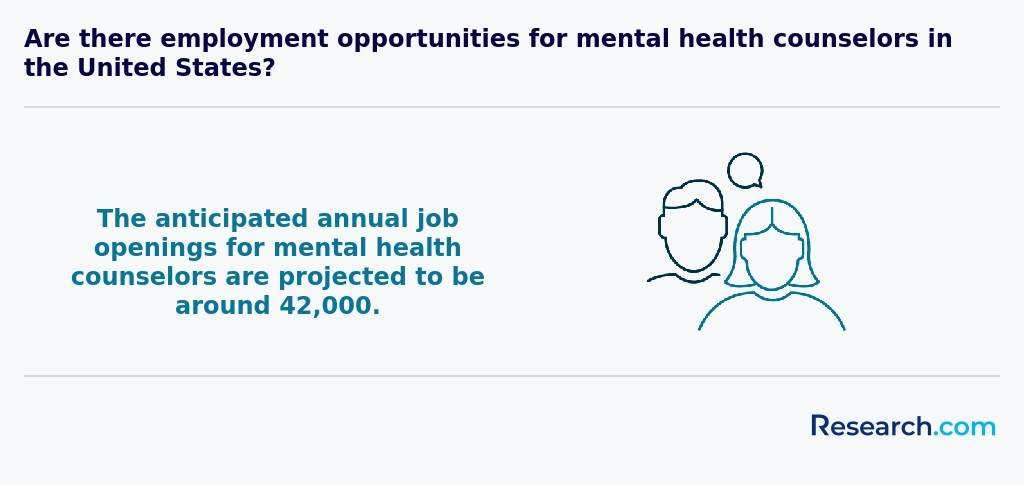
According to the U.S. Bureau of Labor Statistics, employment in this sector is projected to grow by 16% through 2031, which is notably faster than average. Graduates often express optimism about entering a field where their expertise is both highly sought after and emotionally rewarding, reinforcing the positive outlook associated with the online addiction counseling job outlook USA.
Frequently Asked Questions About addiction counseling
Students pursuing online addiction counseling degrees in America can enhance their learning by actively engaging with course materials and participating in virtual discussions. Research from the National Institute on Drug Abuse highlights that practical experience is crucial, so seeking internships or supervised practicum opportunities is essential. Many accredited programs require these field experiences to meet licensure standards set by the Substance Abuse and Mental Health Services Administration (SAMHSA).
Time management is vital; students should create structured study schedules to balance academics with personal commitments. Utilizing available resources such as online libraries, academic advising, and counseling centers supports deeper understanding.
Networking with peers and professionals through forums and webinars helps build connections important for career growth. Staying informed about evolving addiction counseling practices and licensure requirements in their state ensures students remain competitive after graduation.
The addiction counseling field in America is evolving with several emerging niches driven by changing substance use trends and growing awareness of mental health. One significant niche is telehealth counseling, which expanded sharply during the COVID-19 pandemic and continues to offer flexible access to clients nationwide.
Another growing area is specialized counseling for opioid use disorder (OUD), supported by the increasing need for Medication-Assisted Treatment (MAT) providers. According to the Substance Abuse and Mental Health Services Administration (SAMHSA), over 2 million Americans struggle with OUD, underscoring demand for expertise in this field.
Counselors focusing on co-occurring disorders, where addiction intersects with mental health conditions, are also in high demand. This reflects a shift toward integrated treatment models promoted by national health policies.
Finally, prevention and early intervention counselors addressing adolescent and young adult populations are gaining importance due to rising teenage substance use indicated by the 2022 National Survey on Drug Use and Health (NSDUH).
Preparing for the job market after completing an online addiction counseling degree in America requires strategic planning. First, obtaining state licensure is essential, as addiction counselors must meet specific requirements that include supervised clinical hours. According to the Substance Abuse and Mental Health Services Administration (SAMHSA), most states require between 2,000 to 4,000 hours of supervised experience.
Networking through professional associations, such as the National Association for Addiction Professionals (NAADAC), builds connections and access to job listings. Additionally, gaining experience with internships or practicum placements during the program enhances practical skills.
Continuing education and certifications, like the Certified Addiction Counselor (CAC), increase employability in a competitive market. The U.S. Bureau of Labor Statistics reports a 23% growth rate for substance abuse counselors between 2021 and 2031, indicating strong job prospects.
Employers seeking graduates with addiction counseling degrees in America prioritize a combination of interpersonal and technical skills. Strong communication abilities are essential, as counselors must effectively engage with clients facing substance use disorders.
Critical thinking and problem-solving skills enable counselors to develop personalized treatment plans. Understanding ethics and confidentiality rules, as outlined by the American Counseling Association, is mandatory.
Additionally, cultural competence is increasingly valued to address diverse populations. According to the Bureau of Labor Statistics, about 50% of addiction counselors work in health care and social assistance, highlighting the need for teamwork skills.
Graduates familiar with evidence-based practices, like cognitive behavioral therapy (CBT), often have an employment advantage.
Finding internships in addiction counseling in America often starts with your university's career services, which maintain partnerships with treatment centers and community health organizations. Many online addiction counseling programs require or recommend internships as part of their curriculum, helping students connect with licensed facilities.
The Substance Abuse and Mental Health Services Administration (SAMHSA) provides resources and directories of treatment facilities nationwide, useful for locating practical experiences. Additionally, applying early and having certifications like CPR or a background check completed can increase your chances.
Networking through professional associations such as the National Association for Addiction Professionals (NAADAC) may also open internship opportunities. According to NAADAC, internships improve job placement rates by up to 35% for addiction counseling graduates.
An online addiction counseling degree significantly enhances career mobility for professionals in the United States. According to the Substance Abuse and Mental Health Services Administration (SAMHSA), demand for qualified addiction counselors is expected to grow by 21% from 2021 to 2031, faster than the average for all occupations. An accredited online degree provides the necessary credentials to meet state licensing requirements, which vary but generally require a master's degree or higher and supervised clinical hours.
Graduates with online degrees often qualify for diverse roles such as prevention specialists, clinical supervisors, or program directors. These positions typically offer higher salaries and greater responsibility.
Additionally, earning a degree online allows working professionals to continue employment while advancing their education, facilitating smoother career transitions and promotions in the behavioral health field.
Studying for an addiction counseling degree in America equips students with knowledge beyond substance abuse treatment. Programs emphasize interdisciplinary training involving psychology, social work, and healthcare. This approach prepares graduates to collaborate with medical professionals, social workers, and mental health specialists effectively.
Many degree curricula include courses on co-occurring disorders, ethics, and community resources, vital for integrated care. According to the Substance Abuse and Mental Health Services Administration (SAMHSA), nearly 9.5 million Americans have co-occurring mental health and substance use disorders, highlighting the need for multifaceted skills.
Online programs offer flexible, evidence-based education, simulating real-world interdisciplinary settings through case studies and telehealth practices. This prepares students for collaborative roles essential in the US healthcare system.
When choosing between a thesis and a non-thesis addiction counseling degree program in America, consider your career goals and learning preferences. Thesis programs usually require conducting original research and writing a detailed paper, which can prepare students for research roles or doctoral study. Non-thesis options often focus more on practical training and coursework, ideal for those aiming to enter counseling practice quickly.
Data from the National Institute on Drug Abuse (NIDA) highlights the growing demand for well-trained addiction counselors, emphasizing the importance of hands-on skills. Thesis programs may take longer to complete, typically 2-3 years, compared to 1.5-2 years for non-thesis tracks.
Cost and time commitment are also key factors. Accredited online programs approved by the Council for Accreditation of Counseling and Related Educational Programs (CACREP) often offer both options with varying requirements. Prospective students should review program specifics and licensure goals when making their choice.
American students interested in addiction counseling who want to study abroad face limited options for fully online degree programs offered by foreign institutions. Most reputable addiction counseling degrees are provided domestically, as states and licensing boards in the US prioritize credentials earned from regionally accredited American programs. According to the Substance Abuse and Mental Health Services Administration (SAMHSA), over 80% of addiction counselors in the US hold credentials from US-based programs.
Some students consider hybrid programs or studying the theory abroad while completing clinical hours domestically. However, international institutions rarely offer online degrees that meet US licensure requirements for addiction counseling.
Therefore, studying through American online programs remains the most straightforward path for students aiming for certification and employment in the US addiction counseling field.
Students pursuing online addiction counseling degrees in America can benefit from several part-time job opportunities that provide relevant experience. Common roles include peer support specialist, behavioral health technician, and case management assistant. These positions allow students to interact directly with individuals affected by substance use disorders, enhancing practical skills alongside academic knowledge.
According to the U.S. Bureau of Labor Statistics, demand for substance abuse, behavioral disorder, and mental health counselors is projected to grow 22% from 2020 to 2030, highlighting the value of early hands-on experience. Part-time work in treatment centers or community organizations can also help students build professional networks and meet supervised experience requirements for licensure.
Online addiction counseling students in America have access to a variety of networking opportunities designed to enhance professional growth. Many accredited programs offer virtual workshops, webinars, and discussion boards where students connect with peers and faculty. These platforms foster collaboration and knowledge sharing, essential for future counselors.
Students can join professional organizations such as the National Association for Addiction Professionals (NAADAC), which provides access to conferences, certifications, and local chapters. According to NAADAC, membership increases job prospects by connecting students with licensed counselors and industry leaders.
Additionally, internships and practicum placements coordinated by online programs often involve partnerships with treatment centers, supporting real-world networking.
Alumni networks offer significant benefits to students pursuing online addiction counseling degrees in America. These networks connect graduates and current students, providing valuable professional support and guidance. According to the National Association for Alcoholism and Drug Abuse Counselors (NAADAC), networking increases employment opportunities, an important factor given the 13% projected job growth in addiction counseling by 2031 (U.S. Bureau of Labor Statistics).
Members often share job leads, internship information, and continuing education resources. This helps students stay updated on industry trends and licensure requirements across states. Alumni relationships also foster mentorships, enhancing students' practical understanding and confidence in their careers.
Additionally, some universities provide exclusive access to workshops, webinars, and conferences through their alumni networks, which can bolster a student's resume and professional skills. This ongoing connection supports career advancement long after graduation.
Customizing an online addiction counseling degree program in America allows students to align education with specific career ambitions. Many accredited institutions offer elective courses, enabling learners to focus on areas like adolescent addiction, co-occurring disorders, or clinical supervision. Selecting a program with flexible practicum placements can also provide hands-on experience in preferred settings such as hospitals, community centers, or private practices.
Students can choose programs accredited by the National Addiction Studies Accreditation Commission (NASAC) or similar bodies, ensuring recognized credentials. According to the Bureau of Labor Statistics, counseling jobs are projected to grow 22% from 2020 to 2030, highlighting the importance of specialized training. Tailoring coursework enhances job readiness and meets state licensure requirements, which can vary by location.
Students pursuing online addiction counseling degrees in America often face unique challenges. One major difficulty is balancing rigorous coursework with personal and professional responsibilities. Many learners are working adults, which requires strong time management skills. Additionally, students may struggle with the lack of in-person interaction, which can impact networking and practical skill development.
Technical issues also pose barriers, as stable internet and up-to-date devices are essential for accessing course materials and virtual sessions. According to the National Institute on Drug Abuse, the demand for qualified addiction counselors is growing, intensifying the pressure to complete programs efficiently.
Moreover, meeting state-specific licensing requirements after graduation can be complex due to varying regulations across the U.S.
With an online addiction counseling degree in the United States, graduates can pursue several key professional certifications. One common certification is the Certified Addiction Counselor (CAC), which varies by state but generally requires a combination of education, supervised experience, and passing an exam. The National Association for Alcoholism and Drug Abuse Counselors (NAADAC) also offers nationally recognized credentials, such as the National Certified Addiction Counselor (NCAC).
These certifications enhance job prospects, as the U.S. Bureau of Labor Statistics reports a growing demand for substance abuse counselors, expecting 21% growth through 2031. Professional certification is often essential for state licensure and establishing credibility in the field.
Writing a winning application for an online addiction counseling program in America requires clear focus and preparation. Start by thoroughly researching the program's accreditation, as the Council for Accreditation of Counseling and Related Educational Programs (CACREP) is a key standard in the field.
Highlight relevant experience in counseling, psychology, or social work, emphasizing any volunteer or professional work related to addiction treatment. Admissions committees value demonstrated commitment and practical knowledge.
Craft a compelling personal statement explaining your motivation to help individuals affected by addiction, backed by data such as the 40 million Americans impacted by substance use disorders, according to the National Institute on Drug Abuse.
Finally, ensure your application materials are error-free and tailored to each program's requirements for a competitive edge.
Globally, addiction counseling is recognized as a vital profession addressing substance use disorders and behavioral addictions. In the United States, the career outlook remains strong, with the Bureau of Labor Statistics projecting a 24% growth in substance abuse, behavioral disorder, and mental health counselor jobs from 2021 to 2031. This growth is driven by rising awareness and demand for treatment services.
Compared to other countries, the U.S. offers structured paths for addiction counselors, often requiring state licensure and adherence to standards set by organizations such as the National Association for Addiction Professionals.
Online addiction counseling degree programs in America reflect this global perspective by incorporating evidence-based practices and cultural competence to prepare counselors for diverse populations.
U.S. graduates may find career opportunities both nationally and internationally, as American credentialing often sets a benchmark in the counseling community worldwide.
Gaining practical experience is essential for students pursuing an online addiction counseling degree in America. Many accredited programs incorporate supervised clinical internships or practicums, often totaling 300 to 500 hours, as required by state licensing boards such as the NAADAC and the Substance Abuse and Mental Health Services Administration (SAMHSA).
Students usually complete these hours at approved treatment centers, hospitals, or community organizations. Additionally, some programs support virtual simulations to build counseling skills.
Engaging in internships not only fulfills licensure requirements but also enhances students' real-world understanding of addiction therapy and client interaction, critical for certification and employment readiness.
Choosing the right concentration within an online addiction counseling degree program in America depends on your career goals and interests. Concentrations often focus on areas like substance abuse treatment, mental health, or family counseling. Understanding the specific state licensing requirements is crucial, as each state may demand different coursework or supervised hours. According to the National Association for Alcoholism and Drug Abuse Counselors, demand for specialized counselors is rising, with job growth projected at 23% through 2031.
Consider also the program's alignment with certification bodies such as the Substance Abuse and Mental Health Services Administration (SAMHSA). Reviewing curriculum details and practicum opportunities helps ensure practical experience. Many programs offer flexibility to accommodate working professionals, which can influence your choice. This research phase is essential to select a focus that supports your professional development and licensing success.
Top Trending Addiction Counseling Rankings
References
- 2020 Guide to Addiction Counseling https://www.ucumberlands.edu/blog/2020-guide-addiction-counseling
- Best Online Addiction Counseling Degrees 2025 https://www.affordablecollegesonline.org/degrees/counseling-programs/addiction-counseling/
- Jobs and Opportunities Board https://www.issup.net/training/job-board
- 4 Benefits of an Addiction Alumni Program https://paloverdewellness.com/blog/4-benefits-of-an-addiction-alumni-program/
- Addictions Training Institute – The Evolving Role of Addiction Counselors: Meeting Today’s Challenges https://addictionstraininginstitute.com/the-evolving-role-of-addiction-counselors-meeting-todays-challenges/
- Alumni Program Support For Addiction Recovery https://recoverybaycenter.com/alumni-program-support-for-addiction-recovery-2/
- How to Build a Strong Alumni Network - Dazos https://dazos.com/blog/how-to-build-a-strong-alumni-network/
- Substance Use and Addiction Service Internship Resources https://careersofsubstance.org/your-career/substance-use-and-addiction-service-internship-resources
- NAADAC Conferences https://www.naadac.org/naadac-conferences
- Substance Use Counselor Certification Online https://sobercollege.com/substance-use-counselor/online-counseling-courses/


