2027 Most Valuable Accounting Degree Programs Ranking in Florida

Co-Founder and Chief Data Scientist
Choosing the right accounting degree program in Florida can feel overwhelming, but it's a crucial step toward a rewarding career. This article introduces the 2027 Most Valuable Accounting Degree Programs Ranking in Florida, created by the Research.com team of data scientists. It's designed to help you make an informed choice by highlighting programs that offer real value.
Reading this ranking can guide you to opportunities that match your goals and boost your confidence in pursuing an accounting degree. Investing in your education opens doors to success and growth in a stable, in-demand field.
Key benefits of getting accounting degree in Florida
- Salary for accounting degree graduates: Graduates can expect strong earning potential with roles like Staff Accountant averaging $90,780 annually and Bookkeepers earning about $49,580.
- Career paths: Accounting degree holders from Florida schools often find diverse opportunities, including positions as Tax Preparers, Associate Auditors, and Accounts Payable Clerks, offering a variety of stable and rewarding careers.
- Online degree benefits: Completing an accounting degree online from a well-known Florida university provides flexibility and accessibility, allowing graduates to balance work or family while gaining skills that employers highly value.
- 2027 Most Valuable Accounting Degree Programs Ranking in Florida
- What can I expect from accounting degree in Florida?
- Where can I work with accounting degree in Florida?
What can I expect from accounting degree in Florida?
The average cost of earning an accounting degree in Florida varies depending on the type of institution. Public universities often charge between $4,500 and $7,000 annually for in-state undergraduate tuition, making them a practical choice for many students aiming to balance quality education with affordability. For example, graduates from popular public schools like the University of Florida appreciate how this cost allows them to focus more on learning without overwhelming debt.
Private colleges, however, can be significantly more expensive, sometimes costing two to three times more per year. Despite this, many private institutions offer scholarships and financial aid that can ease the financial burden. Graduates from these schools often highlight the value of smaller class sizes and personalized support, which helped them excel in challenging courses like auditing and taxation.
Online programs are also popular among Florida students juggling work and study, providing flexibility without the high price tag. Combining these options with financial aid and scholarships often makes an accounting education in Florida accessible and rewarding.
Where can I work with accounting degree in Florida?
With an accounting degree from respected Florida schools like the University of Florida or Florida State University, graduates often find rewarding roles in public accounting firms. Many secure positions at well-known firms such as Deloitte or PwC, gaining hands-on experience in auditing and tax preparation that builds confidence and expertise early in their careers.
Others pursue corporate accounting, working in dynamic industries like real estate or hospitality in cities such as Miami or Orlando. Here, accountants handle budgeting, financial reporting, and internal audits, often collaborating closely with management to drive business decisions-an exciting way to see the direct impact of their work.
Government agencies and non-profits also offer stable career paths. Graduates from programs at the University of Central Florida report satisfaction working in local government roles, appreciating the job stability and comprehensive benefits these positions provide.
Entrepreneurial graduates sometimes start their own firms or explore niches like forensic accounting, leveraging their Florida education to specialize in growing markets. These diverse opportunities help students envision concrete, successful futures right where they study.
Graduates with an accounting degree in Florida can expect competitive salaries right after finishing their studies at well-known schools like the University of Florida or Florida State University. For example, a typical Staff Accountant position offers a mean annual wage of around $90,780, reflecting strong demand for skilled professionals across the state.
Entry-level roles such as Bookkeepers, Tax Preparers, Associate Auditors, and Accounts Payable Clerks usually start closer to <$49,580> annually, which is a solid foundation for recent grads getting their first real work experience. These figures demonstrate that even the initial paychecks reflect the value of an accounting degree earned in Florida's dynamic market.
Many accounting graduates share excitement about landing roles near metropolitan hubs like Miami or Tampa, where salary prospects are often higher due to increased demand. Earning certifications like the CPA soon after graduation can further boost income potential, turning early experiences into lasting career growth and financial stability for Florida accounting professionals.
- In-state tuition for a bachelor's degree in accounting at public universities in Florida ranges from $6,500 to $7,500 annually.
- Private institutions in Florida charge between $20,000 and $30,000 per year for accounting programs.
- Entry-level accounting salaries in Florida average between $50,000 and $55,000 per year.
- Mid-career earnings for accountants in Florida typically range from $70,000 to $85,000 annually.
- The CPA exam requires 150 semester hours, and many Florida programs include coursework to meet this requirement.
- Florida's job market for accountants is projected to grow 7% from 2022 to 2032, with strong opportunities in cities like Miami, Tampa, and Orlando.
In Florida, completing an accounting degree commonly takes about two years for an associate degree at community colleges like Miami Dade College, where students quickly build foundational skills and often transition to a four-year university.
At popular universities such as the University of Florida or Florida State University, bachelor's degrees typically require four years of full-time study. Many graduates describe balancing general education with specialized accounting courses as demanding but rewarding, especially when they take advantage of summer classes to accelerate progress.
Part-time enrollment or online formats at institutions like the University of Central Florida offer flexibility, extending the timeline but allowing students to manage work or family commitments effectively. Graduates appreciate this adaptability as it makes the degree attainable without sacrificing other priorities.
For those aiming to become CPAs, a master's degree takes an additional one to two years. This extra time ensures meeting the 150-credit-hour requirement for licensure, often pursued through combined bachelor's/master's programs popular at schools like the University of South Florida.
Choosing between online and on-campus accounting degrees in Florida hinges on your lifestyle and learning preferences. Online programs, like the University of Central Florida's, provide unmatched flexibility, letting you study anywhere without the commute. Graduates of these programs often appreciate managing coursework around jobs or family, though they emphasize strong self-discipline due to asynchronous schedules.
On-campus degrees at schools like the University of Florida offer vibrant face-to-face interactions, access to campus resources, and direct networking opportunities. Students here benefit from structured class times and immediate support, which can boost motivation and hands-on experience through internships connected to local businesses.
Cost-wise, Florida residents pay roughly $6,500 a year at public universities, and online tuition can be similar or slightly higher per credit with savings from commuting and housing. Graduates from both paths highlight the value of accredited programs and point to the importance of choosing what fits their daily routine and career ambitions best in Florida's accounting job market.
To make an informed decision about pursuing an accounting degree in Florida, prospective students should consider the financial implications of their choice. Understanding the cost of tuition, the potential for financial aid, and the long-term return on investment is crucial. For instance, students looking for the cheapest online accounting school in Florida can find several options that balance quality education with affordability. This consideration is essential as it directly impacts the student's ability to manage debt and achieve financial stability upon graduation. By weighing these factors, students can select a program that not only provides a valuable education but also sets them up for financial success in their future careers.
The average cost of an accounting degree in Florida typically centers around $39,720 for out-of-state students and about $14,794 for in-state students. Graduates from popular universities such as the University of Florida or Florida State University often reflect on the value of investing in their education despite these costs. They highlight that accessing in-state tuition can substantially reduce expenses, making the goal of earning an accounting degree more attainable.
Many students find that attending public universities in Florida offers a balanced approach to cost and quality, especially since in-state tuition rates are significantly lower compared to private schools. Private institutions, while generally more expensive, can provide focused program features and scholarships that some accounting students find worthwhile for their career goals.
Additional expenses like fees and supplies should also be factored into the overall budget, with an estimated $1,000 to $2,000 added annually. It's common for Florida accounting students to manage these costs through a combination of scholarships, grants, and part-time work, helping ease financial pressures throughout their studies.
Exploring options such as the cheapest online accounting school in Florida can be a practical strategy. This allows prospective students to save on commuting and living expenses while still obtaining a respected degree within the state's accounting education system. Understanding the average cost of accounting degree in Florida empowers students to make informed decisions aimed at maximizing both affordability and quality.
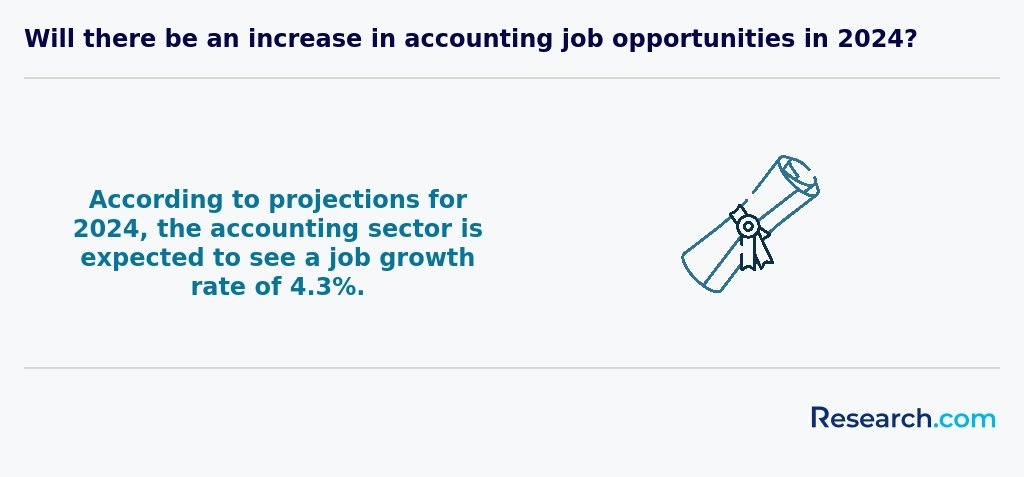
Accounting students in Florida can access a variety of financial aid options to help manage tuition costs. Many rely on federal aid by submitting the FAFSA, unlocking grants like the Pell Grant, which provided up to $7,395 last academic year. A graduate from the University of Florida recalled how this grant significantly reduced her loan burden, allowing her to focus more on studies.
State programs offer substantial support too. For example, the Benacquisto Scholarship covers full undergraduate tuition for National Merit Scholars at Florida universities, while the Bright Futures Scholarship can cover up to 100% of in-state tuition depending on academic performance. This has helped Florida State University accounting students achieve their goals without financial stress.
Merit scholarships from schools themselves are another great resource. These often reward GPA, leadership, and community involvement, making them perfect for driven accounting majors. Some working students find employer tuition assistance invaluable, easing their path by reimbursing courses tied to career growth.
Additionally, private scholarships from groups like the Florida Institute of CPAs support passionate students focused on accounting careers, providing both funds and motivation to succeed.
Assessing the true value of an accounting degree in Florida means weighing tuition costs against potential earnings and career trajectory. On average, Florida public universities charge around $6,892 per year for in-state students, while private institutions can exceed $32,000 annually. With mean starting salaries of $47,440 for Bookkeepers and $86,740 for Staff Accountants, Florida graduates often recoup their investment within 3–5 years of full-time employment. Calculating payback period: • Average annual tuition & fees (public, in-state): $6,892 • Average starting salary: $60,000 • Estimated years to break even: Total cost divided by annual net income growth, typically 3–4 years Lifetime ROI hinges on career advancement and specialization. Graduates who attain CPA licensure or focus on high-demand fields like forensic accounting or data analytics can see 20–30% higher salaries over their careers. To further optimize affordability without sacrificing quality, prospective students can compare Florida options with competitively priced programs elsewhere. For example, the Affordable Accounting Degree Programs Ranking in the Northeast highlights institutions that deliver strong ROI with lower tuition, helping you make a fully informed decision.
To enroll in an accounting degree program in Florida, you need a high school diploma or GED as your first step. Many graduates from schools like the University of Florida found that submitting strong standardized test scores, such as the SAT or ACT, helped showcase their academic readiness, although some colleges have recently adopted test-optional policies. Focusing on excelling in math, economics, and business courses during high school builds a solid foundation that can make your application stand out.
Transcripts reflecting a GPA of 3.0 or higher are often expected, especially at public universities. Community colleges, like those in the Florida College System, offer flexible GPA requirements which can be a great option if you need to strengthen your academic record before transferring. Budgeting for tuition, averaging around $6,400 annually at public four-year institutions, plus textbooks and software, helps avoid surprises.
Some programs invite you to submit letters of recommendation or personal statements. Many graduates credit these documents with adding a personal touch that helped them demonstrate genuine motivation and fit for accounting careers.

Embarking on an accounting career requires more than choosing the right degree program-it’s about mapping a clear path to success. Whether you're an aspiring student or already enrolled, strategically preparing for your career can set you apart from the competition. Begin by honing technical skills and seeking opportunities like internships or part-time roles in finance, which build practical experience and professional confidence. Engage actively in networking events, join industry groups, and leverage mentorship programs to create lasting connections within the field. Additionally, keeping up with the latest industry trends and technological advancements, such as cloud accounting and data analytics, can help future-proof your career. For a comprehensive guide on initiating your professional journey, explore these steps to becoming an accountant. By combining academic excellence with practical, real-world experience, you can ensure a smoother transition from the classroom to a rewarding career in accounting.
Accounting degree programs in Florida typically include core courses like financial accounting, managerial accounting, and auditing. Graduates from popular universities often share how mastering these subjects helped them confidently analyze real company financial statements and prepare reports during internships. These courses provide hands-on skills to assess internal controls and understand regulatory compliance, essential for day-to-day accounting tasks.
Alongside these, Florida students study related topics such as business law, taxation, financial management, cost accounting, and accounting information systems. For example, one graduate from a well-known Florida college recalls using tax course knowledge to navigate complex federal and state tax scenarios during a summer assistantship, which boosted both their understanding and enthusiasm for their future career.
Complementary courses in economics, statistics, and business ethics also form part of the curriculum to strengthen analytical thinking and ethical judgement. These are practical tools that alumni frequently credit for helping them make real-world decisions with confidence, especially in audit and financial analysis roles within Florida's competitive job market.
Accounting degree specializations in Florida commonly include Financial Accounting, focused on financial statement analysis and compliance, and Managerial Accounting, which prepares students for budgeting and cost management roles. Graduates from the University of Florida often highlight how auditing and taxation courses enriched their understanding of real-world financial scrutiny and tax regulations. Other specialization options are Forensic Accounting, favored by those interested in fraud investigation, and Information Systems Accounting, which blends accounting with IT skills-an area emphasized by Florida State University's curriculum.
Choosing a concentration in Governmental and Nonprofit Accounting can open doors in public service sectors, reflecting Florida's broad organizational landscape. These Florida accounting degree concentration options allow students to tailor their education to specific industries while boosting employability. Many graduates share that selecting a specialization aligned with their goals made clear the practical steps to advance their career. For students mapping out their steps to becoming an accountant, these targeted paths provide valuable clarity and competitive advantage in Florida's diverse job market.
To choose the best accounting degree programs in Florida, start by prioritizing AACSB-accredited universities like the University of Florida or Florida State University. Graduates from these programs often share how the rigorous curriculum helped them confidently pass the CPA exam and secure rewarding jobs. Cost is another major factor; public universities offer rates around $6,000 annually for in-state students, making them attractive to budget-conscious learners.
Consider also program flexibility-many students juggling part-time jobs or family commitments appreciate accelerated or online options available at some Florida colleges. Networking opportunities within the Florida market can transform your career prospects, as graduates frequently land internships or full-time roles through university connections. Finally, check CPA exam pass rates for each school to gauge academic support quality and find affordable accounting colleges in Florida.
For those looking to balance budget and quality, exploring rankings like the Affordable Accounting Degree Programs Ranking in the Northeast can provide helpful insights tailored to your goals.
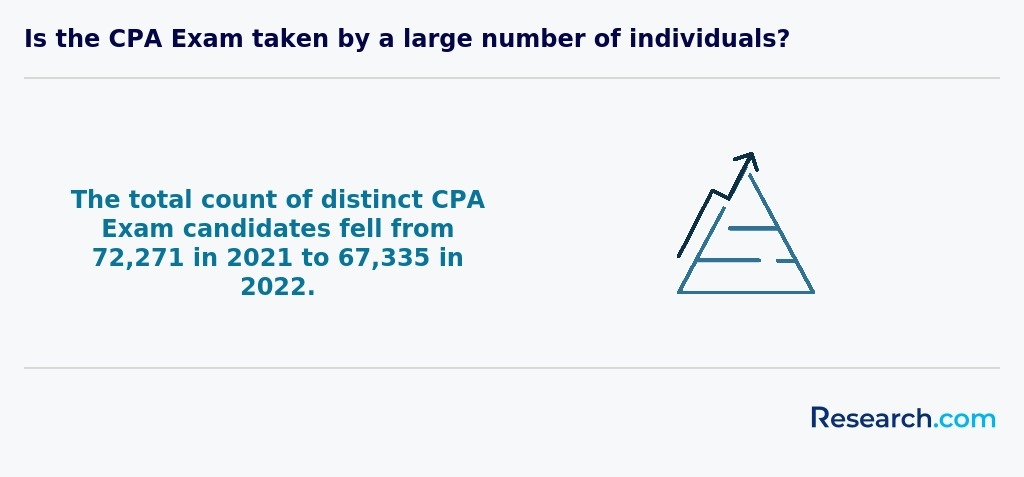
Graduates with an accounting degree in Florida find a variety of career paths tailored to different interests and strengths. Many enter public accounting, providing auditing and tax services for firms in cities like Miami and Orlando, where small businesses are thriving. Others move into corporate accounting, managing financial records and compliance within private companies, benefiting from Florida's growing commercial hubs. Government accounting roles offer stable jobs in state and local agencies, appealing to those seeking public service careers.
Forensic accounting is an exciting and expanding field in Florida, where graduates investigate financial fraud and support legal cases, reflecting rising demands for regulatory expertise. Many accounting students at popular Florida universities speak positively about their hands-on experiences that prepare them for these practical roles. The Florida job market also supports careers in financial analysis, budgeting, and consulting across sectors like healthcare and real estate, demonstrating the versatility of an accounting degree.
To explore affordable study options, students often research the best 6-month associate degree programs online, which can provide a faster path to entering the workforce and taking advantage of Florida accounting degree job prospects.
The accounting job opportunities in Florida remain strong, with steady demand fueled by the state's diverse economy and expanding business sectors like healthcare, finance, and tourism. Graduates from leading universities such as the University of Florida and Florida State University often share how their degree opened doors to roles in major metropolitan areas like Miami and Tampa, where entry-level salaries typically range between $50,000 and $60,000. This local market advantage contrasts with larger metros elsewhere, reflecting Florida's competitive pay alongside a lower cost of living.
Florida accounting degree employment outlook also highlights the value of earning professional credentials, especially the CPA license, which many employers prefer. Graduates who pursued certification report greater job stability and higher income, especially in public accounting firms and corporate finance departments. For those considering continued education, students often explore the easiest doctorate degree programs to expand their expertise and career options within the state.
2027 Most Valuable Accounting Degree Programs Ranking in Florida
Investing in your education is a significant decision that can profoundly impact your career, and the Research.com team is fully aware of the responsibility involved in guiding that choice. To support prospective students in Florida, we have carefully developed the "2027 Most Valuable Accounting Degree Programs Ranking in Florida." Our dedication to quality, credibility, and accuracy is demonstrated through thorough research and diligent analysis in creating this ranking.
We utilized the following reputable data sources to ensure a comprehensive evaluation of accounting programs:
By reviewing this ranking, readers will gain valuable insights into the most valuable accounting degree programs in Florida, helping them make well-informed decisions about their educational paths and career prospects. For more information about our methodology, please visit our Research.com methodology page.


# 8 position
Rasmussen University-Florida
Accounting Bachelor of Science

# 9 position
Indian River State College
Bachelor of Science in Accounting


# 13 position
Florida Institute of Technology-Online
Bachelor of Arts in Accounting

# 14 position
Strayer University-Florida
Master of Science in Accounting

# 15 position
Strayer University-Florida
Bachelor of Science in Accounting
# 16 position
Florida Institute of Technology-Online
Accounting and Financial Forensics, M.S.
# 17 position
University of Central Florida
Bachelor of Science in Business Administration in Accounting


Frequently Asked Questions About accounting
Accounting degree students in Florida can maximize their learning experience by engaging in internships with local firms, as Florida hosts a robust financial sector including big names like Miami, Tampa, and Orlando. Practical experience complements academic knowledge, enhancing job readiness. According to the Florida Department of Education, programs often integrate real-world case studies, which students should actively participate in to develop problem-solving skills.
Students benefit from joining professional organizations such as the Florida Institute of CPAs (FICPA), which offers networking, workshops, and mentorship. Additionally, maintaining a high GPA is crucial for sitting the CPA exam, a common goal in accounting careers.
Florida institutions increasingly offer flexible online and hybrid courses, providing opportunities for working students to balance commitments while earning degree credits.
Emerging niches within the accounting field in Florida reflect shifts in technology, regulation, and business needs. One growing area is forensic accounting, which combines accounting skills with investigative techniques to detect fraud and financial misrepresentation. Demand for forensic accountants in Florida is rising due to increased white-collar crime cases and regulatory scrutiny.
Another expanding niche is environmental accounting, important in Florida's tourism and real estate industries, where companies need to monitor environmental impact and comply with sustainability regulations. Similarly, data analytics for accounting is gaining traction, as firms seek professionals who can interpret large datasets to improve decision-making.
Additionally, specialization in tax accounting related to cryptocurrencies and digital assets is becoming relevant, as Florida residents and businesses engage more with these technologies. According to the Florida Institute of CPAs, these specialties offer promising career paths aligned with emerging market demands.
Preparing for the job market after earning an accounting degree in Florida involves strategic planning and practical experience. Graduates should pursue internships during their studies to gain relevant hands-on skills. According to the Florida Department of Economic Opportunity, the demand for accountants in Florida is projected to grow by 9% through 2030, reflecting steady job prospects in the state.
Certification is key; many employers prefer candidates with a Certified Public Accountant (CPA) license. Florida requires 150 semester hours and passing the CPA exam, which enhances job opportunities and earning potential. Networking through local chapters of professional organizations like the Florida Institute of CPAs can also provide valuable connections.
Employers in Florida increasingly value accounting graduates who demonstrate strong analytical skills combined with proficiency in technology. Knowledge of accounting software such as QuickBooks, Excel, and advanced ERP systems is often essential. According to the Florida Department of Economic Opportunity, critical thinking and problem-solving abilities rank high among desired competencies.
Communication skills are also vital, as accountants must clearly explain financial information to non-experts. Understanding of regulatory standards, including GAAP and Florida state tax codes, enhances an applicant's appeal. Additionally, ethical judgment and attention to detail remain foundational, reflecting the high level of trust placed in accounting professionals.
As Florida's finance sector grows, adaptability and continuous learning are important, enabling graduates to stay current with evolving tax laws and accounting practices.
Finding internships in Florida relevant to an accounting degree involves strategic planning and utilizing multiple resources. Many universities, such as the University of Florida and Florida State University, offer dedicated career centers that connect students with local accounting firms, banks, and corporate partners. According to the Florida Department of Economic Opportunity, accounting internships in Florida often focus on audit, tax, and financial analysis roles, providing practical experience aligned with state job market demands.
Students should also explore professional organizations like the Florida Institute of CPAs. These groups frequently host job fairs and networking events in cities like Miami, Tampa, and Orlando, where accounting internships are prevalent.
Online platforms, including Handshake and LinkedIn, are valuable for discovering remote and in-person internships. Engaging early and applying before peak recruitment seasons, usually in the fall, increases the chances of securing a position.
An accounting degree in Florida significantly enhances career mobility and advancement opportunities within the state's robust financial sector. Graduates often qualify for essential certifications like the CPA, which is required for many senior roles in accounting and auditing. According to the Florida Department of Economic Opportunity, employment for accountants and auditors is projected to grow by 8.2% from 2022 to 2032, faster than the average for all occupations.
Possessing a degree also allows access to a wider range of industries, including government agencies, corporate finance, and public accounting firms. Furthermore, a degree can lead to higher salaries, with the Florida average annual wage for accountants exceeding $75,000 as reported by the U.S. Bureau of Labor Statistics in 2023.
Studying for an accounting degree in Florida equips students with a solid foundation in financial principles and business practices, essential for interdisciplinary roles. Florida's universities often integrate coursework in information technology, business law, and management, reflecting the state's diverse economic sectors. This approach prepares graduates to collaborate across departments and industries, such as healthcare, government, and real estate.
According to the Florida Department of Education, over 30% of accounting graduates pursue careers involving finance and data analysis combined, highlighting interdisciplinary demand. Furthermore, many programs emphasize communication and ethics, skills critical for working with cross-functional teams. This makes Florida-trained accountants adaptable and competitive in today's job market.
When choosing between a thesis and a non-thesis accounting degree program in Florida, consider your career goals carefully. Thesis programs emphasize research and require a substantial written project, ideal for students aiming for academia, CPA licensure with research skills, or advanced study.
Non-thesis programs usually focus on coursework and practical skills, better suited for professionals seeking immediate employment in accounting firms or corporate roles. According to the Florida Department of Education, many accredited universities offer both options, with thesis tracks typically lasting longer due to research requirements.
Evaluate your interest in research versus practical experience and the time you can commit. Additionally, the Bureau of Labor Statistics notes that Florida's accounting jobs are projected to grow by 7% between 2022 and 2032, making both paths valuable depending on your plans.
Students based in Florida who want to study accounting abroad have several opportunities through exchange programs and partnerships offered by Florida universities. Many institutions, such as the University of Florida and Florida State University, collaborate with universities in Europe, Asia, and Latin America, allowing students to earn credits toward their accounting degrees while gaining international experience.
These programs often last one semester to a full academic year and include coursework in international accounting standards, which is valuable in today's global economy. According to the Florida Department of Education, about 15% of Florida accounting students participate in some form of study abroad or international internship.
Additionally, virtual global learning options have expanded, enabling students to engage with foreign institutions without leaving the state. Florida students should consult their school's study abroad office for tailored accounting programs and updated data on available destinations.
Students pursuing accounting degrees in Florida have access to various part-time job opportunities that enhance their education and build practical skills. Common roles include accounting clerks, bookkeeping assistants, and tax preparers, where students apply classroom knowledge in real business settings. According to the Florida Department of Economic Opportunity, these positions typically offer flexible hours, making them suitable for balancing study and work.
Internships with local accounting firms or corporate finance departments also provide experience in auditing, financial reporting, and compliance. These roles often expose students to software like QuickBooks and Excel, tools essential for future accountants.
Additionally, Florida's growing business sectors, especially tourism and finance, create ongoing demand for entry-level accountants. Students benefit from these part-time roles by gaining relevant expertise and networking opportunities necessary for a strong career start.
Accounting students in Florida have access to a variety of networking opportunities that can significantly enhance their careers. Numerous universities in the state host chapters of professional organizations like the Florida Institute of CPAs (FICPA), which offers events, workshops, and mentorship programs tailored for students. Participation in these groups allows students to connect with industry professionals and potential employers early on.
Additionally, Florida's large business centers, such as Miami and Tampa, frequently hold accounting and finance conferences that welcome student involvement. According to the FICPA, over 25,000 members statewide, including students and professionals, contribute to a vibrant networking community.
Internships arranged through university partnerships provide practical experience and professional contacts, which are crucial given Florida's growing demand for CPAs in industries like tourism and real estate.
Alumni networks play a vital role for accounting degree students in Florida by offering professional connections that can lead to internships and job opportunities. According to the Florida Department of Education, many universities with accounting programs maintain active alumni groups that facilitate mentorship and career advice.
These networks help students access local firms and multinational corporations based in Florida, where the accounting industry grew by 3.5% over the last five years, according to the Bureau of Labor Statistics. Networking events organized by alumni associations provide early exposure to industry trends and potential employers.
Additionally, alumni often share insights about Florida's CPA exam pass rates and licensure processes, which can be critical for students' success. This support system enhances students' understanding and confidence as they prepare to enter the competitive accounting workforce.
Customizing an accounting degree program in Florida allows students to align their studies with specific career goals. Many universities in Florida offer concentrations such as forensic accounting, tax accounting, or auditing, enabling students to focus on a niche within the field. Elective courses and internships tailored to industry demands provide practical experience. For example, the Florida Department of Economic Opportunity highlights a growing demand for tax professionals and auditors in the state, reinforcing the value of specialized training.
Additionally, some schools offer flexible degree formats, including online classes and accelerated programs. These options help students balance studies with work or other commitments. Professional certifications, like CPA eligibility, often require specific coursework, so choosing the right electives ensures meeting licensure requirements.
Accounting students in Florida often face several challenges during their academic journey. One common difficulty is managing rigorous coursework that demands strong analytical and quantitative skills. Courses such as financial accounting, auditing, and taxation require precise attention to detail and in-depth understanding of complex regulations.
Additionally, many students struggle with the pressure to pass the CPA Exam, which has a national average pass rate around 50%, making preparation critical. Florida's competitive job market also means students must gain practical experience through internships or part-time roles to enhance employability.
Limited access to specialized faculty and resources in smaller institutions can further impact learning outcomes. According to the Florida Department of Education, balancing work, study, and family responsibilities remains a significant hurdle for many accounting students in the state.
With an accounting degree in Florida, you can pursue several key professional certifications that enhance career prospects. The most recognized is the Certified Public Accountant (CPA) license, regulated by the Florida Board of Accountancy. Requirements include 150 semester hours of education, passing the Uniform CPA Exam, and completing one year of work experience in accounting. According to the National Association of State Boards of Accountancy, Florida had over 45,000 active CPAs as of 2023.
Another popular certification is the Certified Management Accountant (CMA), which focuses on financial management and strategy. The CMA is offered by the Institute of Management Accountants and requires passing a two-part exam plus two years of relevant experience.
Additional credentials like the Certified Internal Auditor (CIA) and Certified Fraud Examiner (CFE) are also valuable in Florida's growing finance and auditing sectors. Pursuing these certifications can significantly boost your expertise and job market competitiveness.
Applying to an accounting program in Florida requires careful preparation and clear presentation of your qualifications. Most universities look for a strong academic record, especially in math-related courses, as accounting demands analytical skills.
Highlight relevant experience such as internships, part-time jobs, or volunteer work related to finance or business. Florida's Bureau of Labor Statistics reports a steady growth of 5% in accounting jobs through 2030, making practical experience valuable. Include a well-crafted personal statement that explains your interest in accounting and your career goals clearly.
Ensure your application meets all requirements, including transcripts, letters of recommendation, and standardized test scores if requested. Schools like the University of Florida and Florida State University also consider your résumé and community involvement. Attention to detail and timely submission are key factors in crafting a winning application.
The global perspective on an accounting career highlights its strong demand due to increasing economic globalization. Accountants are essential for ensuring compliance with international financial regulations and standards, such as IFRS and GAAP. In Florida, the accounting field is influenced by diverse industries including tourism, international trade, and finance, reflecting many global business practices.
According to the U.S. Bureau of Labor Statistics, employment of accountants and auditors is projected to grow 7% nationally from 2022 to 2032, a trend reflected in Florida's expanding economy. Florida also hosts many multinational corporations, providing graduates with opportunities to work in international accounting roles.
Understanding global accounting standards and cross-border financial transactions can enhance career prospects. Professional certifications such as CPA (Certified Public Accountant) are highly valued and often required for higher-level positions.
Gaining practical experience while studying for an accounting degree in Florida is vital for career success. Many Florida universities, such as the University of Florida and Florida State University, offer cooperative education (co-op) or internship programs that connect students with local accounting firms or corporate finance departments.
According to the Florida Department of Education, internships give students real-world exposure and often lead to job offers after graduation. Additionally, involvement in student organizations like Beta Alpha Psi can enhance teamwork and leadership skills while networking with professionals.
Some schools also provide simulation labs where students practice accounting software used in the industry.
Choosing the right concentration within an accounting degree program in Florida depends on your career goals and interests. Accounting degrees often offer concentrations such as auditing, tax, forensic accounting, or managerial accounting. Each focuses on different skills; for example, tax accounting prepares you for roles dealing with tax codes and regulations, highly relevant given Florida's active business environment.
Consider the Florida job market: according to the U.S. Bureau of Labor Statistics, the state employs over 70,000 accountants and auditors, with growing demand in forensic accounting due to increased financial regulations. Research local employers and internships to identify concentrations with strong job prospects.
Accreditation matters too; selecting programs accredited by the AACSB or ACBSP ensures your concentration meets industry standards, often a requirement for CPA licensure in Florida. This licensure is crucial, as the Florida Board of Accountancy sets specific educational requirements emphasizing relevant concentration coursework.
- 2027 Most Valuable Accounting Degree Programs Ranking in Georgia
- 2027 Most Valuable Accounting Degree Programs Ranking in Alabama
- 2027 Most Valuable Accounting Degree Programs Ranking in Louisiana
- 2027 Most Valuable Accounting Degree Programs Ranking in Kentucky
- 2027 Most Valuable Accounting Degree Programs Ranking in Arkansas
- 2027 Most Valuable Accounting Degree Programs Ranking in Indiana
- 2027 Most Valuable Accounting Degree Programs Ranking in Illinois
- 2027 Most Valuable Accounting Degree Programs Ranking in Delaware
- 2027 Most Valuable Accounting Degree Programs Ranking in Minnesota
- 2027 Most Valuable Accounting Degree Programs Ranking in Connecticut
See What Experts Have To Say About Studying Accounting
Read our interview with Accounting experts

John Wermert, Ph.D., CPA
Accounting Expert
Associate Professor of Accounting
Middle Tennessee State University

Yaw M. Mensah
Accounting Expert
Professor and Interim Vice Dean for Strategic Partnerships
Rutgers Business School

- The Diverse Skills you Gain with an Accounting Degree https://www.accounting-education.org/blog/accounting-degree-diverse-skills/
- Best Affordable Online Accounting Degrees of 2025 https://www.accounting.com/degrees/accounting/bachelors/most-affordable/
- Everything About Bachelor’s in Accounting https://www.allbusinessschools.com/accounting/bachelor-degree-in-accounting/
- 5 accounting certifications without a degree | Becker https://www.becker.com/blog/career/5-accounting-certifications-you-can-earn-without-a-degree
- College Readiness: Connecting with the Alumni Network - Community Foundation https://southcoastcf.org/college-readiness-connecting-with-the-alumni-network/
- What Can You Do With an Accounting Degree? Roles, Settings, and Required Skills https://www.ucumberlands.edu/blog/what-can-you-do-accounting-degree-roles-settings-and-required-skills
- Jobs you can get with a degree in Accounting | Monroe University https://www.monroeu.edu/academics/undergraduate-programs/school-business-and-accounting/jobs-with-degree-in-accounting
- Accountant Cover Letter Example https://www.careertoolbelt.com/professions/accountant/cover-letter-example/
- Exam Tips https://www.sparknursingacademy.com/exam-tips-details/florida
- Get Ahead in Accounting: Ways to Build Relevant Work Experience https://www.fctraining.org/gain-accounting-work-experience.php