2027 Most Popular Accounting Degree Programs Ranking in North Dakota

Co-Founder and Chief Data Scientist
Choosing the right accounting degree program in North Dakota can be overwhelming, but you're not alone in this journey. This article presents the 2027 Most Popular Accounting Degree Programs Ranking in North Dakota, carefully crafted by the Research.com team of data scientists.
It's designed to help you make an informed decision by highlighting programs worth considering. An accounting degree opens doors to a stable career, financial growth, and personal satisfaction. Exploring these rankings will give you confidence as you plan your future and take the next step toward success.
Key benefits of getting accounting degree in North Dakota
- Salary for accounting degree graduates: Graduates in North Dakota can expect competitive salaries, such as $90,780 annually for Staff Accountants and around $49,580 for Tax Preparers, Bookkeepers, and Associate Auditors, offering strong financial stability.
- Potential career paths: With a degree from a local university, like North Dakota State University, graduates can explore diverse roles including auditing, tax preparation, and accounts payable, ensuring varied opportunities that match different interests.
- Benefits of an online degree: Completing an accounting degree online through a school such as UND provides flexibility for working students, allowing better work-life balance without sacrificing the quality of education or career prospects.
- 2027 Most Popular Accounting Degree Programs Ranking in North Dakota
- What can I expect from accounting degree in North Dakota?
- Where can I work with accounting degree in North Dakota?
What can I expect from accounting degree in North Dakota?
The average cost of pursuing an accounting degree in North Dakota typically ranges between $10,000 and $25,000 per year for in-state students at public universities like North Dakota State University (NDSU) and the University of North Dakota (UND). This reflects tuition, fees, and related expenses. Graduates from these programs often highlight the value of affordable education combined with strong practical training in accounting software and auditing techniques.
Many accounting students appreciate how the manageable cost allows them to focus on gaining hands-on experience through internships with local firms or nonprofits, enhancing their resumes without overwhelming debt. One graduate shared how studying at UND not only kept costs reasonable but connected them directly to the North Dakota CPA Society, creating opportunities that would have been difficult elsewhere. Such experiences underscore the balance between cost and quality education in the state.
Overall, the reasonable investment in North Dakota's accounting programs supports students' career-ready skill sets while keeping higher education financially accessible within the region.
Where can I work with accounting degree in North Dakota?
Graduates with an accounting degree from North Dakota State University or the University of Mary frequently secure roles in public accounting firms across the state. These firms range from small local offices to branches of national companies, offering practical experience in auditing, tax preparation, and consulting. For example, many find rewarding positions in Fargo or Bismarck, cities with thriving financial sectors and strong employer demand.
The government sector in North Dakota also employs numerous accounting professionals. Graduates often work in agencies like the North Dakota Office of State Tax Commissioner or various municipal finance departments, where they manage budgeting and regulatory compliance. Such roles provide stability and opportunities to impact public finance transparency.
Local industries-including agriculture, energy, and manufacturing-offer specialized accounting careers. Given North Dakota's prominence in oil production and farming, accountants skilled in industry-specific practices are in high demand. Alumni from these programs often mention the satisfaction gained from contributing to key sectors of the state economy.
Beyond traditional career paths, some graduates pursue accounting roles in education or nonprofits, managing financial operations and ensuring grant compliance. Overall, accounting degrees in North Dakota open diverse, well-compensated career options supported by a strong regional job market.
Graduates with accounting degrees from institutions like North Dakota State University often find rewarding opportunities locally with competitive salaries. According to recent data, entry-level roles such as Bookkeeper, Tax Preparer, Associate Auditor, and Accounts Payable Clerk offer mean annual wages around $49,580 in North Dakota. These positions provide stable starting points for new graduates eager to build practical experience and industry connections.
Moving beyond entry-level, Staff Accountant roles stand out with a notably higher mean annual wage of $90,780 and an hourly rate of $43.65. Graduates who quickly progress into these positions experience significant income growth within a few years. Alumni report how internships and CPA certification earned during or shortly after their studies at North Dakota universities paved the way for these advancements.
The state's steady industry demand in fields like energy and agriculture creates promising prospects for graduates, making the investment in an accounting degree feel worth it. Students often express satisfaction knowing their earnings align well with North Dakota's cost of living, providing financial comfort alongside professional achievement.
- Annual tuition for accounting degrees in North Dakota ranges from about $8,000 to $12,000 at public schools and $15,000 to $25,000 at private colleges.
- Bachelor's degrees typically require four years of study and often include pathways to complete the 150 credit hours needed for CPA exam eligibility.
- Starting salaries for accounting graduates average around $50,000 per year, with experienced accountants earning between $70,000 and $90,000 annually.
- The job market is stable, with demand driven by industries like agriculture, energy, manufacturing, and finance.
- Many North Dakota schools offer accredited accounting programs with resources such as internships and local business connections to support job placement.
Completing a bachelor's degree in accounting in North Dakota typically takes about four years for full-time students, consistent with national averages. Graduates from institutions like the University of North Dakota and North Dakota State University often share that this timeframe balances core business courses, accounting-specific classes, and general education. For those pursuing associate degrees at local community colleges, the duration is usually around two years, offering a faster pathway into accounting careers or a foundation for continuing education.
Graduate accounting programs, such as a Master of Accountancy or MBA with an accounting focus, generally add one to two years beyond the bachelor's degree. These advanced degrees appeal to professionals aiming to deepen their expertise or meet North Dakota's 150-credit hour CPA licensure requirement.
Factors like part-time enrollment, transfer credits, and online or accelerated offerings can shorten or extend these timelines. Many students appreciate the flexibility at North Dakota's institutions, adapting their schedules to work or family commitments while progressing steadily toward graduation.
Online and on-campus accounting degree programs in North Dakota differ mainly in delivery format and student experience. On-campus programs at universities like North Dakota State University and the University of North Dakota offer direct interaction with professors and peers, fostering networking essential for local job markets in Fargo and Bismarck. Graduates often cite valuable access to campus resources such as study groups and career services that support internship opportunities and job placements.
In contrast, online programs provide flexibility for working professionals and those in rural areas to study at their own pace. These programs cover core subjects such as auditing and taxation with the same accreditation standards. Although students may occasionally attend in-person exams, many appreciate balancing work and family commitments while advancing their education.
Tuition costs also vary, with online courses sometimes costing less due to reduced fees, though technology expenses must be considered. Both formats prepare students to meet the 150-semester-hour CPA requirement mandated by the North Dakota Board of Accountancy, ensuring credential eligibility.
When considering accounting programs in North Dakota, cost is a significant factor for many students. The affordability of these programs can greatly impact a student's decision, especially when weighing the potential return on investment. For students seeking affordable accounting programs in North Dakota, it's essential to explore all available options, including financial aid, scholarships, and part-time or online study opportunities that can help reduce the financial burden. By carefully evaluating these factors, students can make informed decisions about their educational paths and set themselves up for success in their future careers.
The average cost of obtaining an accounting degree in North Dakota reflects a balance between in-state affordability and out-of-state tuition rates. Public universities like North Dakota State University and the University of North Dakota show a median in-state total cost around $11,030 for an accounting degree. Graduates often describe managing this expense as a positive investment, especially benefiting from lower in-state tuition compared to many other states.
Out-of-state students face a median total cost of approximately $27,276, which is substantially higher but still competitive nationally. This difference highlights the value of residency status in budgeting for accounting programs in North Dakota. Private institutions tend to have even steeper tuition costs, sometimes exceeding $25,000 annually, but many students successfully leverage scholarships and financial aid to make their education more affordable.
Considering the average accounting degree cost North Dakota students encounter, it is important to account not only for tuition but also for expenses such as books, supplies, and living costs. Graduates commonly recall balancing these costs while benefiting from scholarship opportunities and the practical experience gained during their studies. Those interested should explore available options closely, including resources for affordable accounting programs in North Dakota, to optimize their financial planning and minimize loan dependency.
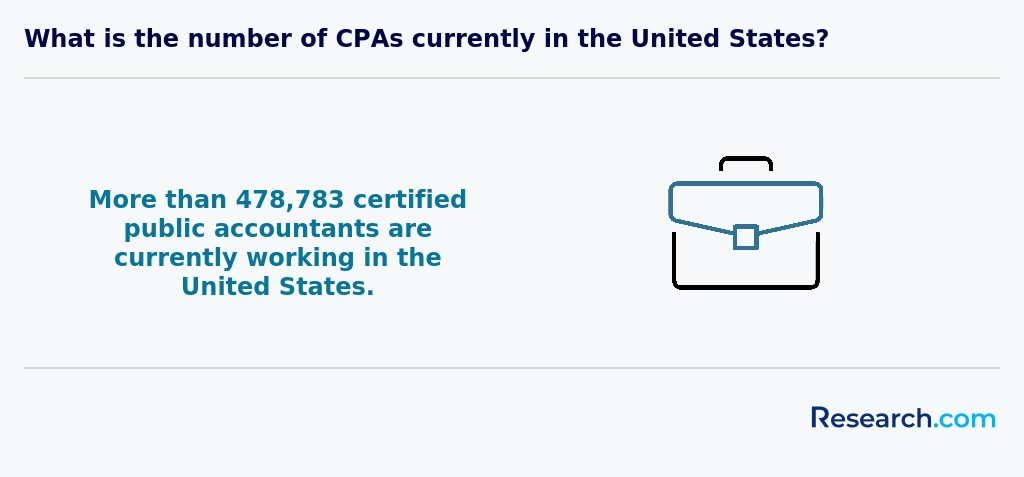
To become a licensed Certified Public Accountant (CPA) in North Dakota, candidates must satisfy specific education, examination, and experience criteria set by the North Dakota State Board of Accountancy. First, applicants need a bachelor’s degree in accounting or a related field with at least 150 semester hours of college credit, including 30 hours in accounting subjects and 24 hours in business courses. Many students pursue additional coursework or a combined bachelor’s/master’s pathway to meet this requirement and enhance their technical skills. Next, candidates must pass all four sections of the Uniform CPA Examination administered by the American Institute of Certified Public Accountants (AICPA). This rigorous exam evaluates knowledge in Auditing and Attestation (AUD), Business Environment and Concepts (BEC), Financial Accounting and Reporting (FAR), and Regulation (REG). North Dakota requires a minimum score of 75 on each section within an 18-month rolling window. To prepare effectively, students often supplement their core curriculum with exam review courses and join study groups on campus. Finally, licensure applicants must complete two years (equivalent to 2,000 hours) of supervised accounting experience under a licensed CPA, demonstrating competencies in auditing, financial reporting, tax preparation, and ethics. In addition, a professional ethics exam, administered by the National Association of State Boards of Accountancy (NASBA), must be passed before applying for initial licensure. Once all requirements are met, candidates submit a completed application and pay the licensure fee. Prospective students looking for affordable options can also explore Inexpensive Accounting Degree Programs Ranking in Madison, WI to plan their educational investment strategically.
Accounting students in North Dakota benefit from a mix of financial aid options that ease tuition costs averaging $8,000 to $12,000 annually at public universities. Federal aid plays a central role; completing the FAFSA unlocks eligibility for Pell Grants, which can provide up to $7,395 per year without the burden of repayment. Many accounting students at the University of North Dakota have found these grants vital in managing their budgets while focusing on their studies.
State programs further support students pursuing accounting degrees. The North Dakota Scholars Program and the ND Academic and Career/Technical Education Scholarships reduce expenses for qualified candidates across institutions like North Dakota State University. These opportunities are often praised by recent graduates who cited scholarship funds as crucial for staying committed to their academic and career goals.
Universities frequently offer accounting-specific awards recognizing academic merit and leadership. For example, business students at the University of North Dakota receive targeted scholarships that reward strong performance and community involvement, helping reduce reliance on loans.
Work-study positions provide practical experience while helping cover living expenses. Many accounting candidates appreciate on-campus jobs or roles within community organizations that sharpen relevant skills.
Additionally, qualifying for the Public Service Loan Forgiveness program appeals to graduates entering government or nonprofit accounting roles, making repayment manageable over time.
Prospective accounting graduates in North Dakota should plan early for professional credentials, beginning with CPA licensure. To sit for the Uniform CPA Exam, candidates must typically complete 150 semester hours of education-often fulfilled by a bachelor’s plus master’s pathway-and meet the North Dakota State Board of Accountancy’s ethics and experience requirements. The exam itself is divided into four sections: Auditing and Attestation (AUD), Business Environment and Concepts (BEC), Financial Accounting and Reporting (FAR), and Regulation (REG). Most candidates schedule each section separately over an 18-month rolling window, balancing study with internships or part-time work. In addition to CPAs, specialized certifications such as Certified Management Accountant (CMA), Certified Fraud Examiner (CFE), and Chartered Global Management Accountant (CGMA) offer niche expertise and can accelerate career growth in corporate finance, forensic accounting, or international business. For students seeking to bolster foundational skills before or during these exam preparations, bookkeeping online certificate programs provide targeted training in ledger management, payroll accounting, and financial reporting software. Gaining licensure not only validates technical proficiency but also signals ethical commitment-an attribute highly valued by employers in public firms, government agencies, and corporate finance departments. With many North Dakota firms offering exam-fee reimbursement and paid study leave, graduates who align their academic plans with certification milestones can transition smoothly into high-impact roles, command premium salaries, and maintain compliance with continuing professional education (CPE) requirements.
Enrolling in an accounting degree program in North Dakota requires meeting academic standards that ensure readiness for the field's demands. Graduates from North Dakota State University (NDSU) and the University of North Dakota (UND) often recall the importance of a solid high school foundation in mathematics, particularly algebra, which supports mastering accounting concepts. Applicants typically need a high school diploma with strong competencies in math and English, reflecting the technical and communication skills vital for success.
NDSU's College of Business, for instance, expects applicants to submit official transcripts and sometimes ACT or SAT scores, though standardized testing is becoming less rigid. Many students find that completing courses in algebra, geometry, and occasionally precalculus improves their college readiness and confidence. Maintaining a GPA of around 2.5 to 3.0 is commonly expected, as competitive programs seek those with proven academic commitment. Some colleges may also require placement tests to ensure students can handle college-level math and writing.
For non-traditional students or transfers, meaningful work experience or prior college credits in business or finance can ease entry barriers, offering alternative pathways. Graduates often express that meeting these prerequisites provides a solid start, reducing stress and building enthusiasm for their accounting careers in North Dakota's supportive academic environment.

Gaining a professional certification can be a game-changer for accounting graduates looking to stand out in a competitive job market. In addition to earning a degree, obtaining certifications like CPA, CMA, or specialized credentials can validate your expertise and open doors to higher-level positions. Completing a recognized certification program not only deepens your technical skills but also demonstrates a commitment to continuous learning and excellence in the accounting profession. For many students exploring flexible learning options, programs that offer an accounting certificate online free can serve as an accessible introduction to advanced financial concepts. These certificate programs help build a solid foundation in areas such as forensic accounting, taxation, or financial analytics, and often provide practical training that employers value. Key benefits of earning a professional certification include: • Enhanced credibility and recognition in the industry • Increased earning potential and career advancement opportunities • Access to exclusive networking events and professional resources • Up-to-date knowledge of regulatory changes and industry best practices By integrating certification programs into your career development strategy, you position yourself as a proactive and well-rounded candidate ready to meet the evolving demands of the accounting field. This approach complements your academic achievements and can significantly impact your long-term success in the financial sector.
Accounting degree programs in North Dakota typically feature a structured curriculum that balances foundational theory with practical application, preparing students for diverse roles in accounting and finance. Core introductory courses include Financial Accounting and Managerial Accounting, where students learn to prepare and analyze financial statements and make informed business decisions. Graduates recall how these courses built their confidence in real-world scenarios like budgeting for campus organizations or internships.
More advanced coursework covers Cost Accounting with budgeting principles, Taxation focusing on federal and state tax codes, and Auditing, which trains students to evaluate financial records for compliance. For example, students at North Dakota State University engage with case studies simulating audit procedures used by regional firms.
Accounting Information Systems courses teach the integration of technology and software essential for modern accounting, while Financial Reporting and Analysis delve into complex regulatory standards such as GAAP. Complementary business classes in economics, business law, and ethics help students contextualize accounting within broader business environments, a practice emphasized at the University of North Dakota to prepare well-rounded professionals.
Accounting degree specializations in North Dakota typically include forensic accounting, managerial accounting, tax accounting, auditing, and financial accounting. Graduates from prominent institutions like North Dakota State University often highlight the practical value of forensic accounting, which equips them with skills to detect fraud and support legal cases-skills increasingly demanded in the banking and government sectors. Managerial accounting specialization prepares students to provide critical financial insights that help businesses optimize budgeting and performance, fostering confidence in managing internal operations.
Tax accounting concentration addresses state-specific tax codes alongside federal laws, allowing students from colleges such as the University of North Dakota to navigate regional tax complexities effectively. Auditing specialization focuses on evaluating financial records for compliance and accuracy, reflecting local industry needs for integrity in financial reporting. Financial accounting remains fundamental, serving students aiming for certifications like the CPA.
North Dakota accounting program concentration options create pathways to careers aligned with local economic trends. Many choose to supplement their degrees with an accounting certificate online free, enhancing their marketability in a competitive job market.
Choosing the best accounting degree program in North Dakota starts with evaluating accreditation and cost. Universities like the University of North Dakota and North Dakota State University offer AACSB-accredited business schools, which current graduates credit for rigorous coursework and respected credentials. These programs maintain a reasonable tuition range-typically $8,000 to $10,000 annually for in-state students-making them appealing among affordable accounting degrees North Dakota candidates seek.
Graduates often highlight how comprehensive curricula covering financial accounting, auditing, taxation, and managerial accounting prepare them for real-world challenges and CPA exam success. Smaller class sizes at these institutions provide interactive learning experiences, supported by faculty with CPA certifications, enhancing students' confidence and skill mastery. Programs rich in internships and cooperative education foster important industry connections, which recent alumni praise for aiding their job placement.
Prospective students should also explore complementary options such as bookkeeping online certificate programs to strengthen foundational skills. Prioritizing these factors ensures a well-rounded education aligned with career goals in North Dakota's accounting field.
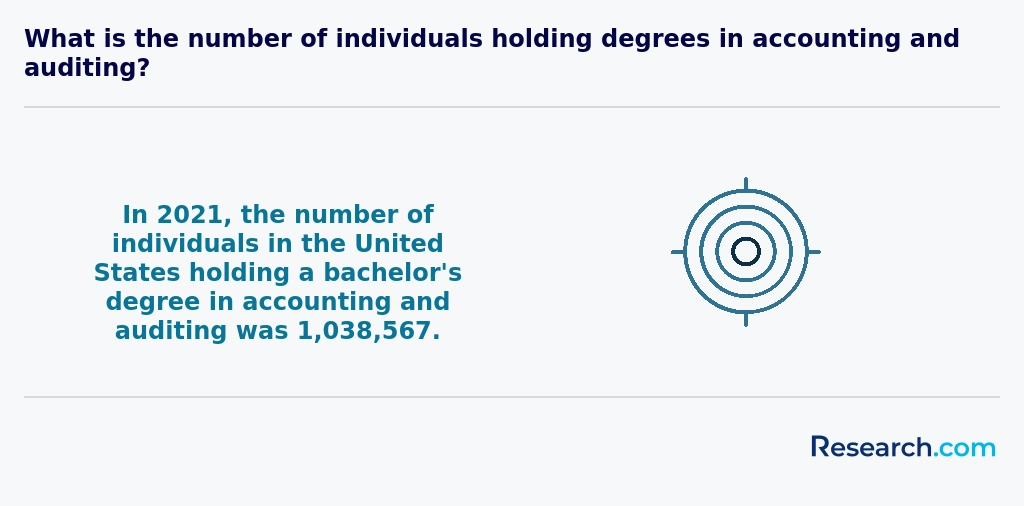
Accounting graduates in North Dakota have diverse career paths reflected in the state's economic composition. Many find roles in public accounting firms, performing audits, tax preparation, and advisory services. These firms value the North Dakota State Board of Accountancy certification, which graduates from universities like the University of North Dakota often pursue to enhance job prospects. Corporate accounting roles, such as financial analysts or internal auditors, are common in industries including agriculture and oil production, which dominate the region's economy.
Government accounting positions at state and local levels also attract graduates, with opportunities in budgeting and public fund auditing. Graduates frequently describe fulfilling experiences working in departments such as taxation or health services. Additionally, nonprofit organizations and educational institutions offer roles managing grants and operational budgets, appealing to those seeking community-driven career paths. Students evaluating educational costs benefit from North Dakota's competitive tuition, and may explore options highlighted in the Inexpensive Accounting Degree Programs Ranking in Madison, WI to compare affordability.
Overall, the North Dakota accounting degree job outlook illustrates steady demand across public, private, and nonprofit sectors, supporting a range of career opportunities after graduation.
The accounting degree job outlook North Dakota offers is steady, supported by the region's growing industries including agriculture, energy, and finance. Graduates from popular institutions such as North Dakota State University and the University of North Dakota often find opportunities in cities like Fargo and Bismarck, where small to medium-sized enterprises require skilled accountants for tax preparation, auditing, and financial management. These graduates typically begin with salaries ranging from $50,000 to $58,000, reflecting local demand and the state's economic conditions.
North Dakota accounting graduate employment rates remain stable as businesses adapt to evolving financial regulations. Experience and credentials such as CPA increase earning potential and open doors to specialized roles like forensic accounting or tax advisory. Many graduates appreciate the affordable cost of education in North Dakota, with annual tuition rates that are lower than national averages. Those balancing work and study often explore options like the fastest online bachelor's degree for working adults to advance their careers more quickly.
2027 Most Popular Accounting Degree Programs Ranking in North Dakota
Investing in your education is a significant decision that can shape your future, and the Research.com team understands the importance of making informed choices. To assist prospective students, we have meticulously crafted the "2027 Most Popular Accounting Degree Programs Ranking in North Dakota." Our commitment to quality, credibility, and accuracy is reflected in the extensive research and analysis conducted to compile this ranking.
We utilized the following reputable data sources to ensure a comprehensive evaluation of accounting programs:
By exploring this ranking, readers will gain valuable insights into the most popular accounting degree programs offered in North Dakota, empowering them to make well-informed decisions about their educational path. For more details on our approach, please visit our Research.com methodology page.


Frequently Asked Questions About accounting
Accounting degree students in North Dakota can enhance their learning by engaging in internships with local firms. The North Dakota Society of CPAs provides valuable networking opportunities, connecting students with professionals in the field. Students should also consider joining accounting clubs or honor societies available at universities such as North Dakota State University and the University of North Dakota. These groups offer workshops and seminars that complement classroom learning.
Additionally, staying current with software skills like QuickBooks and Excel is crucial, as many employers in North Dakota prioritize technology proficiency. Finally, taking advantage of state resources, including the North Dakota Board of Accountancy's requirements and study materials, can help students prepare effectively for the CPA exam.
Emerging niches within the accounting field reflect rapid changes in technology and regulation. In North Dakota, areas like forensic accounting and cybersecurity auditing are gaining importance as businesses seek to protect financial data and detect fraud. According to the Bureau of Labor Statistics, demand for forensic accountants is expected to grow faster than average through 2030, driven by increased regulatory requirements.
Another expanding niche is environmental accounting, which helps organizations comply with state and federal sustainability laws. The University of North Dakota offers specialized coursework addressing these issues, supporting this trend locally.
Additionally, data analytics in accounting is becoming essential, enabling professionals to interpret large datasets efficiently. This skillset is valued across North Dakota's energy and agriculture sectors, critical to the state's economy.
After earning an accounting degree in North Dakota, preparing for the job market involves several key steps. First, gaining practical experience through internships or part-time roles is essential. This allows students to apply classroom knowledge and build a professional network. According to the North Dakota Job Outlook, demand for accountants is expected to grow about 4% from 2022 to 2032, aligning with national trends.
Many employers in North Dakota prefer candidates with CPA licensure. To be eligible, candidates must complete 150 semester hours of education and pass the Uniform CPA Exam. Joining organizations such as the North Dakota Society of CPAs can offer valuable resources and networking opportunities. Finally, keeping current with accounting software skills and continuing education can significantly improve job prospects in the state.
Employers in North Dakota prioritize several key skills when hiring accounting degree graduates. Strong analytical abilities are essential, as accountants must interpret financial data accurately. Proficiency in accounting software like QuickBooks and Microsoft Excel is frequently required. Communication skills also stand out; graduates need to explain complex financial information clearly to clients or managers.
Knowledge of local tax laws and regulations is critical in North Dakota, given the state's specific tax structure. According to the North Dakota Job Service, employers also seek ethical standards and attention to detail, reflecting the importance of accuracy in financial reporting. Familiarity with audit procedures and general ledger management further enhances job prospects.
Finding internships in North Dakota relevant to an accounting degree begins with leveraging local resources and academic partnerships. Many universities, like North Dakota State University, maintain relationships with regional accounting firms and businesses to offer internship opportunities to students. According to the North Dakota Department of Commerce, the finance and insurance sector employs over 15,000 people statewide, reflecting a demand for accounting interns in diverse settings.
Students should also explore job boards such as the North Dakota Job Service, which lists internships from both small firms and large corporations. Networking through professional organizations like the North Dakota CPA Society can provide valuable connections and mentorship options. Additionally, attending career fairs hosted by colleges or local chambers of commerce increases exposure to potential employers in the accounting field.
Internships are often accessible during the fall and spring semesters, as well as summer, so early application and contacting university career centers are crucial steps. Many employers look for candidates with strong Excel and software skills, so acquiring these abilities beforehand enhances internship prospects.
An accounting degree significantly enhances career mobility and advancement opportunities in North Dakota's job market. With North Dakota's economy relying on sectors such as agriculture, energy, and finance, skilled accountants are in steady demand. According to the U.S. Bureau of Labor Statistics (2023), the state expects a 6% growth in accountant and auditor jobs through 2030, slightly above the national average.
Holding an accounting degree often qualifies candidates for higher-level positions, including roles in auditing, tax advising, and financial analysis. It also provides a foundation for professional certifications like CPA, which are highly valued in the region.
Career progression is supported by the state's expanding business environment, where employers favor graduates with formal accounting education for leadership roles in finance and management.
Studying for an accounting degree in North Dakota equips students with skills valuable beyond traditional accounting roles. Programs in the state often emphasize interdisciplinary learning, integrating courses in finance, business law, and information technology. This approach helps students adapt to various professional environments where accounting knowledge intersects with other fields.
For example, North Dakota's business schools may incorporate data analytics and management principles into their curriculum, reflecting the growing demand for professionals who can interpret financial data across industries. According to the North Dakota University System, many accounting graduates work in sectors like energy, agriculture, and healthcare, where interdisciplinary expertise is essential.
Such academic preparation enhances critical thinking and problem-solving abilities, making graduates versatile team members capable of linking accounting with strategic business decisions. This broader skill set aligns with employer expectations in the regional job market, supporting career growth in diverse roles.
Choosing between a thesis and a non-thesis accounting degree program in North Dakota depends largely on your career goals and learning preferences. Thesis programs typically emphasize research skills, requiring students to conduct original studies and write a substantial paper. This path suits those interested in academic careers or advanced positions involving data analysis and policy development.
Non-thesis programs focus more on practical coursework and professional skills, often allowing completion in less time. They appeal to students aiming for CPA licensure or direct entry into public accounting, finance, or corporate roles.
North Dakota's universities, like the University of North Dakota, offer both paths. According to the National Center for Education Statistics, about 60% of accounting graduates in the state favor non-thesis options due to their vocational focus.
Keeps in mind state-specific CPA requirements, which favor credit hours and applied knowledge over research experience.
Students based in North Dakota seeking to study accounting abroad have several avenues to consider. Many US universities, including those in North Dakota, offer exchange programs or partnerships with international institutions. These programs allow students to spend a semester or year overseas while earning credits toward their degree. Additionally, some students opt for study abroad providers that specialize in accounting, offering courses aligned with US accounting standards.
While North Dakota schools emphasize local industry needs, students going abroad can gain global perspectives on accounting practices, which enhances employability. It is important to coordinate with academic advisors to ensure credits transfer effectively. According to the Institute of Management Accountants, global experience is increasingly valued by employers. North Dakota's accounting workforce is growing steadily, reflecting a broader demand for versatile professionals with international exposure.
Students pursuing accounting degrees in North Dakota can enhance their education by taking on part-time jobs related to the field. Roles such as bookkeeping assistant, tax preparer, or accounting intern are commonly available in cities like Fargo and Bismarck. These opportunities help build practical skills in financial reporting, payroll, and tax compliance.
According to the U.S. Bureau of Labor Statistics, North Dakota's demand for bookkeeping and accounting clerks is projected to grow by 7% through 2030, indicating consistent job availability. Working part-time at local accounting firms or businesses also allows students to network and gain exposure to real-world accounting software and regulations.
Many universities and colleges in the state, including North Dakota State University, offer career services that connect students with relevant internship programs, further supporting hands-on experience during studies.
Accounting students in North Dakota have several networking opportunities through local chapters of national organizations. For example, the North Dakota Society of CPAs offers student memberships that enable access to events, workshops, and mentoring programs. These activities foster connections with established professionals in the field.
Many universities in the state, such as the University of North Dakota and North Dakota State University, host career fairs and invite accounting firms and businesses to engage with students. This provides direct pathways to internships and employment.
Additionally, regional conferences like those sponsored by the Upper Midwest Accounting Association give students chances to present research and meet peers from neighboring states.
Alumni networks offer significant advantages to accounting degree students in North Dakota. Graduates from institutions like the University of North Dakota and North Dakota State University benefit by connecting with experienced professionals who provide mentorship and career advice. These networks often facilitate job placements, internships, and networking events tailored to the state's job market.
In a region where accounting firms value local connections, alumni support can increase access to opportunities in industries such as agriculture, energy, and finance, which dominate North Dakota's economy. According to the North Dakota University System, strong alumni engagement correlates with higher employment rates for recent graduates.
Furthermore, alumni networks help students stay updated on industry trends and CPA exam preparations, crucial for licensure in North Dakota.
Customizing an accounting degree program in North Dakota allows students to align their education with specific career goals. Many universities in the state offer flexible curriculums where students can choose electives like forensic accounting, tax preparation, or auditing. This approach helps build specialized skills that meet local industry demands.
Students may also pursue internships or cooperative education opportunities with accounting firms in North Dakota, gaining practical experience and professional networks. Institutions such as North Dakota State University and the University of North Dakota provide strong connections to the regional job market.
Additionally, some programs offer preparation for CPA or other certifications highly valued by employers, increasing job prospects in North Dakota's growing financial sector, as reported by the North Dakota Department of Commerce.
Accounting students in North Dakota often face a range of challenges related to academic rigor and resource availability. Many find the comprehensive curriculum demanding, as it covers topics like taxation, auditing, and financial reporting, requiring strong analytical and mathematical skills. Additionally, access to internships and hands-on training can be limited compared to larger states, impacting practical experience opportunities.
Students may also struggle with the need to stay updated on changing accounting standards such as GAAP and federal tax laws, which requires continuous learning beyond regular coursework. According to the North Dakota University System, approximately 15% of accounting students report difficulty balancing study with part-time work commitments. This challenge is compounded in rural areas where fewer accounting firms operate, limiting networking and employment prospects.
With an accounting degree in North Dakota, students can pursue several professional certifications to enhance their career opportunities. The most recognized certification is the Certified Public Accountant (CPA), which requires meeting educational and work experience criteria, and passing the Uniform CPA Exam. North Dakota's Board of Accountancy outlines specific requirements, including 150 semester hours of college education.
Other certifications include Certified Management Accountant (CMA) and Certified Internal Auditor (CIA), which focus on management accounting and internal auditing, respectively. These credentials are valuable in corporate and government sectors.
According to the Bureau of Labor Statistics, North Dakota's demand for accountants is projected to grow by 7% through 2030. Professional certifications can help candidates stand out in this competitive environment.
To write a winning application for an accounting program in North Dakota, start by highlighting your academic achievements, especially in math and business courses. Many North Dakota universities, like the University of North Dakota, require a strong GPA and transcripts that reflect your readiness for rigorous accounting coursework.
Next, tailor your personal statement to express a clear interest in accounting and how a degree will support your career goals. Mention any relevant experience, such as internships or work in finance, to demonstrate practical knowledge.
Also, secure strong recommendation letters from teachers or professionals who can vouch for your work ethic and aptitude.
Finally, verify specific application deadlines and requirements on each school's website, as these may vary slightly. According to the North Dakota University System, meeting all requirements thoroughly boosts your chances of admission.
The global perspective on an accounting career highlights the profession's essential role in business and finance worldwide. Accounting skills are highly transferable, allowing professionals to work in various international markets. According to the U.S. Bureau of Labor Statistics, the demand for accountants and auditors is expected to grow by 7% nationally through 2032, driven by globalization and the increasing complexity of financial regulations.
In North Dakota, local industries such as agriculture, energy, and manufacturing rely heavily on skilled accountants for financial planning and compliance. The state's accounting workforce benefits from connections to broader international trade, strengthening the need for global financial knowledge.
Accounting degrees from North Dakota institutions often include training on international financial reporting standards (IFRS), which are critical for those aiming to work with multinational companies or expand their career beyond U.S. borders.
Understanding global accounting practices prepares graduates to meet diverse client needs, comply with multiple tax codes, and manage cross-border transactions, all valuable in today's interconnected economy.
Gaining practical experience while studying for an accounting degree in North Dakota can significantly enhance your job prospects. Many universities in the state encourage students to pursue internships with local accounting firms, businesses, or government agencies. These internships provide hands-on training in tasks such as bookkeeping, tax preparation, and financial reporting.
Additionally, some programs partner with organizations to offer cooperative education (co-op) opportunities, allowing students to work part-time in relevant roles while completing their coursework. Joining student chapters of professional bodies such as the American Institute of CPAs (AICPA) also helps build experience and networking.
According to North Dakota's Department of Commerce, internships in finance and accounting have grown as businesses seek skilled graduates ready for the workforce.
Choosing the right concentration within an accounting degree program in North Dakota depends on your career goals and interests. Popular concentrations include auditing, taxation, forensic accounting, and managerial accounting. Each offers distinct skills applicable to different sectors.
Consider the local job market: According to the North Dakota Department of Commerce, positions in taxation and auditing are growing due to increasing regulatory demands. Managerial accounting is valuable in North Dakota's strong agricultural and energy industries.
Research the curriculum offered by North Dakota institutions to match courses with your interests. Also, check if the program supports CPA exam preparation, as CPA licensure is critical for many accounting careers in the state.
- 2027 Most Popular Accounting Degree Programs Ranking in Montana
- 2027 Most Popular Accounting Degree Programs Ranking in Nebraska
- 2027 Most Popular Accounting Degree Programs Ranking in Iowa
- 2027 Most Popular Accounting Degree Programs Ranking in Colorado
- 2027 Most Popular Accounting Degree Programs Ranking in Illinois
- 2027 Most Popular Accounting Degree Programs Ranking in Missouri
- 2027 Most Popular Accounting Degree Programs Ranking in Indiana
- 2027 Most Popular Accounting Degree Programs Ranking in Michigan
- 2027 Most Popular Accounting Degree Programs Ranking in Kentucky
- 2027 Most Popular Accounting Degree Programs Ranking in Louisiana
See What Experts Have To Say About Studying Accounting
Read our interview with Accounting experts


John Wermert, Ph.D., CPA
Accounting Expert
Associate Professor of Accounting
Middle Tennessee State University

- Challenges Faced by Accounting Students https://www.onlineassignment-expert.com/blog/what-are-the-challenges-faced-by-accounting-students
- Accountants of the Future https://www.deloitte.com/us/en/programs/center-for-controllership/blogs/future-of-accounting-profession.html
- Money & Outlook https://secure.ruready.nd.gov/Career_Planning/Career_Profile/Career_Profile.aspx
- Accounting Degree: Associate or Bachelor’s | Monroe University https://www.monroeu.edu/news/accounting-degree-associate-or-bachelors
- Inside the world of accounting internships: What to expect : ThisWayToCPA : AICPA https://www.thiswaytocpa.com/work-experience/articles/internships/inside-world-accounting-internships-what-expect/
- Mastering the Art of Networking: A Guide for Accounting Students https://www.wscpa.org/blog/607cb669-8d98-427e-8c9b-06129d9297e8:mastering-the-art-of-networking-a-guide-for-accounting-students
- Networking events for accountants in 2026 | Eagle Education https://www.eagle-education.co.uk/eagle/networking-events-for-accountants-in-2026/
- Get Ahead in Accounting: Ways to Build Relevant Work Experience https://www.fctraining.org/gain-accounting-work-experience.php
- What Jobs Can You Do With an Accounting Degree? - Intuit Blog https://www.intuit.com/blog/life-at-intuit/intuit-experts/accounting-degree/
- How to Choose a Degree in Accounting | Accounting.com https://www.accounting.com/resources/choosing-a-program/