
2027 Most Affordable Accounting Degree Programs Ranking in the West

Co-Founder and Chief Data Scientist
Choosing the right accounting degree program can feel overwhelming, especially when you want quality education without breaking the bank. This article features the 2027 Most Affordable Accounting Degree Programs Ranking in the West, created by the Research.com team of data scientists to help you make an informed decision.
Whether you're starting your college journey or looking to transfer, this ranking highlights affordable options that don't compromise on excellence. Discover programs that fit your budget and career goals while setting you up for success in accounting.
Key benefits of getting accounting degree in the West
- Salary for accounting degree graduates: Graduates often start in roles like Staff Accountant, earning a mean annual wage of $90,780, or as Bookkeepers and Tax Preparers with average salaries around $49,580, offering strong financial stability.
- Potential career paths: An accounting graduate from a popular Western university can explore diverse roles such as Associate Auditor or Accounts Payable Clerk, providing multiple options to grow professionally in finance and business.
- Benefits of an online accounting degree: Graduates from online programs at well-known Western colleges enjoy flexibility and affordability while gaining credentials recognized by employers, making it easier to balance learning with work or family commitments.
- 2027 Most Affordable Accounting Degree Programs Ranking in the West
- What can I expect from accounting degree in the West?
- Where can I work with accounting degree in the West?
What can I expect from accounting degree in the West?
In the Western United States, the average cost of earning an accounting degree varies significantly depending on the institution. Public universities like California State University campuses and the University of Washington typically offer more affordable tuition, especially for in-state students, with annual costs often ranging between $7,000 and $12,000. This price point enables many graduates to manage expenses effectively while gaining rigorous academic training.
Graduates commonly report balancing tuition expenses with access to valuable resources such as internships and career services. These opportunities, offered by well-regarded programs, help translate academic investment into real-world experience and job offers. For example, students at these universities frequently secure internships that lead to employment in regional firms.
While private universities in the West may charge higher tuition, the cost is offset by industry connections and AACSB accreditation that enhance job readiness. Graduates emphasizing software skills like QuickBooks and Excel often feel confident entering the competitive accounting field, supported by the practical curriculum and affordable education options in the region.
Where can I work with accounting degree in the West?
Graduates with an accounting degree from Western universities such as the University of California, Berkeley, or the University of Washington frequently find rewarding careers across diverse sectors. Many start in public accounting firms, ranging from small local offices to Big Four firms located in metropolitan hubs like San Francisco and Seattle. These roles often involve auditing and tax services, providing hands-on experience critical for early career growth.
California's strong economy supports over 90,000 accountants and auditors, highlighting abundant job opportunities. Graduates report positive experiences transitioning into government roles with offices like the California State Controller's Office, engaging in public budgeting and compliance work that offers stable, impactful careers.
Corporate finance and tech companies in Silicon Valley also actively recruit accounting graduates for financial reporting and regulatory compliance, aligning with career goals for dynamic work environments. Additionally, nonprofit organizations in the West employ accountants to manage grant funds and audits, providing fulfilling roles focused on organizational transparency and social impact.
Many graduates increase their marketability by obtaining CPA certification, a credential often required for senior positions. The path from accredited Western colleges to these diverse employment settings provides both opportunity and professional satisfaction.
Graduates holding an accounting degree in the Western United States can anticipate competitive earnings, typically starting with roles such as Staff Accountant, Bookkeeper, or Tax Preparer. According to 2023 Bureau of Labor Statistics data, the mean annual wage for Staff Accountants is approximately $90,780, reflecting strong earning potential early in one's career. Jobs like Bookkeeper, Tax Preparer, and Associate Auditor offer mean wages around $49,580 annually, providing solid employment opportunities right after graduation.
Many graduates from prominent Western institutions-such as the University of Washington or the University of California, Berkeley-report that starting salaries align closely with these figures, helping them cover living expenses in cities like Seattle or San Francisco, where accounting job markets are competitive. These roles offer footholds into industries like tech and finance, which are prominent in the West and often come with upward salary mobility as professionals gain experience.
For example, a recent graduate working as a Staff Accountant in Los Angeles expresses satisfaction with earning near the regional mean salary, enabling a comfortable lifestyle amid rising living costs. This real earning data demonstrates how an accounting degree in the West can open doors to consistent, rewarding financial rewards early in one's career trajectory.
- Typical accounting bachelor's degrees in the Western US take about four years and are available at many public and private universities.
- In-state public university costs range from $25,000 to $50,000, while out-of-state and private schools can exceed $60,000, excluding living expenses.
- Entry-level accounting salaries in this region average between $55,000 and $60,000 per year, with potential to reach $85,000 to $100,000 within a decade with experience and certifications.
- The job market is stable with a projected 6% growth rate for accountants and auditors through 2031, similar to the national average.
- CPA certification is important for career advancement, often requiring 150 credit hours typically fulfilled by earning a master's degree.
A bachelor's degree in accounting at universities in the Western US typically requires about four years of full-time study. Graduates from institutions such as the University of Washington or the University of California often complete around 120 to 130 credit hours, balancing general education with core accounting classes like auditing and taxation. For many, this timeframe fits well with their career goals and financial plans.
Those aiming for CPA certification often continue with a master's degree, which adds one to two years to their education to meet the 150 credit hour requirement seen in most Western states. Graduates from colleges like San Diego State University appreciate how this path strengthens their expertise and job prospects.
Students juggling part-time work or family commitments might extend their study duration to five or six years. Flexible options like evening courses or online classes offered at institutions such as Arizona State University provide manageable pacing without sacrificing quality.
Financial considerations also play a role; with public university tuition near $7,600 annually for in-state students, this can influence whether students opt for a quicker or more gradual path to graduation.
When exploring options for online accounting degree programs, it's essential to consider several factors to ensure you find a program that aligns with your career goals and adaptability needs. For those seeking flexibility and affordability, online programs can be particularly appealing, offering the chance to balance work and study effectively. Prospective students can explore the top online accounting schools in Colorado to find institutions that not only offer specialized tracks but also provide strong career support services, helping graduates secure fulfilling roles in the industry. By carefully evaluating these aspects, individuals can make informed decisions about their education, setting themselves up for success in the accounting field.
Online and on-campus accounting degrees in the Western U.S. differ primarily in delivery, cost, and student experience. Graduates from universities such as the University of California, Berkeley, and Arizona State University report that on-campus programs offer rich face-to-face interaction, fostering mentorship and networking through events and accounting clubs. This direct engagement often leads to internships and group projects that build practical skills. Conversely, online programs from schools like Western Governors University allow students to study flexibly around work or family commitments, with asynchronous courses enabling self-paced learning.
Financially, on-campus tuition in the West ranges between $7,000 and $10,000 annually for in-state students, while online alternatives can cost $5,000 to $8,000 but may include additional tech fees. Both formats prepare graduates effectively for the CPA exam, as the NASBA 2024 bulletin confirms equal recognition of degree types.
- On-campus provides immersive, collaborative environments.
- Online offers affordable, time-flexible study options.
- Access to campus resources is more immediate on-site but available digitally online with varying effectiveness.
Pursuing an accounting degree in the Western United States involves a blend of core courses, electives, and experiential learning designed to build a strong foundation in financial principles and technical skills. Most bachelor’s programs require around 120 credits, typically organized as follows: 1. Core Accounting Sequence - Financial Accounting: Introduction to financial statements, GAAP, and reporting standards. - Managerial Accounting: Cost behavior, budgeting, performance evaluation, and decision analysis. - Taxation I & II: Individual and business tax laws, tax planning, and compliance. - Auditing: Audit planning, risk assessment, internal controls, and report writing. 2. Supporting Business Foundations - Business Law: Legal environment of business, contracts, and corporate governance. - Principles of Economics: Microeconomics and macroeconomics fundamentals. - Statistics and Quantitative Analysis: Data interpretation, probability, and business forecasting. - Information Systems for Accounting: Accounting software, data security, and systems design. 3. Specialized Electives - Forensic Accounting: Fraud examination techniques and litigation support. - Government and Nonprofit Accounting: Fund accounting, budgeting, and compliance in public sectors. - International Accounting: Cross-border financial reporting and currency translation. - Sustainability Accounting: ESG reporting, social responsibility metrics, and ethical frameworks. 4. Capstone and Experiential Learning - Accounting Capstone: Integrative project simulating real-world financial analysis and strategy. - Internship or Co-op: Placement in public accounting firms, corporate finance departments, or government agencies to apply classroom learning. Many programs also offer optional workshops or certificates to deepen practical skills-students often enroll in specialized courses to prepare for the certified bookkeeper exam or to gain proficiency in advanced accounting software. By balancing theory, technical tools, and real-world practice, these courses ensure graduates are well-equipped to meet the demands of today’s accounting profession.
The average cost of an accounting degree in the West varies significantly depending on residency and institution type. Median total tuition for in-state students is approximately $12,204, making public universities the most affordable option for many. Out-of-state students face a median total cost closer to $46,187, reflecting higher tuition fees typical at Western institutions. These figures capture tuition over four years, excluding additional expenses such as housing or books.
Graduates from popular Western public universities, like those in the University of California system or Oregon State University, often find the investment worthwhile, balancing manageable tuition with strong career outcomes. For instance, students attending as in-state residents typically report feeling satisfied with the value they receive given the accessible tuition rates. The availability of affordable accounting degree tuition and fees Western states attracts numerous students who aim to minimize debt during their studies.
Private nonprofit colleges in the West present a costlier pathway, with tuition often exceeding $30,000 annually regardless of residency. While this can push total costs beyond $120,000, many students benefit from robust scholarship opportunities and financial aid packages that can ease the burden.
Community colleges also provide an attractive alternative, offering lower-cost foundational coursework before students transfer to four-year programs. Students seeking flexible options can explore the top online accounting schools in Colorado, where tuition structures and online delivery often enhance affordability and convenience.
In all, understanding the average cost of accounting degree programs in the West helps prospective students plan effectively and pursue rewarding opportunities in the accounting field.
Accounting students in the Western United States benefit from a variety of financial aid options that directly ease the cost of their education. Public universities in California, Oregon, and Washington offer notably lower tuition for in-state residents, with average fees around $9,300 annually, compared to nearly triple that at local private institutions. Graduates recall how this in-state advantage allowed them to focus more on studies and less on financial stress.
Federal aid is foundational, accessed via FAFSA to unlock grants like Pell Grants-awards up to $7,395 that don't require repayment-which are a vital lifeline for many low-income students. Direct Subsidized Loans also offer manageable borrowing rates tied to financial need, helping students cover remaining costs without overwhelming debt.
Additionally, scholarship opportunities abound, especially at prominent schools such as the University of Washington's Foster School of Business, where accounting majors can receive awards from $1,000 to $10,000. Professional bodies like the AICPA further bolster support through targeted scholarships, inspiring students to thrive in their chosen field.
State grant programs such as California's Cal Grant and similar initiatives in Oregon and Washington further reduce barriers, enabling students to sustain their education within their home states. Many supplement aid by blending part-time work or co-op roles, gathering both income and practical experience, which graduates often highlight as highly rewarding and confidence-building during their academic journey.
Evaluating an accounting program’s effectiveness goes beyond cost and curriculum-it’s essential to consider concrete success metrics such as graduation rates, CPA exam pass rates, and post-graduation employment figures. These indicators help you gauge whether a program delivers on its promises of quality and return on investment. • Graduation Rate: Top affordable programs in the West boast four-year graduation rates of 65%–80%, reflecting strong student support services and structured pathways to degree completion. • CPA Exam Pass Rate: Accounting majors aiming for licensure should look for programs with first-time CPA pass rates above 50%. Programs with targeted exam-preparation courses consistently outperform national averages. • Job Placement Rate: Leading Western institutions report job placement rates of 85%–95% within six months of graduation, thanks to robust career centers, alumni networks, and internship partnerships. • Average Time to Employment: Graduates often secure their first accounting role within three months of commencement, with many landing positions even before graduation day. Online learners should also review outcomes. Many accredited distance programs mirror on-campus success, offering virtual career fairs and dedicated advisors. For insights into programs that combine affordability with strong graduate results, explore these Inexpensive Online Accounting Degree Programs. By prioritizing these success metrics alongside tuition costs, prospective students can confidently select an accounting degree program in the West that not only fits their budget but also maximizes their long-term career prospects.
To enroll in an accounting degree program in the Western U.S., students typically need a high school diploma or GED as a baseline credential. Graduates from universities like the University of California often recall that strong math skills-especially in algebra and statistics-were vital prerequisites, reflecting accounting's quantitative demands. Many programs also value coursework in business or economics, providing foundational knowledge that eases the transition into more advanced accounting topics.
Standardized test requirements vary; some students note that private institutions in the West still request SAT or ACT scores, whereas public schools like those in the UC system have recently relaxed these demands. Application completion, including official transcripts, remains essential, while letters of recommendation and personal statements, though helpful, are not universally mandatory.
International students must demonstrate English proficiency through exams like TOEFL or IELTS, ensuring they can engage fully with course material. Many students also highlight the benefit of starting at community colleges, where foundational classes can be completed affordably before transferring to a four-year institution to pursue their accounting degree.
An in-depth look at typical courses can help you gauge what to expect throughout your accounting degree journey. Most programs provide a blend of theory and practical application, incorporating foundational courses such as Financial Accounting, Managerial Accounting, and Intermediate Accounting. Advanced courses often include Taxation, Auditing, Corporate Finance, and Business Law, providing a well-rounded education that aligns with industry standards. In addition, electives in areas like forensic accounting, technology in accounting, and data analytics allow students to tailor their studies to emerging market trends. For those interested in flexible learning options, exploring the best online accounting degree can offer an accelerated pathway while still delivering comprehensive course content. These courses not only build your technical abilities but also develop critical thinking and problem-solving skills-qualities highly valued in today's competitive job market.
Accounting degree programs in the Western United States commonly include a broad mix of courses essential for a successful career in accounting. Core subjects such as financial accounting and managerial accounting equip students with skills to analyze financial statements and support business decision-making. Graduates from colleges in California and Oregon often describe their intermediate and advanced accounting classes as intensive yet rewarding, preparing them to tackle complex reporting requirements and ethical challenges.
Students also engage with taxation, covering federal and state tax codes, tax filing, and strategic planning-crucial knowledge in states like Washington, where tax laws can be intricate. Auditing courses focus on evaluating internal controls and ensuring compliance, mirroring real-world responsibilities faced by graduates entering public accounting firms.
Additionally, many programs include business law, accounting information systems, finance, and economics to widen students' expertise. For example, graduates from universities in Colorado highlight how understanding accounting technology helped them adapt quickly in the evolving job market, adding confidence and practical competence to their studies.
Accounting degree specializations in the West typically include auditing, taxation, forensic accounting, and managerial accounting. Graduates from prominent Western universities find auditing valuable for roles in public accounting firms or internal audit departments, given its focus on ensuring compliance with financial regulations. Taxation is popular among students who want to master state-specific tax laws and client advisory skills, boosting employability in both public and corporate sectors. Forensic accounting, increasingly relevant in tech and entertainment industries, equips students with skills to investigate financial fraud and irregularities. Managerial accounting trains students to aid corporate decision-making through budgeting and performance analysis, a specialization favored at well-known colleges across the region.
These West regional accounting degree concentrations prepare graduates by aligning coursework with local industry needs. Graduates often reflect positively on programs that incorporate real-world applications, such as case studies in major Western cities. For students looking to fast-track their education, exploring the best online accounting degree options may offer flexible pathways that also address these specializations.
When choosing an accounting degree in the West, accreditation by AACSB is non-negotiable as it guarantees rigorous coursework essential for CPA exam success. Graduates from well-known Western institutions report that their programs' strong focus on auditing, tax, and managerial accounting gave them confidence in passing the CPA exam.
Cost considerations are crucial. Affordable accounting degree programs in the West tend to range widely: in-state tuition at public universities like those in California typically falls between $7,000 and $15,000 annually, whereas private schools may cost much more. Graduates often emphasize budgeting for additional expenses like books and living costs in cities such as Seattle or Los Angeles, where higher rents can challenge tight budgets.
Flexibility also matters. For example, students balancing work and studies at Oregon State University appreciated the online Bachelor of Arts in Accounting program's convenience without compromising academic rigor. Additionally, career support influences outcomes; programs with higher CPA exam pass rates and strong connections to internships enhance graduates' job prospects.
For those exploring specialized certification, some consider the certified bookkeeper exam to expand expertise alongside their degree.
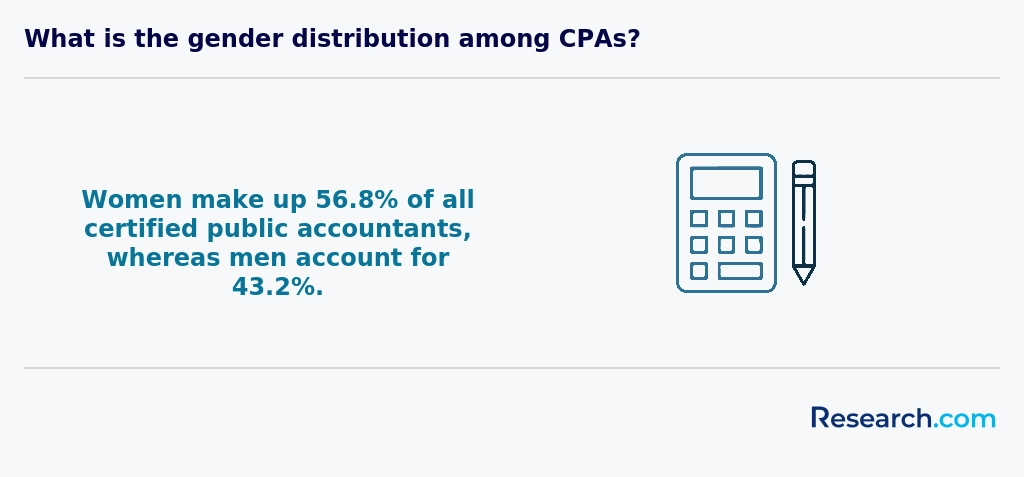
Graduates with an accounting degree in the West find diverse career opportunities in fields such as public accounting, corporate finance, and government roles. Many graduates from universities in California and Washington pursue becoming Certified Public Accountants (CPA), a credential highly valued across metropolitan sectors like technology and entertainment. Other common paths include management accountants and financial analysts, where professionals handle budgeting, cost control, and investment analysis to support strategic decisions.
Jobs for accounting graduates in the West also include forensic accounting, tax specialization, and government positions, each responding to the region's demand for expertise in compliance and regulatory matters. Graduates often highlight their positive experiences and the solid preparation received at regional institutions popular for accounting, which helps them confidently enter these careers.
Further, earning certifications such as CPA or CMA significantly enhances earning potential and job prospects. For students seeking affordable education routes, exploring Inexpensive Online Accounting Degree Programs is an accessible option that supports career growth.
The accounting degree job outlook West demonstrates steady growth, with employment projected to increase by 7% through 2031. Graduates from prominent universities in California and Washington find themselves well-positioned in metropolitan hubs like San Francisco and Seattle, where demand spans industries such as technology, healthcare, and finance. Many graduates report feeling encouraged by the diverse opportunities, especially in complex business environments requiring specialized accounting skills.
Western states offer higher starting salaries than many other regions, reflecting living costs and economic activity. Graduates from well-regarded programs often secure roles in large corporations, including Fortune 500 firms in California, where competitive wages and career advancement into CPA or financial analyst positions are common. This positive trend aligns with the West region accounting career opportunities, attracting students eager to balance educational investment with strong job prospects.
Tuition costs at public universities can be a concern, but students frequently explore accelerated degree college options for working adults to reduce time and expense, enabling quicker entry into the workforce. The combination of growing demand and practical education pathways fosters optimism among aspiring accountants in the West.
2027 Most Affordable Accounting Degree Programs Ranking in the West
Investing in your education is a significant decision that can shape your future, and the Research.com team understands the importance of making informed choices. To assist prospective students, we have meticulously developed the "2027 Most Affordable Accounting Degree Programs Ranking in the West." Our commitment to quality, credibility, and accuracy is demonstrated through the thorough research and careful analysis behind this ranking.
We utilized the following reputable data sources to ensure a comprehensive evaluation of accounting programs:
By exploring this ranking, readers will gain valuable insights into affordable accounting degree options tailored to the Western region, enabling well-informed educational decisions. For more information on our ranking process, please visit our Research.com methodology page.


# 4 position
Western Governors University
Master of Science, Accounting

# 5 position
Ensign College
Bachelor of Science in Accounting

# 6 position
Western Governors University
Bachelor of Science in Accounting

# 8 position
University of Phoenix-Arizona
Master of Science in Accountancy

# 9 position
University of Phoenix-Arizona
Bachelor of Science in Accounting
# 10 position
Colorado State University Global
Master of Professional Accounting


# 12 position
Colorado State University Global
Bachelor of Science in Accounting

# 15 position
American InterContinental University System
Bachelor in Accounting



# 19 position
Ashford University
Master of Accountancy

Frequently Asked Questions About accounting
Accounting degree students in the West can maximize their learning experience by engaging in internships with local firms, gaining practical exposure alongside theoretical knowledge. According to the National Association of Colleges and Employers, 60% of accounting graduates who interned received job offers within six months of graduation. Taking advantage of regional professional organizations such as the California Society of CPAs or the Washington Society of Certified Public Accountants enhances networking opportunities and access to seminars tailored for Western students.
Students should also utilize campus resources, including tutoring centers and accounting software labs, as proficiency in tools like QuickBooks and Excel is critical. Pursuing certifications such as CPA or CMA during or after the degree further strengthens credentials, with many Western states offering exam prep programs in partnership with universities.
The accounting field in the Western United States is evolving with several emerging niches gaining importance. One fast-growing area is forensic accounting, where professionals investigate financial crimes, often working with law enforcement. According to the U.S. Bureau of Labor Statistics, employment for forensic accountants is expected to grow 16% from 2021 to 2031, much faster than the average for all occupations.
Another niche is environmental accounting, focusing on sustainable business practices and regulatory compliance. Many Western states prioritize green initiatives, increasing demand for accountants with this expertise.
Technology-driven roles like data analytics and blockchain accounting are also expanding. Accountants skilled in these tools support decision-making and transparency in financial reporting. This shift aligns with trends noted by the American Institute of CPAs (AICPA).
After completing an accounting degree in the West, preparing for the job market requires strategic steps. Many graduates start by obtaining relevant certifications like the CPA (Certified Public Accountant), which is often essential for advancing in the field. According to the American Institute of CPAs, CPA holders earn approximately 10-15% more than non-certified accountants.
Internships and practical experience gained during study significantly boost job prospects. Programs accredited by the AACSB are valued by employers for their rigorous standards. Networking through university career services and local CPA societies is also critical.
Strong skills in accounting software such as QuickBooks and Excel enhance employability. The US Bureau of Labor Statistics projects a 6% growth in accounting jobs in the Western states through 2030, making timely preparation vital.
Employers in the Western United States value both technical and interpersonal skills when hiring accounting degree graduates. Strong proficiency in accounting software, such as QuickBooks and Excel, is essential. According to the National Association of State Boards of Accountancy, nearly 70% of employers prioritize candidates already familiar with industry-standard tools.
Analytical skills rank highly; graduates must interpret financial data accurately and make informed decisions. Additionally, effective communication is critical, as accountants often explain complex information to non-financial stakeholders.
Ethical judgment and attention to detail are mandatory, reflecting the high standards required by the U.S. Generally Accepted Accounting Principles (GAAP). Furthermore, adaptability to changes in tax laws and regulations remains a sought-after trait in the dynamic Western job market.
Finding internships relevant to an accounting degree in the West requires a strategic approach. Many universities in Western states collaborate with regional accounting firms and corporations to offer internship opportunities. For example, California and Washington host numerous CPA firms seeking interns each year.
Students should leverage their school's career services and attend job fairs focused on finance and accounting. According to the National Association of Colleges and Employers (NACE), approximately 60% of accounting interns receive job offers post-internship.
Additionally, joining professional organizations like the American Institute of CPAs (AICPA) can provide valuable networking and internship listings specific to the accounting field in the Western US.
Online platforms such as Handshake and LinkedIn also list internship openings with filters by location and industry, making it easier to find relevant positions nearby.
An accounting degree significantly enhances career mobility and advancement opportunities in the Western United States. According to the U.S. Bureau of Labor Statistics, accounting-related jobs in states like California, Washington, and Oregon are expected to grow around 6% from 2022 to 2032, matching the national average. Holding a degree helps meet educational requirements for professional certifications such as the CPA, which is essential for higher-level positions and salary increases.
Graduates with accounting degrees often access diverse roles beyond traditional accounting, including auditing, financial analysis, and management. Employers in the West particularly value candidates from accredited programs, which influences promotion prospects and competitive salaries reported by the National Association of State Boards of Accountancy.
Accounting degrees in the Western United States often emphasize interdisciplinary skills by integrating courses in finance, information systems, and business law. This approach equips students to navigate complex roles that require more than just accounting expertise.
For example, many programs include training in data analytics and communication, preparing graduates to collaborate across departments and support strategic decisions. According to the National Association of State Boards of Accountancy (NASBA), 80% of accounting graduates in the West develop competencies relevant to finance and technology fields.
This broad preparation reflects the growing demand for accountants who understand regulatory environments, financial technology, and ethical considerations-skills essential for roles in corporate governance, consulting, and risk management across industries in the US.
When choosing between a thesis and a non-thesis accounting degree program in the West, consider your career goals first. Thesis programs typically focus on research skills and academic writing, suitable for students planning to pursue a PhD or research-focused roles. Non-thesis programs emphasize practical coursework and may offer internships, making them ideal for those aiming for immediate employment in public accounting or corporate finance.
According to the National Center for Education Statistics, many Western universities offer both options, but thesis programs often require additional time-usually six months to a year longer. Cost and program length are important factors for budgeting and scheduling.
Finally, check if your target employers prefer practical experience or advanced research skills. The American Institute of CPAs notes that 75% of new accounting roles in the West prioritize practical knowledge, which may influence your choice.
Students based in the Western United States seeking accounting degrees have multiple options for studying abroad. Many US universities in the West have exchange programs with institutions in Europe, Asia, and Canada, allowing students to earn credits toward their degree while experiencing international accounting practices.
According to the National Association of State Boards of Accountancy (NASBA), exposure to global accounting standards, such as IFRS, is increasingly important. Western students often choose programs that integrate these standards alongside US GAAP.
Popular destinations include Canada for its similar regulatory environment and Australia for its emphasis on professional certifications. Additionally, some schools offer dual-degree programs with foreign universities to enhance credentials and employability after graduation.
Students pursuing accounting degrees in the Western US often seek part-time jobs that reinforce their academic knowledge while providing practical experience. Common roles include bookkeeping assistants, tax preparers, and payroll clerks. These positions help develop skills in financial reporting and tax regulations, complementing coursework in auditing and managerial accounting.
According to the U.S. Bureau of Labor Statistics (BLS, 2023), bookkeeping and accounting support roles are expected to grow by 5% through 2030. This growth suggests ample opportunities for students in states like California, Oregon, and Washington. Additionally, part-time internships with local firms offer exposure to accounting software such as QuickBooks and SAP, highly valued in the job market.
Many universities in the West encourage students to combine studies with roles in campus financial offices or university-affiliated accounting centers, strengthening both technical and interpersonal skills.
Accounting students in the Western United States benefit from numerous networking opportunities essential for career development. Many universities offer access to student chapters of professional organizations such as the American Institute of Certified Public Accountants (AICPA) and Beta Alpha Psi. These groups host events, workshops, and conferences where students can meet industry professionals.
Additionally, career fairs and internship programs facilitated by business schools connect students with local accounting firms, including Big Four firms with offices in cities like Los Angeles and San Francisco. Such connections often lead to mentorships and job offers. According to the National Association of Colleges and Employers, over 60% of accounting graduates in the West secure employment through campus networking initiatives.
Alumni networks offer significant advantages to accounting degree students in the Western United States. These networks provide access to experienced professionals who can offer mentorship, career guidance, and internship opportunities. According to the National Association of Colleges and Employers (NACE), 70% of job placements occur through networking, highlighting the importance of connections for accounting graduates.
In regions like California and Washington, strong alumni networks help students navigate competitive job markets by sharing local industry trends and hiring practices. Many universities organize events where students meet alumni working at top accounting firms, boosting their chances of recruitment.
Moreover, alumni often provide valuable advice on passing the CPA exam, a critical step for accounting careers in the West. These networks also support lifelong learning and professional growth by offering workshops and seminars tailored to accounting standards and regulations specific to Western states.
Customizing an accounting degree program in the Western US allows students to align their education with specific career goals. Many universities offer elective courses focusing on areas like forensic accounting, taxation, or auditing, enabling specialization.
Students should also consider internship opportunities provided by local firms, which enhance practical experience in industries dominant in the West, such as technology and entertainment.
Additionally, pursuing certifications like CPA or CMA alongside your degree can improve job prospects and cater to career ambitions in public accounting or corporate finance.
Consulting academic advisors at institutions accredited by the ACBSP or AACSB ensures program relevance and quality.
Accounting students in the Western United States often face several notable challenges during their studies. One common difficulty is mastering the complex regulatory environment that governs financial reporting, especially with frequent updates to standards like GAAP and IFRS. According to the American Institute of CPAs, staying current with evolving rules requires continuous study beyond regular coursework.
Another challenge is the high level of quantitative and analytical skills required, which can be demanding for students without a strong math background. This often leads to higher dropout rates in accounting programs compared to other business majors, as reported by the National Center for Education Statistics.
Additionally, the intense competition for internships and CPA exam readiness adds pressure. Many students struggle to balance rigorous coursework with gaining practical experience, which is critical for future employment in the West's competitive job market.
Graduates with an accounting degree in the Western United States commonly pursue several professional certifications to enhance their career prospects. The most recognized is the Certified Public Accountant (CPA) license, which requires passing the Uniform CPA Exam and fulfilling state-specific education and experience requirements. According to the California Board of Accountancy, the CPA credential can significantly improve job opportunities and salary potential in the region.
Other valuable certifications include the Certified Management Accountant (CMA) and the Certified Internal Auditor (CIA), both offered nationally. The CMA focuses on management accounting skills, while the CIA emphasizes internal auditing, useful in corporate settings. These certifications often complement a CPA or serve as alternatives for specialized roles.
Additionally, some accountants pursue the Enrolled Agent (EA) certification to specialize in tax preparation and IRS representation. Each credential requires ongoing education to maintain licensure, ensuring professionals stay current with evolving accounting standards and regulations.
Writing a winning application for an accounting program in the West requires clear demonstration of your academic strength and career goals. Start by highlighting relevant coursework in math, economics, or business, emphasizing your performance in quantitative classes. According to the National Association of State Boards of Accountancy, a strong foundation in accounting principles and ethics is essential for program acceptance.
Include work experience or internships related to finance or accounting. Practical exposure often distinguishes applicants. Also, tailor your personal statement to reflect your understanding of the US accounting standards and your ambition to contribute to regional industries like technology or manufacturing.
Finally, excellent recommendation letters from educators or employers attest to your skills and dedication, increasing your chances of admission.
Accounting is a globally recognized profession, and earning an accounting degree in the Western United States positions graduates well for international career opportunities. The U.S. Bureau of Labor Statistics projects a 7% job growth for accountants and auditors from 2022 to 2032, reflecting steady demand. Western universities often align their curricula with international accounting standards like IFRS, helping students gain skills applicable worldwide.
Many Western states require licensing such as the CPA, which holds significant value internationally, enhancing career mobility. Additionally, Western accounting programs emphasize technological proficiency, meeting global trends in data analytics and automation within finance.
According to the American Institute of CPAs, salaries in Western regions tend to be higher than the national average, indicating robust market conditions. This competitive environment fosters graduates capable of working in multinational firms or pursuing roles beyond U.S. borders.
Gaining practical experience while studying for an accounting degree in the West is crucial to enhancing job prospects. Many institutions encourage internships, often required for graduation, allowing students to work in accounting firms or corporate finance departments.
According to the National Association of Colleges and Employers (NACE), 60% of accounting students complete at least one internship before graduating. These experiences provide hands-on skills in auditing, tax preparation, and financial reporting.
Additionally, some universities offer cooperative education programs (co-ops), combining classroom learning with paid work terms. Participation in campus-based accounting clubs and case competitions further develops practical knowledge.
Online platforms also enable students to access virtual internships, expanding opportunities regardless of location.
Choosing the right concentration within an accounting degree program in the West involves understanding your career goals and the specific demands of the regional job market. Popular concentrations include auditing, taxation, forensic accounting, and managerial accounting. Each area offers distinct opportunities, with taxation often leading to roles in public accounting firms, while forensic accounting suits careers in fraud detection.
According to data from the Bureau of Labor Statistics, California, Washington, and Oregon have growing demand for accountants, especially those skilled in tax and auditing. Students should consider programs that emphasize practical experience and local industry connections. Reviewing course offerings, faculty expertise, and internship opportunities can also guide concentration choice.
See What Experts Have To Say About Studying Accounting
Read our interview with Accounting experts

John Wermert, Ph.D., CPA
Accounting Expert
Associate Professor of Accounting
Middle Tennessee State University


- Accounting Certifications Guide | Accounting.com https://www.accounting.com/certifications/overview/
- Accounting Degree: Associate or Bachelor’s | Monroe University https://www.monroeu.edu/news/accounting-degree-associate-or-bachelors
- Accounting and Auditing (Non-Thesis) | Beykoz Üniversitesi https://www.beykoz.edu.tr/icerik/5029-accounting-and-auditing-without-thesis
- Work Experience https://www.streets.uk/work-experience/
- How Long Does It Take to Get an Accounting Degree? - OnlineDegree.com https://www.onlinedegree.com/article/how-long-does-it-take-to-get-an-accounting-degree/
- Master’s Program in Accounting and Auditing (Thesis/Non-Thesis, Turkish) https://www.isikun.edu.tr/en/academic/graduate/accounting-auditing/masters-program-accounting-and-auditing-thesis/non-thesis
- What Jobs Can You Do With an Accounting Degree? - Intuit Blog https://www.intuit.com/blog/life-at-intuit/intuit-experts/accounting-degree/
- How to Meet Accounting Degree Requirements for Career Success - ICMS https://www.icms.edu.au/degree-discovery/how-to-meet-accounting-degree-requirements/
- Finance vs Accounting Degree: Which Major To Choose? | Becker https://www.becker.com/blog/cpa/finance-vs-accounting-degree-which-major-to-choose
- How Long Does It Take to Get an Accounting Degree? https://www.warnerpacific.edu/blog/how-long-does-it-take-to-get-accounting-degree/


