
2027 Best Online Accounting Degree Programs Ranking in Colorado

Co-Founder and Chief Data Scientist
Choosing the right online accounting degree program in Colorado can be overwhelming. This article introduces the 2027 Best Online Accounting Degree Programs Ranking in Colorado, carefully crafted by the Research.com team of data scientists to guide you toward the best options available.
Whether you're starting fresh or advancing your career, understanding which programs stand out will save time and effort. Earning an accounting degree opens doors to rewarding opportunities, financial growth, and professional confidence.
Explore this ranking to make an informed decision that suits your goals and lifestyle.
Key benefits of getting online accounting degree in Colorado
- Graduates with an online accounting degree in Colorado can expect strong salaries, such as Staff Accountants earning a mean annual wage of $90,780 and Bookkeepers earning around $49,580, reflecting rewarding financial outcomes.
- Career paths are flexible, ranging from Staff Accountant to Tax Preparer and Associate Auditor, illustrated by graduates from the University of Colorado who find opportunities in various finance and auditing roles.
- Completing an online accounting degree from institutions like Colorado State University offers flexibility for working students, allowing them to balance life and study while gaining recognized credentials that boost career prospects.
- 2027 Best Online Accounting Degree Programs Ranking in Colorado
- What can I expect from online accounting degree in Colorado?
- Where can I work with online accounting degree in Colorado?
What can I expect from online accounting degree in Colorado?
The average cost of an online accounting degree in Colorado varies, typically ranging from $15,000 to $40,000 for a bachelor's program, depending on the institution and program length. For example, graduates from public universities in Colorado often find costs on the lower end, while private colleges or those offering specialized master's degrees lean toward the higher side. Many students appreciate how these tuition rates compare favorably to in-person options, especially when factoring in saved expenses like commuting and housing.
Several Colorado graduates recount how flexible payment plans and financial aid options made the cost manageable, allowing them to balance work and study without feeling overwhelmed. While some express concerns about the investment, most emphasize that the state's strong accounting job market makes these costs worthwhile. Those attending schools with AACSB accreditation particularly felt confident their tuition was funding quality education aligned with CPA requirements, which helped smooth their career entry.
Ultimately, prospective students should carefully assess program costs alongside the benefits of local accreditation, career support, and personal circumstances to determine true value in the Colorado context.
Where can I work with online accounting degree in Colorado?
Graduates with an online accounting degree in Colorado often find themselves employed in diverse fields, reflecting the state's dynamic economy. Many start in public accounting firms located in urban hubs like Denver or Boulder, providing services like auditing and tax preparation. These roles are common choices for students from established programs at universities such as the University of Colorado Denver, where alumni report gaining valuable hands-on experience early in their careers.
Others pursue opportunities within Colorado's expanding tech and energy sectors. For instance, graduates have shared how roles in Fort Collins startups allow them to apply budgeting and financial analysis skills directly to innovative projects, creating a rewarding connection between accounting and business growth.
Nonprofit organizations and state government agencies also employ many accounting degree holders, offering stability and a chance to impact community finance management. Students from institutions like Colorado State University often highlight how these roles align with their values and offer meaningful work beyond traditional corporate paths.
Healthcare and education sectors are additional career paths, where graduates use their expertise in cost management or academic administration. While assumptions about accounting often focus narrowly on large firms, Colorado's varied industries demonstrate that an online accounting degree opens multiple doors tailored to distinct interests and ambitions.
Graduates with an online accounting degree in Colorado can expect varying earnings depending on their role and experience. According to recent US Bureau of Labor Statistics data, staff accountants in Colorado earn a mean annual wage of about $90,780, which is encouraging for new graduates from institutions like the University of Colorado or Colorado State University. Early career accountants, including those entering positions as bookkeepers, tax preparers, associate auditors, or accounts payable clerks, typically start closer to the $49,580 annual mark.
It's important to recognize that while starting salaries may seem modest, many online graduates report satisfaction in their early roles, appreciating the opportunity to build foundational skills in vibrant urban economies such as Denver or Boulder. Over time, gaining certifications like the CPA and leveraging internships often boost earnings well beyond entry-level norms.
Some graduates describe transitioning to metropolitan areas where specialized industries, including energy and finance, offer higher pay and dynamic career pathways. However, those in rural regions may weigh salary differences against a lower cost of living, making accounting careers flexible and personally rewarding statewide.
- Tuition for online bachelor's degrees in accounting in Colorado ranges from $25,000 to $40,000 at public schools and can exceed $50,000 at private institutions.
- The average starting salary for accounting professionals in Colorado is about $55,000 per year, increasing to around $75,000 after five to ten years of experience.
- Colorado's accounting job market includes diverse industries like finance, healthcare, technology, and energy, offering various employment opportunities.
- Online programs often cover financial accounting, managerial accounting, taxation, and auditing, which align with CPA exam requirements.
- Accreditation from AACSB or ACBSP is important to consider when choosing an online accounting program.
- Accounting jobs in Colorado are projected to grow by about 6% over the next decade, matching national growth trends.
Completing an online accounting degree in Colorado usually ranges from two to four years, heavily influenced by program type and student scheduling choices. For example, graduates from the University of Colorado Boulder often report finishing their Bachelor of Science in Accounting within four years as full-time students, benefiting from a structured, credit-heavy curriculum.
Meanwhile, students opting for associate degrees at institutions like Arapahoe Community College may wrap up their studies in about two years. These programs provide a solid foundation and flexibility, allowing some graduates to quickly enter the workforce or transfer credits toward a bachelor's degree.
Many students appreciate the ability to accelerate their programs at schools such as Colorado State University Global, where flexible terms mean part-time learners can adjust their pace based on work or family demands. However, this flexibility also means some may take longer than four years to complete, especially if balancing multiple responsibilities.
Graduates often highlight the benefits of online learning in Colorado, including cost savings and the option to avoid commuting. Yet, those pursuing CPA licensure recognize that fulfilling the additional 150-credit hour requirement typically adds one or two years beyond the bachelor's degree, often via a master's program.
Navigating the application process for online accounting programs in Colorado can be as crucial as selecting the right school. Prospective students should focus on compiling a strong application package that includes updated transcripts, robust letters of recommendation, and a well-crafted personal statement that highlights both academic achievements and professional aspirations. It’s advisable to check each institution’s specific admission requirements early and begin preparing for any prerequisite exams or supplemental tests that might be necessary. Additionally, tailoring your application to showcase relevant work experience or internships in accounting can significantly bolster your admission prospects. Budget-conscious applicants should also assess the financial elements of each program; many campuses offer detailed insights on expenses, including online accounting degree cost, so you can determine the best fit for your financial situation while planning for a successful academic journey. By staying organized, adhering to deadlines, and seeking clarification from admissions counselors when needed, you can enhance your chances of acceptance into a program that not only meets your educational goals but also sets the stage for a thriving career in the accounting field.
Choosing between an online and on-campus accounting degree in Colorado often hinges on personal circumstances and learning preferences. For example, a graduate from the University of Colorado Boulder valued the flexibility of an online program, which allowed balancing coursework with a full-time job in Denver. This flexibility is a major draw for working professionals who need to pace their studies without sacrificing income.
On the other hand, graduates from Colorado State University appreciated the on-campus experience for its direct interaction with faculty and peers. Engaging in face-to-face discussions and study groups on campus helped deepen their understanding of complex topics like tax law and auditing.
Financially, both formats present similar tuition fees-averaging around $10,000 to $11,000 annually for in-state students-but online learners often save on commuting and housing, which can be costly in cities like Boulder. However, some report extra expenses for proctoring software or technology fees in online setups.
Ultimately, both pathways in Colorado meet accreditation standards and prepare students for CPA licensing, yet the decision relies on whether flexibility or in-person networking better suits individual needs.
Choosing a program that satisfies Colorado’s 150-credit-hour education requirement, like the cheapest accredited online accounting degree, streamlines your path to certification.
To become a licensed CPA in Colorado, you must:
- Complete at least 150 semester hours of education, including a bachelor’s in accounting or related field
- Pass the Uniform CPA Examination (all four sections) administered by NASBA
- Accrue one to two years (1,920 hours) of supervised professional accounting experience under a licensed CPA
- Pass the AICPA Ethics Exam specific to Colorado state regulations
- Renew your license biennially and complete 80 hours of continuing professional education
Understanding these steps ensures your online degree aligns with state requirements and prepares you for a successful accounting career.
The average cost of an online accounting degree in Colorado typically hovers around a median total of $30,000, but this figure can vary widely depending on the type of institution and residency status. Graduates from well-known public universities in Colorado often report an in-state tuition rate between $6,000 and $13,000 per year, making online programs more affordable than traditional on-campus routes for many students. These costs reflect not only tuition but also additional fees such as technology charges and textbooks, which can add up over the course of the degree.
Private colleges, on the other hand, tend to charge significantly higher tuition, often ranging from $20,000 to $40,000 annually. Students pursuing an online accounting degree there frequently mention the value of flexible schedules and strong career support, which help justify the higher cost to some extent. However, it is essential to carefully weigh these benefits against the financial investment, especially if out-of-state tuition rates apply, which may effectively double the in-state costs at public institutions.
Many accounting students recommend exploring financial aid opportunities and employer tuition reimbursements to ease the financial burden. Because Colorado residents might qualify for regional tuition discounts through reciprocity agreements with neighboring states, researching specific school policies is crucial. Prospective students interested in understanding more about affordable options should consider looking at affordable accounting schools in Colorado, as these institutions frequently provide competitive tuition fees without compromising quality.
Overall, anyone investigating online accounting degree tuition fees Colorado should recognize the nuanced landscape of college pricing. An informed decision involves balancing cost with program reputation, support services, and long-term career outcomes reflected in graduates' success stories from Colorado's established universities and colleges.

When considering online accounting programs in Colorado, one crucial aspect to evaluate is the affordability and cost of these programs. Prospective students should research the total cost of attendance, including tuition, fees, and materials, to ensure they can manage the financial commitment. Exploring options for affordable accounting schools in Colorado can help students find programs that fit their budget. Additionally, understanding the potential return on investment, such as salary expectations and job prospects, can provide insight into the long-term value of the program. By carefully considering these factors, students can make informed decisions about their education and future careers in accounting.
Students enrolled in online accounting programs at institutions like the University of Colorado Denver often start their financial aid journey with federal options stemming from the FAFSA. For many, the Pell Grant, offering up to $7,395 annually, provides crucial relief, especially when balancing work and studies. Graduates recall how this grant reduced their reliance on loans during difficult semesters.
State-specific aid like the Colorado Opportunity Scholarship Initiative (COSI) also plays a significant role. Those attending schools such as Colorado State University found that COSI helped bridge gaps between tuition and other financial support, making continuing education less stressful. However, students should remain aware that eligibility often depends on residency and field of study, thus not all scholarships apply universally.
Institutional scholarships vary widely across campuses and often reward academic achievement or professional aspirations. One graduate shared how applying early to their college's financial aid office uncovered hidden scholarships for online students, demonstrating the value of proactive research.
Additionally, local groups like the Colorado Society of Certified Public Accountants provide targeted scholarships that honor community involvement and commitment to the profession, instilling confidence in recipients.
Employer tuition reimbursement remains an underutilized resource. Graduates balancing jobs found that negotiating with employers enhanced their financial aid, although this depends on company size and policies.
Despite generally low federal loan interest rates, graduates advise cautious borrowing. With average accounting graduate debt nearing $30,000 nationally, careful planning ensures education debt remains manageable within Colorado's cost context.
Beyond an online accounting degree, obtaining industry-recognized credentials can significantly enhance your employability and earning potential. Many graduates pursue the Certified Public Accountant (CPA) designation, which requires passing a rigorous four-part exam and meeting state-specific education and experience requirements. For those interested in management accounting, the Certified Management Accountant (CMA) credential demonstrates expertise in financial analysis, strategic planning, and decision support. Emerging roles such as forensic accounting and internal audit often call for specialized certifications like the Certified Fraud Examiner (CFE) or Certified Internal Auditor (CIA). These credentials not only validate technical skills but also signal commitment to ethical standards and continuous learning. For beginners seeking a quick pathway into bookkeeping roles, a foundational bookkeeping certificate can provide targeted training in transaction recording, reconciliations, and software applications-laying the groundwork for advanced certifications and career growth. When selecting which certification to pursue, consider your long-term goals, employer preferences, and state licensing requirements. Many online accounting programs integrate exam prep courses, mentorship opportunities, and access to professional networks, ensuring that graduates are fully prepared for the certification process. By strategically aligning your degree with the right credential, you’ll maximize both your initial job prospects and your trajectory toward senior roles in public accounting, corporate finance, or specialized advisory services.
Enrolling in an online accounting degree in Colorado typically requires a high school diploma or equivalent like a GED, ensuring foundational skills are in place. Graduates from institutions such as the University of Colorado or Colorado State University often recall having to meet minimum GPA standards-usually around 2.5-which helped affirm their readiness for the program's challenges.
Many students find that demonstrating competency in math and English through SAT or ACT scores, or placement tests, smooths their transition into accounting coursework. For example, a graduate from a Colorado State University online program shared how algebra II skills were essential for managing college-level accounting assignments effectively.
Some programs recommend or require preparatory courses in introductory accounting, economics, or computer applications to build confidence before handling core material. The experience of past students enrolling at private colleges illustrates how such prerequisites mitigate initial overwhelm and foster success.
While requirements vary, prospective students benefit from understanding these expectations early, helping them gain confidence and excitement about their educational journey in Colorado's online accounting landscape.
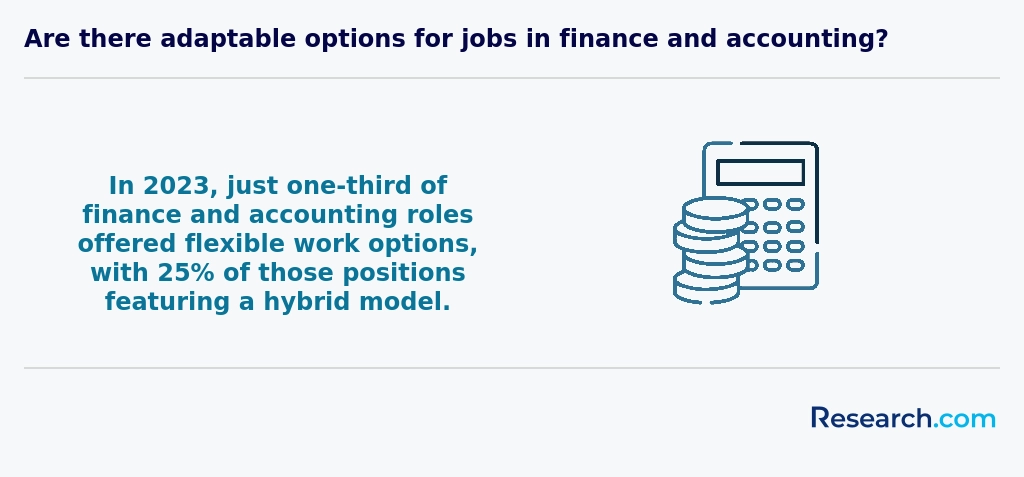
Navigating the admission process for an online accounting degree in Colorado requires careful planning to meet key deadlines and submit a compelling application. Follow these steps to streamline your enrollment: 1. Research Programs and Deadlines • Identify institutions offering fully online accounting degrees and note their application windows-most schools accept Fall, Spring, and Summer starts. • Common deadlines: – Fall: Early decision by May 1; final by July 1 – Spring: Early decision by October 1; final by December 1 – Summer: Deadline around March 15 2. Prepare Required Materials • Official transcripts from all postsecondary institutions (and high school, if required) • Proof of GPA (minimum 2.5–3.0 for many programs) • Standardized test scores (SAT/ACT) if not waived • Personal statement or essay outlining career goals and accounting interests • Letters of recommendation (academic or professional) • Résumé highlighting relevant work or volunteer experience 3. Complete the Online Application • Create an applicant account on each school’s admissions portal • Upload documents in PDF format and double-check for accuracy • Pay application fees or request fee waivers 4. Monitor Status and Financial Aid • After submission, regularly check your portal for status updates and missing items • Submit FAFSA by your state’s priority date to maximize aid eligibility • Explore scholarships and grants; for comparisons of program costs beyond Colorado, see our Low Cost Accounting Degree Programs Ranking in Pittsburgh, PA 5. Interview and Decision • Some programs may require a virtual interview or advisor meeting • Upon acceptance, confirm enrollment and register for orientation Starting your application at least six months before your target term will ensure adequate time for document collection, test score reporting, and financial aid processing, setting you on a clear path to begin your online accounting journey in Colorado.
Online accounting degrees in Colorado typically include core courses that build a solid foundation for both entry-level roles and advanced certification preparation. Graduates from popular programs at institutions like the University of Colorado embrace classes covering Financial Accounting, where they learn to track and report finances-skills essential for real-life tasks such as preparing company budgets or managing payroll.
Managerial Accounting courses often resonate with students who imagine themselves advising businesses on cost control and strategic decisions. Others recall the Taxation classes as particularly stimulating, since understanding individual and business tax codes is crucial for CPA exams. Auditing courses prepare students with techniques to review financial statements, an experience many find rewarding as it feels like unraveling a complex puzzle to ensure accuracy and compliance.
Beyond accounting-specific subjects, graduates appreciate studying Business Law and Corporate Finance, which connect accounting practices to broader business contexts in Colorado's dynamic markets. These programs often include Micro and Macroeconomics, helping students grasp how economic trends impact financial decisions, making their education both practical and relevant.
Students pursuing an online accounting degree in Colorado often encounter diverse specializations tailored to regional economic strengths and their individual career ambitions. Popular concentrations include Taxation, which prepares graduates to navigate complex state and federal tax codes relevant to Colorado's agriculture and energy sectors, and Auditing, focusing on compliance roles that are critical in both public firms and private companies. Graduates from universities like the University of Colorado Boulder appreciate the practical insights gained through auditing courses that mirror real-world challenges.
Beyond this, Management Accounting appeals to those aiming for leadership, emphasizing budget control and financial planning-skills essential to Colorado's growing business landscape. Some students also find forensic accounting rewarding, given its focus on fraud detection, which resonates with the needs of Colorado's expanding corporate environments. More technically inclined students often select Accounting Information Systems, combining IT proficiency with accounting principles to stay competitive.
Choosing among these online accounting degree specializations Colorado options involves balancing interest with local job market trends. Graduates often remark on the satisfaction of applying knowledge from their program directly to roles in Colorado's business sectors. Prospective students should also consider program costs; exploring online accounting degree cost can help in making informed decisions.
Choosing the best online accounting degree in Colorado means balancing multiple factors critically. Graduates from popular institutions often emphasize regional accreditation by bodies like the Higher Learning Commission, as this ensures their degree is trusted both locally and nationally. However, accreditation alone doesn't guarantee the program's fit-students should verify if the curriculum aligns closely with the Uniform CPA Exam and meets Colorado's unique 150 credit-hour and ethics course requirements. Some early career accountants have found that programs offering asynchronous learning helped them juggle work and study effectively, a flexibility crucial for many in the state.
Cost emerges as a sensitive issue. While public universities in Colorado tend to offer affordable online options, the total expenses can rise with fees and materials. Graduates appreciate programs with transparent financial aid options tailored for accounting students. Additionally, those focusing on affordable online accounting programs Colorado have noted that schools partnering with local firms provide invaluable networking and internship opportunities, easing the job search after graduation.
It's worth exploring alternative credentials as well. For instance, combining an accounting degree with a bookkeeping certificate might enhance practical skills and employability in Colorado's competitive market. Thoughtful comparison of these elements helps prospective students find a program that genuinely fits their career goals.
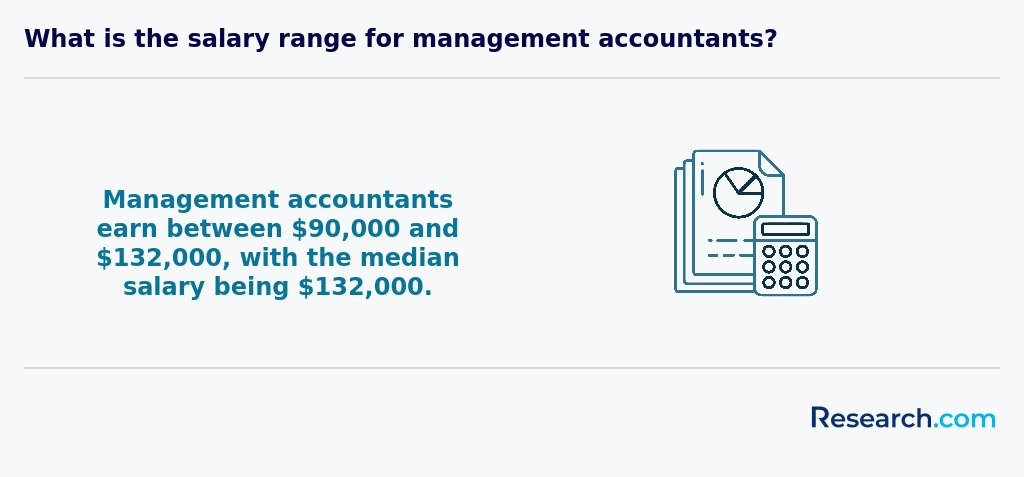
Graduates holding an online accounting degree in Colorado encounter a spectrum of career paths that reflect the state's diverse economic landscape. Many start as staff accountants or auditors in local firms, gaining firsthand experience in financial reporting or compliance. For example, graduates from the University of Colorado, Boulder often share how their internships in Denver's finance sector clarify real-world applications of their studies. These positions offer foundational skills yet can vary widely in day-to-day responsibilities, so students should consider where their interests align most closely.
Beyond entry-level roles, career opportunities with Colorado accounting degree credentials extend into specialized areas such as forensic accounting or tax analysis, especially relevant as Colorado's tax regulations evolve. Students who enroll at institutions like Colorado State University report enthusiasm about the state's growing energy sector, which demands financial analysts or managers knowledgeable about industry specifics. Experienced graduates often emphasize balancing certification goals, particularly the CPA, with practical career ambitions, recognizing that while this credential opens doors, other roles are equally viable.
For prospective students weighing options, understanding the affordability of programs is crucial. Online degrees through state universities make pursuing accounting more accessible, with tuition markedly lower than some private options. Those interested in comparing costs might explore the Low Cost Accounting Degree Programs Ranking in Pittsburgh, PA as a model for evaluating value without sacrificing quality. Overall, graduates find that Colorado's economy supports varied pathways-each shaped by individual goals and the region's evolving business needs.
The job market for graduates with an online accounting degree in Colorado shows steady promise, especially in cities like Denver, Colorado Springs, and Boulder where economic activities are diverse. Graduates from universities popular for accounting in Colorado often find themselves competing in a market that values both academic credentials and practical experience. Many report that completing an accredited online program combined with internships or part-time positions helps them gain a competitive edge. This real-world exposure is essential in an environment where employers seek flexible and well-prepared candidates in corporate and nonprofit sectors.
Colorado's accounting degree employment outlook reflects a 7% growth rate over the next decade, matching national averages and signaling consistent demand. The average salary around $76,000 fuels optimism among recent graduates, although some caution remains given fluctuations in various industries. Prospective students weighing options often consult affordable online universities for pathways that balance cost with career prospects, recognizing the value of strategic financial planning during their studies.
For those navigating online accounting jobs in Colorado, understanding the regional market and connecting with local firms can greatly influence success. Graduates who align their education with Colorado's economic sectors report higher satisfaction and better outcomes, underscoring the importance of practical relevance alongside online coursework.
2027 Best Online Accounting Degree Programs Ranking in Colorado
Investing in your education is a significant decision that can greatly impact your career, and the Research.com team fully appreciates the importance of making well-informed choices. To support prospective students in Colorado, we have carefully developed the "2027 Best Online Accounting Degree Programs Ranking in Colorado." Our dedication to quality, credibility, and accuracy is demonstrated through rigorous research and detailed analysis behind this ranking.
We utilized the following reputable data sources to ensure a comprehensive evaluation of accounting programs:
By exploring this ranking, readers will receive valuable insights to identify the best online accounting degree programs in Colorado, enabling them to make confident educational choices. For a deeper understanding of our ranking process, please visit our Research.com methodology page.
# 1 position
Colorado Christian University
Bachelor of Accountancy

# 2 position
Colorado Christian University
Master of Accounting
# 3 position
Colorado Technical University-Colorado Springs
Master of Accounting

# 4 position
Colorado Technical University-Colorado Springs
Bachelor of Accounting
Frequently Asked Questions About accounting
Online accounting degree students in Colorado can enhance their learning by actively engaging with course materials and participating in virtual discussions. Many programs offer access to accounting databases and software, which are essential for practical skills development. Utilizing Colorado's state resources, such as the Colorado Society of Certified Public Accountants, can provide valuable networking and internship opportunities.
Students should also set up a dedicated study schedule to balance work and coursework effectively. According to the Bureau of Labor Statistics, Colorado is projected to see a 6% growth in accounting jobs through 2031, indicating strong career prospects.
Choosing programs accredited by the Accreditation Council for Business Schools and Programs (ACBSP) ensures quality education aligned with industry standards in the region.
The accounting field is evolving rapidly, with several emerging niches gaining importance. In Colorado, demand is growing for professionals skilled in forensic accounting, which involves investigating financial fraud and disputes. According to the Bureau of Labor Statistics, forensic accounting jobs are expected to grow by 16% nationally from 2022 to 2032, much faster than average.
Another expanding area is environmental accounting, as Colorado businesses increase their focus on sustainability and regulatory compliance. This niche tracks the environmental costs related to business activities, a critical skill as green initiatives grow.
Technology-related roles are also expanding. Expertise in data analytics and cybersecurity accounting is in demand to help firms protect sensitive financial data. Online accounting degree programs increasingly offer coursework to prepare students for these roles. These emerging niches reflect broader economic and technological shifts affecting the Colorado market.
After earning an online accounting degree in Colorado, preparing for the job market involves building both technical and soft skills. The Colorado Department of Labor and Employment reports that accounting roles in the state are expected to grow by 10% through 2030, a faster pace than the national average. To stay competitive, graduates should pursue certifications such as the CPA, which is highly regarded in Colorado's accounting sector.
Networking with professionals through associations like the Colorado Society of CPAs can provide valuable connections. Additionally, gaining experience via internships or part-time roles during study helps demonstrate practical skills to employers. Familiarity with software like QuickBooks and Excel is also essential.
Employers in Colorado seek strong technical and analytical skills from accounting graduates. Proficiency in accounting software such as QuickBooks and Microsoft Excel is crucial, as these tools are widely used across industries. According to the Colorado Department of Labor and Employment, understanding financial regulations and compliance remains a top priority for firms statewide.
Communication skills are also highly valued. Accounting professionals must clearly explain financial data to non-experts, which supports decision-making processes. Critical thinking and problem-solving abilities help graduates adapt to evolving tax laws and business environments.
Additionally, ethical judgment is essential in maintaining trust and integrity. The American Institute of CPAs highlights that Colorado employers prioritize this trait alongside continuous learning to stay current with accounting standards.
Finding internships in Colorado relevant to an accounting degree involves multiple strategies. Begin by utilizing the resources of your online program's career services, as many have connections with local firms.
Additionally, the Colorado Society of Certified Public Accountants (COCPA) offers internship listings and networking events. Since Denver and Colorado Springs have growing financial sectors, targeting firms in these cities may increase opportunities.
Job platforms like Handshake and Indeed specifically list internships filtered by location and field. According to the U.S. Bureau of Labor Statistics, accounting jobs in Colorado are projected to grow by 8% through 2031, indicating a healthy job market.
Lastly, consider reaching out directly to regional CPA firms to inquire about internship programs.
In Colorado, an online accounting degree significantly enhances career mobility and advancement opportunities. The state's growing economy and business sectors demand skilled accountants, making degree holders highly sought after. According to the Colorado Department of Labor and Employment, accounting professionals can expect a 7% job growth through 2030, which is faster than the national average.
Completing an online accounting program allows flexibility to maintain employment while upgrading skills, a key factor in career advancement. With a degree, graduates qualify for positions requiring CPA certification eligibility, a credential that boosts earning potential and promotion prospects in Colorado.
Online degrees from accredited institutions also meet Colorado employer standards, ensuring graduates remain competitive in this evolving job market.
Studying for an online accounting degree in Colorado equips students with versatile skills directly applicable to interdisciplinary roles. Colorado's programs often integrate coursework in finance, business law, and information systems, enabling graduates to bridge gaps between accounting and other fields.
For example, integrating data analytics is becoming essential. The Colorado Department of Labor reports a 9% job growth for accountants and auditors through 2030, highlighting demand for professionals who understand technology and compliance.
Additionally, partnerships between universities and local industries foster practical learning. Students gain insights into real-world challenges, enhancing their problem-solving and communication abilities across disciplines.
Such programs prepare students to collaborate effectively with professionals in marketing, management, and IT, supporting Colorado's diverse economy and innovative business landscape.
When choosing between a thesis and a non-thesis accounting degree program in Colorado, consider your career goals. A thesis option involves original research and is ideal if you plan to pursue a doctoral degree or a career in academia. It develops strong analytical and writing skills.
Non-thesis programs often focus more on practical accounting skills and coursework, making them suitable for professionals aiming for CPA certification or roles in business and public accounting.
According to the Colorado Department of Higher Education, about 40% of accounting graduates pursue CPA licensure, which typically requires comprehensive coursework rather than thesis work. Evaluate program flexibility, faculty expertise, and your long-term plans before deciding.
Students based in Colorado who wish to study accounting abroad have several options through online degree programs offered by international universities. Many reputable schools provide fully online accounting degrees that comply with U.S. accreditation standards, allowing students to earn credentials without physically relocating. This flexibility is beneficial given Colorado's growing accounting job market, which the Colorado Department of Labor and Employment projects will grow by 12% through 2030.
Some programs incorporate global accounting standards such as IFRS, which can enhance the credentials of students planning international careers. Additionally, partnerships between Colorado institutions and foreign universities sometimes enable credit transfers or dual degrees. Prospective students should review course accreditation, transfer policies, and state CPA requirements before enrolling in foreign-based online programs.
Part-time job opportunities in Colorado that complement an accounting degree are plentiful, aiding students in gaining practical experience while studying. Common roles include bookkeeping assistants, tax preparers, and accounting clerks, which allow hands-on work with financial records. According to the Colorado Department of Labor & Employment, positions in accounting support are projected to grow by 7% through 2030, which enhances job availability.
Internships at local accounting firms or financial service companies also provide valuable insights. Additionally, roles in payroll processing or financial data entry offer relevant skills that align with coursework. Colorado's diverse economy, including Denver's strong business sector, makes finding such opportunities realistic for students.
Online accounting students in Colorado benefit from several networking opportunities despite remote learning. Many Colorado universities offer virtual events, webinars, and career fairs specifically for their online cohorts. These events provide chances to connect with peers, faculty, and accounting professionals.
The Colorado Society of Certified Public Accountants (COCPA) is a key resource, hosting local chapters and online meetings where students can engage with licensed CPAs and attend workshops. According to COCPA, members report increased job leads and mentorship prospects through active involvement.
Additionally, Colorado's growing finance sector, particularly in Denver and Boulder, offers numerous virtual internships and professional associations that welcome online students. These connections can help build local industry ties even before graduation.
Alumni networks play a crucial role in supporting online accounting degree students in Colorado by providing access to professional connections and job opportunities. Many Colorado institutions maintain active alumni groups that host networking events, workshops, and mentorship programs, helping students build practical relationships. According to the Colorado Society of Certified Public Accountants (COCPA), graduates with strong professional networks are 40% more likely to secure accounting positions within six months of graduation.
These networks also offer insights into Colorado's specific market trends, including local tax regulations and accounting standards. Alumni can share experiences unique to industries prominent in the state, such as energy and finance. Furthermore, alumni connections often lead to internships and references, which are vital for career growth in accounting.
Customizing an online accounting degree program in Colorado allows students to align their education with specific career goals. Many Colorado institutions offer elective courses in areas like forensic accounting, taxation, or audit management, enabling focus on desired specialties.
Students can also choose between bachelor's or master's level degrees, depending on their career stage or ambitions. For example, pursuing a Master of Accountancy may better prepare graduates for CPA certification, which is highly valued in Colorado's competitive job market.
Additionally, several programs include internship or practicum options, often in partnership with Colorado businesses, providing practical experience directly related to local industries.
Resources like the Colorado Department of Labor & Employment report that accounting jobs in Colorado are projected to grow 6% by 2030, making tailored programs increasingly valuable for career advancement.
Online accounting students in Colorado often face challenges related to balancing coursework with work and family responsibilities. Many learners juggle full-time jobs while managing demanding accounting classes, which can increase stress and limit study time. Access to quality mentoring or tutoring is another common issue, as remote students may struggle to receive personalized support compared to on-campus peers.
Technical problems also arise, such as difficulties with software required for accounting assignments and occasional connectivity issues in rural areas of Colorado. According to the Colorado Department of Higher Education, nearly 20% of distance learners report such obstacles impacting their progress.
Additionally, staying motivated without the structure of in-person classes can be difficult, affecting course completion rates. Online programs increasingly respond by enhancing student engagement through virtual study groups and interactive tools.
With an online accounting degree in Colorado, graduates can pursue various professional certifications to enhance their career prospects. The Certified Public Accountant (CPA) license is the most recognized, requiring 150 credit hours of education and passing the Uniform CPA Exam administered by the Colorado State Board of Accountancy.
Other certifications include the Certified Management Accountant (CMA), which focuses on financial management and strategy, and the Certified Internal Auditor (CIA), valuable for careers in auditing.
According to the Colorado Department of Higher Education, professionals with certifications often earn 20% to 30% higher salaries than non-certified peers. These credentials can open doors in both public accounting firms and corporate finance sectors.
Applying for an online accounting degree program in Colorado requires a clear, focused approach to stand out. Start by researching programs accredited by recognized bodies like AACSB or ACBSP, as accreditation ensures quality education accepted by employers in Colorado's competitive job market.
Craft a compelling personal statement that highlights your passion for accounting and how the program aligns with your career goals, especially considering Colorado's growing finance sector. Include any relevant work experience or skills, emphasizing your ability to succeed in an online learning environment.
Submit all required documents meticulously, such as transcripts and test scores. Strong letters of recommendation from academic or professional references familiar with your accounting potential can significantly boost your application.
The accounting profession offers a broad global perspective, emphasizing both technical skills and ethical standards. In the United States, including Colorado, accountants often work within frameworks influenced by international financial reporting standards (IFRS), preparing them for global business environments.
Colorado's accounting workforce benefits from steady growth, supported by local industries such as energy, technology, and finance. According to the U.S. Bureau of Labor Statistics, Colorado's employment of accountants and auditors is projected to grow 7% from 2022 to 2032, reflecting the rising demand for financial expertise.
Studying accounting online in Colorado helps students align their learning with global standards while focusing on local market needs. This combination equips graduates to navigate both domestic and international financial regulations, making them competitive in a globalized economy.
Gaining practical experience while studying for an online accounting degree in Colorado is essential to building career-ready skills. Many programs encourage internships with local Colorado companies, offering remote and in-person opportunities in cities like Denver and Colorado Springs. Internships help students apply classroom knowledge to real-world financial tasks.
Students can also participate in virtual accounting clinics or volunteer tax assistance programs, such as those affiliated with the IRS's Volunteer Income Tax Assistance (VITA) initiative. These programs provide hands-on experience preparing tax returns, commonly in the winter months.
Furthermore, joining accounting organizations like the Colorado Society of Certified Public Accountants (COCPA) offers networking and mentorship that can lead to practical assignments or job shadowing.
Choosing the right concentration within an online accounting degree program in Colorado depends on your career goals and local industry demand. Popular concentrations include forensic accounting, tax accounting, and auditing. According to the Colorado Department of Labor & Employment, the state's accounting and auditing sector is expected to grow by 10% through 2030, reflecting steady job opportunities.
Consider your interests: tax accounting suits those interested in regulations and individual or corporate tax planning, while forensic accounting focuses on fraud detection and legal investigations. Reviewing Colorado's job market and average salaries, available from the Bureau of Labor Statistics, can help guide your decision.
Additionally, verify if your program offers CPA exam preparation, as this credential is valuable in Colorado. Finally, look for concentrations that align with Colorado's dominant industries, such as energy, healthcare, and finance.
- 2027 Best Online Accounting Degree Programs Ranking in Kansas
- 2027 Best Online Accounting Degree Programs Ranking in Texas
- 2027 Best Online Accounting Degree Programs Ranking in Missouri
- 2027 Best Online Accounting Degree Programs Ranking in Iowa
- 2027 Best Online Accounting Degree Programs Ranking in Illinois
- 2027 Best Online Accounting Degree Programs Ranking in Michigan
- 2027 Best Online Accounting Degree Programs Ranking in Georgia
- 2027 Best Online Accounting Degree Programs Ranking in Pennsylvania
- 2027 Best Online Accounting Degree Programs Ranking in Maryland
- 2027 Best Online Accounting Degree Programs Ranking in New York
See What Experts Have To Say About Studying Accounting
Read our interview with Accounting experts


Yaw M. Mensah
Accounting Expert
Professor and Interim Vice Dean for Strategic Partnerships
Rutgers Business School

- How to Choose a Degree in Accounting | Accounting.com https://www.accounting.com/resources/choosing-a-program/
- Accountants of the Future https://www.deloitte.com/us/en/programs/center-for-controllership/blogs/future-of-accounting-profession.html
- Harnessing the Power of an Alumni Network | Friend & Grant Accountants https://www.friendandgrant.co.uk/blog/how-to-harness-the-power-of-alumni-networks/
- How to Choose an Accounting Specialization https://freemannews.tulane.edu/2025/11/03/how-to-choose-an-accounting-specialization
- Guide to Transition into an Accounting Career https://teach.com/online-ed/business-degrees/online-masters-accounting/how-to-transition-to-an-accounting-career/
- How to Integrate Service Learning into the Accounting Classroom | IMA https://www.sfmagazine.com/articles/2024/august/how-to-integrate-service-learning-into-the-accounting-classroom
- Online Accounting Degree | CTU https://www.coloradotech.edu/degrees/bachelors/accounting
- Skills You Need for a Career Path in Accounting | AIU https://www.aiuniv.edu/degrees/business/articles/top-skills-for-career-in-accounting
- Accounting Work Experience in London | Guaranteed work experience https://www.kbmtr.co.uk/accounting-work-experience.php
- Most Popular Online Accounting Degrees in Colorado https://www.onlineu.com/degrees/accounting/colorado


