2027 Best Online Forensic Science Degrees for Crime Scene Investigation Careers

Co-Founder and Chief Data Scientist
Crime scene investigators often confront urgent caseload surges requiring immediate deployment of highly skilled professionals, yet many prospective forensic science students juggle full-time jobs and familial responsibilities that restrict traditional classroom attendance. With online enrollment in forensic science programs having increased by nearly 15% since 2023, according to the National Center for Education Statistics, the availability of flexible, accredited online degrees significantly reshapes career advancement opportunities. This shift accommodates adult learners seeking to pivot or deepen expertise without interrupting their employment, though program quality and field-specific rigor vary widely. This article evaluates the best online forensic science degrees optimized for crime scene investigation careers, guiding readers toward informed program choices that reconcile accessibility with workforce demands.
Key Things You Should Know
- Accredited online forensic science programs with integrated crime scene investigation modules often require fieldwork completion locally, imposing geographic and financial tradeoffs that directly affect timely degree completion, as reported by the National Forensic Science Technology Center in 2024.
- Employers prioritize candidates from programs with comprehensive lab simulation technology and verified chain-of-custody training; surveys from the American Academy of Forensic Sciences reveal 65% of hiring managers view these skills as decisive for entry-level roles.
- The 14% projected job growth of forensic science technicians through 2032 by the U.S. Bureau of Labor Statistics pressures candidates to optimize cost-access ratios amid rising program fees, influencing whether degree seekers pursue bachelor's or master's formats.
What is an online forensic science degree and how does it prepare crime scene investigators?
Forensic science technician roles are projected to grow 13% from 2022 to 2032, creating tangible demand for graduates with relevant skills. Online forensic science degree programs for crime scene investigation careers must bridge technical competencies with practical application despite inherent remote learning constraints. The most effective programs integrate hands-on elements like virtual labs or local internships to develop proficiency in evidence collection, analysis, and legal procedures, crucial for on-scene decisions and courtroom testimony.
Curricula typically encompass fingerprint analysis, DNA technology, toxicology, and crime scene documentation through case-based scenarios that simulate real investigations. Candidates learning remotely must actively seek opportunities for supervised fieldwork to meet employer expectations for job-ready skills and chain-of-custody discipline. Balancing coursework with real-world experience is essential to match credential credibility with the forensic psychology salary landscape, where the 2023 median technician wage was $63,940.
Graduates gain technical familiarity with instrumentation such as chromatographs and forensic databases, along with essential legal knowledge to collaborate effectively with law enforcement. Strategic selection of accredited programs with strong experiential components mitigates common limitations of online formats and enhances long-term career viability. Those evaluating how an online forensic science degree prepares crime scene investigators should weigh these tradeoffs against geographic or work commitments.
For additional context on related forensic disciplines, review trends in forensic psychology salary considerations to understand broader forensic workforce dynamics.
How do online forensic science programs for crime scene investigation work compared to campus-based options?
The tradeoff between online forensic science degrees for crime scene investigation and campus-based programs centers on practical skill acquisition versus cost and flexibility. Online degrees replicate theoretical foundations through virtual labs and multimedia case studies but rely heavily on students securing local practicum placements to gain hands-on experience. This requirement can pose significant scheduling and logistical challenges, especially for working professionals, and may delay program completion if suitable internships are difficult to find.
Employers prioritize candidates proficient in handling real evidence, maintaining chain-of-custody protocols, and preparing forensic materials for legal proceedings. Online learners must ensure their practical experiences occur in accredited settings to offset limited in-person lab time. Campus programs generally offer more direct access to institutional resources and structured clinical environments, which can improve networking but come at higher costs and less schedule flexibility.
Cost differences are stark: Intelligent's 2025 ranking shows average in-state tuition for online forensic science programs at $10,710 versus $28,800 out-of-state, a 169% disparity. This affordability expands access for many students balancing external commitments but requires careful weighing of how well online curricula bridge practical experience gaps.
The differences between online and campus-based forensic science programs compel prospective students to consider how each format aligns with their career goals, local internship availability, and employer expectations. For those evaluating related fields, exploring what can you do with an environmental science major may offer additional career pathways.
What accreditation should online forensic science and crime scene investigation degrees have?
Accreditation decisively shapes the utility of online forensic science degrees, impacting eligibility for employment, certification, and graduate education. Regional accreditation recognized by the U.S. Department of Education or the Council for Higher Education Accreditation (CHEA) forms the minimum baseline, but programmatic accreditation by organizations like the Forensic Science Education Programs Accreditation Commission (FEPAC) better aligns with industry-specific demands. Without this focused accreditation, candidates risk exclusion from federal and state forensic laboratories where hiring standards are stringent.
For instance, someone targeting a forensic toxicologist position-offering a median 2023 salary near $100,890 and projected 10% job growth-must hold accredited credentials to remain competitive. Online forensic science degree accreditation standards influence not only recognition but practical training quality; programs lacking substantial lab coursework, whether physical or virtual, create barriers to skill acquisition essential for chain-of-custody protocols and courtroom credibility.
Prospective students and career shifters must weigh transferability and certification prerequisites carefully. Fast-tracked or purely theoretical programs without third-party validation often saddle graduates with limited employability in specialties like forensic computer analysis, where median salaries exceed $103,800 and ongoing demand persists. Certificates and forensic licenses consistently require degrees from rigorous, accredited institutions acknowledged by law enforcement and forensic agencies nationwide.
Practical decision-making in this field also benefits from exploring related pathways, such as a nutrition degree online, which illustrates the diversity of accredited online options balancing flexibility and workforce relevance.
What types of forensic science degrees and certificates lead to crime scene investigation careers?
Specialized undergraduate and graduate forensic science degree programs for crime scene investigation careers create the most reliable entry points into CSI roles, blending essential lab and field techniques with legal and procedural rigor. Employers prioritize bachelor's degrees in forensic science, criminal justice with a CSI focus, or forensic chemistry over certificates alone, especially for foundational roles requiring precise evidence collection and chain-of-custody management.
Certificates and degrees leading to crime scene investigator jobs often serve professionals transitioning from law enforcement or emergency response, providing practical scene processing skills without the in-depth scientific training that advanced investigative roles demand. For example, some police agencies mandate active certification through field-aligned CSI courses combined with hands-on experience rather than standalone credentials.
In practice, graduate degrees enhance specialization in niches like forensic toxicology, yet entry-level positions emphasize bachelor's credentials and demonstrated field experience. Regional licensing and certification vary, making alignment of degree choice with local requirements critical. Partnerships offering internships or law enforcement exposure significantly boost employment prospects and skill development.
Arizona State University Online's large enrollment highlights growing demand for flexible learning, but prospective students should scrutinize program accreditation and practical components, as purely theoretical curricula reduce on-the-job readiness. For those considering broader academic options, reviewing exercise science degrees online can offer insights into the variety and delivery of focused science degrees.
What courses and lab experiences are included in online forensic science curricula?
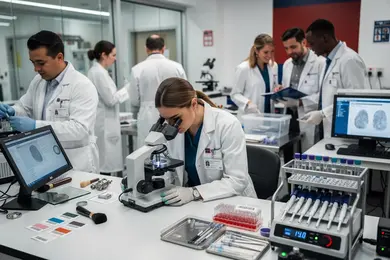
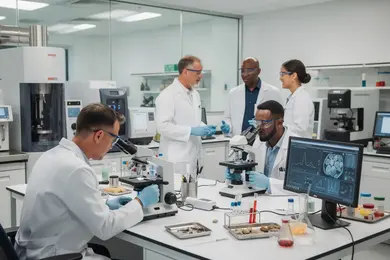
Students pursuing online forensic science programs face a tradeoff between theoretical knowledge and practical readiness critical to employer demands. Effective curricula combine core science courses like chemistry, biology, and toxicology with applied labs simulating fingerprint analysis, blood spatter interpretation, and digital forensic techniques. These virtual labs are not just academic exercises; proficiency in evidence handling and software tools directly affects early career success and job assignments.
Real-world scenarios stress that crime scene technicians with only entry-level training earn substantially less-around $43,485 annually-compared to forensic scientists, who average $62,325. This wage gap often traces back to the depth of lab experience and specialized coursework completed. Students should weigh whether courses in forensic pathology and criminal law, which facilitate courtroom testimony and legal procedures, align with their intended role, as these are more relevant for forensic scientists than technicians.
Programs integrating capstone projects or internships that expose students to actual case studies provide valuable bridges between theory and practice. Beyond science skills, strong report writing and communication capabilities remain essential for translating complex forensic data into usable legal evidence. Understanding these workforce realities can help candidates choose programs that offer the right balance of applied learning to improve employability and long-term salary potential.
What are typical admission requirements for online forensic science and crime scene investigation programs?
Admission to online forensic science and crime scene investigation programs prioritizes demonstrated competence over mere credentials, reflecting the operational demands of these roles. Most programs require a high school diploma or equivalent, while some also expect college coursework in biology, chemistry, or criminal justice to establish foundational scientific literacy. Transcripts must confirm proficiency in STEM subjects essential for evidence handling and analysis.
Standardized tests remain part of admissions in many cases, but growing test-optional policies acknowledge varied applicant backgrounds. Professionals migrating from related fields like law enforcement or emergency response often leverage documented experience to offset academic gaps, streamlining entry without compromising readiness.
Because crime scene investigation involves sensitive scenarios, background checks are common, ensuring candidates meet legal and ethical standards before participating in simulated or real-world training. Additionally, submission of a personal statement and letters of recommendation provides insight into an applicant's investigative mindset and commitment.
Technical skills-whether in lab equipment or forensic software-must be validated, frequently through prior certifications or coursework. Reflecting the projected 13% employment growth for forensic science technicians through 2032 as reported by OnlineU based on University of Arkansas Grantham data, programs emphasize candidate preparedness for hands-on responsibilities rather than theoretical knowledge alone.
Applicants should weigh the tradeoff between purely academic qualifications and operational experience, as employers increasingly prioritize practical skill sets in forensic and crime scene roles.
How long do online forensic science degrees take and what do they cost?
Choosing an online forensic science degree demands careful evaluation of time investment and financial outlay against employer expectations and practical skill acquisition. Programs range from two to four years for associate and bachelor's levels, with accelerated options enabling completion in about two and a half years for full-time students. Part-time candidates managing work obligations often extend beyond four years. Master's degrees typically span 18 to 24 months but require in-person practicums that can affect scheduling and total duration.
Tuition variation substantially affects the return on investment and post-graduation debt; annual costs oscillate between roughly $8,100 and $24,780. Lower-cost programs may reduce upfront expenses but can lack specialized coursework, faculty expertise, or comprehensive career support, potentially limiting employability in competitive forensic roles. Conversely, higher-priced institutions often integrate lab-intensive and experiential learning, enhancing job placement but increasing financial and time commitments.
Employers favor candidates from regionally accredited programs that offer hands-on experience, a consideration critical when comparing accelerated or more affordable degrees. Students pursuing shorter, cheaper options should plan for certifications or internships to boost practical competence. Effective decision-making hinges on aligning program curricula, internship opportunities, and pacing with targeted career outcomes.
- Accelerated bachelor's programs cut time but may intensify workload.
- Master's programs require in-person internships influencing flexibility.
- Cost differences reflect tradeoffs between specialization and financial burden.
- Hands-on experience remains a decisive factor for hiring.
What jobs can you get with an online forensic science degree in crime scene investigation?
Choosing an online forensic science degree focused on crime scene investigation places candidates directly into technician roles that demand precision under pressure, often within law enforcement or medical examiner offices. Forensic science technicians earn a median salary near $63,940, reflecting the technical, detail-oriented nature of evidence handling and analysis. However, this pathway may cap income potential and career growth without further specialization.
Expanding beyond CSI-centric programs, degrees covering broader forensic science disciplines open access to roles such as forensic engineer and forensic psychologist with median salaries of $99,510 and $117,750, respectively. These positions require additional credentials but significantly increase earning potential-up to 85% more than technician roles-and often involve complex investigations, expert testimony, and interdisciplinary collaboration.
Employment prospects depend heavily on experience type and employer sector. Government agencies typically prioritize demonstrated crime scene and lab competencies, while private firms-especially in digital or forensic accounting sectors-seek specialized skills aligned with their operational focus.
Students should weigh these factors carefully:
- CSI-focused tracks provide intensive practical skills but may restrict upward mobility.
- Broader forensic science curricula offer multidisciplinary knowledge suited for long-term adaptability.
- Internships and networking significantly influence job placement success.
Aligning program choice with targeted job market demands and salary data is essential for a strategic transition or advancement in forensic science fields.
What is the salary potential and job outlook for crime scene investigators and forensic technicians?
Starting salaries for crime scene investigators and forensic technicians typically range from under $50,000 in rural settings to $70,000 in metropolitan or federal roles, reflecting regional demand and agency funding. This variance underscores the practical importance of aligning academic credentials with geographic and employer-specific realities rather than solely focusing on degree completion. Employment growth at 8% through 2032 outpaces average job market trends, driven by an increasing emphasis on detailed crime analysis and advanced evidence-processing technology.
Employers generally require at least a bachelor's degree in forensic science or a related discipline, with specialized certifications-such as in DNA analysis or digital forensics-significantly enhancing eligibility for senior or unit-specific positions. Practical experience and postgraduate education remain key differentiators in a competitive employment landscape where both online and on-campus degree holders face rising candidate supply.
Online accredited programs that replicate the curricular rigor of traditional campuses, such as ASU Online's 120-credit hour curriculum, represent viable options for those balancing geographic or scheduling constraints without sacrificing employer recognition. Still, initial roles focus heavily on evidence collection and documentation, requiring deliberate skill development in forensic methodologies and technology to advance.
- Salary ranges vary: $50,000-$70,000 metropolitan/federal vs. < $50,000 rural roles
- Employment growth projected at 8% through 2032
- Certification and experience critical for advancement
- Online degrees meeting academic standards can support competitive eligibility
Source: U.S. Bureau of Labor Statistics, 2024
How can you choose a reputable online forensic science program for crime scene investigation?
Choosing a forensic science program without verifying its accreditation status jeopardizes both educational quality and career prospects. Regional or national accreditation recognized by the U.S. Department of Education is essential to ensure the curriculum meets rigorous standards and qualifies students for federal financial aid and professional certifications. Equally important is program alignment with industry benchmarks, such as those set by the American Academy of Forensic Sciences or the Forensic Science Education Programs Accreditation Commission (FEPAC), which significantly influences employability in crime scene investigation roles.
Hands-on training differentiates theory-heavy programs from those preparing graduates for real-world demands. For instance, a digital forensic analyst with only classroom experience may struggle when faced with live casework requiring investigative partnerships or simulations. Programs offering lab components, law enforcement partnerships, or required internships better bridge this gap.
Transparent graduation and employment data serve as proxies for program efficacy and employer recognition, informing prospective students about realistic outcomes. Those juggling employment should prioritize programs offering asynchronous learning, minimizing disruption while gaining credentials.
The variety of online forensic science degrees-27 options cataloged by Educations.com for 2025-adds complexity. Instead of equating online availability with quality, candidates must assess curricula rigor, experiential integration, and cost relative to expected salary trajectories to avoid burdening themselves with debt without sufficient return on investment.
Other Things You Should Know About Forensic Science
Online forensic science degrees can offer flexibility for full-time workers, but the workload remains demanding, especially with required lab simulations and research projects. Programs that incorporate asynchronous content provide more scheduling freedom, but expect to dedicate significant hours outside of work to complete practical components and critical analyses. Choosing programs with clear guidance on time management and a realistic workload will better support balancing employment and study.
Most employers in crime scene investigation expect candidates to have hands-on field experience beyond theoretical online coursework. While some programs include virtual labs, they rarely substitute for real-world exposure to crime scenes or forensic labs. Students should prioritize programs paired with internships, cooperative placements, or local lab collaborations to meet employer expectations and increase job competitiveness.
Yes. Many 2027 online forensic science bachelor’s programs end with a 3- to 6-credit capstone, and some require a thesis or final project instead. Schools often use these requirements to assess evidence analysis, lab methods, and report writing before graduation.
Choosing between a broad forensic science education and a specialized crime scene investigation track depends on career goals. Broad programs offer flexibility to work in various forensic roles but may dilute focus on crime scene-specific skills. Specialized tracks provide targeted training preferred by some employers but could limit adaptability. Prioritize programs that balance core forensic competencies with focused crime scene practical experience to optimize employment opportunities.
References
- 2025 Most Popular Online Forensic Science Degrees https://www.onlineu.com/degrees/forensic-science
- Forensic Science Degree https://universitycompare.com/guides/subject/forensic-science-degree
- Top Online Forensic Science Degree Programs https://www.forensicscolleges.com/online
- Online Forensic Science Degree https://www.aiuniv.edu/degrees/criminal-justice/bachelors-forensic-science
- Becoming a Crime Scene Investigator https://www.crime-scene-investigator.net/becomeone.html
- Careers in forensic science https://www.justice-ni.gov.uk/articles/careers-forensic-science
- Forensic Science https://icieducation.com/courses/law-justice/forensics/
- Crime Scene Investigation Degrees Online https://www.criminaljusticeprogramsonline.com/crime-scene-investigation/
- Compare Forensic Scientist Schools & Training Programs https://www.criminaljusticeprograms.com/specialty/forensic-science-degrees/
- Online Forensic Science Degrees | OnlineColleges.net https://www.onlinecolleges.net/degrees/forensic-science/