2027 AI Master's vs Computer Science Master's

Co-Founder and Chief Data Scientist
Choosing between a 2027 AI master's and a computer science master's often confuses professionals shifting from unrelated fields. Both degrees offer pathways into technology careers, but their focus, curriculum, and industry relevance differ significantly. Candidates face decisions about specialization depth, practical skills, and long-term career goals amid evolving job market demands. This dilemma impacts time, cost, and employability in a competitive sector.
This article compares the core differences, program structures, and outcomes of AI and computer science master's degrees to help prospective students make informed decisions aligned with their career ambitions.
Key Things You Should Know
- Master's programs in artificial intelligence focus more narrowly on AI techniques and applications, while computer science master's offer broader foundational knowledge across multiple computing areas.
- AI master's graduates typically see 10-20% higher starting salaries in 2025, reflecting increased demand for specialized machine learning and data science skills.
- AI programs often require strong backgrounds in math and statistics, whereas computer science programs provide more flexibility for interdisciplinary career paths in tech.
What is the core difference between an AI Master's degree and a Computer Science Master's degree?
The core differences between an AI master's and computer science master's degrees lie in their specialized focus versus broader study areas. An AI master's degree dives deeply into artificial intelligence theory, development, and applications such as machine learning, natural language processing, computer vision, robotics, and AI ethics. Students gain expertise in designing and deploying AI models, often exploring advanced mathematics, statistics, and data science techniques. Courses may include neural networks, reinforcement learning, and AI system architecture, tailored to AI-driven challenges.
In contrast, a computer science master's degree offers a wider foundation across computing domains. It covers fundamental topics like algorithms, software engineering, databases, operating systems, and networking, while providing options for advanced subjects, including AI. This degree prepares students for diverse computing careers, emphasizing problem-solving and theoretical knowledge beyond AI specialties. Graduates often pursue roles in software development, system design, or network security.
A comparative overview of AI master's degree versus computer science master's degree shows a growing demand for AI expertise. According to the LinkedIn Jobs Report 2024, AI-specific job postings surged by 74%, whereas general computer science roles increased by only 8%. This highlights the market's preference for specialized AI skills in automation and intelligent systems.
Prospective students should consider their career goals carefully. Those aiming to develop cutting-edge AI solutions might explore an ai career path, while others seeking flexibility may choose a computer science program. Recognizing this distinction can guide educational investments toward relevant skillsets.
Which degree offers better career prospects and salary potential in the current job market?
Master's graduates in artificial intelligence generally enjoy better career prospects in artificial intelligence versus computer science graduates, particularly in specialized roles. AI specialists command median salaries ranging from $165,000 to $180,000, compared to $140,000 to $155,000 for computer science professionals, according to the Glassdoor Salary Report 2024. This salary potential for AI and computer science master's graduates highlights the increased demand for AI expertise across sectors such as healthcare, finance, autonomous systems, and cybersecurity.
The AI curriculum focuses on machine learning, neural networks, and natural language processing, preparing graduates for highly technical and niche positions. Employers seek experts capable of developing complex algorithmic solutions and managing large-scale data projects. Conversely, computer science graduates often pursue broader roles like software development and IT infrastructure, which typically have more competition and lower salary ceilings. Career flexibility remains a strength of computer science degrees but may require additional certifications to transition into AI fields.
Professionals interested in research, AI-driven innovation, or leadership within technology companies will find an AI master's degree particularly advantageous. Those pursuing diverse tech roles might consider a broader foundation but should note that AI's alignment with emerging industries, including autonomous vehicles and intelligent automation, drives strong growth and higher earnings.
For those looking to specialize, exploring a data scientist degree could also offer relevant pathways enhancing career opportunities.
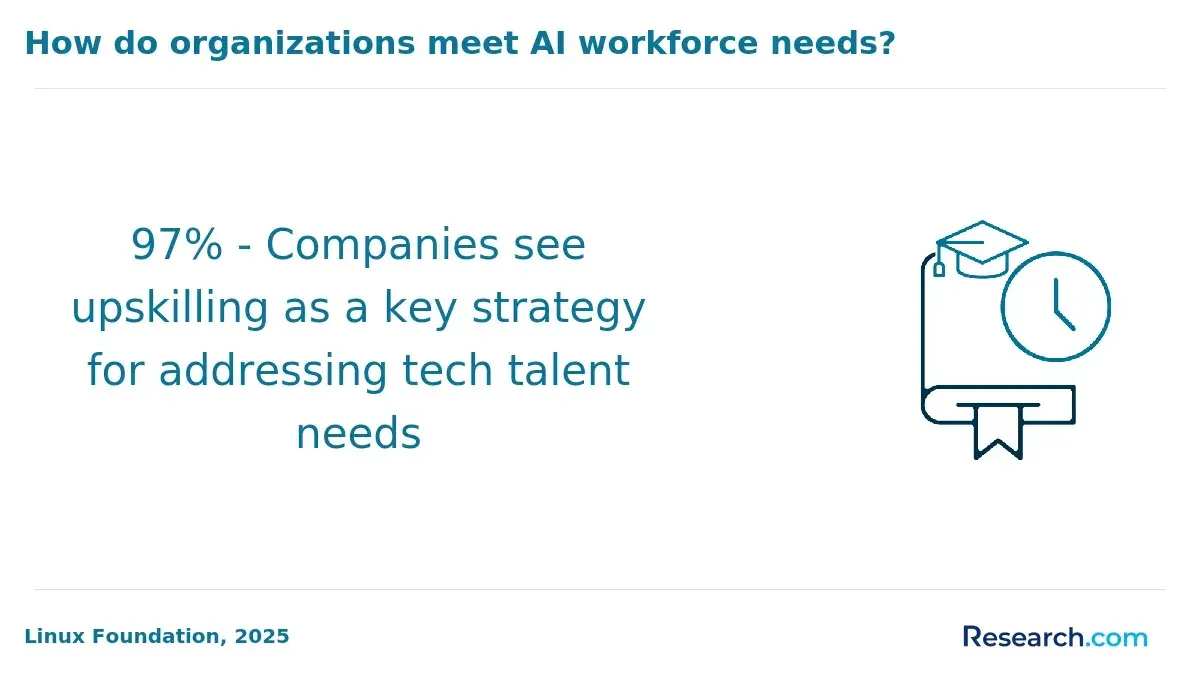
What are the typical admission requirements and prerequisites for each program?
Admission requirements for AI master's program admission requirements in the US vary notably from those for traditional computer science degrees, particularly in the emphasis on quantitative skills. Data from U.S. News Graduate School Data 2024 indicates that 70% of leading AI programs require GRE scores with minimum quantitative percentiles of 80 or higher, compared to 55% of computer science master's prerequisites for North American universities demanding the same. This highlights the importance of advanced mathematics and statistics proficiency for AI applicants.
A bachelor's degree in computer science, engineering, mathematics, or a closely related technical field is typically mandatory. Relevant coursework in algorithms, linear algebra, calculus, and programming must be evident on transcripts. Some AI programs also prioritize experience in machine learning and data science, beyond baseline computer science prerequisites. Letters of recommendation should underscore practical projects or research experience, while statements of purpose need to clearly connect applicants' interests with program goals, often citing programming languages like Python or Java.
While some computer science master's programs may waive the GRE or accept alternatives, competitive AI master's programs usually continue to require it. Demonstrated practical experience such as internships can sometimes compensate for lower standardized test results. International students must provide TOEFL or IELTS scores for English proficiency, and admissions committees value diverse, interdisciplinary backgrounds. Prospective students may also explore the best online ai degree programs as part of their application research.
How do curriculum and coursework differ between AI and Computer Science Master's programs?
The curriculum differences between artificial intelligence and computer science master's programs are significant, especially in their focus areas. AI master's degrees dedicate about 40% of coursework to machine learning, neural networks, and related subjects, compared to roughly 12% in traditional computer science programs. This coursework comparison for artificial intelligence versus computer science graduate degrees highlights how AI students engage more deeply with advanced topics like reinforcement learning, natural language processing, and computer vision.
In contrast, computer science programs offer a broader array of subjects including algorithms, systems design, databases, software engineering, and theory, which provides flexibility but less concentrated expertise in AI. While machine learning may be introduced in CS programs, specialized AI courses are seldom required core components. This makes CS degrees suitable for those seeking versatile IT careers but less tailored for specialized AI roles.
Some AI programs also blend interdisciplinary coursework covering ethics, robotics, or data science to reflect practical AI applications. For example, courses in AI ethics or autonomous systems often appear in AI curricula but rarely in CS. Practical projects in AI focus on applying machine learning to large datasets, whereas CS projects might emphasize software architecture or network security.
Prospective students are advised to consider their career goals carefully. Those targeting AI research or niche industries benefit from an AI master's focus, while others may prefer the flexibility of computer science. Additionally, students interested in security might explore a cybersecurity online degree as a complementary option.
Are AI and Computer Science Master's degrees available in online, hybrid, and campus formats?
Both artificial intelligence and computer science master's degrees are available online, on campus, and through hybrid formats tailored to different learning needs. Online AI master's programs have quickly expanded, growing 156% between 2022 and 2024, significantly outpacing the 43% increase seen in online computer science master's degrees, according to the National Center for Education Statistics 2024. This surge highlights strong demand among working professionals and remote learners seeking advanced AI expertise.
Campus programs still provide traditional in-person instruction, offering access to labs and networking opportunities. Hybrid models blend these benefits with online flexibility; for instance, some universities require on-campus attendance for core AI algorithm courses while allowing remote participation in electives, supporting students balancing jobs or geographical limits.
Choosing a program format depends on individual circumstances. Online AI degrees typically offer asynchronous lectures and recordings for maximum schedule flexibility. Meanwhile, computer science programs often include hands-on labs necessitating in-person attendance. Hybrid options offer occasional campus residencies to facilitate collaboration while accommodating remote study.
The notable growth in online AI education reflects increased institutional investment to meet evolving industry demands. Students should ensure program accreditation and verify available support services, which can vary widely in online offerings. Both fields now provide multiple delivery options, allowing students to align their education with career goals and lifestyle.
How long does each degree take to complete, and what is the average tuition cost?
Full-time master's degrees in artificial intelligence typically require 1.5 to 2 years to complete, similar to traditional computer science (CS) master's programs. Many institutions also offer part-time options, which can extend up to 3 years, catering to working professionals. Program length varies based on credit requirements, thesis or project components, and curriculum focus, such as specialized tracks in machine learning, robotics, or natural language processing that may increase both time and cost.
Tuition at private universities for AI master's programs usually ranges from $80,000 to $120,000, representing about a 45% premium over comparable CS degrees. This higher cost reflects advanced faculty expertise, cutting-edge computational resources, and infrastructure tailored specifically for AI research and instruction. In contrast, computer science master's fees at similar institutions average between $55,000 and $85,000 full-time.
Public universities often provide more affordable options for both fields, though AI programs still tend to be 30-40% more expensive. Prospective students should also consider additional costs such as specialized software licenses, AI lab access, and attendance at industry conferences or workshops, which are more common in AI curricula. Evaluating these factors is important for assessing the return on investment when choosing an AI master's program.
What accreditation standards and professional certifications apply to these programs?
ABET accreditation remains a key benchmark for judging the quality of engineering and computing programs in the US. Only 28% of AI master's programs had ABET accreditation as of 2026, compared to 62% of computer science master's programs (ABET Accreditation Database 2024). This difference affects employer perceptions of program rigor. Graduates from ABET-accredited computer science programs generally enjoy wider industry acceptance, especially in sectors with strict certification requirements.
The relatively low ABET accreditation rate among AI programs reflects the field's emerging status, with curricula evolving to cover areas like machine learning, natural language processing, and robotics. Many AI programs don't yet fully align with ABET's criteria, so prospective students should confirm accreditation status, particularly if targeting regulated fields like aerospace or healthcare.
Professional certifications increasingly complement degrees. For AI graduates, certifications such as the Certified Artificial Intelligence Practitioner (CAIP) or AWS Certified Machine Learning provide valuable validation. Computer science graduates often benefit from certifications like the Certified Information Systems Security Professional (CISSP), especially in cybersecurity roles.
When choosing a program, accreditation and certification pathways both matter. An ABET-accredited computer science degree combined with recognized certifications typically offers stronger employer validation. AI graduates from non-accredited programs may need to rely more on certifications and practical experience to demonstrate their capabilities in competitive job markets.
What specific job roles and career paths are available to graduates of each program?
Graduates with a master's in artificial intelligence often pursue careers as machine learning engineers, prompt engineers, or AI researchers. These roles focus on creating and refining algorithms that enable systems to perform tasks with human-like intelligence. For instance, machine learning engineers design models for natural language processing or computer vision, while prompt engineers craft effective inputs for large language models to enhance output quality. AI researchers work on advancing core technologies in both academic and industry settings. According to the Bureau of Labor Statistics 2024, individuals with AI master's degrees secure these positions at a rate 3.2 times higher than those with computer science degrees, highlighting their specialized expertise.
In contrast, master's graduates in computer science primarily fill roles in software engineering and systems architecture. These careers involve building scalable applications, infrastructure, and complex systems across industries. Software engineers develop full-stack applications, mobile software, or embedded systems, while systems architects design frameworks that ensure performance, security, and maintainability. The Bureau of Labor Statistics 2024 notes that CS graduates obtain these jobs 2.8 times more frequently than AI graduates, reflecting their comprehensive computing foundation across programming paradigms, databases, and operating systems.
Prospective students should weigh their career goals carefully. AI master's programs emphasize algorithms, data, and automation innovations, whereas computer science offers flexibility in general software development and systems infrastructure. Gaining practical experience with tools like TensorFlow for AI or Kubernetes for systems architecture can enhance employability.
Which top-ranked universities offer accredited AI and Computer Science Master's degrees?
Top-ranked U.S. universities have significantly expanded their offerings for accredited artificial intelligence and computer science master's degrees. Sixteen of the top 20 institutions launched dedicated artificial intelligence master's programs between 2020 and 2024, highlighting a shift toward specialized education. In contrast, computer science master's programs have remained mostly unchanged since 2015.
Schools such as Stanford University, MIT, Carnegie Mellon University, and the University of California, Berkeley now provide AI master's degrees focused on machine learning, natural language processing, and robotics. These programs cater to the rising industry need for experts with AI-specific skills, while traditional computer science degrees offer a broader curriculum including software development, algorithms, and systems design, but typically lack the intense specialization found in AI.
Accreditation and industry relevance are critical when choosing between these degrees. Artificial intelligence programs often incorporate interdisciplinary studies in data science, ethics, and human-computer interaction. For instance, Carnegie Mellon's AI program emphasizes hands-on labs and research linked to real-world challenges in academia and industry.
For students targeting careers in AI research or applied AI sectors, specialized artificial intelligence master's degrees at top universities are recommended. Those seeking flexibility or a more general computing foundation might consider established computer science programs that still offer some elective AI coursework.
How should prospective students choose between an AI Master's and a Computer Science Master's based on their goals?
Students focused on machine learning, data modeling, and neural networks will find an AI master's degree offers specialized training directly applicable to industries like healthcare, finance, and autonomous systems. Careers such as machine learning engineer, data scientist, or AI researcher benefit from this targeted expertise, with 82% reporting career satisfaction and 91% employment within three months, per the Graduate Career Outcomes Survey 2024.
Conversely, a computer science master's provides broader technical foundations in algorithms, software development, and systems design. This path suits careers in software engineering, cybersecurity, or general tech innovation. Graduates typically experience slightly lower satisfaction (78%) and an 88% employment rate shortly after graduation, but gain versatile skills adaptable to emerging tech sectors.
Those unsure about their focus may prefer the flexibility of computer science degrees, which allow easier shifts into AI or other domains through electives or research. Working professionals aiming to advance specifically in AI-driven roles should consider the ai master's for its targeted curriculum, while those seeking managerial or multidisciplinary roles might opt for the broader computer science track.
Other Things You Should Know About Artificial Intelligence
Students pursuing an AI master's should have a strong foundation in mathematics, especially linear algebra, calculus, and probability. Programming skills in languages like Python or Java are critical, along with knowledge of machine learning frameworks and data structures. Analytical thinking and problem-solving abilities are also key to understanding complex AI algorithms.
In a 2027 AI master's program, the curriculum is heavily focused on machine learning, neural networks, and data analysis, whereas a computer science master's program covers a broader spectrum including algorithms, software development, and computer systems. AI programs often integrate ethics and societal impacts as mandatory components.
Artificial intelligence research focuses on developing new algorithms, theories, and models to advance the field's knowledge base. Applied AI work involves using existing AI technologies to solve practical problems in industries like healthcare, finance, and robotics. Research is typically pursued in academic or lab settings, while applied work is more common in business and commercial environments.
Many AI master's programs incorporate ethics courses addressing topics such as bias in algorithms, privacy concerns, and the societal impact of AI technologies. Students learn to evaluate AI applications for fairness, transparency, and regulatory compliance. This prepares graduates to develop responsible AI systems that respect user rights and promote trustworthiness.
Graduates of AI master's programs in 2027 might have more opportunities in specialized fields like machine learning and data analytics, while computer science graduates often pursue diverse roles in software development. For those seeking a master’s in AI without a computer science background, interdisciplinary possibilities are expanding.
References
- The Standards of Accreditation - ACCSC https://www.accsc.org/seeking-accreditation/the-standards-of-accreditation/
- Average Cost of College [2025]: Yearly Tuition + Expenses https://educationdata.org/average-cost-of-college
- Certificate Program Accreditation Overview https://anabpd.ansi.org/accreditation/credentialing/certificate-issuers/
- Implementing a Professional Certification Program - LearnExperts https://learnexperts.ai/blog/implementing-certification-program-best-practices-strategies/
- Career Pathways for Graduates: The Ultimate Guide https://collegelife.co/magazine/career-pathways-for-graduates
- These college majors have the best job prospects — and they aren't what students expect https://www.cnbc.com/2025/07/12/college-majors-employment-prospects.html
- The Core Classes You Need For College Admissions – Big League Edge https://bigleagueedge.com/x4-blog-28/
- Programs and Admission Requirements - Concordia University https://www.concordia.ca/academics/undergraduate/calendar/current/section-31-faculty-of-arts-and-science/section-31-002-programs-and-admission-requirements/programs-and-admission-requirements.html
- Master’s in Artificial Intelligence vs. Master’s in Computer Science – Which One Rules 2025? https://www.genixoeducation.com/blogs/ai-vs-computer-science-masters-best-choice-in-2025
- Top Master in Computer Science and Artificial Intelligence Colleges & Universities in Abroad in 2026 - Fees, Rankings & Eligibility https://collegedunia.com/study-abroad/artificial-intelligence-and-machine-learning/computer-science-and-artificial-intelligence/master-universities