2027 AI Bachelor's Degrees for Data Science Careers

Co-Founder and Chief Data Scientist
Transitioning into a data science career can be daunting for individuals with unrelated undergraduate degrees. Many face challenges understanding core concepts in machine learning, data analysis, and programming without a structured pathway. This uncertainty often delays career shifts into rapidly evolving fields like artificial intelligence. Accessible, accredited bachelor's degrees tailored for such candidates can simplify this transition by providing foundational knowledge and practical skills aligned with industry demands. This article examines the best 2027 AI bachelor's degree programs designed for flexible, career-oriented learning, helping professionals pivot efficiently into data science and the broader artificial intelligence industry.
Key Things You Should Know
- In 2027, AI bachelor's degrees focusing on data science integrate advanced machine learning and ethical AI practices, responding to a 35% job growth forecast through 2031 by the U.S. Bureau of Labor Statistics.
- Many programs offer interdisciplinary curricula blending computer science, statistics, and domain-specific knowledge, addressing the demand for graduates who can develop and interpret AI-driven data solutions.
- Graduates with AI and data science degrees benefit from average starting salaries exceeding $85,000, reflecting the high industry demand for skills in big data, predictive analytics, and automation.
What skills and knowledge do AI bachelor's degrees teach for data science careers?
AI bachelor's degree curriculum for data science careers offers a robust combination of mathematics, programming, and domain expertise. Students build a strong foundation with courses in statistics, linear algebra, and calculus, essential for grasping complex data models. Proficiency in programming languages such as Python, R, and occasionally Java or C++ is developed to implement efficient data algorithms and manage large datasets.
Core subjects often emphasize machine learning and deep learning, covering supervised, unsupervised, and reinforcement learning techniques. This focus aligns with the demand noted in the 2024 LinkedIn Jobs Report, where 78% of data science job listings require machine learning expertise. Students learn to design, train, and evaluate models using neural networks, decision trees, and clustering algorithms.
In many AI bachelor's programs, essential skills taught include data wrangling and visualization using tools like SQL, Tableau, and Matplotlib, enabling students to preprocess raw data and create insightful visualizations crucial for business decision-making. Ethical AI, data privacy laws, and bias mitigation methods are also integrated into the curriculum to promote responsible data science practices.
Practical experience through capstone projects or internships allows students to tackle real-world problems in predictive analytics, natural language processing, or computer vision. Employers seek graduates who combine technical skills with clear communication, so programs often include training in technical writing and presentation. Many graduates go on to explore applied artificial intelligence jobs that capitalize on this blend of abilities.
What is the job outlook and salary potential for graduates with AI bachelor's degrees in data science?
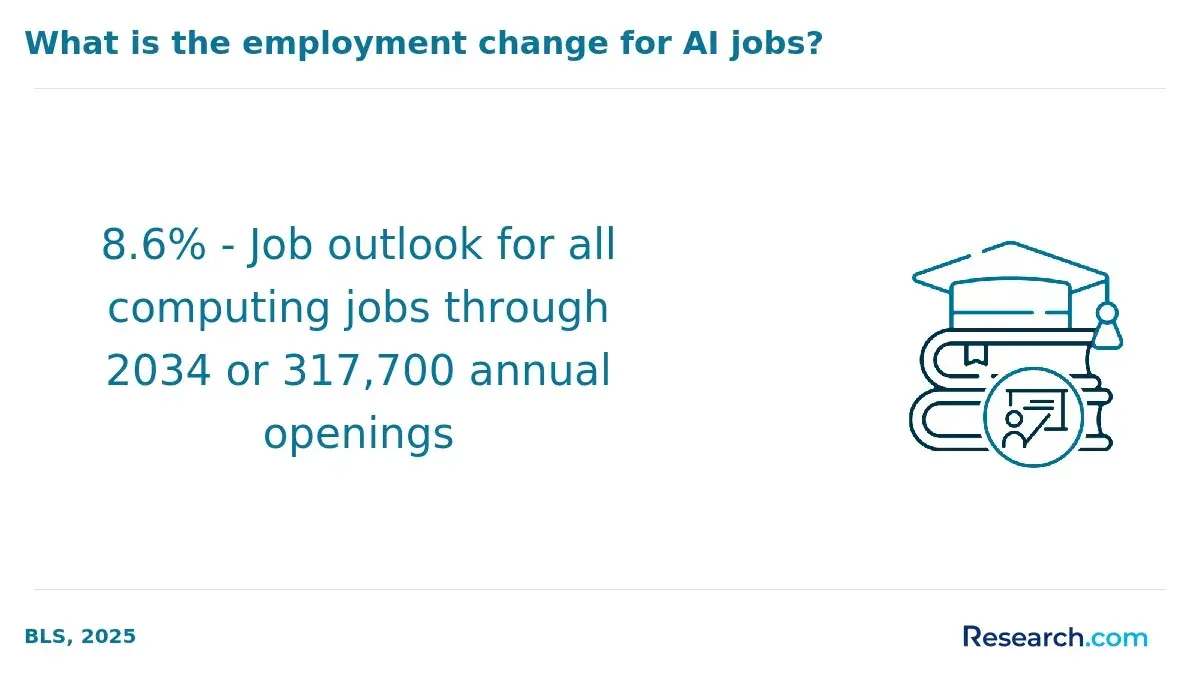
The job outlook and salary for AI bachelor's degree data science graduates remain exceptionally strong due to rapid growth in data science and mathematical science occupations. The U.S. Bureau of Labor Statistics projects a 36% increase in these roles from 2023 to 2033, creating abundant opportunities across healthcare, finance, technology, and retail industries.
Data science career earnings with an AI bachelor's degree vary by experience and role. Entry-level data scientists typically earn between $70,000 and $85,000 annually, while experienced professionals, especially those with AI expertise, often surpass $120,000. Specialized roles such as machine learning engineers can command salaries above $130,000, particularly in tech hubs like San Francisco and Seattle.
Practical experience enhances employment prospects significantly. Internships, coding proficiency in Python or R, and knowledge of AI frameworks like TensorFlow strengthen a candidate's profile. Certifications in cloud platforms or data visualization tools are also highly valued in the job market.
Students interested in affordable education options can consult the data science ranking for guidance. Combining strong foundational AI knowledge with practical skills offers a strategic advantage, ensuring long-term career stability and growth in the evolving data science field.
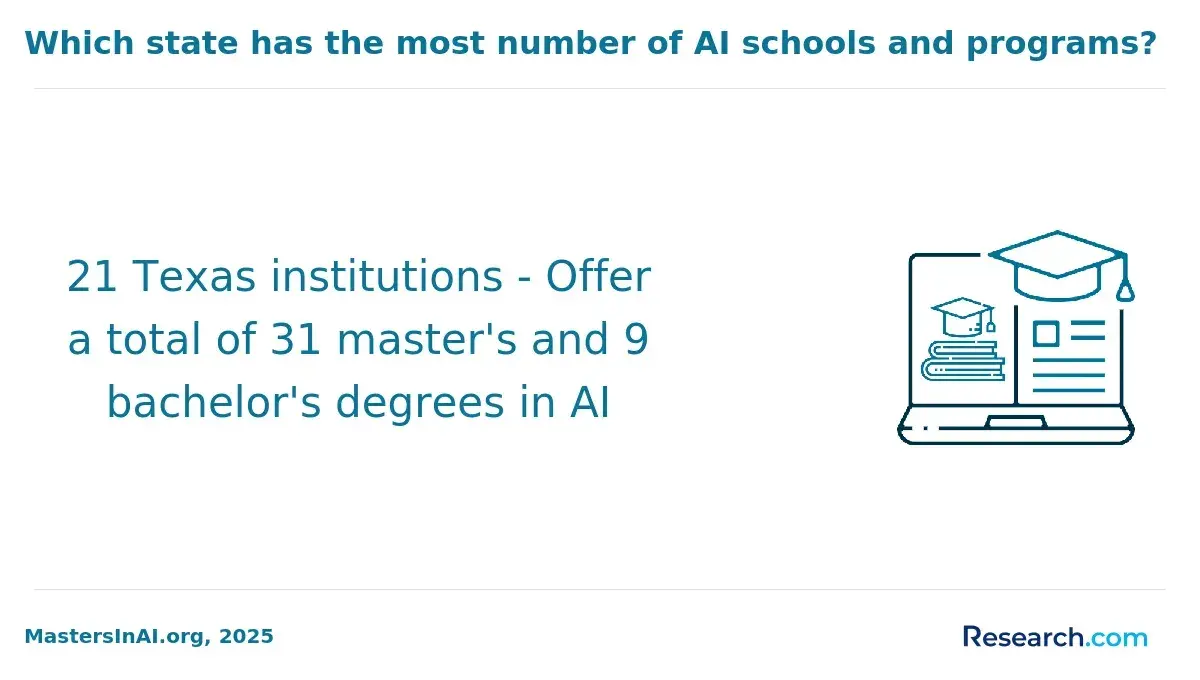
Which accredited universities offer AI bachelor's degrees with a data science focus in the United States?
Over 250 U.S. universities now offer accredited AI bachelor's degree programs in the US, many of which emphasize data science, reflecting the growing demand for expertise in both fields. Carnegie Mellon University offers a Bachelor of Science in Artificial Intelligence that includes electives focused on data analytics and machine learning, making it ideal for students pursuing careers in data science. Stanford University's Bachelor of Science in Computer Science with an AI specialization similarly integrates data science courses designed for real-world applications.
Public institutions such as the University of California, Berkeley provide a Bachelor of Arts in Data Science, merging AI methods with statistical modeling for students seeking interdisciplinary training. Georgia Institute of Technology features a Bachelor of Science in Computational Science and Engineering with AI and data science tracks, tailored to those aiming to apply AI techniques in engineering and data-driven problem solving.
Many students look for US universities offering AI degrees with data science specialization that also hold regional accreditation, like ABET, to ensure quality and industry recognition. Programs often include hands-on projects with big data, neural networks, and predictive analytics. Flexible online or hybrid bachelor's options, available from schools such as Arizona State University and Northeastern University, support working professionals seeking career advancement.
Prospective students should carefully assess curriculum depth in mathematics, programming, machine learning, ethics, and industry partnerships. Exploring research opportunities can also provide a competitive edge in this evolving field. For guidance on affordable options, see AI degree programs.
What are the admission requirements and prerequisites for AI bachelor's degree programs?
Admission requirements for AI bachelor's degree programs in data science often emphasize a strong foundation in mathematics and computing. Most programs require a high school diploma or equivalent with coursework in algebra, geometry, and precalculus. Around 65% of programs mandate proficiency in at least one programming language, such as Python, Java, or C++, highlighting the importance of coding skills in AI curricula. Applicants may also need to submit standardized test scores like the SAT or ACT, although some schools have started to waive these tests.
Prerequisites for pursuing a bachelor's degree in artificial intelligence for data science careers typically include a solid science background, often recommending physics or chemistry to support understanding of algorithms and hardware. Many programs ask for personal statements outlining the applicant's interest and career goals, along with letters of recommendation from math or computer science teachers to showcase technical aptitude and problem-solving abilities.
Some programs require completion of introductory computer science or calculus courses before enrollment. Transfer students must provide official transcripts and evidence of relevant coursework. International applicants should demonstrate English proficiency through exams like TOEFL or IELTS. Competitive programs may also look for prior experience in AI-related projects or internships.
Prospective students should review each institution's specific requirements since they vary widely. Early preparation in programming and math is crucial to improve admission chances. For those continuing education, considering a data science master online can be a logical next step after obtaining a bachelor's degree.
How do online AI bachelor's degrees compare to campus-based programs for data science careers?
Online AI bachelor's degrees offer flexibility ideal for students balancing work or personal commitments. However, PayScale's 2024 salary data indicates graduates from online data science programs earn 12-18% less in their first year compared to those from campus-based programs. This difference partly reflects employer preferences, valuing campus experiences for their networking opportunities, hands-on projects, and access to faculty mentorship. Campus programs often include internships, research collaborations, and peer learning, which build practical skills and readiness for careers in AI.
Some online programs now feature live sessions, virtual labs, and capstone projects aligned with industry requirements, helping to close the experience gap. Students enrolled in accredited online AI programs with strong industry connections can develop comparable skills, though they may need to seek internships and mentorships proactively. Building a professional network through internships, conferences, or local AI meetups is essential for online students to gain similar advantages to campus peers.
Financially, the initial earnings gap can influence long-term career growth and loan repayment, especially if the online program lacks strong brand recognition. Evaluating program accreditation, curriculum quality, and reputation is critical before enrollment. For working professionals pursuing career changes or additional credentials, online AI degrees offer an efficient path, while recent high school graduates aiming for high-earning data science roles might benefit more from on-campus programs according to labor market data.
What is the typical curriculum and coursework structure in an AI bachelor's degree program?
AI bachelor's degree programs focus on building strong foundations in mathematics, computer science, and domain-specific AI skills. Students typically begin with courses in calculus, linear algebra, probability, and statistics to develop essential quantitative abilities. Programming education often emphasizes Python, used in 94% of AI and data science programs according to the AI Index Report 2024, underscoring its key role in development and data analysis.
Core computer science courses include data structures, algorithms, and software engineering principles, equipping students with problem-solving strategies and coding proficiency. Advanced AI subjects cover machine learning, natural language processing, computer vision, and robotics. These classes blend theory with practical assignments that involve implementing algorithms and building models from real datasets.
Practical experience is often gained through labs, internships, and capstone projects such as trend prediction from large datasets or chatbot creation, reinforcing academic concepts with real-world applications. Electives may explore ethical AI, reinforcement learning, or cloud computing, enabling students to tailor their studies toward specific careers.
The curriculum balances theoretical foundations and applied programming skills to prepare graduates for roles in data science and AI engineering within the U.S. workforce. This approach addresses common concerns about mastering complex math while gaining industry-relevant experience.
How long does it take to complete an AI bachelor's degree, and what are the typical costs?
A bachelor's degree in artificial intelligence typically requires four years of full-time study, with programs needing around 120 to 130 credit hours. These credits cover foundational topics in computer science, mathematics, and data science, alongside specialized artificial intelligence coursework. Part-time and online options exist, often extending completion to five or six years to accommodate working professionals or those with other commitments.
Tuition costs vary greatly by institution type. Public universities usually charge between $28,000 and $35,000 total for a four-year degree, excluding fees, housing, and books. Private universities are substantially more expensive, with tuition ranging from $120,000 to $160,000. These differences impact financial planning and potential loan burdens for students.
Cost-conscious students should explore public or regional state schools offering in-state tuition discounts and scholarships. Some programs provide accelerated tracks, allowing completion in three years, lowering overall costs. On the other hand, private universities often offer enhanced research opportunities and networking benefits that may justify their higher prices.
Part-time learners and professionals should expect longer durations and prorated tuition. Online programs offer flexibility but verifying accreditation and tuition parity with on-campus courses is essential. Careful evaluation of these factors helps align program length and costs with career goals and finances.
What professional certifications and credentials complement an AI bachelor's degree in data science?
Professional certifications are key to advancing careers for those with a bachelor's degree in data science, especially when combined with AI expertise. Cloud computing certifications like AWS Certified Data Analytics, Google Cloud Professional Data Engineer, and Microsoft Certified: Azure Data Scientist Associate are among the most valued, often leading to 25-35% higher salaries. These certifications validate hands-on skills in managing, securing, and deploying AI-driven data projects on cloud platforms.
Additional credentials such as the Certified Analytics Professional (CAP), IBM Data Science Professional Certificate, and TensorFlow Developer Certificate enhance credibility by confirming advanced knowledge in machine learning and AI frameworks. They complement the theoretical foundation learned during degree programs.
Industry-recognized certifications from organizations like the Data Science Council of America (DASCA) further distinguish candidates. Credentials including Associate Big Data Analyst or Senior Data Scientist demonstrate mastery of big data and AI integration. Project management certifications like PMP or Agile Certified Practitioner also support leadership roles in AI-focused teams.
Holding multiple certifications shows adaptability and breadth of skills important for deploying AI solutions end-to-end, from data engineering to cloud model operationalization. Strategic prioritization of certifications aligned with career goals maximizes return on investment and meets employer demands for versatile AI and data science professionals.
What specific career roles and job titles are available to AI bachelor's degree graduates in data science?
Graduates with a bachelor's degree in Artificial Intelligence focused on data science can pursue various specialized career paths. Data scientist roles make up 35% of AI-related job openings, according to Indeed Hiring Trends 2024, highlighting their prominence. These professionals analyze complex datasets to generate insights, develop predictive models, and assist in data-driven decision-making. Common job titles include Data Scientist, Business Intelligence Analyst, and Quantitative Analyst.
Machine learning engineers account for 28% of AI-related positions. They create, implement, and refine algorithms that enable systems to learn from data. Job titles in this category include Machine Learning Engineer, AI Engineer, and Deep Learning Specialist. Collaboration with data scientists is typical to deploy models effectively into production.
Additional roles for AI graduates in data science include Data Engineer, who manages data infrastructure, and AI Research Assistant, supporting applied research. Positions such as Statistical Analyst and Data Architect require programming expertise, proficiency in Python and SQL, and strong statistical knowledge.
Industries like finance, healthcare, technology, and consulting value professionals experienced in AI frameworks like TensorFlow. Employers look for candidates who can translate sophisticated analyses into actionable business strategies, often emphasizing real-world projects and practical experience in AI environments.
How should prospective students evaluate and choose between different AI bachelor's degree programs?
Prospective students should prioritize curriculum depth, faculty expertise, and post-graduation employment outcomes when evaluating AI bachelor's degree programs. Look for a balanced mix of theory and practical skills, including courses in machine learning, data analytics, and programming languages like Python and R. Hands-on projects, internships, or cooperative education further enhance job readiness and real-world experience.
Graduates from highly ranked AI programs find employment faster-on average 2.3 weeks sooner-and achieve an 89% employment rate within three months, according to the QS Graduate Employability Index. This highlights the value of reputable institutions and their professional networks in early career development.
Faculty credentials and research activity also matter. Programs led by professors with published work or industry ties often provide better mentorship and access to innovative AI research labs. These opportunities allow students to build strong resumes through participation in cutting-edge projects.
Consider specialization tracks such as natural language processing, computer vision, or ethical AI to align your education with career goals in academia, industry, or government. Support services like career counseling and alumni networks are important resources for securing internships and jobs.
Ensure programs are accredited by recognized engineering or computing bodies to meet industry standards. Financial factors, scholarship availability, and proximity to technology hubs are practical considerations that can impact your education and career trajectory.
Other Things You Should Know About Artificial Intelligence
In 2027, AI bachelor's programs are increasingly focusing on ethics in AI, integration of AI with other disciplines, and incorporating advanced machine learning techniques. Virtual reality and augmented reality tools are becoming pivotal in offering experiential learning, and there is an emphasis on developing skills for handling large data sets securely and efficiently.
Yes, AI bachelor's degree programs often emphasize interdisciplinary learning, combining computer science, statistics, and domain-specific knowledge. Students are trained to collaborate across fields such as healthcare, finance, and engineering where AI applications are expanding. This prepares graduates to work effectively in diverse professional environments that require cross-functional expertise.
Research is a vital component of many AI bachelor's degree programs, enabling students to engage with emerging technologies and theories. Programs may require participation in projects or thesis work that develops problem-solving and innovation skills. This hands-on experience supports deeper understanding and can enhance career prospects in both industry and academia.
Internships and practical experience are highly important in AI education as they provide real-world exposure to data science challenges and AI system deployment. Many programs encourage or require internships to help students apply theoretical knowledge to industry settings. This practical experience often improves employability and professional readiness upon graduation.
References
- Bachelor in Management and Artificial Intelligence https://www.kozminski.edu.pl/en/programs/undergraduate-programs-bachelor/bachelor-management-and-artificial-intelligence
- What do you learn in a bachelor's in artificial intelligence? | edX https://www.edx.org/resources/what-do-you-learn-in-a-bachelors-in-artificial-intelligence
- How Long is an Average AI Course? A Complete Guide for Learners https://emeritus.org/in/learn/how-long-is-an-average-ai-course/
- 12 Data Science Job Titles: Types of Data Science Jobs | Built In https://builtin.com/data-science/data-science-jobs
- Artificial Intelligence (procedure for non-EU students) https://apply.unipv.eu/enter/295
- Top College Degrees That Will Land You the Highest-Paying AI Jobs in 2026 https://www.investopedia.com/top-college-degrees-that-will-land-you-the-highest-paying-ai-careers-in-2026-11923863
- Colleges are touting AI degree programs. Here's how to decide if it's worth the cost https://www.cnbc.com/2024/03/02/college-ai-degree-programs-are-booming-will-jobs-exist-for-graduates.html
- 40 Best Colleges in the U.S. for Artificial Intelligence (Undergraduate) https://www.greatvaluecolleges.net/artificial-intelligence-colleges/
- What Are the Career Paths After a Bachelor of Science in AI https://tetr.com/blog/what-are-the-career-paths-after-a-bachelor-of-science-in-ai
- Choosing An AI Degree Program: What To Know https://www.techlearning.com/technology/ai/choosing-an-ai-degree-program