2027 Mobile App Development Degree Programs You Can Start Without Meeting All Requirements
Audited and Verified:
Our Editorial and Data Verification Process
Research.com uses government datasets, official education statistics and primary institutional information to support its career and degree guides. Our review process checks factual accuracy, occupational definitions, source dates and the requirements associated with the credentials discussed.
How This Article Was Fact-Checked
Our editorial team verifies salary estimates, employment projections, education requirements and program information against original data providers and official organizations. Salary figures are checked against the relevant occupational definitions and reporting periods. Information about licensure, accreditation and required in-person training is reviewed separately.
Fact-checked and verified on:

Co-Founder and Chief Data Scientist
Many prospective students who aim for mobile app development degree programs encounter obstacles, such as not meeting GPA requirements or having incomplete prerequisite coursework, that postpone their entry into the field. About 85% of mobile app developers report greater income growth within five years after earning their degree, underscoring the value of early educational access. Colleges and universities have responded with conditional admission policies, bridge courses, and alternative credential assessments. Such pathways let candidates start their studies while resolving academic gaps.
This article reviews these flexible admission options, covering requirements, expected timelines, and support systems, to help students begin their degrees before they meet every standard criterion.
Key Things to Know About Mobile App Development Degree Programs You Can Start Without Meeting All Requirements
- Conditional admission policies often allow students to enroll in mobile app development programs with lower GPAs, requiring them to meet specific academic benchmarks within their first semesters.
- Bridge and foundational courses provide crucial prep-covering programming basics and software concepts-to help transfer and adult learners catch up before tackling core mobile app development curricula.
- Institutions increasingly review alternative credentials, such as professional experience or certification, enabling career changers to start mobile app development degrees without complete traditional transcripts.
What Is the Minimum GPA Requirement for a Mobile App Development Degree Program?
GPA requirements for mobile app development degree programs differ widely, largely reflecting an institution's selectivity and admissions priorities. Selective programs often set minimum GPAs between 3.0 and 3.5 to ensure academic readiness, whereas moderately competitive schools accept students with GPAs from 2.5 to 3.0. Open-admission institutions generally admit candidates with GPAs as low as 2.0, emphasizing potential as well as academics. These typical GPA ranges match publicly posted standards at regionally accredited schools that offer mobile app development degrees, demonstrating how flexible entry points can be.
Admissions committees also consider more than the raw GPA, taking into account grade trends that show improvement over time and the rigor of completed coursework. For instance, a lower GPA earned in demanding STEM classes might offset higher grades in less relevant subjects. Some schools use grade replacement policies, allowing improved grades from repeated courses to raise eligibility. These nuances matter considerably for applicants navigating minimum GPA requirements for mobile app development degree programs.
Students whose GPA is below a stated threshold should begin by:
- Consultation: Speak with an admissions counselor to discuss your individual circumstances and assess flexibility in GPA evaluation.
- Holistic Review: Ask for consideration of the complete application, including personal statements, professional experience, and recommendations, rather than GPA numbers alone.
- Conditional Admission: Ask about provisional acceptance routes, which often require completing foundational or bridge courses with established grade benchmarks to continue.
This preparation leads into how some schools explicitly accommodate students with academic deficiencies, offering structured supports and pathways that enable success despite initial challenges. For those interested in extended education options, exploring PhD online programs can uncover additional flexible academic routes.
Which Mobile App Development Programs Accept Applicants on Academic Probation or With Academic Deficiencies?
Applicants with academic probation records or transcript deficiencies can still reach mobile app development degree programs through conditional or provisional admission pathways. Institutions that offer such options provide flexibility allowing students to show potential despite earlier academic challenges. This approach is particularly relevant for those exploring mobile app development programs that admit applicants with academic deficiencies.
- State University of Midwestern Region: This regionally accredited public university provides a conditional admission track for students whose GPAs fall below the standard 2.5 threshold. Probationary students must achieve at least a 2.0 GPA in their first term while taking no more than 12 credit hours to stay enrolled.
- Advisor oversight covers biweekly progress meetings and individualized academic support planning.
- Eastern Technical College: A regionally accredited technical school, it offers a bridge program that includes foundational courses before full enrollment in its mobile app development associate degree. Conditional admits must keep a minimum 2.3 GPA each term and limit credit hours to 9 to 12 during probation.
- Advisors hold monthly performance reviews and arrange referrals for tutoring.
- Urban Community College: This college accepts students provisionally into its certificate track, often designed for adult learners returning to academia. Probationary students must complete prerequisite coursework with at least a 2.5 term GPA, and part-time enrollment is encouraged to balance academic demands.
- Advisor involvement is flexible but includes mandatory orientation sessions and periodic academic check-ins.
- Southern Regional University: A regionally accredited institution, it admits students with academic challenges into its bachelor's program under a limited credit hour policy, typically capped at 13 credits during probation. Students must reach a 2.7 GPA within this period to attain regular standing.
- Academic advisors design tailored success plans and require progress reports before registration.
- Western Online Institute: This accredited online institution uses conditional enrollment for graduate mobile app development candidates who have incomplete prerequisites. Students must show competence in foundational courses and maintain a B average while taking up to 6 credit hours in their first term.
- Advisors provide continuous mentoring, and academic workshops are available.
Policies concerning academic probation and conditional admission vary widely and are often updated, especially between undergraduate and graduate mobile app development tracks. It is important to verify current terms directly with admissions offices. Applying with a checkered academic history does not automatically disqualify candidates. Writing a strong personal statement that explains one's context and securing supportive references remain key strategies to strengthen applications.
Many students seeking conditionally admitted pathways come from diverse backgrounds, such as high school graduates below GPA thresholds, community college transfer students still completing prerequisite coursework, adult learners re-entering education after a gap, and career changers with strong work histories but incomplete transcripts. These flexible options ensure that many types of learners can pursue their mobile app development goals.
Those interested in the broader landscape might examine data on top paying degrees to understand possible career outcomes after completing mobile app development programs.
How Do Conditional Admission and Provisional Enrollment Work for Mobile App Development Degree Seekers?
Conditional Admission: This status is offered when students must meet specific academic or prerequisite requirements, such as maintaining a minimum GPA (commonly between 2.5 and 3.0) during initial semesters or successfully completing foundational courses in programming or math within one to two terms. These conditions aim to give students the essential skills needed for mobile app development.
Provisional Enrollment: Usually a temporary, unclassified standing, provisional enrollment allows students to begin coursework while awaiting submission of official materials such as transcripts or test scores. Unlike conditional admission, it generally restricts full program benefits until all documentation is provided and verified.
Performance Benchmarks: Both paths require students to meet clear standards. Failure to earn required grades or complete coursework on time in conditional admission often results in probation or dismissal. Provisional students must meet deadlines for submitting outstanding documents to keep their status.
Progression Examples: Many conditionally admitted students advance by passing required courses with the necessary GPA and earning full admission. These pathways are designed to support steady academic progress rather than act as obstacles.
Key Questions: Prospective students should ask which specific conditions apply, what the review schedule is, and who decides on granting full admission, so they can prepare effectively for responsibilities ahead.
Looking back on his experience, a professional who graduated from a mobile app development program remembered feeling anxious when first admitted conditionally because he lacked some prerequisite coursework. "The foundation classes felt challenging, but the clear expectations helped me focus. Meeting the GPA threshold was stressful at times, yet it motivated me to prioritize my studies," he shared. He also stressed the value of regular communication with advisors, noting, "Knowing who to ask and when made the process less overwhelming and ultimately set me up for success in my career."
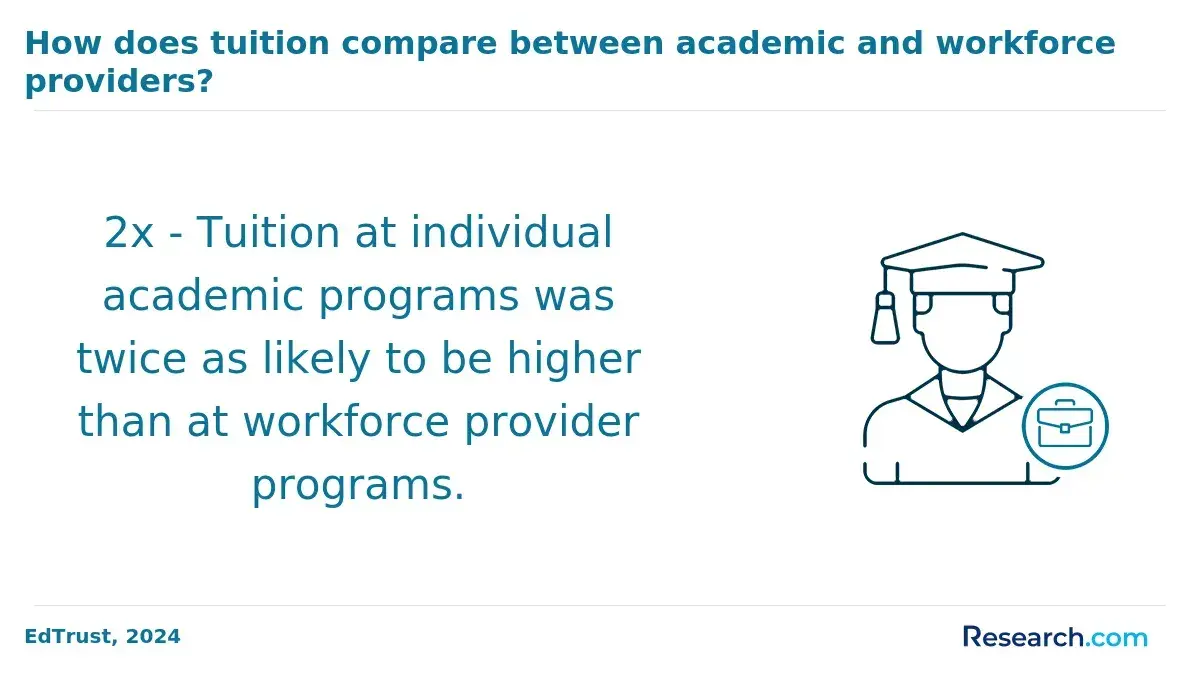
For students who don't meet prerequisite or GPA standards in mobile app development degrees, alternative admission routes offer flexibility, especially for high school graduates, community college transfers, adult learners, and career changers. Such options permit enrollment before all standard coursework is finished and appear frequently in programs centered on hands-on skills or non-traditional teaching models.
- Portfolio Evaluation: Certain programs, particularly associate degrees and applied bachelor's degrees built around hands-on experience, admit students based on portfolios displaying completed apps, code samples, or design work.
- The paperwork usually required consists of a thorough set of projects accompanied by in-depth descriptions and context.
- Assessment rests with faculty committees or admissions panels possessing technical expertise.
- Proven Professional Experience: Applicants whose work history is relevant can earn admission or credit through their career achievements.
- This practice is widespread in bachelor's programs aimed at adults as well as continuing education tracks.
- Documentation includes in-depth resumes, recommendation letters from employers, and proof of finished work.
- The review against academic standards is generally handled by dedicated advisors or experiential learning offices.
- Prior Learning Assessment (PLA) Credit: Credit may be awarded for learning gained outside the classroom, including certifications and training programs.
- This is frequently available at community colleges and competency-based universities for mobile app development prerequisites.
- Learners need to submit certifications and pertinent transcripts, and they must pass assessments that confirm their abilities.
- The verification and credit process is supervised by specialized PLA offices.
- Placement Testing in Place of Prerequisite Coursework: Certain institutions permit students to show mastery of foundational subjects such as programming basics or math by passing placement exams.
- This route is common at community and technical colleges, plus a number of universities.
- Candidates must supply passing test scores or proof of proficiency.
- Testing centers along with academic advisors assist in interpreting scores and directing students to the right courses.
Students considering these conditional admission options for mobile app development degrees ought to take the initiative and get in touch, ideally with department chairs or program directors directly. At many institutions, informal or unpublicized policies govern such pathways and are rarely featured on websites. Reaching out early and directly frequently reveals bridge programs for mobile app development prerequisites along with other flexible admission possibilities.
Those who enter through these alternative routes should expect certain academic conditions, including mandatory bridge courses or minimum grade thresholds, in order to remain in good standing as they progress. For people juggling a return to school or a career change, investigating such pathways can prove essential, and looking into options alongside programs like the cheapest online EdD may shed light on attainable educational routes.
Some mobile app development degree programs offer concurrent, or co-requisite, enrollment, allowing students to start core coursework while finishing prerequisite classes. This differs from conditional admission, which grants entry on the condition that students meet specific academic milestones within a certain period. While concurrent enrollment enables simultaneous progress in foundational and major courses, conditional admission focuses on demonstrating readiness through benchmarks. Both systems aim to provide earlier access to degree pathways for those who may not have completed all requirements.
Typical course pairings under concurrent enrollment include introductory statistics or research methods alongside a first-semester mobile app development core class. This combination permits immediate application of foundational concepts but also requires managing a heavier, simultaneous academic load. Students should carefully consider their capacity to balance these responsibilities before choosing this approach.
To determine whether a mobile app development program allows concurrent prerequisite enrollment, students should:
- Catalog Review: Check official course catalogs and institution websites for policies on prerequisites and co-requisites.
- Advising Consultation: Speak with academic advisors or program coordinators to clarify eligibility and enrollment routes.
- Degree Audit Request: Obtain an academic evaluation to gauge credit applicability and understand program progress requirements.
Managing dual-track coursework effectively involves several key strategies:
- Planning: Use calendars and semester planners to track deadlines, exams, and study periods so you can minimize last-minute pressure.
- Prioritization: Identify critical tasks each week and focus your efforts on them, limiting distractions during study time.
- Support: Use tutoring services, study groups, and online learning tools for reinforcement.
- Self-Care: Maintain healthy routines that include regular sleep, nutrition, and breaks to sustain concentration and energy.
A professional who built her career after graduating from a mobile app development program said that starting core courses while completing prerequisites was both challenging and rewarding. "Balancing two demanding courses required me to refine my time management quickly," she recalled, "and seeking help from tutors made a difference when concepts overlapped between classes." She stressed the value of early advisor meetings for understanding program expectations and felt that this approach sped up her entry into the workforce despite initial academic pressures.
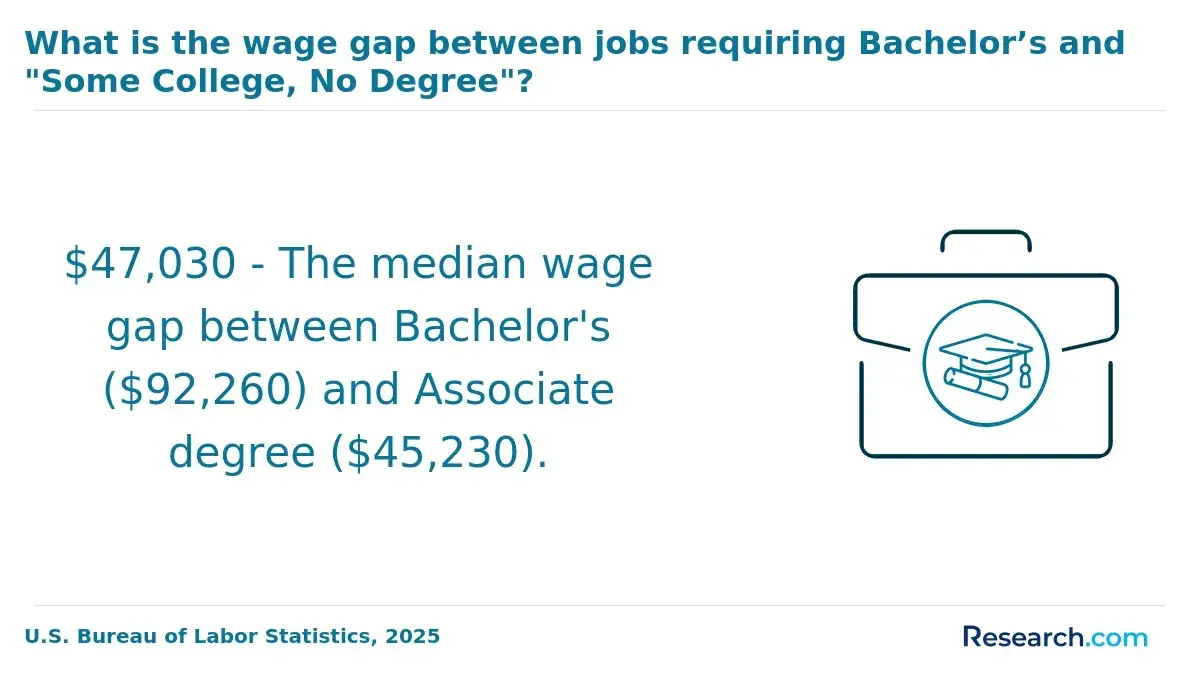
For students who haven't yet satisfied full admission standards for mobile app development programs, community colleges act as essential entry points. Thanks to 2+2 articulation agreements and dual-enrollment choices, learners can start their coursework at the two-year level and afterward move smoothly into bachelor's or graduate programs centered on mobile app development.
When reviewing transfer applications from students who were admitted conditionally or via non-traditional routes, admissions committees assign considerable weight to particular community college coursework. This covers finishing prerequisite classes in programming basics, mathematics, and technical writing, all of which lay the groundwork for success in advanced mobile app development studies. Coursework intended to raise GPA and restore academic standing also bolsters an applicant's profile.
Applicants should consult the admissions office or website of the mobile app development program they hope to enter in order to find out whether formal articulation agreements exist with particular community colleges. Where no such agreement exists, working with academic advisors becomes essential for pinpointing transferable courses, building a coherent transfer plan, and satisfying any minimum performance targets.
Credits earned at community colleges are frequently assessed more leniently than freshman admissions, which gives conditional admits added flexibility. As a rule, students have to maintain specific GPA thresholds within a defined timeframe to keep moving toward their degree.
- Articulation Agreements: Make credit transfer easier and smooth the move from two-year to four-year mobile app development programs.
- Prerequisite Mastery: Centers on the core foundational courses that admissions teams prioritize.
- Transfer Planning: Entails confirming formal agreements or working alongside advisors to map out transfer routes.
- Flexible Evaluation: Coursework from community colleges typically gets more flexible admission consideration than applying directly as a freshman.
- Recent Trend: By 2023, more than 40% of U.S. students who earned bachelor's degrees in mobile app development had begun at a community college, highlighting how important these pathways are.
If quantitative measures such as GPA, test scores, or prerequisite coursework come up short, personal statements and letters of recommendation grow essential for admission to Mobile App Development programs. Such materials let applicants show a more complete picture, influencing how admissions committees judge potential beyond the numbers.
For a conditionally admitted Mobile App Development candidate, a strong personal statement ought to cover:
- Candidness: Discuss academic weaknesses frankly, emphasizing lessons gained and goals ahead.
- Preparation: Call attention to pertinent experience, for instance coding projects, internships, or professional work, that demonstrates readiness for demanding study.
- Program Fit: Make clear why that particular Mobile App Development program matches career ambitions and learning style.
Recommendation letters carry the greatest weight when they come from supervisors, mentors, or instructors familiar with the applicant's intellectual strengths and professional accomplishments. Such recommenders are able to describe skills in programming, problem-solving, or project management, all areas crucial to success in Mobile App Development. Generic character references, despite good intentions, count for less when academic credentials are in need of reinforcement.
In the end, the personal statement is the applicant's main tool for steering their admission narrative, framing distinctive circumstances and ambitions in a manner that humanizes their path and shows promise notwithstanding incomplete formal qualifications.
A number of bridge and foundational course formats let students start mobile app development degree pathways before they satisfy every admission prerequisite. These adaptable options give a wide range of learners early access to degree programs, from high school graduates who miss GPA requirements to community college transfer students still finishing prerequisite classes, adult learners coming back after time in the workforce, and career changers whose transcripts are incomplete.
- Non-Credit Boot Camps: Delivered mostly by coding academies and a few universities, boot camps deliver concentrated, short-term training in core programming and app design. Usually these programs grant no academic credit, yet they work as evidence of readiness. They run anywhere from a few weeks to several months and are often cheaper than traditional courses, although students generally need to finish formal prerequisites afterward.
- Post-Baccalaureate Preparatory Sequences: Intended for people who hold a bachelor's degree in an unrelated field, these sequences close foundational gaps in computing and math. Universities offer them, and they award credit that appears on official transcripts, counting directly toward degree requirements. Finishing them extends the timeline by semesters, yet it bridges students into advanced mobile app development coursework.
- Certificate-Level Prerequisite Bundles: Prerequisite courses are frequently packaged by community colleges and technical schools into certificates that cover programming logic and software fundamentals. Such certificates award academic credit, and articulation agreements make transfer to four-year programs easier. Costs differ, but this route may cut overall time by folding prerequisites into one credential.
- Self-Paced Online Remediation Modules: Widely available at universities and from third-party providers, these online modules let students build skills according to their own schedule. Depending on policy, finishing them successfully can earn digital badges or credit equivalents. Many are drawn to the flexibility and reduced cost, though a high degree of motivation is necessary. Often these modules permit conditional admission, but they do not entirely substitute for formal coursework within the degree.
Standard program materials frequently give bridge courses for mobile app development degrees too little attention. When talking with admissions offices, prospective students should ask directly for details about foundational programs that stand in for entry requirements in mobile app development. Before fully committing to a degree path, it is essential to grasp conditional admission policies, academic obligations, timelines, and performance expectations. Adult learners and career changers especially gain from investigating these options so they can handle gaps in transcripts or prerequisites effectively.
People looking for flexible degree options might also investigate related fields, among them top online MBA programs, which can provide alternative routes for career advancement. Further details are available at top online MBA programs.
For applicants to mobile app development degree programs who don't satisfy every academic requirement, pertinent work experience can act as a solid substitute, particularly at schools using holistic admission reviews that weigh the whole of an applicant's background rather than transcripts alone. This method acknowledges professional background credit policies in mobile app development degree admissions as a valid route to admission.
- Industry Certifications: Credentials issued by recognized bodies in software development, programming languages, or agile methodologies show technical competence that matters for mobile app development.
- Field-Specific Employment: Years spent doing hands-on work building mobile apps, helping with tech projects, or working alongside development teams serve as proof of readiness. Familiarity with particular platforms or tools lends further credibility.
- Leadership Roles: Overseeing projects or teams indicates initiative and responsibility, qualities admissions committees regard as signs of academic success.
- Published Work or Presentations: Publicly released apps, white papers, technical blogs, or conference talks convey expertise and involvement in the field.
- Volunteer and Community Service: Taking part in open-source projects, hackathons, or coding workshops centered on mobile applications demonstrates initiative outside of paid positions.
Resumes should be written by applicants to lay out these experiences clearly for an academic audience, spotlighting particular responsibilities and results. Admissions committees might ask for portfolios, recommendation letters that stress professional skills instead of purely academic performance, and documentation of certifications. Obtaining references able to vouch for technical competence and work ethic makes the application stronger.
Caution: Not every program reviews non-academic credentials formally, so prospective students should verify policies before spending time assembling these materials.
Students curious about related career insights can explore the pros of being a forensic psychologist for perspectives on professional pathways that call for alternative admission considerations.
Federal Aid: Students admitted conditionally are frequently able to obtain federal financial aid by filing the FAFSA, as long as they satisfy minimum enrollment requirements, typically at least half-time, and keep up the institution's satisfactory academic progress standards. Missing these benchmarks puts aid at risk of interruption, so consistent performance matters greatly during provisional periods.
Institutional Scholarships: Awards geared toward learners who followed unconventional academic paths, among them those conditionally admitted to Mobile App Development programs, are available at many colleges. Such scholarships usually target applicants who had academic interruptions, withdrawals, or weak grades in the past yet show promise of succeeding once fully engaged. Criteria for eligibility differ from school to school, so direct questions to financial aid offices are needed.
Private Scholarships: Adult learners, career changers, and returning students working toward Mobile App Development degrees receive support from numerous foundations and organizations. These opportunities look beyond grades alone, taking professional experience and personal challenges into account, and they supply vital aid options for conditionally admitted students on nontraditional educational journeys.
Enrollment Status: Keeping half-time enrollment is essential under most aid programs. Those with conditional or provisional status ought to check how their particular enrollment influences eligibility, since certain funding sources require extra documentation or impose limits tied to admission type.
Advising and Planning: Before beginning conditional courses, it is vital to consult both the financial aid office and academic advisors. Thoughtful coordination clarifies how enrollment levels, academic progress policies, and aid packages affect one another, lowering the chance of unforeseen financial burdens and helping the transition to full admission go smoothly.
Programs in mobile app development delivered online, particularly ones run by large public universities or for-profit schools aiming for broad enrollment, tend to offer admission options more flexible than traditional campus-based programs. Such schools may admit students who haven't yet fulfilled every standard requirement, letting them start coursework on a conditional basis.
- Admission Policies: Provisional acceptance is allowed by many online programs, enabling students to begin while they finish missing prerequisites or raise their academic standing.
- Prerequisite Waivers: Relevant work experience or alternative credentials are recognized by some institutions, which lets prospective students skip certain foundational courses.
- Conditional Enrollment: Entry points are often bridge or foundational courses, and clear performance milestones are established to keep students in good standing within the degree track.
- Accreditation and Outcomes: Even with easier entry, reputable online programs maintain regional accreditation standards on par with campus-based equivalents and work to provide comparable career preparation and degree value.
- Support Infrastructure:
- For conditionally admitted students, academic advising is often provided remotely and can be less thorough than guidance offered on campus.
- Tutoring and supplemental instruction differ considerably, and online students depend mostly on digital tools that may not suit every learner's style.
- Disability services required by law and mental health support vary substantially, frequently shaped by an institution's resources and how it delivers services.
- Quality Versus Flexibility: High educational quality is not assured by easier admission paths. To avoid favoring simple entry over meaningful program outcomes, prospective students should examine accreditation credentials and graduation statistics carefully.
What Graduates Say About Mobile App Development Degree Programs You Can Start Without Meeting All Requirements
- Tristan: "Beginning the mobile app development degree program without having met every initial requirement turned out to be surprisingly manageable. The academic obligations were spelled out clearly, which helped me stay on track right from the start. The timeline expectations forced me to balance work and study well, something I genuinely value now."
- Jess: "Looking back on my journey, flexible admission policies allowed me to start my mobile app development degree even before I fully qualified. The program's performance benchmarks pushed me to keep sharpening my skills, which made for a motivating environment. It was demanding yet rewarding, and you truly feel driven to excel while a safety net remains in place."
- Christopher: "From a professional perspective, entering the mobile app development degree conditionally meant I needed to fulfill specific academic obligations in order to continue. The clear timeline expectations kept me disciplined about managing assignments and projects. Meeting performance benchmarks was about more than passing; it built a foundation for long-term success in app development."
Other Things You Should Know About Mobile App Development Degrees
Applicants can bolster their application by showing relevant skills or experience via portfolios, coding boot camps, or industry certifications, even when their GPA falls under the usual cutoff. Turning in recommendation letters that emphasize motivation and learning potential is another plus. Demonstrating commitment by finishing prerequisite courses or foundational programming modules prior to admission offers still more evidence of readiness.
Those admitted conditionally frequently gain access to tutoring, academic advising, and bridge courses meant to build essential knowledge ahead of full program entry. Mentoring systems that match students with faculty or industry professionals for guidance are put in place by many programs. Such support structures are intended to help students reach the performance benchmarks needed to keep studying successfully.
Provisional admission with missing prerequisites is permitted by many 2027 mobile app development programs, yet students have to finish specified courses before moving on to upper-division classes. Typical conditions involve earning a C or better in algebra, programming basics, or a bridge module during the first 1 to 2 semesters.
- A Community College’s Guide to Building Strong Partnerships - Education Design Lab https://eddesignlab.org/resources/a-community-colleges-guide-to-building-strong-partnerships/
- Ready to break into tech in 2025? Langara’s Flexible Design & Development Program lets you learn while you work https://langara.ca/news-events/stories/ready-break-tech-2025-langaras-flexible-design-development-program-lets-you
- IT Scholarships: Your Chance for a Funded Tech Degree https://code.berlin/en/blog/it-stipendien/
- Why Mobile App Development is Relevant for YOUR Classroom - MAD-learn blog http://www.mad-learn.com/blog/in-support-of-infusing-mobile-app-development-into-your-curriculum/
- Teaching Mobile App Coding: A Great Decision All Around https://www.unchartedlearning.org/blog/teaching-mobile-app-coding-a-great-decision-all-around
- Elearning application development: a detailed guide https://softteco.com/blog/elearning-app-development-guide
- How to document your degree if you are conditionally admitted https://education.ki.se/conditionally-admitted
- How Online Degrees Are Reshaping Competition in Higher Education - ProMarket https://www.promarket.org/2026/02/09/how-online-degrees-are-reshaping-competition-in-higher-education/
- App Development Job Training | Year Up United | Year Up United https://www.yearup.org/job-training/application-development
- Do You Have What It Takes for a Career in Mobile App Development? https://sopa.tulane.edu/blog/do-you-have-what-it-takes-career-mobile-app-development