2027 Mobile App Development Internship Requirements: Hours, Placements, and Supervision
Audited and Verified:
Our Editorial and Data Verification Process
Research.com uses government datasets, official education statistics and primary institutional information to support its career and degree guides. Our review process checks factual accuracy, occupational definitions, source dates and the requirements associated with the credentials discussed.
How This Article Was Fact-Checked
Our editorial team verifies salary estimates, employment projections, education requirements and program information against original data providers and official organizations. Salary figures are checked against the relevant occupational definitions and reporting periods. Information about licensure, accreditation and required in-person training is reviewed separately.
Fact-checked and verified on:

Co-Founder and Chief Data Scientist
Numerous students starting mobile app development internships anticipate a flexible timetable centered only on coding. Yet in reality, commitments frequently involve set hourly obligations, structured placement procedures, and tight oversight to support skill development and professional behavior. As reported by the U. S. Bureau of Labor Statistics, employment in software development, which includes mobile app positions, is expected to increase 22% from 2020 to 2030, underscoring the value of hands-on experience.
This piece examines the usual internship hours, the way placements are organized, and the supervision expectations in mobile app development programs to assist students in handling these key requirements successfully.
Key Things to Know About Mobile App Development Internship Requirements
- Internship hours typically range from 200 to 400, requiring careful academic scheduling to balance coursework and work commitments over a semester or summer.
- Placement availability varies widely by region; partnerships with tech firms influence where and how students secure internships, affecting access to hands-on experience.
- Supervision must meet industry standards with regular evaluations; feedback quality significantly impacts skill development and readiness for mobile app development careers.
Do All Mobile App Development Degrees Require an Internship?
Internships act as a vital link between academic study and professional work in mobile app development. Figures from the National Association of Colleges and Employers show that roughly 62% of computer science and related technology programs mandate internships or co-op experiences, emphasizing their role in skill development. A few key factors decide whether an internship is officially required in these degree programs.
- Program Type: Associate degrees or certificate programs in mobile app development frequently provide internships as optional experiences, while bachelor's and master's degrees generally include internships as required components to satisfy graduation requirements.
- Accreditation Standards: Programs accredited by leading bodies such as ABET emphasize experiential learning, often requiring internships or comparable practical training to ensure students gain relevant industry skills.
- Specialization Tracks: Some focus areas, including iOS or Android development, UI/UX design, or cybersecurity, may feature tailored internship guidelines or replace internships with capstone projects or simulated work settings suited to particular skill sets.
- Alternative Experiential Learning: When traditional internships are not possible, curricula might include faculty-led projects, industry partnerships, or intensive practicums that deliver real-world development scenarios without formal internship placements.
Prospective students investigating mobile app development degree internship requirements should closely examine program details, particularly when weighing 12 month master's programs online, since these often have different experiential learning structures compared with longer programs.
What Requirements Must Be Met Before Starting a Mobile App Development Internship?
Internship programs set prerequisites to make sure students are academically ready and have the skills required for professional environments. Research shows that 83% of employers favor interns who have finished relevant coursework or technical training before they begin. Listed below are common eligibility criteria students generally need to satisfy before starting a mobile app development internship.
- Minimum GPA Requirement: Most programs call for a grade point average between 2.5 and 3.0 on a 4.0 scale. This standard reflects sufficient academic performance and dedication needed to manage technical tasks well.
- Completed Coursework: Candidates ought to have completed prerequisite classes tied to programming languages such as Java, Swift, or Kotlin, together with fundamentals of app design and software engineering. These courses create the core technical foundation required for internship projects.
- Application Approval: Internships typically involve a formal application process that includes sending a resume, writing a statement of intent, and securing approval from faculty advisors or internship coordinators. This process lets programs assess motivation and fit for the role.
- Background Checks and Verification: Certain internships may require background screening or proof of current student status in accordance with organizational policies or legal standards, particularly when provided by private companies or government entities.
How Many Internship Hours Are Required for Mobile App Development Degrees?
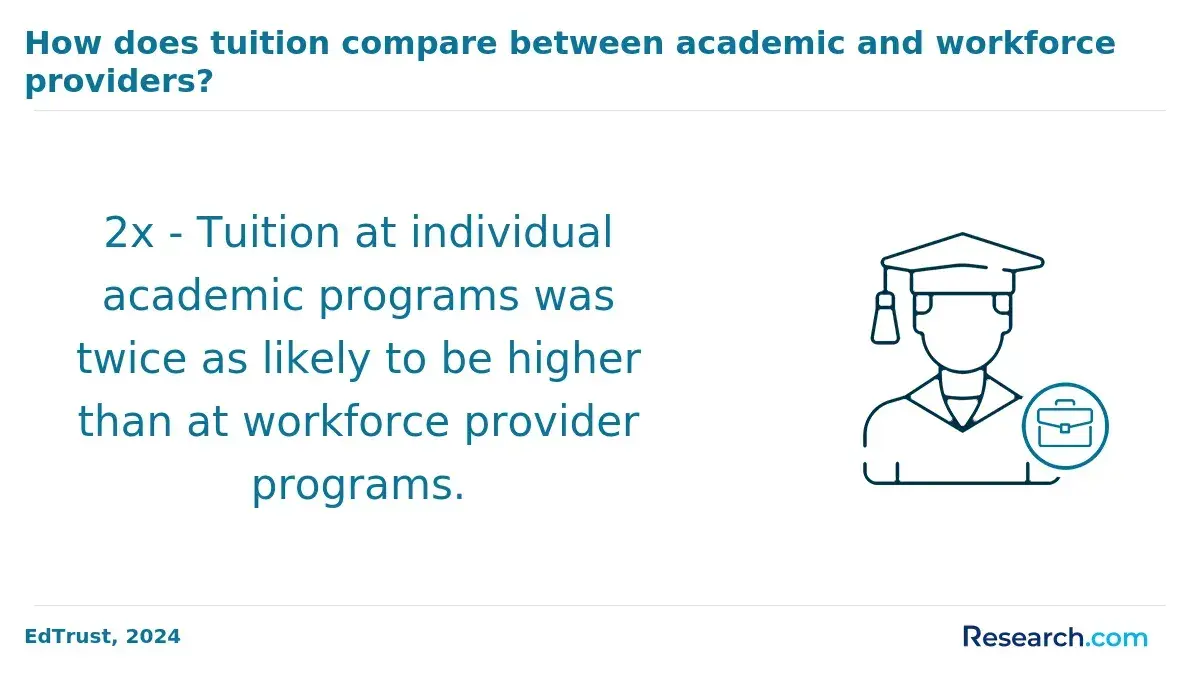
Internship hours form an essential part of mobile app development degree programs, making sure students obtain hands-on experience alongside theoretical study. Usually, these internships call for between 120 and 300 hours, often equating to about 45 to 60 hours per academic credit. The exact hour requirements differ depending on several factors that shape program design and student workload.
- Academic Credit Equivalencies: Internship hours normally match credit values, with programs establishing a required number of hours per credit. For example, a 3-credit internship course might involve around 135 to 180 practical hours, tying hands-on work to academic credit requirements.
- Program Type and Level: Bachelor's degrees frequently require more internship hours than associate or certificate programs because of their larger credit demands and curriculum depth. Diploma and certificate tracks generally have lower hour thresholds yet still provide meaningful industry exposure.
- Accreditation Standards: Accreditation bodies set minimum experiential learning criteria to uphold program quality. These standards help ensure that students gain enough real-world training to be workforce-ready after graduation.
- Enrollment Status: Full-time and part-time students may encounter different hour expectations, with some programs providing flexibility to fit varying schedules without sacrificing overall learning outcomes.
A mobile app development degree graduate said that the internship hour requirements felt demanding but worthwhile. He explained how balancing coursework with a part-time internship required careful time management, particularly when the program demanded close to 180 hours. Though sometimes stressful, finishing those hours helped him build confidence in coding and project collaboration, which he considered invaluable preparation for the start of his career.
Internship placement settings are vital for building practical skills in mobile app development programs, delivering experience across many sectors. Roughly 35% of internships happen in startups, while more than 40% take place inside established corporate companies, showing varied chances for hands-on learning. Here is an overview of common mobile app development internship placements.
- Corporate Organizations: These cover technology firms, software companies, and startups where students take part in real-world product cycles and team collaborations to create commercial applications.
- Government Agencies: Interns frequently contribute to digital service projects within the public sector, concentrating on community-driven technology solutions and public access platforms.
- Nonprofit Organizations: These internships offer chances to develop mission-oriented apps that support social causes, educational programs, and community outreach efforts.
- Research Institutions: Universities and research centers provide internships that focus on experimental app design, prototyping, and integrating emerging technologies.
Investigating a range of mobile app development internship opportunities across these settings helps students adapt to different coding standards, project management methods, and varied user needs. For those drawn to interdisciplinary programs, the fastest psychology degree pathways can enhance tech skills with insights into user behavior and interface design.
Placement procedures in mobile app development programs seek to match internship roles with students' skills and academic goals, guaranteeing relevant industry exposure. About 70% of students say they receive help from their schools' career centers or faculty when obtaining internships, underscoring the collaborative nature of placement efforts. The points below describe common methods institutions use to assign internships.
- Faculty-Guided Matching: Advisors and faculty members suggest opportunities according to students' performance and interests, often using academic relationships to place interns in appropriate projects.
- Student-Driven Applications: Some programs allow students to research and apply on their own, submitting applications with faculty approval to ensure alignment with program objectives.
- Partnership Networks: Established connections between schools and tech companies or startups enable direct placements, with employers offering roles tailored to the curriculum's skills focus.
- Centralized Placement Systems: Certain institutions run an internal platform or office that manages internship listings and coordinates matching through assessments or interviews.
When asked how internship placements were assigned, a mobile app development degree student thought back on her experience balancing excitement and uncertainty. "Initially, it felt overwhelming navigating multiple application processes, especially coordinating with faculty to ensure my choices aligned with degree requirements," she shared.
She valued the personalized feedback from advisors, which helped sharpen her focus toward internships that matched her technical strengths. Although the administrative side required patience, she discovered that the structured support ultimately made the transition into the professional environment smoother and more purposeful.
Remote and hybrid internships have turned into a major part of mobile app development programs, reflecting the growing adoption of flexible work models in the tech sector. A 2023 study from the National Association of Colleges and Employers discovered that almost 60% of internships now involve some level of virtual participation, indicating a shift in traditional internship formats.
This shift lets students complete their required hours outside a standard office while fitting personal and academic commitments. Such flexibility creates opportunities for a wide range of learners to gain industry experience.
In practical terms, remote internships in mobile app development rely on digital tools such as Slack, Zoom, and GitHub to sustain continuous collaboration and project supervision. These platforms support real-time communication, code reviews, and teamwork across different locations, improving students' ability to work in distributed environments.
Yet the availability of virtual placements largely hinges on the specific program's emphasis on in-person mentorship or remote adaptability. As a result, some programs restrict remote options while others incorporate them extensively to match evolving work practices and widen access for students beyond their local areas.
Almost 70% of college students keep part-time jobs, making full-time internships hard to handle alongside work and academics. Acknowledging this, mobile app development programs increasingly offer part-time internship options that suit students' varied schedules. These flexible arrangements help students obtain practical experience without giving up employment or coursework.
Important aspects of part-time internships include:
- Scheduling Flexibility: Students can frequently finish internship hours during evenings, weekends, or on fewer days each week to match their personal and work commitments.
- Employer Accommodations: Employers might modify task assignments and deadlines to fit shorter or irregular internship hours, supporting student availability.
- Academic Balance: Programs are built to help students keep a manageable internship workload alongside academic responsibilities to prevent burnout.
- Program Restrictions: Although part-time participation is allowed, some programs set minimum weekly hour requirements to ensure meaningful learning experiences.
These features encourage an inclusive learning environment, reflecting a wider shift toward adaptable experiential opportunities within mobile app development education. For students balancing academic and personal responsibilities, an SLP online masters program can likewise offer the flexibility needed to pursue advanced training while managing real-world commitments. Such options recognize and support the real-world circumstances many students face.
Supervision during mobile app development internships is essential for ensuring interns get meaningful learning experiences and attain professional growth. Studies indicate that internships with structured mentoring can raise student job placement success rates by up to 70%. This highlights the value of a well-organized supervision system that supports interns effectively. The following are key components commonly found in internship supervision.
- Faculty Oversight: Academic advisors keep consistent communication with interns to align the internship experience with educational goals. They track progress and ensure the work satisfies curriculum standards, steering interns toward the intended learning outcomes.
- Workplace Mentors: Experienced developers supply day-to-day mentorship, offering practical insights on coding, project management, and collaborative skills. This hands-on guidance helps interns apply theoretical knowledge in a real-world setting.
- Performance Feedback: Regular meetings between supervisors and interns enable open discussions about challenges and achievements. Constructive feedback ensures continuous improvement and accountability while helping interns sharpen both technical and soft skills.
- Progress Monitoring: Clear communication channels between the intern, academic supervisors, and workplace mentors help record progress through reports and evaluations. This multi-level oversight emphasizes skill development over simple task completion.
Students investigating internship requirements in mobile app development programs can locate additional resources on related educational pathways, such as an online MS data science degree, which often includes similar supervisory standards.
Assessing mobile app development internships is vital for ensuring students meet essential learning outcomes and gain practical skills. Almost 80% of employers stress the importance of performance assessments in internship success, which underscores the need for strong evaluation methods. Listed below are common techniques used to evaluate intern progress and competence effectively.
- Supervisor Reviews: Workplace mentors give structured feedback on an intern's coding skills, teamwork, problem-solving, and communication. These evaluations generally use standardized rubrics aligned with the program's goals to ensure objective measurement of key competencies.
- Reflective Assignments: Interns record their experiences, challenges, and lessons learned through reports or journals. This promotes self-assessment and critical thinking, giving educators deeper insight into the intern's personal growth beyond technical tasks.
- Performance Benchmarks: Interns are evaluated based on specific goals such as completing feature development, fixing bugs, or meeting deadlines. These benchmarks provide measurable evidence of an intern's ability to apply development frameworks and tools successfully.
- Faculty Assessments: In academic internship programs, faculty advisors assess presentations or project deliverables, linking workplace experience with academic standards. This ensures alignment with curricular objectives and professional readiness.
- Comprehensive Evaluation: Combining multiple assessment methods creates a complete picture of intern performance. This holistic approach helps refine internship structures and better prepares students for careers in the software industry, including specialized paths like a affordable online master's degree in communications.
Internships provide crucial hands-on experience in mobile app development but often place significant demands on students. Studies show that 68% of interns feel considerable stress trying to handle academic and internship workloads at the same time. The following challenges often arise during internships in this field.
- Schedule Balancing: Many students find it hard to juggle internship hours alongside coursework and personal commitments. Finding a workable routine that maintains productivity in both areas without burnout can be difficult, affecting overall performance.
- Adapting to Workplace Norms: Moving into professional environments requires learning new communication styles and grasping workplace expectations. This adjustment period can lead to frustration as students get used to team dynamics and deadlines.
- Transportation Challenges: Reaching internship locations may involve time-consuming or costly commutes. These logistical burdens add extra stress and can strain students' financial resources.
- First-Time Responsibilities: Interns confront the pressure of managing professional duties independently for the first time, raising anxiety about meeting quality standards and accountability.
- Workload Demands: High expectations for output quality combined with heavy workloads can overwhelm students, especially if supervision and guidance are limited. Overcoming supervision and placement issues during mobile app development internships is essential to handle these pressures.
Also, students pursuing advanced credentials such as an MLIS degree often use internships to build the kind of experience valued in competitive markets.
What Graduates Say About Mobile App Development Internship Requirements
- Tristan: "What truly set the internship portion of my Mobile App Development degree apart was the flexible schedule, which worked around my classes. My placement was with a startup, where I gained practical experience on live projects while being closely mentored. That internship turned out to be priceless, lifting my confidence and paving the way to my first full-time role in the field."
- Jesiah: "Through my supervised internship, I developed a rare understanding of how collaborative mobile app teams operate. Tracking the mandated hours proved difficult, yet the support of my mentors allowed me to sharpen my coding abilities and grasp user experience design. Looking back, the experience was crucial in molding my technical skills and the way I approach my career."
- Christopher: "The internship in my Mobile App Development program marked a professional turning point, with placements at well-established tech companies where experienced professionals supervised each stage of my work. Consistent learning came from the structured hours, and having my projects directly affect live applications greatly strengthened my resume. In my view, this internship served as the foundation for my career growth and professional network."
Other Things You Should Know About Mobile App Development Degrees
Yes, numerous mobile app development internships encourage students to gain experience across different platforms, including iOS, Android, and cross-platform frameworks such as React Native or Flutter. This approach helps interns develop a versatile skill set that is highly prized in the industry.
Interns typically contribute to real-world projects such as app design, coding, testing, and debugging. They might take part in creating user interfaces, integrating APIs, or enhancing app performance under the guidance of professional developers.
Most internship frameworks call for at least one qualified supervisor for every 8 interns, with direct review of tasks, progress, and safety. Placements normally designate a site supervisor and a faculty or program supervisor, and records of weekly contact are maintained for compliance.
- How to Become a Mobile App Developer https://sundancecollege.com/blog/how-to-become-an-app-developer/
- Mobile Application Developer (iOS/Android) - Part Time/Internship - Apptask https://apptask.com/mobile-application-developer-iosandroid-part-timeinternship-2/
- Top 84 Work From Home Mobile App Development Internships https://internshala.com/internships/work-from-home-mobile-app-development-internships/
- React Native Mobile App Developer Internship | CubeQ Analytica https://cubeqanalytica.com/internships/react-native-internship/
- Mobile App Development Internship | Beginner to Pro https://sensationsolutions.com/from-beginner-to-pro-your-guide-to-mobile-app-development-internship/
- Mobile App Developer Jobs » Find Job for App Development | useme.com https://useme.com/en/jobs/category/coding-and-it,35/mobile-apps,101/
- Wybrano język polski https://www.pracuj.pl/praca/internship%20%E2%80%93%20mobile%20developer;kw
- How to Become a Mobile App Developer https://www.cbtnuggets.com/how-to-become/mobile-app-developer-career
- BTC Routes | IT Courses, Internships & Placement in Top Companies https://www.btcroutes.com/internship/app-development
- Remote Mobile Developer Intern Jobs https://www.virtualvocations.com/q-remote-mobile-developer-intern-jobs.html