2027 Mobile App Development Degree Jobs That Do Not Require Licensure
Audited and Verified:
Our Editorial and Data Verification Process
Research.com uses government datasets, official education statistics and primary institutional information to support its career and degree guides. Our review process checks factual accuracy, occupational definitions, source dates and the requirements associated with the credentials discussed.
How This Article Was Fact-Checked
Our editorial team verifies salary estimates, employment projections, education requirements and program information against original data providers and official organizations. Salary figures are checked against the relevant occupational definitions and reporting periods. Information about licensure, accreditation and required in-person training is reviewed separately.
Fact-checked and verified on:

Co-Founder and Chief Data Scientist
Which job opportunities are available to graduates with a Mobile App Development degree who do not need professional licensure? With projected 22% growth in app developer roles through 2030, numerous positions emphasize skills and portfolios rather than formal certification. Employers more and more value hands-on experience in coding, user interface design, and software testing, offering many career paths.
Common non-licensed roles include junior developers, quality assurance testers, and UI/UX designers at tech startups, agencies, and corporate digital teams. This article examines varied jobs open without licensure to Mobile App Development graduates and describes expectations to help readers navigate alternative career routes successfully.
Key Benefits of Mobile App Development Degree Jobs That Do Not Require Licensure
- The absence of licensure requirements enables faster entry into the workforce, reducing barriers for mobile app development graduates by allowing immediate employment opportunities.
- Diverse industries and roles not requiring licensing broaden career options, with graduates employed in sectors like tech, healthcare, and finance without credential restrictions.
- Non-licensed positions let graduates build transferable skills and gain early experience, promoting long-term professional growth and adaptability across evolving technology fields.
What Jobs Can You Get With a Mobile App Development Degree Without Licensure?
Graduates holding a mobile app development degree can pursue many roles throughout technology and design sectors without professional licensure. Software development employment is projected to grow 22% from 2020 to 2030, underscoring robust demand for skilled workers in this area.
Listed below are several common jobs that use this degree while permitting direct entry without certification.
- Mobile App Developer: These professionals design, code, and test applications for smartphones and tablets. A mobile app development degree gives them expertise in programming languages such as Swift, Kotlin, and Java, plus UI design principles, enabling app creation without licensure.
- Quality Assurance Tester: QA testers concentrate on finding and documenting bugs or usability issues before an app is released. The technical foundation from a mobile app development degree helps testers grasp app architecture and use testing tools efficiently without certification.
- UI/UX Designer: This role entails crafting intuitive and appealing interfaces to improve user experience. Although the emphasis is on design, a mobile app development degree offers technical understanding that supports collaboration with developers and boosts overall app functionality.
- Software Support Specialist: Support specialists troubleshoot user issues related to apps and help developers with technical challenges. Knowledge obtained in a mobile app development program about frameworks and back-end processes is critical, letting graduates enter this role without licensure.
- Product Manager Assistant: Assisting with coordination between development teams and stakeholders, this role supports the lifecycle of app products. The broad understanding of app creation gained through a mobile app development degree prepares candidates well for this position without certification barriers.
For those seeking efficient pathways into these careers, exploring 2 year online degrees that pay well can be a strategic choice to gain relevant skills and enter the job market quickly.
Which Industries Hire Mobile App Development Graduates Without Licensure?
Numerous industries place practical skills and technical knowledge above formal licensure when hiring mobile app development graduates. Software developer employment is expected to grow 25% from 2021 to 2031, underscoring strong opportunities for people without professional licenses.
Many sectors depend on these graduates to satisfy their technical needs without certification. Below are key industries that hire mobile app development graduates without licensure.
- Technology Sector: This sector hires graduates to create consumer apps, enterprise solutions, and innovative software tools. The emphasis is on coding proficiency and software delivery, so professional licensure is unnecessary even with high demand for skilled developers.
- Healthcare: Developers build apps for patient monitoring, appointment scheduling, and health education. Their role focuses on usability and security, operating outside clinical decision-making, which means no medical licensure is needed.
- Financial Services: Mobile app developers design secure banking apps and payment platforms. Although compliance with data security regulations is critical, technical roles do not require finance-specific licenses, depending instead on coding expertise.
- Entertainment and Media: This industry employs developers to build streaming services, interactive games, and social networking platforms. Creativity and user experience design are key, with no licensure required for technical contributions.
- Education: Developers create educational software and e-learning tools to improve digital learning. Their work supports institutions without needing teaching credentials or professional licensure.
What Entry-Level Jobs Are Available Without Mobile App Development Licensure?
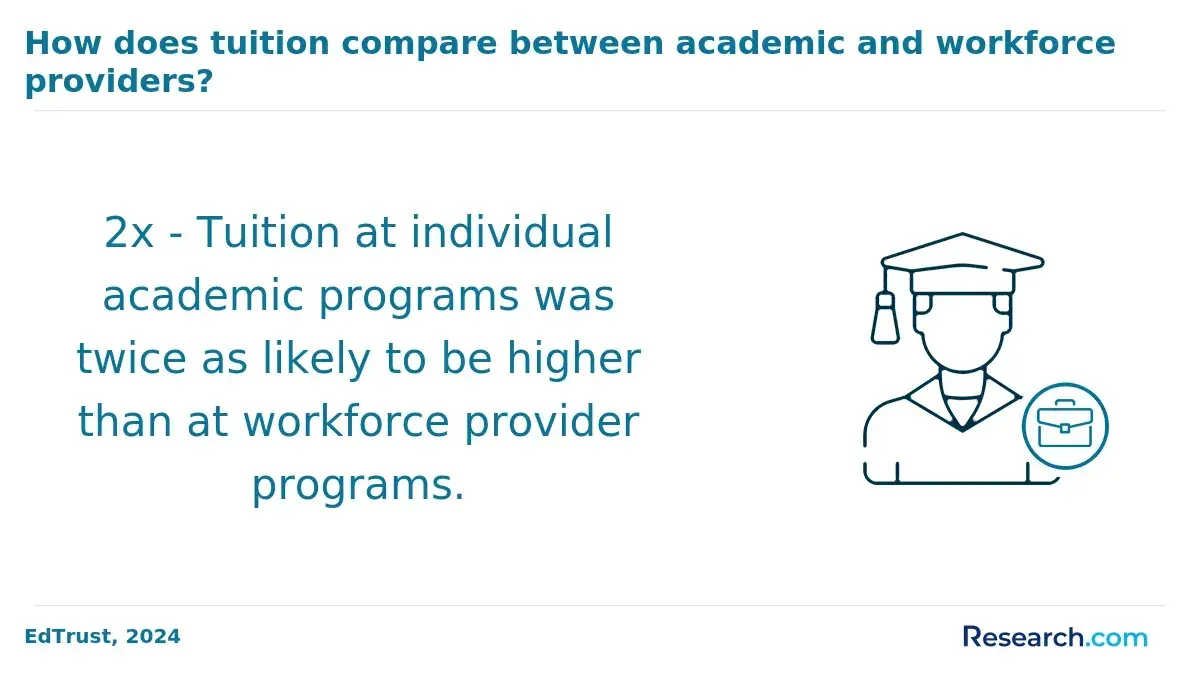
Many sectors provide entry-level roles that value foundational skills and practical knowledge above formal licensure. Around 65% of computer science and related graduates find positions within six months of completing their studies, signaling strong demand for technical talent without licensing requirements.
Below are some common jobs open to graduates with a mobile app development degree.
- Junior Mobile Developer: This role involves helping senior developers with coding, debugging, and integrating user interface components. Graduates apply their knowledge of languages such as Swift or Kotlin and mobile platforms to contribute effectively, focusing on development tasks that do not require professional licenses.
- Quality Assurance Tester: QA testers assess mobile apps to find bugs, evaluate performance, and test usability before release. Their role stresses analysis and reporting rather than programming, making the position available to graduates who understand app functionality and software testing cycles.
- App Support Specialist: These specialists offer technical help to users and developers, resolving issues and documenting troubleshooting steps. Problem-solving skills gained during the degree prepare graduates for this supportive role, which does not mandate any certification.
- UI/UX Designer Assistant: Supporting design teams, these assistants help create user-friendly app interfaces. Their knowledge of app environments ensures designs are practical and user-focused, providing a design-related pathway without licensing demands.
A mobile app development graduate shared that at first navigating the job market without a license was daunting. He described sending many applications and refining his interview skills to show practical coding knowledge and teamwork ability.
Despite no formal certification, he emphasized how displaying personal projects and technical competence opened doors, proving that a degree combined with persistence can offset the absence of licensure when beginning a career.
Salary expectations for non-licensed roles in mobile app development differ widely based on technical expertise, leadership skills, and industry demand. The U.S. Bureau of Labor Statistics reports that software developers, many holding a bachelor's degree, earn a median annual wage near $120,000, reflecting solid compensation without mandatory licensure.
Below are key career paths tied to the mobile app development highest paying jobs without licensure.
- Mobile Applications Developer: These developers build and optimize apps across platforms such as iOS and Android, earning salaries between $90,000 and $135,000. A degree in mobile app development gives them programming skills and user experience knowledge essential to delivering high-impact software solutions.
- User Interface Designer: Focused on designing intuitive and visually appealing app layouts, UI designers often earn from $80,000 to $120,000. Their technical understanding of mobile constraints, gained through mobile app development studies, improves their design effectiveness and earning potential.
- Product Manager: Responsible for guiding app development strategies and managing project timelines, product managers typically earn between $95,000 and $140,000 annually. Their mobile app development background helps them assess technical feasibility and align development with business goals.
- Quality Assurance Lead: Overseeing app testing to ensure performance and usability, QA leads earn around $75,000 to $110,000. Practical knowledge from a mobile app development degree strengthens their ability to spot and solve technical issues promptly.
For those weighing advanced credentials, exploring options such as a masters in psychology may supplement their technical expertise with extra skills relevant to user behavior and team leadership.
Employers frequently stress practical skills and adaptability above formal credentials when hiring mobile app development graduates who do not have professional licensure. According to a 2023 LinkedIn study, 70% of hiring managers prize a mix of technical expertise and interpersonal abilities over certifications.
Below are essential skills that improve employability in this field.
- Programming Proficiency: Mastery of languages such as Java, Swift, Kotlin, and JavaScript shows technical versatility and the ability to build reliable applications across platforms. This skill indicates readiness to handle varied development tasks efficiently.
- Effective Problem Solving: The ability to quickly diagnose issues, optimize code, and design innovative solutions is highly valued. Skilled problem solvers help complete projects faster and produce higher-quality software products.
- User Experience Insight: Knowledge of UX design principles helps developers create intuitive and accessible applications, improving user satisfaction and increasing the app's success in competitive markets.
- Collaboration and Communication: Strong interpersonal skills let developers work seamlessly with cross-disciplinary teams, share ideas clearly, and respond constructively to feedback, fostering productive project environments.
- Version Control Expertise: Familiarity with tools like Git enables developers to manage code changes effectively and coordinate with team members, which is essential for maintaining organized workflows and project integrity.
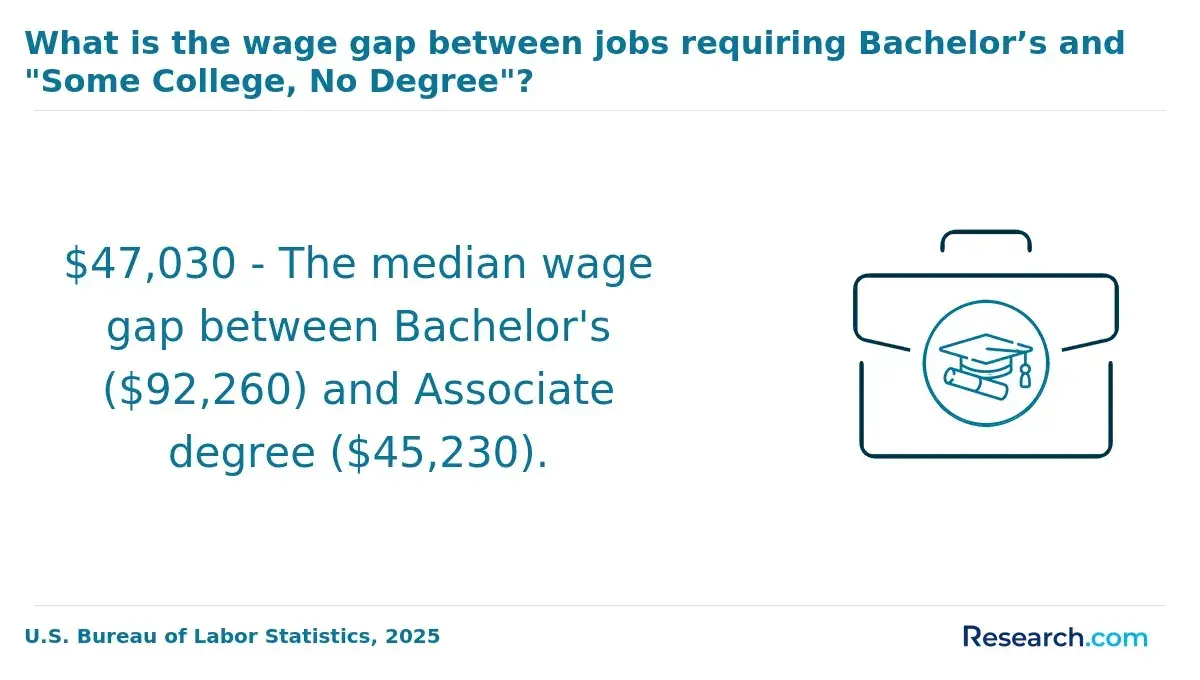
Certifications and licensure vary significantly in mobile app development careers. Licensure means government-issued credentials required by law for certain professions to ensure public safety and compliance, while certifications are industry-recognized credentials provided by professional organizations or companies to verify specific skills and knowledge.
In many app development paths, certifications can effectively substitute for licensure because this field is largely unregulated. For example, over 70% of technology hiring managers preferred certified professionals even when licensure was not mandatory, showing a strong employer preference for verifiable skills demonstrated through certifications, especially in non-licensed mobile app development certifications and job opportunities.
Certifications often suffice in roles such as mobile app developer, software engineer, or UI/UX designer, where practical skills and knowledge are paramount and formal licensure is not legally required. However, this substitution has limits; roles involving regulated responsibilities, like healthcare app developers handling medical advice or security software engineers in government contexts, still require proper licensure or compliance certifications.
Grasping this boundary helps professionals concentrate on relevant credentials and steer clear of unnecessary licensure. People exploring career paths without licensure can also consider related fields, including online construction management, as alternative options depending on their interests and goals.
With the growth of digital transformation and collaboration tools, remote work opportunities have increased by over 150% in recent years, letting tech professionals contribute from anywhere. This trend especially benefits graduates in mobile app development, who can use their skills across many remote positions without professional licensure.
Below are common remote roles appropriate for these graduates.
- Mobile Application Developer: Responsible for designing, coding, and debugging apps across iOS, Android, or hybrid platforms. This role emphasizes programming expertise and user-centric design, making formal licensure unnecessary for remote employment.
- Front-End Developer: Focuses on creating engaging user interfaces and smooth user experiences for mobile apps. Using frameworks like React Native or Flutter, these developers work remotely to turn design into functional code without licensing requirements.
- Back-End Developer: Handles server-side application logic, database management, and API integration that supports mobile apps. Remote positions in this role prioritize technical proficiency in programming over credentialing.
- Quality Assurance Tester: Performs manual and automated testing to ensure app performance and usability meet standards. This role supports remote workflows and values attention to detail more than formal certification.
- UX/UI Designer: Creates intuitive and visually appealing app interfaces, focusing on user interaction and design principles. Remote UX/UI designers rely on strong portfolios rather than licensure to secure roles.
One professional with a mobile app development degree shared her remote work journey, reflecting the reality behind these opportunities. She recalled early doubts about entering the tech field without licensure but found that displaying her coding projects and practical experience opened doors.
"The challenge was proving my abilities through real work rather than credentials," she explained. Navigating freelance contracts and collaborating across time zones required adaptability, yet the freedom to work remotely from her home proved invaluable. Her experience highlights how a skills-based approach, paired with persistence, can lead to fulfilling remote roles without the need for formal licensure.
Non-licensed applicants in mobile app development often face a disadvantage when competing for jobs, because many employers stress formal credentials. A recent industry survey found that 42% of employers prefer candidates with certifications or licenses, even when these credentials are not legally required.
This hiring bias creates several challenges for graduates without professional licensure or certification. Below are some common barriers they encounter.
- Employer Preferences: Many companies favor applicants who hold licenses or formal certifications to reduce hiring risks and confirm technical competence. This preference can overshadow the actual skills of non-licensed graduates, limiting their opportunities despite demonstrated knowledge.
- Credential Barriers: Some job listings expressly require licenses or certifications regardless of whether the role legally mandates them. Such requirements shrink the applicant pool, making it harder for non-licensed mobile app development graduates to qualify for various positions.
- Experience Expectations: Employers often equate licensure with verified experience or proven skills. Without these credentials, non-licensed candidates may struggle to demonstrate their expertise, causing delays or obstacles in their hiring prospects.
- Regulatory Constraints: In sectors like healthcare or finance, where app integration involves compliance regulations, companies may prefer credentialed developers. Although mobile app development typically does not require licensure, such industry nuances indirectly disadvantage non-licensed professionals.
Career constraints for mobile app development professionals who lack licensure do typically exist, yet they are not as restrictive as those in occupations with formal licensing mandates. A 2023 survey conducted by the National Association of Software Developers discovered that roughly 18% of technology firms favor applicants holding certifications or licenses for senior positions, which points to a degree of preference for credentials that are formally acknowledged.
Still, the majority of positions in mobile app development place greater weight on hands-on skills than on licensing, which lets numerous professionals join and advance without formal credentials. That comparative flexibility stands in contrast to occupations that require licensure as a legal or industry condition for hiring or promotion.
These restrictions commonly take the form of slower career progression or limited entry to particular regulated projects, especially ones that demand compliance with security clearances or government contracts. Developers without licenses usually depend on portfolios, teamwork, and ongoing learning to show their abilities and move forward.
Even with such obstacles, many job growth difficulties for non-licensed mobile app development professionals can be reduced through skill building and deliberate career decisions. For individuals drawn to adjacent career paths, earning a project manager degree online could provide further opportunities beyond conventional coding positions.
Choosing whether to seek licensure is a crucial decision for mobile app development graduates who are mapping out their long-term career trajectories. Research shows that professionals with licenses are 15% more likely to move into senior positions within five years, which highlights how much credentials matter for career advancement.
Various key factors should be examined closely when weighing whether to skip licensure.
- Industry Requirements: Some specialized industries or employers might mandate licensure, particularly if projects touch on regulated areas. Knowing these requirements can help avoid lost opportunities in fields where credentials are needed.
- Career Goals: Graduates who focus on freelancing or entrepreneurship may value skills above licensure, whereas those aiming for leadership or regulatory liaison roles could see credentials as advantageous. Matching licensure choices to particular career ambitions improves career progression.
- Long-term Growth: Licensure frequently bolsters credibility and upward movement, as reflected in workforce patterns where licensed employees rise more consistently into leadership. Weighing how credentials affect growth potential can help shape future opportunities.
- Job Accessibility: Licensure may broaden mobility between states or regions that have different standards, providing more employment flexibility. Without credentials, graduates could encounter geographic constraints or narrower job choices.
People considering whether to forgo licensure could also look into related educational credentials, for instance a library science degree, which illustrates how some fields reconcile professional requirements with practical skills, a comparison that helps frame essential skills against licensure requirements for mobile app developers.
What Graduates Say About Mobile App Development Degree Jobs That Do Not Require Licensure
- Tristan: "Choosing not to pursue licensure in mobile app development let me jump straight into the job market. Being able to start working as soon as I graduated opened doors to growth and hands-on experience that traditional licensure routes might have postponed. I really appreciate how this career path values skills and creativity over formal credentials."
- Jesiah: "Looking back on my journey, not needing licensure gave me the freedom to concentrate on building a strong portfolio instead of preparing for exams. This flexibility made it simpler to adapt to changing technologies and client demands. It's rewarding to have a career where your progress is measured by real-world projects and innovation, not just paperwork."
- Christopher: "In the professional world of mobile app development, licensure isn't a requirement, which means companies prioritize proven ability and collaboration. I found that this fast-paced environment pushed me to develop practical problem-solving skills earlier on. Having a career that doesn't rely on licensure truly emphasizes continuous learning and adaptability."
Other Things You Should Know About Mobile App Development Degrees
Yes. Many entry-level roles require proficiency in at least one major mobile stack, such as Swift for iOS, Kotlin for Android, or cross-platform tools like Flutter or React Native. Job postings frequently list 2 to 3 required languages or frameworks, along with Git, APIs, and version control skills.
Yes, many mobile app development graduates without licensure successfully work as freelancers or independent contractors. This career path lets them build a varied client base and gain experience across different industries. Freelancing often demands strong self-management skills and the ability to show technical expertise through completed projects rather than formal credentials.
For graduates without licensure, internships and practical experience are beneficial because they supply real-world exposure and chances to network. Such opportunities give hands-on familiarity with development tools, collaborative workflows, and software lifecycle management. Employers often favor applicants who have relevant practical experience, at times even more than formal licensure.
In 2027, the mobile app development industry places high value on practical experience. Although a degree can show foundational knowledge, graduates often need hands-on experience, internships, or portfolios to stand out to employers. A lack of experience can greatly hinder job prospects in this competitive field.
- 7 Most Popular Skills For Mobile App Developers - ABM College Canada https://www.abmcollege.com/blog/7-most-popular-skills-for-mobile-app-developers
- How to Become a Mobile App Developer https://www.cbtnuggets.com/how-to-become/mobile-app-developer-career
- A Guide to Mobile App Development Skills & Career Success https://sundancecollege.com/blog/a-guide-to-mobile-app-development-skills-career-success/
- Leveraging Certifications to Stand Out in the Tech Job Market https://www.ironhack.com/us/blog/leveraging-certifications-to-stand-out-in-the-tech-job-market
- Remote Mobile App Development Jobs (April 2026) - Arc https://arc.dev/remote-jobs/mobile-app-development
- Remote Entry Level Android Developer Jobs | Working Nomads https://www.workingnomads.com/remote-entry-level-android-jobs
- 25 Best mobile application developer jobs in work from, home (Hiring Now!) | Workopolis https://www.workopolis.com/search
- Mobile App Development Legal Issues: Top 11 Considerations https://appinventiv.com/blog/legal-issues-in-mobile-app-development/
- Mobile App Development Programming Challenges For Freshers https://www.softlogicsys.in/most-common-mobile-app-development-challenges-and-solutions-for-beginners/
- Learn mobile development | edX https://www.edx.org/learn/mobile-development