2027 Mobile App Development Degree Programs With Rolling Admissions
Audited and Verified:
Our Editorial and Data Verification Process
Research.com uses government datasets, official education statistics and primary institutional information to support its career and degree guides. Our review process checks factual accuracy, occupational definitions, source dates and the requirements associated with the credentials discussed.
How This Article Was Fact-Checked
Our editorial team verifies salary estimates, employment projections, education requirements and program information against original data providers and official organizations. Salary figures are checked against the relevant occupational definitions and reporting periods. Information about licensure, accreditation and required in-person training is reviewed separately.
Fact-checked and verified on:

Co-Founder and Chief Data Scientist
In what ways does rolling admissions alter access and timing for students earning mobile app development degrees? For career changers confronting quickly changing technology demands, later application windows can provide essential flexibility. Since the Bureau of Labor Statistics projects 22% job growth for software developers through 2032, programs offering continuous enrollment answer workforce urgency and shifting schedules. Numerous mobile app development tracks combine online instruction with hands-on coding labs, which makes fixed semesters less workable for adult learners juggling jobs and reskilling. This article looks at rolling admissions structures in mobile app development degrees, assisting readers in judging alignment with their own timelines, career goals, and enrollment priorities.
Key Benefits of Mobile App Development Degree Programs With Rolling Admissions
- Rolling admissions in mobile app development programs extend access beyond fixed deadlines, allowing students to enter when market demand aligns with their preparation, but this can complicate cohort cohesion and peer networking.
- Employers favor candidates from rolling admission tracks who often demonstrate adaptability to evolving technologies, reflecting the program's capacity to integrate current industry tools continuously throughout the year.
- Flexible start times may increase total program cost due to extended enrollment periods, impacting financial planning, but enable students balancing work or projects to better synchronize study with career progression.
How Do Mobile App Development Degree Programs With Rolling Admissions Work?
Mobile app development degree programs that use rolling admissions move enrollment away from conventional fixed deadlines, answering the technology sector's need for flexibility and fast skill acquisition. This model lets students begin their studies when their circumstances allow, a key advantage for people like developers changing careers after layoffs who cannot wait for a standard intake. Yet this flexibility brings distinct operational demands for institutions and calls on students to handle timing carefully, especially since application timing and requirements influence program progression and eventual employability.
- Continuous Application Submission: Applicants may send materials at various times during the year without being tied to one single deadline. This open-ended schedule enables quicker entry for those prepared to commit, but it also requires students to stay proactive about managing their own enrollment timeline.
- Resource Flexibility: Institutions using rolling admissions have to keep faculty workloads and technical infrastructure adaptable to support changing class sizes. This frequently leads to more frequent course offerings and shifting cohort makeups, which can affect the steadiness of peer collaboration and instructional pacing.
- Tradeoff With Cohort Experience: Unlike fixed admissions, which build synchronized peer groups, rolling admissions can break up the learning community. Mobile app development depends heavily on collaborative coding settings, and irregular start dates may reduce chances for long-term team projects and peer-based problem solving.
- Alignment With Employer Demand: The rolling admissions model can align graduate output more closely with the tech industry's shifting hiring cycles, when employers look for candidates skilled in the newest frameworks exactly as demand rises. Still, students must time their studies strategically to match internship seasons or recruitment windows, because a mismatch can obstruct the acquisition of practical work experience.
When reviewing programs with rolling admissions, students should assess how application timing and requirements fit their personal and professional goals, particularly given the changing nature of tech workforce needs. For those thinking about supplemental or interdisciplinary paths, such as pairing app development skills with AI expertise, options like AI degrees online can provide complementary qualifications that further strengthen employability in changing markets.
What Are the Admission Requirements for Rolling Admissions Mobile App Development Programs?
Rolling admissions in mobile app development programs move the focus from fixed deadlines to the strategic timing and completeness of an application, directly shaping an applicant's competitiveness. Early submission usually gives an edge because program seats fill continuously, so delays can result in missed opportunities even when baseline qualifications are met. This situation compels applicants to balance careful preparation with prompt application, often weighing the tradeoff between improving their portfolio or recommendations and losing first-consideration status.
- GPA Requirement: Most programs expect applicants to show strong academic performance, especially in STEM-focused courses such as computer science and mathematics, reflecting the foundational analytical skills vital for programming challenges.
- Transcripts: Official academic records are examined to confirm relevant course completions, although some programs may consider professional experience or self-taught credentials as partial substitutes when academic metrics are borderline.
- Application Form: In addition to basic information, candidates typically provide detailed records of programming languages (such as Java, Swift, or JavaScript) they know, signaling readiness for curriculum demands.
- Letters of Recommendation: Though not universally required, these letters offer insight into applicants' technical abilities and teamwork skills, which many employers and programs value given the collaborative nature of mobile app projects.
- Personal Statement: A well-crafted essay that articulates motivation and adaptability can set candidates apart, emphasizing lifelong learning and responsiveness to fast-changing tech environments, qualities employers increasingly seek.
- English Proficiency: For nonnative speakers, proof of English competence is often needed to ensure clear communication within team-based project settings and comprehension of technical instruction.
When Should You Apply for Rolling Admissions Programs?
Rolling admissions in mobile app development programs work as a continuous intake system instead of a snapshot review at a fixed deadline, which means applications are evaluated as they come in until capacity is reached. This setup naturally favors early applicants, who face less competition for limited seats and have greater access to financial aid options, because programs often award scholarships on a first-come, first-served basis. Yet early submission only helps candidates who are fully prepared; sending incomplete materials too soon can reduce chances compared with polished mid-cycle applicants. The dynamic character of rolling admissions means that once enrollment approaches capacity, standards often become stricter, raising the challenge for those who apply late. As a result, timing intersects critically with applicant readiness and resource availability, requiring candidates to weigh the urgency of early submission against the risk of presenting an underdeveloped application.
Applicants who cannot apply immediately might think about a mid-cycle approach, submitting once their credentials are stronger but seats are still available. Although this can be competitive if the program has balanced remaining capacity with quality criteria, the risk of reduced scholarship funds and restricted course scheduling grows as the cycle continues. Waiting until late stage risks not only admissions rejection because of limited openings but also less onboarding flexibility, which can affect the ability to balance program demands with personal or professional commitments. These factors show how application timing in rolling admissions mobile app development programs shapes critical outcomes, from financial support to educational experience. Strategically aligning application readiness with timing can therefore improve one's positioning for both admission and successful integration into the program.
One recent applicant shared, "I hesitated to apply right when the window opened because my portfolio wasn't ready, but I worried seats would fill fast. Submitting midway felt like a compromise; I saw fewer scholarship options and noticed more competitive candidates, which made me anxious. Still, waiting allowed me to present a stronger application, and even though I missed early financial aid, I was relieved to have a spot and a schedule that fit my work." This experience illustrates the nuanced balance between timing and preparedness within rolling admissions, underscoring the practical tradeoffs candidates face beyond simple early versus late decisions.
Rolling admissions appear far more often in online mobile app development degree programs than in traditional on-campus formats, reflecting the built-in flexibility of digital learning environments. Institutions use rolling admissions to expand enrollment efficiently and serve remote learners managing complex schedules, lowering dependence on rigid semester cycles. This approach supports continuous intake, answering fluctuating demand across workforce-driven disciplines. Still, not every program adopts this model uniformly; some keep fixed deadlines or hybrid systems to better coordinate cohort pacing and synchronous collaboration, which remain essential for certain project-based curricula.
For students looking at online mobile app development degree programs with rolling admissions, the model gives greater freedom to begin studies without long waits for term starts, speeding alignment with changing career timelines. Yet greater enrollment flexibility can heighten competition during popular start periods, since quickly filling cohorts may tighten admission standards. National data shows over 60% of fully online tech-related undergraduate programs now use rolling admissions, underscoring its operational benefits in balancing resource allocation and improving access. Prospective learners comparing options might also consider how this affects peer interaction and program structure when weighing the tradeoffs between immediate start opportunities and potential cohort cohesion. For related program options, a library science degree online likewise reflects these evolving enrollment trends across disciplines.
Rolling admissions does not inherently produce higher acceptance rates; instead, it works as an application review system in which decisions are made continuously rather than after a fixed deadline. The belief that rolling admissions schools are more lenient comes largely from how available seats shrink over time. Early applicants often encounter less competition because programs have not yet reached capacity, improving their chances without changing baseline selectivity. Conversely, as cohorts fill, later submissions compete for fewer openings, which can lower acceptance odds despite consistent admission standards.
Acceptance rates at rolling admissions schools are determined more by program capacity, demand, and cohort size than by the rolling process itself. For instance, a mobile app development program with rolling admissions might admit many students quickly and then sharply narrow intake, especially when workforce demand skews enrollment cycles. This variability means rolling admissions schools can show acceptance rates that resemble or differ from fixed-deadline institutions, depending on program type and market conditions. Students should focus on understanding institutional selectivity and market alignment rather than assuming rolling admissions means easier entry or less rigor.
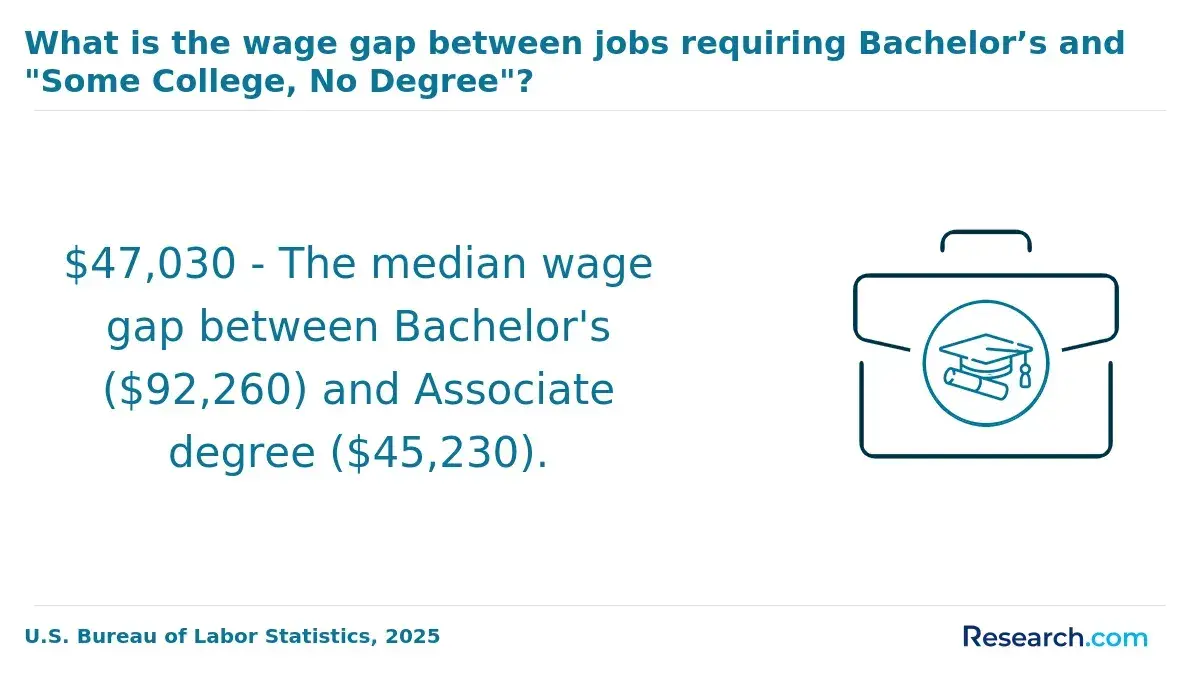
Rolling admissions in mobile app development programs do not change tuition rates but affect when and how students handle their expenses. Tuition usually ranges between $300 and $700 per credit hour, with many institutions charging extra fees for technology, administration, or specialized course materials. For example, a student enrolling mid-cycle might find costs staggered differently than those in fixed-semester schedules, influencing cash flow and financial prioritization without altering the total investment. Many mobile app development degrees with rolling admissions structure tuition either per credit, on a flat-rate per term basis, or increasingly through subscription-style models that allow self-paced progression, which matches flexible enrollment yet requires careful financial planning to avoid extended cost exposure.
Beyond base tuition, students must budget for costs such as current software platforms and sometimes cloud service fees, which can add $500 to $1,000 annually, along with lab or practicum fees in hybrid or in-person formats. Online delivery often lowers ancillary fees and provides scheduling flexibility, letting learners combine work and study while potentially shortening time to credential, though accelerated formats may require paying more upfront. Considering how rolling admissions interact with such program designs is essential for assessing true cost implications over time. Prospective enrollees should also examine associated career pathways shaped by employer expectations rather than focusing only on admission timing or short-term cost shifts, especially when evaluating options like MSW programs still accepting applications.
For students entering mobile app development programs through rolling admissions, career results do not automatically vary from those of peers admitted in traditional cycles, since rolling admissions mainly act as a flexible enrollment mechanism rather than something that shapes academic or professional success. Instead, results depend more heavily on a program's depth and accreditation, on how closely coursework matches present industry standards, and on chances for practical experience like internships. As an example, figures from the National Association of Colleges and Employers (NACE) in 2022 show that graduates with internship experience are 20% more likely to receive job offers within six months than those lacking relevant work placements. Location and labor market demand for mobile app developers also carry considerable weight, frequently eclipsing admission timing when it comes to employment prospects and salary potential.
Although rolling admissions can let some students start studying sooner, possibly allowing quicker program completion and earlier workforce entry, that benefit is neither universal nor assured. Differences among institutions, from curriculum quality to network access, mean that quicker enrollment may lead to earlier job candidacy for some students but not for others. A specialization inside mobile app development, such as iOS, Android, or UI/UX design, also affects employability, along with how strong an institution's industry connections are. On balance, rolling admissions provide administrative convenience but cannot replace the foundational elements that shape career trajectory in this competitive, changing field.
A graduate remembered comparing several offers from programs with rolling admissions and feeling unsure about exactly when to apply because deadlines overlapped and prerequisite coursework still needed to be finalized. She called that stretch "a constant juggle of timing and preparation," observing that the flexible schedule helped her avert a full-year delay but demanded careful planning so her application submission matched her readiness. In the end, she discovered that enrolling mid-cycle reduced personal stress, yet she stressed that her internship experiences and technical specialization in backend integration were the true influences on her job placement six months after graduation. Her account highlights how rolling admissions can help with timing but cannot take the place of the core factors that shape career outcomes.
Pay outcomes for graduates of mobile app development programs are shaped in fundamental ways by factors outside the admissions model, such as a program's curriculum focus, institutional accreditation, and hands-on experience from internships or project work. As a feature of enrollment flexibility, rolling admissions do not automatically improve access to higher-paying roles. Rather, employer demand depends on a person's demonstrated skills, portfolio quality, and the reputation of their educational background. For example, a graduate of a rigorous mobile app development program who has internship experience in a major tech hub such as San Francisco or Seattle is more likely to earn a salary above entry-level benchmarks, which may range from roughly $60,000 to well over $120,000 each year, than peers from less recognized programs, no matter their admissions timeline.
Even so, rolling admissions may deliver indirect benefits connected to career timing. Students who can enroll sooner, perhaps because application dates are flexible, may finish their studies earlier and enter the workforce ahead of peers constrained by traditional deadlines. That faster pathway can lead to an earlier start on salary growth and cumulative earnings, particularly in quickly evolving tech markets. Still, these timing advantages alone do not guarantee higher salary brackets; an individual career trajectory depends heavily on continued skill development, networking, and adjustment to shifts in industry demand. In essence, rolling admissions act as a logistical convenience rather than a determinant of financial results in mobile app development careers.
The drawbacks of rolling admissions in mobile app development programs become most evident in planning and workforce integration. With no clear deadlines, applicants are unsure how to time their preparations, which makes securing financial aid and balancing competing priorities harder. Such ambiguity may postpone important decisions, limiting the best enrollment outcomes and weakening strategic career planning in a technology labor market that is already competitive. The lack of fixed application cycles also splits cohorts, a problem employers notice more and more when judging candidates' readiness and collaborative experience.
Rolling admission challenges for mobile app development programs intensify because delaying an application can backfire: although admissions remain open throughout the year, available spots may fill without warning. This concealed scarcity pushes some applicants to hurry or miss out altogether, a drawback that runs against the supposed flexibility of rolling admissions. From a workforce standpoint, tech employers value candidates whose educational experiences fit traditional academic calendars, which encourage peer interaction and internship synchronization, both of which rolling enrollment timelines disrupt.
Enrollment figures confirm this structural weakness; data from the National Center for Education Statistics show a 15% higher first-year attrition rate at programs with rolling admissions than at those with fixed cycles. This higher dropout rate mirrors the difficulties students encounter in staying consistently engaged without a synchronized cohort setting, which affects skill mastery important to mobile app development fields.
- Uncertainty about financial aid and preparation timelines, which leaves many unsure when to commit resources or start studies
- Danger of limited spots as cohorts fill unpredictably, potentially forcing rushed decisions or missed opportunity
- Possible employer worries about cohort consistency, since fragmented enrollments may weaken perceived rigor and networking
- Higher first-year attrition tied to irregular start dates, signaling difficulties in student retention and sustained skill development
Students comparing admission options should also keep in mind that more structured programs, including some with flexible elements like online MBA programs no GMAT required, blend flexibility without giving up the cohort integrity and planning clarity that rolling admission mobile app development degrees often lack.
To evaluate the best mobile app development programs with rolling admissions, one must understand how flexibility influences curriculum relevance and career readiness. Programs that emphasize up-to-date industry tools and refreshed development frameworks prepare students more effectively for practical work. When comparing choices, remember that rolling admissions make entry timing simpler but do not ensure quality or results.
- Curriculum fit: Seek courses that stress current cross-platform tools such as React Native or Flutter, which employers increasingly expect. That emphasis directly shapes employability in rapidly changing tech markets.
- Graduation and placement rates: Strong rates signal effective student support and a curriculum that produces successful job matches even with flexible admissions.
- Learning format: Certain programs provide self-paced tracks suited to working professionals, whereas cohort-based models build collaboration skills valuable in team settings. Your selection should fit your schedule and career development goals.
- Accreditation and certifications: Credentials that are recognized tell employers a program meets industry standards and may affect long-term career mobility.
- Cost versus outcome: Compare tuition with average graduate salaries and time to completion to confirm the investment matches expected returns, particularly as online tech program enrollments rise.
For related guidance on choosing quality creative degrees online, see this analysis of the graphic design degree, which also outlines practical program assessment strategies useful across disciplines.
Selecting among mobile app development programs with rolling admissions in the US requires a nuanced look at these factors, matching options to your personal and professional situation rather than to admissions convenience alone.
What Graduates Say About Mobile App Development Degree Programs With Rolling Admissions
- Tristan: "Holding a part-time job while enrolled in the mobile app development program was a serious constraint for me, yet I picked it because of its rolling admissions and flexible schedule. Even though I did not secure a high-paying role right away, the internships I finished through the program gave me a strong portfolio that opened doors to remote junior developer positions. I recognized early that employers in this field value demonstrable skills more than certifications, which helped me concentrate on building practical projects instead of pursuing formal credentials."
- Jesiah: "I moved from a marketing career into mobile app development, but money limits meant I needed a program with rolling admissions so I could begin as soon as possible. The workload was demanding, and staying on top of it was difficult, yet the practical experience I gained led to a developer role at a startup eager to hire people with real-world coding portfolios. Still, I discovered that advancement without a formal computer science degree can be restricted, so I am now weighing additional certifications to broaden my prospects."
- Christopher: "Time was my largest obstacle, so rolling admissions in the mobile app development program made it simpler to enter without waiting for the traditional semester start. I valued the program's focus on remote collaboration tools, which prepared me for the growing number of work-from-home roles. Although salary growth can be slow at first, internship experience directly related to native app frameworks helped me land a contract position faster than I expected, even though competition for full-time jobs was fierce."
Other Things You Should Know About Mobile App Development Degrees
Rolling admissions frequently produce a more personalized start schedule, meaning students may progress through coursework at different times. Although such flexibility suits varied personal circumstances, it may weaken traditional cohort cohesion, reducing peer interaction and collaborative learning opportunities common in fixed-term programs. Prospective students who value networking and team projects should consider whether the flexible timeline makes up for potentially fewer shared experiences.
Most programs ask for a completed application, official transcripts, a résumé, a statement of purpose, and one to three recommendation letters. Certain programs also request a portfolio or coding samples, and international applicants might need TOEFL or IELTS scores. Many schools review applications within 2 to 6 weeks after they are submitted.
Employers usually value skills and portfolio quality more than enrollment timing, yet cohort-based programs may provide benefits through organized project showcases and networking events. Students in rolling admissions could miss these group recruitment opportunities, which may influence visibility and referrals. As a result, students should actively develop and show practical experience beyond the classroom to counter any absence of formalized employer engagement linked to cohort cycles.
- Study Mobile Applications Development Course, Program, Diploma in Alberta https://www.cdicollege.ca/study-on-campus/alberta/programs-and-courses/technology/mobile-applications-development/
- A Complete guide to mobile app development: How to build successful applications that stand out in the market? https://www.w2ssolutions.com/guides/mobile-application-development/
- How to Choose the Right Mobile App Tech Stack in 2026? - LeanCode https://leancode.co/blog/choosing-the-right-mobile-technology
- A Guide to Mobile App Development Skills & Career Success https://sundancecollege.com/blog/a-guide-to-mobile-app-development-skills-career-success/
- How to Choose the Right Mobile App Development Company | ELEKS: Enterprise Software Development, Technology Consulting https://eleks.com/types-of-software-development/how-to-choose-the-right-mobile-app-development-company/
- Is App Development Worth It in 2025? | Career Scope & Opportunities https://stellarcode.io/blog/is-app-development-worth-it-in-2025/
- Mobile App Development Program - LaSalle College Montréal | LaSalle College Montréal https://lasallecollege.lcieducation.com/en/programs-and-courses/acs-mobile-and-web-application-development
- Mobile Application Development Course - Google Reichman Tech School https://www.graitechschool.co.il/en/%D7%A7%D7%95%D7%A8%D7%A1/mobile-application-development-course/
- Harness the Power of SQL as an Application Developer - Tech Connect https://techconnect.jobs/careers/application-developer/
- Comparing the 4 Mobile Application Development Approaches – When to Use What? - Sagacity https://sagacitysoftware.co.in/comparing-the-4-mobile-application-development-approaches-when-to-use-what/