2027 Best Online Mobile App Development Degrees for Jobs
Audited and Verified:
Our Editorial and Data Verification Process
Research.com uses government datasets, official education statistics and primary institutional information to support its career and degree guides. Our review process checks factual accuracy, occupational definitions, source dates and the requirements associated with the credentials discussed.
How This Article Was Fact-Checked
Our editorial team verifies salary estimates, employment projections, education requirements and program information against original data providers and official organizations. Salary figures are checked against the relevant occupational definitions and reporting periods. Information about licensure, accreditation and required in-person training is reviewed separately.
Fact-checked and verified on:

Co-Founder and Chief Data Scientist
Selecting the right online mobile app development degree can feel daunting-programs differ greatly in accreditation, curriculum quality, cost, and career impact. Without clear standards, students may enroll in expensive degrees that do not provide practical skills or strong job prospects. Data indicates that 72% of graduates from top-ranked programs find relevant employment within six months, highlighting how much program quality matters. This article assesses the best online mobile app development degrees through strict criteria, such as accreditation, curriculum depth, practical experience, career outcomes, affordability, and student support, to give students and professionals the resources they need to choose programs that match their career goals.
Key Things to Know About the Best Online Mobile App Development Degrees for Jobs
- Accreditation ensures programs meet quality standards-nationally accredited degrees improve employer recognition and eligibility for financial aid, boosting graduate success rates by up to 20%.
- Curriculum rigor combines coding, UI/UX, and software lifecycle studies-top programs require hands-on projects and advanced programming, preparing students for complex industry challenges.
- Cost and return on investment vary widely-affordable programs with strong alumni networks often yield higher job placement rates and salary growth within the first five years.
What Is a Mobile App Development Degree, and What Can It Do for Your Career?
A mobile app development degree gives students the expertise to design, build, test, and deploy applications for smartphones, tablets, and other mobile devices. This specialized field combines core computer science concepts with applied skills suited to mobile environments, stressing constraints and user experiences unique to handheld platforms.
Core competencies developed include:
- Programming Languages: Competence in Swift, Kotlin, Java, and JavaScript, which are critical for app development.
- Software Engineering Principles: Command of development life cycles, agile methods, and version control to handle projects efficiently.
- User Experience (UX) Design: Creating intuitive interfaces via design thinking tailored for mobile use.
- Platform-Specific Tools: Using SDKs, APIs, and frameworks unique to iOS and Android ecosystems.
- Testing and Deployment: Abilities in debugging, automated testing, and app store release processes.
This degree stands apart clearly from broader computer science or web development fields because of its concentrated focus on mobile technologies and device limitations. Academic credentials range from associate's, bachelor's, master's, and doctoral degrees, each corresponding to distinct career stages and roles:
- Associate's Degrees: Starting points for technicians and junior developers who want practical skills.
- Bachelor's Degrees: Broad training appropriate for development, design, and project management roles.
- Master's Degrees: Advanced study aimed at leadership, specialized technical knowledge, or research.
- Doctoral Degrees: Research-heavy tracks focused on innovation, teaching, and emerging mobile technologies.
This guide directly serves prospective students who are interested in the best online mobile app development degree programs for jobs. It provides a structured, data-driven framework for assessing programs by accreditation, curriculum quality, cost effectiveness, career outcomes, practical experience requirements, and student support-key factors for working adults and professionals. Students who want to maximize the career benefits of earning a mobile app development degree online will discover actionable insights for evaluating their options.
For anyone weighing affordability alongside quality, exploring online MSW programs affordable provides a model for balancing cost and value in online education pathways.
How Do Online Mobile App Development Degree Programs Compare to Traditional Campus Programs?
When online mobile app development degree programs are compared with traditional campus-based ones, accreditation standards usually ensure similar curriculum quality and qualified faculty, yet important differences shape the student experience and career outcomes. This comparison emphasizes key elements drawn from systematic research and graduate employment surveys.
- Curriculum Depth and Rigor: Both delivery formats include foundational courses in programming languages, UI/UX design, and software testing. Leading online mobile app development degrees preserve rigor comparable to campus programs through advanced learning platforms and content updated regularly to match industry standards.
- Faculty Qualifications: Accredited online programs hire instructors whose credentials and professional experience match those of campus faculty. Although online learners might report fewer spontaneous interactions, synchronous sessions and virtual office hours increasingly close this gap.
- Student-Faculty Interaction: Campus programs offer immediate feedback and face-to-face mentoring, while online programs depend on scheduled video meetings and discussion forums. Leading online programs strengthen engagement with cohort models and small-group projects that foster meaningful faculty contact.
- Peer Collaboration: In-person classes promote spontaneous networking and teamwork; online programs use collaboration tools such as group chats, video calls, and shared coding environments to replicate these interactions effectively.
- Practicum and Clinical Requirements: Campus programs frequently include on-site labs and internships, whereas respected online programs arrange local practicums, virtual simulations, or hybrid options with optional on-campus residencies that provide hands-on experience.
- Employer Perception: Employers increasingly respect accredited online degrees when graduates show strong portfolios and practical skills. Industry data reveal no meaningful preference for on-campus credentials when program reputation is strong.
- Structural Advantages for Specific Learners: Online degrees provide real benefits for working adults, caregivers, military veterans, and remote workers by offering flexible schedules and removing geographic barriers. This flexibility helps balance education with life commitments without sacrificing quality.
- Documented Limitations and Institutional Responses: Some online programs find it hard to replicate the informal, immediate interactions common on campus. Leading institutions respond with virtual labs, cohort-based learning, and mandatory short-term residencies that enrich the online experience.
Students weighing online mobile app development degree vs traditional campus programs should consider these factors alongside their career goals and circumstances. For those also interested in related fields, marriage and family therapy certification programs show similar evolving delivery models that prioritize access and rigor.
Evaluating the career outcomes of online mobile app development degrees compared with on-campus options means examining accreditation, curriculum quality, practical experience requirements, and employer recognition-all critical to making informed educational investments.
What Are the Accreditation Standards That Define a Reputable Online Mobile App Development Degree?
Accreditation sets essential standards, ensuring an online mobile app development degree meets rigorous benchmarks in academics, faculty expertise, and institutional reliability. Employers and graduate schools treat regional accreditation as the highest assurance of quality and legitimacy.
- Regional Accreditors: These agencies review whole institutions against comprehensive academic standards and institutional health. Prominent regional accreditors include the Higher Learning Commission (HLC), Middle States Commission on Higher Education (MSCHE), New England Commission of Higher Education (NECHE), and Southern Association of Colleges and Schools Commission on Colleges (SACSCOC).
- Programmatic Accreditors: Although less common for mobile app development specifically, some programs seek recognition from specialized agencies such as the Accreditation Board for Engineering and Technology (ABET), particularly for computing or software engineering tracks, which can strengthen employer confidence.
Enrolling in an unaccredited or poorly accredited online mobile app development program can cause major setbacks, such as limited eligibility for certifications or licenses, trouble transferring credits to other institutions, and reduced credibility with employers who often screen candidates by accreditation status.
Prospective students can check accreditation through two main resources: the U.S. Department of Education's Database of Accredited Postsecondary Institutions and Programs (DAPIP), which supplies official listings, and the Council for Higher Education Accreditation (CHEA), which provides a directory confirming whether accrediting bodies are recognized.
Because accreditation plays such a critical role, it should be a firm baseline criterion when comparing programs, regardless of how appealing cost savings or scheduling convenience may be.
A professional who earned a degree in mobile app development reflected on how important accreditation is: "When I began, I didn't realize how vital the accreditation was, for getting my credits accepted elsewhere and for employer trust. There were times I doubted whether my program's credentials would carry weight, but confirming its regional accreditation gave me confidence in the entire process. It wasn't just about coursework, it was about knowing my investment would open doors and not close them."
Online mobile app development degree programs serve people at different stages of education and career paths, offering clear pathways suited to varied goals.
- Associate's Degrees: These entry-level credentials suit recent high school graduates or career changers. Usually lasting around two years, they offer foundational programming knowledge, app design basics, and software tool proficiency. Graduates often gain modest salary increases and can transfer credits toward bachelor's degrees.
- Bachelor's Completion Programs: Intended for students with existing college credits or associate degrees, these programs typically span 1-2 years and focus on advanced development frameworks, UX/UI principles, and integration techniques. They prepare learners for mid-level developer roles with better salary prospects and tend to have higher completion rates because of prior academic experience.
- Master's Degrees: Requiring a bachelor's degree, often in computer science or a related field, these 1-2-year programs explore complex topics such as mobile system architecture, security, and management. Candidates often have relevant work experience. Graduates qualify for senior or leadership roles, earning higher wages tied to specialized skills.
- Doctoral Programs: Usually lasting 3-5 years, these research-intensive degrees target professionals seeking academia or R&D careers in mobile app innovation. Applicants need a master's degree and strong research credentials. Though uncommon online, some institutions offer these advanced programs.
- Post-Baccalaureate Certificates: Shorter, flexible credentials focus on refining specific skills such as coding languages or interface design. Popular with working professionals, these certificates can stack toward bachelor's and master's degrees, supporting lifelong learning and credential advancement.
IPEDS data reflect these average program lengths, while online and hybrid formats show wider variation, especially for working adults balancing multiple commitments. Stackable credential options improve return on investment by letting students build on previous qualifications.
For those comparing programs, prioritizing factors such as accreditation, curriculum quality, and career outcomes is essential. Resources listing accredited online colleges can help identify reputable online mobile app development degree programs that meet these standards.
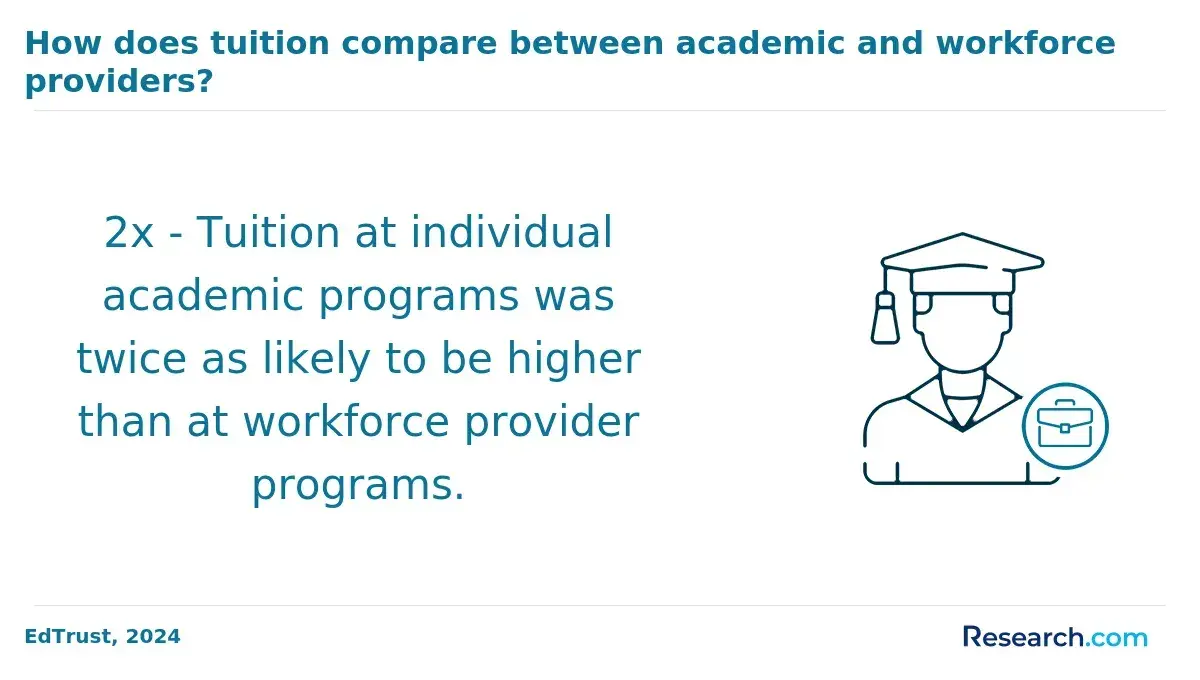
Tuition costs for online mobile app development degrees differ widely based on the type of institution. Public universities generally charge $5,000 to $10,000 each year for in-state students, while out-of-state students might expect to pay between $15,000 and $25,000 per year. Private nonprofit colleges usually fall within the $20,000 to $40,000 range, whereas for-profit schools often have similar or higher tuition, though their accreditation standards can vary.
Beyond tuition, students should plan for extra expenses such as technology fees, often several hundred dollars per semester, and costs tied to software or course materials specific to mobile app development. Although many programs are mostly online, some may require short on-campus residencies or workshops, which can add travel and lodging costs ranging from a few hundred to several thousand dollars.
Federal financial aid can greatly reduce the financial burden. Key options include:
- Pell Grants: Need-based funding that does not require repayment and can cover thousands each year.
- Federal student loans: Subsidized loans provide interest-free periods while enrolled, while unsubsidized loans begin accruing interest immediately but supply necessary funds beyond grants.
- GI Bill benefits: Veterans and active-duty personnel may get tuition, fees, and housing allowance support for qualifying online programs.
In addition, scholarships specific to mobile app development are offered by professional tech associations, state workforce development programs, and merit-based awards provided by colleges for academic achievement or leadership.
Instead of focusing only on tuition per credit hour, prospective students should calculate the total program cost, including all fees and expenses, and use tools such as the College Scorecard's net price calculator to estimate true out-of-pocket costs after aid.
A professional who built a successful career after completing an online mobile app development program said that managing finances was "a complex but necessary part" of the journey. She reflected that although grants and loans helped, the careful budgeting of fees and incidental expenses, plus seeking scholarships through industry groups, made the difference. "I often had to balance work, coursework, and financial aid paperwork at the same time," she noted, stressing how understanding the full cost upfront let her plan confidently and avoid surprises.
Finishing an online mobile app development degree varies greatly by level and personal circumstances. Associate degrees usually span about two years full-time, while bachelor's programs generally take four years. Master's degrees often require 1.5 to 2 years, and doctoral studies range from three to six years, depending mostly on research scope and dissertation demands.
- Degree Level: Associate programs involve 60-70 credits, bachelor's require 120-130 credits, and master's degrees typically demand 30-45 credits. Doctoral tracks emphasize research more than coursework volume.
- Enrollment Status: Full-time students usually finish within expected timelines. Part-time learners, often balancing work or other responsibilities, may need longer periods depending on their course load.
- Transfer Credits: Many programs accept credits from earlier studies, which can shorten degree duration, particularly for returning students with relevant coursework.
- Accelerated and Competency-Based Options: Some online mobile app development programs offer accelerated paths or competency-based progression, letting learners advance by demonstrating expertise, which speeds up completion.
- Year-Round Enrollment: Programs with multiple start dates permit continuous enrollment, helping students avoid delays linked to traditional semester schedules.
- Prior Learning Assessment (PLA): Schools may award credit for relevant professional experience or certifications, enabling faster progress for experienced candidates.
- Program Length Limits: Students should note maximum timeframes, often six to eight years, to keep enrollment status and financial aid eligibility, including compliance with satisfactory academic progress (SAP) policies.
- Realistic Expectations: Data from accredited programs show actual completion times often surpass advertised durations because of part-time study, work, and personal factors. Understanding these trends helps in planning a viable timeline.
High-quality online Mobile App Development programs set themselves apart through rigorous core courses and integrative learning experiences that match standards established by accrediting bodies such as ABET and professional groups like the IEEE Computer Society. These standards ensure a balanced curriculum that covers essential theoretical foundations and practical skills, preparing students to meet industry demands effectively.
- Core Competencies: Required coursework includes programming languages (Swift, Kotlin, Java), mobile UI/UX design, software engineering principles, data management, and app security. Programs stress cross-platform frameworks and cloud integration, areas that are crucial, since recent data shows over 75% of businesses expanded their mobile strategies in recent years.
- Capstone and Integrative Experiences: Leading programs require capstone projects or integrative courses in which students develop, test, and deploy working mobile apps. These real-world applications often involve collaborative teamwork, showcasing skills employers seek.
- Measurable Learning Outcomes: Graduates must show problem-solving, coding proficiency, adherence to development lifecycles, effective communication, and adaptability to new technologies, skills directly applicable to roles such as mobile developer, UX designer, or app tester.
- Curriculum Currency: The best programs stay relevant through review cycles, usually every 2-3 years, guided by industry advisory boards made up of professionals and alumni. They incorporate current trends such as agile methodologies, DevOps, and compliance with emerging privacy laws.
- Consumer Transparency: Prospective students should request detailed course sequences, syllabi, and outcomes maps from programs they are considering. This approach provides a deeper understanding beyond marketing claims and ensures alignment with personal career goals.
Return on investment (ROI) is a crucial factor when choosing online mobile app development degrees with the highest ROI for professionals. Public universities often lead in delivering strong ROI because of their competitive tuition and broad employer networks, which support effective job placement after graduation. These institutions report solid employment rates and appealing median salaries, making them a top choice for working adults seeking the best value online mobile app development programs for career advancement.
Tuition rates at public universities are generally lower, particularly for in-state students, which reduces overall debt. In addition, in-state reciprocity agreements in some states let students access these affordable programs at discounted rates even if they attend out of state. This structure creates essential financial flexibility for working adults, balancing education expenses.
Programs that maintain strong ties with the tech industry offer internships and career services that significantly improve employment prospects. Graduates usually achieve high employment within six months of program completion, leading to a faster salary rebound and better ROI.
\Employer tuition reimbursement and scholarships further reduce the financial burden. These resources should be actively explored by working adults, since they greatly increase the net return on educational investment.
Instead of relying only on national rankings, prospective students benefit from examining outcome metrics, such as median earnings at six and ten years post-enrollment and loan default rates. These data points offer a clearer understanding of the long-term value provided by various degrees.
Accredited programs that align with industry standards ensure curricula prepare graduates to meet market demands, supporting stability and higher income potential over time. Comprehensive student services, including career counseling, technical support, and flexible scheduling, enhance the learning experience for working adults managing busy lives and coursework.
For those seeking comprehensive guidance on advanced credentials, considering programs such as online MBA entrepreneurship degrees can provide additional career opportunities. By focusing on these critical factors, working adults can identify programs that align with their financial and professional goals while maximizing long-term benefits.
Admissions requirements for the top online mobile app development programs differ widely, reflecting differences in program level, institutional prestige, and expectations for student preparedness. Applicants should expect that competitive programs, especially at the graduate level, will apply more rigorous standards than open-enrollment or community college offerings. This variation in minimum requirements for top online mobile app development degrees means prospective students must carefully compare their own qualifications against typical admissions criteria.
- Minimum GPA: Most selective master's programs require a minimum undergraduate GPA of 3.0 or higher on a 4.0 scale. Some programs may accept somewhat lower GPAs if the applicant has compensating professional experience or other strong credentials.
- Standardized Tests: Many online mobile app development programs have recently adopted test-optional policies, particularly for the GRE or GMAT. Yet research-focused universities may still require these scores, especially if the academic record needs additional context.
- Letters of Recommendation: Competitive graduate programs usually request two or three letters from academic mentors or professional supervisors who can speak to an applicant's technical skills, work ethic, and potential success.
- Personal Statement or Statement of Purpose: Almost all graduate programs require a personal statement. This important essay explains career goals, relevant experience, and motivations for choosing mobile app development studies.
- Professional Experience: Some top-tier programs prefer or require prior work experience in software development or related fields, though this expectation differs greatly and receives less emphasis in community college or associate degree pathways.
- Prerequisite Coursework: Applicants without a computer science or mobile app development background may need foundational courses in programming, data structures, or software engineering before full admission or early in the program.
Admissions standards vary greatly, from nearly open admission at some community colleges offering associate degrees to highly selective master's programs at research universities. Those considering an online mobile app development program should honestly evaluate their academic and professional background to identify the programs where they are most competitive. Contacting admissions advisors is crucial for obtaining up-to-date information, since test policies, GPA thresholds, and prerequisite requirements can change each admission cycle. For prospective students exploring related pathways, earning a math degree online can also strengthen foundational skills useful for mobile app development careers.
Graduates who hold online Mobile App Development degrees usually move into the workforce through positions focused on designing and building applications for platforms such as iOS and Android. Such entry-level roles, frequently labeled Software Developer, entail coding, testing, and maintaining mobile apps inside tech companies, startups, or as independent contractors. A further common entry point is the Quality Assurance (QA) Analyst role, in which professionals concentrate on assessing software performance and user experience to guarantee product reliability.
UI/UX Designer roles attract people with creative strengths, combining graphic design fundamentals with user-centered thinking to craft intuitive app interfaces-a position that collaborates closely with developers to satisfy both aesthetic and functional objectives. As skills and experience expand, a number of graduates move into Mobile App Project Manager roles, directing project workflows, coordinating teams, and balancing budgets alongside deadlines.
More advanced career tracks feature specialist roles like software architect, security analyst, or performance engineer. Such positions frequently call for graduate education or professional certifications, and they center on deeper technical challenges such as system architecture, cybersecurity, or app optimization. In the same way, doctoral research or clinical posts-although less common-may appear for individuals pursuing highly technical or interdisciplinary app-related studies.
For people coming from neighboring fields-graphic design, IT support, or general software engineering-a mobile app development degree can ease a career switch. These professionals often sharpen their expertise via targeted courses or certifications in order to satisfy industry programming and framework requirements.
Across a five- to ten-year span, plenty of professionals progress from junior developer roles to senior developers or technical leads. From there, lateral shifts into product management, business analysis, or consulting happen often, whereas leadership paths lead toward roles such as development team lead or chief technology officer (CTO) at startups and established corporations.
Employment Sectors that hire graduates are varied and cover software companies, financial institutions, healthcare organizations, educational entities, government agencies, and e-commerce businesses-a sign of mobile app demand in nearly every industry.
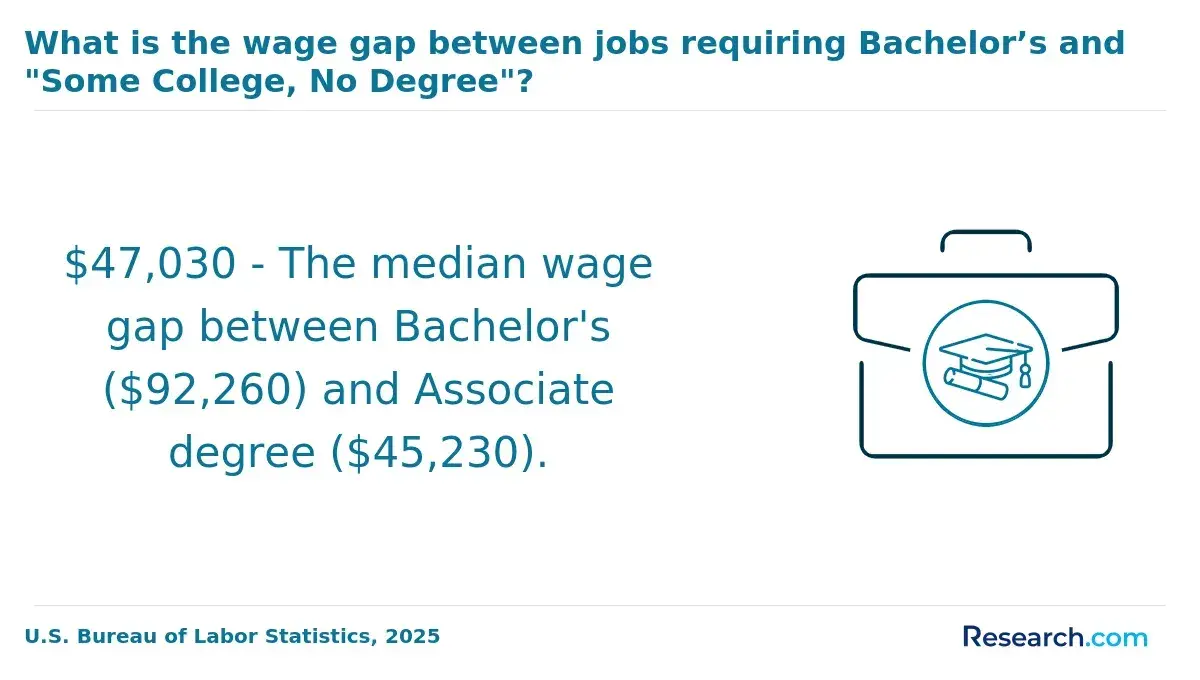
Pay for professionals holding an online mobile app development degree differs considerably according to education level, experience, and location, mirroring a competitive and changing job market. Median annual earnings among bachelor's degree holders usually fall between $70,000 and $110,000, yet numerous factors shape that range.
- Degree Level: Entry-level roles filled by people with associate degrees or certificates often begin nearer technician pay, around $55,000. By contrast, those holding bachelor's and master's degrees generally earn higher compensation thanks to advanced technical skills and leadership potential.
- Years of Experience: Earnings usually climb considerably as experience grows. Professionals with five to ten years behind them may make 20% to 40% more, while senior developers and team leaders often exceed $130,000 each year.
- Industry Sector: Pay hinges greatly on the type of employer-
- Software publishers and IT service companies generally pay higher wages.
- Startups or smaller firms may offer stock options or bonuses instead of large base salaries.
- Geographic Market: Bigger metropolitan areas recognized for tech, including San Francisco, Seattle, and New York, frequently pay 15% to 30% above the national average, while rural or less tech-centered locations tend to offer lower wages.
- Specialization: Professionals proficient in iOS, Android, cross-platform frameworks, or newer areas such as augmented reality and machine learning often earn salary premiums.
- Certifications and Credentials: Industry-recognized certificates like Certified ScrumMaster, Google Associate Android Developer, or AWS Certified Developer can boost salaries by 5% to 15%, underscoring expertise and commitment.
Online learners are able to earn these certifications via accredited programs and flexible online courses, many of them built to suit the schedules of working professionals. Showing up-to-date, practical skills in development platforms and project management stays essential for quicker earnings growth.
Going forward, demand for software and mobile app development roles should keep growing faster than the average for occupations overall. Even so, salary figures shift with technological progress and economic conditions. It is wise for career seekers to regularly check current occupational wage data and market surveys so that compensation expectations stay accurate and in step with the changing marketplace.
What Graduates Say About the Best Online Mobile App Development Degrees for Jobs
- Tristan: "Picking an online mobile app development degree that satisfies strict accreditation standards was my top priority-this guaranteed my qualification earned respect from employers and industry leaders alike. The rigor of the curriculum challenged me every day, pushing my limits and stretching my skills further than I expected. I strongly urge candidates to seek out programs that balance both quality and recognition in order to maximize their job prospects."
- Jesiah: "Looking back on my journey, the cost and return on investment of my online mobile app development degree truly stood out. Reasonable tuition paired with strong career outcomes meant I could quickly land a high-paying role that justified every dollar spent. Prospective students need to weigh not only the price but also how well the program prepares them for the job market."
- Christopher: "My experience with mobile app development studies was deeply shaped by the hands-on experience requirements and the strong student support infrastructure. Working on practical projects let me build a genuine portfolio, which gave me confidence in interviews, while the support network helped me work through challenges efficiently. For anyone serious about entering this field, seek out programs that prioritize these two elements for a smooth and effective learning path."
Other Things You Should Know About Mobile App Development Degrees
The top online mobile app development programs center on core technical skills such as programming languages (including Java, Swift, and Kotlin), user interface design, and platform-specific development for iOS and Android. They also stress problem-solving, version control, and software testing. Graduates gain both front-end and back-end development experience, preparing them to create functional, user-friendly applications.
The best online mobile app development degree programs in 2027 provide a cutting-edge curriculum suited to current industry trends, flexible scheduling, practical project experience, and solid career support services. Graduates pick up skills in coding, user interface design, and application testing, which makes them highly competitive for in-demand jobs.
Leading programs deliver services such as career counseling, resume reviews, and job placement assistance geared toward mobile app development roles. Many also offer virtual networking events, mentorship programs, and access to alumni networks across the tech industry. Such resources help students form professional connections that are critical for entering or advancing in the job market.
A solid program ought to require at least two deployable apps, one for iOS and one for Android, along with a capstone using Git, APIs, databases, and version control. Employers also seek published app-store projects, clean code samples, and collaborative work finished in a final course.
- Mobile development cost 2026: Detailed breakdown https://innowise.com/blog/mobile-development-cost/
- Mobile Development Degrees | Online Associate, Bachelors & Masters https://www.itcareerfinder.com/find-training/by-career-path/mobile-application-development-online-courses-and-degrees.html
- Best Mobile Development Master's Degree Programs, Jobs, and Salaries https://careerkarma.com/blog/mobile-development-masters-degrees/
- How to start a career as a mobile app developer https://www.brightec.co.uk/blog/how-start-career-mobile-app-developer
- How Long Does It Take to Make an App? Explore Our Guide https://andersenlab.com/blueprint/mobile-application-development-timeframes
- 31 Honest Mobile Developer Salaries https://www.cbtnuggets.com/blog/career/career-progression/honest-mobile-developer-salaries
- A Guide to Mobile App Development Skills & Career Success https://sundancecollege.com/blog/a-guide-to-mobile-app-development-skills-career-success/
- Best App Development Platform 2026: Top 11 Choices https://www.weweb.io/blog/best-app-development-platform-guide
- Online Degree vs. Traditional: Choosing the Right Path https://beal.edu/online-degree-vs-traditional/
- App Development Cost 2025 | Complete Pricing Guide https://appinventiv.com/guide/mobile-app-development-cost/