2027 Entry-Level Jobs With a Mobile App Development Degree
Audited and Verified:
Our Editorial and Data Verification Process
Research.com uses government datasets, official education statistics and primary institutional information to support its career and degree guides. Our review process checks factual accuracy, occupational definitions, source dates and the requirements associated with the credentials discussed.
How This Article Was Fact-Checked
Our editorial team verifies salary estimates, employment projections, education requirements and program information against original data providers and official organizations. Salary figures are checked against the relevant occupational definitions and reporting periods. Information about licensure, accreditation and required in-person training is reviewed separately.
Fact-checked and verified on:

Co-Founder and Chief Data Scientist
Which career paths can graduates with a mobile app development degree pursue? As mobile technology has grown rapidly, entry-level roles in mobile app development have expanded considerably, mirroring a 22% projected job growth through 2030 per the U.S. Bureau of Labor Statistics.
Typical starting roles consist of junior app developer, quality assurance tester, and UI/UX assistant, frequently available across sectors from tech startups to healthcare. Grasping these opportunities matters for recent graduates navigating a competitive job market. This article examines viable entry-level jobs and what new professionals can anticipate when launching their mobile app development careers.
Key Benefits of Entry-Level Jobs With a Mobile App Development Degree
- Entry-level jobs provide hands-on experience essential for mastering industry tools and technologies, with 72% of graduates citing practical skills gained as crucial to their success.
- These roles often serve as stepping stones, offering clear paths for promotion and specialization that support sustained career growth within the app development field.
- Early employment enables graduates to cultivate professional networks and enhance resumes, improving job prospects and increasing earning potential over time.
What Entry-Level Jobs Can You Get With a Mobile App Development Degree?
Roughly 65% of graduates with degrees related to mobile app development secure entry-level roles within six months, which points to robust opportunities in this area. Such positions let new professionals develop foundational skills vital for career progression. The following are common entry-level jobs for mobile app development graduates and how they foster early career growth.
- Junior Mobile App Developer: Helps with coding, debugging, and maintaining mobile apps while acquiring programming languages such as Swift or Kotlin. This role offers practical experience with app architecture and development frameworks important for technical proficiency.
- Quality Assurance Tester: Concentrates on spotting bugs and usability problems by designing and running test cases, logging defects, and confirming fixes. This position hones analytical skills and strengthens knowledge of app performance and user experience.
- UI/UX Designer Assistant: Helps senior designers craft the app's visual layout and interactive features. This job builds understanding of user behavior, design principles, and prototyping tools, improving the capacity to create engaging interfaces.
- Technical Support Specialist: Delivers troubleshooting help to users and developers, strengthening problem-solving and communication abilities. This position provides practical insight into app features and typical user challenges.
- App Data Analyst: Examines user data to guide app improvements and marketing strategies, building expertise in data visualization and behavioral analysis essential for informed decision-making.
For graduates seeking quick ways to strengthen their qualifications, 4-week certificate programs online can complement entry-level opportunities in mobile app development.
Which Industries Hire the Most Mobile App Development Graduates?
Graduates holding a mobile app development degree discover opportunities across many industries, which reflects their adaptable skill set. Around 40% of recent graduates join the technology sector, the top employer in this field, propelled by robust demand for digital innovation.
The industries below show the primary sectors that regularly hire mobile app development graduates because they depend on user-friendly and secure mobile applications.
- Technology: This sector covers software companies, startups, and IT firms looking for mobile app developers to design, test, and maintain apps for smartphones and tablets. Entry-level positions often include junior app development, quality assurance, and user interface design in a fast-paced setting.
- Healthcare: Healthcare providers and medical software companies rely on mobile apps for patient management and telemedicine. They recruit mobile app development graduates to make sure apps satisfy compliance and usability requirements, with roles like front-end developers and app testers centered on secure, user-friendly solutions.
- Financial Services: Banks, insurance firms, and fintech startups stress security and intuitive design in mobile platforms. They provide openings for developer assistants and app maintenance specialists to create and enhance mobile banking, investment, and payment apps.
- E-commerce: Retailers and online marketplaces depend on mobile apps to deliver seamless shopping experiences, hiring entry-level developers to improve customer interfaces, add payment systems, and track app performance.
- Entertainment and Media: This industry hires mobile app developers to create interactive features for streaming, gaming, and content delivery, with openings for junior game developers and media programmers focused on user engagement.
Looking at these hiring trends, a mobile app development degree graduate shared that entering the industry meant navigating many interviews and technical tests, which initially felt overwhelming. He observed, "Adapting to different company cultures and project requirements was challenging but rewarding."
He stressed the value of staying open to roles across various industries to gain experience and find the best fit. "Every project added to my confidence and understanding of how broad the mobile app landscape really is."
Which Entry-Level Mobile App Development Jobs Pay the Highest Salaries?
Pay expectations for entry-level roles in mobile app development often differ greatly based on the particular job and its technical requirements. Roles that involve more complex coding or critical app functions generally provide higher starting salaries. The following are some entry-level careers with the strongest salary prospects.
- Junior Software Engineer: Centered on developing and testing code for iOS and Android apps, this role earns some of the highest entry-level salaries, usually ranging from $65,000 to $85,000 annually. Skill in languages such as Swift, Kotlin, or Java and involvement in full app development cycles lead to the higher compensation.
- Mobile UI/UX Developer: Merging design with coding, these developers build user-friendly interfaces for apps. Starting salaries generally range between $60,000 and $80,000, pushed by demand for seamless and engaging user experiences.
- Quality Assurance Tester: Tasked with finding bugs and ensuring app reliability across devices, QA testers make around $55,000 to $75,000 as entry-level employees. Their role is essential for maintaining app quality, which supports their competitive pay.
- Mobile App Support Engineer: Managing technical troubleshooting and user support, these engineers usually earn from $50,000 to $70,000 when starting out. Their work enables fast problem resolution and smooth app operation.
- Front-End Mobile Developer: Focusing on client-side app elements and responsiveness, front-end developers typically make between $60,000 and $80,000 in starting salaries. The mix of visual design and coding skills produces this favorable pay range.
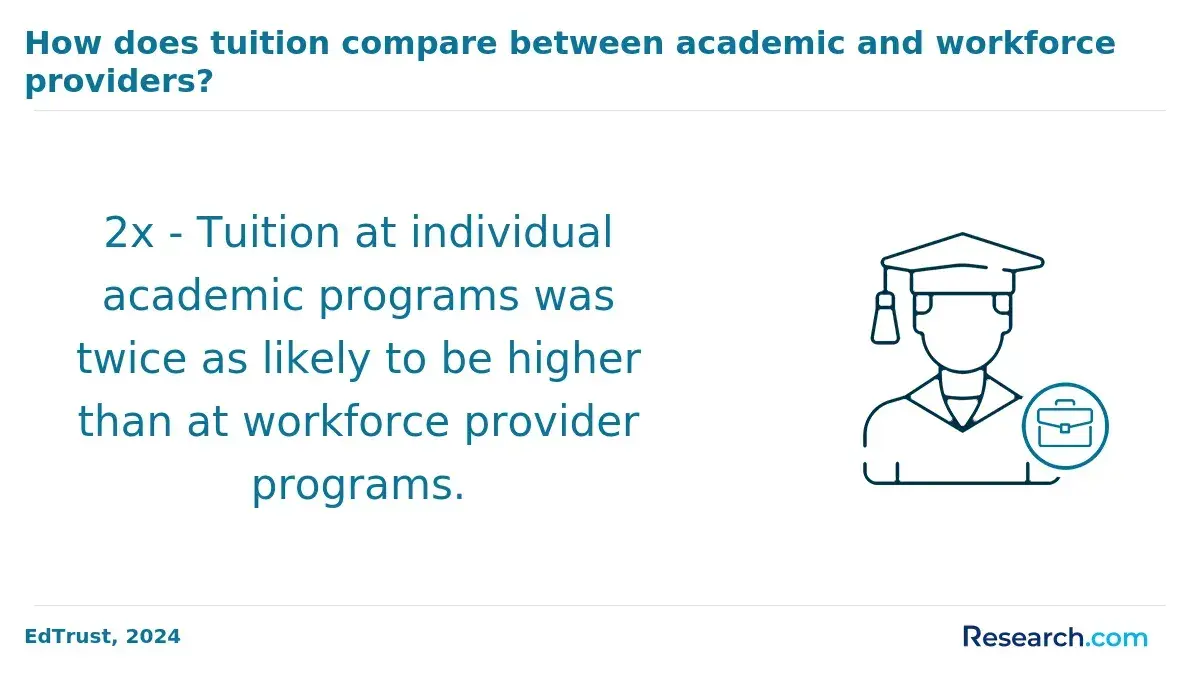
Employers recruiting entry-level mobile app developers tend to prioritize practical coding and problem-solving abilities rather than academic achievements alone. A 2023 study from the National Association of Colleges and Employers found that 72% of tech employers value real-world skills over grades when hiring new graduates.
The following are core competencies valued in entry level mobile app development jobs.
- Programming Proficiency: Command of languages such as Java, Swift, or Kotlin is essential. Graduates need to write efficient, clean code and grasp app lifecycles to maintain existing projects while building simple applications on their own.
- UI/UX Knowledge: Understanding user interface and experience design helps make applications intuitive and visually engaging. Entry-level developers frequently implement particular design requirements while keeping layouts responsive across devices.
- Debugging and Testing: The capacity to spot issues early improves app quality. Employers prize candidates skilled in unit testing and using debugging tools to troubleshoot typical problems effectively.
- Version Control Skills: Experience with Git or comparable systems is critical for tracking code changes and collaborating efficiently in team settings, a standard expectation for mobile app development roles.
- Communication Abilities: Communicating project progress and challenges clearly to designers and managers encourages smooth teamwork and keeps development on track.
For those considering related educational opportunities, an online psychology degree may also complement skills like user behavior understanding, boosting a mobile app developer's effectiveness.
Employers frequently evaluate candidates for entry-level roles using a blend of technical skills, practical experience, and problem-solving abilities. Internship experience is highly prized because it provides real-world application of academic knowledge and introduces students to collaborative work environments.
Based on a 2023 report by the National Association of Colleges and Employers, 60% of employers see internship experience as a key factor when hiring recent graduates. This finding shows how internships can shorten onboarding time and signal readiness for professional challenges.
Still, not every employer requires internships when choosing mobile app development graduates. Hiring practices vary according to the company's priorities, how urgently a role must be filled, and the candidate pool. Graduates without internships can still gain an advantage by presenting strong academic records, relevant coursework, and hands-on projects completed during their studies.
Emphasizing transferable skills, such as teamwork, communication, and familiarity with development tools, also helps applicants show their potential, especially when backed by a compelling portfolio or freelance work.
Certifications can greatly bolster a mobile app development degree by confirming practical skills and making candidates more appealing to employers. As stated by CompTIA, 91% of hiring managers consider certifications important when evaluating technical talent, underscoring their impact on early career success.
The following are some key certifications that improve job prospects for entry-level mobile app development graduates.
- Google Associate Android Developer Certification: This credential verifies core Android development skills like UI design and debugging. Employers respect it because it demonstrates hands-on ability in developing apps for a leading mobile platform, helping graduates land roles focused on Android technology.
- Apple Certified iOS App Development Certification: Focused on Swift programming and iOS design principles, this certification proves proficiency in Apple's ecosystem, which is vital for jobs creating iPhone and iPad apps. It indicates a candidate's readiness to work within Apple's frameworks.
- Microsoft Certified: Azure Developer Associate: Though not exclusive to mobile app creation, this certification shows knowledge of integrating cloud services often used in app backends. Earning this credential provides an advantage for entry-level roles involving scalable and secure cloud-based solutions.
- Certified Mobile Application Security Professional (CMASP): Centering on secure app development practices, this certification responds to growing employer concerns about application security. Graduates with this credential demonstrate awareness of compliance and robustness standards, increasing their appeal.
- Unity Certified Developer: For those drawn to mobile gaming or interactive experiences, this credential confirms expertise in the Unity engine, widely used in AR, VR, and game development, opening specialized entry-level opportunities.
A professional with a mobile app development degree reflected on her journey, noting how hard it was to stand out early on. "I felt overwhelmed by the number of applicants," she said, "but earning the Google Associate Android Developer certification gave me tangible proof of my skills."
She pointed out that preparing for the exam pushed her to deepen her understanding and confidence. "Employers asked about that certification in interviews, which led to discussions about practical projects rather than just theory." This real-world validation improved her chances and reassured potential employers of her commitment and ability to contribute from day one.
Beginning career preparation early considerably boosts the employability of mobile app development graduates. A 2023 survey from the National Association of Colleges and Employers found that 78% of employers favor candidates who show project experience and relevant technical skills.
The following are effective strategies students can use to build readiness before graduation.
- Build Practical Experience: Creating personal or open-source apps lets students apply classroom concepts in real-world situations. Featuring these projects in portfolios displays their skills to potential employers.
- Develop Technical and Soft Skills: Mastering programming languages and development frameworks is crucial, yet strong communication, teamwork, and problem-solving abilities also boost marketability. Joining group projects or coding clubs helps sharpen these skills.
- Engage in Academic Projects: Taking part in structured projects that mimic industry workflows provides experience with planning, version control, and collaboration. This gets students ready for the demands of professional environments.
- Utilize Campus Resources: Career centers, workshops, and coding labs offer valuable support such as résumé building, interview coaching, and networking chances with industry professionals.
The entry-level job market for mobile app development graduates is somewhat competitive, reflecting strong demand alongside a growing applicant pool. Industry data indicates that around 65% of mobile app development graduates obtain entry-level positions within six months of graduation. This suggests that while opportunities exist, many encounter difficulties finding immediate employment.
Competition for mobile app development graduate roles comes from several factors. Rising numbers of students are earning degrees in mobile app development, which increases the volume of applicants per job opening. Employer expectations differ widely; some emphasize broad coding skills and adaptability, while others look for specialized expertise in platforms like iOS or Android.
Also, competitiveness varies by employer type, with larger tech firms and startups often drawing more candidates than smaller or less saturated companies. Graduates gain from customizing applications to meet specific job needs and from building strong portfolios to stand out.
For students considering educational pathways, choosing programs among the most popular online colleges can be beneficial for gaining foundational knowledge and practical experience. Success in this field depends on combining technical skills with strategic career planning to navigate a competitive job market effectively.
Remote work has grown into a major trend in technology, creating more opportunities for entry-level professionals with a mobile app development degree to work from anywhere. A 2024 FlexJobs report indicates that 52% of U.S. employees now work remotely at least part of the time, reflecting sustained demand for remote entry-level mobile app development jobs.
Many roles support collaboration through digital platforms and technical tasks, making remote positions accessible early in one's career. The following are common remote entry-level app developer positions that graduates can consider:
- Junior Mobile App Developer: Centered on coding and debugging for iOS or Android apps, junior developers help with new features and fixes while working remotely. This role builds essential programming skills and familiarity with app development tools.
- Quality Assurance Tester: Remote QA testers methodically assess mobile apps to find bugs and usability problems, sharing insights with development teams. This position deepens understanding of app performance and user experience.
- UI/UX Assistant: Assisting design efforts, UI/UX assistants help with wireframing, prototyping, and usability testing remotely. They combine technical knowledge with design principles to enhance app interfaces.
- Technical Support Specialist: Offering remote help to users, this role includes troubleshooting and documenting issues, strengthening problem-solving and communication skills vital for app developers.
- App Documentation Coordinator: Tasked with creating user guides, release notes, and technical documentation from a remote setting, this position builds technical writing skills and deepens understanding of app features.
For those interested in related career opportunities outside of mobile app development, exploring online colleges for hospitality management can offer alternative educational paths in growing remote-friendly industries.
How quickly mobile app development graduates earn promotions varies widely, mainly depending on individual performance, accumulated experience, and the organizational hierarchy of their employer. Most early-career advancements in this field occur within two to three years of starting a position, with about 30% of entry-level developers receiving a title change in that timeframe. However, these averages can shift based on company size and role demands.
Knowing the typical promotion timeframe for mobile app development graduates helps set realistic expectations for career growth. Several factors affect the speed of career advancement in mobile app development jobs. Developers who actively sharpen their skills, master new technologies, and deepen their knowledge of user experience tend to advance more quickly.
Strong workplace performance, including the ability to solve complex problems and deliver impactful projects, also speeds up promotion opportunities. In addition, advancement timelines differ across employers, since some organizations have flat structures with limited title changes while others maintain clearly defined career paths and milestones.
Graduates should weigh these variables when planning their professional development and growth. Many graduates seeking to balance education with other commitments can explore options such as online colleges for military, which support flexible scheduling and career advancement while gaining technical expertise.
What Graduates Say About Entry-Level Jobs With a Mobile App Development Degree
- Tristan: "When I began my career with a mobile app development degree, I soon saw that applying for remote roles creates far more opportunities than on-site jobs. I made a point of targeting companies that offered hybrid options to keep a healthy work-life balance. Early roles in mobile app development truly help build a strong foundation, setting the stage for rapid career growth."
- Jesiah: "Looking back on my job search, I found that prioritizing roles with mentorship programs was crucial, since hands-on guidance greatly speeds up learning. I weighed the company culture and the kind of apps they build to match my personal interests. Entry-level roles in mobile app development provide a unique chance to contribute to real projects while sharpening one's skills for future leadership opportunities."
- Christopher: "From a professional standpoint, selecting an entry-level job in mobile app development came down to understanding the technical stack companies used and how it matched my skill set. I also appreciated onsite opportunities to collaborate directly with senior developers, which improved my problem-solving abilities. These early roles proved essential in establishing a career trajectory focused on innovation and specialization."
Other Things You Should Know About Mobile App Development Degrees
Entry-level mobile app developers usually work in office settings at tech companies, startups, or software agencies. Some might also take part in hybrid or fully remote work arrangements, depending on the employer's policies. Collaborative environments that use agile methodologies are common, encouraging teamwork and ongoing communication.
Aspiring mobile app developers at the entry level ought to be familiar with at least one platform stack, for instance Kotlin plus Android Studio for Android, or Swift with Xcode for iOS. Git, fundamental debugging skills, and knowledge of REST APIs are also commonly expected by many employers, since these tools feature in junior app development and testing processes.
A strong portfolio featuring personal or academic projects can be vital for entry-level mobile app developers. It shows practical experience and problem-solving skills beyond what coursework covers. Employers rely on portfolios to evaluate coding ability, creativity, and a candidate's familiarity with development processes.
- 10 Reasons to Start Building a Career in Mobile App Development! https://www.zuaneducation.com/blog/reasons-to-start-building-career-in-mobile-app-development/
- 31 Honest Mobile Developer Salaries https://www.cbtnuggets.com/blog/career/career-progression/honest-mobile-developer-salaries
- 7 Essential Mobile App Developer Skills for 2025 https://nextnative.dev/blog/mobile-app-developer-skills
- Remote Entry Level Android Developer Jobs | Working Nomads https://www.workingnomads.com/remote-entry-level-android-jobs
- Mobile App Developer Career Path | An 8 Points Super Guide https://softspacesolutions.com/blog/mobile-app-developer-career-path/
- A Guide to Mobile App Development Skills & Career Success https://sundancecollege.com/blog/a-guide-to-mobile-app-development-skills-career-success/
- 7 Most Popular Skills For Mobile App Developers - ABM College Canada https://www.abmcollege.com/blog/7-most-popular-skills-for-mobile-app-developers
- Top 8 Mobile App Development Courses To Advance Your Career https://www.edoxi.com/studyhub-detail/top-mobile-app-development-certifications
- Mobile App Developer Jobs » Find Job for App Development | useme.com https://useme.com/en/jobs/category/coding-and-it,35/mobile-apps,101/