2027 Mobile App Development Programs With Placement Support for Practicum or Clinicals
Audited and Verified:
Our Editorial and Data Verification Process
Research.com uses government datasets, official education statistics and primary institutional information to support its career and degree guides. Our review process checks factual accuracy, occupational definitions, source dates and the requirements associated with the credentials discussed.
How This Article Was Fact-Checked
Our editorial team verifies salary estimates, employment projections, education requirements and program information against original data providers and official organizations. Salary figures are checked against the relevant occupational definitions and reporting periods. Information about licensure, accreditation and required in-person training is reviewed separately.
Fact-checked and verified on:

Co-Founder and Chief Data Scientist
Many aspiring developers face uneven practicum placement support when they enroll in mobile app development programs, and some schools provide strong partnerships with industry leaders, whereas others give little or vague help. This difference frequently hinges on program format and type of institution, affecting preparation for certification and success in the job market. Studies indicate that 67% of graduates from programs with organized placement support land industry jobs within six months, versus only 42% from less structured programs. Grasping these distinctions is vital for candidates seeking to maximize licensure prospects and career growth. This article examines placement support quality across program types and provides assessment tools to help make informed choices.
Key Things to Know About Mobile App Development Programs With Placement Support for Practicum or Clinicals
- Placement support often includes dedicated career services, employer partnerships, and personalized practicum matching-ensuring practical experience aligns with licensure requirements and industry standards.
- Programs vary widely-traditional on-campus formats tend to offer structured, local partnerships, while online and hybrid models may provide broader but less personalized placement networks.
- Robust placement support is critical for licensing readiness and improves employment rates-graduates from programs with strong practicum infrastructure report 25% higher job placement within six months post-graduation.
What Are Mobile App Development Programs With Placement Support for Practicum or Clinicals, and Why Do They Matter?
Mobile app development programs with structured placement support for practicum or clinical training distinguish themselves by actively managing students' field experiences instead of leaving placement arrangements solely to students. These programs provide institutional backing, including vetting partner organizations, coordinating schedules, and keeping communication open between students and supervisors, to ensure access to quality practicum or clinical settings aligned with professional standards. This degree of support greatly influences student success rates and employers' views of credential value, since graduate outcome data from accrediting bodies regularly show higher completion rates and stronger job placement outcomes for students in programs with active placement management. Programs that offer mobile app development clinical training and placement services generally ensure that practicum sites satisfy required competencies, safeguarding both the quality of student experience and institutional reputation.
Organized placement help closes equity gaps by assisting place-bound or career-changing students in accessing competitive opportunities without depending on personal connections. This is particularly important for students considering online options, where face-to-face networking chances may be scarce.
Sectors with the highest average and median starting salaries for mobile app development graduates are:
- Technology: Software development companies and tech startups centered on mobile solutions.
- Finance: Firms building fintech apps and secure payment platforms.
- Healthcare: Organizations needing app developers for telemedicine and patient management systems.
- Education: Providers developing mobile learning applications and tools.
Prospective students should assess programs carefully, asking specific questions about how placement support works in practice and seeking data on placement success. Those interested in accelerated graduate study might also consider 1 year online masters programs that combine field experience with quick completion timelines while preserving strong placement support. This approach ensures preparation for licensing requirements and better career outcomes in mobile app development fields.
How Do Mobile App Development Programs Define Practicum or Clinical Requirements, and What Counts Toward Completion?
Mobile app development programs set practicum or clinical requirements with wide variation based on institutional accreditation standards and program focus. These requirements typically aim to ensure students obtain supervised, practical experience in real-world settings that strengthen their technical skills along with professional competencies. This variation means learners need to examine how programs organize practicum requirements to gauge the actual depth of hands-on training provided.
- Clock Hours: Programs might require anywhere from 100 to over 600 supervised hours for practicum or clinical completion. These hours usually must be completed in approved settings that involve active participation in app design, coding, testing, or deployment under direct supervision.
- Supervised Contact: Only hours that involve direct mentorship or supervision by qualified professionals generally count toward completion. Observation-only time or independent study without active supervision typically does not apply.
- Site Types: Approved practicum sites often include software companies, development agencies, tech startups, or university-affiliated labs. Non-approved sites, such as informal volunteer projects lacking structured oversight, are usually excluded by accrediting bodies.
- Competency Outcomes: Students must show mastery across programming languages, UI/UX design, debugging, and project management. Supervisor evaluations are commonly needed to validate these achievements.
- Accreditation Standards: Although national accreditation specifically for mobile app development is less common, programs often align with broader STEM or computer science accrediting bodies that stress rigorous experiential learning. Programs offering placement support frequently surpass minimal practicum hours by securing higher-quality, structured internships that enhance career readiness.
- Exclusions: Hours spent only on observation, at unapproved sites, or in unpaid volunteer roles without formal learning objectives typically do not count. Clear program definitions help preserve credential integrity and align with licensing or certification prerequisites.
- Impact on Credential Value: Programs with clearly defined, rigorous practicum requirements paired with strong placement support often prepare graduates better for competitive job markets. The depth of supervised experience affects how employers view graduates' real-world capabilities, a key consideration for those researching how mobile app development programs structure practicum requirements or evaluating criteria for completing clinical placements in mobile app development courses.
For individuals considering a career change or online study, comparing institutional support can be crucial, especially when weighing programs that offer varying degrees of placement assistance. This insight is valuable in fields related to technology and beyond, such as mental health, where accredited psychology degree online programs also stress practicum rigor as a predictor of licensing readiness and career success.
What Types of Placement Support Do Mobile App Development Programs Actually Provide, and How Extensive Is It?
Placement support in mobile app development programs covers a wide range, from offering passive resources to delivering fully managed, individualized coordination. Typical programs may provide a database or approved list of practicum sites, letting students choose from vetted organizations known to host field training. More comprehensive programs create formal partnerships with these sites, ensuring they satisfy professional and educational criteria to uphold quality supervision standards.
Another key element is active matching of students to appropriate placements. Some programs assign dedicated staff who weigh student interests, skills, and location to arrange ideal placements. This hands-on approach is particularly valuable in competitive or specialized local markets. Also, robust programs often manage requirements for liability insurance, protecting all parties during the clinical experience.
Credentialing supervisors is another critical aspect: programs confirm that practicum mentors hold appropriate qualifications to support students' skill development and meet licensing demands. Effective programs also maintain ongoing monitoring, checking in with both students and placement sites to track progress, resolve issues, and ensure clinical hours align with learning objectives.
On-campus mobile app development programs use local connections to facilitate placements with site visits and face-to-face coordination, while online programs tend to depend more on virtual platforms and remote administration. This difference underscores the importance of infrastructure and communication channels in supporting dispersed student populations.
Programs that only mention placement support in marketing without clear backing systems risk leaving students unprepared for licensure requirements and career advancement. Real placement support includes transparent processes, personalized assistance, and verifiable outcomes.
A professional who earned a mobile app development degree shared that while initially overwhelmed by finding a practicum site remotely, the program's dedicated placement coordinator regularly communicated options and helped navigate insurance paperwork. "It wasn't just a list to pick from; I felt personally supported," he recalled. "Knowing someone was checking in during my placement made a big difference, especially when I hit scheduling conflicts or needed supervisor guidance." This level of involvement, he noted, turned a potentially stressful experience into a milestone that boosted his confidence and readiness for the workforce.
Placement Networks: On-campus mobile app development programs typically gain from established partnerships with local companies and clinical sites, giving students direct, face-to-face connections and site visits. This localized network makes securing practicum placements simpler than online options.
Geographic Reach: Online programs face the challenge of serving students spread across various states or even countries. To address this, many have built broad national agreements with clinical partners, set up reciprocal arrangements, or hired regional placement coordinators to connect learners to nearby practicum opportunities, an essential strategy given the diversity of online student locations and their impact on placement logistics.
Licensing and State Regulations: Out-of-state clinical placements for online students often encounter significant hurdles because of differing state licensing rules and requirements. This lack of licensing reciprocity limits available practicum sites and can delay training progress, creating challenges not typically faced by on-campus students whose placements are usually within a single jurisdiction.
Support Infrastructure: To make up for the lack of in-person contact, online mobile app development programs frequently offer virtual orientations, preparatory workshops, and assign specialized advisors to help students navigate placement approvals and compliance remotely. Such support is critical to ensure students understand clinical expectations and procedures despite geographic distance.
Limitations: Despite these carefully designed mechanisms, online students often compete more intensely for limited placement slots and may have less frequent direct engagement with local employers. This dynamic can limit the diversity or depth of practicum experiences compared to those available on-campus.
- Important Questions for Online Applicants:
- What is the geographic scope and depth of your clinical site partnerships?
- Do you offer assistance with state licensing compliance for placements in various jurisdictions?
- Are regional placement coordinators or advisors available to support students near where they live?
- Can you share data on placement success rates and the types of employers that engage remote learners?
The nuances of online vs on-campus mobile app development placement support significantly affect practicum outcomes and licensing readiness. Those investigating programs should assess these factors carefully, verifying claims with concrete data and direct communication. For career changers and place-bound students alike, understanding program placement infrastructure is crucial to ensure a meaningful clinical experience that aligns with professional goals. For broader context on affordable options related to licensed clinical fields, users may find insight in a criminal justice online degree guide that illustrates comparable placement challenges across disciplines.
Regional Accreditation: Institutions that offer mobile app development programs usually come under the watch of regional agencies, for example the Higher Learning Commission (HLC) or the Middle States Commission on Higher Education (MSCHE). Such bodies set broad quality standards yet generally delegate detailed practicum criteria to specialized accreditors.
National Accreditation: Organizations such as the Accrediting Commission of Career Schools and Colleges (ACCSC) and the Distance Education Accrediting Commission (DEAC) grant national-level accreditation, frequently stressing hands-on elements in career-oriented and distance learning programs. Their criteria typically cover mandated supervised field hours and assessment of placement sites, though they may be less prescriptive than regional accreditors.
Programmatic Accreditation: Even though no accreditor solely oversees practicum standards for mobile app development, allied bodies like ABET often enforce strict practicum requirements inside computing or technology accreditation frameworks. Common components generally comprise:
- Required minimum supervised practice hours inside placements.
- Qualified supervisors who possess pertinent industry experience and, in certain cases, formal certifications.
- Placement sites that provide sufficient resources and mentorship capacity.
- Structured assessment methods to gauge student competencies throughout practicum.
A program's ability to deliver meaningful placement support is directly shaped by its accreditation status. Accredited programs usually keep formal partnerships with industry affiliates, have infrastructure for monitoring and reviewing practicum sites, and use quality controls that protect student outcomes. Such strengths raise the likelihood of stable, relevant field experiences that ready students for professional certification, licensure, or employment.
Prospective students ought to verify a program's current accreditation with the proper agency and make sure its placement policies align with the licensing or certification requirements set by their target jurisdiction or employer.
A professional who began her career after earning a mobile app development degree recalled that handling practicum placement at first seemed intimidating because of scant transparency regarding site choices and supervision quality. Gradually, by talking with program advisors and working with established industry partners, she came to value how the program's accredited status led to more dependable placement opportunities. She remarked, "Understanding that the supervisors satisfied certification and experience standards gave me confidence throughout my practicum. The structured evaluations assisted me in spotting areas for improvement before I entered the workforce." Her account highlights the real-world effect accreditation standards can have on the quality and relevance of clinical training in mobile app development programs.
Minimum undergraduate GPA requirements for admission to graduate mobile app development programs usually range from 2.75 to 3.0, especially at large public universities and accredited online institutions. Such thresholds aim to balance accessibility with academic preparedness in support of successful completion.
More selective private nonprofit programs frequently require higher GPAs, often 3.25 or above, to match competitive placement opportunities in prestigious or specialized practicum settings. An elevated GPA cutoff generally signals an expectation of solid academic grounding as a predictor of field readiness and practical skill development. Certain programs might admit applicants with lower GPAs conditionally, requiring additional coursework or evaluations before granting full entry to clinical or practicum stages.
Applicants should distinguish between the published minimum GPA and the average GPA of admitted students, because competitive cohorts often surpass those minimums by a clear margin. Grasping this distinction helps candidates assess their chances more accurately and prepare accordingly.
This GPA framework is a central part of admission criteria that also indicates the program's focus on quality practicum or clinical experiences, which are critical components for licensure and employment outcomes. Reviewing GPA policies together with placement support lets prospective students identify programs that truly cultivate career readiness, rather than those depending only on nominal admission figures.

Present-day mobile app development graduate programs with placement support have displayed differing policies on GRE or other standardized test scores, mirroring a wider shift across many disciplines since 2020 toward test-optional or test-free admissions. This pattern is particularly evident in fields tied to clinical training and professional licensing.
- Institution Type: Research-intensive universities and highly competitive clinical mobile app development programs are most apt to require GRE or equivalent exams. Such programs contend that standardized testing provides a consistent measure for comparing applicants from varied academic backgrounds.
- Program Selectivity: Programs that keep test requirements tend to be highly selective, using these scores to ensure incoming cohorts show academic rigor. Standardized tests can indicate a program's focus on traditional readiness metrics.
- Placement Support Correlation: Programs with strong placement infrastructure often weigh multiple applicant factors beyond test scores. This holistic approach supports student preparedness for practicum or clinical environments and signals greater institutional investment in career outcomes.
- Test-Optional Strategy: Applicants should treat optional testing strategically: submitting GRE scores that meet or exceed program benchmarks may bolster the application, while low scores can be left out without penalty.
- Admissions Advice: When test scores fall below a program's suggested range, applicants should concentrate on other components, such as relevant experience, academic records, and personal statements that underscore clinical readiness and commitment.
- Variability Across Formats: Online and place-bound mobile app development programs often stress holistic reviews, placing less weight on standardized tests and more on demonstrated skills via portfolios or prior work experience.
Aligning application strategies with each program's testing policy helps prospective students optimize their chances, especially since strong placement support often correlates with how programs assess and invest in their cohorts' clinical success.
The time required to finish a mobile app development program with practicum or clinical requirements hinges on program format and placement scheduling. Full-time students usually complete it in 12 to 24 months, with practicum hours woven in concurrently alongside coursework, which helps speed progress. Part-time options, created for working professionals, may stretch the duration to 2 to 3 years or longer, particularly if practicum placements come after coursework in sequence. Such sequencing often extends the duration, so it is important to evaluate how programs handle practicum timing.
Programs with robust institutional support frequently offer structured scheduling of practicum or clinical experiences, letting students earn placement hours at the same time as coursework. This concurrent model can considerably shorten overall program length. By contrast, the length of clinical placement in mobile app development courses may grow if students must arrange sites or supervisors on their own, since delays or mismatches in placement can delay graduation by a semester or more.
Although practicum hour requirements in technology-related mobile app development programs tend to be lower than in fields like counseling (600+ hours), social work (900+ hours), or nursing (500+ clinical hours), practicum still remains a critical time factor in completion. Assessing the quality of placement support is essential for realistic program timelines and licensing readiness. Some programs provide dedicated coordinators and employer networks, which lowers placement obstacles.
- Comprehensive Support: Dedicated placement coordinators and employer partnerships alleviate practicum scheduling difficulties.
- Concurrent Scheduling: Structured programs merge practicum and coursework to reduce completion times.
- Flexible Formats: Part-time and online paths differ; those integrating practicum planning steer clear of extended durations.
Prospective students considering options may also look into related graduate paths, such as online masters in communications programs, which sometimes include similar practicum or project components. Understanding practicum duration and placement support infrastructure remains essential when comparing programs to achieve timely completion and licensing success.
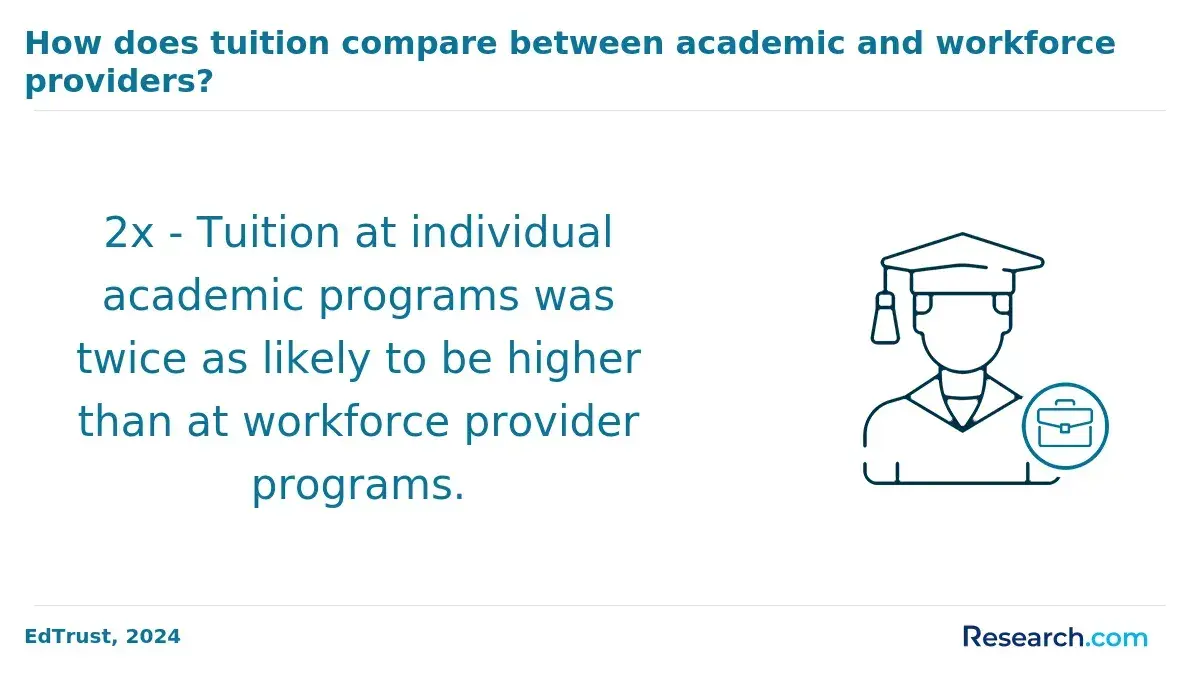
Tuition costs for mobile app development programs with placement support differ widely, reflecting variations in resources dedicated to practicum or clinical placement coordination. Programs that hire dedicated placement staff, manage partnerships with industry sites, and supply clinical coordination often charge higher tuition or surcharges to cover these valuable services. Many graduate-level programs with structured placement support usually charge between $15,000 and $40,000 in total tuition, although fees can go beyond that at private institutions or where extensive placement infrastructure is provided.
- Financial Aid Options: Students in mobile app development practicum programs often obtain federal graduate student loans to help cover tuition and living expenses. Graduate assistantships that offer tuition remission or stipends in return for research or teaching duties are also available at certain institutions.
- Employer Tuition Benefits: Career changers might gain from employer-sponsored tuition reimbursement programs, greatly lowering out-of-pocket costs. It is crucial to check whether your employer supports continuing education in technology or clinical fields.
- Scholarships and Grants: Discipline-specific scholarships from professional associations centered on mobile app development or technology careers can help reduce costs. These awards typically require separate applications and evidence of academic or professional merit.
- Net Cost Evaluation: Rather than focusing only on sticker price tuition, applicants should assess the net cost, factoring in all financial aid, scholarships, and expected living expenses, to gain an accurate view of actual program expenses.
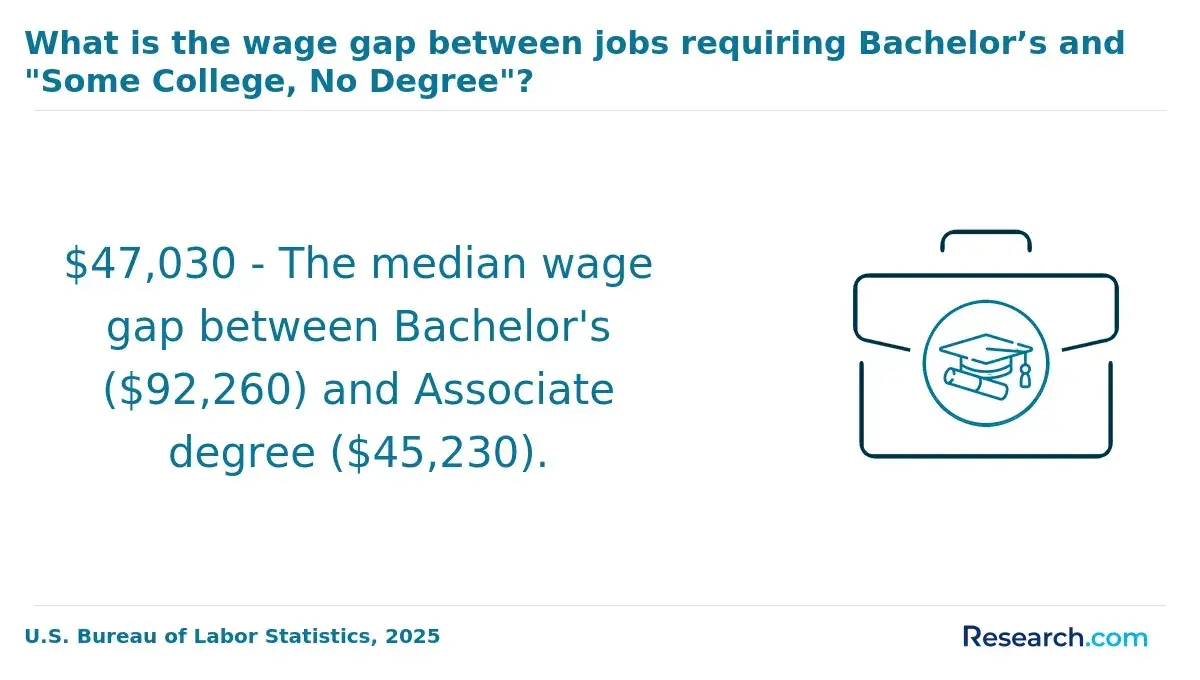
- Employment Outcomes and Justification: Programs with strong placement support often report higher graduate employment rates and stronger starting salaries, data frequently shared on program websites. This justifies a higher tuition investment by shortening time-to-employment and improving career readiness.
- Comparing Programs: When comparing mobile app development options, consider total cost of attendance along with the value offered by placement infrastructure, which serves as a risk-reduction feature that aids timely practicum or clinical placements and faster licensing. This support can speed up salary returns after graduation.
For students seeking to combine strong placement support with flexible learning, exploring online electrical engineering courses USA can provide insights into comparable structured program models that balance tuition, aid, and employment outcomes effectively.
Students in mobile app development programs with placement support often work within a range of practicum settings obtained through their institution's affiliate networks. These partnerships deliver valuable exposure to diverse work environments, which is critical for connecting academic training with real-world application.
- Community-Based Settings: Connections to local startups, nonprofit organizations, or tech hubs let students contribute to regionally focused or socially driven app projects.
- Corporate and Industry Facilities: Collaborations with established companies provide experience on teams engaged in product design, user experience, and large-scale app deployment.
- Government Agencies: Some placements take place in public sector digital service departments where students build applications that improve health, security, or accessibility for citizens.
- Healthcare and Wellness: Hospitals, rehab centers, and corporate health initiatives offer chances to innovate patient care and wellness monitoring apps.
- Educational Institutions: Schools and universities often act as practicum sites for creating educational technologies or managing digital systems.
- Specialty Alignment: Strong networks help students locate placements aligned with areas like gaming, mobile security, augmented reality, or enterprise apps, supporting targeted skill growth.
Openness in placement networks marks mature programs. Clear disclosures, including detailed site listings, placement success rates, and alumni career data, point to well-developed infrastructure instead of vague support promises. Prospective students ought to ask for specific details about site availability in their region or specialty, since network breadth can differ greatly depending on institution size, history, and geographic location. Posing focused questions helps identify programs that provide meaningful, customized placement experiences tied to career objectives.
Qualified clinical supervision is essential in practicum and field training for mobile app development students, ensuring hands-on experience under knowledgeable guidance. Programs that carefully vet and train site supervisors follow accreditation standards requiring supervisors to hold recognized software development credentials and relevant mentoring experience. Before approving placement sites, these programs conduct thorough audits, including credential verification, resume reviews, and sometimes background checks or interviews, to confirm supervisors' qualifications.
Strong placement infrastructures keep monitoring throughout the practicum with regular check-ins, student feedback, and occasional visits to maintain supervision quality. This vigilance stops licensing boards from invalidating practicum hours because of inadequate supervision, a key risk in programs that accept any site with minimal credentialing. Without these safeguards, students risk losing crucial training hours needed for certification and employment.
- Credential Verification: Confirms supervisors satisfy industry and accreditation requirements through documented qualifications.
- Pre-Approval Audits: Assess potential placement sites thoroughly before endorsement.
- Ongoing Quality Monitoring: Employs feedback loops and site assessments to maintain supervision standards.
- Risk Mitigation: Shields students by enforcing strict policies on valid supervisor credentials.
- Student Advocacy: Encourages questions about supervisor credentialing, supervision assessments, and procedures if standards are not met.
Prospective students should prioritize programs that show transparent, active management of clinical supervision to ensure compliant, effective practicum experiences that support licensing readiness and career success.
What Graduates Say About the Mobile App Development Programs With Placement Support for Practicum or Clinicals
- Tristan: "The placement support I received in the mobile app development program was genuinely hands-on and personalized; the coordinators went above and beyond to link me with quality practicum opportunities that fit my skills and career goals. I observed that programs delivered through universities often have more structured partnerships, whereas online formats might call for a bit more self-navigation but still offer solid support. In the end, this guided placement was essential in preparing me for licensing exams by providing real-world experience I could directly apply."
- Jesiah: "Looking back on my time in the mobile app development program, I discovered that placement support differed significantly based on the institution; smaller colleges provided personalized assistance, while larger institutions had broader networks but sometimes less individual attention. This variation mattered greatly because direct practicum or clinical experiences helped me feel confident entering the job market. The career outcomes were promising; because of placement support, I secured a position quickly after graduation that matched my aspirations perfectly."
- Christopher: "From a professional standpoint, placement support in mobile app development programs is more than just a checkbox; it is a vital component that shapes your readiness for industry and licensing requirements. The quality of this support often depends on the program format; campus-based courses might have deeper local connections, while hybrid programs combine flexibility with resource accessibility. In my view, taking part in a practicum through the program's placement assistance directly influenced my career trajectory, speeding my growth and making job prospects far more tangible."
Other Things You Should Know About Mobile App Development Degrees
Mobile app development programs with placement support usually have backup plans to handle site conflicts or failures. Programs keep partnerships with multiple practicum or clinical sites, allowing quick reassignment if a student's original placement becomes unavailable. Communication between program coordinators and students is given priority to reduce disruption and ensure continuous hands-on experience.
A completed application, evidence of prerequisite coursework, a résumé, immunization records, and a background check are generally required by most programs prior to placement approval. A portfolio or GitHub link is also requested by many, together with a signed affiliation agreement from the host site, ahead of the practicum start date.
Programs accredited by recognized bodies and those connected with leading industry partners tend to provide the most dependable placement support. Institutions with long-standing practicum networks and integrated career services regularly receive positive reviews for placement outcomes. Although specific program reputations differ, selecting programs that report high student satisfaction and licensure success rates is wise.
- How to Become a Mobile App Developer https://www.cbtnuggets.com/how-to-become/mobile-app-developer-career
- College Placements vs Off-Campus IT Jobs: What Works Better? https://forskcodingschool.com/college-placements-vs-off-campus-it-jobs/
- Healthcare App Development in 2024: The Ultimate Guide https://pulsedigital.co.uk/mobile-app-healthcare-pharma
- Why Healthcare Mobile App Development Is Crucial https://www.aqedigital.com/blog/healthcare-mobile-app-development/
- Healthcare Mobile App Development: A Step-by-Step Guide https://sigma.software/insights/healthcare-mobile-app-development-a-step-by-step-guide
- Mobile Application Development Proficiency Certificate https://www.ccp.edu/degree-programs/mobile-application-development-proficiency-certificate
- Top 50 Most Affordable Mobile App Development Programs - ValueColleges.com https://www.valuecolleges.com/rankings/top-mobile-app-development/
- Mobile App Development: A Beginner’s Guide https://granvillecollege.ca/guide-to-mobile-app-development/
- Hiring a Mobile App Developer: A Complete Guide https://coderslink.com/employers/blog/a-complete-hiring-guide-for-mobile-developers
- Mobile app development: A deep dive https://www.outsystems.com/application-development/mobile-apps-overview/mobile-app-development-fundamentals/