2027 Are Online Mobile App Development Degrees Respected by Employers?
Audited and Verified:
Our Editorial and Data Verification Process
Research.com uses government datasets, official education statistics and primary institutional information to support its career and degree guides. Our review process checks factual accuracy, occupational definitions, source dates and the requirements associated with the credentials discussed.
How This Article Was Fact-Checked
Our editorial team verifies salary estimates, employment projections, education requirements and program information against original data providers and official organizations. Salary figures are checked against the relevant occupational definitions and reporting periods. Information about licensure, accreditation and required in-person training is reviewed separately.
Fact-checked and verified on:

Co-Founder and Chief Data Scientist
Online mobile app development degrees have grown quickly in popularity as technology careers expand rapidly. Studies indicate that more than 60% of employers now consider online education credentials equal to traditional degrees, reflecting a change in acceptance. This article intends to explain how employers presently view online mobile app development qualifications and which criteria influence their credibility. Grasping these dynamics is vital for prospective students evaluating their educational choices. The analysis relies on expert perspectives and recent data to offer an objective overview, assisting readers in navigating the shifting landscape of online technical education and employment prospects.
Key Benefits of Online Mobile App Development Degrees Respected by Employers
- Employers increasingly regard online mobile app development degrees as credible, with 67% of hiring managers expressing trust in graduates from accredited online programs, reflecting a shift in perception.
- Graduates develop essential technical skills including coding, UX/UI design, and app testing-skills that 85% of employers prioritize when recruiting mobile developers.
- Holding an online degree in mobile app development correlates with improved career outcomes, as 58% of graduates report faster job placements and higher starting salaries compared to those without formal credentials.
Which accrediting bodies make an online mobile app development degree legitimate?
Accreditation is vital for guaranteeing the quality and employer recognition of online mobile app development degrees. It confirms that a program satisfies established academic and professional standards, boosting the legitimacy of the qualification for students and employers alike. Comprehending the different types of accreditation enables students to determine which programs provide the most recognized and valuable credentials.
Listed below are the primary types of accreditation relevant to online mobile app development programs:
- Regional Accreditation - This is the most widely respected type of accreditation in the U.S., awarded by recognized agencies such as the Higher Learning Commission (HLC) and the Middle States Commission on Higher Education. Regional accreditation ensures academic rigor and makes credit transfer between institutions easier. Degrees from regionally accredited schools are favored by major employers and are frequently required for government or professional roles. For instance, Arkansas State University's online mobile app development program holds regional accreditation, ensuring broad recognition and transferability.
- National Accreditation - Agencies such as the Distance Education Accrediting Commission (DEAC) offer national accreditation, primarily for career-focused, technical, or vocational schools. Although nationally accredited degrees qualify graduates for entry-level roles, they may encounter restrictions regarding graduate school admissions and credit transfers to regionally accredited institutions.
- Programmatic Accreditation - Specialized accreditors like ABET (Accreditation Board for Engineering and Technology) concentrate on specific programs in technology and computer science. Programmatic accreditation ensures that the curriculum matches industry standards, supporting eligibility for professional certifications. Graduates from ABET-accredited mobile app development programs often see better job placement rates and higher salaries, making this a key factor in accreditation for online mobile app development degrees in the US.
For prospective students, choosing a program accredited by recognized accrediting agencies for mobile app development programs is critical for ensuring career advancement. Moreover, understanding these accrediting bodies helps when evaluating options that align with goals such as further education or certification. To explore top opportunities after accredited training, researching the top paying certificate programs can be especially useful.
Does university reputation affect employer views of online mobile app development degrees?
The reputation of a university plays a major part in influencing how employers view online mobile app development degrees. Employers frequently connect degrees from well-regarded institutions with greater quality, credibility, and value, which shapes their hiring choices.
This university reputation impact on mobile app development careers comes largely from the institutional prestige carried by well-known, highly ranked universities. When reputable public and private schools provide online programs, many employers regard these degrees in much the same way as traditional ones, particularly since some institutions treat online and on-campus diplomas as equal.
Accreditation status is another key factor for employers evaluating online mobile app development degrees. Accredited programs indicate that the curriculum satisfies established educational and industry standards, making graduates more competitive in the job market.
In addition, strong alumni success stories improve the reputation of online programs. Employers pay attention when graduates from particular programs show career achievements, because this mirrors the program's effectiveness in preparing students for the tech industry.
Partnerships between universities and technology companies also increase program credibility. Collaboration on real-world projects or internships reassures employers that graduates possess practical skills matched to current industry needs. These factors work together to raise the standing of some of the best online mobile app development schools in the US in the eyes of recruiters and hiring managers.
Yet, although university reputation often opens doors, employers ultimately put candidates' skills and experience first. In the rapidly changing field of mobile app development, demonstrable technical expertise and a strong portfolio often matter more than the mode of education. This balance between prestige and practical ability influences hiring decisions throughout the industry.
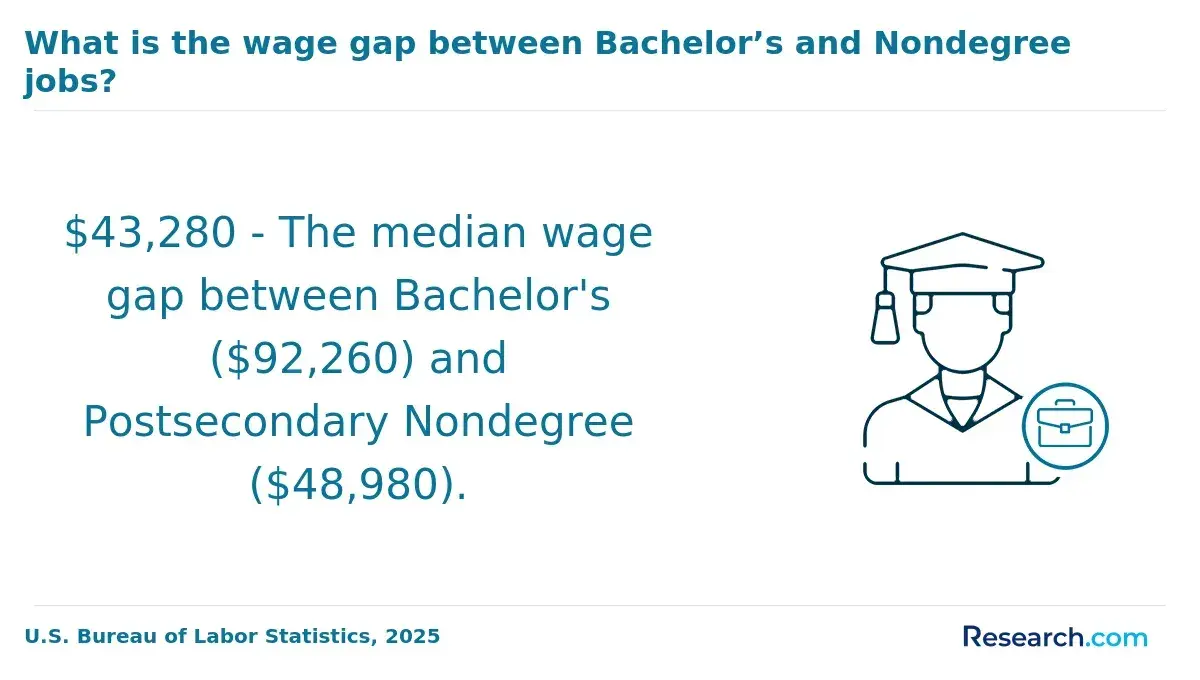
Do employers treat online and on-campus mobile app development degrees equally?
In recent years, employers have grown much more accepting of online mobile app development degrees, which reflects a clear shift in attitudes toward remote education. Based on recent surveys, more than half of employers now consider graduates from online programs to be just as qualified as those from traditional on-campus settings. This change stems from the rising availability of accredited online degrees from reputable institutions and the growing normalization of remote work environments.
Still, acceptance differs, and some employers-particularly in the United States-continue to show a slight preference for in-person credentials, frequently associating them with stronger communication and leadership abilities.
When assessing candidates for mobile app development roles, most employers place skills, practical experience, and the reputation of the awarding university above whether the degree was earned online or on-campus. Accreditation stays a crucial factor, and degrees from accredited institutions are almost universally accepted.
In the tech industry in particular, hands-on coding skills, a solid project portfolio, and real-world problem-solving experience usually carry more weight than the mode of study. That said, U.S. hiring managers tend to examine online degrees more closely than their global counterparts, with a notable percentage expressing doubts about their equivalency.
Even so, data indicates no difference in starting salaries between graduates of online and traditional programs, and many organizations actively recruit applicants with online degrees. To maximize credibility, graduates should select accredited, well-known programs and build comprehensive portfolios that showcase their practical skills and experience.
AI technologies including adaptive learning systems, virtual simulations, and AI tutors greatly improve the quality and credibility of online mobile app development degrees. Adaptive learning platforms tailor coursework to fit each student's unique strengths and weaknesses, ensuring mastery of core programming skills and frameworks.
Virtual simulations offer a practical, hands-on setting where students can code, debug, and deploy apps in scenarios that closely mirror real-world challenges. In the meantime, AI tutors provide immediate, focused feedback, speeding up skill acquisition and helping learners get past obstacles quickly.
Together, these tools allow online programs to deliver a rich, interactive educational experience that connects theory with practical application, letting students build strong portfolios that showcase real projects highly valued by employers.
These developments have favorably changed employer perception toward online mobile app development degrees, especially when paired with industry-recognized certifications and demonstrable skills. Surveys show that over 60% of U.S. hiring managers now view online technology degrees as equally rigorous or more rigorous than traditional campus programs, as long as practical training is included.
However, skepticism remains among some employers, particularly those less familiar with AI-powered learning models or who prefer degrees from established brick-and-mortar institutions. Leading online programs tackle these concerns by integrating mentorship from experienced developers, providing career support, and building industry partnerships.
As the mobile app market grows quickly, the credibility of online degrees enhanced by AI tools is expected to become stronger, matching increased employer demand for skilled app developers.
Graduates of Online Mobile App Development programs stand out in the job market because of their strong combination of technical skills for mobile app development graduates and vital soft skills. Employers greatly value these professionals for their capacity to provide innovative solutions and work well together in dynamic and frequently remote teams.
The skills employers most often seek in candidates with online mobile app development degrees mirror both their programming expertise and the problem-solving abilities mobile app developers build during their studies.
- Programming languages: Online programs stress proficiency in languages including Swift, Kotlin, Dart, and JavaScript. This groundwork allows graduates to create versatile applications across platforms, making them flexible to changing technology demands.
- Cross-platform development: Command of frameworks such as React Native and Flutter lets graduates efficiently build apps for iOS and Android from a single codebase. Employers value this skill since it helps streamline production and lower costs.
- User interface (UI) and user experience (UX) design: Graduates learn to craft intuitive and accessible interfaces, improving app usability and market appeal. Strong UI/UX skills directly affect customer satisfaction and product success, which makes this expertise highly sought after.
- Cybersecurity: Online degrees more and more include lessons on data privacy, encryption, and secure coding practices. Companies favor developers who can create safe applications that protect sensitive user information amid growing cyber threats.
- Agile development and project management: Collaborative online coursework helps students build skills in agile methodologies and project coordination. These abilities are key for managing tasks, meeting deadlines, and responding to feedback in fast-paced tech environments.
- Problem-solving and communication: Remote learning environments encourage independent problem-solving and clear digital communication. These soft skills are essential for effective teamwork and project delivery, making graduates more competitive.
For anyone considering further education, exploring cheap online masters degrees can provide additional ways to sharpen both technical and interpersonal skills, improving career prospects in mobile app development.
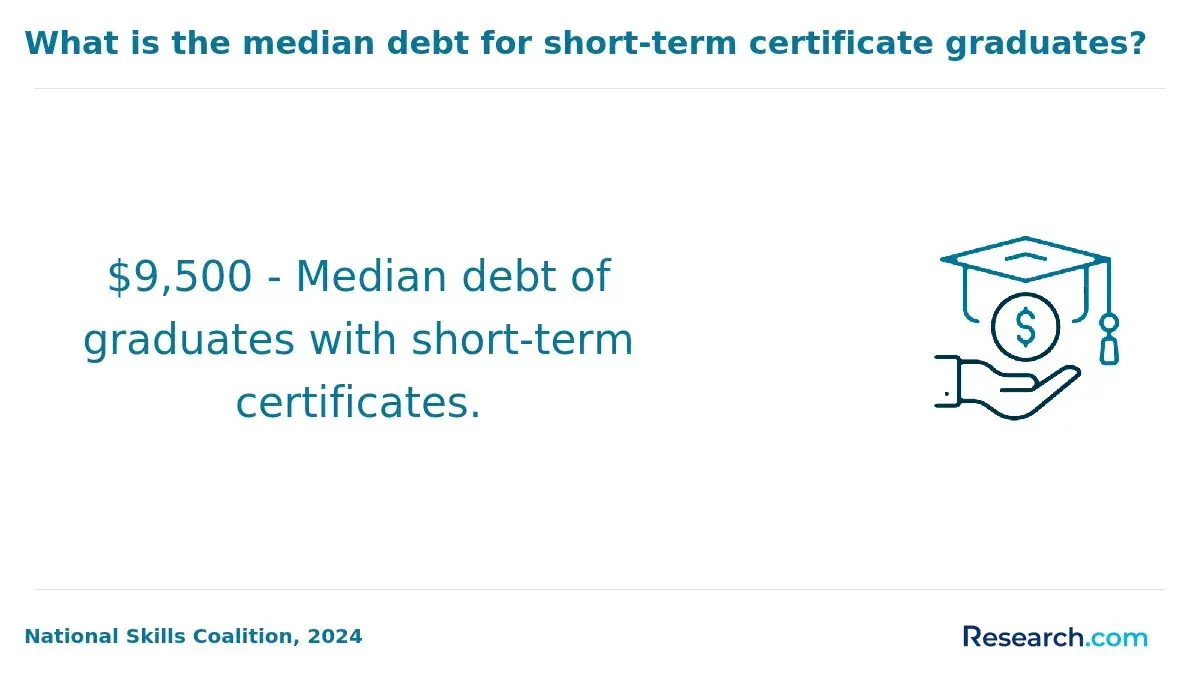
Obtaining professional certifications can greatly boost the credibility of an online mobile app development degree by offering industry-recognized validation of a graduate's technical skills and practical abilities. These certifications show competencies specifically matched to employer expectations, helping connect academic knowledge with real-world application.
The points below describe the primary ways professional certifications increase the value of online mobile app development degrees in employers' eyes.
- Industry-Recognized Validation: Certifications such as the Associate Android Developer (Google), Certified iOS App Developer (Certiport), and GIAC Mobile Device Security Analyst (GMOB) offer independent evidence of a candidate's proficiency with key tools, languages, and best practices, indicating relevant technical expertise beyond the diploma.
- Demonstration of Practical Skills: Many certifications call for hands-on projects and exams that assess real-world abilities. For instance, Oracle Java ME Mobile Application Developer and App Development with Swift (Apple) certifications confirm that candidates can effectively build, test, and deploy working mobile applications.
- Career Advancement Opportunities: Professionals holding certifications often gain a competitive edge for advanced roles like lead developer or software engineer. Employers in mobile app development regularly favor candidates with current certification credentials that reflect present industry standards.
- Enhanced Employer Confidence in Online Credentials: Certifications help reassure employers who might be unsure about the rigor of online degrees. Surveys like the 2023 CompTIA study show that over 90% of employers trust IT certifications as dependable measures of technical skill regardless of degree delivery format.
- Specialization and Differentiation: Certifications let graduates concentrate on particular platforms or skills, such as Android, iOS, security, or UI design, helping them stand out and better fit the specialized needs of employers in a competitive job market.
- Portfolio and Project Verification: The requirement of portfolio projects in many certification programs provides concrete proof of applied skills, which is invaluable during hiring and interviews, especially for early-career professionals or those moving into mobile app development.
When I talked with a professional who pursued an online mobile app development program, he explained how earning certifications deeply affected his job prospects. At first, he encountered skepticism from potential employers who doubted the value of his online degree by itself.
But after earning certifications such as the Associate Android Developer and finishing portfolio projects, he saw a clear change in employer responses. "Those certifications seemed to speak louder than my degree during interviews," he said. The preparation process was demanding, requiring extensive hands-on coding and application testing, yet this rigor gave him confidence and concrete proof of his skills.
He also noted the emotional lift of seeing his certified accomplishments listed on his resume, which helped him land a position as a junior developer sooner than he expected. His experience highlights how professional certifications can effectively validate online mobile app development credentials and support career growth in a difficult job market.
No significant evidence indicates that online mobile app development graduates earn less than their on-campus peers. National and industry-wide patterns show that employers care more about a candidate's skills and practical experience than about where their degree was obtained.
Several key factors affect salary outcomes for mobile app development graduates, whether online or traditional, and grasping these can help explain the salary comparison for online vs on-campus mobile app development degrees:
- Employer Perception: Over time, many employers have started to value online degrees much like on-campus ones, especially when the programs are accredited and reputable. This shift supports salary parity as employer attention turns toward the quality of education rather than its delivery method.
- Skill Acquisition: Salary potential is tightly linked to the specific coding languages, app design, and development skills gained during the program. Graduates from online programs that stress practical skills can be just as competitive in the job market as those from traditional schools.
- Industry Demand: The technology sector's ongoing growth drives high demand for skilled mobile app developers, pushing salaries upward across the board. This strong demand helps balance earnings regardless of whether the degree was earned online or through campus.
- Location and Experience: Differences in salary often depend more on geographic location and professional experience than on education mode. Developers in tech hubs or with extensive portfolios usually earn higher incomes.
Prospective students seeking accredited programs can consult a list of best colleges online to explore respected options that support strong career outcomes.
Completing an online Mobile App Development degree can greatly affect long-term career advancement and promotion opportunities across many industries. As mobile technology keeps reshaping business operations, professionals with specialized mobile app development skills are increasingly valued for their capacity to drive innovation and growth.
This foundation provides a range of professional benefits, and the points below highlight the primary ways online Mobile App Development degrees encourage career growth and advancement.
- Access to High-Demand Roles: Mobile app development is a fast-growing field with expanding employment opportunities. Graduates acquire skills that prepare them for varied industries such as healthcare, finance, and education, making them competitive candidates for sought-after technical positions that often lead to quicker promotions.
- Expanded Earning Potential: Professionals with an online Mobile App Development degree often earn higher salaries, particularly when they specialize in emerging technologies like AI or cybersecurity. This credential signals advanced expertise to employers, improving candidates' negotiating power for leadership roles and profitable projects.
- Flexible Career Pathways: The versatility of mobile app development lets graduates explore various roles including front-end and back-end development, UI/UX design, and project management. This flexibility permits both vertical promotions and lateral moves into new areas, widening professional growth opportunities.
- Opportunities for Entrepreneurship and Freelancing: With core app development skills, graduates can confidently start startups or work independently as consultants and freelancers. These experiences build leadership qualities and a diverse income base, which employers see as valuable assets.
- Industry-Relevant Skills and Continuous Learning: Online programs focus on up-to-date curricula that mirror current industry standards, ensuring graduates remain competitive. This continuous learning prepares professionals to take on advanced roles and stay eligible for promotions in changing workplaces.
- Cross-Industry Mobility: Mobile app development skills transfer across sectors like fintech, healthcare tech, and education technology, making career shifts easier that can lead to new leadership positions or specialized roles.
When I talked with a professional who completed an online Mobile App Development program, she stressed how the degree completely changed her career trajectory. Before enrolling, she felt trapped in a stagnant role with few advancement opportunities. The flexibility of the online format let her keep working while gaining new skills suited to market demands.
She remembered, "The hands-on projects and updated coursework helped me build a strong portfolio that employers really noticed." After graduating, she earned a promotion within months and took on leadership duties, including managing app development teams and leading innovative projects.
Facing challenges such as balancing work, study, and family, she credits the program's real-world approach for increasing her confidence and technical competence. Looking back on her journey, she said, "This degree opened doors I had never imagined, and it truly accelerated my professional growth."
Employers in many industries are more and more willing to hire candidates who hold online mobile app development degrees, acknowledging the rising need for skilled developers in today's digital economy. As demand for mobile solutions grows, companies actively look for professionals with relevant expertise, no matter their educational delivery method.
This openness shows up in the range of companies hiring graduates from online mobile app development programs, which cover multiple sectors and roles, providing broad career opportunities for degree holders:
- Tech startups: These companies focus on practical skills and innovation, often appreciating the current technical knowledge and portfolio experience that online graduates bring. Roles commonly include mobile app developer, UI/UX designer, and product engineer, where quick iteration and creativity are essential.
- Large corporations and enterprise IT departments: Established businesses in finance, healthcare, and retail sectors hire mobile app developers to build and maintain complex enterprise mobile platforms. Graduates from online mobile app development programs are valued for their proficiency in modern frameworks and their ability to adapt to changing work arrangements, including remote and hybrid models.
- Consulting firms and digital agencies: These organizations depend on mobile app developers to create tailored solutions for a range of clients. Online degree holders are prized for their capacity to learn new technologies independently and contribute effectively to multidisciplinary teams focused on app design, development, and deployment.
- Remote and freelance opportunities: Remote work platforms and freelance contracting agencies increasingly connect online program graduates with mobile development projects. These roles often include contract developer, app tester, and integration specialist, offering competitive hourly rates ranging approximately from $41 to $88.[1]
These examples show why top us companies hiring mobile app developers consider online credentials credible, especially when paired with strong portfolios or internships. For prospective students interested in pursuing such degrees, choosing among the best online nationally accredited universities ensures programs recognized by employers for quality and rigor.
Technology, accreditation standards, and employer attitudes keep evolving, influencing how online mobile app development degrees are viewed in the job market. These shifts are creating greater recognition and value for such degrees as mobile app development remains a growing industry with rising demand for skilled professionals. The key trends below are expected to further reinforce the legitimacy and recognition of online mobile app development programs among both employers and academic institutions:
- AI-Driven Learning Validation: Artificial intelligence and machine learning technologies tailor coursework, automate skill assessments, and confirm competencies through adaptive testing and analytics. This ensures that students show practical, real-world abilities, making online credentials more trustworthy and better aligned with workplace expectations.
- Global Accreditation Collaboration: Accrediting organizations are working together internationally to set unified standards for mobile app development education. This encourages higher academic quality and lets degrees earned online be recognized across borders, allowing graduates to compete in global markets with greater employer confidence.
- Employer Partnerships and Real-World Projects: Many programs are teaming up with tech companies to offer internships, capstone projects, and mentorship opportunities. These collaborations match curricula with industry needs, giving employers confidence that graduates have relevant, hands-on skills essential for today's job market.
- Skill-Based Hiring Practices: Employers are moving focus toward portfolios, project outcomes, and specific technical skills instead of relying only on degree prestige. This helps online graduates who can display demonstrated expertise in mobile app development, especially as cross-platform and emerging technology skills become more important.
Here's What Graduates of Respected Online Mobile App Development Programs Have to Say About Their Degree
- Jamie : "Completing my online mobile app development degree opened doors I never thought possible. The flexibility of learning from home allowed me to balance family life while gaining the skills that employers actively seek. Since graduating, I've secured a position at a leading tech startup, where I'm able to contribute to innovative projects daily. This degree not only advanced my career but also boosted my confidence to lead collaborative teams in fast-paced environments. "
- Maria : "Reflecting on my journey, earning an online degree in mobile app development was a transformative experience. It gave me the technical foundation and problem-solving skills needed to pivot into a high-demand industry. Beyond just employment, it empowered me to start my own consultancy helping local nonprofits develop apps to engage their communities better. This degree truly broadened my professional horizon and personal impact."
- Rajesh: "As a veteran transitioning back to civilian life, pursuing an online mobile app development degree was strategic and rewarding. The program's career resources and hands-on projects prepared me to enter the tech field with confidence. Since graduating, I have rapidly advanced from junior developer to project lead, gaining mentorship opportunities that continue to fuel my growth. The degree gave me a competitive edge and a renewed sense of purpose in a dynamic industry."
Other Things You Should Know About Respectable Online Mobile App Development Degree Programs
In 2027, online mobile app development degrees usually offer adequate preparation for entry-level positions, but their effectiveness hinges on the curriculum's quality and the skills gained. Employers typically value portfolio work and practical experience, so programs that emphasize these areas are likely to improve job prospects.
Yes, indeed. Employers frequently examine 2 to 5 portfolio projects, GitHub repositories, and app-store links to verify practical skills. A solid portfolio featuring Android Studio, Swift, Kotlin, or React Native work can count more than the degree format when hiring for junior mobile developer roles.
- Top Careers in Web and Mobile App Development - Baker College https://www.baker.edu/about/get-to-know-us/blog/top-careers-for-web-and-app-development-graduates/
- 10 High-Income Skills To Start Learning in 2025 https://www.imd.org/blog/learning-and-development/high-income-skills/
- Remote Mobile App Developer Jobs | Turing Jobs https://www.turing.com/jobs/remote-mobile-app-developer
- Opportunities And Challenges Using AI In Personalized Online Education https://elearningindustry.com/opportunities-and-challenges-using-ai-in-personalized-online-education
- A Guide to Mobile App Development Skills & Career Success https://sundancecollege.com/blog/a-guide-to-mobile-app-development-skills-career-success/
- How to Become a Mobile App Developer in 2025? Essential Skills https://www.netguru.com/blog/mobile-developers-skills
- Superagency in the workplace: Empowering people to unlock AI’s full potential https://www.mckinsey.com/capabilities/mckinsey-digital/our-insights/superagency-in-the-workplace-empowering-people-to-unlock-ais-full-potential-at-work
- Full article: Employees’ perceptions of the fairness of AI-based performance prediction features https://www.tandfonline.com/doi/full/10.1080/23311975.2025.2456111
- Graduate Mobile Application Developer jobs https://www.milkround.com/jobs/mobile-application-developer
- The Impact of AI and Machine Learning on Elearning Platforms for HR Training https://blogs.psico-smart.com/blog-the-impact-of-ai-and-machine-learning-on-elearning-platforms-for-hr-training-168501