2027 Part-Time vs. Full-Time Mobile App Development Degree Programs
Audited and Verified:
Our Editorial and Data Verification Process
Research.com uses government datasets, official education statistics and primary institutional information to support its career and degree guides. Our review process checks factual accuracy, occupational definitions, source dates and the requirements associated with the credentials discussed.
How This Article Was Fact-Checked
Our editorial team verifies salary estimates, employment projections, education requirements and program information against original data providers and official organizations. Salary figures are checked against the relevant occupational definitions and reporting periods. Information about licensure, accreditation and required in-person training is reviewed separately.
Fact-checked and verified on:

Co-Founder and Chief Data Scientist
Learners frequently struggle to decide between part-time and full-time mobile app development degree programs, weighing job obligations, money, and academic objectives. Since 43% of mobile app development students nationwide choose flexible learning options, grasping the workload and time commitment is vital for reaching a well-informed choice.
This article will explain the main distinctions in pace, cost, and curriculum across part-time and full-time study formats, assisting prospective students in figuring out which route best matches their professional and personal priorities.
Key Benefits of Part-Time vs. Full-Time Mobile App Development Degree Programs
How Are Part-Time Mobile App Development Programs Structured Compared to Full-Time Programs?
Grasping the structural contrasts between part-time and full-time mobile app development programs is vital for students selecting the best match for their schedules and learning preferences. Such differences shape not just the pace of study but also how students interact with coursework and faculty across their academic experience.
Part-Time Program
- Course Load: Usually demands 6 to 12 credit hours each term, lowering weekly demands relative to full-time study.
- Time Commitment: Students devote roughly 15 to 20 hours weekly to coursework, permitting balance with work or other duties.
- Scheduling Flexibility: Evening, weekend, and online classes are typical to fit varied schedules.
- Learning Format: Depends more on asynchronous coursework with fewer scheduled synchronous sessions, which affects peer and faculty interaction.
Full-Time Program
- Course Load: Calls for 12 to 18 credit hours weekly, delivering an immersive academic experience.
- Time Commitment: Generally requires 30 to 40 hours per week devoted to classwork and labs.
- Scheduling: Daytime weekday classes are common, with fewer online options than part-time programs.
- Interaction: Provides more regular, scheduled contact hours for hands-on labs and collaborative projects.
Variations in mobile app development degree formats influence not only how students use their time but also the intensity of the overall experience.
Students seeking maximum flexibility may consider part-time programs, particularly those who prefer evening or online study options, which matches data showing 60% of part-time technology students use these formats.
For those wanting a more concentrated educational path, full-time enrollment better supports consistent, in-person engagement. Exploring options such as a 1 year masters degree online may also provide a balance between flexibility and intensity for some learners.
How Long Does It Take to Earn a Part-Time vs Full-Time Mobile App Development Degree?
When mapping academic and career timelines, knowing the length of a mobile app development degree program is crucial. The time needed to earn a part-time or full-time mobile app development degree varies largely because of course load and scheduling flexibility.
Full-time students typically finish their degrees in two to four years, depending on the program level, such as an associate's or bachelor's degree. For instance, a bachelor's degree usually takes four years of full-time study, though accelerated options can cut this to three years.
In contrast, part-time programs extend from three to six years, offering flexibility for working professionals or those juggling other responsibilities. Transfer credits may also shorten overall time.
When evaluating how long it takes to complete a mobile app development degree, it helps to review key factors influencing program length, including course load, structure, and pacing. Students seeking tailored learning paths can explore the top programs for older adults online, which often offer adaptable schedules for part-time learners.
Are Admission Requirements Different for Part-Time vs Full-Time Mobile App Development Programs?
Admission requirements for part-time versus full-time mobile app development programs indeed vary, mirroring the different structures and student profiles they serve. Knowing these distinctions can assist prospective students in selecting the right format that fits their academic background and professional commitments.
- GPA Expectations: Full-time programs usually demand a higher GPA, often around 3.0 or above, to handle the rigorous and accelerated coursework. Part-time programs tend to be more flexible with GPA thresholds, serving working professionals who balance study with other duties.
- Prerequisite Coursework: Both part-time and full-time options generally expect foundational knowledge in computer science or related fields. Yet full-time programs may apply stricter prerequisites to ensure students can keep up with intensive learning schedules.
- Professional Experience: Part-time programs often prioritize or require relevant work experience in technology or software development, recognizing the practical skills students bring. Full-time offerings typically emphasize academic qualifications over professional experience.
- Standardized Tests: Some full-time graduate-level programs ask for GRE scores to gauge applicant readiness. Part-time programs are less likely to require standardized tests, improving accessibility for a wider student base.
- Supporting Documents: Both program types request personal statements and letters of recommendation. Part-time applicants may also need to show employer support or provide evidence of work experience to confirm their ability to manage study alongside employment.
Students exploring options for the most affordable online master's and degree pathways can gain from reviewing detailed program criteria like these. For those weighing their choices, resources such as the most affordable online master's programs can offer valuable guidance on accessible pathways to advance their careers while balancing work and study.
Tuition costs for part-time and full-time mobile app development programs differ significantly, affecting how students plan for their education. Full-time study charges more each semester but finishes the program sooner, while part-time enrollment spreads costs over a longer period with lower semester costs. This gap influences immediate affordability and the total financial commitment.
- Per-Credit Tuition Rates: Both formats frequently share the same price per credit, yet part-time students pay for fewer credits each semester, lowering short-term tuition but extending overall enrollment time.
- Overall Program Cost: Part-time study can result in higher cumulative expenses because of prolonged enrollment and added fees, whereas full-time study requires larger upfront payments but usually finishes faster, potentially reducing total costs.
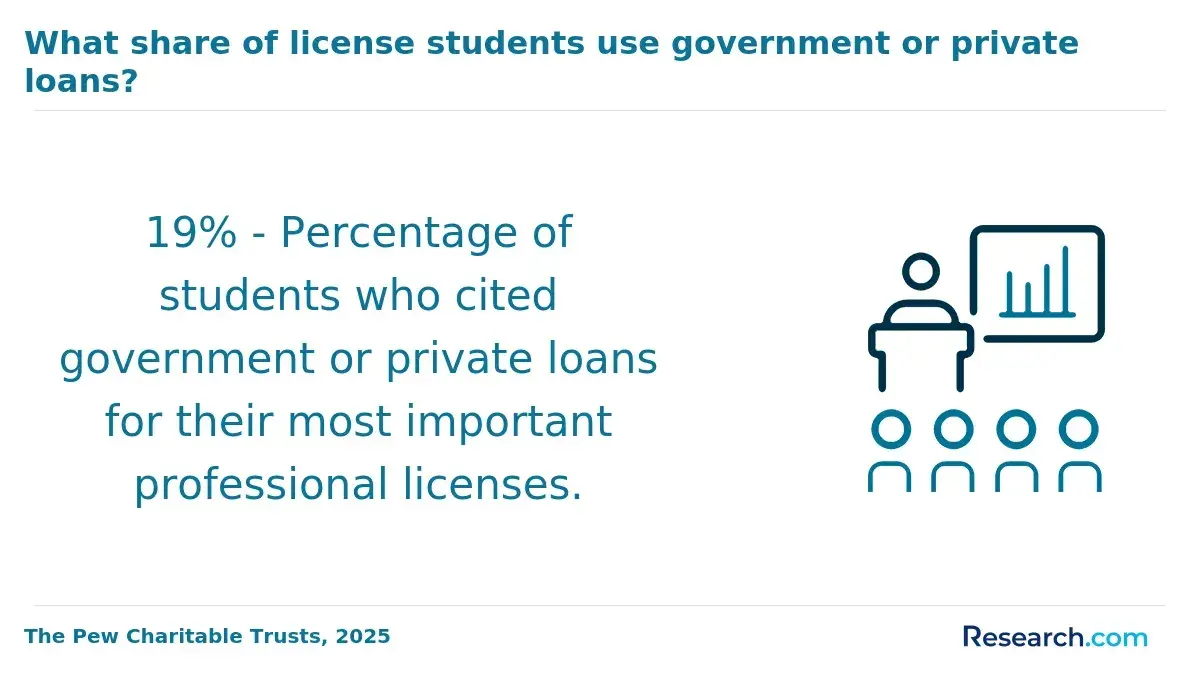
- Financial Aid Eligibility: Full-time students generally have better access to federal aid like Pell Grants and subsidized loans; part-time learners may encounter more limited options, depending on private scholarships or partial aid.
- Additional Fees: Both formats may carry extra charges such as technology or lab fees, which add to the total cost regardless of enrollment status.
- Enrollment Intensity Impact: Full-time study demands greater immediate financial resources, but its compressed timeline often leads to quicker workforce entry and potentially less overall debt.
A graduate of a part-time mobile app development program shared her experience, noting that while the smaller semester fees made balancing work and study easier, the drawn-out schedule felt financially taxing over the long run. She recalled, "It was comforting to pay less each term, but over the years, those small expenses added up in ways I hadn't expected."
She also mentioned challenges in securing financial aid due to part-time status yet appreciated having the flexibility to advance her skills without pausing her career. Reflecting on the journey, she described it as "a careful balancing act between managing immediate costs and investing in my future."
The part-time mobile app development degree format generally offers more online and hybrid course options than full-time programs. This stems mainly from the need to serve working adults who require flexible scheduling.
Below is a summary of how each program type usually handles course formats based on various influencing factors.
- Program Design: Part-time curricula often include evening, weekend, and asynchronous online classes to help learners balancing jobs or personal commitments. Full-time programs typically favor in-person attendance to create immersive, structured learning experiences.
- Institutional Policies: Universities invest more in online platforms and hybrid options for part-time students, allowing remote participation. In contrast, full-time offerings stress campus-based labs and networking activities.
- Student Demographics: Part-time students tend to be older with prior work experience, prioritizing convenience and flexibility. Full-time students often enroll directly from high school, preferring comprehensive, on-campus engagement.
- Course Availability: Hybrid formats combining limited in-person sessions with online components are common in part-time programs to maintain interaction while offering flexibility. Full-time tracks depend heavily on face-to-face classes to support skill development through hands-on activities.
Most institutions offering mobile app development programs do allow students to switch between part-time and full-time enrollment, though specific policies control this process. Usually, students must be in good academic standing and obtain approval from academic advisors or the registrar before making changes.
Important considerations include how course availability matches the desired enrollment status, since not all classes are offered in both formats. Also, switching enrollment status can influence financial aid eligibility, because many scholarships and loan programs require full-time enrollment. The decision also involves assessing how the change might affect study plans and graduation timelines.
Students should know that changing from full-time to part-time often lengthens the program, while moving to full-time can speed up completion. Advisors typically evaluate whether the altered schedule fits degree requirements and whether essential courses are available.
Financial aid offices may also re-evaluate aid packages based on new enrollment status. Maintaining good academic standing is generally a prerequisite to approve any enrollment switch, ensuring that students can manage the revised workload.
I spoke with a graduate who started in a part-time mobile app development program and later transitioned to full-time to finish sooner. He recalled the initial hesitation and the detailed discussions with his advisor about workload and financial considerations.
"Balancing work and courses was tough part-time," he said, "but once I switched full-time, it felt intense yet more focused." He appreciated the faster progress toward graduation despite the increased demands, noting that the switch gave him clearer momentum and motivation to complete the program efficiently.
The way a program is delivered plays a major role in shaping the learning experience within mobile app development program delivery formats, particularly when part-time and full-time study are set side by side. Flexibility varies considerably from one option to another, which affects how learners organize their schedules and workload.
- Scheduling Flexibility: Online programs provide the most flexibility, which suits part-time learners juggling a job or family. Full-time students might gain from scheduled synchronous sessions yet still enjoy a degree of independence over study time, whereas campus formats usually keep fixed class times that fit full-time schedules better.
- Workload Management: Learners studying full-time on campus or in hybrid programs frequently take on heavy daily commitments, and that can end in burnout. Part-time online students are able to pace their assignments more slowly, since research indicates online learners feel roughly 25% less deadline-related stress than their full-time campus peers.
- Accessibility and Location: Hybrid and online models lower geographic barriers for part-time students, so they can enroll without moving. Campus study gives immediate access to resources, yet it is harder to reach for anyone who cannot commute on a regular basis, which shapes the choice among online hybrid campus learning options in app development.
- Learning Pace and Customization: Online formats suit part-time students who prefer self-paced courses, with research showing 70% favor this model. In contrast, full-time students tend to gain from the structured pacing and peer interaction that campus or hybrid settings provide.
- Student Support Services: Campus settings offer strong in-person support that fits full-time learners well. Online options keep growing their virtual assistance, while hybrid programs strike a balance by granting occasional campus access to services, which serves part-time study needs.
Students who are looking into flexible doctoral-level options may find that 1-year PhD programs online Canada offers insight into accelerated online study models that apply to app development and other fields.
Employers do not uniformly favor full-time mobile app development degrees over part-time ones. Their preferences hinge on several factors. Full-time degrees are often viewed as more rigorous because of continuous, intensive study, signaling discipline and dedication.
Such programs let students immerse themselves fully, gaining deeper technical knowledge more quickly. However, employers also value the time management skills and real-world experience many part-time students gain by balancing work and study at the same time.
This combination often shows professionalism and the ability to apply learning in practical settings, which is highly appealing in the job market focused on mobile app development careers.
Industry-specific trends strongly shape employer preferences. Tech companies, especially startups, focus more on demonstrated skills and practical experience rather than whether a degree was earned full-time or part-time.
A 2023 survey from the National Association of Colleges and Employers found that 62% of tech employers prioritized portfolios and internships over the study format. Candidates with part-time degrees supplemented by internships or freelance projects can prove equally career-ready.
For those exploring various career paths, including the best careers introverts often pursue, recognizing that formal education and applied experience together build competitive profiles is crucial.
Return on investment (ROI) plays a key role in choosing between part-time and full-time mobile app development degree programs.
It gauges the balance between total expenses-including tuition and opportunity costs-and the financial benefits after graduation such as starting salary and career trajectory. Evaluating ROI helps prospective students align their educational choices with financial and professional goals.
Generally, full-time programs require higher tuition per semester but can be finished within 1 to 2 years, allowing faster workforce entry. Graduates in tech fields from full-time study often report starting salaries 15-25% higher than part-time counterparts. However, full-time study usually means leaving a job, causing considerable income loss during education.
Overall, consider the following factors influencing a program's ROI:
- Total Program Cost: Full-time programs may have higher semester tuition but shorter duration, while part-time costs can build up over longer enrollment, sometimes leading to similar or greater total expenses.
- Opportunity Cost: Part-time study permits continued earnings during education, lowering lost income, whereas full-time study often requires pausing employment.
- Salary Potential: Full-time graduates frequently earn higher starting salaries, reflecting the intensive nature of their studies and faster degree completion.
- Career Advancement: Faster graduation from full-time programs may lead to quicker promotions, though part-time students maintain continuous work experience that supports career growth.
Selecting the right format for your mobile app development degree is vital to aligning academic goals, career ambitions, and personal life. The decision affects how well you can manage time, finances, and skill acquisition.
- Time Availability: Full-time programs require 30-40 hours weekly, ideal for those free from work or family duties. Part-time options provide flexibility, letting you juggle jobs or other responsibilities over a longer period.
- Financial Resources: Full-time study often restricts income during the program but leads to quicker workforce entry. Part-time study lets you earn at the same time but may extend tuition commitments.
- Career Goals: Choose full-time if you want rapid upskilling and immediate tech employment. Part-time fits gradual learning or enhancing skills while maintaining an existing career.
- Learning Style: Consider whether you prefer immersive, intensive study or paced learning. Choose the format best matching your preferred rhythm and lifestyle.
- Program Duration: Full-time degrees usually finish within one to two years, while part-time courses can extend beyond three years, affecting progress speed.
- Flexibility: Assess program delivery modes and support services to ensure they accommodate your schedule and learning needs.
What Graduates Say About Their Part-Time vs. Full-Time Mobile App Development Degree
- Royce: "Earning a part-time mobile app development degree changed everything for me. Juggling work and study was tough, yet the hands-on projects made each hour worth it. Given that the average cost for part-time programs is fairly reasonable, I feel the investment has genuinely paid off by moving my career forward."
- Emil: "Signing up for a full-time mobile app development program transformed my career path entirely. The immersive curriculum along with career support services made the higher tuition cost feel like a wise investment. These days I lead app projects at a large company, and it is all down to the intensive training."
- Johnny: "Finishing a full-time mobile app development degree was demanding but deeply rewarding. The upfront cost was high, yet the thorough education and fast-tracked career opportunities made every expense worthwhile. I am thankful for the focused environment that strengthened my confidence and expertise."
Other Things You Should Know About Mobile App Development Degrees
Yes. At most universities, part-time and full-time mobile app development students can apply for the same internships provided they satisfy the employer's requirements. Typical conditions involve earning 30–60 credits before placement, keeping a 2.5 GPA, and meeting whatever background-check or portfolio deadlines the internship provider sets.
In 2027, full-time mobile app development degree programs usually provide a more intensive curriculum, permitting in-depth study over a shorter timeframe. Part-time programs distribute the coursework over a longer period, offering greater flexibility, but may lead to less immediate immersion and slower integration into advanced topics.
- What is an Application Developer? https://www.wgu.edu/career-guide/information-technology/app-developer-career.html
- Computer Science Bachelor's — Mobile Development Concentration https://www.fullsail.edu/degrees/mobile-development-bachelor-degree-program
- Information Systems - Internet Application Development https://illinoisstate.edu/academics/internet-application-development-masters/
- Bachelor’s in Software Development with an Application Development Specialization https://www.devry.edu/online-programs/bachelors-degrees/software-development/web-and-mobile-application-development-specialization.html
- Bachelor of Science (BS), Coding: App Development https://andersonuniversity.edu/program/bachelor-of-science-bs-coding-app-development/