2027 Accelerated vs. Traditional Mobile App Development Degrees: Pros & Cons
Audited and Verified:
Our Editorial and Data Verification Process
Research.com uses government datasets, official education statistics and primary institutional information to support its career and degree guides. Our review process checks factual accuracy, occupational definitions, source dates and the requirements associated with the credentials discussed.
How This Article Was Fact-Checked
Our editorial team verifies salary estimates, employment projections, education requirements and program information against original data providers and official organizations. Salary figures are checked against the relevant occupational definitions and reporting periods. Information about licensure, accreditation and required in-person training is reviewed separately.
Fact-checked and verified on:

Co-Founder and Chief Data Scientist
Choosing between accelerated and traditional mobile app development degrees brings unique benefits and hurdles. Accelerated programs attract working adults and career switchers by allowing quicker completion, frequently in under a year, serving the need for fast upskilling. Traditional degrees, on the other hand, provide a more flexible pace and richer academic involvement, usually lasting two to four years.
Recent figures indicate that accelerated learning formats have increased by more than 25% in popularity among U.S. tech students since 2018. This article will examine time commitments, learning experiences, career outcomes, and important factors to help students determine which mobile app development route best matches their goals.
Key Points About Accelerated vs. Traditional Mobile App Development Degrees
What Are the Differences Between Accelerated vs. Traditional Mobile App Development Programs?
The structure of accelerated and traditional mobile app development degree programs differs notably in pacing, scheduling, and learning intensity. These factors significantly influence the student experience in terms of workload and engagement.
Understanding how to compare duration and coursework in mobile app development programs helps clarify these contrasts.
- Pacing and Intensity: Accelerated programs present coursework in compressed terms, requiring learners to absorb complex ideas and finish projects fast, resulting in a more immersive yet demanding daily routine. Traditional programs permit a slower tempo, offering students time to reflect and a gentler learning curve between assignments.
- Class Format and Delivery: Accelerated formats frequently employ online or hybrid models with shorter, more frequent sessions and asynchronous materials to give working professionals flexibility. In contrast, traditional programs generally offer in-person lectures and labs on set schedules, fostering peer interaction and predictable routines.
- Project and Collaboration Opportunities: Accelerated programs often stress individual projects or simulations to accommodate tight schedules, which may restrict lengthy group work. Traditional programs include longer-term team projects, internships, and capstone experiences.
- Faculty Interaction: Quick feedback cycles and digital communication are typical in accelerated programs, at times limiting chances for extended mentorship. Traditional programs provide ongoing faculty access, enabling thorough guidance over time.
Students investigating the best online associate degree in 6 months will find these structural contrasts particularly useful when selecting the format that matches their goals and learning preferences. This comparison underscores key aspects of accelerated vs traditional mobile app development degree requirements that shape the overall educational experience.
How Fast Can You Finish an Accelerated vs. Traditional Mobile App Development Program?
Program duration can differ considerably between accelerated and traditional mobile app development degrees. Accelerated formats compress coursework into shorter terms, frequently relying on year-round schedules to cut downtime. By contrast, traditional paths follow a standard academic rhythm, with summer and winter breaks, which lengthens the overall timeline.
Below is a comparison of main factors that affect how fast students can finish mobile app development programs:
- Transfer Credits: Applying previously earned college credits can reduce the timeline by a semester or more. This option helps students in both accelerated and traditional programs but may matter more for those in longer, traditional formats.
- Full-Time vs. Part-Time Enrollment: Full-time students generally finish their degrees sooner because they carry a heavier course load. Part-time students juggle work or family duties and often stretch out their program duration.
- Course Intensity and Scheduling: Accelerated programs provide compressed courses and continuous enrollment, letting students fulfill requirements faster than traditional programs, which follow a fixed semester schedule.
- Program Format: Online and hybrid options give motivated students flexibility to speed up progress at their own pace, which can influence the average duration of accelerated mobile app development degree completion.
- Prerequisite Requirements: Certain programs require foundational courses before core classes, possibly lengthening or shortening time to graduation based on prior preparation.
Usually, the average duration of accelerated mobile app development degree programs is around 2.5 years, while how long to complete traditional mobile app development program courses generally spans four years. This gap can mean entering the workforce up to 18 months sooner, a clear advantage in a rapidly changing field.
For those who want flexibility and chances for career advancement, exploring online programs that pay well may also provide useful pathways alongside degree options.
What Are the Admission Requirements for Accelerated vs. Traditional Mobile App Development Programs?
Admission criteria for accelerated and traditional mobile app development programs often share similar standards, including GPA, standardized test scores, and prerequisite coursework. Still, they differ greatly in how they assess academic readiness and professional experience.
The following are major differences in admission expectations for accelerated versus traditional mobile app development degree programs:
- Academic Performance Emphasis: Accelerated programs usually demand a higher GPA and recent coursework in math or computer science to help ensure students can handle an intensive, fast-paced curriculum. Traditional programs accept a broader academic range, with minimum GPA requirements typically around 2.0 for associate and bachelor's degrees.
- Work Experience and Prerequisite Courses: Accelerated programs often look for applicants with previous coding experience, portfolios, or completion of relevant classes, while prerequisites for traditional mobile app development programs tend to be less rigid, sometimes recommending preparatory courses but seldom requiring them.
- Readiness Assessments: Accelerated formats may include placement tests, interviews, or technical assessments to verify a student's capacity to keep up. Traditional programs generally depend on standard application materials, ACT/SAT scores, or class rank without additional technical evaluation.
- Transfer Credit Flexibility: Accelerated programs frequently accept transfer credits for prior college-level work to accelerate completion, requiring a minimum cumulative GPA, whereas traditional programs are less flexible because of structured pacing.
- Application Timeline and Flexibility: Accelerated programs provide rolling admissions or several start dates to fit different schedules. Traditional programs adhere to fixed academic calendars and deadlines.
Students looking into affordable pathways may also consider online masters programs cheap that match their career goals and financial needs.
Accelerated mobile app development programs squeeze the same core curriculum as traditional degrees into a much shorter period, changing pacing, workload, and course delivery. These intensive formats emphasize speed and flexibility, setting them apart from conventional four-year degrees.
The following are main structural differences between accelerated and traditional mobile app development courses:
- Course Length: Accelerated programs often operate continuously throughout the year with few breaks, allowing completion in 18 to 24 months. Traditional degrees follow a standard academic calendar, usually lasting four years with longer breaks. Accelerated formats fit self-motivated learners who want quick advancement, while traditional pathways serve those who prefer a slower pace and campus life.
- Weekly Workload: Students in accelerated courses handle a heavier weekly load, balancing multiple classes and quicker assignment deadlines. Traditional students have a lighter weekly load, leaving more time for deep understanding. Both approaches cover the same competencies, ensuring graduates meet industry standards.
- Instruction Style: Accelerated degrees often depend on online, hybrid, or evening/weekend classes to serve working professionals or those who need flexibility. In contrast, traditional programs mainly offer daytime, in-person instruction with campus resources. This flexibility keeps learning outcomes consistent despite different delivery methods.
Tuition and total expenses can differ widely between accelerated and traditional mobile app development programs. Accelerated programs often cost less overall because of shorter completion times and fewer required credits, even though per-credit charges may be higher. These differences affect affordability based on the student's priorities and situation.
Major cost-related factors that separate accelerated from traditional formats include:
- Tuition Rate per Credit: Accelerated programs can have higher per-credit fees due to the compressed schedule and demanding coursework. Yet, because students take fewer credits overall, the total tuition generally ends up lower than in traditional programs.
- Program Duration and Total Cost: In accelerated tracks, students often graduate in 12 to 18 months compared with the 2 to 4 years typical of traditional degrees. This shorter timeline means less spent on tuition, campus fees, textbooks, and living costs.
- Opportunity Cost: Graduates of accelerated programs can join the workforce sooner, allowing them to earn income earlier than traditional students who stay enrolled longer. This earlier earning potential can help balance out any higher tuition rates per credit.
- Financial Aid Availability: Both program types provide financial aid options, but accelerated students may miss multi-year scholarships or grants linked to longer enrollment periods, possibly limiting their funding opportunities.
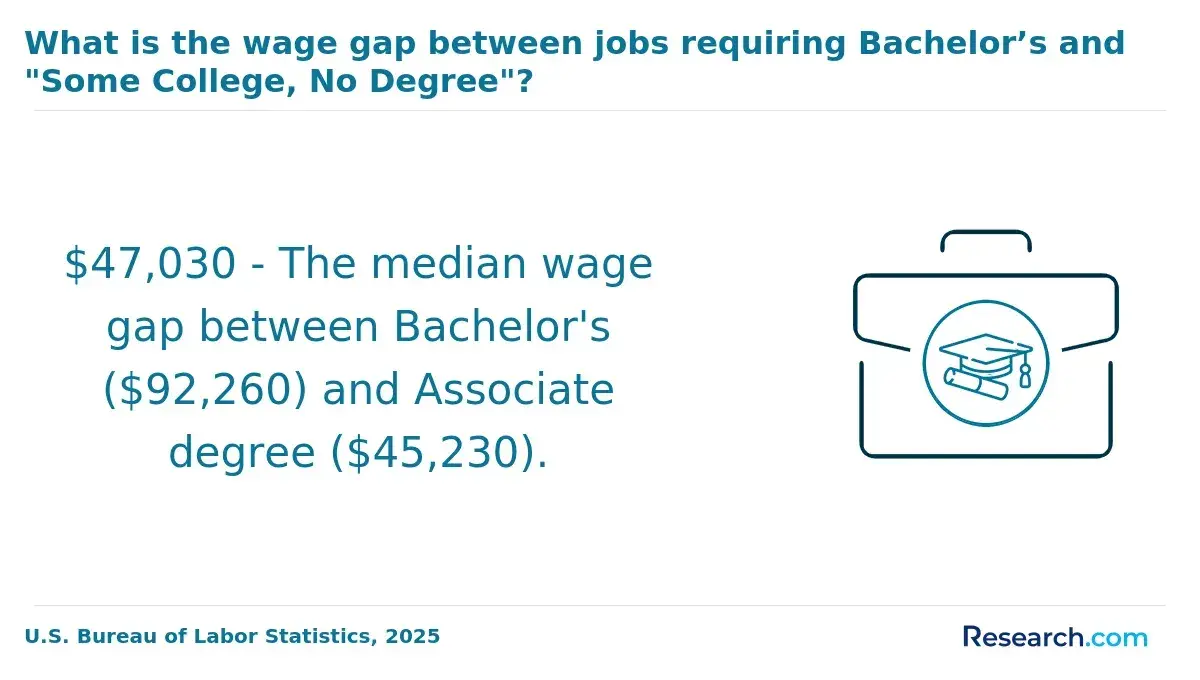
Students earning both accelerated and traditional mobile app development degrees in the US may qualify for financial aid, although funding timelines and eligibility criteria can change with program length and enrollment status. Grasping these differences matters for handling tuition payments and planning ahead.
The following is a comparison of how financial aid options apply to each format:
- Federal Aid Eligibility: Both program types usually qualify for federal grants and loans through FAFSA, but accelerated students may encounter different disbursement schedules because of condensed academic terms.
- Scholarship Timelines: Scholarships exist for both, yet many awards favor traditional students whose programs cover full academic years, possibly limiting choices for those in accelerated tracks.
- Employer Tuition Assistance: Employer support often covers both formats, though the timing and amount of reimbursement can vary with program duration and company policy.
- Aid Renewal and Disbursement: Faster pacing in accelerated programs can result in changed financial aid renewal cycles, requiring students to remain proactive about deadlines and paperwork.
When I asked a professional who earned an accelerated mobile app development degree about his financial aid experience, he described how managing fast funding cycles was intimidating but worthwhile. "Applying for FAFSA was straightforward, but keeping track of changing disbursement dates took extra effort," he said.
He considered employer assistance valuable, particularly because his company backed fast-track education. "The accelerated pace meant I had to be very organized with paperwork, but ultimately, the financial aid made finishing on a tight schedule possible." His story underscores the value of staying informed and adaptable when pursuing aid for accelerated study paths.
Student support is vital for academic success, and accelerated and traditional mobile app development programs differ considerably in how and when these services are delivered. These differences affect student experience and achievement.
The following is a comparison of main support services commonly available in both program types.
- Academic Advising: Accelerated programs often offer virtual advising with extended hours to serve fast-paced learners and working students, focusing on quick, practical course decisions. Traditional programs generally provide ongoing in-person advising, stressing mentorship and comprehensive academic planning.
- Tutoring: In accelerated formats, tutoring is usually online and on demand, offering quick help though sometimes with less depth. Traditional approaches typically include face-to-face tutoring in dedicated spaces, permitting longer and more personalized or group study sessions.
- Career Counseling: Accelerated students usually use digital career centers, virtual workshops, and online networking built for immediate employment goals. Traditional students gain from on-campus career fairs, internships, and alumni mentoring that foster gradual professional growth.
- Peer Interaction: Accelerated courses may depend more on online forums and scheduled virtual meetings, whereas traditional programs often promote informal, in-person collaboration through study groups and campus events.
Employment outcomes are a key factor when choosing between accelerated and traditional mobile app development programs. Both routes can lead to rewarding careers, but several elements influence how quickly graduates find jobs.
Below is a comparison of main influences on job placement for graduates from these two program types.
- Employer Perception: Accelerated bootcamps have earned recognition because of strong job placement support and industry ties, with placement rates reaching 88-96% within six months. Traditional degrees see about 61% placement during the same period, reflecting different levels of employer confidence.
- Career Readiness: Targeted hands-on projects and career services in accelerated programs help graduates move swiftly into roles, often securing jobs within 3-6 months after completion.
- Industry Demand: The mobile app sector's quick growth benefits all graduates, but those from accelerated courses often get hired faster because of focused curricula and direct employer partnerships.
A professional who completed a traditional mobile app development degree shared her experience entering the job market. Even though the process took longer than she anticipated, with several months of applications and interviews, she appreciated the broad technical foundation her degree gave her.
"I faced challenges balancing ongoing learning with job searching," she explained, "but the deep understanding I gained helped me confidently navigate complex interview questions." She valued the rigorous preparation and felt that, in the end, it created a strong base for her career, even if her hiring timeline was slower than that of some accelerated program graduates.
Accreditation ensures academic quality and legitimacy for both accelerated and traditional mobile app development degree programs, no matter the pacing or delivery format. This process guarantees that programs satisfy established educational standards, which is vital for maintaining rigorous curricula and qualified faculty.
Accreditation greatly affects a student's ability to receive federal financial aid, transfer credits between institutions, and gain recognition from prospective employers. Whether a program is fast-tracked or stretched over a longer period, its accredited status confirms that the degree holds value in the job market and academia. Students weighing these degrees should carefully check accreditation to make informed decisions.
The accreditation of accelerated mobile app development degrees follows the same standards as traditional programs and is supervised by regional or programmatic accrediting bodies such as ABET and those recognized by the U.S. Department of Education. Although the fundamental criteria stay consistent, institutions may design accelerated coursework to compress topics into shorter, more intensive sessions without compromising educational outcomes.
The process assesses curriculum content, faculty qualifications, student success, and institutional support uniformly across both program types. Prospective students should confirm whether a mobile app development program is accredited by a reputable agency before enrolling to ensure their qualifications are widely recognized.
Resources listing accredited colleges online without an application fee can help with this verification. Understanding how accreditation of accelerated mobile app development degrees is handled can help students appreciate the legitimacy and value of their selected program.
Deciding between an accelerated and a traditional mobile app development degree depends mostly on your career goals, schedule flexibility, and preferred learning pace. Both options offer unique advantages suited to different personal circumstances.
To help you choose which path fits best, consider the following main factors when exploring the best mobile app development degree programs for career goals.
- Time Commitment: Accelerated programs are intensive and built to be completed quickly, offering a faster route into the workforce. Traditional degrees provide a steadier, more manageable pace for those who prefer longer study and a wider curriculum.
- Learning Style: Accelerated programs fit highly motivated, self-directed learners who thrive in hands-on, fast-paced settings. Traditional degree formats benefit students who prefer structured learning with thorough theoretical foundations and chances for research and specialization.
- Career Goals: If quick job placement and practical skills are priorities, accelerated programs align well with those needs. For advanced roles requiring deeper knowledge or academic credentials, traditional degrees offer stronger preparation.
Comparing accelerated vs traditional mobile app development degree cost and duration shows that accelerated options often deliver a higher return on investment because of shorter program length and faster entry into employment.
Many students also weigh tuition affordability when selecting their educational path. You may want to explore low cost online bachelor degree programs to find options that suit your budget without sacrificing education quality.
What Students of Accelerated vs. Traditional Mobile App Development Programs Say About Their Degree
- Alexi: "Signing up for a traditional mobile app development degree was a good choice for me since it gave me a thorough grasp of foundational concepts at a manageable pace. I valued the depth of the coursework, though the two-year timeline and cost of around $40,000 sometimes made me question the long-term investment. Overall, it has prepared me well for a stable career in app development with confidence."
- Vaughn: "My time in a traditional mobile app development program has been both rewarding and difficult. The steady learning curve let me absorb complex topics without feeling overwhelmed, but the price of roughly $35,000 was somewhat intimidating. Even so, I feel ready for the job market and am hopeful about applying what I've learned."
- Mia: "Completing an accelerated mobile app development program was intense but ultimately very efficient for me. The fast-paced classes required a lot of dedication, yet I finished in under a year and saved money compared with some traditional routes. Balancing speed with depth was tough, but it got me into the industry quickly, which I value greatly."
Other Things You Should Know About Traditional vs. Accelerated Mobile App Development Degrees
Correct. A valid program should carry institutional accreditation from an accreditor recognized by the U.S. Department of Education, regional accreditation included, and its computing curriculum can align with ABET criteria only when the school offers ABET-accredited computing programs. Accreditation is important for transfer credit and for employer review.
Accelerated programs might reduce a student's networking opportunities because of the compressed schedule, while traditional degrees provide more interaction time with peers and faculty, potentially creating stronger connections. Still, some accelerated programs may offer dedicated networking events to offset this issue.
- Do You Have What It Takes for a Career in Mobile App Development? https://sopa.tulane.edu/blog/do-you-have-what-it-takes-career-mobile-app-development
- How To Become a Mobile App Developer (9 Ways) - Coding Dojo https://www.codingdojo.com/blog/how-to-become-a-mobile-app-developer
- How Many Years Does It Take To Become An App Developer | Cestar College https://www.cestarcollege.com/blog/how-long-does-it-take-to-become-mobile-app-developer/
- The Benefits of Earning a Degree in Mobile App Development https://www.baker.edu/about/get-to-know-us/blog/benefits-of-earning-a-degree-in-mobile-app-development/
- Bachelor’s in Software Development with an Application Development Specialization | DeVry University https://www.devry.edu/online-programs/bachelors-degrees/software-development/web-and-mobile-application-development-specialization.html
- Online B.S. in Digital Technology & Design – Mobile App Development | Arkansas State University https://degree.astate.edu/online-programs/undergraduate/bs-digital-technology-design/mobile-app-development/