2027 Is a 2-Year Mobile App Development Degree Worth It: Accelerated Bachelor's ROI & Time Trade-Offs
Audited and Verified:
Our Editorial and Data Verification Process
Research.com uses government datasets, official education statistics and primary institutional information to support its career and degree guides. Our review process checks factual accuracy, occupational definitions, source dates and the requirements associated with the credentials discussed.
How This Article Was Fact-Checked
Our editorial team verifies salary estimates, employment projections, education requirements and program information against original data providers and official organizations. Salary figures are checked against the relevant occupational definitions and reporting periods. Information about licensure, accreditation and required in-person training is reviewed separately.
Fact-checked and verified on:

Co-Founder and Chief Data Scientist
A lot of prospective students ask whether a 2-year mobile app development degree can provide enough return on investment next to traditional four-year programs. As the mobile app market is projected to expand 23% through 2028, demand for capable developers rises quickly, though student loan debt and opportunity costs stay significant worries.
This article examines the financial trade-offs and career results of accelerated mobile app development degrees, providing data-driven insights to help readers judge whether the time savings justify the investment and fit their long-term goals.
Key Benefits of a 2-Year Mobile App Development Degree
- Accelerated 2-year mobile app development degrees enable faster entry into the workforce, often increasing early career earnings by approximately 20% compared to longer programs.
- Shorter time commitments reduce tuition and living expenses, improving overall ROI by minimizing student debt and allowing quicker skill application in high-demand tech roles.
- Programs focus on practical skills and current technologies, enhancing employability in a rapidly evolving industry with projected job growth of 22% through 2030.
How Do 2-Year Mobile App Development Programs Work?
Grasping the structure of these programs is key for prospective students assessing whether the intensive schedule and workload match their personal and career goals.
The following is a breakdown of how these accelerated programs function to help clarify the commitment required.
- Fast pacing and year-round enrollment: These programs shorten standard curricula by providing ongoing enrollment across several terms each year, frequently removing long breaks and allowing completion in about 24 months.
- Shortened course terms: Classes generally last 8 to 10 weeks rather than the traditional 15, demanding quicker movement through course modules and steady time commitment.
- Credit load expectations: Students often carry a heavier credit load each term, roughly 15-18 credits versus the usual 12-15, requiring disciplined time management to balance coursework well.
- Teaching format: A mix of synchronous online classes and asynchronous materials provides flexibility, while in-person labs or group projects deliver practical hands-on experience needed for mobile app degree skills.
- Evaluation methods: Assessments usually blend project-based deliverables, coding assignments, and exams to gauge both theoretical knowledge and applied abilities.
- Curriculum sequence: The curriculum centers on core areas like programming, user interface design, platform-specific tools (iOS/Android), and backend integration, weaving in general education credits efficiently to preserve the accelerated pace.
For working adults considering options, comparing programs with the structure described above and researching cost-effective choices can enhance return on investment.
Some might look into options such as enrolling in the cheapest online pharmacy school to see how financial planning differs across accelerated programs in health and technology.
What Are the Admission Requirements for a 2-Year Mobile App Development Degree?
Reviewing admission requirements is a vital step for students thinking about an accelerated bachelor's in mobile app development, since it helps measure preparedness and time commitment.
The following is a detailed review of typical 2-year mobile app development degree admission criteria.
- Educational Background: Most programs expect applicants to possess a high school diploma or equivalent. This foundational credential confirms that students have basic academic skills required for accelerated mobile app development program curricula.
- GPA Expectations: Although some institutions set minimum GPA requirements, often between 2.0 to 3.0 on a 4.0 scale, others emphasize applicants' demonstrated aptitude in relevant subjects more than strict grade thresholds.
- Standardized Testing: SAT or ACT scores usually are not required for admission to technical or community college programs that offer accelerated mobile app development. Still, placement tests in English or math might be given to assess readiness.
- Prerequisite Coursework: Completion of introductory programming, mathematics, or basic computer science courses is often expected. These prerequisites help make sure students can successfully engage with mobile app development content from the start.
- Work Experience: Earlier experience in software or related fields is generally not mandatory, but it can strengthen an application or perhaps provide credit toward degree requirements.
According to the National Center for Education Statistics (NCES), accelerated associate degrees can reduce time-to-degree by one to two years compared to traditional pathways.
Prospective students drawn to complementary career paths might consider options like accredited medical billing and coding schools online with financial aid, which also provide streamlined programs aimed at quick workforce entry.
What Does a Typical Week Look Like in a 2-Year Mobile App Development Program?
For anyone weighing an accelerated Mobile App Development degree, understanding how weekly activities are structured helps set realistic expectations for managing time and workload. The program's intensity requires commitment, so knowing common components makes clear what lies ahead.
The following is an overview of typical weekly elements students face.
- Class sessions and lectures: These take place several times per week, often in blocks lasting one to three hours. They center on programming fundamentals, UI design, and software engineering principles vital to app creation.
- Assignments and assessments: Students regularly finish coding tasks, debugging exercises, and small project features that reinforce lessons. Regular quizzes and coding tests track skill mastery and progression milestones.
- Group work: Collaborative projects imitate real-world development team dynamics, requiring frequent meetings. This peer interaction builds teamwork skills while addressing practical development challenges.
- Independent study: Considerable self-directed learning is needed to keep pace, including reviewing materials, practicing code, and researching new tools or languages. Strong time management is essential here.
- Instructor interaction: Office hours, mentoring, and feedback sessions offer guidance and help clarify difficult concepts, though access may be limited because of the program's fast pace.
- Time management demands: Balancing every component requires discipline and planning. Students must juggle lectures, assignments, team meetings, and study time to remain on track.
I talked with a professional who earned a bachelor's in mobile app development in only two years to hear firsthand what a typical week looked like. He remembered the initial overwhelm: "At first, fitting everything in felt like a relentless sprint. Lectures, coding projects, and group work piled up fast."
He stressed how learning to prioritize tasks was essential: "I had to get comfortable saying no to distractions and carving out focused blocks for independent study." Despite the pressure, he found genuine satisfaction in seeing his apps come together each week.
"It wasn't easy, but the accelerated format sharpened my problem-solving and time management skills quickly." The experience, he noted, gave him confidence to thrive in fast-paced tech environments after graduation.
Selecting the right delivery format for a 2-year mobile app development degree is vital for students seeking flexibility and efficient time management. Online options improve accessibility, particularly for those balancing work or personal commitments.
Examining the structure and support mechanisms of these programs can clarify what to expect.
- Fully Online vs. Hybrid Formats: Some programs are fully online, allowing students to complete all coursework remotely. Hybrid models combine online study with occasional in-person sessions to provide more interaction.
- Asynchronous and Synchronous Learning: Online courses frequently mix live, scheduled classes (synchronous) with self-paced lectures and materials (asynchronous), offering flexibility but demanding strong self-discipline.
- Technology Requirements: Students require dependable computers, fast internet, and sometimes specific development software. Institutions typically provide technical support to ensure smooth access to course resources.
- Student Support Services: Academic advising, career counseling, and technical assistance are often available to help sustain engagement and guide progress throughout the program.
- Pacing and Engagement Challenges: The accelerated nature of a 2-year online degree requires consistent effort. Programs with interactive elements and frequent instructor communication tend to enhance learning outcomes and student motivation.
Condensing the traditional four-year curriculum into half the time can greatly affect expenses and time-to-workforce entry, shaping long-term earnings potential.
A closer examination of the main cost contributors clarifies how these elements combine in an accelerated setting.
- Tuition structure: Tuition is typically charged per credit hour, yet accelerated mobile app development programs may change the pace and pricing to reflect the condensed schedule. This can mean higher upfront costs each semester but fewer total semesters overall.
- Fees: Extra costs include registration, technology, and lab fees, often higher than traditional programs because of the specialized software and hardware required for mobile app development coursework.
- Textbooks and learning materials: Some programs use digital resources that may reduce expenses. However, comprehensive textbooks and subscription-based platforms are common costs to include in the overall price.
- Technology and lab costs: Intensive coursework may require students to buy or upgrade devices, software, or lab equipment upfront to keep pace, which can raise initial costs compared to longer programs where upgrades can be spread out.
- Accelerated pacing impact: Although a shorter program duration can lower housing or living expenses, it may raise immediate opportunity costs. However, faster completion permits earlier workforce entry, potentially increasing lifetime earnings, a key factor noted in labor market trends for software development roles.
For those looking into related educational paths, a useful resource on a healthcare administration degree provides comparable insights on accelerated study costs and benefits.
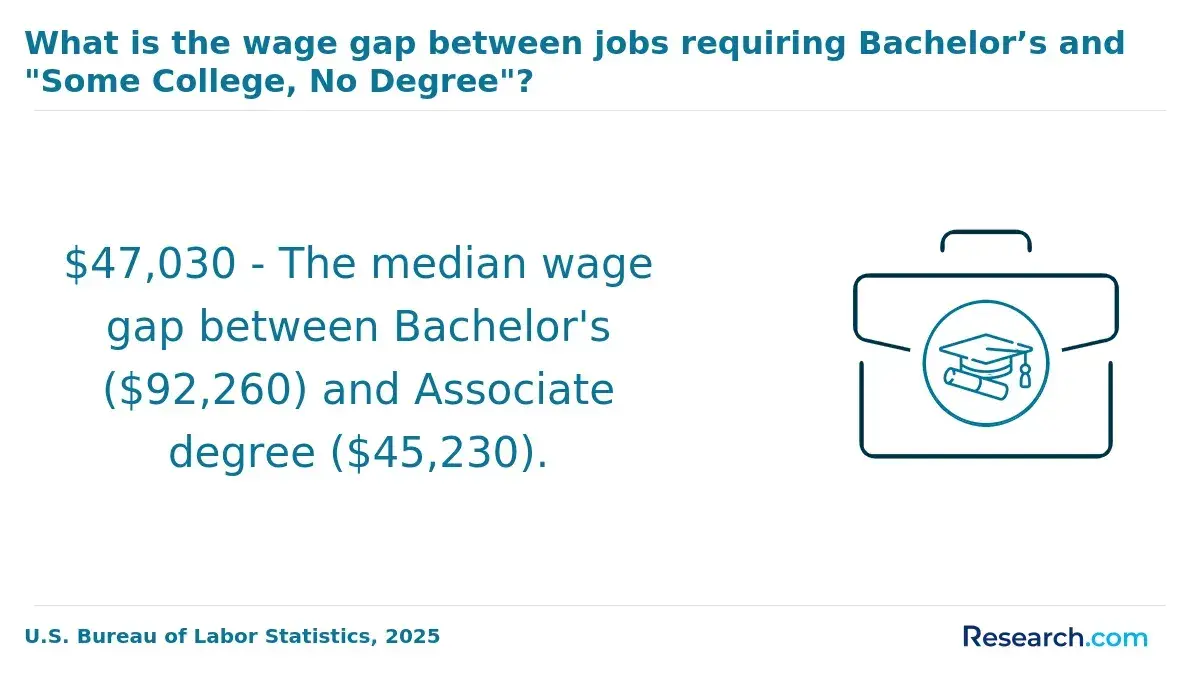
Reviewing financial aid options is vital for students considering accelerated degrees in mobile app development because these programs often involve condensed timelines and upfront costs. Knowing what assistance is available can help balance expenses and support successful completion.
The following points describe key financial aid types relevant to two-year accelerated paths.
- Federal student aid eligibility: Many accredited accelerated programs qualify for federal aid like Pell Grants and Direct Loans. However, the fast pace may affect how and when funds are distributed, making it important to coordinate with the school's financial aid office.
- Scholarships and grants: Various scholarships target technology and programming fields, including mobile app development. State grants and industry scholarships can provide additional support designed for students in accelerated tracks.
- Employer tuition assistance: Working students might benefit from employer-sponsored programs that help cover tuition costs. This assistance can make balancing work and study more feasible, especially when finishing a degree quickly.
- Flexible payment plans: Some institutions offer installment options to spread out tuition payments. This flexibility is valuable when financial aid payments follow an accelerated schedule that differs from traditional semesters.
After talking with a professional who earned her bachelor's in mobile app development through an accelerated two-year program, she reflected on her financial aid experience.
"Managing financial aid in a shorter program was challenging because the timeline compressed every step, from application to fund disbursement," she explained.
"I had to remain in close contact with the financial aid office to ensure my loans and grants matched my accelerated terms."
She also mentioned feeling relief when employer assistance added to her aid, letting her focus on courses without overwhelming debt.
"Ultimately, despite the complexities, the financial aid I secured made completing in two years a realistic goal rather than a financial burden."
Her story underscores the importance of proactive management and multiple aid sources for those pursuing fast-tracked mobile app development degrees.
Assessing career outcomes is essential when weighing the value of an accelerated mobile app development bachelor's degree, particularly given the investment of time and resources involved.
The following is an overview of common entry-level and early-career positions typical for graduates, along with insights into how a 2-year degree prepares students for these paths.
- Junior mobile app developer: Graduates often begin as junior developers, where they use coding languages such as Java, Swift, or Kotlin to build and maintain mobile applications, gaining hands-on experience in real-world projects.
- Software tester: Many secure roles testing apps for functionality and usability, ensuring new releases are free of bugs, which strengthens quality assurance skills vital for advancement.
- User interface (UI) designer: Some graduates concentrate on designing intuitive and visually appealing interfaces that enhance the user experience, blending creative and technical skills learned during study.
- App support technician: This role involves troubleshooting and offering technical assistance for mobile apps, placing graduates at the forefront of customer-facing technology support.
- Career advancement: The accelerated format promotes rapid completion, enabling students to enter the workforce sooner and quickly move into higher-level roles such as mobile app developer II or product tester.
- Industry variety: Graduates can work in varied settings, from software development firms and startups to marketing agencies focused on mobile platforms, or IT departments within larger corporations.
Those interested in savings and balancing cost with quality might consider options similar to affordable online nursing programs as an example of how accelerated degrees can combine affordability and flexibility, a consideration applicable to mobile app development degrees too.
Salary outcomes are a key factor when assessing the return on investment (ROI) of accelerated versus traditional degree paths in mobile app development. Understanding how earnings compare can help prospective students decide which option aligns best with their financial and career goals.
The following is a detailed comparison of salary prospects between 2-year mobile app development degrees and traditional bachelor's degrees:
- Early-career earnings: Graduates with a 2-year mobile app development degree usually earn between $50,000 and $65,000 annually in entry-level positions. By contrast, those with traditional bachelor's degrees average somewhat higher starting salaries, generally ranging from $60,000 to $75,000. This reflects differences in employer preferences and educational depth.
- Long-term earning potential: Although 2-year degree holders often start competitively, bachelor's graduates tend to see faster salary growth over time. This is largely because of broader theoretical education and access to management roles, which contribute to higher income in mid- to late-career stages.
- Employer perception: Some tech employers view accelerated degrees favorably for their focus on practical, hands-on skills, especially relevant in mobile app development. However, leadership and senior positions often require traditional bachelor's credentials or equivalent experience, affecting hiring and promotion decisions.
- Career progression timelines: Professional advancement pathways are typically longer for 2-year mobile app development degree holders, who may need extra certifications or work experience to reach comparable roles held earlier by bachelor's graduates.
- Faster workforce entry impact: Finishing a 2-year program can let students enter the workforce up to two years sooner. This early start may increase lifetime earnings and offset slower salary growth phases, especially important given the field's strong 21% projected job growth through 2031.
When considering an accelerated degree, it can help to explore other affordable education pathways such as the cheapest RN to BSN online programs, which similarly balance cost, time, and outcomes.
Assessing the return on investment (ROI) is vital for anyone considering accelerated bachelor's degrees in mobile app development because it helps weigh the costs and benefits of faster degree completion.
The following is a breakdown of the key elements that usually affect ROI for these programs.
- Time-to-completion: Accelerated degrees cut the usual four-year timeline to about two years, allowing students to begin their careers sooner. This reduction lowers both educational expenses and the income lost while studying, significantly improving ROI.
- Tuition and total cost: Although the per-credit price may be similar to traditional programs, the overall cost often falls since fewer credits are needed for graduation. This can lead to substantial savings depending on the institution and residency status.
- Opportunity cost savings: Starting a career earlier means graduates can begin earning and advancing their salaries sooner than peers in longer programs. With median wages for software developers around $120,000 as of recent data, this earlier entry can increase lifetime earnings.
- Employment outcomes and industry demand: The mobile app development field is expanding rapidly, with projected employment increases far exceeding average rates. Graduates with specialized and current skills are well-positioned to benefit from strong job prospects and potential salary growth.
- Transferability of skills: Programs emphasizing versatile coding languages, software engineering concepts, and project management techniques give graduates adaptable knowledge. This flexibility supports career longevity and opens opportunities across multiple technology sectors.
Deciding whether a 2-year mobile app development degree fits your needs involves evaluating your learning preferences, available time, and career goals. Accelerated programs demand discipline and the ability to handle a fast-paced curriculum, so consider whether you thrive under pressure and can manage intense study periods.
If entering the workforce quickly is a priority, this option can greatly shorten your time in school compared to traditional four-year paths. Your readiness to balance academic demands with personal and professional responsibilities is crucial.
Also, think about your long-term career plans and whether a shorter program fits your timeline.
From a practical perspective, shorter degrees often reduce tuition expenses, improving the overall return on investment. Job growth in software and app development remains strong, with competitive wages, though some employers may prefer candidates with a bachelor's from a four-year institution.
It's important to consider potential trade-offs such as networking opportunities and internships that might be more limited in condensed programs.
Think about how this credential fits into your future aspirations for skill development and further education to ensure flexibility beyond immediate employment.
What Graduates Say About Their 2-Year Mobile App Development Degree
- Stephanie: "Opting for the 2-year accelerated bachelor's degree in mobile app development let me save time as well as money when compared with traditional 4-year programs, which generally cost in excess of $40,000. The rigorous schedule proved demanding, yet I valued the concentrated curriculum that held my attention each semester. Today, employed as a junior developer at a tech startup, I recognize how this program supplied me with a solid foundation and hands-on skills that sped up my career."
- Christina: "I selected the 2-year mobile app development degree since I sought a fast yet comprehensive education to join the workforce soon. Juggling the accelerated pace with a part-time job was hard, though smaller class sizes and faculty support kept it manageable. This degree created opportunities for a mobile UX designer role, and I am thankful for the real-world projects that prepared me for the industry."
- Judith: "The 2-year accelerated mobile app development program drew me in since it provided a focused, budget-friendly route with an average tuition far under many alternatives. The rigorous schedule demanded discipline, yet it echoed the fast-moving environment of the tech industry, which served as excellent preparation. Since I graduated, I have landed a mid-level developer role and feel assured that my education matched employer expectations perfectly."
Other Things You Should Know About Mobile App Development Degrees
Yes. Many accelerated mobile app development bachelor's programs ask for a portfolio with 3 to 5 projects, such as iOS, Android, or cross-platform apps, along with proof of prerequisite coursework in programming and math. Some schools also request a résumé or coding sample during transfer review.
Accelerated bachelor's programs in mobile app development compress coursework into a shorter timeframe, which can demand a more intensive study schedule.
Although this format lets students enter the workforce faster, it may cut time for projects, internships, and hands-on experience, potentially affecting skill mastery compared to traditional-length degrees.
Pairing work experience with a 2-year mobile app development degree can improve career prospects by offering hands-on skills and industry insights. Employers often prefer candidates with practical experience, boosting job competitiveness and potential for higher starting salaries upon graduation in 2027.
- How Long Does It Take to Make an App? Explore Our Guide https://andersenlab.com/blueprint/mobile-application-development-timeframes
- What Is Mobile App Development? Definition, Process & Key Types https://www.serdao.com/blog/what-is-mobile-app-development-definition-process-key-types
- Do I Need To Go To School For Mobile App Development | Cestar College https://www.cestarcollege.com/blog/do-you-need-degree-to-be-mobile-app-developer/
- A Founder's Guide to the Mobile App Development Lifecycle | RapidNative https://www.rapidnative.com/blogs/mobile-app-development-lifecycle
- How Long Does It Take to Develop a Mobile App? Timeline & Process Guide https://msmcoretech.com/blogs/mobile-app-development-timeline
- A Complete Guide to Mobile App Development https://buildfire.com/understanding-mobile-app-development-lifecycle/
- How to Optimize App Development for Maximum ROI - appzoc https://www.appzoc.com/how-to-optimize-app-development-for-maximum-roi/
- Android or iOS? Choosing the Right App Development Course https://www.webskittersacademy.in/choosing-the-right-app-development-course/