2027 Top Industries Hiring Educational Technology Graduates: Demand, Pay, and Growth Trends

Co-Founder and Chief Data Scientist
Imagine a recent educational technology graduate navigating the complex job market, facing questions about which industries value their skills most. With roles spanning schools, corporate training, and tech firms, determining where demand is strongest and how salaries vary can seem daunting. Understanding these dynamics helps graduates focus their job search and anticipate career progression realistically.
Equally important is recognizing which sectors are growing fastest and how employer expectations evolve with emerging technologies. This insight allows students and career changers to align their skills strategically and choose paths with sustainable opportunities. This article examines the industries hiring the most educational technology graduates, the sectors offering top salaries, the areas with robust growth, shifting employer demands, and how candidates can position themselves for success.
Key Things to Know About the Top Industries Hiring Educational Technology Graduates
- Corporate training and e-learning companies employ over 40% of educational technology graduates, reflecting industry reliance on scalable digital instruction; this concentration guides graduates toward private sector innovation roles.
- Government and higher education sectors offer median salaries 15% above the national average for educational technology, highlighting these fields for candidates prioritizing stable growth and long-term benefits.
- Post-pandemic shifts accelerated digital adoption, with 25% annual growth in edtech hiring since 2023; graduates must anticipate evolving employer demands emphasizing analytics and adaptive learning expertise.
- Key Things to Know About the Top Industries Hiring Educational Technology Graduates Key Things to Know About the Top Industries Hiring Educational Technology Graduates
- Which Industries Hire the Most Educational Technology Graduates? Top Industries
- Which Industries Offer the Highest Salaries for Educational Technology Graduates? Highest Salaries
- Which Industries Have the Fastest Growth for Educational Technology Careers? Growth Trends
- Which Employers Commonly Recruit Educational Technology Graduates? Top Employers
- Which Skills Are Most In Demand Across Educational Technology Industries? In-Demand Skills
- How Do Career Paths Differ Across Industries for Educational Technology Graduates? Career Paths
- How Do Industry Trends Affect Future Opportunities for Educational Technology Graduates? Industry Trends
- How Can Students Prepare for High-Demand Educational Technology Industries? Career Preparation
- How Do Different Educational Technology Degree Programs Prepare Students for Industry Careers? How Do Different Educational Technology Degree Programs Prepare Students for Industry Careers?
- Which Industry Is the Best Fit for Your Educational Technology Career Goals? Which Industry Is the Best Fit for Your Educational Technology Career Goals?
Which Industries Hire the Most Educational Technology Graduates?
Educational technology graduates find consistent demand across several key sectors, each valuing a combination of pedagogy, technical skill, and organizational insight. While economic fluctuations and regional differences affect hiring patterns, certain industries reliably draw the largest share of these professionals to meet evolving digital learning needs. For instance, a recent 2024 labor analysis shows that K-12 and higher education institutions together employ over 40% of educational technology professionals nationwide. Below is a focused look at the top industries driving employment for these graduates.
- Public and Private Education: K-12 schools and universities remain the predominant employers, where graduates design tech-enhanced curricula, manage learning management systems, and train faculty on digital tools. Their work directly supports improved student engagement and achievement, making education a stable and mission-driven sector that continuously absorbs new talent despite budget variations.
- Corporate Training and Development: Organizations in finance, healthcare, and tech leverage educational technology graduates to build scalable e-learning platforms and compliance programs. These roles blend instructional design with business strategy, enabling companies to upskill employees efficiently amid changing industry regulations and innovation cycles.
- Government Agencies: Federal, state, and local governments recruit specialists to develop workforce training initiatives and public education projects, often targeting under-resourced communities. These positions require navigating complex policy environments and grant funding but offer opportunities to impact education access on a broad scale.
- Nonprofit Sector: Focused on educational equity and digital inclusion, nonprofits employ graduates to manage learning content and evaluate educational initiatives' effectiveness. Although often limited by funding constraints, this sector attracts professionals driven by social impact and community engagement.
- EdTech Companies: Startups and established firms in educational software vigorously demand graduates with both instructional expertise and technical acumen. Professionals here contribute to product development, user experience design, and customer training, thriving in innovation-driven environments that prioritize adaptability and cross-disciplinary collaboration.
Such diversity in employment options underscores the need for graduates to assess sector-specific tradeoffs, including job stability, mission alignment, and growth potential. Prospective students exploring accelerated degree options might find programs like the 1 year DNP program online a useful comparison point for understanding how condensed curricula can fast-track entry into their chosen fields.
Which Industries Offer the Highest Salaries for Educational Technology Graduates?
Salary variations across industries for educational technology graduates stem from differences in organizational scale, investment priorities, and the nature of learning initiatives. For example, corporate sectors often prioritize scalable training technology to maintain competitive advantages, while public education settings face budget constraints limiting salary growth. Demand intensity, role specialization, and potential for innovation further drive compensation disparities. Understanding these factors helps graduates position themselves where financial rewards align with their career goals.
Industries with the highest paying opportunities for educational technology graduates include the following:
- Corporate Training and Development: This sector leads in compensation due to its critical role in workforce skill advancement and regulatory compliance. Educational technology roles here involve designing digital learning platforms, managing learning management systems, and deploying data-driven training solutions. Median salaries frequently exceed $95,000 annually, reflecting the sector's capacity to invest in sophisticated technology and specialized talent, as reported by the U.S. Bureau of Labor Statistics.
- EdTech Startups: Startups attract graduates with a blend of salary and equity incentives, rewarding innovation and adaptability. Positions range from instructional designer to product manager and often emphasize rapid development and user engagement strategies. While entry-level pay may begin near corporate rates, long-term earning potential hinges on company growth, creating a high-risk, high-reward dynamic within an evolving educational technology graduate salary trends by industry.
- Healthcare and Financial Services Corporations: These industries prioritize digital learning to ensure employee proficiency in complex regulations and technology. Educational technology professionals here hold roles that integrate compliance training with advanced analytics and immersive learning tools. Competitive compensation is driven by high stakes in accuracy and efficiency, with salaries generally approaching or surpassing those in broader corporate training segments.
- Government and Nonprofit Organizations: These sectors offer more modest, stable salaries usually aligned with public service objectives. Graduates often lead program development or policy implementation related to digital literacy and educational reform. While pay typically trails private sector averages, as seen in public education and academia, careers here provide unique pathways for impact-oriented professionals focused on long-term societal benefits.
For those deciding whether to pursue a career in educational technology, weighing salary prospects against job stability, growth opportunities, and personal values is crucial. Additionally, exploring roles associated with emerging sectors can enhance earning potential. For anyone curious about related fields with steady demand, research into whether is medical coding a good career may provide complementary insight into evolving tech-driven healthcare roles.
Which Industries Have the Fastest Growth for Educational Technology Careers?
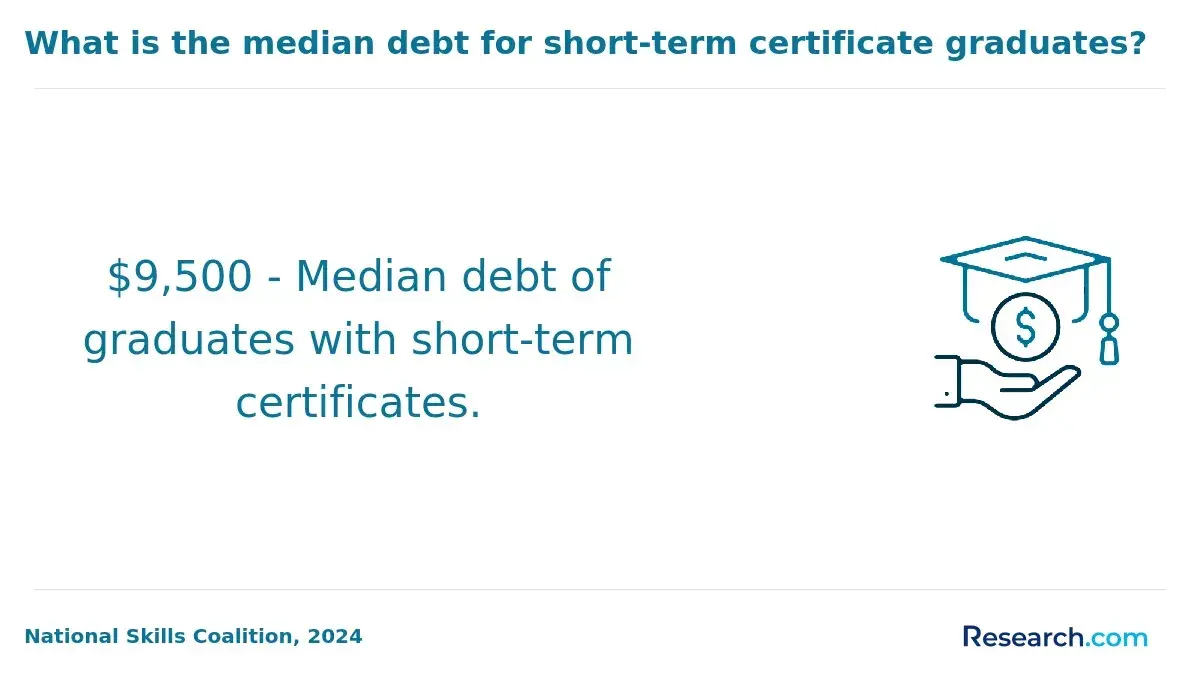
Analyzing industry growth is essential for educational technology graduates because it directly influences where job opportunities will expand and which fields will offer competitive compensation and career stability. Sectors experiencing rapid digital transformation and increased investment in learning infrastructure typically yield the strongest demand for skilled professionals. Understanding these dynamics helps graduates align their skills with market needs, avoiding oversaturated areas. Recent projections from the U.S. Bureau of Labor Statistics indicate certain industries will outpace others in educational technology roles through 2029. Below are key sectors likely to see the fastest growth for these careers.
- Higher Education: Universities and colleges are increasingly investing in hybrid and online learning environments to meet student demand for flexibility and engagement. This growth is fueled by ongoing federal and state support, creating roles in course design, technology integration, and instructor training. Geographic variation exists, with metropolitan areas seeing more rapid expansion.
- Corporate Training: Companies worldwide emphasize continuous upskilling through digital platforms, driving demand for specialists who develop adaptive learning content and evaluate effectiveness. Industry growth ties closely to the adoption of AI-powered educational tools and economic pressures for workforce agility.
- K-12 Education: The pandemic accelerated reliance on blended and remote instruction, prompting substantial federal funding aimed at closing the digital divide. This generates opportunities focused on implementing technology in classrooms and supporting educators with new tools, although growth varies by district resources and state policies.
- Healthcare and Government: Both sectors increasingly use educational technology for compliance training, simulations, and public outreach. Specialized content development and multimedia integration are critical here, with growth dependent on regulatory changes and public health initiatives.
A graduate targeting educational technology careers once hesitated between a stable university job and a fast-growing corporate training role. Ultimately, the rapidly evolving tech in corporate learning platforms and strong investment in AI-driven upskilling convinced them to join a global firm's training division. Their daily work now includes tailoring learning modules for diverse employee groups and tracking engagement metrics-an experience that underscores how industry trends can reshape job responsibilities and accelerate professional growth in ways less common in traditional education settings.
Which Employers Commonly Recruit Educational Technology Graduates?
Recognizing the types of organizations that actively recruit educational technology graduates enables students to better tailor their academic focus, seek targeted internships, and make informed career decisions based on realistic job market trends. Employment demand fluctuates depending on one's area of specialization, geographic factors, and the evolving needs of various sectors. For instance, a graduate specializing in instructional design might find more opportunities in corporate settings, while someone focused on K-12 technology integration may find school districts more accessible. Understanding these distinctions early supports strategic networking and skill development. Below are key employer categories that frequently hire educational technology professionals.
- K-12 School Districts: Public and private school districts remain the largest employers, accounting for a substantial share of hiring according to 2024 data from the U.S. Bureau of Labor Statistics. These districts need specialists to design and implement digital curricula, manage learning management systems, and train teachers on new educational tools, which is critical as schools modernize classrooms with technology.
- Higher Education Institutions: Universities and colleges recruit educational technology experts to support online learning platforms, improve faculty tech competencies, and lead educational innovation initiatives. These roles often combine technical skills with instructional design and require navigating complex academic environments, making these institutions attractive for graduates interested in both technology and pedagogy.
- Corporate Training Providers: Firms focused on employee training and professional development increasingly leverage educational technology graduates to build e-learning modules and customized training solutions. This sector offers strong salary potential and growth, especially for those adept at integrating digital tools with adult learning theories to meet diverse business needs.
- Government Agencies: Various federal and state agencies hire educational technology graduates to run digital literacy campaigns, workforce development projects, and online educational programs. These roles often emphasize broad-scale outreach and program evaluation, appealing to professionals interested in public service and large-scale educational impact.
- Nonprofit and EdTech Companies: Nonprofits working on educational equity and specialized EdTech firms develop innovative digital solutions targeting underserved learners or new delivery models. These employers attract graduates passionate about scalable social impact and cutting-edge technology, though funding variability can affect job stability.
Which Skills Are Most In Demand Across Educational Technology Industries?
Technical and transferable skills that retain their value across industries often reflect fundamental workplace needs rather than fleeting trends. In educational technology, this means that competencies supporting both digital innovation and collaborative problem-solving remain crucial as employers seek adaptable professionals. Recognizing which skills provide leverage across diverse sectors helps students and graduates prioritize their development for sustained employability. This analysis draws from multiple authoritative data sources to highlight consistently sought-after capabilities within educational technology roles.
The key skills most consistently in demand are as follows.
- Learning Management System Expertise: Proficiency with LMS platforms like Canvas and Blackboard is foundational. Employers in education and corporate training depend on seamless course delivery and learner tracking, making this skill essential. Students can build this competency through hands-on projects and internships involving LMS integration, ensuring career flexibility across sectors.
- Instructional Design Software: Mastery of tools such as Articulate 360 and Adobe Captivate enables the creation of engaging, interactive content. This technical ability directly impacts learner engagement and outcomes, which employers across industries prioritize. Practical experience designing digital modules during coursework or client projects strengthens long-term relevance.
- Data Analytics Acumen: The ability to analyze educational data to assess outcomes and tailor interventions is increasingly valued. According to 2024 reports from the U.S. Bureau of Labor Statistics, demand for data literacy in educational technology roles has risen sharply, reflecting the sector's move toward evidence-based decision-making. Developing this skill includes coursework in analytics and software tools like Excel or Tableau.
- Coding Knowledge: Familiarity with programming languages such as Python and JavaScript supports roles that involve developing educational apps or adaptive technologies. While not required in all positions, coding skills open pathways to innovation-oriented jobs and provide upward mobility. Students should seek coding assignments or collaborative projects involving software development.
- Project Management Skills: Competence in Agile and Scrum methodologies is critical for managing the iterative development cycles typical in edtech environments. Effective project management enhances collaboration and timely delivery, qualities that appeal to employers from startups to large institutions. Gaining experience through team-based courses or certifications can cultivate this skill.
- Communication and Collaboration: Cross-functional teamwork with educators, tech developers, and administrators is a daily reality. Strong interpersonal skills facilitate clear communication of complex concepts and foster successful partnerships. Participating in group projects and internships within educational technology helps refine these transferable skills.
- Emerging Technology Fluency: Knowledge of AI integration and virtual reality environments signals adaptability to fast-evolving learning modalities. Employers experimenting with immersive experiences value professionals who can bridge technology and pedagogy effectively. Engaging with cutting-edge tools during studies or research enhances career resilience.
For those weighing salary expectations, it is important to note that sectors hiring educational technology graduates offer varied compensation levels. For instance, government education departments and corporate training often offer stable salaries with growth potential, while edtech startups may provide equity or innovative benefits. Prospective and current students can consult resources like the PMHNP salary data for comparative insights relevant to healthcare-adjacent educational technology roles.
Embedding these broadly valued skills positions graduates to navigate workforce shifts and capitalize on opportunities in a landscape where educational technology technical skills are foundational to diverse career pathways.
How Do Career Paths Differ Across Industries for Educational Technology Graduates?
For educational technology graduates, selecting an industry can shape career growth just as much as earning the degree itself. Different sectors value varied specializations, experiences, and trajectories ranging from technical design to strategic leadership. While some industries emphasize steady advancement and job security, others prioritize innovation and rapid wage growth. Recognizing these distinctions helps graduates make informed decisions that align with their goals and working style. The following points highlight key ways career paths diverge across sectors.
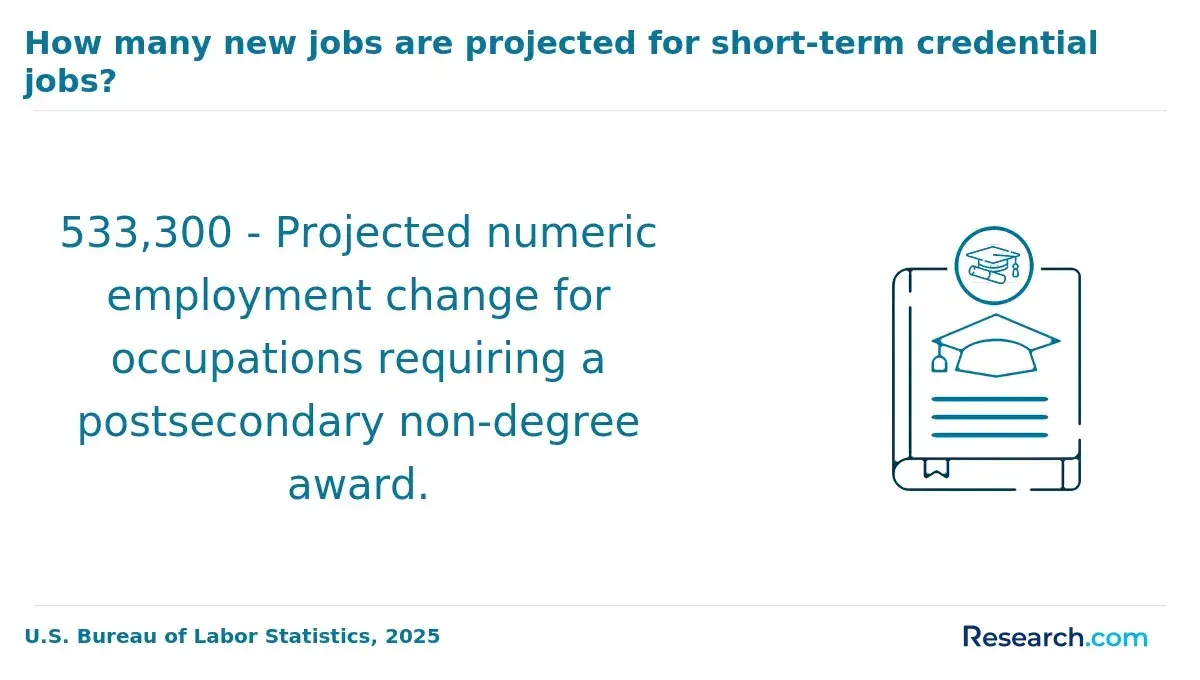
- Career Progression Pace: K-12 and higher education roles typically offer gradual salary increases and steady upward movement, reflecting public sector pay scales and union structures. In contrast, corporate environments reward rapid promotion linked to measurable performance, with data showing approximately 15% annual wage growth for learning experience designers.
- Role Focus and Responsibilities: Education-based positions center on integrating technology into curricula and managing digital learning resources, requiring strong pedagogical knowledge. Corporate roles often revolve around product development, workforce analytics, and commercial e-learning solutions, demanding cross-disciplinary skills like business analytics and project management.
- Job Stability versus Mobility: Public sector positions provide higher job security and tenure possibilities, offering long-term stability. Conversely, corporate careers allow greater occupational mobility but come with increased competition and less predictability.
- Leadership Pathways: Advancement in education settings often flows toward administrative leadership such as director or chief learning officer roles. In government and nonprofit sectors, leadership may evolve through consultancy or specialized program management, emphasizing policy and equity in learning access.
- Impact Orientation: Graduates seeking systemic educational reform and equitable technology deployment may find greater purpose in government and nonprofit work, despite slower salary growth. Those prioritizing innovation and scalability typically benefit from corporate environments.
- Skill Requirements: Success outside academia frequently requires acquiring business acumen and project management expertise alongside technical skills, fostering versatility. Educational roles focus more deeply on instructional design and technology integration expertise.
- Work Environment and Culture: The public education sector often involves structured career ladders within bureaucratic organizations, while corporate spaces are faster-paced and driven by market demands. Nonprofits blend mission-driven culture with moderate growth prospects.
How Do Industry Trends Affect Future Opportunities for Educational Technology Graduates?
Industry trends fundamentally shape the career paths available to educational technology graduates by directing which skills are in demand and how roles evolve across different sectors. As digital tools become embedded in education and training, these shifts influence not only where jobs are concentrated but also compensation patterns and the scope of professional responsibilities. This is especially critical because the fast-paced integration of new technologies requires graduates to be adaptable and ready for emerging needs rather than static job descriptions. Below are key trends currently shaping the future opportunities for educational technology professionals.
- AI-Driven Personalization: Personalized learning technologies powered by artificial intelligence are transforming instructional methods in both higher education and corporate environments. Employers increasingly seek graduates who understand machine learning applications and can design adaptive content, as these skills improve learner engagement and retention. Staying conversant with AI tools and data analytics is becoming essential for securing competitive roles.
- Expansion of Corporate Learning: Corporate and government sectors are rapidly adopting digital learning platforms to upskill employees, creating demand beyond traditional education roles. Graduates with expertise in instructional design and enterprise training technologies find new opportunities in these expanding markets, which often offer higher median salaries than public education.
- Cross-Industry Lifelong Learning: The growing emphasis on continuous professional development across industries opens nontraditional avenues for educational technology specialists. Healthcare, nonprofits, and tech startups now require tailored training solutions, widening employment prospects beyond K-12 or postsecondary education.
- STEM and Digital Equity Investments: Government funding directed at STEM education and digital infrastructure supports sustained demand for educational technology roles. Graduates adept at integrating technology into STEM curricula or enhancing access for underserved populations are positioned well for long-term employment.
According to the EDUCAUSE Center for Analysis and Research's 2024 report, median salaries in educational technology roles have risen 5-7% annually, signifying strong sectoral growth influenced by these trends. Such data underlines how economic forces and policy priorities intersect to shape labor market opportunities.
One graduate shared how shifting industry needs directly impacted their career. Initially focused on higher education instructional design, they hesitated as corporate demand surged for skills in AI-based learning platforms. Rather than switching fields entirely, they rapidly acquired data analytics training, which opened doors to a hybrid role involving both university programs and corporate training contracts. This flexibility eased the pressure of adapting to unpredictable market forces and turned potential uncertainty into a diversified career advantage.
How Can Students Prepare for High-Demand Educational Technology Industries?
Success in high-demand educational technology industries requires more than academic credentials. Prospective students must deliberately integrate hands-on experience, technical proficiency, and strategic networking to meet employer expectations. According to the U.S. Department of Education 2024 report, practical experience with learning management systems and data analytics tools correlates strongly with graduate employability, outpacing purely theoretical knowledge in recruiting outcomes. The best degree programs for educational technology careers emphasize this balance between theory and practice. Below are key strategies that reflect this reality and help students position themselves competitively.
- Structured Internships: Engaging in internships within K-12 schools, higher education, or corporate training departments allows students to confront real challenges, applying instructional design and analytics in active environments. This exposure translates classroom learning into marketable skills essential for sectors like educational publishing and EdTech startups.
- Technical Skill Development: Mastery of e-learning authoring tools, virtual reality applications, and adaptive learning platforms is increasingly vital. Students should seek out programs and certifications offering hands-on labs or projects, as these skills are often prerequisites in government agencies and corporate training divisions.
- Soft Skills Cultivation: Communication, collaboration, and problem-solving abilities enhance cross-functional teamwork. Pursuing group projects and leadership roles within academic settings prepares candidates to effectively liaise with educators, administrators, and developers.
- Professional Networking: Active participation in organizations like the International Society for Technology in Education and attendance at industry conferences or webinars updates students on trends and standards. Networking broadens access to job opportunities and mentorship, critical in industries showing robust growth.
- Certification Attainment: Obtaining project management or specialized educational technology credentials bolsters a candidate's profile. Certifications provide verifiable proof of competencies sought by employers across diverse educational sectors.
- Regulatory Acumen: Understanding data privacy laws and accessibility standards is crucial for designing inclusive, compliant solutions. This knowledge distinguishes graduates in roles requiring adherence to stringent educational policies.
- Strategic Career Planning: Aligning academic focus and experiential learning with targeted sectors ensures graduates maximize employability and salary potential. Students should actively research industries showing demand and customize their portfolios accordingly, avoiding a one-size-fits-all approach.
By combining these strategies, students can build a comprehensive foundation for navigating competitive educational technology careers. As an example, a student completing an internship designing adaptive learning modules for a corporate training program exemplifies how blending theory and practice directly contributes to readiness for expanding industry roles. Prospective candidates interested in related healthcare fields might also explore pathways like how to become a pharmacist for comparative insights on credentialing and career steps.
How Do Different Educational Technology Degree Programs Prepare Students for Industry Careers?
Degrees in educational technology vary significantly in how they prepare students for industry careers, reflecting diverse industry demands. Programs that prioritize integrated skills in instructional design, data analysis, and emerging technologies tend to provide greater adaptability across sectors like K-12, corporate training, and government agencies. According to a 2024 report by the U.S. Department of Labor, graduates with hands-on experience in cutting-edge tools such as artificial intelligence and virtual reality demonstrate markedly higher employment rates. Choosing the right program involves weighing several critical factors:
- Instructional Design Emphasis: Programs focusing on instructional design equip students with skills to create effective curricula and digital content. This foundation is essential for roles in both educational institutions and private companies reliant on training development.
- Technology Integration Skills: Successful graduates often master adaptive learning software and multimedia development, which are key in fast-growing industries like e-learning. Not all programs offer the same level of technology immersion, making this a vital comparison point.
- Data Analysis Training: Degrees that incorporate educational research methods and learning analytics prepare students for analytic and consulting roles in education policy and corporate strategy, expanding career possibilities beyond content creation.
- Industry-Specific Experience: Practical exposure to sector-specific tools or internships amplifies career readiness. For example, those targeting corporate development may benefit from partnerships an institution has with businesses or government agencies.
- Interdisciplinary Approach: Programs blending pedagogy, technology, and data-driven decision-making produce graduates with flexible skill sets adaptable to evolving industry trends. This prepares students to navigate shifting job markets effectively.
- Career Support Services: Access to mentoring, job placement, and networking resources often varies across programs and critically impacts employment outcomes after graduation.
- Program Format and Delivery: Online, in-person, or hybrid formats influence accessibility and learning styles. Prospective students should assess how well a program's delivery aligns with their professional and personal commitments, especially if considering roles while studying.
Studies by the International Society for Technology in Education reveal that real-world experience with emerging technologies correlates with significantly higher salary potential and job placement rates across industries. Graduates equipped with this expertise and the ability to adapt analytical insights find more robust long-term career growth. For those balancing practical demands or seeking flexible options, exploring offerings like an online doctorate in counseling can illustrate how diverse educational technology degree programs tailor to varied career intentions and learning environments.
Which Industry Is the Best Fit for Your Educational Technology Career Goals?
The best industry for a graduate with an Educational Technology degree is defined less by universal rankings and more by individual priorities such as preferred work environment, career trajectory, specialization, salary expectations, lifestyle choices, and the type of impact one wishes to make. For example, one student eager to influence systemic change in K-12 education might pursue opportunities within the education sector, valuing job stability and learner impact over rapid salary growth. Meanwhile, another graduate focused on higher earnings and faster advancement could opt for corporate e-learning, leveraging skills in instructional design to benefit from a booming market. This divergence illustrates how the same qualification supports disparate paths depending on personal and professional goals.
Making an informed industry choice involves researching employer expectations, industry growth projections, necessary skills, and available internships while honestly assessing one's own strengths and passions. The U.S. Bureau of Labor Statistics and reports like LinkedIn's 2024 Workforce Report highlight the importance of alignment between individual career goals and industry demands rather than simply chasing the highest pay or fastest growth. Recent findings from the National Center for Education Statistics reinforce that graduates prioritize geographic fit, organizational culture, and values alignment when selecting roles. Ultimately, successful careers emerge from matching one's unique objectives with realistic opportunities across diverse sectors, whether education, corporate, or nonprofit.
References
- Education Technology https://www.trade.gov/education-technology
- Understanding Ed Tech: Resources for Careers in Ed Tech https://www.highfivepartners.com/understanding-ed-tech-resources-for-careers-in-ed-tech
- Edtech Companies https://www.edtech.com/companies
- 3 Tips for Landing an Edtech Career | Elevate K-12 https://www.elevatek12.com/blog/elevate-in-action/how-to-pivot-to-an-edtech-career/
- Master's in Education Technology & Learning Design https://resilienteducator.com/programs/masters/education-technology-learning-design/
- UK EdTech Industry - Trends & Insight - The Data City https://thedatacity.com/rtics/ed-tech-rtic0010/
- Are EdTech Careers Still on The Rise? https://sciontechnical.com/edtech-careers-still-on-rise/
- Educational Technology Specialist https://ace.edu/student-success/career-guides/educational-technology-specialist/
- These are the 5 key trends shaping the EdTech ecosystem https://www.weforum.org/stories/2024/02/these-are-the-4-key-trends-that-will-shape-the-edtech-market-into-2030/
- 5 Tips to Create an Engaging Career Readiness Program https://transfrinc.com/resources/blog/tips-for-creating-an-engaging-career-readiness-program
Other Things You Should Know About Educational Technology
Workload demands in industries hiring educational technology graduates can differ sharply, often linked to organizational size and project scope. For example, startups and edtech firms may require longer hours and faster iteration cycles, which can strain work-life balance but offer rapid skill development. In contrast, established educational institutions may provide more predictable schedules but slower career progression. Graduates should prioritize environments that align with their preferred work pace and tolerance for ambiguity to avoid burnout and maximize long-term growth.
Industries like traditional education tend to offer greater job security but are slower to adopt new technologies, which can limit exposure to cutting-edge tools. Conversely, private tech startups prioritize innovation and agility but often face financial volatility, creating less predictable employment conditions. Graduates seeking to build deep expertise in emerging technologies might accept higher risk at startups, whereas those valuing steady progression may lean toward more conventional sectors.
Employers increasingly expect graduates to combine technical knowledge with skills in instructional design, data analytics, and communication. Purely technical expertise without an understanding of pedagogical principles or user experience design may limit job opportunities, especially in education-focused settings. Candidates should target programs or internships emphasizing cross-functional projects to enhance versatility, as this multidimensional skillset directly influences both employability and advancement.
Fast salary growth is often more prevalent in commercial edtech companies but may be offset by a narrower range of roles and less mentorship. Public sector or nonprofit organizations might offer slower initial pay increases yet provide broader training, leadership development, and a more defined career ladder. Graduates should weigh whether they prefer quicker financial returns or strategically invest time in gaining diverse experiences that support sustainable advancement in education technology.