2027 Educational Technology Degree Outlook Through 2030: Enrollment, Salary, and Hiring Projections

Co-Founder and Chief Data Scientist
Choosing whether to pursue or continue an educational technology degree involves weighing conflicting signals. For example, a 12% national hiring increase projected through 2030 may suggest robust demand, but supply-side trends reveal growing graduation rates that could outpace job openings in certain regions. Salary growth varies widely by specialty and institutional sector, while employers increasingly prioritize hybrid skills and certifications beyond traditional degrees.
Ignoring these nuances risks misjudging market saturation or regional opportunity gaps. This article examines enrollment shifts, salary patterns, hiring forecasts, industry demand, geographic disparities, and evolving workforce expectations in educational technology through 2030 to guide more informed decisions.
Key Things to Know About the Educational Technology Degree Outlook Through 2030
- Enrollment in educational technology programs rose 12% from 2022 to 2024, driven by increased demand for digital instructional design; however, higher tuition costs risk deterring potential students, affecting long-term accessibility.
- Employer surveys from 2024 reveal a growing preference for candidates with specialization in AI integration within educational technology, indicating a narrowing skill gap and higher hiring selectivity.
- Projected hiring growth varies regionally, with urban areas showing stronger demand through 2030, urging graduates to consider geographic flexibility to capitalize on evolving opportunity clusters.
- Key Things to Know About the Educational Technology Degree Outlook Through 2030 Key Things to Know About the Educational Technology Degree Outlook Through 2030
- How is Educational Technology Degree Enrollment Expected to Change Through 2030? Enrollment Trends Through 2030
- How Many Educational Technology Graduates Will Enter the Workforce by 2030? Graduate Workforce Entry Projections
- What Are the Hiring Projections for Educational Technology Graduates Through 2030? Hiring Projections Through 2030
- Which Educational Technology Careers Will Experience the Most Job Growth? Fastest-Growing Career Paths
- What Is the Salary Outlook for Educational Technology Graduates Through 2030? Salary Outlook Through 2030
- Which Industries Will Hire the Most Educational Technology Graduates by 2030? Top Hiring Industries
- Where Will Demand for Educational Technology Graduates Be Strongest? Strongest Geographic Demand
- Which Educational Technology Specializations Will Be Most in Demand by 2030? Which Educational Technology Specializations Will Be Most in Demand by 2030?
- How Will AI and Technology Affect Educational Technology Careers Through 2030? How Will AI and Technology Affect Educational Technology Careers Through 2030?
- Is an Educational Technology Degree Worth Pursuing Based on 2030 Projections? Degree Value Through 2030
How is Educational Technology Degree Enrollment Expected to Change Through 2030?
Projected shifts in enrollment for educational technology degree programs through 2030 reflect complex interactions between labor market demands, institutional adaptability, and demographic changes rather than a straightforward growth trajectory. While demand for graduates skilled in instructional design and technology integration remains strong, especially among large research universities and digital-focused providers, this creates uneven enrollment pressures that could lead to larger class sizes and intensified admission competition in these settings.
Smaller or traditional institutions unable to expand or innovate their digital offerings may see stagnant or declining enrollment, affecting program availability and specialization diversity. Stakeholders should anticipate that rapid online program expansion, while increasing accessibility, also risks a supply-demand imbalance if graduate output outpaces realistic workforce absorption or if employer expectations around practical skills tighten.
Adult learners and professionals upskilling through certificates and master's degrees represent a growing share of educational technology degree enrollment trends in the US, responding to employer preferences for flexible, hybrid learning formats that accommodate working schedules. This demographic nuance suggests program structures emphasizing applied experience and workforce alignment will be critical to maintaining graduate employability amid shifting tuition pressures and regional disparities in workforce investment.
The moderate annual enrollment growth of approximately 3% to 5% reported by government and clearinghouse data signals opportunity but also challenges related to maintaining instructional quality and avoiding oversaturation in some local markets. For individuals weighing their options, comparing program formats and market alignment-including emerging specialist roles-is crucial, especially when factoring in alternative pathways like the recent rise of RN to BSN online with no clinicals programs that cater to niche workforce needs with distinct practical tradeoffs.
How Many Educational Technology Graduates Will Enter the Workforce by 2030?
The expected influx of educational technology graduates by 2030 will not straightforwardly translate into workforce absorption due to several intervening factors. While degree completions have steadily increased by about 3% annually across bachelor's and master's programs, the actual number entering relevant roles will be influenced by continued education pursuits, geographic labor market variations, and sector-specific demands.
The rise of alternative credentials and on-the-job trainings is also diverting some candidates, meaning that traditional degree holders face intensified competition from professionals with diverse but practical qualifications. Employers increasingly prioritize adaptable skill sets, particularly in technology implementation and instructional design, which can favor graduates who complement formal education with applied experience over those relying solely on diplomas.
Labor market projections, including a 13% growth rate for instructional coordinators, reflect expanding opportunities tied to hybrid and online learning environments; however, regional saturation and shifting demographics may moderate this growth. Graduates must weigh the tradeoffs between pursuing further specialization and entering the job market promptly, as delays can affect employment timing and wage trajectories.
Additionally, some new graduates might accept roles outside educational technology or defer workforce entry, complicating simplistic graduate-to-job match assumptions. Decision-making in this context benefits from attentive evaluation of program outcomes, employer expectations, and evolving credentialing trends rather than reliance on enrollment or completion figures alone.
An upcoming graduate from a midwestern university shared that despite solid academic performance in educational technology, the job hunt proved challenging due to an influx of similar candidates and increasing reliance on demonstrated hands-on skills. They described engaging multiple recruitment events and voluntarily extending internships to build practical experience, highlighting cautious optimism tempered by the awareness that not every degree confers direct hiring advantages. This experience underscores the nuanced reality that individual career entry timing and success depend heavily on strategic adaptation to both rising graduate supply and employer preferences heading into 2030.
What Are the Hiring Projections for Educational Technology Graduates Through 2030?
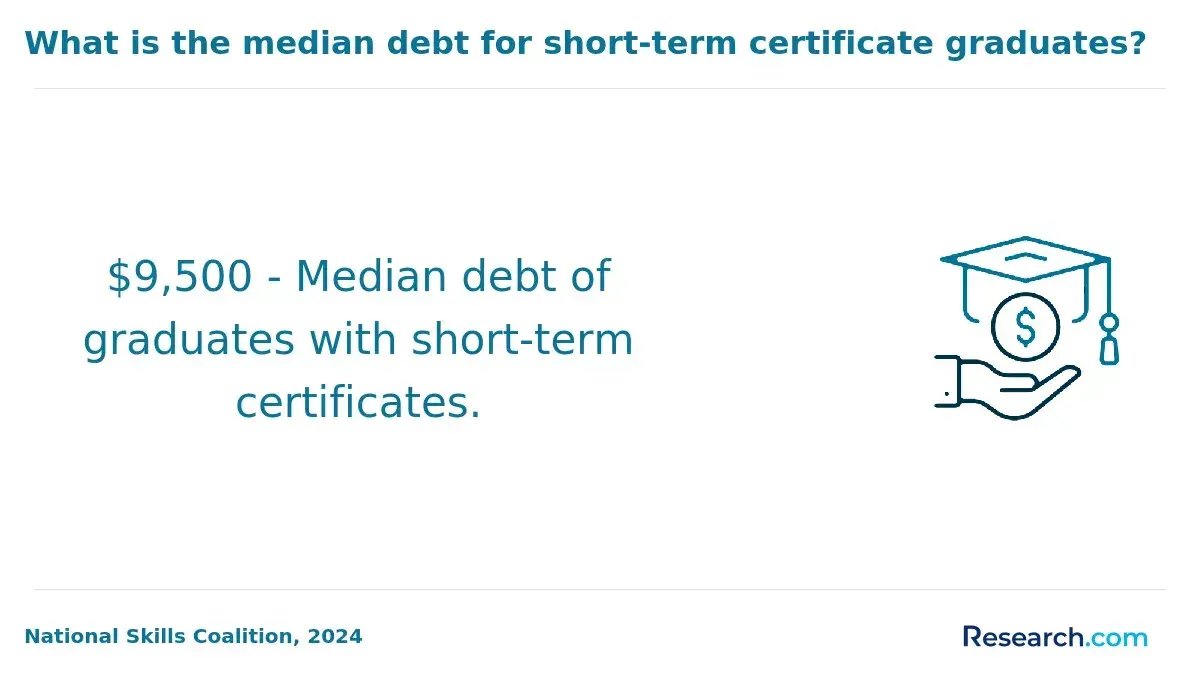
Employer demand for educational technology graduates through 2030 appears moderate but uneven, influenced by sector-specific expansions and technological integration rather than broad labor market surges. The Bureau of Labor Statistics projects a 9% growth rate for instructional coordinators-one of the closest occupational categories-with this pace outstripping average job growth, yet hiring opportunities will largely hinge on specialized skills and applied experience. Candidates lacking proficiency in learning management systems, multimedia content creation, and data analytics may face challenges despite overall sector expansion, highlighting the importance of targeted skill development for graduates seeking to enter this competitive field.
Geographic and industry variations further complicate hiring landscapes; urban and suburban school districts, along with corporate training departments, show stronger demand compared to many rural areas where growth can be sluggish or cyclical. For instance, a graduate targeting a role in a metropolitan school system might find healthier job prospects than one confined to less populated regions. Moreover, the relative steadiness of annual job openings masks significant competition from both new entrants and incumbents, implying that practical experience and relevant certifications can be decisive factors in gaining employment.
This context suggests that while educational technology remains a viable pathway, graduates and current students should approach their career planning with nuanced strategies that align skill acquisition to employer expectations and regional demand. Relying solely on national growth forecasts risks overestimating entry-level accessibility or career stability without accounting for local market dynamics and evolving technology trends. Staying current with tools and demonstrating applied competencies may not only improve initial employment chances but also influence long-term career sustainability amid shifting educational priorities and workplace technology applications.
Which Educational Technology Careers Will Experience the Most Job Growth?
Job growth within educational technology careers with highest job growth in the US is largely concentrated in roles that merge instructional design expertise with evolving digital tools and data analytics capabilities. Positions like instructional coordinators, who develop curriculum and facilitate technology adoption in classrooms, are expected to grow more than 10% by 2030, a rate surpassing many other sectors. Meanwhile, e-learning specialists remain in demand as K-12 and corporate sectors shift toward hybrid and fully remote training formats, yet the volume of openings in each role varies significantly, underscoring the need to consider both growth rates and total employment when evaluating opportunities.
For students weighing their options, pursuing a career as an educational technology consultant or learning analytics specialist offers pathways into emerging fields where the integration of performance data and pedagogy is increasingly critical. However, these roles require dual fluency in educational theory and technical skills, which can be a barrier without targeted training. Unlike software developer roles focused on educational platforms, which often demand strong programming backgrounds, many education-centered jobs prioritize familiarity with teaching methodologies alongside technology fluency. Regional differences and employer expectations mean that strong national projections do not guarantee straightforward entry or top salaries across all markets.
Given the complexity of these roles, prospective students should weigh the practical, technical, and pedagogical demands carefully. Reliable projections from the U.S. Bureau of Labor Statistics and Lightcast highlight an expanding niche but also emphasize the necessity of cross-disciplinary competence. For those interested in related sectors such as biological sciences, examining the highest paying biology jobs may offer complementary insights into specialized, data-driven career paths that reward advanced technical training and applied knowledge.
What Is the Salary Outlook for Educational Technology Graduates Through 2030?
Salary projections for educational technology graduates through 2030 require careful interpretation beyond headline figures. Inflation, shifts in labor market demands, increasing credential expectations, and evolving occupational roles all affect future earning potential. Growth estimates must be viewed alongside these factors to understand actual income trajectories. For example, while median salaries may rise from around $53,000 at entry-level to $75,000-$85,000 mid-career, this depends heavily on context such as region, sector, and skill depth.
The following factors critically shape compensation outcomes over the next decade.
- Labor Demand Growth: Projected 10% employment expansion in roles like instructional coordinators and educational consultants by the U.S. Bureau of Labor Statistics reflects modest but steady hiring, indicating consistent-but not rapid-salary increases primarily tied to public education and edtech firms.
- Regional Variability: Salaries cluster in urban districts and well-funded institutions. Graduates in metropolitan areas or edtech hubs typically command higher wages than those in rural or under-resourced settings, emphasizing geographic impact in compensation decisions.
- Advanced Credentials: Possession of graduate degrees or certifications often creates significant salary premiums, with specialized roles capable of surpassing six figures when combined with relevant experience and technical mastery.
- Technology Adaptation: Continuous skill development with emerging learning management systems and data analytics is essential. Salary growth may include irregular bursts aligned with innovation adoption or policy-driven shifts toward online and blended learning models.
- Employer Expectations: Flexibility to integrate instructional design, technology deployment, and data-driven decision-making influences pay scales, with more versatile professionals generally securing better compensation over time.
- Experience and Specialization: Mid-career professionals who develop niche expertise or leadership skills within educational technology benefit from accelerated salary growth relative to generalists or entry-level positions.
A recent graduate entering the workforce accepted an initial offer in a mid-sized urban district that was below the anticipated median starting salary. Recognizing regional salary differences and limited negotiation leverage, they opted to invest in certifications over the following year. This pragmatic choice aimed to boost competitiveness for roles with higher pay potential in the district's growing digital learning department. The decision reflected a nuanced balancing of immediate financial constraints against longer-term earning prospects shaped by skill acquisition and evolving job demands.
Which Industries Will Hire the Most Educational Technology Graduates by 2030?
Industry growth, workforce replacement demands, and technological evolution will collectively shape the top industries hiring educational technology graduates by 2030. Hiring trajectories will differ significantly depending on sector-specific digital adoption rates and the role technology plays in evolving learning and development strategies. For professionals entering this field, a realistic scenario is the rise of hybrid instructional models which require agile skills beyond traditional education roles.
Graduates with a balance of data-driven instructional design, platform management, and communication will find more accessible opportunities in sectors prioritizing technology integration and scalable solutions. The intersection of retained institutional knowledge and innovative digital competency will influence both volume and quality of roles available.
Key employment growth sectors by 2030 include the following:
- K-12 Education Systems: The largest and most consistent demand will come from public and private K-12 schools adapting to hybrid and remote learning. Entry-level roles focus on digital curriculum development and blended learning facilitation, with advanced positions requiring expertise in learning analytics and technology strategy.
- Higher Education Institutions: Universities and community colleges investing heavily in online and technology-enhanced instruction will seek specialists in learning management systems and faculty technology training. Candidates with instructional design credentials and experience in user engagement have a competitive edge.
- Corporate Learning and Development: Large multinational firms accelerating e-learning and agile training programs are expanding demand. Instructional designers skilled in learning analytics and user experience contribute to scalable, tech-driven training solutions aligned with business objectives.
- Government and Nonprofit Workforce Training: Agencies focused on community education and public service training generate opportunities, though at modest scale. Familiarity with accessibility standards and data metrics improves prospects in these sectors.
- Healthcare Training: While still niche, healthcare is gradually integrating educational technologies for professional development and patient education. Roles favor graduates combining domain knowledge with technological proficiency, often requiring specialized certifications.
- Professional Credential Programs: Programs like online MHA programs increasingly depend on educational technology to enable flexible learning. Graduates who understand both the healthcare industry and digital pedagogy can leverage these evolving platforms for career growth.
Where Will Demand for Educational Technology Graduates Be Strongest?
Demand for educational technology graduates is highly concentrated in metropolitan hubs and specific sectors where digital transformation intersects with workforce training. In regions like the San Francisco Bay Area, Boston, and Washington D.C., a dense mix of technology firms and educational institutions creates a robust ecosystem, but higher living costs and intense applicant competition can offset salary benefits. Conversely, Sun Belt cities such as Austin and Raleigh offer rapidly growing corporate learning ecosystems with lower living expenses, though roles here may demand broader skill sets to navigate emerging training technologies and evolving organizational needs.
The corporate learning and development sector presents noticeably stronger hiring than traditional education, fueled by sustained enterprise investments in e-learning and workforce upskilling. Healthcare and government roles are expanding as well, driven by regulatory pressures and digital compliance training, but these often require specialized knowledge beyond core educational technology skills. In contrast, K-12 and higher education jobs typically show steadier, more moderate growth, with variability stemming from fluctuating public budgets and uneven adoption of digital tools across districts and campuses.
Job seekers must weigh these dynamics against geographic and sector-specific realities, where demand does not translate uniformly into opportunity. For example, a graduate targeting federal roles may face stringent credential requirements and slower hiring cycles despite sector growth, while those focusing on tech-forward metro areas benefit from clustering effects but encounter stiffer competition. According to data from the U.S. Bureau of Labor Statistics and Lightcast in 2024, the ability to blend technical expertise with adult learning theory and analytics is increasingly crucial for securing roles that offer upward mobility in complex organizational contexts.
Which Educational Technology Specializations Will Be Most in Demand by 2030?
The demand for educational technology specializations through 2030 will favor professionals who combine pedagogical insight with technical agility, reflecting evolving employer priorities and real-world operational needs. Students comparing pathways should weigh not only projected growth rates but also the diversity of skills required and the potential for cross-sector mobility. For example, a candidate choosing between instructional design and data analytics must consider differences in technical prerequisites, adaptability to roles outside education, and sensitivity to regional funding disparities. Analytical reports from the U.S. Bureau of Labor Statistics and industry sources like Lightcast provide a reliable baseline for anticipating these trends.
Key areas projected to see the strongest employer demand are:
- Instructional Design and Learning Experience: Growth will be driven by K-12, higher education, and corporate training that demand adaptive learning solutions integrating AI and data analytics. These roles increasingly require competencies in personalized content and platform management, with projected job openings growing 15-18% through 2030.
- Technology Integration Specialists: As hybrid and remote learning models expand, specialists who can implement, troubleshoot, and optimize edtech infrastructure combining IT and curriculum knowledge are critical. Hiring in this niche is expected to increase around 12%, reflecting steady institutional investment.
- Educational Software Development: Developers versed in both coding and user-centric design will address the growing need for scalable, customizable educational applications. Employers seek skills in software engineering alongside understanding instructional goals, emphasizing practical coding languages matched with education theory.
- Learning Analytics and Data Analysis: Specialists interpreting learner data to inform curriculum improvements and instructional decisions are increasingly vital. This area is anticipated to outpace average growth, responding to trends favoring evidence-based education practices supported by firms like McKinsey.
- Educational Technology Policy and Digital Equity: Experts focused on access, compliance, and resource allocation will be needed, especially in underserved regions. Their work intersects policy, funding constraints, and technology deployment, highlighting the complexity of equitable technology integration.
How Will AI and Technology Affect Educational Technology Careers Through 2030?
Artificial intelligence and automation are set not just to automate but to augment and redefine many core responsibilities within educational technology roles by 2030. Routine tasks such as scheduling, basic content delivery, and data collection will increasingly be handled by AI-driven systems, pushing professionals toward functions that require complex decision-making, creativity, and ethical oversight. For example, an instructional designer may shift focus from creating standard lesson plans to analyzing learner data and tailoring adaptive learning paths that leverage AI algorithms, demanding fluency in both pedagogical theory and technical skills like data analytics.
The impact of technology-driven job growth in educational technology through 2030 extends to hiring priorities, where employers seek candidates with hybrid proficiencies encompassing AI tools, cloud platform management, and learning management system administration. Those who fail to update their skillset risk stagnation or displacement as the labor market increasingly favors interdisciplinary expertise. For students and career professionals evaluating educational technology degrees, weighting program outcomes based on practical integration of AI literacy, hands-on experience with edtech platforms, and opportunities for applied projects becomes essential for maintaining relevance.
Positions combining deep domain knowledge with AI proficiency typically command higher salaries and robust demand, reflecting a premium on adaptability and forward-looking competencies. Prospective learners should also consider how evolving credentials compare to well-established workforce standards, including understanding shifts in role specialization and productivity expectations. To explore related compensation dynamics, references to functional medicine NP salary studies may offer comparative insights into specialized adaptive career paths in rapidly changing fields.
Is an Educational Technology Degree Worth Pursuing Based on 2030 Projections?
Employment projections for educational technology roles suggest moderate growth through 2030, aligning closely with overall occupational averages, but this should not be construed as a guarantee of robust opportunity across all subfields. While enrollment numbers show steady interest, the more specialized nature of educational technology means prospective students must carefully consider market saturation and the relative scarcity of high-volume hiring pipelines compared with broader tech or healthcare sectors.
Graduates focused narrowly on instructional design or data analytics for education may find better prospects, especially where digital learning tools adoption is accelerating, but regional funding variability and public education budget constraints temper hiring consistency. Those weighing the educational technology degree salary and job outlook 2030 should note median salaries typically range between $55,000 and $75,000, a band competitive within education but often lagging behind other technology fields that reward similar technical skills with higher compensation.
Students seeking a balance between educational commitment and labor market returns must assess how supplemental certifications and hands-on competencies enhance employability, particularly given the stable yet unremarkable job growth that implies a need for career patience. The decision to pursue such a degree also involves tradeoffs related to tuition costs, program length, and credential flexibility, as these factors influence whether the degree advances long-term workforce integration or risks underemployment.
For example, a student researching accelerated pathways might explore options like aBSN programs with high acceptance rates for comparison in related education and training fields. Overall, the future demand for educational technology careers in the US reflects a niche with promising but measured expansion, best suited for candidates prepared to navigate complex budget environments and develop multi-dimensional skills aligned with evolving educational infrastructures.
References
- Exploring the Future of Work: Top Careers for International Students in 2030 - AECC https://www.aeccglobal.co.th/blog/top-careers-for-international-students-in-2030
- Education as the Engine of Saudi Vision 2030 https://www.edtpartners.com/post/education-as-the-engine-of-saudi-vision-2030
- Education in 2030 https://www.holoniq.com/2030
- EdTech Masterplan 2030 | MOE https://www.moe.gov.sg/education-in-sg/educational-technology-journey/edtech-masterplan
- Edtech.com - The #1 Education Technology job board. https://www.edtech.com/
- 5 Learning Technology Jobs You Need to Know About https://www.boltjobs.com/blog/learning-technology-jobs-you-need-to-know-about
- The Future of Education: Trends That Will Redefine Schools in 2030 - Global Services In Education https://www.gsineducation.com/school-investment/the-future-of-education-trends-that-will-redefine-schools-in-2030
- Education Technology Trends 2026 | Future of EdTech https://technobrains.io/top-7-trends-in-education-technology/
- Top Technology Skills in Demand by 2030 | Future Tech Skills Guide https://www.mywestford.com/blog/top-technology-skills-that-will-be-in-demand-by-2030/
- Education Technology (EdTech) Market Size, Share, Growth, 2034 https://straitsresearch.com/report/education-technology-market
Other Things You Should Know About Educational Technology
Many programs vary from shorter certificate options to two-year master's degrees, but the depth of practical experience often correlates with program duration. Students aiming for roles with strong instructional design or technology integration responsibilities should prioritize programs that embed substantial real-world projects or internships, even if they require more time. Shorter programs may accelerate entry into the workforce but often limit exposure to complex tools and strategic applications employers expect.
Employers increasingly expect graduates not only to master current learning technologies but also to adapt quickly to new platforms and pedagogical approaches. This means graduates must commit to ongoing professional development beyond their degree, as initial coursework rarely covers emerging tools in depth. Prospective students should consider whether a program fosters a mindset and provides resources for lifelong learning to remain competitive.
Online and hybrid programs provide flexibility but often reduce opportunities for live collaboration and networking, which can be crucial for careers dependent on cross-disciplinary teamwork. Those seeking leadership or consultancy roles may find in-person or blended formats better prepare them for nuanced communication and project management challenges. When choosing, students should prioritize formats that balance convenience with meaningful peer and instructor interaction relevant to their career goals.
While salary projections show growth, many educational technology roles involve fluctuating workloads tied to academic calendars or project cycles, which can affect work-life balance. Graduates should assess whether the potential earnings justify periods of intense work, especially in contract or grant-funded positions. Prioritizing roles with stable funding and clear advancement pathways may improve long-term financial and job security outcomes.