2027 Educational Technology Career Outcomes by Degree Level Report: Pay, Employment, and Advancement Patterns

Co-Founder and Chief Data Scientist
An adult learner with years of classroom experience faces a difficult choice: invest time and money in a bachelor's or master's degree in educational technology to boost career prospects, but without clear, differentiated data on pay and job stability by degree level. A 2024 report from the National Center for Education Statistics shows that degree completers in educational technology with graduate credentials have a 15% higher employment rate, reflecting employer expectations for advanced skills in instructional design and learning analytics. These nuanced workforce patterns influence access and mobility but remain unclear to many candidates navigating complex educational paths.
This article analyzes employment rates, pay trends, and advancement opportunities across degree levels to help prospective learners make informed decisions.
Key Things to Know About Educational Technology Career Outcomes by Degree Level
- Master's degree holders in educational technology achieve 25% higher job placement rates within six months post-graduation compared to bachelor's, reflecting employer preference for advanced specialization in digital learning design.
- While doctoral credentials enable leadership roles in research and policy, the extended time and financial investment often delay workforce entry, posing a tradeoff between depth of expertise and immediate career advancement.
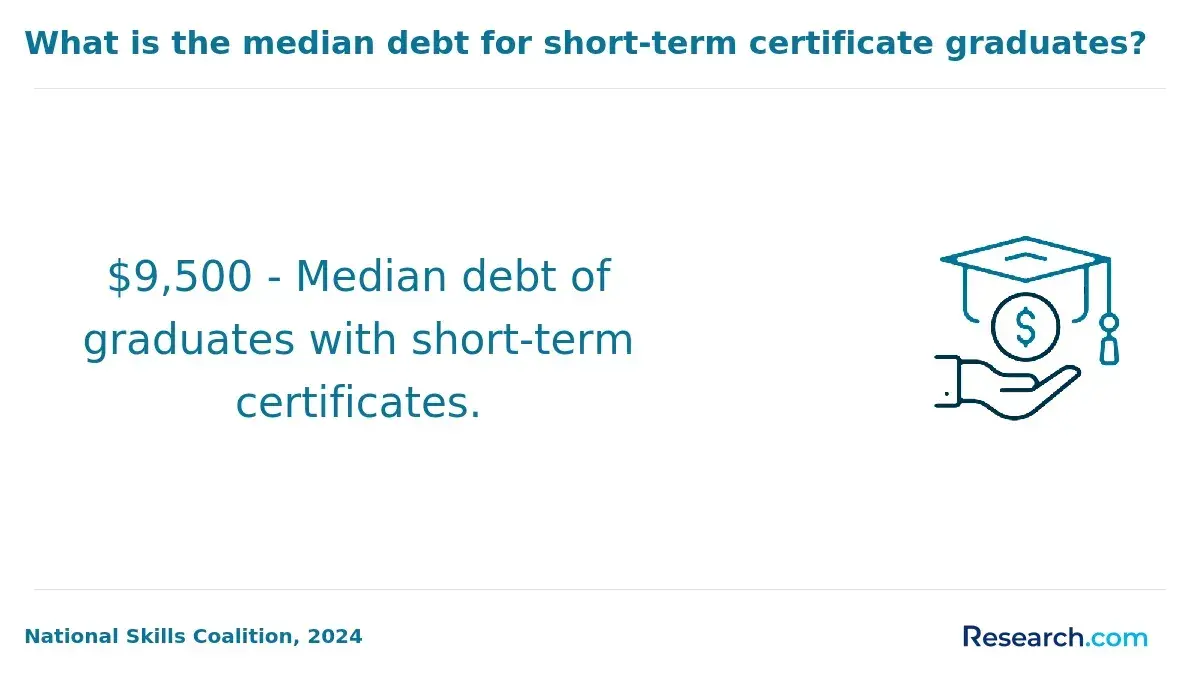
- Certificate programs facilitate quicker credential attainment and upskilling but generally offer limited long-term salary growth and advancement, emphasizing their role as supplemental rather than primary qualifications.
- Key Things to Know About Educational Technology Career Outcomes by Degree Level Key Things to Know About Educational Technology Career Outcomes by Degree Level
- What Career Outcomes Can Students Expect From Each Educational Technology Degree Level? Career Outcomes by Degree
- How Much Do Educational Technology Graduates Earn by Degree Level? Salary by Degree Level
- Which Educational Technology Degree Level Offers the Strongest Employment Prospects? Best Degrees for Employment
- What Entry-Level Jobs Can You Get With a Educational Technology Degree? Entry-Level Career Opportunities
- How Do Educational Technology Degree Levels Affect Career Advancement and Promotion Opportunities? Career Growth by Degree
- Is a Educational Technology Degree Worth It Based on Salary, Employment, and ROI? Salary, ROI, and Value
- How Do Associate, Bachelor's, Master's, and Doctoral Educational Technology Degrees Compare? Comparing Degree Levels
- Which Industries and Employers Hire Educational Technology Graduates by Degree Level? Which Industries and Employers Hire Educational Technology Graduates by Degree Level?
- What Skills, Credentials, and Experience Improve Educational Technology Career Outcomes? What Skills, Credentials, and Experience Improve Educational Technology Career Outcomes?
- Which Educational Technology Degree Level Is Best for Your Career Goals? Choosing the Right Degree
What Career Outcomes Can Students Expect From Each Educational Technology Degree Level?
Career outcomes in educational technology degree programs reflect a distinct hierarchy in employer expectations and job function readiness by credential level. Entry-level positions typically require certificates or associate degrees, which provide foundational technical skills and practical tool application but limited scope for leadership or advanced specialization.
For instance, an associate degree holder may gain quicker employment access in instructional support roles, benefiting from broader technical training than certificate holders, yet often faces a ceiling in mid-level roles without further credentialing. According to the National Center for Education Statistics, graduates with associate degrees see higher initial employment rates compared to certificate recipients, emphasizing the importance of broader preparation despite longer time investments and often more stringent transfer credit policies.
Doctoral graduates, meanwhile, align with roles demanding evidence-based innovation, policy formation, and research leadership within academia and education technology sectors. These distinctions influence adult learners and working professionals significantly; decisions around pursuing an advanced degree vs. quicker entry credentials hinge on individual goals for job stability, advancement ceilings, and the practicalities of transfer planning and prior credit use in accelerating degree completion.
Employer preferences also underscore the value of certifications and internship experiences aligned with degree progression, as many educational technology roles require credentials like CETL for higher responsibility levels. This means that for those evaluating costs relative to career mobility, including factors such as time and financial investment comparable to a medical billing certification cost, strategic credential planning becomes essential.
Overall, educational technology degree career outcomes by level demonstrate a clear tradeoff between speed of workforce entry and depth of career advancement potential, with bachelor's degrees and above offering more expansive mobility but requiring longer preparation and clearer alignment with evolving employer demands. This reality is especially critical for military-affiliated students and transfer students weighing the optimal credential path amid competing personal and professional commitments.
How Much Do Educational Technology Graduates Earn by Degree Level?
Educational technology salaries vary substantially by degree level, but these differences must be viewed beyond headline pay figures to include job functions, regional labor markets, and employer credential preferences. For example, bachelor's degree holders frequently earn median wages near $65,000, yet this often reflects entry-level instructional design or technical support roles with moderate advancement potential unless supplemented by certifications or experience.
In contrast, master's and doctoral graduates tend to access leadership or specialized research roles, averaging closer to $80,000 and $95,000, respectively, but these positions usually require not only advanced degrees but also relevant work history and geographic flexibility. Adult learners deciding whether to pursue higher credentials should consider both the direct cost and the opportunity cost of additional schooling against the likelihood of moving into roles that justify the investment, especially since wage premiums often coincide with greater job stability and scope rather than automatic pay increases.
Lower-level certificates and associate degrees often correspond to salaries in the $40,000 to $50,000 range, mostly in support or technical implementation positions with limited upward mobility without further education. Employment rates also rise with degree attainment partly because employers in educational technology increasingly mandate advanced qualifications for curriculum development and administrative roles, emphasizing experience and specialized certifications.
Transfer students and working professionals need to fully assess how transfer credits and program duration affect their timeline and return on investment, particularly since longer completion periods can reduce the effective economic benefit of higher degrees. Ultimately, evaluating earnings data alongside practical hiring demands and local market conditions clarifies the realistic payoff of advancing beyond a bachelor's in educational technology.
A former educational technology graduate grappling with whether to return for a master's shared how initial job offers after their bachelor's were consistent with median earnings data, but they noticed most advertised leadership roles required a master's plus several years' experience. They hesitated before enrolling in graduate school, considering the cost and time, yet decided that waiting for a suitable promotion without the degree seemed unlikely.
After earning the master's, they found their compensation rose meaningfully and gained access to more stable positions, but they recalled being surprised at how few regional employers valued certificates alone despite their lower barrier to entry, which reshaped their perspective on incremental credentialing versus immediate work experience. This experience highlighted that pay scales often reflect complex tradeoffs between credentials, employer expectations, and market location rather than simple degree hierarchies.
Which Educational Technology Degree Level Offers the Strongest Employment Prospects?
Employers increasingly prioritize bachelor's or higher degrees in educational technology due to the technical complexity and specialized skills required for most roles, especially in instructional design and program management. While associate degrees and certificates offer faster workforce entry, these credentials typically limit candidates to support or paraprofessional positions with slower wage growth and restricted mobility. For example, a learner with an associate degree might secure a help desk role quickly but face barriers when competing for leadership or strategic positions that demand broader pedagogical and technical expertise examined in bachelor's or master's programs.
Graduates holding a bachelor's degree in educational technology generally experience higher completion-to-employment rates, with recent data showing approximately 85% employment within six months, reflecting strong market demand for this credential. Those who advance to master's degrees benefit from deeper specialization and practical experience such as internships, enhancing their competitiveness for senior roles like program directors or policy analysts. However, pursuing a master's often requires balancing ongoing employment against extended study, a tradeoff many must weigh based on career timeline priorities and financial constraints.
Doctoral-level paths remain essential but narrowly tailored toward research, policy development, or academic leadership, involving longer career investment with fewer immediate openings. As degree inflation continues, students must consider whether entering the workforce sooner with a lower credential or investing in advanced studies aligns best with their ambitions and the specific labor market conditions they face. This decision critically shapes not just initial employment access but the capacity for upward mobility within educational technology sectors over time.
What Entry-Level Jobs Can You Get With an Educational Technology Degree?
Entry-level jobs with an educational technology degree vary significantly depending on the degree level and practical experience attained. Associate degree holders often find themselves in support roles such as help desk specialists or educational technology aides, positions focused on technical assistance rather than leadership or design.
Bachelor's graduates have increased access to roles involving instructional design, learning management system administration, and technology integration coaching, where employers expect a mix of technical skills and communication abilities. For many recent graduates, internships or portfolio projects are critical; the National Center for Education Statistics reports that 65% of entry-level educational technology postings in 2024 require documented relevant experience, underscoring how employers prioritize demonstrated competencies over academic credentials alone.
Masters-level graduates generally target roles with greater responsibility, such as curriculum development specialists or training coordinators, often needing certification or formal licensure. This level offers better advancement potential but may extend initial job search periods or require ongoing credentialing.
Geographic and organizational context also shapes job expectations: urban districts and large companies frequently demand familiarity with specialized software and formal qualifications, while smaller employers may value adaptability and broad technical support skills. Remote work is growing in course development or online support but remains limited for hands-on roles, influencing job accessibility based on location.
Students comparing educational technology careers for recent graduates should weigh degree level against their access to internships, desire for certification, and long-term mobility, carefully balancing immediate employment prospects with skill-building potential and the option for advanced study or credentialing. Exploring options through resources like self paced online colleges can also support flexible skill acquisition aligned with these market realities.
How Do Educational Technology Degree Levels Affect Career Advancement and Promotion Opportunities?
Advanced degree levels in educational technology distinctly shape promotion prospects and leadership eligibility, particularly where supervisory roles or specialized expertise are prioritized. Data from the National Center for Education Statistics in 2024 shows that employers more frequently assign mid- to senior-level positions to candidates holding master's degrees or higher, reflecting organizational preferences for credentials that signal readiness for management and strategic instructional design.
While associate and bachelor's degrees can lead to entry-level roles, rising digital complexity and employer demands for project management and emerging technology skills tend to accelerate advancement for graduate-level holders. This dynamic creates a tangible timing tradeoff for working adults: pursuing an advanced degree often delays workforce entry but can shorten time to promotion and internal mobility once completed.
Yet degree level alone doesn't guarantee upward movement; substantial prior work experience and ongoing professional development remain critical factors, especially for adult learners balancing full-time roles. Flexible graduate programs and transfer credit pathways help mitigate typical delays linked to credential attainment, making further education more accessible to incumbents aiming to move into leadership.
According to a 2024 Lightcast report, job postings emphasizing leadership skills in educational technology are 35% more likely to require graduate-level qualifications or equivalent certifications, illustrating the market's emphasis on advanced credentials alongside proven practical expertise. Ultimately, aligning degree choices with one's current career stage and realistic employer expectations is essential to optimize promotion timing and long-term role suitability.
One recent educational technology graduate considered whether investing in a master's was worth it after years in technical support showed slow career progression despite strong on-the-job performance. Initially hesitant due to the opportunity cost, she found that her employer's promotion criteria explicitly listed master's-level credentials and leadership certification as prerequisites for supervisory roles.
This helped her commit to graduate studies while leveraging flexible scheduling and prior credits, which allowed her to maintain income flow and gain confidence in applying for internal leadership positions. Her experience highlights the importance of understanding specific employer expectations and how advanced credentials intersect with practical readiness for advancement.
Is an Educational Technology Degree Worth It Based on Salary, Employment, and ROI?
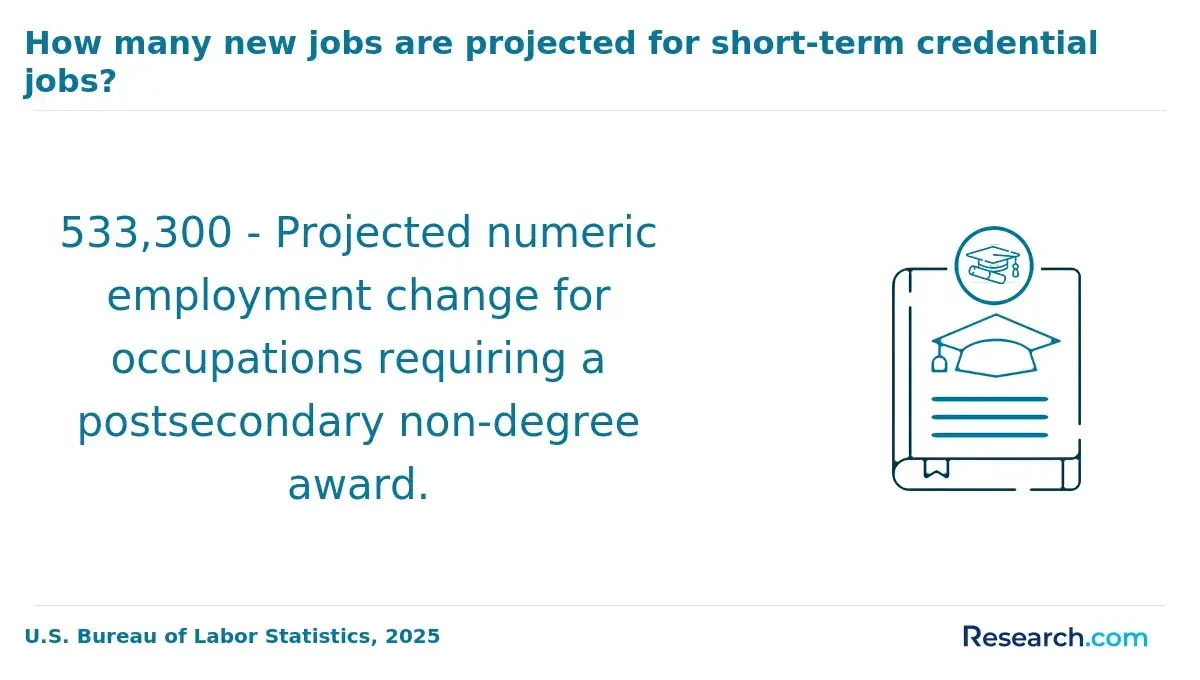
Salary outcomes and employment prospects for educational technology degree holders vary significantly by degree level, affecting both career trajectory and financial return. Professionals with a master's degree tend to earn notably higher median wages than those with only a bachelor's, but the increased debt burden and longer time-to-completion can offset these gains for some students, especially working adults or military-affiliated learners balancing education with other responsibilities. Employers often emphasize specialized certifications and relevant work experience alongside formal degrees, meaning the decision to pursue advanced education should be weighed against the local demand for such credentials and the practical ability to complete programs without excessive delays or opportunity costs.
Employment stability in this field is shaped by factors such as regional market conditions and institutional preferences for advanced degrees in leadership or administrative roles. For adult learners and transfer students, understanding how transfer credits and financial aid impact affordability and completion timelines is critical when assessing overall value. The return on investment for educational technology careers depends heavily on these dynamics, making it important to analyze total costs—tuition, fees, and living expenses—against realistic salary gains and career mobility scenarios. Those seeking more cost-effective pathways may explore online medical assistant programs that accept financial aid as a comparison point for managing educational expenses within technical fields.
Ultimately, the educational technology degree salary comparison by degree level illustrates the tradeoffs between quicker workforce entry with a bachelor's degree and the potential advancement unlocked by graduate credentials. Students must consider the extent of employer demand for credentials, the risk of employment gaps, and the debt load associated with graduate programs. This nuanced perspective helps learners align their investment in education with both immediate employment opportunities and longer-term professional development within educational technology careers.
How Do Associate, Bachelor's, Master's, and Doctoral Educational Technology Degrees Compare?
Associate degrees in educational technology typically grant access to entry-level roles focused on technical support or instructional assistance, where practical skills outweigh theoretical depth. However, workforce data from the National Center for Education Statistics in 2024 indicates employment rates around 65% for associate holders in this field, with many positions concentrated in community colleges or K-12 settings that often limit upward mobility without further credentials. For students weighing immediate workforce entry against long-term growth, this credential can reduce debt and time-to-employment but may require stacking additional credits or degrees later to access supervisory or specialized roles.
Bachelor's degrees broaden the scope sharply, unlocking mid-level jobs such as instructional design or training coordination, with a roughly 10% higher employment rate than associate-level graduates, according to the U.S. Bureau of Labor Statistics. These programs usually offer more concentrated specialization and smoother transfer options compared to associate credentials, though leadership positions often remain out of reach without graduate study or relevant experience.
Master's degrees shift focus toward leadership, research, and policy implementation, with employers frequently requiring this level for administrative or director roles; licensure processes in education systems also tend to favor candidates holding master's qualifications due to certification standards and institutional demands.
Doctoral programs prepare graduates predominantly for academic, research, and high-level consultancy careers, offering the broadest occupational differentiation but requiring significant time and financial investment. Data from the Integrated Postsecondary Education Data System in 2024 shows that doctoral degree holders experience the lowest unemployment but face a tradeoff: many employers do not differentiate substantially beyond master's credentials for practical leadership roles, so pursuing a doctorate should align with targeted goals in scholarship or innovation leadership.
Across all levels, decision-making must balance immediate employment prospects with long-term ambitions, accounting for credit transferability, stackable credentials, and the varying weight employers place on experience versus formal education within educational technology sectors.
Which Industries and Employers Hire Educational Technology Graduates by Degree Level?
Hiring decisions in educational technology reflect sharp distinctions tied to degree levels, influencing where graduates find opportunities and how they advance. Associate degree holders generally secure entry-level technical support roles within K-12 schools, community colleges, or nonprofits, where emphasis lies on operational skills rather than leadership, resulting in stable but lower-paying jobs with limited mobility.
In contrast, bachelor's degree holders often work across school districts, corporate training, edtech startups, and government agencies, balancing instructional design with technical integration; their versatility opens mid-tier roles, frequently contingent on additional certification or technical skill development. The National Center for Education Statistics notes that a bachelor's degree remains the baseline for many such roles, underscoring the tradeoff between broader employability and the need for ongoing skill acquisition.
Master's degree recipients tend to align with higher education, large edtech firms, and research institutions where leadership, policy influence, or program management are expected, highlighting a threshold many employers set for managerial positions. According to recent U.S. Bureau of Labor Statistics data, these roles often come with higher median wages and clearer advancement pathways, though they also require specialized expertise beyond practitioner knowledge.
Doctoral graduates, meanwhile, largely pursue academia, research, or high-level consultancy, handling policy development and systemic innovation where deep analytical skills and publications weigh heavily in hiring. Certificates typically supplement other credentials and enhance technical specialization but rarely replace degrees for roles involving management or research. Recognizing these patterns is crucial for students weighing whether to enter the workforce early, invest in graduate education, or target employers with differing credential preferences.
What Skills, Credentials, and Experience Improve Educational Technology Career Outcomes?
Employers prioritize candidates with hands-on expertise in learning management systems, instructional design software, and data analytics, especially at bachelor's and master's degree levels, where such technical skills directly impact employment and advancement potentials. Supplemental credentials—like project management certifications or instructional design qualifications—serve as tangible signals of specialized knowledge, which can accelerate mid-career mobility and open doors to leadership or administrative roles. For working adults and transfer students, strategically stacking credentials while gaining applied experience, such as targeted internships or field placements, is essential to bridging theory and practice in educational technology career advancement skills.
Practical experience remains a decisive factor for entry-level readiness and longer-term promotion, underscoring why programs emphasizing applied learning show higher placement success. Portfolio evidence presenting curriculum design or technology integration projects complements formal transcripts by demonstrating real-world capabilities sought by employers. Military-affiliated learners and professionals transitioning into tech project management roles often find leadership experience invaluable, as managing teams or complex initiatives can differentiate candidates in competitive hiring pools. Soft skills like communication and adaptability frequently tip the scales in favor of candidates prepared for cross-functional collaboration and strategic responsibilities.
Choosing to progress from a bachelor's to a master's or graduate licensure pathway notably improves access to regulated environments such as K-12 administration but requires balancing time and costs against tangible career benefits. Adult learners evaluating how to combine prior credits and credentials should consider the relative payoffs of additional certifications versus advanced degrees to optimize employment outcomes. For those comparing programs, resources like Capella RN to BSN vs Chamberlain RN to BSN provide useful examples of decision-relevant credential stacking and career impact scenarios within educational paths.
Which Educational Technology Degree Level Is Best for Your Career Goals?
Associate degrees in educational technology typically provide faster entry into roles like instructional support or technology technicians but come with limited advancement opportunities and specialization. Working adults and military-affiliated students often weigh the quicker completion and lower cost against the likelihood that reaching leadership or policy-making positions will require additional education. Bachelor's degrees remain the predominant credential, held by about 68% of professionals in the field, reflecting employer expectations for comprehensive theoretical and practical knowledge; this level offers broader employment access and often serves as a critical foundation for upward mobility. Decision-makers should also consider credit transfer strategies carefully when moving from associate to bachelor's programs, as this impacts time and opportunity costs.
Master's degrees afford access to specialized roles such as curriculum designers or instructional coordinators and usually enhance eligibility for leadership positions, supported by a notable increase in employment rates among advanced degree holders. Adult learners seeking career-switching options or deeper specialization frequently find that graduate programs' immersive field experiences facilitate alignment with their goals, but these gains come with higher investment and longer completion times.
Doctoral degrees, while opening doors to research, faculty roles, and policy analysis, generally involve extended transition periods and lower immediacy in employment outcomes, making them suited primarily for those targeting academic or high-level scholarly careers. Prospective students should note that bachelor's and master's programs report the strongest completion and alignment with advertised outcomes, reinforcing their positions as the most practical pathways for those focused on meaningful career advancement.
Choosing the right educational technology degree level also depends on employer credential expectations and personal circumstances, highlighting the need to evaluate the balance between cost, time, and long-term mobility. For instance, those interested in accelerated entry paths might explore the easiest accelerated nursing programs to get into as a comparative model of accelerated options in related fields. Incorporating such data helps frame how educational pathways affect workforce outcomes and opportunity costs for different learner profiles.
References
- Catalyzing the Transition to Micro-credentials + Skills-based Hiring Archives - Page 4 of 10 - Education Design Lab https://eddesignlab.org/areas_of_work/microcredentials-skills-based-hiring/page/4/
- Is an MAT degree worth it? | edX https://www.edx.org/resources/is-a-masters-in-teaching-worth-it
- So you want to be an educational technologist……. | Tony Bates https://www.tonybates.ca/2019/06/28/so-you-want-to-be-an-educational-technologist/
- Breaking Down Silos Between Education and Employment: How Micro-credentials Bridge the Skills Gap – Digital Promise https://digitalpromise.org/2026/03/25/breaking-down-silos-between-education-and-employment-how-micro-credentials-bridge-the-skills-gap/
- Top 10 Jobs for EdTech Majors and Who’s Hiring https://joinhandshake.com/blog/students/top-jobs-for-ed-tech-majors/
- 10 Reasons Why Education Helps to Advance Your Career - Insight Training https://insight.edu.au/blog/career-advancement-through-education/
- Education Degree Careers and Salary in Europe - StudyinEurope.eu https://www.studyineurope.eu/education/education-degree-careers-salary-europe/
- Types of College Degrees https://www.act.org/content/act/en/students-and-parents/high-school-success/what-to-do-after-high-school/college-degrees.html
- Information Technology Degree ROI: Is It Worth the Investment? https://hakia.com/degrees/information-technology/salary-roi/
- Edtech.com - 348 Entry Level Jobs https://www.edtech.com/jobs/entry-level-jobs
Other Things You Should Know About Educational Technology
Degree programs vary widely in format, from full-time, in-person studies to part-time or fully online tracks. For working adults, part-time and online master's programs in educational technology offer flexibility but often extend time to graduation, delaying entry or re-entry into advanced roles. Bachelor's degrees usually require more upfront time but can speed up initial job placement because many employers prioritize traditional credentials. Prospective students should weigh how program format influences not just learning, but the timing of gaining workplace experience that employers value.
Employers in educational technology often favor candidates with practical experience in designing, implementing, and assessing technology-enhanced learning solutions. Master's programs that integrate capstone projects, internships, or portfolio development better position graduates for immediate impact roles. Doctoral programs emphasize research and theory, which can limit direct workplace readiness but are crucial for leadership and academic positions. For those aiming at industry roles, programs balancing applied skills with theoretical understanding provide the best return.
Higher degree levels generally require deeper engagement with complex material and more extensive independent work, which can significantly increase the workload for students balancing full-time jobs. Master's programs often involve substantial project and collaboration work, while doctoral studies demand long-term commitment to research. Working students should realistically assess their available time and energy; overstretching can undermine both academic performance and career progress, especially when programs lack flexibility in pacing or deadlines.
While degree level establishes foundational expertise, many employers expect additional certifications or demonstrated proficiency in current tools and platforms, especially at mid and senior career levels. Bachelor's graduates may need supplementary micro-credentials or software certifications to compete, whereas master's or doctoral holders might be expected to lead innovation or strategy without necessarily holding standardized certificates. Prioritizing programs that incorporate or prepare students for recognized certifications enhances employability and aligns more closely with evolving employer demands.