2027 Educational Technology ROI by Institution Type: Public vs Private vs Nonprofit Online Programs

Co-Founder and Chief Data Scientist
Consider a prospective student weighing online educational technology programs that show similar curricula but differ vastly in tuition fees, graduation rates, and post-graduation debt. According to a 2024 report from the National Student Clearinghouse, online program graduates from private nonprofits have a 10% higher completion rate but also average 25% greater student debt than their public counterparts. This disparity matters because a higher debt load can offset career gains, affecting long-term financial stability, especially when employer recognition varies by institution type. Choosing the wrong program risks undercutting career value despite initial academic appeal.
This article examines how public, private, and nonprofit online educational technology programs compare in ROI, focusing on affordability, completion, debt, and long-term career impact to guide smarter enrollment decisions.
Key Things to Know About Educational Technology ROI by Institution Type
- Public institutions generally offer lower total costs but may trail private programs in career network strength, impacting employer recognition and long-term job placement within evolving EdTech fields.
- Private nonprofit online programs often provide stronger learner support services and accreditation, enhancing graduation rates; yet their higher debt exposure necessitates careful evaluation against post-completion career acceleration.
- Flexibility in scheduling varies widely, with public and nonprofit programs typically better accommodating working adults, influencing time-to-completion and cash flow management-a crucial factor for cost-conscious students.
- Key Things to Know About Educational Technology ROI by Institution Type Key Things to Know About Educational Technology ROI by Institution Type
- What Does ROI Mean for a Educational Technology Program and How Is It Measured? Understanding Educational Technology Program ROI
- How Do Public, Private, and Nonprofit Online Educational Technology Programs Differ in Overall Value? Value by Institution Type
- How Do Tuition Costs Affect the ROI of a Educational Technology Program Across Institution Types? Tuition Costs and ROI
- How Do Graduation Rates Influence Educational Technology Program ROI? Graduation Rates Impact ROI
- What Role Do Career Outcomes Play in the ROI of a Educational Technology Degree? Career Outcomes and ROI
- How Does Student Debt Impact the Long-Term ROI of a Educational Technology Program? Debt vs. Long-Term ROI
- How Do Flexibility and Adult Learner Support Affect Educational Technology Program Value? Flexibility and Program Value
- How Do Accreditation and Institutional Reputation Influence Educational Technology ROI? Accreditation and Institutional Reputation Impact
- How Does Time-to-Degree Affect the ROI of Public, Private, and Nonprofit Educational Technology Programs? Time-to-Degree Impact
- How Can You Choose the Best Educational Technology Program Based on Your ROI Goals? Choosing Programs by ROI
What Does ROI Mean for a Educational Technology Program and How Is It Measured?
Return on investment metrics for educational technology programs extend beyond straightforward cost comparisons, demanding evaluation of total educational expenses, time commitments, and program efficiency. For instance, a public online institution might offer a lower tuition rate and higher completion rates that reduce time-to-degree, thereby minimizing lost wages during enrollment.
However, private nonprofit programs may justify higher costs through specialized curriculum and enhanced learner support, illustrating that a lower sticker price does not automatically equate to the strongest long-term value. Prospective students must weigh these tradeoffs carefully, aligning choices with their personal goals, financial capacity, and career timelines. Measuring online educational technology program ROI by institution type requires attention to factors such as graduation success and debt burden, both crucial for assessing true cost-effectiveness.
Research from the National Center for Education Statistics reveals public institutions typically enable students to graduate with less average debt, but private nonprofits often provide more robust career counseling, a benefit linked to better employment outcomes. This nuance underscores that learner support and institutional reputation influence not only immediate job prospects but also adaptability in evolving job markets. Considering opportunity costs alongside direct expenses enables more informed decisions, especially for working professionals balancing studies with job demands.
Students should also consider the availability of accelerated pathways, as a growing share of programs now offer options to complete degrees more rapidly. Choosing one of these accelerated programs can significantly impact ROI by shortening time-to-degree and reducing both opportunity costs and accumulated debt. Yet, faster completion may come with increased intensity and potentially less time for networking or experiential learning, aspects that are often valued in Educational Technology fields.
How Do Public, Private, and Nonprofit Online Educational Technology Programs Differ in Overall Value?
Affordability often drives the initial choice among public, private, and nonprofit online educational technology programs, but the real value emerges from how each balances cost with support, accreditation, and career alignment. Public programs generally present lower tuition rates, which can ease financial stress, but they frequently offer less personalized advising and fewer career services.
This limits guidance through degree completion and job placement, critical for adult learners juggling multiple responsibilities. A 2024 National Center for Education Statistics report notes that public institutions' lower fees sometimes coincide with higher attrition in virtual environments, underscoring a tradeoff between price and the holistic support needed to translate education into employment.
Private programs, while costly, tend to invest more in smaller class sizes and tailored career coaching, potentially boosting engagement and employability but at the expense of borrowing more and facing significant debt. Nonprofit programs, often affiliated with established institutions, strike a middle ground by maintaining robust accreditation and employer recognition with moderate tuition.
Especially when paired with practical components like internships, nonprofit graduates report stronger employer satisfaction, enhancing their long-term return on investment. However, decision-makers should weigh whether the incremental gains in job prospects justify additional expenses and potential debt loads, particularly given differing flexibility and student service models across sectors.
How Do Tuition Costs Affect the ROI of a Educational Technology Program Across Institution Types?
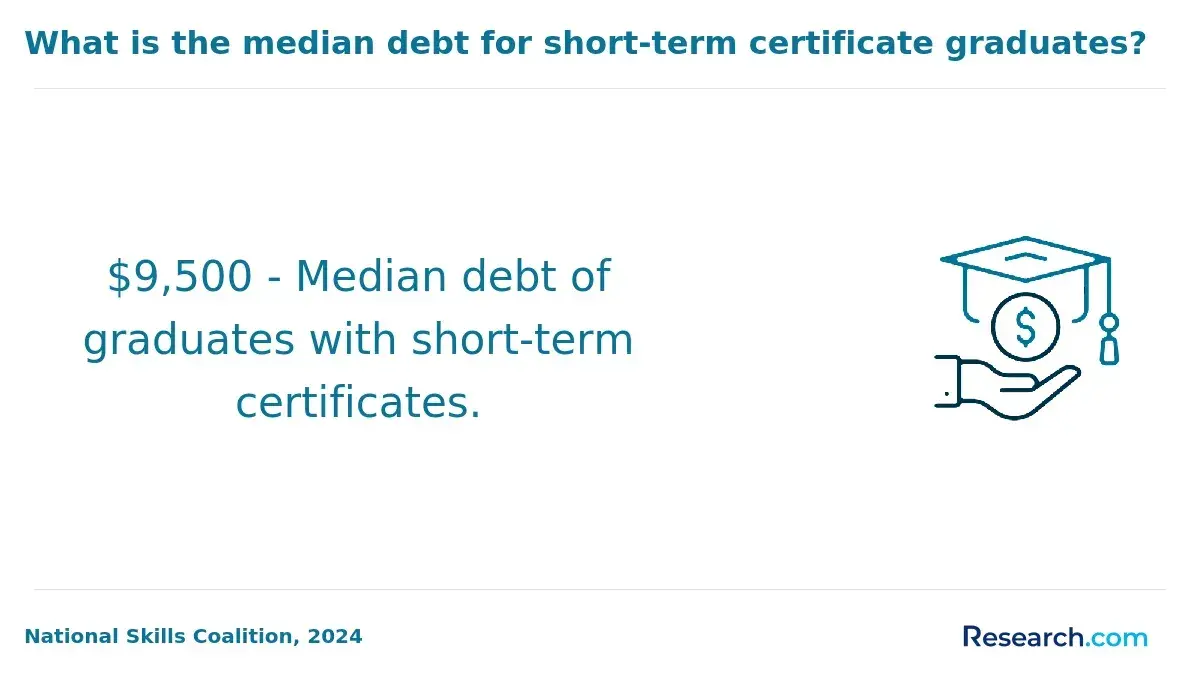
Tuition differences among public, private, and nonprofit online Educational Technology programs shape ROI in complex, outcome-driven ways rather than merely reflecting upfront costs. Public institutions commonly offer lower sticker prices-averaging about $6,500 annually according to 2024 NCES data-which can reduce initial borrowing needs and financial strain for working adults and career changers. However, these programs may come with larger class sizes, less personalized support, and stricter curricula that potentially extend time-to-degree and affect completion rates, undercutting some of the cost advantage in the long run.
Private and nonprofit programs, typically charging $15,000 or more per year, often provide enhanced student services, smaller cohorts, and employer-aligned curricula that may accelerate graduation and improve post-degree employment outcomes. A 2024 Brookings Institution study found private nonprofit programs can have graduation rates 10-15% higher than public counterparts, which can justify their higher tuition through quicker workforce entry and potentially stronger earnings. Yet, students in these settings tend to incur about 30% more debt, creating long-term financial burdens that may offset initial benefits, especially for nontraditional learners balancing work and family obligations.
In practice, lower tuition does not guarantee better ROI, while more expensive programs do not inherently offer superior value. Evaluating net cost after financial aid, institutional support quality, and graduation likelihood is critical for cost-conscious students. For example, an adult learner might prefer a public program's affordability and transfer flexibility to minimize debt over a private option promising stronger career services but requiring higher borrowing and risking delayed income due to extended program length. Balancing these variables against personal circumstances and career goals is essential for a realistic appraisal of educational technology program ROI across institution types.
How Do Graduation Rates Influence Educational Technology Program ROI?
Graduation rates provide important, though incomplete, insight into the return on investment (ROI) of educational technology programs, especially when comparing public, private, and nonprofit online institutions. For instance, a 2024 report from the National Student Clearinghouse Research Center shows public online institutions have a six-year graduation rate near 48%, while private nonprofits average about 60%.
These differences reflect underlying tradeoffs: public schools often serve more part-time or working adult learners whose extended time-to-degree can skew completion metrics despite strong career relevance. Meanwhile, private nonprofits may present faster completion options paired with higher tuition, complicating cost-effectiveness calculations for adult learners balancing affordability and accelerated pathways.
The impact of graduation rates on online educational technology returns is also shaped by institutional resources and student support. Nonprofit programs frequently offer more intensive academic and career support, which can improve persistence and long-term employment outcomes beyond what raw graduation figures reveal.
However, focusing solely on completion overlooks key variables such as debt burden, financial aid access, and alignment with employer expectations-all critical for cost-conscious students assessing educational value. Prospective students should weigh these factors against graduation data while exploring options like fast degree programs that may better suit their timelines and career goals.
What Role Do Career Outcomes Play in the ROI of a Educational Technology Degree?
Employment outcomes deeply influence the ROI of educational technology degrees by directly affecting both immediate job prospects and longer-term professional viability. Public online programs often report slightly higher employment rates within six months of graduation-78% compared to 74% for private nonprofit programs according to 2024 data from the U.S. Department of Education's College Scorecard-reflecting their broader regional networks and foundational curriculum focus.
However, private nonprofit programs may offset this with specialized certifications and stronger ties to educational leadership roles, which appeal to learners aiming for sustained career resilience rather than quick returns. The choice between these options entails balancing upfront tuition and debt against tangible career mobility opportunities and employer valuation of applied skills versus institutional reputation. Hiring managers increasingly prioritize demonstrable experience and real-world projects embedded within the curriculum over brand recognition alone, reinforcing the significance of programs that integrate internships or hands-on learning.
This dynamic particularly affects working professionals weighing flexible scheduling and skill alignment when selecting programs, as well as transfer students who must consider credit articulation and cost efficiency. Ultimately, ROI assessments extend beyond salary and include factors such as time-to-degree, program resources, and the capacity for graduates to pivot or advance within evolving educational technology landscapes.
How Does Student Debt Impact the Long-Term ROI of a Educational Technology Program?
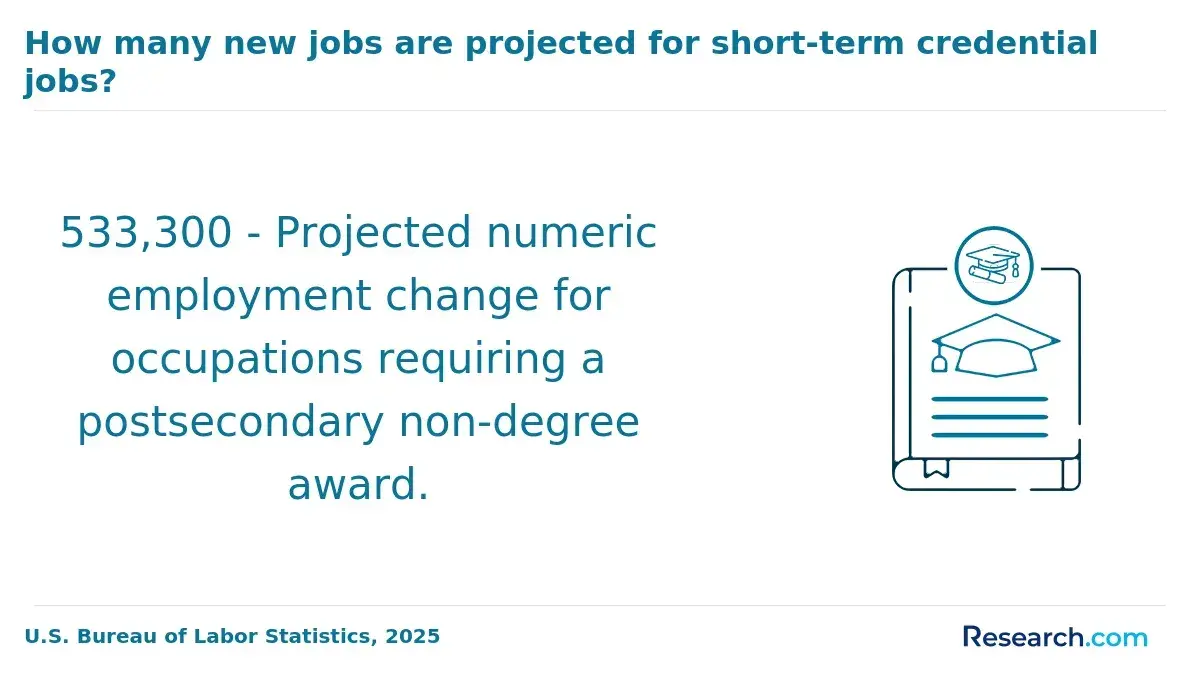
Student loan debt significantly shapes the return on investment (ROI) of an educational technology program by directly affecting graduates' financial flexibility and long-term economic outcomes. For example, borrowers from private online institutions often graduate with debt nearly double that of their public school peers-frequently exceeding $35,000 versus about $18,000-which can extend repayment periods and increase the risk of delinquency.
This longer debt burden detracts from the financial benefits of earning a credential, especially if program completion timelines prolong borrowing without a matching increase in earning potential. Such variation in debt load and repayment risk means students must critically assess how borrowing strategies align with realistic career trajectories and the program's ability to boost their employability.
The long-term impact of student debt on educational technology graduates depends not just on initial costs but on how outcomes like graduation rates, credential value, and salary growth interact with institutional type. Public institutions often show higher online completion rates and thus improve ROI by reducing cumulative borrowing.
Nonprofit schools tend to strike a balance between cost and career support, but outcomes vary widely. Cost-conscious students should evaluate debt against whether the credential facilitates meaningful advancement in tech roles, where employer demand and skill specificity shape salary progression. Research on a doctorate in healthcare administration exemplifies this tension between investment and career payoff in specialized fields.
Deciding how student debt affects educational technology program ROI requires nuanced judgment about repayment obligations, institutional factors, and labor market realities. While higher debt doesn't guarantee success, underinvestment can restrict professional options. This calls for balancing affordability, educational quality, and financial planning tailored to one's circumstances, with full awareness that ROI fluctuates considerably between public, private, and nonprofit online options.
How Do Flexibility and Adult Learner Support Affect Educational Technology Program Value?
Flexibility in scheduling combined with targeted adult learner support significantly shapes the practical value and ROI of educational technology programs across public, private, and nonprofit institutions. Programs that offer asynchronous formats and part-time pathways reduce the risk of dropout by accommodating employment and family obligations, as seen in a 2024 National Center for Education Statistics report observing a 15% higher graduation rate for adult learners in flexible programs. However, greater scheduling freedom often comes at the expense of robust advising and career services, which are critical for translating credentials into tangible workforce outcomes.
Private and nonprofit institutions frequently provide comprehensive academic advising, faculty responsiveness, and career counseling tailored to adult students' unique trajectories, including military service or transfer credits, which enhance program value beyond tuition alone. Yet these supports can raise costs or limit flexibility, posing dilemmas for cost-conscious learners balancing multiple responsibilities.
Public institutions may offer lower tuition and moderate flexibility but sometimes fall short in personalized retention efforts. Adult learners must therefore weigh the tradeoff between affordability, scheduling freedom, and the level of institutional support that underpins persistence and employability over time. These dynamics have direct workforce consequences: limited support can lengthen time-to-degree and hamper job market alignment, eroding long-term ROI despite upfront savings.
Conversely, programs integrating career services and proactive student engagement improve outcomes but often demand higher investment and a more structured schedule. In evaluating educational technology pathways, adult learners should consider not only upfront costs but how institutional support and flexibility combine to influence completion, practical skill acquisition, and ultimately the return on their educational and financial commitment.
How Do Accreditation and Institutional Reputation Influence Educational Technology ROI?
Accreditation and institutional reputation directly shape the practical value and ROI of an Educational Technology degree, particularly when comparing public, private, and nonprofit online programs. Regional accreditation commonly held by public institutions often supports credit transferability and graduate school admission, which can reduce educational redundancy and strengthen long-term career pathways.
In contrast, private and nonprofit online programs may offer specialized programmatic accreditation that aligns closely with technology and education sectors, though standards vary widely; this inconsistency means that not all accredited programs deliver equivalent graduate outcomes or employer recognition. For example, a graduate from a regionally accredited public university may find it easier to transfer credits or pursue advanced degrees, improving investment utility over time.
Employer perceptions also weigh heavily on ROI, with a 2024 survey by the National Association of Colleges and Employers reporting that 68% of employers consider institutional reputation when making hiring decisions for online degree holders. Strong reputations often correlate with robust support services and professional networks that facilitate job placement, but many tech-focused roles prioritize demonstrable skills and experience over institutional prestige.
This creates a tradeoff for students: prestigious private programs with superior reputations can result in better employment prospects but often come with higher tuition costs and heavier debt burdens that diminish net ROI. Conversely, reputable public and nonprofit programs may offer more affordable tuition and solid employment outcomes, though they sometimes lack the same brand recognition employers favor in competitive job markets.
How Does Time-to-Degree Affect the ROI of Public, Private, and Nonprofit Educational Technology Programs?
Time-to-degree significantly shapes the return on investment for public, private, and nonprofit online educational technology programs by directly affecting tuition exposure, opportunity costs, and the timing of workforce entry. For example, students enrolling part-time at public institutions often experience longer completion periods-averaging around 5.5 years-benefiting from flexible pacing and lower costs but incurring extended tuition payments and delayed earnings.
Conversely, private and nonprofit programs typically offer accelerated trajectories and structured schedules, enabling faster graduation within four years; however, their higher tuition rates can offset these time advantages, complicating net ROI calculations. Key variables like transfer credit policies and degree completion rates also alter how quickly students finish and realize value, with robust acceptance of prior credits shortening program length and reducing overall debt.
Many adult learners balancing jobs and family obligations find public programs' flexibility preferable despite extended timelines, while others prioritize rapid completion through accelerated private or nonprofit pathways despite greater upfront costs. This highlights a core tradeoff in educational technology ROI: program length impacts not only tuition and financial aid but also opportunity costs tied to foregone wages and career progression speeds, necessitating thorough evaluation of time-to-degree effects on educational technology ROI before enrollment decisions.
Ultimately, understanding the impact of program length on educational technology investment returns requires assessing institutional completion rates, enrollment intensity, and scheduling options in light of individual circumstances. Working professionals and career changers should weigh these factors alongside outcomes like graduation likelihood and long-term employability, especially considering that efficient transfer credit utilization often accelerates time to workforce reentry. For those exploring pathways aligned with emerging fields, consulting resources such as what can you do with a bioinformatics degree may offer additional insight into aligning degree timelines with career goals.
How Can You Choose the Best Educational Technology Program Based on Your ROI Goals?
Determining the best educational technology program to maximize ROI depends largely on individual priorities rather than institution type alone. Public online programs generally offer lower tuition, which minimizes upfront debt and appeals to cost-sensitive students aiming for quicker workforce entry. However, private institutions often provide enhanced career services and networking opportunities that can translate to higher long-term earnings, despite increased initial costs. Nonprofit programs may offer targeted scholarships that reduce financial burdens, especially for working adults balancing career and family, highlighting the importance of evaluating total cost of attendance alongside available financial aid.
Graduation rates and time-to-degree also critically influence ROI by determining how soon students can apply skills in the workforce. Public institutions tend to have higher completion rates for online learners, while nonprofit programs often allow greater flexibility, benefiting those with complex personal obligations. Accreditation and institutional reputation remain key to employer acceptance, making regionally accredited programs from any sector valuable. As reported in 2024 data from the Education Trust, private program graduates tend to carry about 20% more debt than public counterparts, a factor that must be weighed against potential earning advantages.
Students who want practical insight on balancing costs and outcomes might also research how specific career paths align with educational choices; for example, knowing how much do athletic directors make can inform whether investing in certain educational technology credentials matches real-world salary expectations. Ultimately, selecting the best educational technology program based on ROI involves a nuanced tradeoff among tuition, debt, graduation pace, flexibility, and employer perceptions tailored to individual career goals and financial realities.
References:
- The ROI of Educational Technology Tools | Codebridge https://www.codebridge.tech/articles/the-roi-of-educational-technology-tools-reshaping-learning-for-a-smarter-future
- Maximizing ROI in Higher Education Technology https://www.academiaerp.com/blog/maximizing-roi-in-higher-education-technology-strategies-and-best-practices/
- Increasing Flexibility in Lifelong Learning through the use of technology in Irish Higher Education: A Conceptual Framework https://eprints.teachingandlearning.ie/4025/
- Types of Educational Technology: Tools for Modern Learning https://horizondatasys.com/types-of-educational-technology/
- How Schools Can Compete Through Smarter EdTech Investment - Classe365 https://www.classe365.com/blog/how-schools-can-compete-through-smarter-edtech-investment/
- EdTech ROI Measurement: A Complete Guide to Proving Educational Technology Investment Value https://www.evelynlearning.com/blog/edtech-roi-measurement-a-complete-guide-to-proving-educational-technology-investment-value
- How to Calculate the ROI of Your College Degree - The College Funding Coach https://www.thecollegefundingcoach.org/how-to-calculate-the-roi-of-your-college-degree/
- The Economics of Accreditation: Costs, Benefits, ROI - Course Accreditation https://course-accreditation.com/blog/the-economics-of-accreditation-costs-benefits-roi/
- Impact of Educational Technology on Adult Learners https://www.quickstart.com/blog/learning/the-impact-of-educational-technology-on-adult-learners/
- EdTech ROI https://www.lightspeedsystems.com/challenges/edtech-roi/
Other Things You Should Know About Educational Technology
Private programs often offer smaller class sizes and more extensive networking opportunities, which can be valuable in fields emphasizing cutting-edge technology and innovation. However, the premium price does not always translate to significantly better employment outcomes or skills relevance, especially if your primary goal is cost efficiency. For many adult learners balancing work and study, high tuition coupled with heavier debt burdens can undermine ROI unless the private program has a proven track record of placing graduates in high-paying, tech-forward roles.
Nonprofit online programs tend to strike a middle ground by offering flexible formats without the often overwhelming scale of public universities. Employers familiar with nonprofit institutions generally consider these degrees credible, especially when the curriculum aligns closely with current industry practices. That said, the intensity and pace can vary widely, so prospective students should assess if the program's workload fits their personal and professional commitments before prioritizing nonprofit options.
Specialization can enhance employability but may risk narrowing your market if the program is too niche or lacks institutional reputation. Public institutions often provide broader foundational courses, which can be advantageous for learners seeking versatile skills adaptable to multiple roles. Private programs might push for specialized tracks but evaluate whether employers in your target sector value those concentrations or prefer broader technological literacy, as this affects the long-term practical ROI of your educational investment.
Strong industry partnerships can accelerate career advancement but are unevenly distributed across institution types. Private institutions often advertise exclusive employer connections, yet public universities may offer wider access to local and government tech initiatives critical for certain career paths. When ROI hinges on immediate job placement, weigh programs on the strength and relevance of these networks within your desired geography and specialty, as an expensive private institution without meaningful connections could underdeliver compared to a well-linked public or nonprofit alternative.