2027 Educational Technology Salary Trends Report: Are Wages Keeping Up With Tuition and Inflation?

Co-Founder and Chief Data Scientist
A prospective educational technology student weighs the value of pursuing a degree against rising tuition fees and the current economic climate. Tuition costs have surged, while inflation affects everyday expenses, complicating the calculation of financial return. Recent graduates face uncertainty about whether their salaries will keep pace with these increases. Evaluating a degree's true worth requires more than comparing sticker prices to entry-level paychecks-it demands a deeper look at long-term financial trends.
Salary growth, tuition inflation, and purchasing power seldom rise in harmony, making surface-level salary data insufficient for decision-making. Understanding how these factors interact clarifies whether investment in an educational technology degree offers sustainable returns. This article examines salary trends alongside tuition and inflation rates to assess return on investment, affordability, and the key influences shaping the degree's long-term financial value.
Key Things to Know About Educational Technology Salary Trends
- Graduate salaries in educational technology have grown roughly 3% annually since 2022, lagging behind 6% average tuition inflation, which compresses net financial gains over the initial debt repayment period.
- Specializing in instructional design or technology integration correlates with a 15% higher median wage, emphasizing strategic skill focus rather than generalist credentials affecting long-term earnings.
- Emerging adaptive learning technologies drive demand shifts; candidates with advanced data analytics expertise realize greater salary growth due to employer prioritization of measurable learner outcomes.
- Key Things to Know About Educational Technology Salary Trends Key Things to Know About Educational Technology Salary Trends
- What Is the Current Salary Outlook for Educational Technology Graduates? Salary Outlook
- Are Educational Technology Salaries Keeping Up With Inflation? Inflation Impact
- How Do Tuition Costs Compare With Educational Technology Salary Growth? Tuition vs Salary
- Does a Educational Technology Degree Deliver a Positive Return on Investment? Degree ROI
- Which Industries Offer the Highest Salaries for Educational Technology Graduates? Which Industries Offer the Highest Salaries for Educational Technology Graduates?
- Which States and Cities Offer the Highest Pay for Educational Technology Professionals? Which States and Cities Offer the Highest Pay for Educational Technology Professionals?
- How Do Educational Technology Salaries Grow Throughout a Career? Career Growth
- How Do Educational Technology Salaries Compare With Similar Degrees? Salary Comparison
- How Is Employer Demand Affecting Educational Technology Salary Trends? Employer Demand
- How Can Students Maximize Their Lifetime Earnings With a Educational Technology Degree? Maximizing Earnings
What Is the Current Salary Outlook for Educational Technology Graduates?
The current wages for educational technology professionals in 2024 reflect a cautiously positive outlook, shaped by variables such as geographic region, job responsibilities, and experience level. Median salaries generally range from $55,000 to $85,000, with entry-level roles often clustered near the lower end of this scale. For instance, two graduates holding the same degree could experience very different outcomes: one working as an instructional design assistant in a rural district may start closer to $55,000, while another employed as a digital learning manager at a large urban university might earn well over $90,000. These differences underscore how career trajectory and role specialization impact earning potential beyond just the degree itself. This nuanced reality is reflected in the broader educational technology graduate salary trends that confirm specialization and location heavily influence initial compensation.
Looking beyond starting pay, long-term salary growth and job demand play critical roles in evaluating the financial viability of an educational technology degree. Industry forecasts anticipate modest salary increases of 3% to 5% annually as institutions continue investing in digital infrastructure, which is moderately above inflation but still challenged by rising higher education costs. Graduates with advanced technical expertise-such as data analytics or multimedia content development-and those with master's degrees typically command salaries around 20% higher than their bachelor's-level peers. Given these variables, prospective students should weigh tuition expenses carefully, considering strategies like internships and certifications that enhance career prospects. For those analyzing the cost-effectiveness of their education, exploring options like online nursing degrees can offer insight into how program choice influences salary trajectories across related fields.
Are Educational Technology Salaries Keeping Up With Inflation?
Wage growth in educational technology roles continues to trail behind inflation, eroding the real earning power of graduates despite nominal pay increases. Recent data from the U.S. Bureau of Labor Statistics highlights that while consumer prices have risen roughly 6% annually between 2022 and 2024, salaries in educational technology-related fields have grown only about 3 to 4% per year. This discrepancy means that even as paychecks grow on paper, the actual purchasing power of those wages declines, forcing many graduates to stretch budgets for essentials and tuition. For instance, an entry-level educational technology specialist receiving a 4% raise will find that their increased income does not keep pace with the rising cost of living and education expenses.
These educational technology salary trends and inflation impact are compounded by factors such as budget constraints in public education sectors and the broad categorization of these roles under general education positions, which traditionally see modest wage growth compared to purely technical fields. Additionally, public and private tuition fees have surged by nearly 5% annually, intensifying the financial burden on students and early professionals. Career changers should weigh these realities carefully; the decision to pursue an educational technology degree might make more financial sense when coupled with long-term skill development and strategic job transitions rather than expecting immediate income gains. For those exploring alternative schooling options with minimal entrance barriers, researching options like a nursing school with no entrance exam may provide additional pathways to stable employment while navigating these economic pressures.
How Do Tuition Costs Compare With Educational Technology Salary Growth?
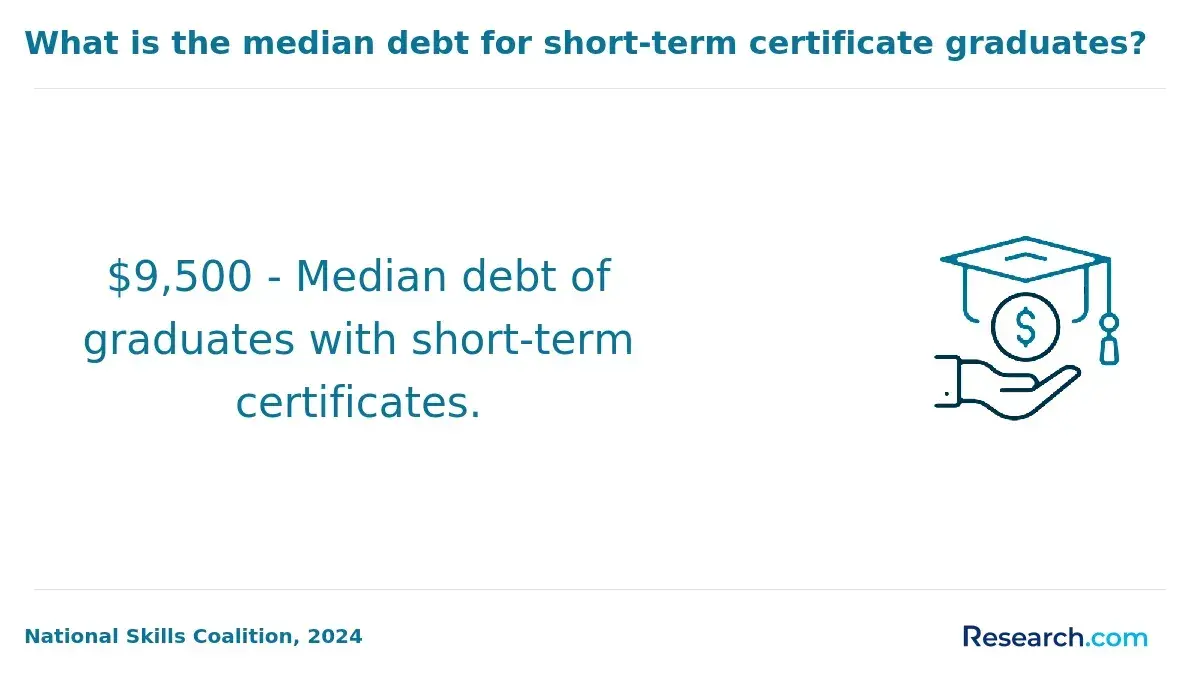
Evaluating educational technology's financial worth demands looking beyond isolated salary or tuition figures to their evolving relationship. While early-career salaries average around $55,000 and can rise to roughly $75,000 mid-career, tuition at public four-year institutions has increased by nearly 4% annually over the past decade, according to the National Center for Education Statistics. This rate often exceeds wage growth in educational technology, meaning graduates may face growing net debt burdens despite nominal pay raises. Comparing these metrics together reveals how tuition inflation significantly narrows the margin between investment and return, offering a sharper lens on long-term value than examining income or costs in isolation.
Consider two students: one enrolls at a rising-cost in-state public university while another chooses a private or out-of-state program with even steeper tuition hikes. The first might cautiously budget for moderate increases in debt balanced by steady salary progression. The latter, however, could find that their wage growth lags further behind cumulative tuition inflation, amplifying financial strain. Factors like institution type, regional cost differences, and macroeconomic inflation all influence this dynamic. This variability underscores the need for tailored financial planning, as aggregate averages mask the real disparities encountered by individual educational technology graduates navigating the current economic landscape.
One graduate remembers hesitating before committing to a private university where tuition had climbed sharply in recent years. Although the program offered strong credentials, she weighed the prospect of starting her career with significantly higher debt while facing early-career salaries that had not kept pace with rising costs of living. Eventually, she opted instead for an in-state public institution with lower annual increases, reasoning the smaller debt load would ease pressure even if her salary growth remained modest. This decision brought relief later, as she found balancing loan repayments and day-to-day expenses more manageable than classmates burdened by larger educational debts that outstripped their salary gains.
Does a Educational Technology Degree Deliver a Positive Return on Investment?
Return on investment (ROI) in higher education means weighing the costs of earning a degree-mainly tuition-against the long-term benefits in salary growth, career stability, and professional development opportunities. For a degree in educational technology, this calculation extends beyond entry-level wages, which typically start lower than in fields like computer science. Instead, graduates who continue developing skills through certifications or blend technical expertise with instructional design and administrative experience tend to see stronger mid-career salary growth, helping to offset rising tuition and inflation over time.
Consider a student in a state where tuition has increased rapidly, entering educational technology programs without substantial financial aid. Initial salaries may barely match inflation, creating a tight financial situation in the short term. However, as labor market demand for educational technology roles-projected to grow faster than average-remains robust, individuals who strategically combine their degree with targeted professional development can improve job security and earnings potential. Data from the U.S. Department of Education and the National Center for Education Statistics in 2024 indicate that while the average ROI for educational technology graduates is positive, outcomes vary significantly by location, institutional cost, and career path.
Ultimately, earning a positive ROI from an educational technology degree depends on how well students navigate tuition costs, inflation, and career choices. Those who integrate ongoing skill-building, such as e-learning development or corporate training, often experience wage increases that mitigate financial risks embedded in upfront expenses. Conversely, students who incur high debt without access to financial aid or fail to pursue growth opportunities may find the financial returns less favorable. This nuanced landscape means prospective students must carefully evaluate both the direct costs and the long-term earning trajectory linked to their educational technology degree.
Which Industries Offer the Highest Salaries for Educational Technology Graduates?
Educational technology graduates face diverse career paths, but salary potential varies significantly by industry. Data from the U.S. Bureau of Labor Statistics and National Center for Education Statistics highlight that sectors investing in digital learning innovation and workforce development generally offer the strongest earnings. However, elevated salaries often correspond with demanding roles that require specialized technical skills, strategic thinking, and the ability to integrate complex learning technologies at scale. Graduates should weigh these financial prospects against personal career interests and long-term growth when selecting industries. Below are key industries showing the highest paying opportunities for educational technology professionals.
- Technology Firms: These companies lead in compensation due to their demand for experts in e-learning platforms, instructional software, and app development. Roles typically require robust design and development skills alongside knowledge of user experience, with salaries often exceeding those in conventional education environments.
- Corporate Training and Development: Corporations across fields like finance, healthcare, and manufacturing invest heavily in employee education to boost productivity. Educational technology professionals here develop and manage training programs that directly influence business outcomes, commanding higher pay for expertise in learning management systems and content customization.
- Higher Education Institutions: Administrative and instructional technology positions at research universities and private colleges offer competitive salaries. Although sometimes moderate compared to the private sector, these roles provide additional benefits and stability, often favoring candidates with instructional design and academic technology proficiency.
- Government and Nonprofit Organizations: While salaries may lag behind corporate levels, these sectors value educational technology experts for program management and policy development roles with a focus on educational equity and access, providing meaningful societal impact and steady employment.
- Edtech Startups: Emerging companies in digital education innovation typically offer higher salaries to attract talent with agile development skills and the capability to scale learning solutions rapidly, though these roles can involve greater risk and variability.
The highest paying industries for educational technology-related occupations often overlap with those driving digital transformation in learning and development. For students considering investment in an educational technology degree, evaluating these sectors in context matters-especially given rising education costs and inflation pressures. Practical experience in areas like software development or corporate training design can enhance earning potential markedly. For additional insights into accelerated educational paths relevant for professionals seeking to pivot efficiently into these fields, prospective learners may explore options such as an accelerated biology degree online as a model for understanding fast-track educational credentials impacting career outcomes.
Which States and Cities Offer the Highest Pay for Educational Technology Professionals?
The earning potential for educational technology professionals in 2024 varies widely based on geographic location, influenced by regional economic factors and living costs. While some states and metro areas pay well above the national median, these figures must be weighed against local expenses and opportunities for career growth. High salaries often coincide with dense innovation hubs, yet they may not always translate into better long-term financial outcomes after adjusting for inflation and housing prices. Below are key locations where educational technology roles tend to offer the highest compensation, along with considerations for how location impacts net earnings and professional development.
- California: Often leading pay scales, California's median annual wages for educational technology professionals surpass $95,000 due to its concentration of tech firms, research institutions, and substantial investment in digital education. The tradeoff is a notably high cost of living, especially in urban centers like Silicon Valley, which can erode disposable income despite robust salaries.
- Massachusetts: With Boston's rich ecosystem of universities and edtech startups, wages remain elevated as educational technology talent is in high demand. The state offers strong innovation-driven job prospects, but similar to California, high housing costs and taxes require careful financial planning for early-career professionals.
- Washington State: Seattle hosts a blend of major tech companies and educational institutions that support salaries above national averages. While pay is competitive, the rising cost of living, particularly housing, means professionals must balance immediate income gains with sustainable lifestyle choices.
- San Francisco Metro Area: Salaries here average 20-30% higher than most U.S. regions, bolstered by proximity to Silicon Valley and elite educational organizations. However, extreme living expenses often offset nominal pay increases, making smaller metro areas attractive alternatives for new graduates.
- Austin, Texas: Representing an emerging hub, Austin offers median salaries between $75,000 and $85,000 with significantly lower housing costs compared to coastal tech hubs. This combination creates a more favorable cost-to-income balance for educational technology professionals seeking long-term financial stability.
- Raleigh, North Carolina: Raleigh's growing tech and educational sectors provide competitive wages alongside affordable living. For recent graduates, this metro area presents promising career growth without the financial strain common in traditional high-paying cities.
How Do Educational Technology Salaries Grow Throughout a Career?
Salaries in educational technology tend to grow steadily but modestly over time, reflecting a combination of experience, role specialization, and institutional setting. Entry-level specialists often start between $45,000 and $55,000 annually, with salary increases becoming more notable as professionals gain 6 to 15 years of experience, typically reaching $65,000 to $80,000 in mid-level positions. Beyond 15 years, advanced roles-such as directors or lead instructional designers-can command $85,000 to $110,000, though these higher salaries usually require leadership responsibilities and strategic expertise. The 2024 EDUCAUSE report underscores that while these salaries increase, the pace has not consistently matched inflation or tuition hikes, cautioning students to weigh long-term financial outcomes carefully.
Consider two graduates starting with the same degree and similar entry salaries: one pursues additional certifications and moves into a managerial role at a university, while the other remains in a technical specialist capacity within a smaller institution. Over 10 years, the former may see salary increases toward the higher end of the mid-career range, benefiting from leadership roles and larger education budgets, while the latter might experience slower growth limited by narrower responsibilities and fewer institutional resources. Key factors driving these divergent trajectories include advanced degrees, professional certifications in emerging technologies, and the choice of employer sector. This suggests that deliberate investment in upward mobility and specialization significantly impacts long-term salary growth in educational technology careers.
One educational technology degree holder recalled hesitating to pursue a master's initially due to cost concerns but ultimately enrolled after several years in a coordinator role. This decision felt urgent as stagnating wages contrasted with growing student debt and living expenses. The advanced degree led to a promotion within a large public university's technology department, resulting in a salary increase that provided relief from financial pressure. However, this transition also involved weighing time commitments and opportunity costs, highlighting how salary growth in this field often reflects complex tradeoffs rather than straightforward progression.
How Do Educational Technology Salaries Compare With Similar Degrees?
Educational technology salaries generally offer a competitive but nuanced picture when compared with related degree fields. While median starting salaries for educational technology graduates reach around $58,000 annually according to 2024 data from the U.S. Bureau of Labor Statistics and the National Association of Colleges and Employers, this figure falls between general education degrees and more specialized STEM-related education fields. Individuals choosing this path must weigh these earnings against tuition and inflation, considering advanced credentials to optimize long-term financial outcomes. Here's how educational technology salaries stack up against a few comparable degrees:
- General Education: Graduates with general education degrees typically start near $52,000, about $6,000 less than those with educational technology degrees. These roles often focus on classroom teaching and administrative support, which can limit early earning potential compared to those blending education with technology innovation.
- STEM-Related Education: Fields such as instructional design or computer science education command starting salaries closer to $62,000. The higher salary partly reflects demand for specialized technical skills and evolving digital curriculum development, making this a lucrative option for those with strong STEM affinities.
- Curriculum and Instruction: Salaries hover between $55,000 and $60,000, aligning closely with educational technology. Careers in this area emphasize instructional improvement and teacher training, resulting in similar market value but often with less exposure to emerging educational technologies.
- Educational Psychology: Median salaries in this domain range near $55,000 to $60,000 and tend to focus on student assessment and behavioral research. The specialized knowledge required can limit entry-level salary but offers growth with advanced degrees.
For example, a recent graduate aiming to maximize salary might pursue advanced certifications or a master's degree in educational technology, potentially exceeding $75,000, on par with roles in educational administration. Prospective students and career changers should also explore salary trends as they relate to tuition investment and evolving job market demands. Those uncertain about career alternatives might find it helpful to research options like how do you become a pharmacist to weigh different paths outside education entirely.
How Is Employer Demand Affecting Educational Technology Salary Trends?
Employer demand significantly shapes salary trends for educational technology professionals by influencing competition for qualified candidates and driving hiring activity. For example, a school district adopting a new adaptive learning platform may urgently seek specialists with skills in data analysis and learning management systems. This scenario often results in targeted recruitment efforts and, in some cases, elevated salaries to attract talent, especially when those skills are scarce. However, the degree of salary growth depends not only on demand but also on institutional budgets and broader economic conditions, which can limit wage increases despite hiring pressures.
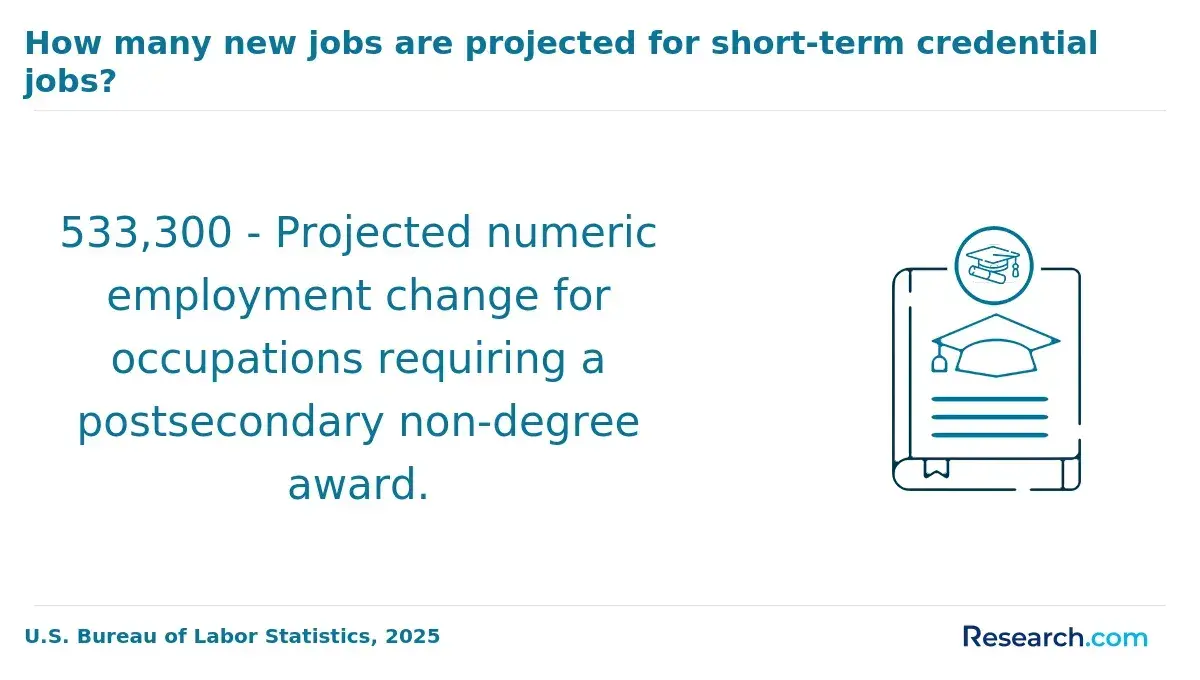
Data from the U.S. Bureau of Labor Statistics in 2024 show that educational technology roles are growing faster than the average for all occupations, reflecting strong employer demand trends. Yet, as the National Center for Education Statistics highlights, wage growth for these positions has only moderately increased, often trailing behind rising tuition and living costs. This suggests a disconnect where demand boosts job availability but does not fully translate into proportional salary hikes, particularly in publicly funded education. Relevant specialization and experience remain critical, as employers premiumize expertise in emerging areas, reinforcing differentiated compensation strategies rather than uniform wage growth across the field.
Those evaluating whether an educational technology degree is worth the investment must weigh how employer demand trends interact with financial realities. For prospective students or career changers looking to maximize earnings, focusing on in-demand skills is essential. Additionally, understanding institutional budget constraints and regional employment markets is vital to forming realistic salary expectations. For insight into related programs, exploring paths like the easiest ABSN programs to get into can offer a comparative perspective on balancing educational cost versus career outcomes.
How Can Students Maximize Their Lifetime Earnings With a Educational Technology Degree?
Maximizing lifetime earnings with an educational technology degree requires strategic career planning well beyond graduation. Data from the U.S. Bureau of Labor Statistics and industry analyses in 2024 highlight that combining technical skills with leadership and specialization significantly impacts long-term income. For instance, an entry-level instructional designer who later assumes managerial roles within an edtech company can see substantial salary growth. Students should focus early on building skills and connections that support both technical depth and leadership capacity. The following targeted strategies help shape a sustainable, well-compensated career in educational technology.
- Leadership Experience: Taking on managerial roles early, whether through internships or entry-level positions in school districts or edtech firms, results in higher salary trajectories by demonstrating the ability to oversee projects and teams.
- Specialization Focus: Developing expertise in instructional design, learning analytics, artificial intelligence, or virtual reality makes candidates more valuable as these areas see robust employer demand and improved compensation trends.
- Advanced Credentials: Pursuing graduate education or certifications enhances credibility and access to senior roles, with master's or PhD degrees often correlating with higher-paying positions in education technology.
- Industry Selection: Aligning with fast-growing sectors like corporate training or private e-learning companies generally offers significantly better wages compared to traditional K-12 roles.
- Networking and Professional Development: Engaging in conferences, specialized training, and professional communities builds relationships that open doors to lucrative opportunities and continuing skill advancement.
References
- Does College Pay Off? A Comprehensive Return On Investment Analysis - FREOPP https://freopp.org/whitepapers/does-college-pay-off-a-comprehensive-return-on-investment-analysis/
- EdTech ROI Measurement: A Complete Guide to Proving Educational Technology Investment Value https://www.evelynlearning.com/blog/edtech-roi-measurement-a-complete-guide-to-proving-educational-technology-investment-value
- 18 Highest Paying Jobs With an Education Degree (not teaching) | Devlin Peck https://www.devlinpeck.com/content/jobs-with-an-education-degree
- Making EdTech Count: Measuring the Return on Investment of Educational Technology https://camudigitalcampus.com/blogs/making-edtech-count-measuring-the-return-on-investment-of-educational-technology/
- 12 Educational Technology Trends Making Waves | Rev https://www.rev.com/blog/educational-technology-trends
- Reasons to Earn a Master’s in Educational Technology - Graduate Programs for Educators https://www.graduateprogram.org/blog/reasons-to-earn-masters-in-educational-technology/
- Best States for High School Teachers https://www.alleducationschools.com/blog/best-states-for-teachers/
- Increases in Teacher Pay Offset by Inflation, Union Analysis Shows https://www.edweek.org/teaching-learning/increases-in-teacher-pay-offset-by-inflation-union-analysis-shows/2026/04
- Your 2026 IT and Technology Salary Guide: Tech Trends Driving the Year’s Highest-Paying Jobs | Splunk https://www.splunk.com/en_us/blog/learn/it-salaries.html
- Despite growth, average teacher salaries lag behind inflation https://www.k12dive.com/news/despite-growth-average-teacher-salaries-lag-behind-inflation/748534/
Other Things You Should Know About Educational Technology
Recent graduates must balance the short-term opportunity cost of further study with the potential for higher salaries later. Pursuing advanced certifications or a master's degree can open doors to specialized roles and leadership positions but often requires additional financial investment that may not be immediately offset by salary increases. Graduates should prioritize programs with strong industry connections or practical components that enhance employability rather than purely theoretical credentials, ensuring any further education is a calculated step toward clear career advancement.
Smaller organizations often offer more flexibility and a broader scope of responsibility, which can accelerate skill development but may come with lower salaries and fewer structured raises. Larger institutions typically provide more predictable compensation increments, benefits, and formal career tracks but may impose slower growth and less role diversity. Candidates need to weigh immediate financial needs against the value of diverse experience, considering that long-term earning potential tends to be stronger within established institutions despite slower early salary growth.
High workloads and expanded role expectations-such as managing both technical implementation and training-are common in educational technology roles and can affect job satisfaction and burnout risk. Compensation packages that do not account for these demands may undermine long-term career sustainability. Candidates should assess if salary offers align with realistic work demands and consider negotiating for workload-related benefits, such as professional development funds or flexible schedules, rather than accepting lower pay for increased responsibility.
Moving to regions with higher salary averages can boost earnings but often comes with significantly increased living expenses and competitive job markets. Professionals must evaluate whether salary gains will meaningfully outpace local costs and if the region offers sufficient career growth to justify relocation. Where cost of living is high but salary growth is limited, remaining in or targeting mid-cost areas with growing educational technology sectors may yield a better balance of income stability and quality of life.