2027 Physical Therapy Student Debt Report: Borrowing, Monthly Payments, and Repayment Risk

Co-Founder and Chief Data Scientist
Physical therapy programs combine extended clinical rotations, rigorous licensing requirements, and substantial hands-on training, driving unique borrowing behaviors among students. Unlike many other health disciplines, the extended duration and accreditation standards often necessitate additional semesters devoted to internships and residencies, increasing tuition and related costs.
In 2024, data from the Commission on Accreditation in Physical Therapy Education (CAPTE) highlight that median student debt for these programs exceeds $80,000, reflecting both program length and specialized training expenses. Enrollment age patterns reveal a growing share of nontraditional, older students, signaling shifts in workforce entry timing and career transitions within this field.
Key Things to Know About Physical Therapy Student Debt
- Median debt for physical therapy graduates exceeds $120,000, reflecting a significant tradeoff between program length and post-grad financial burden; this shapes decisions on program affordability versus career timeline.
- High monthly repayments can limit early-career job flexibility, pressuring graduates toward stable employers with loan assistance, which employers increasingly use to attract talent amid workforce shortages.
- Graduates delaying entry into repayment risk increased cumulative interest, reinforcing that the timing of income-driven plans or refinancing critically impacts total cost and career financial planning.
- Key Things to Know About Physical Therapy Student Debt Key Things to Know About Physical Therapy Student Debt
- How Much Student Loan Debt Do Physical Therapy Graduates Typically Have at Graduation? Average Studen Loan Debt
- What Factors Have the Biggest Impact on Physical Therapy Student Loan Debt? Student Debt Key Factors
- What Is the Average Monthly Student Loan Payment for Physical Therapy Graduates? Average Monthly Payment
- How Do Repayment Rates Compare Between Public and Private Institutions? Public vs. Private Institution Repayment Rates
- Do Online Physical Therapy Graduates Have Different Repayment Outcomes Than Campus-Based Students? Online vs. On-Campus Student Loan Repayment
- Which Industries Provide the Best Financial Return Relative to Borrowing Costs? Which Industries Provide the Best Financial Return Relative to Borrowing Costs?
- Does Student Debt Affect Which Jobs Physical Therapy Graduates Accept? Does Student Debt Affect Which Jobs Physical Therapy Graduates Accept?
- What Factors Increase Student Loan Repayment Risk for Physical Therapy Graduates? Loan Repayment Risk Factors
- How Can Physical Therapy Students Reduce Student Loan Debt While Earning Their Degree? Tips to Reduce Student Debt
- How Should Prospective Students Evaluate Borrowing Risk Before Enrolling? Evaluating Student Debt Risk
How Much Student Loan Debt Do Physical Therapy Graduates Typically Have at Graduation?
Recent data shows that the average student loan debt for physical therapy graduates typically falls between $85,000 and $120,000 at the time of graduation, reflecting comprehensive costs beyond tuition alone. This debt level incorporates expenses such as program fees, living costs, and tools required during the multi-year Doctor of Physical Therapy (DPT) curriculum.
Variations in borrowing amounts are influenced by a range of factors, including the institution's funding structure, geographic location, and the student's personal financial aid package. Analysis from federal datasets, including those from the National Center for Education Statistics, underscores that such borrowing is consistent with trends in health-related graduate programs, where extended clinical training and limited opportunities for part-time work heighten financial demands.
Key drivers of debt variation include whether students attend public or private institutions, with private schools generally resulting in higher borrowing due to steeper tuition rates and fewer subsidized aid options. In-state students typically face lower costs compared to out-of-state counterparts, though this can be offset by differences in cost of living and availability of scholarships or grants.
Full-time enrollment, which dominates physical therapy programs, restricts outside income opportunities but accelerates graduation, whereas part-time students may spread costs but extend debt duration. Financial assistance variability-especially between federal and private loans-also shapes debt profiles, influencing overall repayment challenges. Students can explore options related to the cheapest online healthcare administration degree as alternative pathways impacting their financial commitments.
Given these debt levels, new graduates often confront considerable repayment burdens that intersect with their starting salaries, generally ranging from $70,000 to $90,000 depending on region and practice setting. This dynamic highlights the importance of understanding income-driven repayment plans and federal loan forgiveness options to manage monthly obligations alongside living expenses and licensure costs.
Financial stress from relatively high borrowing can influence career decisions, such as pursuing roles in higher-paying specialties or geographic areas despite personal preferences. Comprehensive awareness of typical borrowing amounts for physical therapy students at graduation thus remains essential for navigating the long-term economic implications of this educational investment.
What Factors Have the Biggest Impact on Physical Therapy Student Loan Debt?
Student loan debt levels for physical therapy students result from multiple interconnected factors rather than a single determinant. Both institutional pricing and individual financial circumstances combine to shape the total borrowing required for degree completion.
Understanding these dynamics requires analyzing how tuition structures, program length, living costs, and personal financial choices interact, especially amid the growing demand across healthcare systems. This broader perspective helps explain why borrowing levels vary widely among students.
- Program Length and Format: The majority of Doctor of Physical Therapy (DPT) programs extend over three years beyond an undergraduate degree, lengthening the period students rely on loans rather than income. This extended academic timeline increases cumulative borrowing because it amplifies both direct tuition costs and ancillary living expenses. Programs with more clinical hours or part-time options may reduce immediate debt but can delay entry into full-time employment, influencing overall debt dynamics.
- Institutional Tuition Pricing: Tuition rates vary sharply between public and private institutions, with private programs often charging nearly double the annual tuition of their public counterparts. This disparity leads students who enroll in private or out-of-state programs to graduate with substantially higher debt burdens. These pricing structures reflect broader mechanisms in higher education finance and significantly drive the variance in debt amounts among physical therapy students.
- Availability of Financial Aid and Merit-Based Support: Access to scholarships, grants, and work-study programs can markedly reduce the total student loans required. However, many physical therapy programs offer limited institutional aid compared to undergraduate degrees, increasing reliance on borrowing. Variability in financial aid policies among schools shapes how much debt students accumulate even within similar tuition brackets.
- Living and Mobility Expenses: Physical therapy students relocating to urban or high-cost regions face elevated housing and transportation costs that often exceed what is covered by institutional aid. Financing these living expenses through loans significantly inflates overall debt. The decision to study far from home interacts with institutional pricing and aid availability, creating compounded financial challenges for many students.
- Student Employment and Income During Enrollment: Due to clinical and academic demands, many physical therapy students reduce or cease employment during their programs, limiting income sources. This reduction in earnings necessitates larger loans to cover both tuition and living costs. The interruption in income also impacts students' ability to repay loans post-graduation, heightening the long-term repayment risk.
A 2024 report by the National Center for Education Statistics found that the median debt for physical therapy graduates exceeds $120,000, spotlighting the combined effect of these factors on borrowing levels. Prospective students should weigh these realities carefully, recognizing how program selection, financial aid opportunities, and personal circumstances collectively influence debt outcomes and repayment obligations.
For those exploring options to manage borrowing levels, examining cheap RN to BSN programs can offer comparative insight on navigating cost structures in healthcare education pathways.
What Is the Average Monthly Student Loan Payment for Physical Therapy Graduates?
Data from the U.S. Department of Education and Federal Reserve studies indicate that physical therapy graduates typically face monthly student loan payments between $400 and $700. This range reflects variations in total debt amounts, which often surpass $150,000 for many Doctor of Physical Therapy programs. The duration of repayment, commonly spanning a decade or more under standard plans, and the interest rates applied throughout the loan term further shape these monthly obligations.
Though some graduates opt for income-driven repayment plans that reduce initial payments to around $300-$400, these options generally extend the repayment timeline and increase the overall interest charged. Monthly payment differences largely hinge on factors like the initial loan balance and the chosen repayment structure. Standard repayment plans require higher monthly amounts but pay down principal faster, whereas income-based plans offer immediate relief at the cost of longer debt periods.
Additionally, disparities in starting salaries-affected by job location and employer type-impact each graduate's capacity to manage loan payments, with urban hospital settings often offering different compensation levels than rural or private clinic roles. These financial dynamics emphasize how repayment strategy and career circumstances combine to create a varied debt burden among physical therapy graduates.
One graduate recalled hesitating during the rolling admissions cycle, weighing the financial implications of enrolling immediately versus preparing longer for the demanding application process. The shifting deadlines and uncertainty around acceptance timing created pressure to decide quickly, yet the candidate ultimately chose to delay submission to strengthen their qualifications. This choice, though stressful, allowed them to enter the program better positioned to navigate loan options and repayment decisions after graduation.
How Do Repayment Rates Compare Between Public and Private Institutions?
Recent data from the U.S. Department of Education's College Scorecard highlights distinct disparities in student loan repayment rates between graduates of public and private universities offering physical therapy degrees. Approximately 65% of public institution graduates demonstrate progress in loan repayment within three years of entering repayment, compared to roughly 55% from private institutions.
This gap persists after five years, with 78% of public university graduates reducing their debt against 68% from private counterparts, signaling sustained challenges for private institution borrowers in meeting repayment targets on time. These differences stem primarily from variations in institutional pricing and associated borrowing levels. Public universities typically have lower tuition fees, which translates into smaller average loan balances for students, easing monthly repayment obligations.
Conversely, private institutions often charge higher tuition, leading to greater debt burdens that, combined with comparable or only modestly higher post-graduation earnings in physical therapy, increase repayment difficulty. Additionally, employment outcomes influenced by geographic location, institutional reputation, and network resources may affect graduates' ability to secure well-paying positions promptly, further impacting loan repayment performance.
Beyond the immediate impact on repayment rates, these dynamics have broader implications for graduates' long-term financial stability and career flexibility. Larger debt loads from private programs can elevate financial stress and limit mobility, particularly during early career stages when establishing professional footing is critical. These repayment patterns also shape perceptions of institutional value and accountability, pressing programs to address affordability and career support as integral to educational quality rather than mere credentialing, influencing both policymaker scrutiny and prospective student decision-making.
Do Online Physical Therapy Graduates Have Different Repayment Outcomes Than Campus-Based Students?
Graduates from public institutions offering Physical Therapy degrees generally exhibit higher student loan repayment rates compared to their peers at private institutions, as evidenced by data from the National Student Loan Data System in early 2024. This difference is measurable, with public university graduates showing about a 5% higher loan repayment rate within five years.
These repayment dynamics directly relate to variations in borrowing levels and employment outcomes, factors tightly intertwined with institutional mission, program structures, and the demographic profiles of enrollees. Such repayment performance also reflects how campus-based versus online physical therapy graduate repayment outcomes comparison interacts with institutional type, influencing financial trajectories post-graduation.
The underlying drivers of these repayment disparities are multifaceted. Public institutions often maintain lower tuition and fees, leading to reduced average debt burdens for students, which directly supports better monthly repayment feasibility. In contrast, private programs frequently involve higher tuition rates, prompting elevated borrowing that strains post-degree income, particularly amid varying employer perceptions of credential value.
Additionally, stronger clinical placement networks and established employer relationships common in many public programs improve job placement and salary prospects, positively impacting repayment capacity. This nuanced interplay of financial aid availability, borrowing behavior, and actual income underscores why repayment rates diverge significantly across public and private Physical Therapy degree pathways.
These repayment distinctions have meaningful consequences beyond immediate loan servicing challenges. Graduates burdened by higher debt-to-income ratios face increased repayment stress, diminishing long-term financial mobility and complicating wealth-building efforts. Moreover, persistent gaps in repayment outcomes inform employer and student perceptions about program value and institutional accountability within the Physical Therapy education sector.
For those assessing how borrowing decisions align with career realities, awareness of these repayment patterns is critical. Prospective students should also consider evolving credentials such as specialized degrees and newer formats; for example, programs researched among options like MHA programs online illustrate how finance outcomes integrate with broader workforce demands and credentialing nuances in healthcare education.
Which Industries Provide the Best Financial Return Relative to Borrowing Costs?
Financial return on investment for graduates with physical therapy degrees varies widely across employment sectors, reflecting differences in income potential, workforce demand, and career progression rates. Rather than focusing solely on median salaries, it is essential to weigh these earnings against typical borrowing levels and repayment challenges. Strong returns emerge when salary growth and job opportunities effectively mitigate the debt servicing burden incurred during doctoral education.
- Outpatient Care Centers: These settings often deliver higher starting salaries-around 10-15% above hospital levels-and offer faster professional advancement. The combination of elevated pay and progressive career steps helps reduce cumulative financial strain from student loans, supported by increasing specialization demand and flexible compensation models.
- Private Practice and Entrepreneurial Roles: While presenting significant variability and greater financial risk, physical therapists owning practices can realize superior long-term ROI through profit-sharing and business growth. However, upfront debt and complex debt management require careful planning to avoid repayment pitfalls.
- Hospital Settings: Generally providing stable employment, hospitals tend to have lower starting salaries relative to outpatient centers, slowing debt repayment velocity. Despite steady demand, slower income escalation intensifies the long-term loan repayment timeline for many graduates.
- Government and Public Health: These positions prioritize employment stability but usually come with constrained pay scales, resulting in extended debt amortization periods. Graduates in this sector often face heightened risk of default if initial borrowing was high, given limited opportunities for rapid salary increases.
- Sports Medicine and Orthopedics: Roles in these specialized areas exhibit promising compensation trajectories aligned with typical borrowing levels, allowing for more manageable loan repayment despite moderate initial debt. Growing interest and investment in physical therapy for athletic populations support sustained demand and income growth.
According to a 2024 National Bureau of Economic Research analysis, graduates in outpatient care report median salaries at least 10% higher than their hospital counterparts, underscoring the importance of industry choice in managing educational debt impact. Prospective therapists should integrate these nuanced salary patterns, employment stability, and borrowing considerations to optimize their financial outcomes post-graduation.
Does Student Debt Affect Which Jobs Physical Therapy Graduates Accept?
Physical Therapy graduates carrying substantial student debt frequently prioritize jobs offering higher starting salaries to meet monthly repayment demands. With typical doctoral debt often exceeding six figures, early employment decisions skew toward outpatient orthopedic clinics and home health settings that provide more competitive compensation, despite potentially less alignment with personal clinical interests.
According to a 2024 report from the American Physical Therapy Association, 62% of recent graduates recognized debt as a decisive factor in their first job choice. This financial imperative limits flexibility to pursue lower-paying roles in public hospitals or academic positions, which may offer stronger professional development or work-life balance but less immediate financial relief.
The financial strain also shapes workforce distribution through behavioral and structural constraints. Graduates with heavier debt loads exhibit reduced geographic mobility, often accepting local positions with better pay rather than relocating for preferred specialties or innovative clinical environments. Conversely, those with lower debt face fewer limitations in negotiating schedules or pursuing residencies that delay initial earnings but enhance long-term career prospects.
Industry salary disparities intensify these dynamics, as acute care and community health positions typically cannot compete with private sector wages, leading to a concentration of indebted graduates in higher-paying but more commercialized settings. This pattern highlights how debt repayment pressures influence not only initial job acceptance but also longer-term career trajectories and sector staffing balance.
One recent graduate described an admissions cycle complicated by rolling notifications and her need to time application submissions carefully amid mounting loan obligations. She hesitated to commit to certain programs too early without clarity on financial aid packages, fearing increased debt would force restrictive employment decisions post-graduation. The uncertainty prolonged her application process beyond initial plans, underscoring how debt concerns extend backward into educational choices and application strategies, not just forward into job selection after graduation.
What Factors Increase Student Loan Repayment Risk for Physical Therapy Graduates?
Student loan repayment risk for physical therapy graduates arises from a complex interaction of financial burden, earnings variability, and employment conditions rather than a single determining factor. Accumulated debt levels directly affect monthly obligations, but the stability and scale of post-graduation income play an equally critical role in shaping repayment capacity.
Understanding these intertwined elements clarifies why some graduates encounter heightened repayment challenges and longer-lasting financial strain.
- High Debt Relative to Starting Income: The median student loan debt for physical therapy graduates surpasses $120,000, according to a 2024 American Physical Therapy Association report. This substantial borrowing creates a high fixed repayment cost that can quickly overwhelm entry-level salaries, especially in regions or sectors with lower pay scales, raising default risk and extending repayment timelines.
- Geographic and Sector-Based Salary Disparities: Earnings differences between urban and rural settings significantly affect repayment risk. Graduates employed in underserved or rural areas often face lower wages, shrinking their ability to manage debt effectively. The sector of employment-whether hospital settings, outpatient clinics, or part-time roles-also influences income stability and benefits, impacting financial resilience.
- Employment Instability or Part-Time Work: Variability in job security and prevalence of part-time or per diem contracts without benefits increase vulnerability to missed payments. Irregular income flows and lack of employer-sponsored financial assistance reduce repayment flexibility and heighten delinquency risk over time.
- Limited Awareness of Repayment Assistance Programs: Many graduates remain uninformed about income-driven repayment plans and loan forgiveness options tailored to healthcare professionals. This knowledge gap can prevent them from optimizing repayment strategies, resulting in avoidable financial pressure despite programs designed to alleviate their burden.
Additional economic factors such as inflation and rising living costs further intensify repayment challenges by eroding disposable income. Prospective and current students should weigh these multidimensional risks when assessing the practical implications of borrowing levels on physical therapy loan repayment. For those exploring related pathways, reviewing options like ADN to NP programs may offer alternative financial and career considerations within healthcare education.
How Can Physical Therapy Students Reduce Student Loan Debt While Earning Their Degree?
Reducing student loan debt while earning a physical therapy degree involves consistent, proactive planning and strategic decisions across the entire academic path. This process requires financial awareness, academic efficiency, and maximized use of institutional and external resources to limit total borrowing without compromising educational outcomes. Insightful educational choices combined with targeted financial aid optimization can significantly affect long-term repayment obligations.
- Choose Accredited Programs with Lower Tuition Costs: Selecting programs with reasonable in-state tuition or public university rates substantially lowers the initial debt burden. According to the 2024 National Postsecondary Student Aid Study, tuition for graduate programs varies widely, so focusing on accredited but more affordable institutions is a primary leverage point for debt reduction.
- Leverage Part-Time Work and Paid Internships: Securing employment opportunities linked to clinical experience can offset living expenses and reduce reliance on loans. Data from the Education Data Initiative shows that students combining earnings with scholarships reduce borrowing by up to 20%, though this requires careful time management given the demanding nature of curricula.
- Maximize Scholarships and Grants Targeted at Physical Therapy Students: Many federal, state, and private scholarships remain underutilized. Early and sustained effort in scholarship searches can meaningfully reduce loan dependency, especially grants like TEACH that do not require repayment.
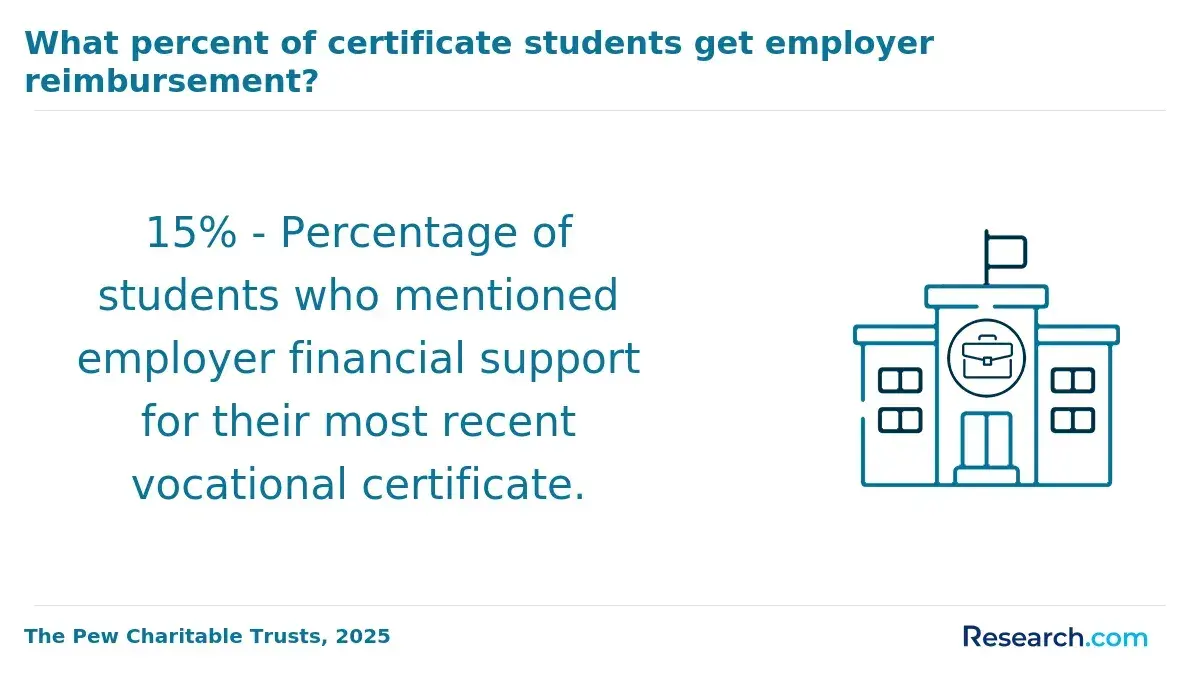
- Prioritize Subsidized Federal Loans and Employer Tuition Reimbursement: Using subsidized loans limits interest accrual during study, minimizing total debt growth. Some healthcare employers offer tuition reimbursement programs that directly reduce loan balances post-graduation, offering substantial relief if accessed early.
- Align Academic Progression to Minimize Time to Graduation: Efficiently planning coursework and prerequisites prevents additional semesters that increase cumulative tuition and living costs, thereby controlling borrowing duration and cost. Students weighing other advanced clinical paths may also want to research online PsyD programs accredited by APA, which offer a similarly rigorous but potentially more flexible route into doctoral-level clinical practice.
- Critically Assess Lifestyle Inflation and Budget Realistically: While common, lifestyle inflation during a demanding physical therapy program unnecessarily escalates borrowing. Incorporating financial literacy and realistic budgeting into student behavior decreases extraneous expenses and total loan amounts.
In practice, these targeted strategies form a composite approach to physical therapy student loan debt reduction. Students aiming to limit borrowing and ensure manageable repayment obligations during their cohort progression should integrate each tactic according to their individual academic and financial context.
How Should Prospective Students Evaluate Borrowing Risk Before Enrolling?
Evaluating borrowing risk before enrolling in a physical therapy program is crucial for understanding the long-term financial impact of education debt. Prospective students must weigh the total anticipated borrowing against realistic post-graduation earnings to determine whether debt is manageable without compromising future financial goals. This assessment involves a detailed analysis of program costs, income expectations, and repayment realities.
- Total Cost of Attendance: Assess tuition, fees, living expenses, and indirect costs to understand the full borrowing requirement. Comprehensive cost awareness prevents underestimating debt exposure.
- Projected Post-Graduation Salary: Compare starting salaries within relevant geographic regions to the expected debt load. This helps calculate the debt-to-income ratio, a key indicator of repayment feasibility.
- Loan Repayment Options: Evaluate the availability and structure of repayment plans, including income-driven options. Flexible repayment terms can mitigate risk by aligning payments with actual earnings.
- Program Completion and Licensure Rates: High completion and licensure pass rates reduce borrowing risk by increasing the likelihood of entering the workforce on schedule.
- Employment Outlook: Analyze job placement trends and demand for physical therapists regionally. Strong labor market conditions support timely repayment and career stability.
- Interest Rate Variability: Consider the impact of fixed versus variable loan interest rates on long-term costs. Variable rates can increase the debt burden unexpectedly.
- Long-Term Financial Impact: Factor in how loan payments may affect major life decisions such as homeownership or retirement savings. Debt that delays financial milestones signals higher borrowing risk.
Recent figures from the National Center for Education Statistics (2024) show median debt exceeding $120,000 for Doctor of Physical Therapy graduates, emphasizing the importance of thorough risk evaluation before enrollment. Incorporating these factors into borrowing decisions fosters better alignment between educational investment and financial viability in the physical therapy profession.
References
- Student Loan Forgiveness for Physical Therapists (2026 Guide) https://www.highbarhealth.com/student-loan-forgiveness-physical-therapists/
- How to Pay for PT School https://www.studentloanplanner.com/how-to-pay-pt-school/
- Average Physical Therapist Student Debt in the US | Highway Benefits https://www.highwaybenefits.com/post/student-loan-debt-among-physical-therapists-in-the-us
- Physical Therapist Student Loan Forgiveness: How to Get It https://www.tateesq.com/learn/student-loan-forgiveness-physical-therapy
- Financial Aid FAQs for Prospective Physical Therapy Education Students https://acapt.org/resources/students/student-resources/financial-aid-faqs-for-prospective-physical-therapy-education-students
- Student Loan Refinancing for Physical Therapists | ELFI https://www.elfi.com/a-physical-therapists-guide-to-student-loan-refinancing/
- PT School Put Me in Debt - Now What? https://www.coremedicalgroup.com/blog/pt-school-debt
- Student Loan Repayment Strategies For Physical Therapists https://thejacksonclinics.com/student-loan-repayment-strategies/
- Financial Planning for Physical Therapists: Debt, Income & Wealth | Elite Learning https://www.elitelearning.com/resource-center/rehabilitation-therapy/physical-therapy/financial-planning-for-physical-therapists-debt-income-wealth/
- PT/OT Debt Crisis? Employer Benefits Can Help https://meetpaidly.com/blog/pt-ot-student-debt-employer-assistance
Other Things You Should Know About Physical Therapy
Graduates often face pressure to prioritize high-paying roles to quickly reduce debt, but these roles may not always align with their professional interests or long-term career goals. Aggressively targeting high salaries can lead to burnout in high-demand settings or compromise quality of learning in early positions that offer mentorship. A practical approach is to prioritize positions that provide solid clinical experience and professional growth while maintaining manageable loan payments, rather than exclusively chasing top salaries. This balance supports sustained employability and career satisfaction without escalating repayment risk.
Extended repayment lowers monthly obligations but increases total interest paid, which can significantly raise the overall cost of borrowing given physical therapy programs' typically high loan amounts. However, for graduates entering lower wage or part-time roles, extended plans may prevent default by ensuring affordable monthly payments. The key recommendation is to evaluate initial earnings realistically and opt for extended plans only if standard payments are unsustainable; refinancing or accelerated repayment should be considered once income stabilizes to reduce total debt burden.
Part-time, per diem, or locum tenens work arrangements introduce income variability that complicates consistent loan repayment. Unlike salaried positions, fluctuations in hours and pay increase the risk of missed or deferred payments, which can trigger penalties or credit damage. Graduates relying on such work should maintain larger emergency savings or proactively use income-driven repayment options tied to fluctuating earnings to avoid repayment risk, recognizing that non-traditional roles often sacrifice financial predictability for flexibility.
Loan forgiveness programs may seem attractive, but their eligibility criteria and application complexity can delay repayment progress or create uncertainty. Graduates should carefully assess their likelihood of meeting tenure requirements, eligible employment settings, and bureaucratic hurdles before relying heavily on forgiveness. When forgiveness eligibility is doubtful or delayed, prioritizing a manageable repayment plan aligned with actual income is a safer strategy to control debt and protect credit standing, while considering forgiveness as a potential, not guaranteed, benefit.