2027 Physical Therapy Degree Program Availability Report: Which States and Schools Offer the Most Options

Co-Founder and Chief Data Scientist
The concentration of physical therapy degree programs across states and schools reveals significant insights about the field's alignment with regional workforce demands and institutional capacity. States with diverse program offerings often reflect targeted educational investments supporting healthcare sector growth, particularly as the U. S. Bureau of Labor Statistics projects a 21% employment increase for physical therapists through 2032. Areas with fewer programs may indicate gaps in training infrastructure or differing local health priorities.
Evaluating the distribution of these programs helps clarify how access to specialized physical therapy education corresponds with emerging labor market needs and institutional commitment to this health discipline. This report provides a focused analysis of which states and schools present the broadest array of physical therapy degree options, highlighting what availability patterns suggest about educational accessibility, institutional strategy, and workforce integration within the field.
Key Benefits of States and Schools That Offer the Most Physical Therapy Degree Program Options
- States with numerous physical therapy degree options often require navigating varied curriculum standards; this complexity may extend graduation timelines but offers nuanced specialization opportunities that align with diverse clinical paths.
- Employers in regions with multiple program choices show a preference for candidates familiar with evolving best practices, reflecting how program variety fosters adaptive skill sets valued in dynamic healthcare settings.
- Access to several programs correlates with a 12% increase in part-time enrollment, indicating how timing flexibility directly influences demographic diversity and long-term workforce replenishment in physical therapy professions.
- Key Benefits of States and Schools That Offer the Most Physical Therapy Degree Program Options Key Benefits of States and Schools That Offer the Most Physical Therapy Degree Program Options
- Which States Offer the Most Physical Therapy Degree Programs? Top States
- Why Do Some States Have More Physical Therapy Programs Than Others? Physical Therapy Programs
- Which Colleges Offer the Largest Number of Physical Therapy Degree Options? Top Schools
- How Do Online Programs Improve Access in States With Limited Options? Online Program Access
- How Much Does Physical Therapy Program Tuition Vary by State? Physical Therapy Program Tuition
- How Does Physical Therapy Program Demand Affect Admissions Decisions? Program Demand
- How Do Physical Therapy Specialization Options Vary by Region? Specialization Options
- How Does Regional Employer Demand Affect Career Outcomes? Employer Demand
- What Factors Matter Most When Comparing Physical Therapy Programs Across States? Key Comparison Factors
- Which Regions May See the Fastest Growth in Physical Therapy Education? Fastest Growing Region
Which States Offer the Most Physical Therapy Degree Programs?
Program availability for physical therapy degrees varies widely across the United States, reflecting broader socioeconomic and institutional dynamics rather than random distribution. Higher concentrations of programs tend to cluster in states with large, diverse populations supported by robust healthcare sectors and well-established university systems. These factors create an ecosystem conducive to multiple accredited offerings, clinical training placements, and specialization options, which are critical for student success and meeting labor market demand.
- California: As one of the country's most populous states, California boasts an extensive network of physical therapy programs primarily centered in metropolitan areas such as Los Angeles and San Francisco. The presence of top-tier research universities and specialized health science institutions fuels a competitive academic environment, coupled with access to diverse clinical settings. This density provides students with varied professional pathways and ample opportunities for hands-on experience critical for licensure and employability.
- New York: New York's concentration of programs benefits from its comprehensive healthcare infrastructure and numerous academic medical centers. The state's strong emphasis on research and practical training supports programs that integrate advanced clinical exposure, which many employers prioritize. Students gain from a range of curricular options reflecting the state's diverse population and healthcare demands.
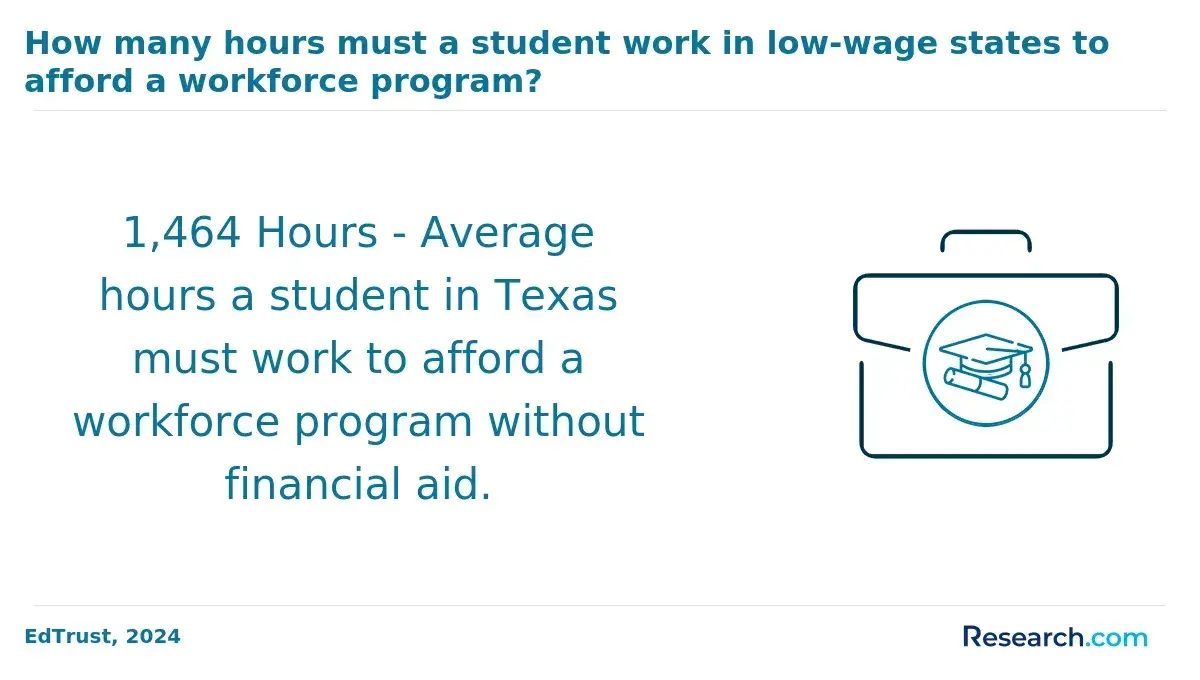
- Texas: Growing healthcare demand driven by rapid population expansion sustains Texas's physical therapy program offerings. Urban and suburban institutions collaborate with expanding healthcare systems, creating reliable pipelines for clinical experience. The blend of emerging markets and well-resourced universities contributes to a versatile educational landscape that supports workforce readiness across the region.
Midwestern states also show increasing interest, balancing affordability and solid program quality though with fewer options than coastal counterparts. It's important for prospective students to weigh the presence of multiple programs, which often correlate with stronger regional healthcare networks and greater specialization, against factors like competitiveness and cost. For those comparing options, understanding these structural influences clarifies why the top states vary in quantity and quality of physical therapy degree programs.
Lastly, students assessing options to locate the widest range of academic opportunities might also explore comparative analyses of pathways like the cheapest DNP programs, which share relevant considerations regarding program accessibility and workforce alignment.
Why Do Some States Have More Physical Therapy Programs Than Others?
Variations in the availability of physical therapy programs across U.S. states largely reflect differences in higher education infrastructure and regional labor market demand for graduates. States with dense populations and established health education systems naturally support a greater array of program offerings, creating a fertile environment where institutions can sustain and expand these degrees. This uneven distribution means that states with the highest number of physical therapy programs also tend to have multiple universities or health science centers with capacity to develop curricula aligned with local workforce requirements.
Key drivers behind these geographical differences include state funding priorities for public higher education, institutional research capacity, and the presence of healthcare industry clusters that generate employer demand for physical therapy skills. Economic conditions influence how aggressively universities expand physical therapy offerings, with states investing more in healthcare education seeing up to 30% more accredited programs according to the Commission on Accreditation in Physical Therapy Education. Institutional capacity not only encompasses physical resources but also the ability to foster clinical partnerships and meet regulatory standards that vary by state, directly affecting program proliferation and accessibility.
These regional disparities have important implications for student access, influencing whether learners must relocate, seek hybrid models, or pivot to online alternatives to enter the field. With a growing share of programs integrating remote learning, students in less served states can still pursue physical therapy degrees, albeit with potential tradeoffs around clinical placement opportunities and hands-on experience. Prospective students and researchers should consider how these distribution patterns, shaped by layered economic and policy dynamics, align with workforce needs and licensure pathways when comparing program availability across states. For those exploring allied health education options, understanding statewide factors alongside individual program characteristics is essential, particularly given the specialized nature of physical therapy training and employment outlook. This perspective extends beyond program counts by emphasizing systemic education economics and labor market alignment, rather than geographic density alone. For related academic pathways, some may also explore options like the cheapest master's in healthcare administration to complement clinical expertise with health systems leadership skills.
Which Colleges Offer the Largest Number of Physical Therapy Degree Options?
The availability of physical therapy degree options at a college is more strongly tied to the institution's scale, academic infrastructure, and resource allocation than to geographic location alone. Larger universities with substantial research funding and comprehensive health science faculties can offer a wider array of specialized tracks, degree levels, and program delivery formats. These institutions often leverage interdisciplinary collaboration and advanced clinical partnerships to diversify their physical therapy offerings, meeting complex workforce demands.
- Comprehensive Public Research Universities: These institutions typically provide the broadest spectrum of physical therapy degrees, from entry-level doctorates (DPT) to transitional and post-professional doctorates. Their substantial funding and diverse faculty enable integration with allied health programs like kinesiology and rehabilitation science, often housed within large health campuses. For instance, major state university systems leverage their scale and industry connections to offer multiple pathways that allow students to progress without transferring schools.
- Large Private Research Universities with Health Focus: Private universities with established health science departments can also deliver diverse physical therapy curricula, supplementing doctoral programs with advanced specialty certifications and interdisciplinary coursework. Ivy League schools and other top-tier private institutions often emphasize research-intensive models that facilitate innovation in curriculum design and delivery, supporting varied student needs and emerging clinical practices.
- Regional Public Universities with Health Profession Emphasis: Mid-sized public institutions in states with growing healthcare workforce needs often expand physical therapy offerings to meet regional licensure requirements and employment demand. Their focus on applied learning and local clinical partnerships allows them to provide degree options that reflect state-specific healthcare gaps, particularly in aging or underserved populations.
- Technical Institutes and University Affiliates with Specialized Programs: Some technical colleges and university-affiliated health institutes offer specialized postgraduate certificates or transitional doctorates in physical therapy. These tend to be more focused and limited in scope but can cater to niche professional advancement needs, complementing broader degree programs at larger institutions.
According to recent data from the American Physical Therapy Association (2024), programs accredited by CAPTE that offer multiple degree pathways often correlate with institutions maintaining larger health science and rehabilitation faculties, underscoring the importance of institutional capacity. This structural advantage aligns program diversification with evolving clinical competencies and employer expectations, ultimately shaping the landscape of physical therapy education options nationwide.
How Do Online Programs Improve Access in States With Limited Options?
Online physical therapy degree programs play a crucial role in making educational opportunities accessible to students in states with limited or no in-person options. These programs effectively bypass geographic constraints by delivering core didactic content remotely, which significantly reduces the need for relocation or extensive commuting. Since many states-such as Wyoming, Vermont, and Montana-lack brick-and-mortar physical therapy programs, online formats allow residents to pursue education within their communities while still meeting rigorous academic standards. According to a 2024 report from the American Physical Therapy Association, nearly 40% of students in underserved or rural locations now depend on hybrid or fully online formats to enroll in physical therapy programs, underscoring how digital delivery addresses gaps in local institutional availability.
The expansion enabled by online programs stems from models that combine asynchronous coursework with shorter, locally arranged clinical placements, allowing students to stay in their regions without sacrificing essential hands-on experience. This approach lessens reliance on a student's immediate geographic area for clinical sites while enabling institutions to scale enrollment across state lines without traditional facility constraints. Cross-state enrollment frameworks and partnerships broaden institutional reach, effectively decoupling student access from the physical presence of universities. These mechanisms facilitate greater regional equity by permitting diverse student populations-including working adults and caregivers-to enter physical therapy education despite limited in-state programs.
More broadly, online program structures influence workforce development by enlarging the supply pool in states historically underserved by physical therapy education. They also shift competition as programs no longer compete solely within state boundaries, challenging institutions to differentiate based on quality and flexibility. This fluidity in enrollment and delivery enhances student mobility and aligns with healthcare systems' increasing demand for qualified physical therapists across varied regions.
One graduate recalled the uncertainty of navigating the rolling admissions process with online programs offering several application windows but varying notification timelines. She hesitated initially, unsure if applying immediately or waiting for more information would improve her chances. When her first program offered a delayed response, she quickly submitted to a second institution ready to move forward, balancing the pressure of limited on-campus options in her home state with the urgency of securing a place before deadlines passed. Her experience illustrates how prospective students in states with fewer physical therapy schools must strategically manage timing and communication in a landscape increasingly shaped by online offerings.
How Much Does Physical Therapy Program Tuition Vary by State?
Tuition costs for physical therapy programs exhibit significant variation across U.S. states, driven principally by differences in public funding levels, institutional types, and residency-based pricing structures. Public universities typically charge substantially lower rates for in-state students due to state appropriations that subsidize education, whereas out-of-state students face higher tuition, reflecting the absence of such subsidies. Private institutions, which rely less on state support, generally maintain higher and more uniform tuition rates regardless of student residence. These funding and pricing models are intertwined with broader state-level policies on higher education finance, resulting in notable disparities in how tuition is set and sustained regionally. Understanding the average cost of physical therapy degrees across states thus requires attention to these structural influences beyond surface-level fee comparisons.
Recent data from the National Center for Education Statistics and institutional reports illustrate that in-state tuition for doctorate-level physical therapy programs generally ranges between $20,000 and $50,000 annually, while out-of-state and private institution tuition frequently surpasses $70,000 per year. States with extensive public university systems, such as New York, California, and Texas, often show broad tuition differentials based on residency, with a wider selection of programs but also more complex pricing tiers. Conversely, smaller states with limited public offerings occasionally present more consistent but higher tuition overall. These variations underscore how institutional funding structures and local economic conditions interact to shape the financial landscape for physical therapy education provincially, affecting accessibility and affordability for prospective students.
The impact of these tuition differences extends beyond cost alone, influencing student mobility and program selection decisions within the fragmented state-based system. Affordability disparities encourage many applicants to weigh not only price but also program reputation, clinical opportunities, and future employability in their geographic target markets-factors that often align closely with state licensure reciprocity and employer networks. For those comparing physical therapy program tuition differences by state, balancing these elements against financial realities is crucial. Similarly, analyzing regional funding models helps explain why tuition pricing is not arbitrary but reflects systemic investment patterns in higher education. Students and researchers might also consider how tuition levels correlate with broader program quality indicators, just as they would when evaluating related fields like the best dietetics programs.
How Does Physical Therapy Program Demand Affect Admissions Decisions?
Rising interest in physical therapy programs intensifies admission selectivity as schools face fixed enrollment capacities. When applicant numbers substantially exceed available seats, institutions tighten academic thresholds and raise expectations for prior healthcare experience to identify candidates with the strongest potential for success. This heightened competition compels programs to refine their criteria, balancing measurable achievements like GPA and test scores with qualitative factors, including interpersonal skills and alignment with clinical demands. Consequently, the admissions process evolves from a straightforward evaluation of credentials to a multifaceted assessment shaped by resource limitations and candidate differentiation.
The interplay between program capacity, faculty availability, and stringent accreditation standards significantly constrains how many students can be admitted annually, regardless of demand fluctuations. Institutions cannot simply expand cohort sizes without risking educational quality or regulatory noncompliance, which maintains pressure on applicant pools. Moreover, workforce needs influence admissions priorities, encouraging selection of candidates demonstrating competencies that correspond to evolving employer expectations in rehabilitation environments. These dynamics enforce a selection mechanism where supply bottlenecks and labor market signals converge, leading to variable acceptance rates across regions and programs.
This sustained demand surge prompts applicants to adjust preparation and application strategies, often resulting in more extensive clinical experience accumulation and geographically broader choices. Programs with limited openings develop reputations for exclusivity, which may deter some candidates while attracting others willing to invest heavily in meeting elevated requirements. Over time, these pressures affect access equity by favoring applicants with resources to navigate competitive, multi-application landscapes and optimize timing for rolling admissions cycles, thereby shaping the physical therapy educational pipeline in nuanced ways.
One graduate recalled navigating a prolonged waiting period during rolling admissions when intensified demand delayed decision notifications. Despite having strong credentials, they hesitated to commit early due to uncertainty about waitlist status and preferred program options. This experience required balancing prompt responses against strategic timing, underscoring how admission pressures complicate candidate decision-making more than just simple acceptance or rejection outcomes. Their eventual enrollment decision reflected careful calibration between opportunity costs and program availability amid a highly selective environment.
How Do Physical Therapy Specialization Options Vary by Region?
Specialization tracks within physical therapy degree programs closely align with the economic composition and healthcare infrastructure of their respective regions. Areas with concentrated medical research institutions and large healthcare systems, such as the Northeast and West Coast, tend to offer a broader spectrum of advanced specialty training, including cardiovascular, oncology, and pediatric physical therapy. These regions leverage institutional strengths to provide students with access to diverse clinical populations and cutting-edge treatment modalities, reflecting local industry demands for highly specialized practitioners. Conversely, regions with economies centered on aging populations or rural healthcare prioritize geriatric care and generalist tracks, tailoring curricula to meet immediate community health needs and workforce shortages.
Key factors driving this regional variation include the prevalence of specific industries, university research focus, and the nature of employer partnerships that shape curricular emphasis. Programs in states with robust academic medical centers and urban hospital networks adapt to employer demand for therapists skilled in neurological and sports rehabilitation, reflecting a dynamic exchange between education providers and the local labor market. According to a 2024 American Physical Therapy Association report, 65% of programs in the Midwest and Southern states emphasize geriatric specialization due to demographic pressures, illustrating how workforce planning and population health data directly influence specialization offerings. Resource limitations and lower patient volume in less populous areas also constrain the availability of niche clinical tracks, impacting how programs prioritize training versus specialization depth.
This regional specialization landscape has practical implications for student decision-making and career planning. Choosing programs aligned with predominant local healthcare ecosystems enhances employability and ensures relevant clinical experience, particularly where specialized certifications command more demand. However, this alignment may restrict mobility, as students trained in region-specific specialties could face challenges adapting to labor markets emphasizing different physical therapy competencies. Therefore, prospective students must weigh program strengths against long-term employment goals and regional workforce trends to optimize both educational investment and practical career outcomes.
How Does Regional Employer Demand Affect Career Outcomes?
Regional employer demand plays a crucial role in shaping job availability and early career outcomes for graduates of a physical therapy degree program. Areas with high concentrations of healthcare providers, rehabilitation centers, and aging demographics typically generate more positions, resulting in quicker job placement and often higher starting salaries. States like California, Texas, and Florida exemplify these patterns, where industry clusters create specialized roles and diverse clinical environments that support graduate flexibility. This geographic variability means that graduates often experience very different career entry conditions depending on the state and local labor market dynamics influencing physical therapy career growth by state employer demand.
The relationship between employer demand and graduate outcomes is driven by several intersecting factors. Dense healthcare ecosystems foster partnerships between employers and educational institutions, enabling programs to align curricula with regional labor needs and facilitate targeted hiring pipelines. Wage competition intensifies in areas with robust employer presence, elevating salary ranges and incentivizing skill specialization. Conversely, regions with fewer healthcare facilities may offer limited roles but can provide accelerated leadership paths due to less competition. These market structures highlight the significance of regional job market impact on physical therapy graduates, as the supply-demand balance varies, affecting salary trajectories and professional development pathways.
Consequently, geographic mobility becomes a strategic consideration, with some graduates opting to relocate to high-demand zones to maximize opportunities, while others may prioritize factors like living costs or proximity to family. Although remote work expansion remains limited in hands-on physical therapy roles, evolving telehealth services may gradually influence this landscape. Understanding these regional demand patterns supports informed decisions regarding program selection and career planning. For those exploring options beyond traditional pathways, pursuing an online degree in exercise science may offer relevant foundational knowledge and flexibility aligned with emerging workforce needs.
What Factors Matter Most When Comparing Physical Therapy Programs Across States?
Comparing physical therapy programs across states requires evaluating more than mere program availability. State-level differences significantly influence educational access, costs, specialization options, and post-graduation outcomes. Understanding these variations is essential for identifying programs that align with both academic and professional goals within diverse regional healthcare landscapes. The availability of physical therapy specializations across U.S. regions further highlights how geographic context shapes educational pathways and workforce readiness.
- Accreditation and Exam Outcomes: Accreditation by the Commission on Accreditation in Physical Therapy Education (CAPTE) ensures program quality and eligibility for licensure. Over 90% of graduates from CAPTE-accredited programs pass the National Physical Therapy Exam on the first attempt, according to 2024 data from the American Physical Therapy Association. States with a higher concentration of accredited programs typically provide more reliable preparation aligned with employer expectations.
- Clinical Training Opportunities: Quality and diversity in clinical rotations vary with state healthcare infrastructure, affecting students' real-world exposure. States supporting robust clinical placements allow students to gain hands-on experience in multiple settings, enhancing employability. This is critical since many employers prioritize graduates with comprehensive clinical experience over purely academic credentials.
- Cost of Attendance and Financial Aid: Tuition and living expenses differ widely by state, which impacts program accessibility and student debt burden. Balancing affordability with program reputation and outcomes is crucial, especially because some states offer more financial aid options that can offset higher sticker prices without compromising educational quality.
- Specialization Availability: The presence of specialized tracks and emerging physical therapy disciplines varies geographically, shaping graduate competitiveness in niche markets. Regions with broader specialization offerings enable students to tailor skills to evolving employer demands, addressing workforce shortages in areas like pediatric or sports physical therapy.
- Employment and Industry Partnerships: States with strong academic-industry connections generally provide higher job placement rates due to synergistic workforce pipelines. Programs embedded within active healthcare networks facilitate smoother transitions from education to employment, which is vital given the increasing demand across healthcare systems.
Prospective students should weigh these comparative factors thoughtfully, recognizing how state-level differences in physical therapy degree cost differences by state and specialization availability impact long-term career trajectories and practical opportunities. For those also considering mental health specializations, the top online PMHNP programs with best clinical placement rates illustrate parallels in how clinical training quality influences graduate outcomes in allied health fields.
Which Regions May See the Fastest Growth in Physical Therapy Education?
Growth in physical therapy education tends to concentrate in regions where employer demand, demographic shifts, and investments in higher education intersect. Future expansion of programs is closely tied to broader economic development, workforce shortages, and university system growth. These factors not only influence the number of available programs but also shape the variety of specializations and clinical training opportunities offered to students.
References:
- 10 Physical Therapy Specialties to Boost Your Career | USAHS https://www.usa.edu/blog/physical-therapy-specialties/
- Top 27 Physical Therapy Schools in the United States - MAS Medical Staffing https://www.masmedicalstaffing.com/blog/top-27-physical-therapy-schools-in-the-united-states/
- U.S. map of Doctor of Physical Therapy (DPT) program members of the American Council of Academic Physical Therapy https://acapt.org/maps/institution-map.html
- « Back to Blog https://therapeuticresource.com/blog/the-importance-of-physical-therapy-in-schools-empowering-students-for-a-healthier-future
- How Long Is PT School and What Does It Involve? https://www.pteverywhere.com/media/how-long-is-physical-therapy-school-guide-for-professionals
- Discover the Best Physical Therapy Schools in the US: 5 Great Options - Prereqcourses https://www.prereqcourses.com/best-physical-therapy-schools-in-the-us/
- Why Physical Therapy Degree Programs Are Worth Pursuing https://www.duny.edu/benefits-physical-therapy-degree-programs/
- The Growth Potential For A Physical Therapist And How To Maximize Your Value - NAIOMT https://naiomt.com/the-growth-potential-for-a-physical-therapist-and-how-to-maximize-your-value/
- Physical Therapy Size, Share and Forecast, 2026-2033 https://www.coherentmarketinsights.com/industry-reports/physical-therapy-market
- Physical Therapy Specializations: 10 PT Specialty Areas to Advance Your Career | GHR Healthcare https://www.ghrhealthcare.com/blog/physical-therapy-specializations
Other Things You Should Know About Physical Therapy
High program availability frequently correlates with competitive admission environments, which can translate into accelerated curriculum pacing to meet market demand. Students might encounter dense schedules and greater expectations to balance coursework, clinical hours, and research, particularly in larger states with many schools. Choosing a program in these states requires prioritizing personal time management skills and readiness for intensive study periods, as slower-paced options may be limited.
Yes, schools offering numerous physical therapy degree programs often provide more specialization tracks, which can better align education with specific career goals like pediatric or geriatric therapy. However, this advantage comes with the tradeoff that resources and faculty may be spread across specializations, potentially affecting program depth in each area. Students should prioritize programs that not only offer desired specializations but also demonstrate strong faculty expertise and outcomes within those fields.
States with multiple physical therapy programs typically foster robust alumni networks and professional connections, which can facilitate job placement and referrals. However, high program density may saturate local employment markets, increasing competition for entry-level positions. Graduates must actively engage in networking beyond their immediate geographic area or consider relocation to balance the advantage of network access with realistic employment prospects.