2027 Physical Therapy Degree Growth by State: Where Interest Is Rising the Fastest

Co-Founder and Chief Data Scientist
States experiencing rapid growth in physical therapy degree enrollment reveal complex interactions between shifting demographics, economic pressures, and evolving regulatory frameworks. For example, several Sun Belt states with aging populations and expanding healthcare infrastructure show surges in applications, reflecting a localized demand for rehabilitation professionals.
Meanwhile, the rise of online program options, which grew by 15% in 2024 according to the National Center for Education Statistics, highlights how adult learners and career changers increasingly prioritize flexible pathways. This dynamic reshapes where and how candidates enter the physical therapy field, making state-specific factors critical to weigh when choosing a program and planning career mobility.
Key Things to Know About the State Where Physical Therapy Degree Interest Is Rising the Fastest
- States like Texas show rapid physical therapy degree enrollment due to expanding healthcare sectors but face regulatory bottlenecks limiting interstate licensure portability, complicating mobility for graduates seeking work in multiple states.
- Florida's growing older adult population increases employer demand for physical therapists, incentivizing programs to prioritize clinical placements, which shapes graduate readiness and affects long-term workforce distribution.
- California's adoption of online hybrid physical therapy programs broadens access for adult learners, decreasing education costs and timing but potentially diluting hands-on clinical experience crucial for early career competence.
- Which States Are Seeing the Fastest Growth in Physical Therapy Degree Enrollment? States Seeing the Fastest Growth in Enrollment
- What Does Enrollment Growth in Physical Therapy Programs Actually Tell Prospective Students? Interpreting Enrollment Growth
- How Do Regional Job Market Conditions Drive Physical Therapy Degree Demand by State? Role of Regional Job Market Conditions
- Which States Have Added the Most New Physical Therapy Degree Programs in the Last Five Years? States That Have Added the Most Programs
- How Has the Rise of Online Education Changed Which States Lead in Physical Therapy Program Interest? Role of Online Education in Increased Program Interest
- What Demographic Trends Are Fueling Physical Therapy Degree Growth in Specific States? Demographic Trends Fueling Growth
- How Do State Funding Levels for Physical Therapy Services Influence Degree Program Growth? Role of State Funding Levels
- Which States Are Emerging as Unexpected Leaders in Physical Therapy Degree Interest? States Emerging as Unexpected Leaders in Growth
- How Does State Population Size Affect the Interpretation of Physical Therapy Degree Growth Data? Role of State Population Size
- What Role Do State Licensing Requirements Play in Driving or Suppressing Physical Therapy Enrollment? Role of State Licensing Requirements
Which States Are Seeing the Fastest Growth in Physical Therapy Degree Enrollment?
Shifts in enrollment for physical therapy degree programs reflect not only growing public and institutional interest but also serve as leading indicators of regional workforce supply and healthcare accessibility. The fastest growing states for physical therapy degree enrollment reveal where program capacity and student demand most aggressively intersect, shaping where graduates will realistically find training resources and eventual employment. This regional growth trend highlights practical tradeoffs for students deciding where to pursue credentials amid varying licensure landscapes and labor market dynamics.
- Utah: Utah's enrollment gains are propelled by coordinated state university investments and a healthcare sector expanding alongside its population boom. Students here contend with increasingly competitive programs but benefit from proximity to expanding outpatient clinics and rural healthcare initiatives.
- Florida: A surge in older adults generates significant demand for physical therapy professionals, prompting a simultaneous rise in candidate numbers. However, graduates face a saturated market in some urban areas, requiring strategic location choices or advanced specializations to secure desirable positions.
- North Carolina: Institutional growth paired with a robust medical infrastructure supports sustained enrollment. The state's strong research presence also signals opportunities for graduates interested in academic or clinical research roles beyond traditional therapy settings.
- Arizona: Arizona's rapid population increase and innovative educational programs create a dynamic environment but necessitate attention to licensure portability, since many graduates relocate seeking optimal employment conditions.
- Washington: The interdisciplinary focus and workforce-driven expansion of physical therapy programs here respond to shifting healthcare models. Students gain exposure to integrated care but should prepare for higher cost-of-living and credentialing hurdles tied to state-specific regulations.
This regional growth in physical therapy education programs follows demographic changes and acute healthcare labor shortages, particularly in the western and southeastern United States. The uneven distribution of enrollment increases underscores the importance of analyzing program offerings in relation to state licensure rules and long-term employability. Later sections will explore how funding, policy, and regional employer expectations create varying pathways and barriers, helping prospective students weigh enrollment momentum against practical outcomes when choosing where to study. For those balancing career shifts or cross-state moves, such context clarifies where physical therapy degrees translate into sustainable employment and meaningful career advancement.
Students evaluating online options might also consider related healthcare certifications as a complement or alternative path, such as the cheapest medical coding certification online, which can offer quicker entry points into healthcare administration alongside or instead of clinical degrees.
What Does Enrollment Growth in Physical Therapy Programs Actually Tell Prospective Students?
Enrollment growth in physical therapy programs can mislead prospective students if viewed in isolation. Expanding class sizes may reflect either a strengthening labor market or a loosening of academic standards, producing vastly different outcomes for graduates entering the workforce.
Raw enrollment figures give limited insight into a program's true quality or the career prospects it offers. To accurately assess growth, students must consider multiple outcomes that reveal whether expansion is sustainable and beneficial.
- Retention Rates: Consistently high retention indicates strong support and curricular fit, while high dropout rates may warn of disconnects between student expectations and program demands.
- Graduation Rates: Timely completion is crucial; students tied up in extended programs risk financial strain and delayed entry into a competitive job market.
- Job Placement Outcomes: Growth that isn't matched by employment success signals misalignment with real-world demand and employer preferences.
- Licensure Pass Rates: Since physical therapy licensure is mandatory, programs increasing enrollment without maintaining pass rates risk producing graduates unprepared for professional practice.
- Recruitment Practices: Aggressive marketing or lowered admission standards may inflate enrollments but can dilute educational quality and student preparedness.
- Market Demand vs. Program Quality: Genuine growth aligns with healthcare labor needs and rigorous academics instead of merely institutional capacity expansion.
- Direct Engagement: Conversations with current students and alumni provide indispensable perspectives on program culture and career trajectories beyond statistical data.
How Do Regional Job Market Conditions Drive Physical Therapy Degree Demand by State?
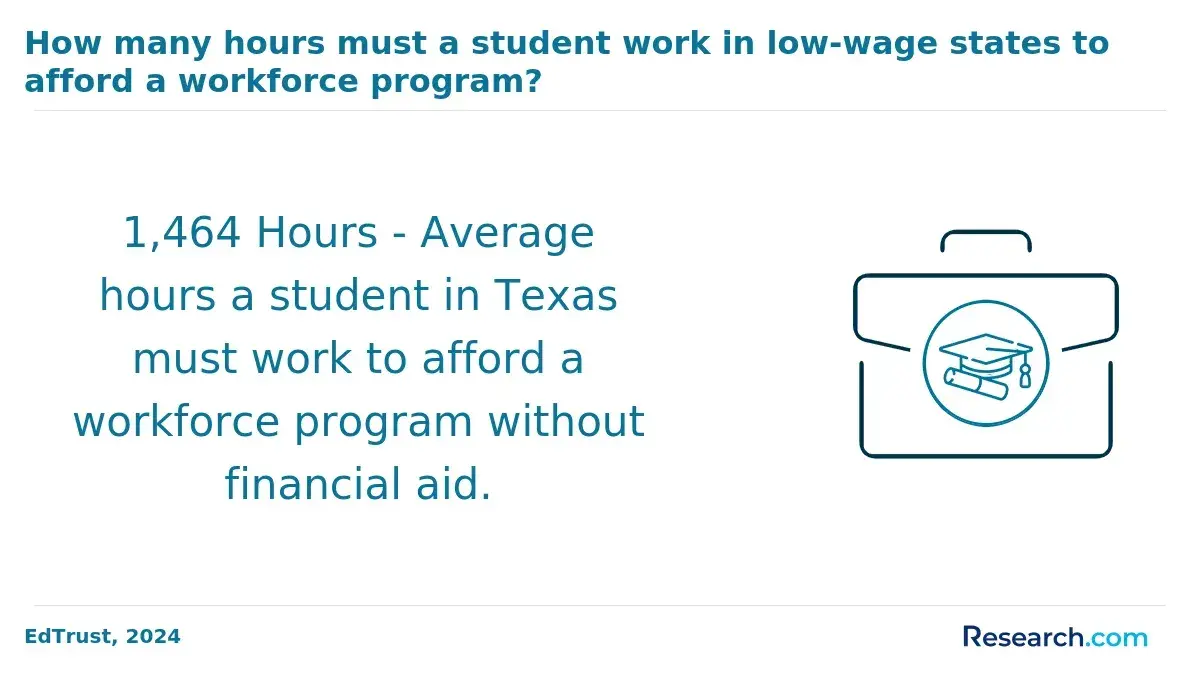
Regional job market conditions directly shape demand for physical therapy degrees by influencing not only where job openings arise but also how graduate program enrollments respond. Candidates who weigh state-specific workforce trends for physical therapy graduates benefit from understanding how demographic shifts, healthcare infrastructure growth, and employer incentives interact to create localized educational demand. For instance, professionals considering programs in states with expanding healthcare systems may encounter richer practicum placements and stronger leverage in salary negotiations due to more robust clinical sites and employer competition. Conversely, enrolling in regions with slower job growth risks limited practical training and tougher employment entry.
- Demographic Trends: States such as Florida and Arizona with growing elderly populations foresee heightened demand for physical therapy services, driving both job opportunities and graduate degree interest.
- Healthcare System Growth: Expansion in Texas and North Carolina-through hospital projects and outpatient service development-boosts local physical therapy workforce needs, encouraging program enrollment increases.
- Public Sector Expansion: California's substantial public health and education employment sectors maintain consistent recruitment of physical therapists, sustaining steady demand for program graduates.
- Employer Incentives: Incentive programs in Colorado, including loan repayment and relocation support, actively attract physical therapy professionals to local roles, reinforcing educational interest in nearby schools.
- Workforce Projections: Data from the Bureau of Labor Statistics and state agencies identify Texas, Florida, California, North Carolina, and Arizona as top states anticipating the largest rises in physical therapy job openings over the ensuing decade.
Prospective students should incorporate regional job market analysis into their decision-making to align academic choices with realistic employment prospects. Regions with vigorous labor demand not only enhance practicum quality but also improve negotiation power for graduates entering the workforce. In contrast, programs in stagnant markets may offer less clinical exposure and higher risks of underemployment. Those seeking to balance educational investment with career outcomes can also explore complementary fields such as masters in hospital administration if healthcare administration pathways align with local market conditions. A grounded understanding of how job market dynamics affect physical therapy degree demand provides critical insight beyond institutional reputation or geographic convenience.
Which States Have Added the Most New Physical Therapy Degree Programs in the Last Five Years?
The surge in physical therapy degree programs across several states reflects more than just rising interest; it indicates strategic responses to regional healthcare workforce demands and institutional competition. Students navigating this landscape should weigh how state-driven funding, accreditation incentives, and workforce shortages shape program availability and outcomes, as these factors strongly influence curriculum relevance, clinical training opportunities, and financial support options.
- California: The state's expansion largely results from launching entirely new programs, fueled by its substantial population and pressing healthcare needs. Generous state grant funding targeting workforce gaps and robust research university networks encourage both new entrants and program growth.
- Texas: Expansion here mainly occurs through existing schools increasing enrollment and integrating online tracks to better reach rural communities. Institutions strategically differentiate programs in competitive metropolitan markets via specialized coursework and flexible delivery modes.
- Florida: Facing an aging demographic, Florida prioritizes workforce development by endorsing new programs with state incentives. The growth of online physical therapy tracks attracts not only in-state but also out-of-state students seeking adaptable study options linked to regional clinical placements.
- New York: Growth tends to come from scaling enrollment in established programs and introducing focused specialization tracks. Employers in this region increasingly demand graduates with versatile clinical competencies, prompting institutions to leverage accreditation rewards tied to program quality enhancements.
- North Carolina: Program launches and capacity expansions here are closely aligned with state workforce shortage designations. Schools emphasize practical, outcome-based training aligned with employability, directing investments toward facility upgrades and financial aid to attract competitive candidates.
- Accreditation Incentives: States promoting rigorous accreditation encourage programs to innovate and maintain standards that align with employer expectations, affecting graduate readiness and licensure success.
- Workforce Shortages: These designations help focus growth in geographic areas of highest clinical demand, making programs in these states potentially more connected to immediate job markets.
- Tuition and Financial Aid: Increased program options intensify tuition competition and expand scholarship availability, offering students greater leverage if they compare institutions within the same state.
- Impact on Students: With more program choices, students can select concentration areas, formats, and clinical partnerships tailored to their career goals, but must carefully assess how these differences translate into employability.
- Regional Competition: Growth often responds to peer actions, with institutions racing to offer innovative curricula and scalable enrollment to remain attractive to applicants and employers alike.
One graduate recalled waiting anxiously during a rolling admissions cycle when delays in notification forced a strategic rethink about application priorities. Initially hesitant to commit without clear acceptance timelines, they later realized this uncertainty, common in rapidly expanding states, underscored the importance of applying to multiple programs with varying admission processes. The experience shaped their appreciation for maintaining flexibility and persistence amid unpredictable selection dynamics, ultimately influencing their final enrollment decision and readiness for licensure challenges ahead.
How Has the Rise of Online Education Changed Which States Lead in Physical Therapy Program Interest?
The surge in fully online physical therapy programs has eliminated traditional geographic constraints on enrollment, allowing students to select programs nationwide without relocating. This shift overturns prior patterns where students mainly attended nearby institutions and introduces new dynamics in program demand and workforce preparation. States with established online offerings-especially those with solid accreditation, competitive tuition, and strong graduate success-have become magnets for out-of-state enrollees, effectively positioning themselves as national hubs rather than localized educators.
- Geographic Decoupling: Online availability removes the need for physical presence, enabling students from states lacking local programs or facing capacity limits to access quality education remotely, broadening their educational options.
- State Attractiveness: Regions such as California, Texas, and Florida attract national applicants due to their recognized program quality and affordability, reshaping enrollment patterns beyond traditional catchment areas.
- Student Advantages: Candidates gain flexibility to match programs with career interests and financial considerations, though this expanded choice requires careful assessment of program licensure applicability.
- Program Implications: Institutions serving large out-of-state cohorts must address resource challenges and innovate to meet diverse student needs, while shaping the evolving educational landscape nationally.
- Licensure Considerations: Despite access improvements, physical therapy licensure remains state-governed; students must ensure that programs comply with licensing rules where they intend to practice to avoid post-graduate barriers.
What Demographic Trends Are Fueling Physical Therapy Degree Growth in Specific States?
Identifying where physical therapy degree enrollment is expanding requires understanding how demographic shifts create unique workforce demands that vary considerably by state. National trends mask localized dynamics where the interaction between population changes and healthcare infrastructure drives program growth. Graduates entering states with aging populations or rising youth sports injuries, for example, face distinct labor markets influencing job availability and specialization options. For decision-makers weighing program choices, aligning with states showing stable, long-term demand shaped by demographic factors offers a more reliable career path than following transient enrollment spikes.
- Population Aging: States like Florida, Arizona, and parts of the Midwest face sustained demand for physical therapy services due to increasing elderly populations with mobility limitations and chronic conditions. This trend amplifies enrollment in local physical therapy programs as healthcare providers require practitioners equipped to manage geriatric rehabilitation demands.
- Immigration Patterns: Texas and California attract diverse immigrant groups often encountering specific musculoskeletal health challenges. The need for culturally competent providers in these states drives program expansion that integrates linguistic and ethnic health considerations, reflecting a more complex service environment.
- Urbanization: Rapid growth in urban centers of Nevada and Colorado concentrates physically intensive labor workforces and young families with rehabilitation needs. This urban expansion directly influences enrollment at area physical therapy schools responding to the preventive and rehabilitative service demand.
- K-12 Enrollment Growth: Growing youth populations in North Carolina and Georgia increase demand for pediatric physical therapy related to sports injuries and developmental disorders, prompting regional program adjustments to meet these specialized workforce needs.
- Rising Rates of Diagnosed Mental Health Conditions: States such as Oregon and Washington incorporate physical therapy into integrative models addressing both physical and mental health. Increasing enrollment in these regions reflects curricula adaptations preparing therapists for interdisciplinary care roles.
Considering these demographic factors driving physical therapy degree growth in US states helps prospective students and career changers evaluate stability and career trajectory. State-by-state population trends impacting physical therapy enrollment highlight how workforce demand is tethered to real-world factors beyond broad national averages. For those exploring healthcare education, understanding these localized drivers is crucial when choosing where to study and ultimately practice. Additionally, those reviewing related allied health programs may compare shifts in physical therapy demand with opportunities in fields like radiology by examining resources such as online radiology tech programs.
How Do State Funding Levels for Physical Therapy Services Influence Degree Program Growth?
State funding levels directly affect the expansion or contraction of physical therapy degree programs by shaping the local job market realities that universities and prospective students face. States committing substantial resources to publicly funded physical therapy services-through mechanisms like Medicaid reimbursement, school-based mental health budgets, community health center grants, and targeted block funding-create labor markets with reliable opportunities. This stability encourages educational institutions to develop or grow programs, confident that graduates will find employment nearby. In contrast, states with stagnant or limited public funding often see reduced program growth and risk losing graduates to better-funded regions, where employer demand drives more rigorous curricula and clinical partnerships. Evaluating a state's legislative track record on physical therapy funding offers valuable insight into career sustainability and program investment prospects. Additionally, asking schools about graduate retention rates within the state over time provides a practical measure of alignment between training and local workforce needs.
- Funding Stability: Consistent public investment attracts student enrollment and incentivizes program expansion by reinforcing steady employment pipelines.
- Graduate Retention: Higher reimbursement rates correlate with more graduates remaining locally, reducing brain drain to external markets.
- Employer Expectations: Well-funded states push degree programs to elevate training standards, increasing graduate readiness for competitive job markets.
- Program Development: Funding incentives tied to service delivery in underserved areas promote new curricula aligned with community health priorities.
- Legislative Indicators: Recent policy trends regarding physical therapy funding signal the state's commitment to workforce viability and educational support.
- Employment Outcomes Transparency: Institutions' disclosure of graduate in-state employment rates after five years reflects the real-world effectiveness of programs in meeting local demand.
A graduate recalled navigating a rolling admissions process complexified by fluctuating funding signals from their target state. Applications initially outpaced clear information on program capacity and hiring outlooks, causing hesitation about committing too early. The candidate balanced multiple offers while awaiting updated state budget announcements that could influence program expansion or contraction, underscoring how timing and policy clarity directly shape admissions strategies and career planning in physical therapy education.
Which States Are Emerging as Unexpected Leaders in Physical Therapy Degree Interest?
States with less established histories in physical therapy degree education are now emerging as unexpected leaders in enrollment growth, driven by a mix of policy shifts, new program accreditations, and interstate licensure agreements. These emerging markets can provide tangible benefits such as less competitive admissions and targeted workforce incentives, yet they warrant careful evaluation of how durable these conditions are. Students considering these regions should weigh short-term advantages against the risk of instability if funding or legislative priorities change.
- Alabama: Once overshadowed by neighbors, Alabama's recent approval of new accredited graduate programs aims to fill critical rural healthcare gaps. Workforce incentives combined with expanded clinical partnerships have spurred enrollment gains, but lingering concerns about reliance on temporary pandemic-era support and state budget constraints caution against assuming steady growth without longer-term investment.
- Nebraska: Nebraska's deliberate investments to expand physical therapy programs at public universities align with its participation in the interstate licensure compact, which broadens practitioner mobility. Stable funding sources and solid healthcare employer demand suggest this growth is structurally supported, benefiting students seeking in-state training with strong local job prospects.
- West Virginia: Despite economic challenges, West Virginia is increasing enrollment through rural health initiatives and scholarship programs encouraging retention. The tradeoff here is between promising demand projections and the state's economic vulnerabilities, which could impact job stability after graduation.
- Idaho: Idaho's rise stems from online hybrid program availability and membership in the licensure compact, attracting geographically flexible students. However, sustaining quality depends on overcoming state educational funding limitations affecting faculty and clinical placements.
These states illustrate how growth in physical therapy degree interest is intertwined with economic, regulatory, and institutional dynamics, highlighting that enrollment spikes do not guarantee long-term employability. Prospective students and career changers evaluating physical therapy programs would be wise to contextualize state-specific growth within workforce realities and program stability. For those weighing accelerated paths in health-related fields, comparisons with other fast-tracked credentials like 3 year PharmD programs may also inform timing and career planning decisions.
How Does State Population Size Affect the Interpretation of Physical Therapy Degree Growth Data?
Interpreting physical therapy degree enrollment growth requires more than observing raw increases. Larger states naturally report higher numbers of graduates, but this can mislead assessments of market dynamics when those figures are not scaled to population size. For instance, a state adding 2,000 new physical therapy graduates annually may appear robust, yet its vast population dilutes per-capita growth, yielding minimal shifts in workforce availability or job market competitiveness. Conversely, a smaller state increasing its graduate count by 300 could reflect a rapid per-capita expansion, indicating a faster-growing market relative to its population. Recognizing this difference between absolute enrollment and per-capita growth is essential to understanding genuine market expansion.
Markets where the ratio of licensed physical therapy professionals relative to state population remains below the national average generally signal unmet demand. These underserved areas often offer stronger early-career hiring opportunities, whereas states with workforce saturation-despite high enrollment-pose stiffer competition for new graduates. Amid demographic trends affecting physical therapy degree enrollment relative to state population size, evaluating the baseline ratio of licensed professionals provides a clearer gauge of career prospects than raw enrollment numbers alone.
- Licensure Complexity: Some states have intricate acceptance criteria for physical therapy programs and licensure, which constrain enrollment growth and delay workforce entry.
- Population Density: Urbanized states may require more therapists but often exhibit intense market competition due to densely concentrated professionals.
- Workforce Saturation: States with established, dense PT workforces show slower per-capita growth, indicating mature, competitive markets with fewer early openings.
- Economic Factors: Variations in healthcare funding and insurance coverage across states affect employer demand and new graduate job availability.
For prospective physical therapy students or professionals examining regional markets, understanding how state demographic trends impact physical therapy program growth sharpens decision-making about where to study and practice. Those interested in related healthcare fields might also explore pathways to become a drug counselor online to diversify career options within growing sectors.
What Role Do State Licensing Requirements Play in Driving or Suppressing Physical Therapy Enrollment?
Licensing requirements exert a decisive influence on where prospective students decide to pursue physical therapy graduate education, with states offering clear and manageable licensure pathways consistently seeing stronger enrollment growth. When licensure rules are transparent and predictable, candidates gain confidence in their ability to transition from education to licensure without unexpected obstacles, which in turn makes these states more attractive. For example, a student comparing programs in two states might choose the one with straightforward exam prerequisites and clear clinical hour requirements, even if that program's tuition is slightly higher, because the overall time and cost to practice will likely be lower. Conversely, states with confusing, frequently changing, or administratively burdensome licensure processes deter potential enrollees who prioritize career mobility and timely workforce entry.
Employers amplify these trends by preferentially hiring candidates licensed in states with robust regulatory frameworks, associating such credentials with consistent competency. This employer preference creates pressure on educational institutions to expand or enhance their programs in states with accessible licensing, further strengthening enrollment. Over time, this forms a feedback loop where strong licensure systems foster regulatory advocacy and program development, benefitting incoming cohorts. Given the typical salary ranges for physical therapists hovering between $70,000 and $100,000 annually depending on region and experience, delays or complications in licensure can materially affect earning potential and career trajectory.
Students and career changers should therefore conduct thorough evaluations of the full licensure pathway in their target state, including exam difficulty, clinical hour obligations, and continuing education demands-not just degree requirements-before enrolling. Comparing these factors across states can reveal costs and timelines that significantly affect workforce entry and geographic career flexibility.
- Clarity: Transparent licensure criteria reduce uncertainty and make state programs more appealing to candidates.
- Accessibility: Streamlined and predictable licensure pathways encourage higher enrollment by removing barriers.
- Employer Influence: Hiring preferences for licensed practitioners shape enrollment patterns indirectly but decisively.
- Feedback Loop: Effective licensure systems enable program growth and regulatory improvements through stakeholder advocacy.
- Practical Considerations: Prospective students must evaluate post-degree licensure complexity alongside academic programs to assess total career cost and time.
References
- The Evolution of Online Physical Therapy Education https://www.fsbpt.org/Free-Resources/FSBPT-Forum/Forum-Spring-2019/The-Evolution-of-Online-PT-Education
- Physical Therapy Statistics | Advanced Autism Services https://www.advancedautism.com/post/physical-therapy-statistics
- U.S. map of Doctor of Physical Therapy (DPT) program members of the American Council of Academic Physical Therapy https://acapt.org/maps/institution-map.html
- Brand-New Doctor of Physical Therapy Degree Program Achieves Milestone in Pennsylvania's Capital City | Newswise https://www.newswise.com/articles/brand-new-doctor-of-physical-therapy-degree-program-achieves-milestone-in-pennsylvania-s-capital-city
- 2023 #Physicaltherapy Predictions • Posts by EIM | Evidence In Motion https://evidenceinmotion.com/2023-physicaltherapy-predictions/
- The Growth Potential For A Physical Therapist And How To Maximize Your Value - NAIOMT https://naiomt.com/the-growth-potential-for-a-physical-therapist-and-how-to-maximize-your-value/
- Top 10 Physical Therapy Trends in 2026 You Need to Know https://kinvent.com/blog/physical-therapy-trends-in-2026/
- Physical Therapy Statistics | Autism Therapy Services https://www.hiddengemsaba.com/articles/physical-therapy-statistics
- Practice physical therapy in more than one state with the PT Compact https://comphealth.com/resources/physical-therapy-mutliple-states-pt-compact
- 10 States that Need Physical Therapists the Most https://www.medicalsolutions.com/blog/clinician/states-that-need-physical-therapists-the-most/
Other Things You Should Know About Physical Therapy
Employers in states with rapidly increasing interest in physical therapy degrees are often adapting to regional healthcare challenges such as aging populations and chronic disease prevalence. They typically value graduates who have experience with outpatient rehabilitation and telehealth, reflecting a shift toward more flexible care models. As a result, programs emphasizing diverse clinical placements and technological competency tend to produce graduates better aligned with employer expectations in these areas. Prospective students should prioritize programs offering immersive real-world experiences in settings that mirror the local healthcare landscape to maximize employability.
Tuition rates combined with state-specific living costs strongly influence where students choose to enroll in physical therapy programs. States with rising demand but high tuition or expensive cities may see slower degree completion despite strong workforce needs, creating a mismatch between demand and supply. For students with geographic flexibility, targeting programs in states where living costs are lower but program quality remains high can reduce financial strain without sacrificing career prospects. This cost-benefit consideration is vital for those balancing debt concerns against long-term career opportunities.
Rural states facing critical shortages are increasingly investing in physical therapy education by expanding existing programs or establishing satellite campuses to retain local talent. These efforts often include partnerships with community clinics and incentives to practice in underserved areas post-graduation. However, students enrolling in these programs should weigh the potential tradeoff of less diverse clinical exposure against the opportunity to fill high-need roles more quickly. Prioritizing programs with strong community engagement and retention strategies offers a pragmatic path toward stable employment in regions struggling to attract healthcare providers.