2027 Physical Therapy Degree Completion Time Report: How Long Students Actually Take to Graduate

Co-Founder and Chief Data Scientist
Completion timelines for physical therapy degrees rarely follow the strict schedules outlined in academic catalogs. Real-world factors such as clinical placement availability, part-time enrollment, and prerequisite coursework interruptions significantly extend student trajectories. Recent data from the National Center for Education Statistics (2024) highlights an increase in transfer students within health-related fields, a group whose pathways often lengthen due to credit evaluation and adaptation periods.
Workforce demands and evolving curriculum standards also affect progression, as programs adjust to integrate emerging competencies. This analysis explores the actual time students take to graduate from physical therapy programs, revealing common delays and offering insight into practical implications for educational planning.
Key Things to Know About Physical Therapy Degree Completion Time
- Most students take longer than the advertised program length. Only about 45% of first-time, full-time bachelor's students graduate within four years, while roughly 64% finish within six years, making the actual completion time longer for many learners.
- The average college graduate is often older than expected. The median age of bachelor's degree recipients is around 23 years, while master's degree recipients are typically in their early 30s, reflecting the growing number of adult and returning students.
- Completing a degree can significantly increase lifetime earnings. Workers with a bachelor's degree earn roughly 65% more per week than those with only a high school diploma, and graduate degree holders typically earn even higher median wages over their careers.
- What Is the Average Graduation Time for Physical Therapy Students? Average Graduation Timeline
- What Factors Have the Biggest Impact on Graduation Speed? Graduation Timeline Factors
- How Does Full-Time Versus Part-Time Enrollment Affect Graduation Timelines? Full-Time vs. Part-Time Graduation Timeline
- Do Online Physical Therapy Students Graduate Faster Than Campus-Based Students? Online vs. On-Campus Graduation Timeline
- How Many Months or Years Can Transfer Credits Save? Transfer Credits
- Do Accelerated Physical Therapy Programs Significantly Reduce Completion Time? Accelerated Program Timeline
- Which Physical Therapy Program Requirements Most Often Extend Graduation Timelines? Factors Extending Graduation Timeline
- Does Taking Longer to Graduate Increase the Cost of a Physical Therapy Degree? Impact on Program Cost
- Does Graduating Faster Improve Career Prospects? Impact on Career Prospects
- Which Scheduling Mistakes Commonly Delay Graduation? Mistakes to Avoid
What Is the Average Graduation Time for Physical Therapy Students?
Completing a physical therapy degree typically spans three years of full-time study following the necessary undergraduate prerequisites, aligning with the standard duration recognized across the United States. This timeframe reflects the intensive clinical training and coursework that are core to accredited Doctor of Physical Therapy programs. However, the average graduation time for physical therapy students in the US can extend for those enrolled part-time or balancing concurrent professional responsibilities, as many working adults or transfer students may need longer to fulfill all requirements. The typical duration to complete a physical therapy degree program thus varies according to the student's enrollment status and prior academic preparation, with recent workforce studies confirming a general expectation near three years for full-time students.
Variability in graduation timelines is largely influenced by program structure and individual academic pathways. Programs that demand immersive clinical rotations, research projects, or flexible course sequencing often see extensions beyond the nominal three-year period. Students who opt or need to take lighter course loads, leaves of absence, or additional prerequisite courses contribute to this variation, as do those transferring credits from other institutions. Online or hybrid formats can provide some scheduling flexibility but do not necessarily compress completion time due to mandated clinical hours. These factors interact with institutional policies and personal circumstances, shaping a student's progression through the curriculum in ways that affect time to degree completion.
Understanding these dynamics is essential for effective academic planning and financial management, given the significant investment physical therapy education represents. Delayed graduation impacts workforce entry and salary trajectory, particularly as many employers expect timely program completion. Nonetheless, additional time spent mastering clinical competencies often yields deeper professional readiness. For students weighing their options, resources like the hospital administration course fees data may offer useful comparative context on education-related costs and duration across health professions.
What Factors Have the Biggest Impact on Graduation Speed?
Graduation speed for a physical therapy degree is shaped by the combined effects of academic design, enrollment decisions, personal circumstances, and institutional policies rather than any single factor. Recognizing how these elements interact helps students and advisors tailor course loads, choose appropriate program formats, and manage external responsibilities to optimize completion time. This awareness is crucial given that even within the same program, timelines can vary markedly due to these nuanced influences.
- Enrollment Status and Course Load Flexibility: Full-time enrollment generally accelerates completion by maintaining momentum through consistent course sequencing, while part-time status extends timelines as students balance fewer credits per term. Enrollment status impact on physical therapy degree completion time is significant since programs often require rigorous clinical hours interwoven with coursework, making prolonged part-time schedules more common among working adults or caregiver students.
- Academic Program Structure: Accelerated tracks compress classroom and clinical requirements into shorter spans, demanding high time commitment but enabling earlier graduation. Conversely, programs with flexible or extended formats accommodate diverse schedules yet delay degree completion by design. These structural choices affect how quickly students can meet sequential prerequisites and clinical competencies essential to physical therapy licensure.
- Transfer Credits and Prior Coursework: Accepting relevant transfer credits reduces redundancy in foundational classes, thereby shortening the program duration. Data from the National Center for Education Statistics highlights that students leveraging transfer credits in health graduate programs can graduate approximately 20% faster. However, variability in credit acceptance means this advantage is contingent on institutional policy and alignment of previous coursework.
- External Obligations and Work-Life Balance: Many physical therapy students juggle employment, family, or caregiving responsibilities that often require reduced course loads or temporary leaves, delaying progress. Institutional policies that allow flexible leave and part-time study help students continue their education but generally extend the path to graduation, especially where clinical internships demand full-time commitments.
- Academic Performance and Remediation Needs: The demanding curriculum and clinical skill requirements underpinning physical therapy programs mean students struggling academically or with clinical competencies may encounter delays due to remediation or repeated coursework. Institutions offering targeted support can mitigate these delays, yet the overall pace is influenced by the inherently rigorous standards necessary for professional readiness.
For those balancing these factors, exploring options such as accelerated or flexible formats alongside strategic use of transfer credits is critical. Prospective students may also consider related pathways like the cheapest online nutrition degree for complementary knowledge that supports broader health careers, understanding how program format and enrollment choices shape long-term educational trajectories.
How Does Full-Time Versus Part-Time Enrollment Affect Graduation Timelines?
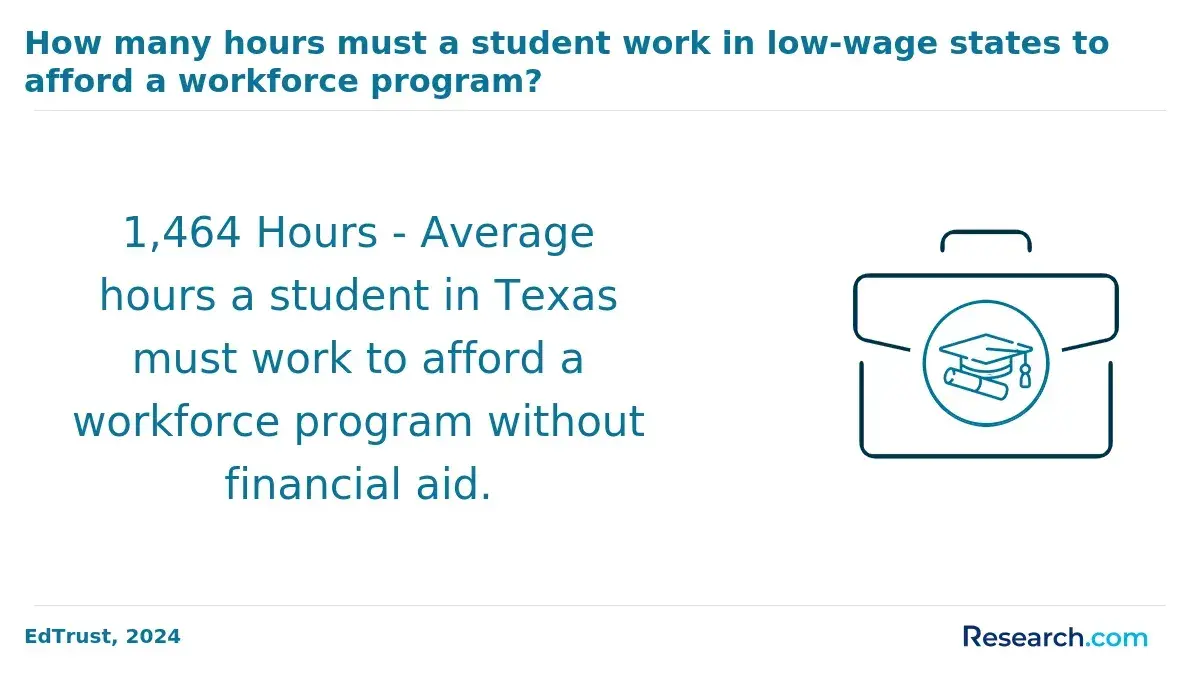
Full-time enrollment in Physical Therapy programs generally allows students to finish within the intended curriculum timeline, often spanning three to four years. Part-time students typically extend their studies beyond this period due to a reduced course load and adjusted clinical rotation schedules. Data from recent graduate tracking reports in 2024 indicate that part-time enrollment can prolong completion by 25% to 50%, reflecting slower progress through sequential coursework and clinical practica. This divergence in pacing shapes fundamentally different graduation pathways with implications for both academic and professional trajectories.
The lengthening of degree timelines for part-time students stems from multiple intertwined factors. Credit hours per term and the rigid sequencing of essential clinical internships limit the flexibility to accelerate studies, especially in programs with cohort-based admission cycles or fixed clinical placement windows. Additionally, many part-time enrollees juggle employment and family responsibilities, reducing available time for intensive study and hands-on practice that full-time programs demand. Institutional policies and delivery formats also influence progress, as hybrid or evening classes may offer alternatives yet cannot fully compress clinical requirements that dictate overall program duration.
Choosing between full-time and part-time enrollment carries significant long-term consequences. Those opting for full-time paths often benefit from rapid accumulation of clinical experience and faster workforce entry, aligning with employer preferences for recent, uninterrupted training. Conversely, part-time status may ease financial strain by spreading tuition payments but can increase total education costs and delay licensure and earning potential. Understanding how enrollment intensity affects academic momentum and practical readiness is critical for students balancing competing priorities amid growing demand for qualified Physical Therapy professionals.
Do Online Physical Therapy Students Graduate Faster Than Campus-Based Students?
There is a common assumption that online physical therapy students might complete their degrees faster than those attending campus-based programs due to scheduling flexibility and self-directed learning. However, data from the National Center for Education Statistics in 2024 indicates that degree completion times are quite comparable, with online students averaging about 3.8 years and campus students around 4 years. This challenges the notion that online formats inherently expedite graduation. The variation in completion speed is less about modality and more tied to the individual student's circumstances and program design.
Graduation timelines in both online and campus settings depend heavily on factors such as the availability of asynchronous coursework, the intensity and timing of required clinical rotations, and whether students enroll part-time or full-time. Online programs often allow students to pace themselves, accommodating working adults balancing employment and family, but securing local clinical placements can introduce delays absent from campus cohorts with institutionally coordinated rotations. Meanwhile, rigid course scheduling and fixed clinical hours on campus may limit flexibility but can provide a more streamlined, predictable timeline for some students. These structural differences, alongside state licensing requirements and prior academic credits, determine how quickly a physical therapy degree can be completed.
Choosing between online and campus-based programs involves considering how each format affects discipline, time management, and eventual workforce entry. While online learners must self-motivate and navigate placement logistics, campus-based students contend with more structured schedules that may conflict with external responsibilities. These tradeoffs influence not only program duration but also how prepared students feel entering clinical practice. Ultimately, modality choice shapes the practical pathway to graduation rather than defining it outright.
One graduate recalled that during the rolling admissions process, they hesitated to commit to an online physical therapy program due to uncertainty about clinical placement timing and state approval delays. They initially favored the flexibility of online study but worried that waiting on final admission decisions would push back their start date significantly. Eventually, they accepted a campus-based program offer, appreciating the clearer timeline and integrated clinical scheduling despite the less flexible classroom hours. This decision underscored how enrollment timing and preparatory factors impact not just program length but also the confidence and readiness students bring to their training.
How Many Months or Years Can Transfer Credits Save?
Transfer credits can shorten the time required to complete a physical therapy degree, with reductions generally ranging from six months up to about one year. The actual time saved depends heavily on how many credits are accepted and their relevance to the curriculum. Programs vary in how they apply transfer credits toward core physical therapy coursework versus general education requirements, which influences how much of the program timeline can be realistically accelerated. According to recent data from accredited education agencies, the average months saved with transfer credits in physical therapy programs tends to cluster around this half-year to one-year range, reflecting the complexity of aligning prior coursework with rigorous clinical and academic standards.
The degree of time saved by transfer credits hinges on multiple institutional and curricular factors, including accreditation compatibility and specific course equivalency policies. Many physical therapy programs enforce residency requirements that mandate a minimum number of credits must be completed on-site, limiting the total transferable coursework. Additionally, credits applicable to advanced clinical courses or supervised internships are rarely transferable, as these experiential components must be completed within the program's structure. Consequently, institutional policies on maximum transferable credits and academic alignment with foundational prerequisite courses critically shape each student's progression and graduation timeline.
Beyond raw time savings, transfer credits influence academic planning, sequencing of upper-division courses, and financial costs. Although reducing redundant general education requirements can accelerate progression, students often must carefully balance remaining course loads to maintain depth in clinical training and meet licensing prerequisites. Prospective students exploring transfer options, including those coming from online biology degrees or related fields, should recognize that transfer credit outcomes vary widely. Institutional evaluation processes and credit equivalency standards produce diverse results, making individualized academic advising essential to optimize program completion times without compromising educational quality or workforce readiness.
Do Accelerated Physical Therapy Programs Significantly Reduce Completion Time?
Accelerated physical therapy programs are structured to compress the traditional graduate timeline, typically reducing completion from around three years to as little as two or two and a half years. This is achieved by reorganizing curriculum pacing to allow a greater concentration of credits per term and fewer breaks between semesters. The core goal is to shorten the calendar duration without altering essential program content, including coursework and clinical experiences. However, the effectiveness of these programs in truly speeding up graduation depends on how the curriculum is condensed and the institutional flexibility in sequencing prerequisites and clinical rotations.
Key determinants of actual time savings include increased course load intensity and how clinical internships and capstone projects are scheduled. If accelerated programs maintain unchanged requirements for hands-on clinical hours or licensing exam preparation, compressed classroom time alone may not translate into significantly earlier degree completion. Additionally, the ability to carry heavier credit loads each term and reduce downtime between semesters varies by institution, sometimes limiting acceleration potential. Sequencing constraints, such as prerequisite chains or limited clinical site availability, can further restrict how much the overall timeline can be shortened.
The accelerated format often entails trade-offs like increased stress from dense course schedules and less opportunity for immersive clinical learning, which can affect professional preparedness. Students must balance workload intensity with the depth of skill acquisition, as accelerated pacing can reduce flexibility and time for reflective practice. These factors may influence whether accelerated programs offer meaningful gains in workforce entry time or simply shift burdens earlier in the process without real acceleration in licensure or employment readiness.
One recent accelerated program graduate recalls navigating the admissions process amid rolling deadlines. Despite initial optimism about finishing early, they hesitated to apply immediately, weighing prerequisite completion and financial timing. The delay in submitting their application extended their enrollment timeline, illustrating that while program pacing can shorten education duration, external factors like admissions cycles and preparation windows often impose unpredictability on actual completion time.
Which Physical Therapy Program Requirements Most Often Extend Graduation Timelines?
Graduation timelines in physical therapy programs are often extended not simply due to total credit requirements but because of specific embedded curricular components that mandate structured pacing. These elements are designed to ensure comprehensive professional training and meet industry standards but also impose sequenced scheduling and intensive time commitments that limit students' ability to accelerate progression. As a result, many students face unavoidable extensions driven by clinical, academic, and administrative bottlenecks rather than elective course choices.
- Clinical Internships and Residencies: These placements require extensive onsite hours in diverse healthcare settings and typically cannot be compressed or taken simultaneously with didactic coursework. This sequencing enforces a full-time clinical presence that extends program length, especially when site availability or coordination delays occur.
- Licensing Exam Preparation and Passing Requirements: Programs often delay degree conferral until successful completion of the National Physical Therapy Exam (NPTE). Approximately 15% of candidates do not pass on their first attempt according to the Federation of State Boards of Physical Therapy (2023), which introduces variability in completion timelines depending on individual exam outcomes.
- Academic Remediation and Prerequisite Alignment: Students needing to retake or complete additional prerequisite courses due to GPA shortcomings or transfer credit mismatches face extended enrollment. Aligning coursework from other institutions and satisfying specific equivalency standards frequently prolongs time to degree beyond the standard sequence.
- Research and Thesis Requirements: Independent research projects demanded by many programs necessitate substantial work outside formal classes, adding unpredictable delays to graduation. Managing research alongside clinical and classroom responsibilities requires careful scheduling, often leading to semester extensions.
- Part-Time Enrollment Options: Programs accommodating working students may permit part-time study, which naturally lengthens the time required to complete all degree components. This flexibility benefits certain demographics but impacts overall pacing and workforce entry.
Each of these requirements reflects a balance between rigorous professional preparation and practical constraints in curriculum delivery. Students who understand these structural demands can better anticipate pacing challenges, enabling more effective planning for academic progression and financial investment.
Does Taking Longer to Graduate Increase the Cost of a Physical Therapy Degree?
Taking longer to graduate from a physical therapy degree program generally increases the overall financial cost in several ways, a dynamic often overlooked in the analysis of program expenses. When tuition is charged on a per-term or per-credit basis, extended completion timelines mean paying for more semesters or credits, directly amplifying total tuition. Additionally, students who extend their programs may face loss or reset of financial aid eligibility, including grants, scholarships, or subsidized loans, compounding out-of-pocket costs. Extended enrollment also results in additional living expenses and delayed entry into the workforce, which contributes to the broader physical therapy degree completion costs related to extended graduation time. According to a 2024 report by the National Center for Education Statistics, students who exceed 150% of the standard program length can spend roughly 20% more on educational expenses than on-time graduates, a figure that impacts lifetime debt and earnings capacity in a field where starting salaries broadly range between $70,000 and $90,000, depending on location and setting.
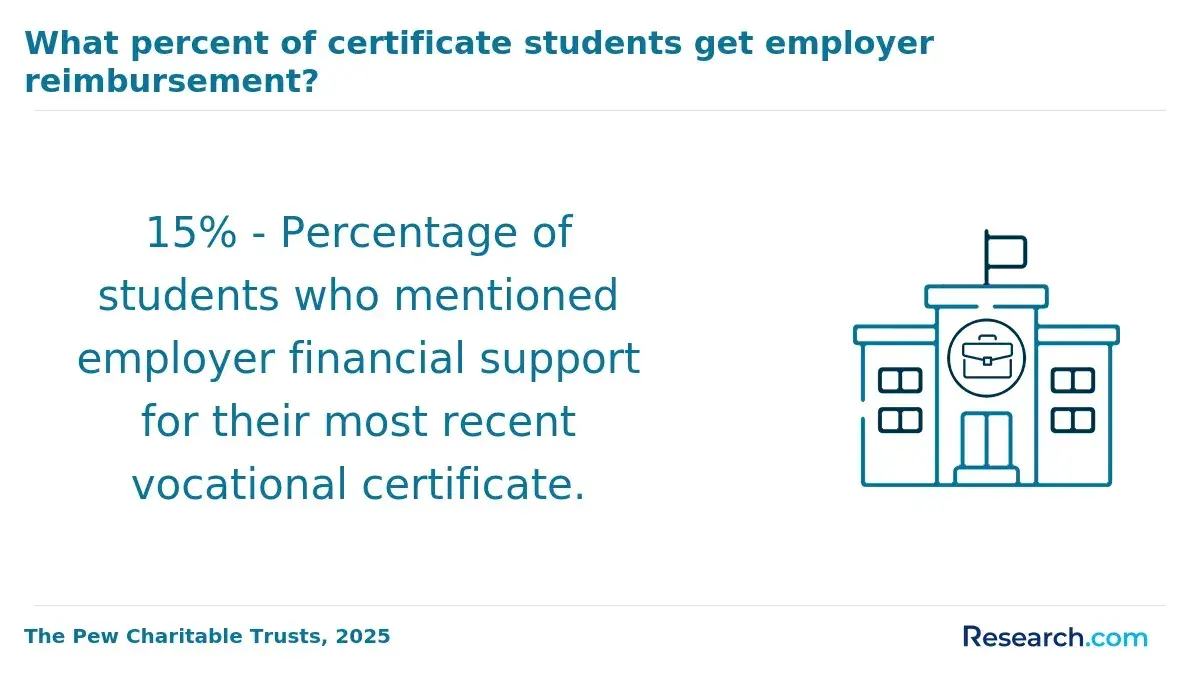
Conversely, the financial impact of delayed physical therapy degree graduation in the US is not uniform and depends heavily on program structure and student choices. Programs with flat-rate tuition or block pricing for full-time enrollment may allow students to take longer without proportionally higher tuition, especially if part-time enrollment models reduce per-term costs. Employer tuition assistance and flexible pacing policies can mitigate cost increases, making extended timelines more financially manageable for working adults and transfer students.
Enrollment decisions, such as dropping or delaying courses, often interplay with these pricing models, indirectly shaping the total cost accumulation over time. Given these complexities, students must carefully consider how institutional pricing, academic pacing, and financial aid policies intersect with their personal circumstances to accurately evaluate the real cost of prolonging degree completion, particularly as many employers in healthcare continue to expect efficiency alongside competency.
Prospective students juggling commitments might also benefit from reviewing options like NASP accredited online school psychology programs that reflect broader trends in flexible professional education.
Does Graduating Faster Improve Career Prospects?
Graduating faster from a physical therapy degree program can offer the advantage of entering the job market sooner, potentially allowing candidates to start their careers and gain professional experience ahead of their peers. However, employers rarely assess applicants based solely on how quickly they completed their education. In the context of the United States labor market, the impact of accelerated physical therapy degree completion on job opportunities is nuanced, as hiring managers prioritize demonstrated competence, including clinical skills and exam readiness, over mere time-to-degree metrics. Early entry might provide a timing edge, but it does not guarantee competitive positioning without accompanying qualifications.
The key determinants of whether faster graduation improves career prospects revolve around the quality and breadth of experiential learning. Internship exposure, clinical rotations, and the diversity of hands-on practice significantly influence how applicants are evaluated by healthcare employers. Candidates with extensive practical experience, strong licensure exam performance, and solid professional networks typically have an advantage in securing desirable positions. Graduating quickly without sufficient depth in these areas may weaken a candidate's portfolio despite saving time and tuition. For prospective students weighing an accelerated timeline, it is crucial to consider how well an accelerated program supports robust skill development and industry engagement, which often outweigh graduation speed in hiring decisions related to physical therapy.
Trade-offs inherent in compressed programs include limited opportunities for internships and potential stress-related drawbacks, affecting long-term career satisfaction and advancement. Balancing the desire for faster completion with the need for comprehensive clinical training is vital for sustained employability. Those interested in exploring flexible or accelerated educational routes may also find value in related fields like addiction counseling, where online alternatives exist, as seen in resources describing the addiction counseling online degree pathways. Ultimately, the decision to accelerate a physical therapy degree should be grounded in an informed evaluation of personal readiness, skill acquisition opportunities, and alignment with employer expectations.
Which Scheduling Mistakes Commonly Delay Graduation?
Delays in completing a physical therapy degree often arise less from academic difficulty than from avoidable scheduling and planning errors during enrollment and course selection. These issues affect students across various program levels and formats, disrupting the continuity necessary for timely graduation. Understanding these pitfalls aids in maintaining steady academic progress within the structured sequencing that physical therapy curricula demand.
- Underestimating Course Load: Students frequently enroll in fewer credits than required each semester to balance outside responsibilities. This extends program duration by reducing the pace of credit accumulation against strict clinical and theoretical course demands.
- Misaligned Course Sequencing: Failure to complete prerequisites before advanced classes blocks progression. Since clinical and lab-based courses rely on prior knowledge, missing one required course inhibits enrollment in subsequent necessary courses, causing cascading delays.
- Ignoring Internship Scheduling: Late planning for clinical internships or externships may conflict with course timelines, forcing students to defer graduation. Programs enforce fixed internship periods integral to licensure preparation.
- Transfer Credit Limitations: Transfer students often confront credit mismatches that require retaking courses. These adjustments, due to institutional policies and accreditation standards, can add months or semesters beyond expected completion.
- Overcommitting Outside Obligations: Excessive work or personal commitments without accounting for academic intensity leads to missed course enrollments or reduced credit loads, prolonging time to degree.
According to the National Center for Education Statistics 2024 report, nearly 38% of health professions students who extended their graduation time identified reduced course load as a primary factor. This highlights how enrollment strategy and academic progression planning within physical therapy programs critically impact graduation timelines.
Other Things You Should Know About Physical Therapy
Clinical internship requirements significantly affect the time it takes to graduate from a Physical Therapy program. These internships, essential for gaining practical experience, can vary in length and availability, often extending completion time due to scheduling constraints and the need for adequate supervision.
Failing or needing to retake courses, especially in core subjects or clinical competencies, introduces significant delays since these components build essential knowledge critical for licensure and employment eligibility. The sequential nature of physical therapy curricula means that setbacks in one course can block progression into required advanced classes or clinical experiences. Students should realistically assess their readiness before advancing and seek academic support early, as delays can extend beyond the classroom to licensure testing and job market entry.
While faster graduation may seem appealing, sacrificing depth or diversity of clinical experience can undermine long-term employability and professional readiness. Employers increasingly value graduates with robust, varied patient exposure and refined practical skills, which often require extended clinical hours or elective placements. Therefore, students should prioritize comprehensive clinical training over merely finishing quickly, as this can enhance job prospects and reduce the need for costly remedial experience after graduation.
Graduation does not guarantee immediate employment; students must also pass a licensing exam whose testing windows and preparation needs influence when they can start working. Efficient planning involves aligning program completion with exam dates to minimize downtime between finishing coursework and entering the workforce. Overloading final semesters without considering exam readiness risks longer overall timelines. It is advisable to create a realistic study schedule within the curriculum timeframe to optimize transition from student to licensed professional.