2027 Physical Therapy Degree Completion Rates by Format: Online, Hybrid, and Campus Programs Compared

Co-Founder and Chief Data Scientist
Choosing between online, hybrid, and campus physical therapy degree programs presents a complex challenge for many students. Each format demands different levels of self-discipline, access to resources, and interaction with instructors and peers. The decision often hinges not only on convenience but also on how effectively the program supports completion and practical skill development.
Key Things to Know About Physical Therapy Degree Completion Rates by Format
- Completion rates for campus physical therapy programs average around 85%, reflecting structured clinical access and peer engagement, which crucially support practical skill acquisition and program persistence.
- Hybrid formats see a 10% lower completion rate, as asynchronous components often challenge hands-on learning continuity, impacting timely mastery of clinical competencies essential for licensure.
- Online physical therapy degree completion rates fall near 70%, with reduced immersive clinical experiences correlating to delays in meeting accreditation milestones and increased dropout due to variable learner self-regulation.
- Key Things to Know About Physical Therapy Degree Completion Rates by Format Key Things to Know About Physical Therapy Degree Completion Rates by Format
- How Do Completion Rates Compare Across Online, Hybrid, and Campus Physical Therapy Programs? Completion Rate Comparison
- What Factors Have the Greatest Impact on Physical Therapy Degree Completion? Degree Completion Factors
- Which Physical Therapy Degree Format Is Hardest to Complete? Completion Difficulty
- How Does Each Physical Therapy Learning Format Affect Student Success? How Does Each Physical Therapy Learning Format Affect Student Success?
- How Does Enrollment Status Affect Physical Therapy Completion Rates? How Does Enrollment Status Affect Physical Therapy Completion Rates?
- Can Transfer Credits Improve Physical Therapy Degree Completion? Transfer Credits
- What Student Support Services Improve Physical Therapy Completion Rates? Student Support Services
- How Do Physical Therapy Completion Rates Affect Career Outcomes? Impact on Career Outcomes
- How Should Students Choose the Best Physical Therapy Learning Format? Choosing the Best Format
- What Are the Long-Term Pros and Cons of Each Physical Therapy Learning Format? Learning Format Pros & Cons
How Do Completion Rates Compare Across Online, Hybrid, and Campus Physical Therapy Programs?
Completion rates in physical therapy programs by format offer useful insights but should be viewed more as reflections of student circumstances than direct indicators of program quality. Differences often stem from the diverse backgrounds and life situations of students choosing online, hybrid, or campus formats.
Variations in graduation success in online hybrid and campus physical therapy programs frequently arise from factors such as enrollment intensity, scheduling flexibility, and access to support services. Online students tend to face challenges replicating hands-on clinical experiences virtually while balancing external commitments, which historically drives lower completion rates.
Conversely, hybrid formats attempt to blend flexibility with essential in-person components, accommodating those who need a mix of interaction and autonomy. Ultimately, whether a student completes their program depends as much on their personal discipline and resources as on the delivery method itself.
Prospective students should weigh completion rate trends alongside individual learning preferences, available study time, and career objectives to identify which format best supports their success. For example, those needing maximum schedule adaptability might explore online options, similar to how some seeking a highly structured path could favor campus settings.
Additionally, candidates researching options might consider related fields, such as an online pharmacist degree, to understand how different health professions balance educational delivery and completion outcomes.
What Factors Have the Greatest Impact on Physical Therapy Degree Completion?
Evaluating how these factors cumulatively influence persistence helps students select the format that best supports their long-term educational and career goals. The key influences on degree completion include the following:
- Academic preparedness and foundational knowledge: Students who enter physical therapy programs with strong undergraduate GPAs and solid grounding in sciences tend to complete their degrees at higher rates. The rigorous curriculum, particularly the clinical coursework, demands critical thinking and prior mastery of biology and anatomy. Strengthening academic skills before enrollment can substantially improve persistence.
- Program format and clinical training quality: Campus-based programs often offer immersive, hands-on clinical experiences and daily peer collaboration that boost completion rates. Online formats struggle to replicate these practical elements, sometimes delaying progression. Hybrid models' success hinges on timely, high-quality clinical placements. Students should realistically assess how well each format delivers essential skill-building opportunities.
- Student support services availability: Access to academic advising, tutoring, and mental health resources correlates with 15-20% higher degree completion rates, especially benefiting online learners who may face isolation. Proactively engaging with these services can help students navigate academic and personal obstacles more effectively.
- Time management amid external responsibilities: Balancing studies with work or family is particularly challenging in online settings where students often juggle multiple roles. Programs with flexible scheduling and asynchronous coursework help, but only when coupled with consistent faculty and advisor engagement to maintain momentum. Developing strong organizational skills is crucial.
- Socioeconomic factors and financial stability: Economic constraints can impede students' ability to focus on studies, affecting degree completion irrespective of delivery mode. Students with stable financial support or access to scholarships tend to persist more consistently. Planning for tuition and living expenses in advance reduces dropout risk linked to financial stress.
For example, a mid-career adult learner enrolling in an online physical therapy program faces distinct hurdles compared to a recent college graduate attending campus classes full-time. The adult learner's life demands, combined with limited clinical access online, may slow progress without strong institutional support and disciplined time management. Conversely, the younger student benefits from immersive peer networks and hands-on training, directly impacting completion rates. Being aware of these real-world tradeoffs enables applicants to align their circumstances and learning preferences with program strengths.
This nuanced understanding extends beyond surface measures like graduation rates by highlighting how student traits and institutional resources interact to influence success. Those comparing online, hybrid, and campus options for a physical therapy degree should weigh these factors carefully to improve their chances of completion and career readiness. For practical details on affordable online health programs, one can explore the cheapest RN-BSN online program offerings as a similar example of cost-effective, flexible learning paths.
Which Physical Therapy Degree Format Is Hardest to Complete?
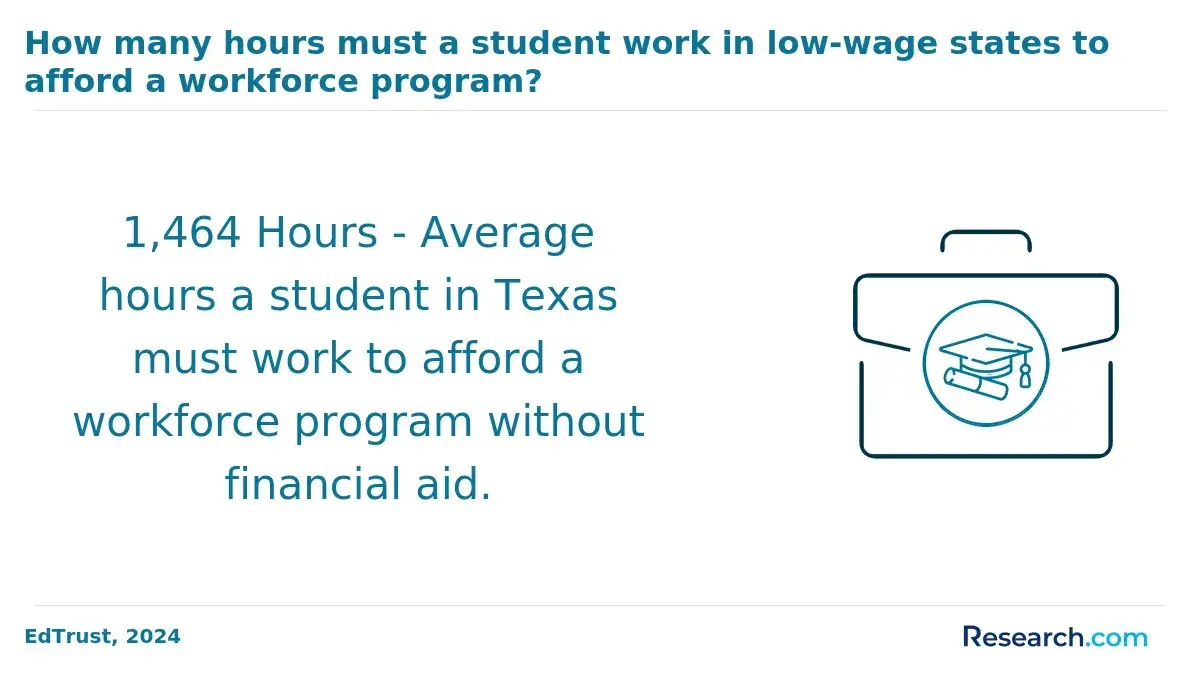
Completion rates for physical therapy degree formats vary notably, shaped by the unique demands of each pathway. According to 2024 data from the National Center for Education Statistics, campus-based programs show the highest completion rates, often above 75%, due to immersive hands-on training and consistent faculty mentorship.
Conversely, fully online programs report completion rates closer to 55%, reflecting difficulties in replicating clinical experiences virtually and challenges with sustained student engagement. Hybrid formats fall in between, balancing flexibility with essential in-person components, but logistical complexities can interrupt progress for some learners.
The need for direct clinical practice heavily influences these outcomes, making the online route particularly challenging despite its convenience. For example, a working adult enrolled in a hybrid program might appreciate the online lectures but still struggle coordinating required onsite practicums around a job schedule, unlike campus students immersed in a structured environment.
Campus settings foster accountability through regular face-to-face contact and immediate support, which can motivate timely completion even under intense workloads. Thus, deciding which format is hardest depends heavily on a student's capacity to manage practical demands alongside personal responsibilities.
One graduate who completed a hybrid physical therapy degree recalled initially choosing the format for its supposed flexibility while balancing family obligations. She found the transition between virtual coursework and scheduled in-person clinical sessions stressful; coordinating childcare and commuting sometimes forced her to pause studies temporarily.
Ultimately, she credits the hybrid model's dual demands for testing not just her knowledge but her organizational skills and resilience, a stark contrast to peers she knew on campus fully immersed in daily clinical rotations. Her experience highlights how a program's structure can shape persistence in ways that pure completion statistics alone might not reveal.
How Does Each Physical Therapy Learning Format Affect Student Success?
Student success in physical therapy degree programs is not solely determined by whether the format is online, hybrid, or campus-based. It depends heavily on how well the chosen delivery mode aligns with an individual's learning preferences, time availability, and external responsibilities, such as work or family commitments. For instance, a self-motivated learner with limited personal obligations may thrive in a fully online program, while another student might find hands-on interaction crucial for staying engaged.
Recent data from the National Center for Education Statistics confirms that degree completion rates are higher in campus programs compared to fully online ones, with hybrid models generally falling in between. These factors shape how students progress and persist. Key influences on physical therapy student success include:
- Direct access to faculty and peers: Campus learners benefit from immediate, face-to-face interactions with instructors and classmates, which fosters collaboration and timely feedback. This dynamic often supports stronger motivation and accountability, critical for mastering the hands-on aspects of physical therapy education.
- Flexibility balanced with practical training: Hybrid formats provide flexibility by integrating online coursework with in-person clinical or lab experiences. This blend allows students to manage personal schedules while still gaining essential hands-on skills, bridging gaps found in fully online environments.
- Self-direction and time management demands: Fully online programs require students to be highly disciplined and proactive. Students who struggle with isolation or lack structured schedules may see lower persistence rates, making online formats less suitable without strong support systems.
- Engagement and peer support networks: Social presence and peer connections boost persistence by creating a sense of belonging, which tends to be stronger in campus and hybrid settings. Online students often face challenges building these networks, affecting motivation and completion likelihood.
- Access to academic support resources: Physical therapy programs frequently require frequent tutoring, advising, and technical skill coaching. Campus programs offer easier, often immediate access to these services, while online learners must rely on virtual options which vary widely in quality and availability.
- Development of practical skills and clinical experience: Hands-on practice is fundamental in physical therapy education. Campus and hybrid students usually receive more consistent clinical exposure, directly impacting their readiness for licensure and employment.
- Impact of external responsibilities: Students balancing jobs, caregiving, or other commitments may prefer hybrid or online formats for their scheduling adaptability, but this flexibility can come at the cost of reduced in-person support, potentially compromising degree progress for those needing more structured environments.
How Does Enrollment Status Affect Physical Therapy Completion Rates?
Enrollment status is among the most influential factors shaping physical therapy degree completion rates, yet its impact varies markedly with individual circumstances rather than course load alone. While full-time enrollment often correlates with higher success, this relationship depends on personal responsibilities, financial resources, and readiness to commit time and energy.
The realities of juggling clinical demands, coursework, and life outside school mean that part-time enrollment can sometimes offer a more sustainable path. Below are key ways enrollment status affects physical therapy graduation outcomes:
- Academic Engagement and Momentum: Full-time students generally maintain better academic momentum due to continuous, immersive study periods. This concentrated engagement fosters deeper understanding of complex clinical content and promotes timely progress, while part-time students, often balancing jobs or family, may experience slower pace and intermittent breaks that disrupt learning continuity.
- Time Management and Flexibility: Part-time enrollment offers flexibility essential for those with external commitments, especially in online or hybrid formats. However, this requires exceptional self-discipline and time management skills; without these, completion rates tend to decline because extended timelines increase the risk of disengagement or delay.
- Support Access and Networking: Full-time students benefit from easier and more consistent access to faculty, peers, and campus resources, supporting motivation and problem-solving. Part-time students in campus programs may face challenges in syncing schedules with academic support services, potentially affecting their ability to overcome obstacles promptly.
- Program Format Interaction: Hybrid models provide a balance by blending remote coursework with occasional in-person clinical hours, often better accommodating part-time students than purely campus-based programs. Despite this adaptability, full-time students typically still outperform part-timers in completion rates across formats, according to 2024 national education statistics.
- Impact of Life Circumstances: Students managing employment, caregiving, or health issues may find part-time pathways necessary, but should recognize that protracted program duration can introduce additional stressors and delay entry into the workforce, influencing long-term career readiness.
- Clinical Requirements Intensity: Physical therapy's demanding clinical components often require sustained presence and consistent performance, favoring full-time enrollment for smoother skill acquisition and evaluation. Part-time learners must plan carefully to meet these hands-on demands without compromising quality or timeline.
- Completion Rate Disparities: Across delivery modes, data from major higher education research indicates full-time students complete physical therapy degrees at nearly double the rate of part-time peers, underscoring enrollment status as a strong predictor of graduation success.
Prospective students should weigh these factors alongside personal capacity when deciding between full-time and part-time physical therapy enrollment. For those seeking flexible, adaptive study options, resources such as an online bachelor's degree in nutrition highlight how certain program formats can complement part-time pacing, though physical therapy's clinical rigor requires tailored strategies to maintain progress.
Can Transfer Credits Improve Physical Therapy Degree Completion?
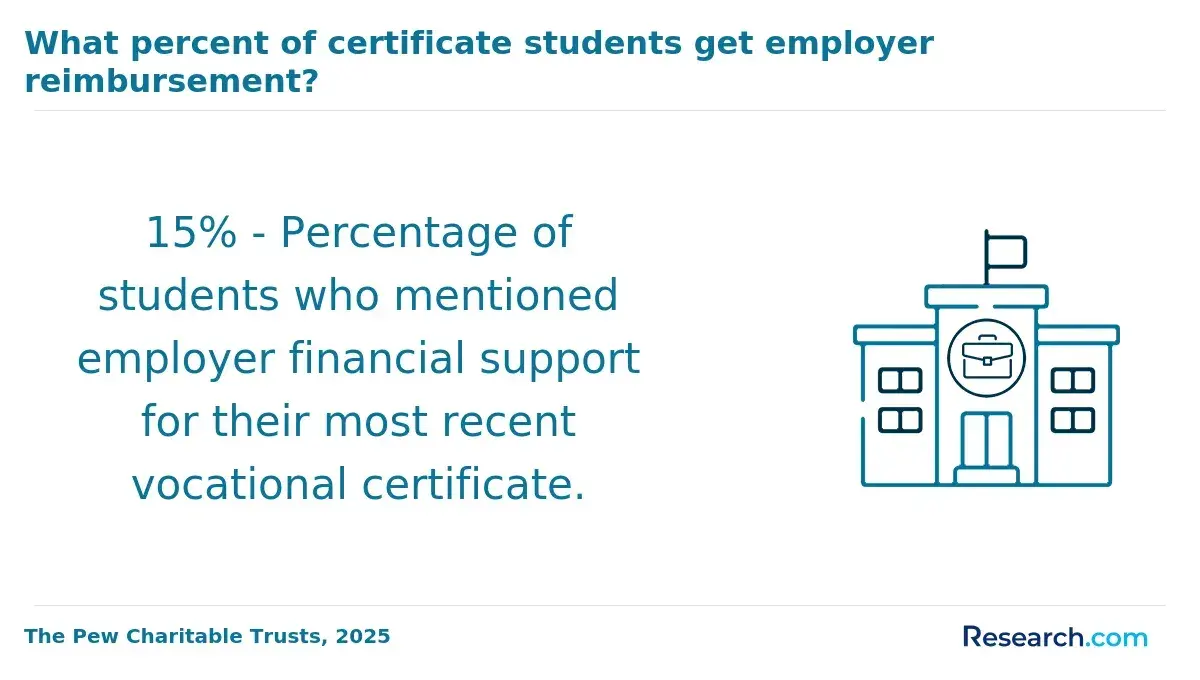
Transfer credits have the potential to shorten the time needed to complete a physical therapy degree, particularly for students who have prior college coursework, military education, or relevant professional training. By accepting applicable transfer credits, programs can reduce redundant classes, allowing students to focus on advanced or clinical components instead of repeating foundational material. However, this benefit depends heavily on how many credits align with program requirements and how each institution applies transfer policies.
For example, a student entering a hybrid physical therapy program with previously earned healthcare coursework may find the journey significantly accelerated if their credits cover core prerequisites. This can decrease both the duration and cost of their education, improving persistence by reducing academic burnout. In contrast, an online student might see less pronounced gains due to strict clinical hour requirements and limited flexibility in credit transfers, which can delay progression despite transferred credits.
Data from the National Center for Education Statistics and a 2024 study by the American Physical Therapy Association reveal that programs with generous transfer credit policies experienced completion rates rising by 12% to 18%. Nonetheless, not all credit transfers translate directly into faster graduation. Often, accredited programs cap transferable credits near 50%, and specific clinical or practicum courses must be completed on-site or within the program itself.
Prospective students should carefully evaluate their physical therapy program's transfer credit policies before enrollment. Obtaining an official credit evaluation helps clarify how many credits can be applied and which degree requirements remain. Comparing these remaining credits with personal capacity and program pacing is crucial to realistically estimate time-to-degree. Transfer credits are an important factor but should be considered alongside clinical placement logistics, program format, and individual circumstances to gauge their true impact on degree completion.
What Student Support Services Improve Physical Therapy Completion Rates?
Completion rates in physical therapy programs vary significantly based on the depth and accessibility of student support services, particularly across online, hybrid, and campus formats. Data from a 2024 national study reveals that institutions offering comprehensive advising, counseling, and career services report up to 15% higher persistence and graduation rates.
The following key services consistently emerge as critical factors in helping students navigate the intense academic and clinical demands of physical therapy degrees:
- Targeted Academic Advising: Personalized guidance through course sequencing and clinical placements reduces confusion and delays. This is vital for online students who lack daily face-to-face contact but is equally important on campus to avoid bottlenecks and unmet prerequisites.
- Mental Health Counseling Support: Addressing stress and burnout through counseling services correlates with lower withdrawal rates. Virtual counseling options are especially crucial for remote learners who face isolation and limited informal support networks.
- Career Services Integration: Workshops on resumes, interviewing, and job networking reinforce motivation by connecting academic work to future employment. These services provide clarity and practical goals, which combat attrition linked to uncertain career prospects.
- Flexible Clinical Placement Assistance: Support in securing suitable clinical sites, especially for online and hybrid students in diverse geographic areas, reduces dropout risks tied to logistical challenges.
- Peer Mentoring and Study Groups: Facilitated connections among students create informal learning communities that enhance engagement and accountability, a factor that campus students access more naturally but which can be structured online.
One graduate of an online physical therapy program recounted initial apprehension about lacking hands-on support but found regular video advising and mental health check-ins indispensable. She noted that timely career workshops kept her focused during strenuous clinical semesters, stating, "Knowing someone was tracking my progress and helping me plan kept me from feeling lost." This blend of formal support and personal connection proved decisive in maintaining her momentum through the program's demanding phases.
How Do Physical Therapy Completion Rates Affect Career Outcomes?
Completion rates for a physical therapy degree significantly affect long-term career success by shaping employability, income potential, and opportunities for advancement. Graduates who finish their programs demonstrate qualities such as discipline and mastery of complex clinical concepts, which employers prioritize. However, career outcomes also depend on experience, labor market conditions, and individual performance.
Below are key ways that successful completion influences career trajectories:
- Faster entry into the workforce and licensure eligibility leads to earlier income generation and job stability: Individuals completing their degree on time can quickly meet licensure requirements, enabling them to begin working in clinical or rehabilitation settings. This reduces gaps in employment and can positively impact early-career earnings, especially important as labor markets become more competitive.
- Stronger foundation for pursuing advanced studies and certifications enhances long-term earnings and specialization: Completing a physical therapy program increases the likelihood of enrolling in graduate-level programs like DPT or specialized certifications, which typically yield higher salaries and expanded career options later. Students planning extensive education paths often see degree completion as critical to these goals.
- Employers' preference for candidates with proven perseverance and clinical competence affects hiring and promotion: Completion rates reflect an applicant's commitment and ability to handle demanding coursework and clinical training. Hiring managers often favor graduates from formats with higher completion rates, such as campus-based programs, but hybrid and well-supported online pathways can provide comparable outcomes if students are self-motivated.
- Program format impacts retention and completion, influencing career readiness: Campus programs generally show higher completion rates due to structured support, while online formats face retention challenges unless robust student services are in place. Prospective students should weigh their learning style and personal discipline; those selecting less structured options may require stronger motivation and support to achieve similar career outcomes.
Research from 2024 shows that physical therapy degree completion rates correspond with improved employability and earlier promotion opportunities. For students balancing work or family commitments, selecting formats with higher completion success can be decisive.
For example, a student completing a hybrid program with strong clinical access and flexible scheduling might gain timely licensure and job placement faster than a peer struggling through a purely online program without adequate guidance. This practical understanding helps students align their educational choices with career goals effectively.
Those comparing online, hybrid, or campus physical therapy programs could also explore related options such as BCBA online programs for complementary certifications or career paths.
How Should Students Choose the Best Physical Therapy Learning Format?
Completion of physical therapy programs is closely linked to how well the learning format fits a student's personal circumstances and learning style. While campus settings drive engagement through structured environments and peer interaction, hybrid models offer a valuable middle ground, accommodating work or family commitments without sacrificing clinical experience. Fully online programs cater to maximum flexibility but require strong self-motivation and time management to avoid attrition.
A 2024 national study found that up to 40% variation in degree completion rates across formats can be explained by factors such as work commitments and preferred learning environments. Below are key considerations for choosing the best physical therapy program format for student success:
- Work and Life Commitments: Students balancing jobs or family typically benefit from hybrid or online formats that provide scheduling flexibility. Campus programs often require full-time attendance, which may not be feasible for those with external obligations.
- Self-Discipline and Time Management: Online formats demand high levels of self-regulation, as learners must independently navigate coursework and clinical components. Students less confident in these skills may find campus or hybrid settings better support timely completion.
- Hands-On Clinical Experience: Because physical therapy demands practical training, formats offering integrated clinical opportunities-such as campus and hybrid models-better prepare students for professional competence and licensure requirements.
- Learning Preferences and Peer Interaction: Those who thrive on face-to-face engagement often see higher retention in campus programs due to immediate feedback and group dynamics, while independent learners may excel in online environments.
- Long-Term Career Goals: Since employability in physical therapy emphasizes both knowledge and clinical skill, students should prioritize programs with robust practical training aligned with licensing standards to maximize workforce readiness.
- Program Support Services: Availability of academic advising, mentorship, and clinical placement assistance can significantly impact completion rates; campus and hybrid programs generally provide more structured support networks.
- Access to Quality Resources: Students can explore data from established education research platforms, including the best online environmental health and safety degree programs resource, to identify programs with verified outcomes and support for student success.
Realistically, a working parent choosing between formats may find hybrid programs best balance career, family, and clinical skill acquisition, whereas a student without outside obligations might thrive in a campus program's immersive setting. Evaluating these factors helps align format choice with individual circumstances to ensure successful degree completion.
What Are the Long-Term Pros and Cons of Each Physical Therapy Learning Format?
Choosing between online, hybrid, and campus physical therapy programs entails long-term trade-offs affecting completion rates and career readiness. Recent 2024 research highlights how each format supports different learner needs and professional outcomes. Understanding these differences is essential for selecting a pathway aligned with your circumstances and goals. Below are key considerations prospective students should weigh:
- Practical Skill Development: Campus programs offer immersive, hands-on experiences critical for mastering clinical skills, often leading to stronger licensure exam performance. Hybrid formats include in-person labs, balancing practice and flexibility, while fully online programs may lack sufficient tactile training, potentially delaying clinical readiness.
- Completion Rates and Persistence: Hybrid programs show higher completion rates compared to fully online models, benefiting adult learners needing adaptable schedules. Campus formats sometimes have higher dropout rates due to rigid scheduling, especially for students balancing work or family.
- Accessibility and Flexibility: Online physical therapy programs provide unmatched scheduling freedom and accessibility for remote or non-traditional students, but this can come with feelings of isolation that impact persistence.
- Career Transition Confidence: Graduates from campus and hybrid programs report smoother transitions into clinical roles and greater confidence, reflecting the benefit of practical exposure and structured support.
- Long-Term Academic Endurance: Hybrid formats tend to foster better persistence by integrating online convenience with essential in-person training, supporting sustained engagement over time.
- Licensing Exam Outcomes: Data indicates better pass rates for campus and hybrid graduates compared to fully online cohorts, likely linked to hands-on training quality and mentoring availability.
References
- Doctor of Physical Therapy Hybrid Pathway https://www.kumc.edu/school-of-health-professions/academics/departments/physical-therapy-rehabilitation-science-and-athletic-training/academics/doctor-of-physical-therapy-hybrid-pathway.html
- How Long Is PT School? A Guide for Future Physical Therapists https://www.pteverywhere.com/media/how-long-is-physical-therapy-school-guide-for-professionals
- Physical Therapy Program https://cnahs.howard.edu/departments/physical-therapy/physical-therapy-program
- Top Physical Therapy Schools in California: Hybrid Online Options https://www.scuhs.edu/dpt-article/top-physical-therapy-schools-in-california-hybrid-online-options/
- 17 Feb How to Choose a Great Physical Therapist https://plyopt.com/how-to-choose-a-great-physical-therapist/
- Resource | Choosing Your Physical Therapist https://www.choosept.com/why-physical-therapy/choosing-your-physical-therapist
- Guide to Physical Therapy Degrees Online - Find Top Doctorates https://www.edumed.org/online-schools/physical-therapy-dpt-programs/
- 7 Outstanding Pros (and Cons) of Being a Physical Therapist https://www.masmedicalstaffing.com/blog/pros-and-cons-of-being-a-physical-therapist/
- Day in the Life of a DPT Student & Tips for Success https://learn.neumann.edu/neuperspectives/day-in-the-life-of-a-dpt-student-tips-for-success
- Pros & Cons of Distance Physiotherapy | TrakPhysio https://www.trakphysio.com/en/physiotherapy-blog/advantages-and-challenges-of-distance-physical-therapy/
Other Things You Should Know About Physical Therapy
Online physical therapy programs offer unmatched scheduling flexibility, which can attract working professionals or those with caregiving responsibilities. However, this flexibility can also lead to reduced structure and accountability, increasing the risk of procrastination and disengagement. Students who thrive under self-directed learning and have strong time-management skills tend to complete online formats more successfully, but those needing routine and in-person interaction may struggle, potentially lowering completion rates.
The necessity of hands-on clinical experience in physical therapy means all formats must integrate in-person practicums, but campus programs often provide more seamless access to on-site clinical placements. Hybrid programs typically coordinate clinical hours locally but require careful scheduling that can add complexity and delays. Online-only students face the greatest challenge in securing quality clinical sites independently, which can affect timely program completion and increase dropout risk if placements are difficult to arrange.
Hybrid programs usually strike a pragmatic balance by combining online coursework with scheduled in-person sessions, offering working students both flexibility and structured support. Fully campus-based programs, while immersive, have less scheduling accommodation, making full-time employment difficult alongside studies. Online programs offer maximum work compatibility but may lack immediate peer and faculty engagement, which some students need for motivation. Prioritizing a hybrid format may improve completion for employed students seeking both flexibility and accountability.
Many employers and state licensing bodies place strong emphasis on comprehensive in-person training, valuing the rigor seen in campus or hybrid programs with extensive clinical supervision. Purely online degrees, although increasingly accepted, sometimes face more scrutiny, which can pressure students to pursue supplemental hands-on experiences that prolong completion timelines. Prospective students should weigh program accreditation and clinical rigor carefully, generally prioritizing campus or hybrid formats if immediate, full licensure readiness and employer acceptance are key goals.