2027 Physical Therapy Salary Trends Report: Are Wages Keeping Up With Tuition and Inflation?

Co-Founder and Chief Data Scientist
Consider a prospective physical therapy student weighing the decision to invest in an advanced degree amid rising tuition fees and economic uncertainty. This student seeks to understand if the expected salary after graduation will sufficiently offset costs, especially with inflation eroding purchasing power. With education expenses climbing rapidly, simply knowing starting salaries is no longer enough-careful analysis of wage growth relative to tuition and inflation is essential.
The interplay between salary increases, tuition hikes, and inflation creates a complex financial landscape where short-term earnings may not fully reflect long-term value.
Evaluating a physical therapy degree requires looking beyond initial paychecks to factors like return on investment and affordability over time. This article examines recent physical therapy salary trends in relation to tuition, inflation, and economic influences to assess the true financial prospects of the field.
Key Things to Know About Physical Therapy Salary Trends
- Median entry-level physical therapy salaries have grown slower than 6% inflation since 2020, meaning rising tuition costs may delay graduates' ability to recoup education expenses in real terms.
- Specializing in outpatient orthopedics correlates with 15% higher wages after five years, indicating that early clinical focus can significantly impact lifetime income trajectories.
- Geographic location influences earning potential strongly; urban areas offer up to 20% higher salaries but come with elevated living costs, requiring nuanced cost-benefit analysis for long-term financial planning.
- Key Things to Know About Physical Therapy Salary Trends Key Things to Know About Physical Therapy Salary Trends
- What Is the Current Salary Outlook for Physical Therapy Graduates? Salary Outlook
- Are Physical Therapy Salaries Keeping Up With Inflation? Inflation Impact
- How Do Tuition Costs Compare With Physical Therapy Salary Growth? Tuition vs Salary
- Does a Physical Therapy Degree Deliver a Positive Return on Investment? Degree ROI
- Which Industries Offer the Highest Salaries for Physical Therapy Graduates? Which Industries Offer the Highest Salaries for Physical Therapy Graduates?
- Which States and Cities Offer the Highest Pay for Physical Therapy Professionals? Which States and Cities Offer the Highest Pay for Physical Therapy Professionals?
- How Do Physical Therapy Salaries Grow Throughout a Career? Career Growth
- How Do Physical Therapy Salaries Compare With Similar Degrees? Salary Comparison
- How Is Employer Demand Affecting Physical Therapy Salary Trends? Employer Demand
- How Can Students Maximize Their Lifetime Earnings With a Physical Therapy Degree? Maximizing Earnings
What Is the Current Salary Outlook for Physical Therapy Graduates?
The 2024 salary outlook for physical therapy graduates indicates moderate wage growth with a median annual pay around $95,000, according to recent Bureau of Labor Statistics figures. However, this growth is tempered by rising tuition costs and inflation, which was about 4.5 percent in 2023, potentially limiting real income gains for new entrants.
Geographic location and work environment play significant roles; for example, a graduate working in an outpatient clinic in California may start closer to $80,000, while another in a nursing home in a less expensive state might earn substantially less. These variations demonstrate how two graduates holding the same degree can experience notably different early earnings depending on their chosen setting and region, a key consideration beyond the headline numbers.
Looking beyond entry-level wages, physical therapy graduate salary trends 2024 suggest that steady demand-spurred by an aging population and expanded rehabilitative care-will support ongoing salary increments of 2 to 3 percent annually, as projected by the American Physical Therapy Association. This trajectory, combined with advanced credentials or managerial positions, can enhance long-term earnings potential and job stability.
Yet, financial planning for a physical therapy career should also weigh the cost of education against salary growth prospects to manage expectations realistically. For those exploring alternative pathways, programs such as RN to BSN without clinicals offer different considerations within healthcare education, emphasizing the importance of matching career ambitions with financial outcomes.
Are Physical Therapy Salaries Keeping Up With Inflation?
Physical therapy salary growth versus inflation reveals a critical gap between nominal wage increases and real purchasing power. Although median wages for physical therapists rose about 5.2% from 2021 to 2023, inflation during the same period neared 7.1%, according to the U.S. Bureau of Labor Statistics Occupational Outlook Handbook.
This means that despite higher paychecks on paper, physical therapists effectively earned less after adjusting for the rising cost of living. For instance, a new graduate earning the median salary today may find everyday expenses and fixed student loan payments consuming a larger portion of their income than they would have two years ago.
Are wages for physical therapists keeping pace with rising costs is further complicated by increasing tuition fees, which have climbed approximately 10-12% over the past two years, heightening initial debt burdens for students. Support roles such as physical therapy assistants and aides often see even more stagnant wage growth, frequently lagging behind inflation, which limits their financial flexibility.
When deciding on this career path, evaluating these economic realities alongside potential earnings and considering complementary options such as enrolling in medical billing and coding programs may provide alternative routes or backup plans within healthcare. Balancing upfront educational costs against long-term salary outcomes remains essential for prospective students navigating these financial tradeoffs.
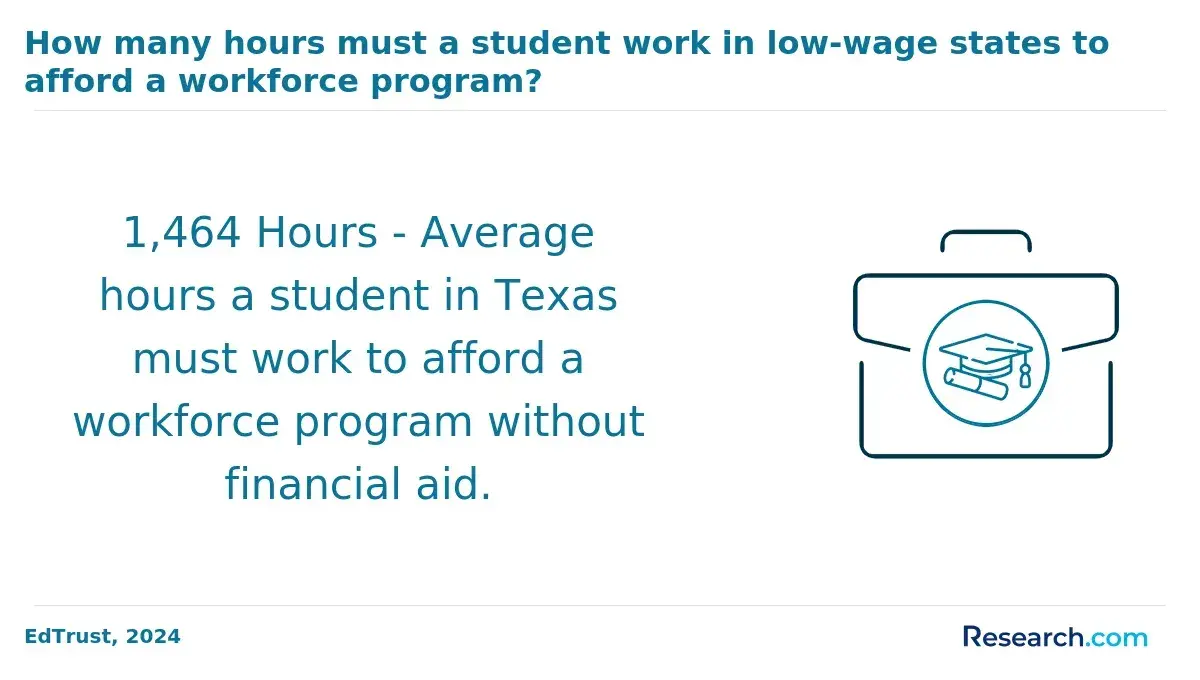
How Do Tuition Costs Compare With Physical Therapy Salary Growth?
Evaluating tuition costs alongside salary growth offers a clearer picture of the financial practicality of pursuing a physical therapy degree than examining either metric alone. For example, average tuition for Doctor of Physical Therapy programs now often exceeds $70,000 for the full course, while median early-career salaries hover around $89,000 according to 2024 data from the Bureau of Labor Statistics.
Although salaries have increased over the past decade, this growth has not matched the pace of rising tuition and inflation, which have driven education costs up by roughly 5% annually. This imbalance means that graduates may face a delayed timeline for recouping their educational investments, making careful loan management and salary expectations critical factors in financial planning.
The relationship between tuition fees and income after graduation varies widely depending on factors like practice setting, geographic location, and years of experience. Mid-career physical therapists can earn between $95,000 and $110,000, offering improved economic stability but still not a swift counterbalance to mounting student loan debt for many.
Beyond numbers, these nuances highlight that the value of a physical therapy degree is contingent on individual circumstances, such as whether a student graduates in a high-demand region or chooses private versus public institutions with differing tuition models. Such dynamics underscore the importance of contextual analysis rather than relying on averages when assessing return on investment in this field.
One recent graduate recalled hesitating before enrolling due to spiraling tuition but ultimately committed after researching local salary trends and loan repayment programs. Though initially overwhelmed by debt, this graduate later found relief working in an outpatient clinic in a high-cost city, where wages were above the median and loan forgiveness options applied.
The experience demonstrated that while tuition costs appeared daunting upfront, strategic choices about employment and debt management significantly influenced the long-term financial outcome, illustrating the nuanced tradeoffs embedded in comparing education costs with earning potential.
Does a Physical Therapy Degree Deliver a Positive Return on Investment?
Return on investment for a physical therapy degree is best understood by weighing the full expenses of education-including tuition, fees, and accumulated debt-against the long-term career earnings and stability it offers. For instance, consider a graduate who incurs $150,000 in student debt but earns a median salary above $95,000 starting in 2024.
While the upfront financial burden is significant, sustained salary growth and strong job demand can gradually offset these costs over a professional lifetime, especially in an industry projected to grow faster than average. This scenario highlights the importance of looking beyond initial salaries to long-term earnings trajectories and job security when assessing value.
Several factors shape whether a physical therapy degree yields a positive return. Tuition inflation and rising living expenses elevate initial investment, yet consistent demand for healthcare services and relatively stable wage increases help mitigate these pressures.
Employment security in healthcare provides an additional layer of return that goes beyond direct wages, reducing risks associated with unemployment and market volatility. However, outcomes vary widely: those who leverage diverse practice settings or specialize may see enhanced earning potential, while graduates burdened by higher debt or in regions with stagnant wages may experience diminished financial returns.
Data from the U.S. Bureau of Labor Statistics and the American Physical Therapy Association reaffirm that physical therapy remains among healthcare fields with robust ROI, thanks to median salaries well above many other professional degrees and steady employment growth.
Students and career changers must weigh these opportunities against their personal financial situations and local job markets, recognizing that the degree's value is neither uniform nor guaranteed. In this context, return on investment is a nuanced, individualized calculation rather than a fixed outcome, influenced by economic conditions, educational costs, and occupational demand trends.
Which Industries Offer the Highest Salaries for Physical Therapy Graduates?
Salary potential for physical therapy graduates varies significantly across industries, influenced by factors such as specialization, employer type, and geographic location.
Data from the U.S. Bureau of Labor Statistics highlights several sectors where physical therapy salary by industry in the US trends notably higher, reflecting advanced clinical skills or unique service demands. For example, outpatient care centers frequently offer premium wages due to the complexity and diversity of rehabilitation services provided.
The following points summarize the highest paying industries for physical therapy graduates, emphasizing the roles and qualifications that drive compensation:
- Outpatient Care Centers: These centers often pay the best wages within the physical therapy field because they cater to a wide range of patient needs including sports injuries, post-surgical recovery, and chronic condition management. Therapists here benefit from a fast-paced environment that demands broad clinical expertise and often bonus incentives tied to performance or patient outcomes.
- Specialty Hospitals: Hospitals focusing on orthopedic, neurological, or cardiopulmonary care compensate physical therapists above average due to the specialized knowledge required. These settings involve treating complex cases and working closely with multidisciplinary teams, rewarding advanced certification and experience.
- Home Healthcare Services: Though sometimes offering slightly lower base salaries than outpatient centers, home health therapy provides competitive pay alongside flexible hours. Therapists gain from autonomous work environments and often manage their caseloads independently, making this sector appealing for professionals valuing work-life balance and varied patient settings.
- Federal Government Agencies: Positions within veterans' hospitals, military healthcare facilities, and public health organizations combine steady salaries with comprehensive benefits. Job security and pension plans enhance the overall compensation package, attracting physical therapists interested in long-term career stability over immediate top pay.
- Educational and Research Institutions: Physical therapists working in universities or research hospitals generally earn higher salaries when engaged in clinical research or specialized teaching roles. These paths require additional credentials like doctoral degrees and focus on advancing therapeutic techniques or educating future professionals.
- Private Practice Ownership: Owning a private practice can offer the highest earning potential but comes with entrepreneurial risk and administrative responsibilities. Therapists who establish successful practices benefit from greater control over patient volume, service pricing, and business development.
- Industrial Rehabilitation: Corporate and occupational health settings pay competitive salaries for physical therapists focused on injury prevention, workplace ergonomics, and employee wellness programs. Success here depends on knowledge of occupational medicine and the ability to tailor rehab protocols to workplace hazards.
According to the Bureau of Labor Statistics, outpatient care centers remain the highest paying industry segment, with median salaries surpassing other sectors by up to 20%. For prospective students and professionals weighing career paths, these distinctions highlight the need to balance clinical interests with financial goals and lifestyle preferences.
Individuals exploring their options may also consider related fields; for instance, a growing number pursue advanced degrees, sometimes offered by pharmacist school online, to diversify their skill sets and increase marketability in health sciences.

Which States and Cities Offer the Highest Pay for Physical Therapy Professionals?
Geographic location plays a significant role in shaping earning potential for physical therapy professionals, with notable variations driven by local healthcare markets, economic conditions, and living costs. In 2024, several states and cities stand out for offering higher average salaries, but these often come with elevated expenses and competitive job markets.
Deciding where to establish a career requires weighing not only salary figures but also educational debt, housing prices, and lifestyle factors. Below are some of the highest-paying regions for physical therapy professionals, offering valuable insight to those balancing immediate income against long-term financial and personal considerations:
- California: Known for its vast healthcare system and numerous outpatient clinics, California's physical therapy salaries average above $110,000 annually. Its large, diverse population creates steady demand, especially in urban centers, but high living costs and competitive job markets may offset these income gains for new graduates.
- San Jose: As a tech industry hub, San Jose's physical therapy pay averages around $120,000, reflecting demand for specialized care among affluent populations. However, the cost of living is among the highest nationwide, which can significantly diminish net income despite the premium wages.
- Boston: Boston features strong wage levels near $115,000, buoyed by its concentration of prestigious hospitals and research institutions. Students should consider the balance between excellent career opportunities and the city's steep living and housing expenses, which often impact overall financial benefit.
- New York City: NYC commands high salaries due to a dense healthcare infrastructure and wide patient base, but aspiring therapists must navigate intense competition and extremely high costs, making financial planning critical for those considering this option.
- Alaska: Physical therapy professionals here enjoy comparatively high salaries driven by remote healthcare needs and limited provider availability. The tradeoff includes geographic isolation and higher costs for goods and services that may affect lifestyle and family decisions.
- Hawaii: Hawaii offers strong average wages supported by demand in tourism-related healthcare and rehabilitation centers. However, the island's elevated cost of living and limited job openings require careful assessment of whether the income premium outweighs living expenses.
- Massachusetts: High compensation in Massachusetts results from concentration of academic medical centers and an aging population increasing therapy demand. Graduates should factor in substantial tuition costs and robust competition for roles when evaluating these offers.
How Do Physical Therapy Salaries Grow Throughout a Career?
Physical therapy salaries generally start in the mid-$60,000s for recent graduates entering the workforce, based on early 2024 data from the U.S. Bureau of Labor Statistics. As clinicians gain five to ten years of experience, average earnings rise to the $80,000-$95,000 range, reflecting the added expertise and often higher responsibilities such as supervisory roles or clinical specialization.
The choice to focus on high-demand fields like orthopedics or sports physical therapy can further increase income potential. By the time therapists reach senior status with over a decade of experience, annual pay frequently surpasses $100,000, especially in urban centers or advanced professional roles, highlighting the impact of continued education, certifications, and strategic career moves.
Consider two physical therapy graduates who both earn a Doctor of Physical Therapy degree but take different paths after licensure. One pursues a general outpatient setting for the first decade, seeing incremental raises but limited specialization opportunities. The other invests in board certifications and transitions to a specialized sports therapy clinic, gaining clinical expertise that commands premium wages and leadership roles.
This divergence illustrates how professional development and specialization significantly influence salary trajectories, more so than tenure alone. According to a 2024 American Physical Therapy Association survey, these deliberate choices and geographic factors remain the most reliable levers for long-term financial growth.
A recent graduate shared that after initially accepting a general practice position, they felt hesitant about pursuing additional certifications due to the upfront costs and time commitment. However, recognizing the plateau in salary and seeking more fulfilling work, they later enrolled in a geriatric specialization program.
This pivot, though challenging, resulted not only in increased compensation but also greater job satisfaction. Their experience underscores how initial salary gains may be modest, but targeted professional development can transform career earnings and open doors beyond what years of experience alone can achieve.
How Do Physical Therapy Salaries Compare With Similar Degrees?
Physical therapy salaries generally hold a competitive position when compared with related healthcare degrees, especially after considering the often longer and more costly education required. The median annual salary for physical therapists is about $95,000 according to data from the U.S. Bureau of Labor Statistics and other authoritative sources.
This figure surpasses many allied health professions, though it trails slightly behind some similar graduate-level roles. For prospective students and career changers evaluating the cost-benefit of advanced healthcare degrees, it's important to weigh average earnings alongside education length, job demand, and specific career paths.
Here is a comparison of physical therapy salaries with related degrees:
- Occupational Therapy: Occupational therapists earn a median salary near $87,000, typically working in rehabilitation settings focused on improving patients' ability to perform daily tasks. Their earnings are somewhat lower than physical therapists, reflecting differences in education requirements and scope of practice.
- Registered Nursing: Registered nurses average around $77,000 annually. Nursing careers often require less graduate-level education than physical therapy, with wider occupational opportunities but comparatively lower salaries, impacting long-term earning potential.
- Physician Assistant: Physician assistants report median wages near $105,000, slightly higher than physical therapists. The PA profession demands a similar level of graduate education with a broader scope in clinical duties, which justifies higher compensation despite comparable educational investment. For context on advanced practice roles, the doctor of nursing practice salary offers additional insight into competitive healthcare earnings.
When evaluating physical therapy salary comparison with related healthcare degrees, it is crucial to also consider factors like specialization opportunities and regional demand that influence actual earnings.
Although inflation and education cost increases have challenged many healthcare fields, physical therapy's steady wage growth and the growing need for rehabilitation services maintain its position as a viable long-term investment among similar professions.
How Is Employer Demand Affecting Physical Therapy Salary Trends?
Employer demand impact on physical therapy salaries is substantial, as hiring organizations compete for qualified candidates amid growing needs. For example, a rural hospital facing a shortage of licensed therapists might offer higher starting salaries, signing bonuses, and loan repayment incentives to attract recent graduates.
This competition often pushes base salaries upward but varies widely by region, employer size, and local economic conditions. According to the U.S. Bureau of Labor Statistics projections released in early 2024, employment of physical therapists is expected to grow 19% from 2022 to 2032, signaling strong, sustained demand that drives these salary trends.
Physical therapy salary trends by job market demand are shaped primarily by demographic shifts such as an aging population requiring rehabilitative care and increased emphasis on outpatient services. However, employer demand alone doesn't determine wages; experience, specialization, and organizational budgets influence earning potential as well.
While heightened demand can accelerate wage growth, it often does not fully offset rising tuition and inflation, creating financial tradeoffs for new graduates. Prospective students should carefully review these factors alongside other education choices, including programs like an online substance abuse counseling degree, to align career goals and financial expectations effectively.
How Can Students Maximize Their Lifetime Earnings With a Physical Therapy Degree?
Maximizing lifetime earnings with a physical therapy degree requires strategic decisions beyond simply completing the degree. Data from 2024 reports by the U.S. Bureau of Labor Statistics and industry surveys highlight that specialization, geographic choice, and advanced education shape earning trajectories more than entry-level positions alone.
For example, a new graduate working in a high-demand metropolitan area who pursues advanced certifications and targets outpatient clinics can expect higher cumulative earnings than one who remains in general hospital roles in lower-cost regions.
Below are practical strategies to enhance long-term financial outcomes in physical therapy careers:
- Targeted Specialization: Acute care, orthopedic, and pediatric physical therapy demand advanced skills and offer higher pay. Students should seek internships or residencies in these niches during their programs to build expertise and marketability.
- Advanced Certifications: Obtaining additional certifications enables access to specialized roles and better negotiation leverage for salaries. Examples include wound care or manual therapy credentials earned post-graduation.
- Geographic Strategy: Practicing in metropolitan or rapidly growing regions correlates with increased salaries due to higher demand and living costs. Relocation decisions should weigh cost-of-living against salary growth potential.
- Outpatient & Private Practice Focus: These settings typically provide greater autonomy and income upside compared to traditional hospital roles. Gaining experience here can lead to leadership or ownership opportunities.
- Doctorate and Postgraduate Education: Earning a DPT or pursuing further academic qualifications enhances clinical skills and long-term earnings, facilitating transitions into specialized or leadership positions.
- Leadership Roles: Roles such as clinical director or educator bring salary increases and professional development pathways. Early involvement in administrative or teaching activities builds relevant skills.
- Continuous Career Development: Maintaining licensure and engaging in lifelong learning ensures employability and steady salary growth, crucial for maximizing lifetime income.
References
- Physical Therapy Statistics - Up & Up ABA https://www.upandupaba.com/faqs-resources/physical-therapy-statistics
- Top 10 States to Work as a Physical Therapist Today | Vivian Community Hub https://www.vivian.com/community/allied-health/top-10-states-to-work-as-a-physical-therapist-today/
- Physical Therapist Salary (July 2026) | AST https://jobs.myast.org/salary/physical-therapist
- Physical Therapy Growth Rate and Career Outlook for 2025 | Empower EMR https://www.empoweremr.com/blog/physical-therapy-growth-rate-and-career-outlook-for-2025
- The Best States for Physical Therapists https://www.berxi.com/resources/articles/best-states-for-physical-therapists/
- Doctor of Physical Therapy (DPT) Salary Guide | USAHS https://www.usa.edu/blog/doctor-of-physical-therapy-dpt-salary-guide/
- Physical Therapy Careers: Where Purpose Meets Potential https://www.whitworth.edu/cms/academics/doctor-of-physical-therapy/about-the-program/career-salary-outlook-pt/
- Weighing the Cost of Caring: Evaluating ROI in Healthcare Ed. https://coreframework.org/f/weighing-the-cost-of-caring-evaluating-roi-in-healthcare-ed
- Physical Therapy Salaries are an Absolute Disgrace - Intricate Art Spine & Body Solutions https://intricateartseminars.com/physical-therapy-salaries-are-an-absolute-disgrace/
Other Things You Should Know About Physical Therapy
Clinical training quality and duration differ significantly between programs, influencing initial salary offers. Graduates from programs with extensive, diverse clinical rotations tend to command higher starting salaries because employers view them as more practice-ready. Prioritizing programs with robust, well-structured clinical experiences may yield better job market positioning despite potentially higher tuition, as hands-on skills directly affect employer willingness to offer premium wages early on.
Physical therapy programs vary widely in rigor and time demands, which can strain students mentally and financially before they even enter the workforce. Strong clinical and academic workloads often correlate with higher stress and reduced capacity for part-time work, increasing debt burden. Students should weigh whether the potential marginal salary gains from elite or accelerated programs justify the increased immediate pressure and delayed income streams, balancing long-term earnings against short-term well-being and financial health.
Many physical therapy employers require ongoing certifications and advanced skills, which come with additional costs and time commitments not covered by initial salary offers. Individuals who underestimate these expectations may face stagnant wages alongside growing expenses. Prioritizing early engagement with professional development opportunities can improve wage progression but requires upfront investment beyond tuition, impacting net earnings over time.
Physical therapists willing to work in underserved or rural areas often face lower starting wages but may access loan forgiveness or other financial incentives that partially offset high tuition debt. Conversely, metropolitan areas typically offer higher salaries but come with higher living costs, which reduce net income growth potential. Prospective physical therapists should consider their mobility preferences carefully; accepting lower pay in targeted locations might improve overall financial health through debt relief, while job markets in urban centers may demand tradeoffs in cost of living for higher nominal wages.