2027 Physical Therapy Affordability by State: Where Students Pay the Most and Least

Co-Founder and Chief Data Scientist
Choosing between two physical therapy programs can create a difficult financial dilemma, especially when tuition in one state is nearly double that of another. Beyond sticker prices, a 2024 study showed that average out-of-state tuition rose 7% faster than in-state rates, forcing many students to consider residency status as a critical factor. This discrepancy often overshadows advertised savings and can drive students into higher debt, influencing long-term financial stability.
Students must also weigh living costs, which frequently exceed tuition differences and vary widely by state. This article analyzes affordability across states to reveal where pursuing a physical therapy degree is financially viable or burdensome.
Key Things to Know About Physical Therapy Affordability by State
- States with lower tuition often show higher living costs or limited clinical placement options, forcing students to weigh upfront savings against increased daily expenses and valuable hands-on training access.
- In-state tuition discounts significantly reduce borrowing needs; however, employers increasingly value graduates with diverse clinical experiences, often found by attending out-of-state programs despite higher expenses.
- The rise in state funding cuts since 2022 has reduced physical therapy program seats, causing admission timing challenges that drive some to costlier private or accelerated programs, impacting overall debt load and access.
- Key Things to Know About Physical Therapy Affordability by State Key Things to Know About Physical Therapy Affordability by State
- Which States Have the Most Affordable Physical Therapy Degree Programs? Most Affordable State Programs
- Which States Have the Highest Physical Therapy Degree Costs? Highest State Tuition Costs
- How Much Does a Physical Therapy Degree Cost by State? Degree Costs by State
- Why Does Physical Therapy Affordability Vary So Much Between States? State Affordability Variations
- How Do In-State and Out-of-State Tuition Rates Affect Physical Therapy Affordability? In-State vs. Out-of-State Rates
- How Does the Cost of Living Impact Overall Physical Therapy Affordability by State? Living Costs and Affordability
- Which States Offer the Best Value for a Physical Therapy Degree? Best Value State Degrees
- What Financial Aid and Scholarship Opportunities Can Reduce Physical Therapy Costs? What Financial Aid and Scholarship Opportunities Can Reduce Physical Therapy Costs?
- Are Online Physical Therapy Degree Programs More Affordable Than On-Campus Options? Are Online Physical Therapy Degree Programs More Affordable Than On-Campus Options?
- Is a Physical Therapy Degree Worth the Cost Based on Career Outcomes and ROI? Degree ROI and Outcomes
Which States Have the Most Affordable Physical Therapy Degree Programs?
The states offering the most affordable physical therapy degree programs tend to share strategic public funding models and tuition structures that sharply reduce the financial barrier for residents. For example, Wyoming's targeted state funding and focus on rural campuses have driven doctoral tuition rates nearly 30% below the national average, demonstrating how institutional pricing and state-level investment directly shape affordability. Yet affordability is not uniform; out-of-state students often face two to three times higher tuition, a significant factor that can steer enrollment decisions and extend the time or cost required for degree completion. Students weighing options must therefore consider residency policies and the availability of in-state tuition benefits, as these can dramatically alter the net price and long-term debt burden, as seen with Mississippi graduates reporting average student debt levels 15% below the national norm according to the National Center for Education Statistics.
Regional living costs also intersect with tuition affordability, influencing practical educational expenses beyond sticker price. States with lower housing and transportation costs, such as New Mexico, not only offer some of the states with lowest cost physical therapy education but also enable students to reduce overall financial strain through hybrid or online program formats. However, lower cost programs may come with tradeoffs related to clinical training accessibility or employment prospects post-graduation, underscoring the importance of balancing program quality with financial constraints. Budget-conscious learners can further optimize costs by exploring institutional scholarships and aid programs, as well as comparing allied health fields where some utilize affordable online nursing programs to supplement physical therapy prerequisites or career alternatives.
Which States Have the Highest Physical Therapy Degree Costs?
The variation in physical therapy degree costs across states largely reflects differences in public funding, program availability, and local living expenses rather than simple tuition rates. States like California, New York, and Massachusetts experience higher overall costs due to limited in-state program capacity driving many students into out-of-state tuition brackets or costly private institutions. These states also face reduced state appropriations for higher education, requiring programs to charge more to cover expensive clinical training and faculty, while elevated housing and day-to-day costs further intensify the financial burden on students. Consequently, prospective students must weigh whether the potential benefits of studying in prestigious but costly locations justify expenses that often surpass those in more affordable states, factoring in the likelihood of working within or outside those regions after graduation.
This dynamic creates a pronounced tradeoff for budget-conscious students who may find reduced tuition and living expenses elsewhere but risk less access to high-profile clinical sites or networks concentrated in higher-cost states. The National Center for Education Statistics reported in 2024 that combined tuition and fees for out-of-state physical therapy programs in these high-cost states can be 30-40% higher than the national average, pushing many to consider relocating or pursuing online programs. Moreover, hidden costs such as clinical placement fees and exam preparation often correlate with these geographic trends, amplifying total expenditures beyond sticker tuition. Students thus face complex decisions about financial aid, residency status, and program selection with long-term career positioning and debt management clearly at stake.
One graduate recounted grappling with the decision to apply out-of-state after discovering that her in-state public university didn't offer a physical therapy program. She hesitated over whether the steep out-of-state tuition and expensive city living in New York would outweigh finding a program in a less costly state with fewer clinical opportunities. After intensive research on financial aid availability and comparing the value of local professional connections versus cost savings, she ultimately chose an out-of-state program but remained cautious about the debt load and uncertain if it justified the potential career advantages. This experience underscores how nuanced cost factors influence tangible choices beyond raw tuition numbers for physical therapy students today.
How Much Does a Physical Therapy Degree Cost by State?
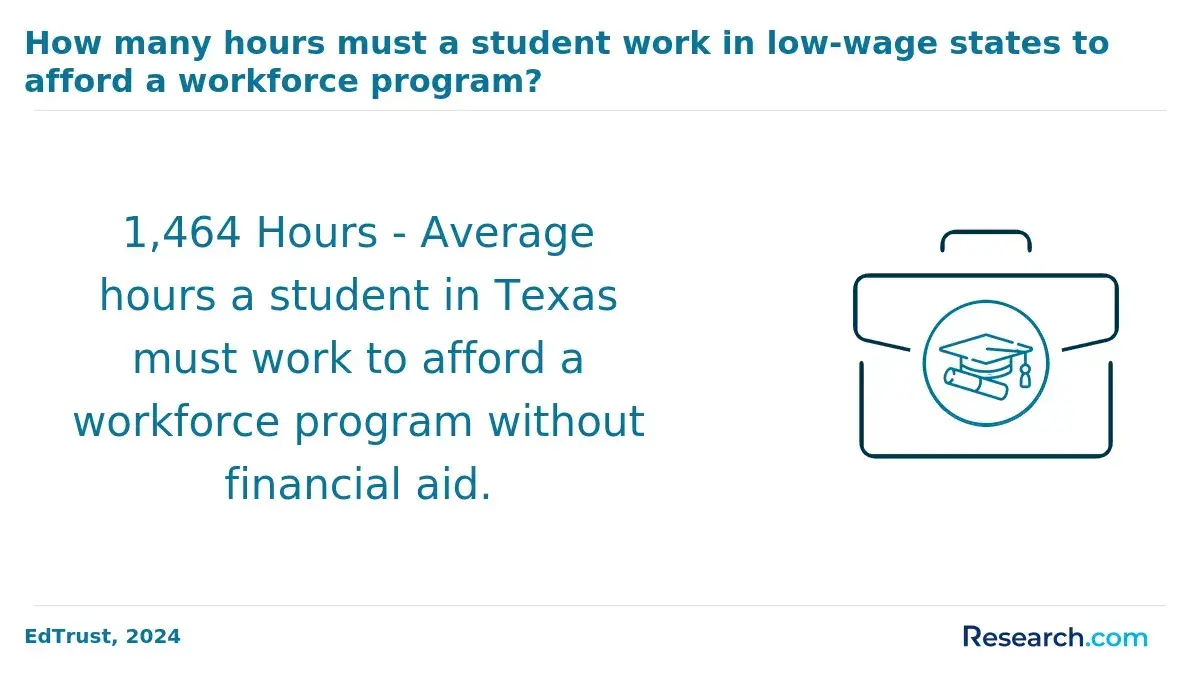
State-level cost variations in earning a physical therapy degree shape long-term financial outcomes and influence program access, especially when weighing public versus private tuition structures. In states like California, out-of-state tuition for public Doctor of Physical Therapy programs can surpass $40,000 annually, which significantly impacts students without residency, while states such as Texas or Florida offer markedly lower in-state rates often under $15,000. This disparity requires students to consider whether relocating and paying higher out-of-state fees yields enough clinical opportunities and network advantages to justify the added debt burden.
Beyond tuition, regional living expenses play a critical role in total cost calculations. Higher housing, transportation, and daily costs in Northeastern and West Coast states can push overall investment well above the sticker price of tuition alone, challenging budget-conscious learners to factor these expenses into their decision-making. Meanwhile, some states' financial aid frameworks and targeted scholarships for healthcare studies can reduce net costs but often vary substantially, making careful research essential for maximizing available support.
Because many physical therapy programs require hands-on clinical placements, students need to evaluate program availability locally versus those requiring relocation or online alternatives. The combined effect of tuition differentials, residency rules, living costs, and funding policies determines real affordability, influencing enrollment trends, borrowing levels, and career-entry timelines. Data from the Integrated Postsecondary Education Data System (IPEDS) for 2024 underscores that understanding these complex tradeoffs at the state level is crucial for students balancing educational aspirations with long-term financial sustainability.
Why Does Physical Therapy Affordability Vary So Much Between States?
Variations in physical therapy degree cost differences by state largely stem from disparities in state investment and institutional funding models. For example, states like Florida and Texas, benefiting from higher public subsidies in 2024 data reported by the National Center for Education Statistics, offer notably lower in-state tuition rates in part due to robust funding for public universities. In contrast, states with limited public funding and a heavier reliance on private institutions often present higher tuition, reflecting private schools' operational dependence on tuition revenue rather than government support. This dynamic affects student decisions, especially those weighing options between public affordability and private program availability within their region.
Regional factors affecting physical therapy education affordability include cost-of-living differences, which influence both institutional pricing and student expenses. States with higher urban concentrations and living costs, such as California and New York, typically have inflated tuition to offset elevated operational costs, affecting net affordability. Additionally, state residency rules and varying financial aid programs create divergent enrollment patterns, where students may pursue out-of-state or online physical therapy programs to mitigate steep local costs. Those navigating these complexities can also consider alternative routes, such as nursing programs no TEAS required, to manage educational expenses while staying aligned with healthcare career goals.
How Do In-State and Out-of-State Tuition Rates Affect Physical Therapy Affordability?
Residency-based tuition policies substantially shape the financial feasibility of pursuing a physical therapy degree, often dictating whether a program becomes accessible or prohibitively expensive. According to 2024 data from the National Center for Education Statistics, the average annual in-state tuition for public doctoral physical therapy programs hovers around $15,000, while out-of-state students typically face rates exceeding $30,000. This disparity frequently forces prospective students to weigh relocation against the cost premium, especially given the limited scope of interstate reciprocity agreements that mostly exclude doctoral-level physical therapy education. Additionally, private institutions standardize tuition irrespective of residency but usually maintain higher baseline fees above $40,000, which narrows cost advantages but raises overall expenses.
Financial aid structures and state-funded scholarships predominantly favor in-state residents, reinforcing the economic incentives to remain within one's home state. Although online physical therapy programs are increasing, practical clinical requirements often necessitate local in-person commitments, complicating what might initially seem like a more affordable or flexible option. Students must also consider potential tradeoffs in networking opportunities, licensure alignment, and program quality when selecting out-of-state or online pathways, where tuition savings might be offset by these less obvious costs. For many, residency reclassification eligibility represents a strategic consideration that can influence enrollment timing and long-term debt management.
One recent graduate shared that despite living in a neighboring state, the absence of a reciprocity agreement meant they faced full out-of-state tuition, which nearly doubled their anticipated budget. They hesitated over whether to pursue a home-state program with fewer faculty and clinical site options or accept higher costs for what they perceived as a stronger program. Navigating residency rules and timing their move to establish in-state status proved more complex than expected, leading to months of recalculated financial planning and uncertainty about whether the higher tuition ultimately aligned with their career goals and financial resources.
How Does the Cost of Living Impact Overall Physical Therapy Affordability by State?
Cost of living disparities significantly alter the real expense of obtaining a physical therapy degree across states, often overshadowing tuition differences alone. For instance, students in California or Massachusetts face median rents more than 30% above the national average, inflating total education costs far beyond sticker tuition prices. Conversely, states like Texas or Florida offer moderate housing and transportation expenses that can help offset higher tuition fees, allowing students to manage lower overall budgets. These regional living expenses impact on physical therapy education costs must factor into financial planning, as higher day-to-day expenditures increase reliance on loans, affect repayment timelines, and influence post-graduation employment choices.
Transportation and food costs further complicate affordability calculations. In urban regions with extensive public transit, commuting costs may remain minimal, while in rural or suburban states, students often face unavoidable vehicle expenses that elevate their financial burden. Additionally, food prices and utilities vary notably, with the Northeast and West tending toward 10-15% higher costs, and colder climates adding utility demands that can strain tight budgets. Such nuances complicate student decisions about residency, campus attendance, or selecting online alternatives such as an online bachelor's in kinesiology as a pathway to reduce financial exposure while pursuing physical therapy prerequisites.
Ultimately, the cost of living and physical therapy affordability by state reveal a complex tradeoff between education costs and regional living expenses that simple tuition comparisons obscure. A holistic perspective helps students and families anticipate total financial commitments, adjust enrollment strategies, and identify states where combined tuition and living costs align best with their economic circumstances. This understanding supports more informed decisions about degree completion, potential debt levels, and long-term career sustainability in a demanding healthcare field.
Which States Offer the Best Value for a Physical Therapy Degree?
Evaluating value for a physical therapy degree requires more than comparing sticker tuition prices; in-state tuition policies and regional economic factors heavily influence affordability and long-term financial outcomes. For instance, North Carolina's public institutions offer annual in-state tuition under $9,000 alongside higher graduation rates around 75%, which reduces time-to-degree costs and debt accumulation. Yet, states with low base tuition can have limited research opportunities or fewer clinical partnerships, so prospective students must weigh whether these tradeoffs align with their career goals and market expectations.
Living expenses and financial aid availability further complicate the picture. States like Texas and Florida leverage relatively low cost of living and stronger public funding for health professions, enabling students to graduate with manageable loan balances and quicker employment prospects. Conversely, paying over $20,000 annually in tuition in states such as California often comes with access to advanced technologies and institutions valued by some employers, but the added costs create steep upfront investment risks that may not always yield proportional salary gains. Understanding these dynamics is essential for students deciding whether to relocate, qualify for residency-based tuition, or pursue online options in different states.
What Financial Aid and Scholarship Opportunities Can Reduce Physical Therapy Costs?
Federal grants and state scholarships can substantially reduce physical therapy education costs, but their impact varies significantly based on residency and institutional factors. For example, students in states with robust higher education funding and tuition reciprocity agreements-such as those in certain regional compacts-may access in-state tuition rates despite residing out-of-state, effectively lowering their financial burden. However, these benefits often carry strict eligibility criteria, renewal requirements, and caps on how much aid can be combined with other scholarships, influencing long-term affordability and requiring careful planning by prospective students.
Need-based aid like Pell Grants primarily supports low- and middle-income students, yet its availability is geographically uneven. States like Texas and California tend to offer more substantial state-specific grants, whereas students in less-funded regions face narrower assistance options, which can increase reliance on loans with varying forgiveness policies. Meanwhile, merit-based scholarships add complexity by rewarding academic or professional achievements but fluctuate with each institution's endowment and fundraising capability, making them unreliable for many. Employer-sponsored tuition reimbursement programs offer another aid dimension, particularly in areas dense with healthcare providers, but eligibility and participation depend heavily on local job markets and current employment status. According to a 2024 report from the National Center for Education Statistics, federal and state aid combined cover approximately 30% of tuition costs on average for the easiest graduate degrees in health programs, underscoring the necessity for students to weigh these layered funding sources against potential debt and post-graduation financial pressures.
Are Online Physical Therapy Degree Programs More Affordable Than On-Campus Options?
Online physical therapy degree programs can appear more affordable when focusing strictly on tuition, often offering rates about 15% lower than traditional on-campus options according to a 2024 NCES analysis. However, this apparent savings can diminish once students factor in residency requirements that may eliminate in-state tuition discounts for those not physically present, as well as technology fees and software costs unique to online learners. For example, a student living in a high-cost state might face higher total expenses if an out-of-state online program does not provide regional pricing, which complicates straightforward cost comparisons and underscores the importance of evaluating the cost comparison of online versus on-campus physical therapy degrees by state.
The financial dynamics extend beyond tuition: online students typically save on housing, transportation, and campus fees but may lose access to certain institutional scholarships limited to on-campus attendance. Additionally, the flexibility of an online program often enables students to maintain employment more effectively. According to 2024 CHEA data, continuing to work part- or full-time during study can reduce reliance on borrowing, directly influencing the bottom line for many families. Decision-making should also consider that federal aid eligibility generally covers online programs, unlike some grants, yet overall institutional aid is usually less generous for online students, affecting true affordability for many.
Budget-conscious students and families should therefore analyze how individual circumstances, program designs, and state tuition policies affect total cost and practical accessibility. Understanding these variables helps assess long-term financial viability, especially in professions like physical therapy, where education expense must be balanced against post-graduation employment prospects and income. For those curious about related healthcare careers, research on how much do autopsy techs make can provide additional context on compensation trends across medical fields.
Is a Physical Therapy Degree Worth the Cost Based on Career Outcomes and ROI?
Cost disparities across states play a decisive role in the value proposition of a physical therapy degree. For instance, tuition at public programs in more affordable states may be less than $20,000 annually compared to private or out-of-state offerings that exceed $70,000. Students facing high tuition without sufficient financial aid risk accumulating debt beyond $100,000, which can outweigh the degree's earning potential in lower-paying local markets. Evaluating career outcomes for physical therapy graduates by state reveals how factors like program completion rates and regional employment demand influence loan repayment speed and overall financial feasibility.
Beyond sticker price, students must consider opportunity costs, geographic mobility, and alignment with career goals when assessing return on investment across states. Those who prioritize affordable programs in regions with strong hiring may benefit more than those chasing prestige or specialization that come with higher costs and uncertain placement. Completion rates and program quality also affect employability and long-term satisfaction, factors often overlooked but critical to minimizing financial risk. Budget-conscious students may explore alternatives such as accredited online environmental health and safety programs to complement skill sets or enhance marketability in healthcare environments with growing demand.
According to the U.S. Bureau of Labor Statistics, physical therapists earn a median wage near $93,000, and employment is projected to grow 21% through 2032, underscoring robust job prospects. However, students must adopt a nuanced, data-driven approach grounded in state-specific tuition, debt, labor market conditions, and realistic professional pathways to determine if a physical therapy degree's ROI justifies the investment amid these operational complexities.
References
- Practice physical therapy in more than one state with the PT Compact https://comphealth.com/resources/physical-therapy-mutliple-states-pt-compact
- Best Value Doctor of Physical Therapy (DPT) Programs For 2026 | HealthGrad https://www.healthgrad.com/physical-health/best-value-doctor-of-physical-therapy-dpt-degree-programs-for-2019-20/
- Why Is Physical Therapy So Expensive? Decode 2026 Costs https://www.highbarhealth.com/why-is-physical-therapy-so-expensive/
- U.S. map of Doctor of Physical Therapy (DPT) program members of the American Council of Academic Physical Therapy https://acapt.org/maps/institution-map.html
- Weighing the Cost of Caring: Evaluating ROI in Healthcare Ed. https://coreframework.org/f/weighing-the-cost-of-caring-evaluating-roi-in-healthcare-ed
- Is PT School Worth It? | Guide to a Successful Cash Based Physical Therapy Practice https://drjarodcarter.com/is_pt_school_worth_it/
- Cost-Effectiveness of OT and PT • OT Potential https://otpotential.com/blog/cost-effectiveness-of-ot-and-pt
- Physical Therapy Direct Access by State 2025: The Complete Guide https://www.proactivechart.com/resources/physical-therapy-direct-access-by-state-2025/
- How to Pay for Physical Therapist (PT) School | SoFi https://www.sofi.com/learn/content/paying-for-pt-school/
- 59 Physical Therapy Statistics, Facts & Demographics https://www.crossrivertherapy.com/research/physical-therapy-statistics
Other Things You Should Know About Physical Therapy
Licensure requirements for physical therapists differ widely by state, influencing program content and clinical hour demands. Students in states with more stringent or unique licensure rules may face longer, more costly programs or additional preparatory expenses post-graduation. This can reduce the apparent affordability of a degree from states with lower tuition but more burdensome licensing hurdles, triggering longer time-to-practice and delayed earnings. Prospective students should prioritize understanding state-specific licensure pathways to evaluate true cost and time efficiency beyond tuition alone.
Clinical placements often determine total program length and workload intensity, directly affecting affordability. States with fewer quality or conveniently located clinical sites may require students to seek unpaid or paid opportunities farther away, increasing living costs and potential lost income. Limited local clinical options can also extend program duration. To maximize value, students should weigh the accessibility and quality of clinical placements in their target state alongside tuition to avoid hidden financial and logistical burdens.
Employer preferences for graduates prepared in specific states' curricula or with local clinical experience can impact job prospects and salary offers. Investing in a lower-cost program outside of a state's professional ecosystem may increase difficulty in securing high-quality positions or require additional certification steps. For students aiming to work locally post-graduation, choosing a program aligned with state employer expectations-even if more expensive-can improve initial employment outcomes and accelerate return on investment. Prioritizing alignment with local job markets can be more cost-effective long term.
Program structures differ not only in cost but also in required credit hours, class schedules, and intensity of clinical experiences. States with programs demanding heavier course loads or more in-person attendance can increase living and transportation expenses, limiting students' ability to work part-time. This workload variability can make programs with similar tuition levels differ widely in net affordability. Students should evaluate these structural elements to ensure a program's demands align with their financial capacity and life circumstances.